Expedition cruise fitness matters far less than most people expect. What counts more is being reasonably mobile and able to manage under your own steam, along with a healthy appetite for adventure.
If you have ever looked at photos of travellers walking in Antarctica among penguins and snowy peaks and thought “that looks wonderful, but am I fit enough for it?” then you are asking the one question we hear more than almost any other. The good news is that a polar expedition cruise asks far less of your fitness than you might fear. Contrary to popular myth, you do not need to be an athlete or half your age to squeeze the most out of the adventure, and no previous hiking experience is required at all. A reasonable level of mobility does help, though, as does a willingness to be helped on and off a Zodiac. Other than that, all you truly need to enjoy the experience is an open mind, endless curiosity and a flexible mindset.
This guide covers what expedition cruise fitness really means and whether you will feel left out if long hikes are not your thing.
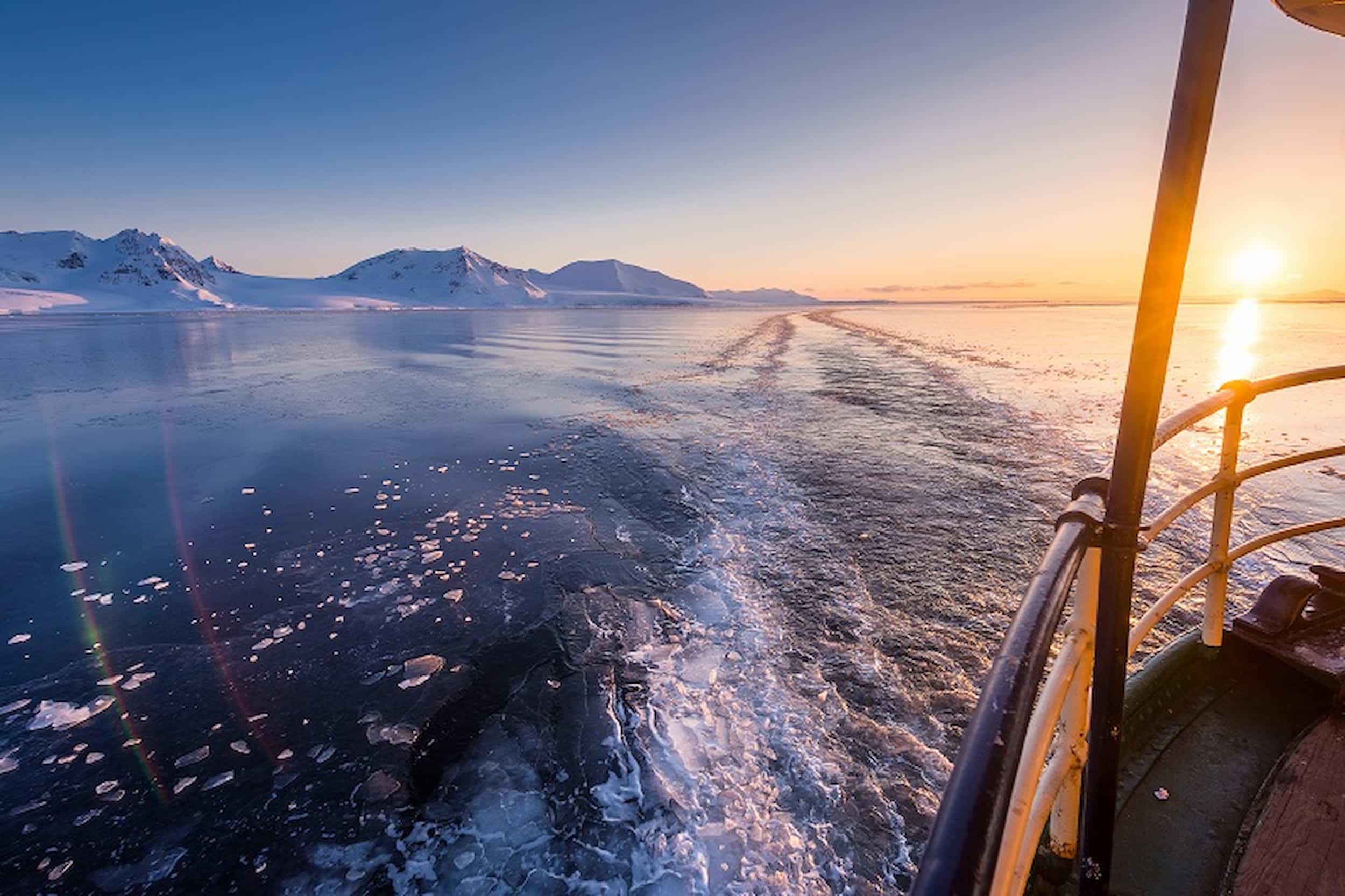
A polar expedition cruise is mostly about experiencing the world’s remotest and most isolated spots. Travel with open eyes and an open heart and you’ll love every minute.
In this guide:
How fit do you need to be for a polar expedition cruise?
What if everyone on board is fitter than me?
What does a typical day on a polar expedition cruise look like?
How do you get in and out of a Zodiac?
Is it hard to move around the ship?
Will I be bored if I don't want to do long hikes or kayaking?
What about travel insurance and medical conditions?
What medical support is there on board?
How fit do you need to be for a polar expedition cruise?
The stock standard and very honest answer is “you need to be reasonably mobile, not athletic”. If you can manage a flight of stairs and walk on uneven ground for a short stretch unaided, you have the fitness level this kind of trip requires.
The important thing to know about expedition cruising is that the experience is primarily built around choice. Nothing is compulsory, and every day you decide how much you want to take on. Before each outing, your expedition leader will explain the level of mobility required, including how far you will walk and what the ground underfoot is like, so you can ascertain if it’s right for you and pick what suits you best. Fancy a longer walk to a viewpoint? Go for it. Would you rather stay in the Zodiac and cruise the shoreline while others hike on land? That is a popular option, and yes, you will still get to see plenty.
Some guests do everything on offer, while others pace themselves and take a quieter day when they need the rest. Both approaches are welcome, and neither raises an eyebrow.
“People phone us worried they will be the weakest link, and it is almost never the case. If you can potter around your garden and manage the stairs at home, we can find you a voyage you will love, with a ship that’ll be comfortable and crew who will take good care of you. This is your trip, first and foremost, so you can tailor it to whatever feels right for you”
- Rachel Williams, Managing Director @Viva Expeditions.
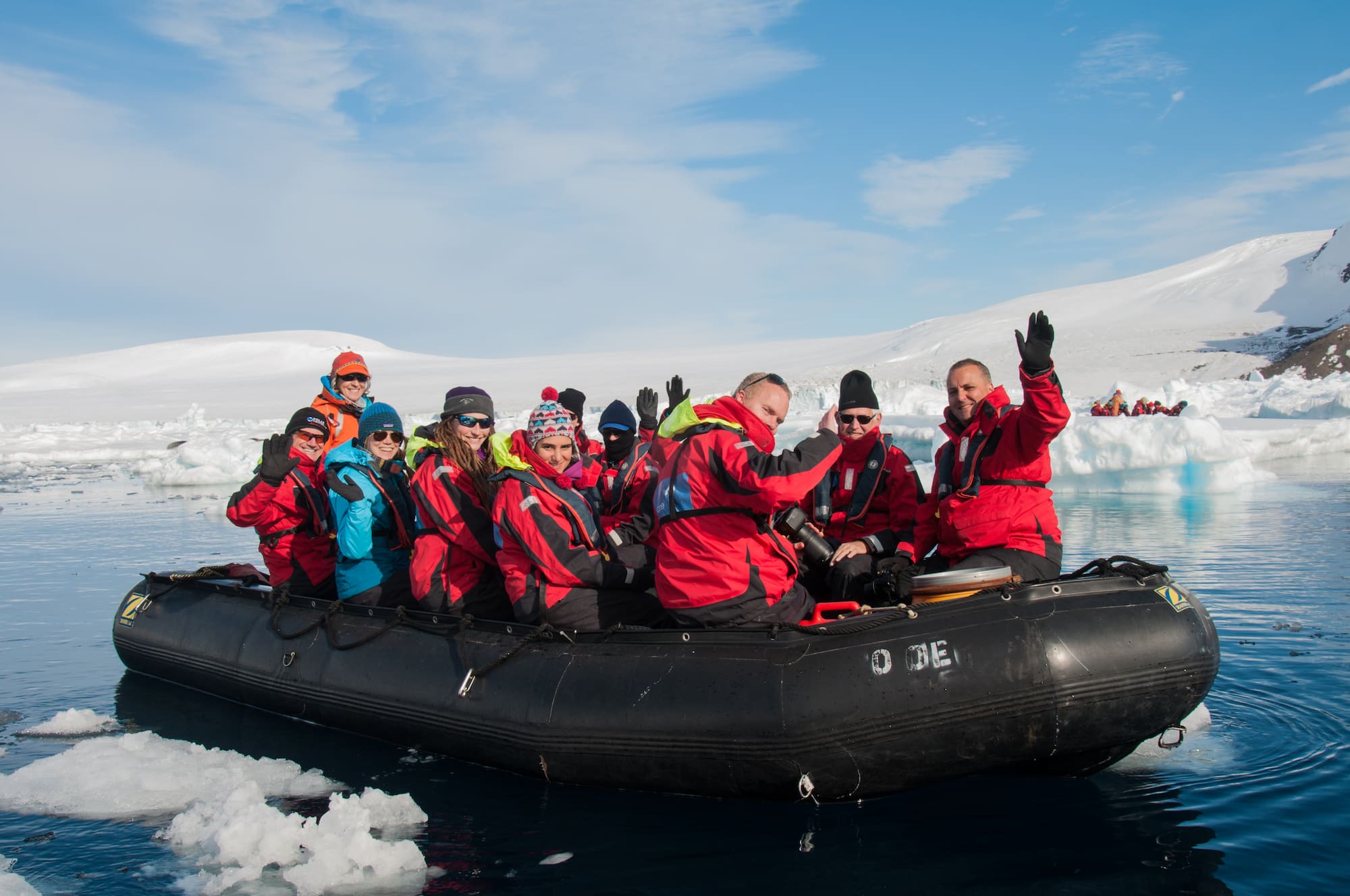
Zodiac cruising is the highlight of polar expedition cruises and you certainly don’t need to be super fit to enjoy them.
What if everyone on board is fitter than me?
Some will be, but most won’t. Polar expedition ships attract a wide spread of ages and fitness levels, and a good number of guests are retirees on a once-in-a-lifetime trip.
Polar expedition cruises are for curious people rather than adventurers in peak training. On any given sailing, you will find couples celebrating a big anniversary, solo travellers who have dreamed of seeing the ice for decades, old friends going together, and even the occasional family group.
“The idea that everyone else will be some kind of super-fit explorer is the myth I most enjoy busting. Our guests span a wide age range, and the ones having the best time are usually those who stop worrying about keeping up with everyone else and simply take it at their own speed.”
- Tara Sutherland, General Manager @ Viva Expeditions.
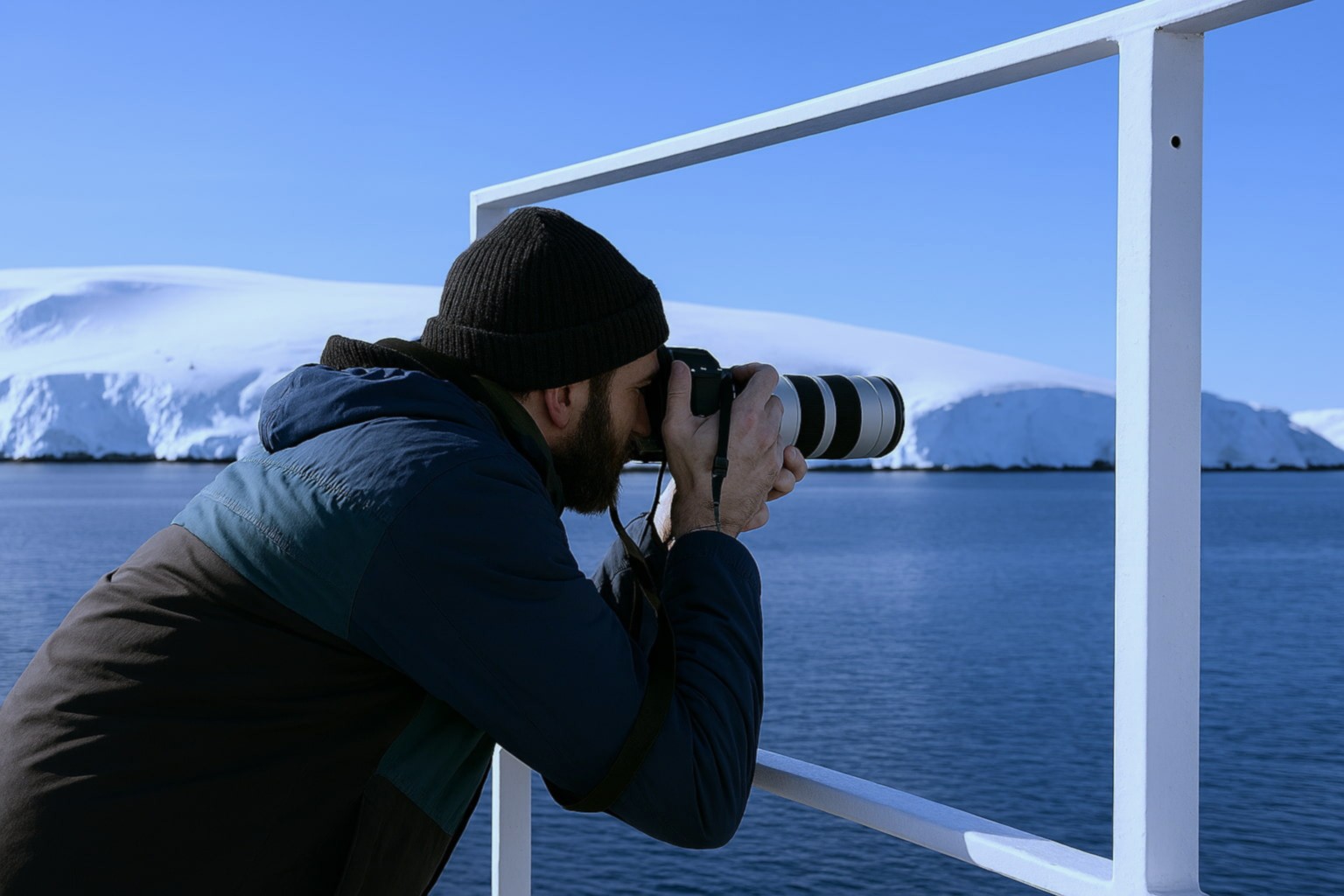
Relaxing mornings spent watching and photographing the ethereal scenery from deck are as much a part of the day as the landings, and they place zero stress on your knees.
What does a typical day on a polar expedition cruise look like?
Most days you’ll be offered two excursions, weather permitting, one in the morning and one in the afternoon. In between is all about shared meals, presentations, chats among passengers and rest.
On a regular day, and if the weather Gods are playing along, you’ll start with a breakfast and then instructions to prepare for a shore landing and/or a zodiac cruise. Briefings will have been provided the evening before, but updates may come in from your expedition team, based on the current conditions. Then you’ll be back on board for a leisurely lunch, perhaps a cruise through a stunning bay or channel, then out again exploring in the afternoon, be it for a walk, another Zodiac cruise or perhaps a Kayaking stint.
The expedition team gathers everyone for the day’s recap by late afternoon and set out the tentative plan for the next day, and then it’s time for dinner. Around all of that are the smaller but incredibly enjoyable pleasures, like watching for whales from the deck, attending a lecture from a naturalist or historian, reading a book in the lounge, or soaking in the hot tub or sauna on ships that have one. On some ships, you can even follow the presentation on your cabin’s TV so you can lie in bed and rest without feeling like you’re missing out.
If you’d like to know more about how these voyages play out, read our guide to what an expedition cruise to Antarctica involves.
“My favourite thing about a day in Antarctica or the Arctic is that there is no wrong way to do things. The expedition team takes care of everything, and you can trust them 100%. Some mornings I was in the first group for the zodiac excursions and then in the afternoon I was in the 2nd or 3rd group. That gives you time to watch the ice go by or spot wildlife at your own leisure.”
- Pia Knarston, Destination Specialist @ Viva Expeditions.
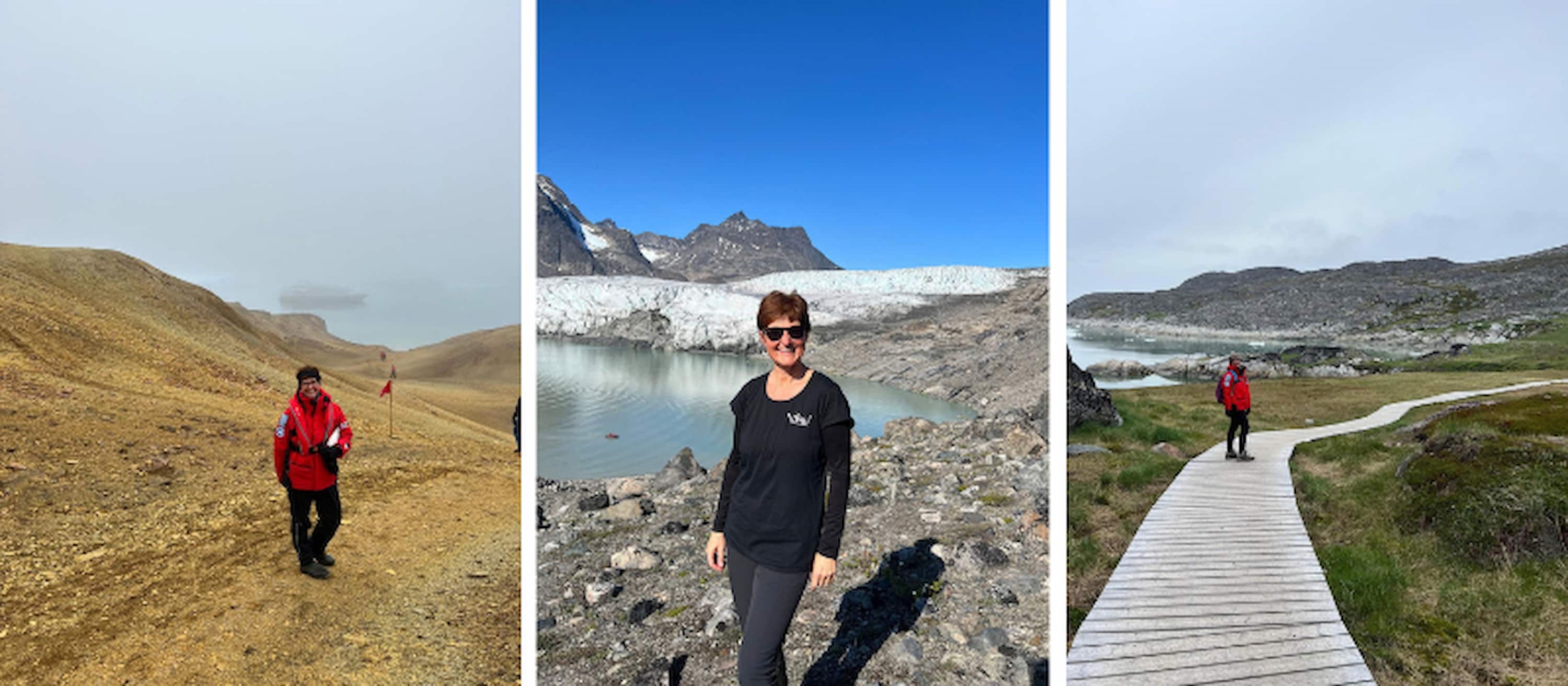
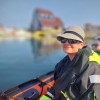
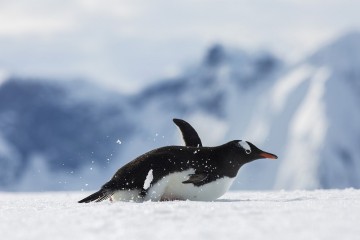
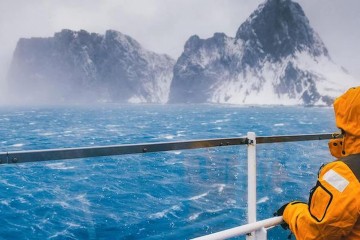
One Pia, three different polar landscapes. A huge part of the draw of polar expedition cruises is that no two days, and no two trips, are ever the same.
How do you get in and out of a Zodiac?
With help, and more easily than it looks in the photos and video clips. There is a set technique, and the crew steadies you at every step.
Since there are no docks in the polar regions, you need to reach the shore by Zodiacs, which are sturdy inflatable boats. Getting in and out is the part people worry about most, so it is worth knowing how it actually works:
-
Getting off the ship: usually you head down the gangway, a set of steps leading to the waiting Zodiac at the waterline, with a handrail and crew on hand. On some ships it is simpler still, stepping straight out from the landing bay in the side of the hull into the zodiac.
-
Onto the boat: you sit on the inflatable side, or pontoon, and swing your legs across, slide along to your spot to let others embark, then settle into place. You will sit with no back support for the ride, so a little core steadiness helps you feel more comfortable.
None of this requires strength so much as some balance and a helping hand if needed. Just follow the expedition team’s instructions, and always take their arm in the sailor grip for help.
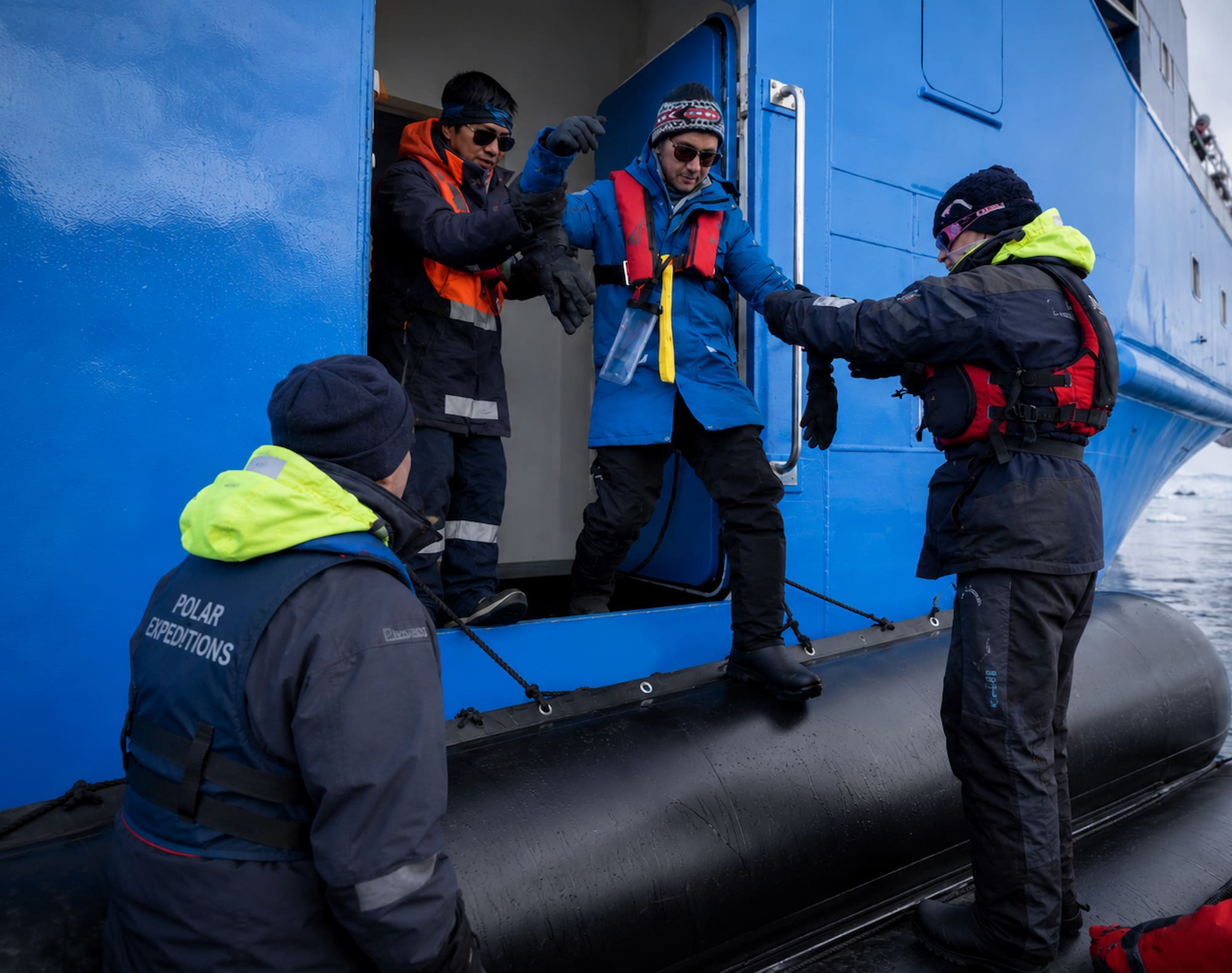
Zodiacs can be tricky to get in and out of, especially on a windy day, but there’s always someone ready to lend a (firm) grip.
Is it hard to move around the ship?
Not unless the swells are colossal and, most of the time, they simply aren’t. Modern high-tech polar expedition ships have stabilizers that absorb a lot of the sway, handrails that run along the corridors and stairwells, and many also have a lift so you don’t need to manage staircases between decks.
Yet not all ships and destinations are created equal and this is where it pays to ask the right questions and book the right trip. Newer expedition ships tend to have lift access between the main decks, wider corridors, cabins you can reach without stairs and grab rails in the bathrooms, while some smaller or older ships are stair-only and feel more like a proper adventure ship. Viva Expeditions works with a broad range of polar vessels, so if steps are a concern we can match you to a ship with lift access and step-free routes to the main public areas. It is always worth asking us about the specific ship before you book, because the layout can make a real difference to how relaxed you feel on the days at sea.
“Polar expeditions are true adventures, and part of that is accepting the unpredictable nature of the ocean. You may encounter rough seas, particularly when crossing the Drake Passage, and even the most stable ships can have their turbulent moments. For many travellers, that is all part of the fun. If you are prone to seasickness, it is worth coming prepared with medication or other remedies, so you can focus on enjoying the journey.”
- Tara Sutherland, General Manager @ Viva Expeditions.
For more answers to questions you probably have swirling in your head, our list of common questions about Antarctica expeditions is a useful read.
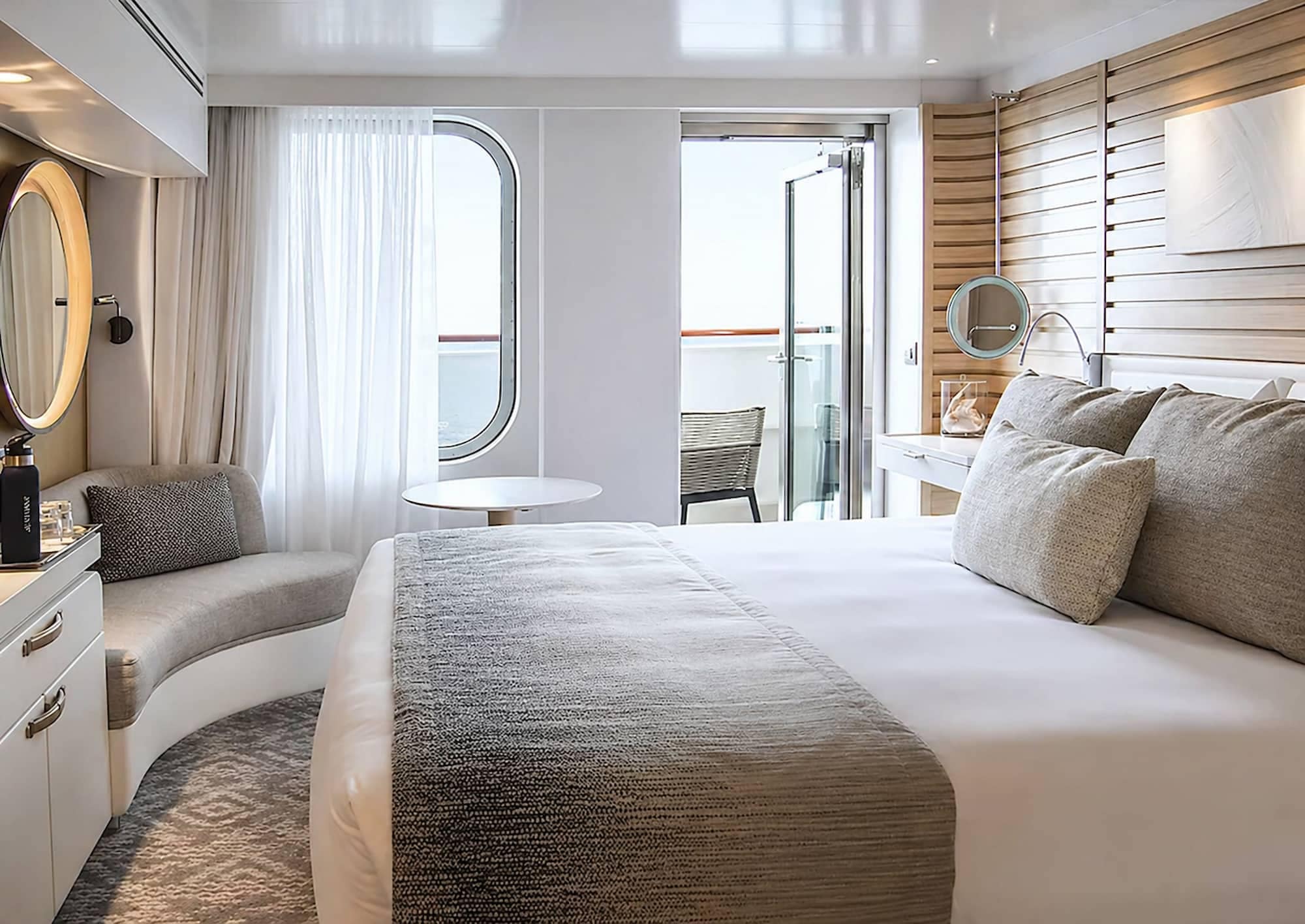
If the seas ever get too rough, you can retreat to your cabin, lie down, and wait for it to pass. Pictured here is a Stateroom aboard Ponant’s Le Bellot.
Will I be bored if I don't want to do long hikes or kayaking?
Not at all! Much of what makes these trips so special has nothing to do with long and strenuous hikes.
Ask anyone who’s been on a polar expedition cruise and they’ll no-doubt tell you that the most memorable highlights are the wildlife and wilderness, both easy to experience just cruising around in a Zodiac and even from the outer deck of your ship. What makes everything feel even more meaningful is that the on-board historians and naturalists manage to bring the destination to life, and add real depth to everything you see. Plus, there are always shorter and easier options offered so you can get off the ship and onto land even if you just want to stroll the coast while some head off on a longer hike.
The slow pace is a dream for photographers (who can literally spend hours in one spot photographing penguins and seals) and anyone who prefers to soak up any experience without feeling rushed.
Here is a rough guide to how the main excursions compare:
| Activity |
Fitness level |
A good fit if you... |
| Zodiac cruising, no landing |
Low |
...want close wildlife and ice with no walking |
| Shore landing, short flat walk |
Low to moderate |
...can walk unaided on uneven ground for a short while |
| Longer guided hike |
Higher |
...enjoy a few hours on your feet over rough terrain |
| Kayaking or paddleboarding |
Moderate |
...feel steady and confident on the water and want to be a little more active |
| Polar plunge |
Brief and optional |
...fancy a very quick, very cold dip you won’t forget in a hurry |
“Some of my most memorable moments were the ones where I barely moved. Sitting quietly in a Zodiac with everyone watching a whale break the surface in front of a huge iceberg. Pure magic.”
- Tanya Gurtin, Destination Specialist @ Viva Expeditions.
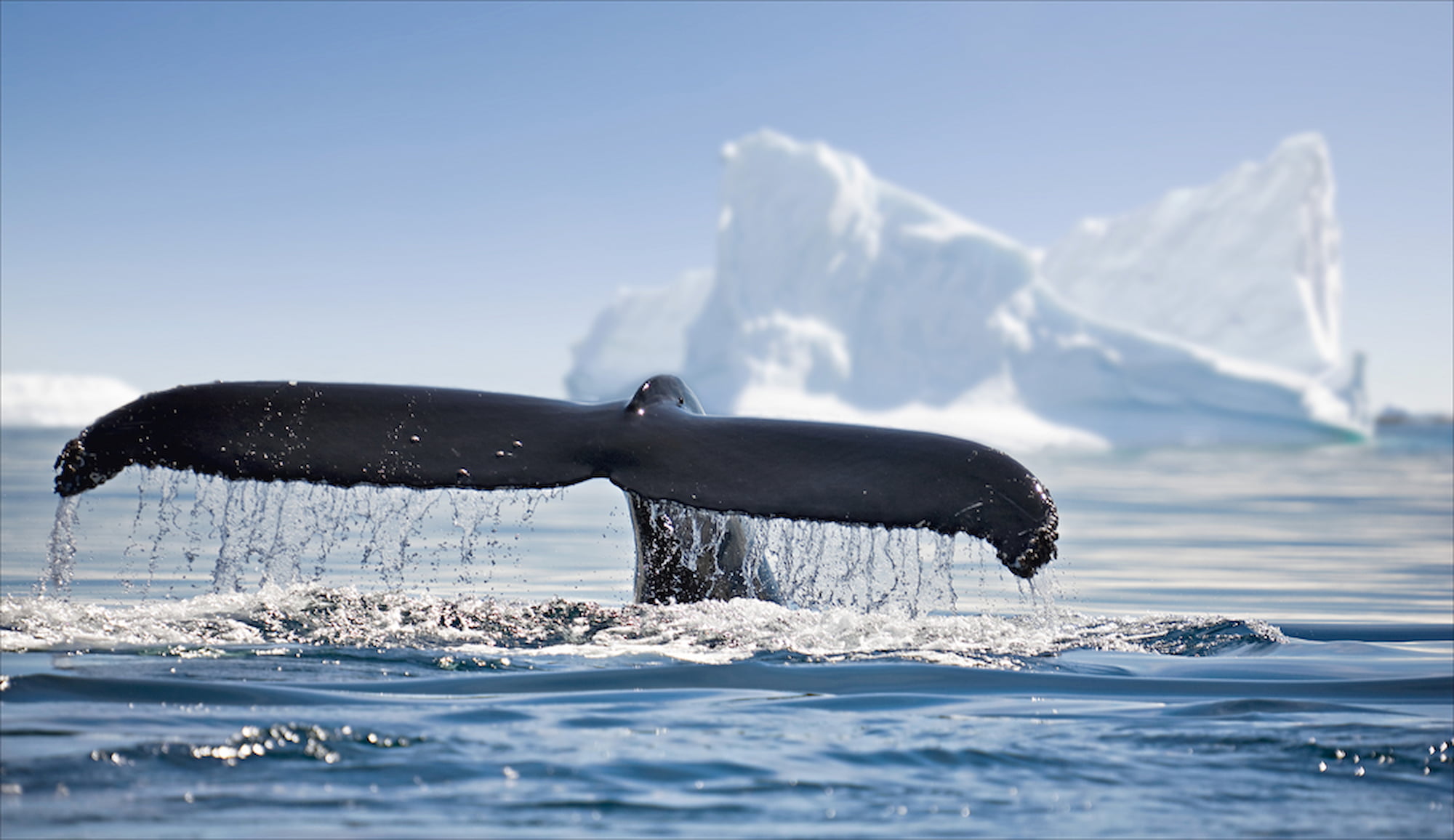
When you’re on a Zodiac, you are pretty much at eye level with the wildlife and all you have to do is sit back and admire it all.
What about travel insurance and medical conditions?
Comprehensive travel insurance with emergency medical evacuation cover is required for every polar voyage, and any medical conditions need to be declared in advance.
This matters more in the polar regions than almost anywhere else, because you are a long way from a hospital should you ever need one. An evacuation from Antarctica or the high Arctic can take days and cost a gob-smacking deal, so operators insist on insurance that will cover it.
Viva Expeditions requires all polar expedition guests to hold travel insurance that includes emergency evacuation cover. You will also complete a medical questionnaire before you travel, and you maybe asked to have it signed off by your GP. None of this is meant to put you off. Declaring something such as a heart condition, diabetes, reduced mobility or anything else simply means the onboard team knows how to support you and can plan around it. We are not medical or insurance advisers, so do talk to your GP about your own situation and read your policy closely for the evacuation limits.
If budgeting is also on your mind too, our breakdown of what an Antarctica cruise costs sets out what is included.
What medical support is there on board?
Every polar expedition ship Viva Expeditions works with carries a qualified doctor and a small onboard clinic. For everyday issues, help is available.
The most common ailments handled by expedition doctors on polar expedition cruises are innocuous things like seasickness, coughs and colds, and the usual minor slips and sprains. The clinic carries a stock of medication and some basic equipment yet the ship is not a fully kitted hospital, obviously, which is why evacuation cover matters for anything serious.
Seasickness is the worry that comes up most often, usually tied to the Drake Passage on the way to Antarctica. You have lots of options to manage it or even dodge it completely, but know that many travellers find the modern ships far kinder than they expected in this regard.
Tara’s top tips for dealing with seasickness are worth a look if that is your main concern, and Fly and Cruise options let you skip the Drake crossing altogether on some Antarctica itineraries.
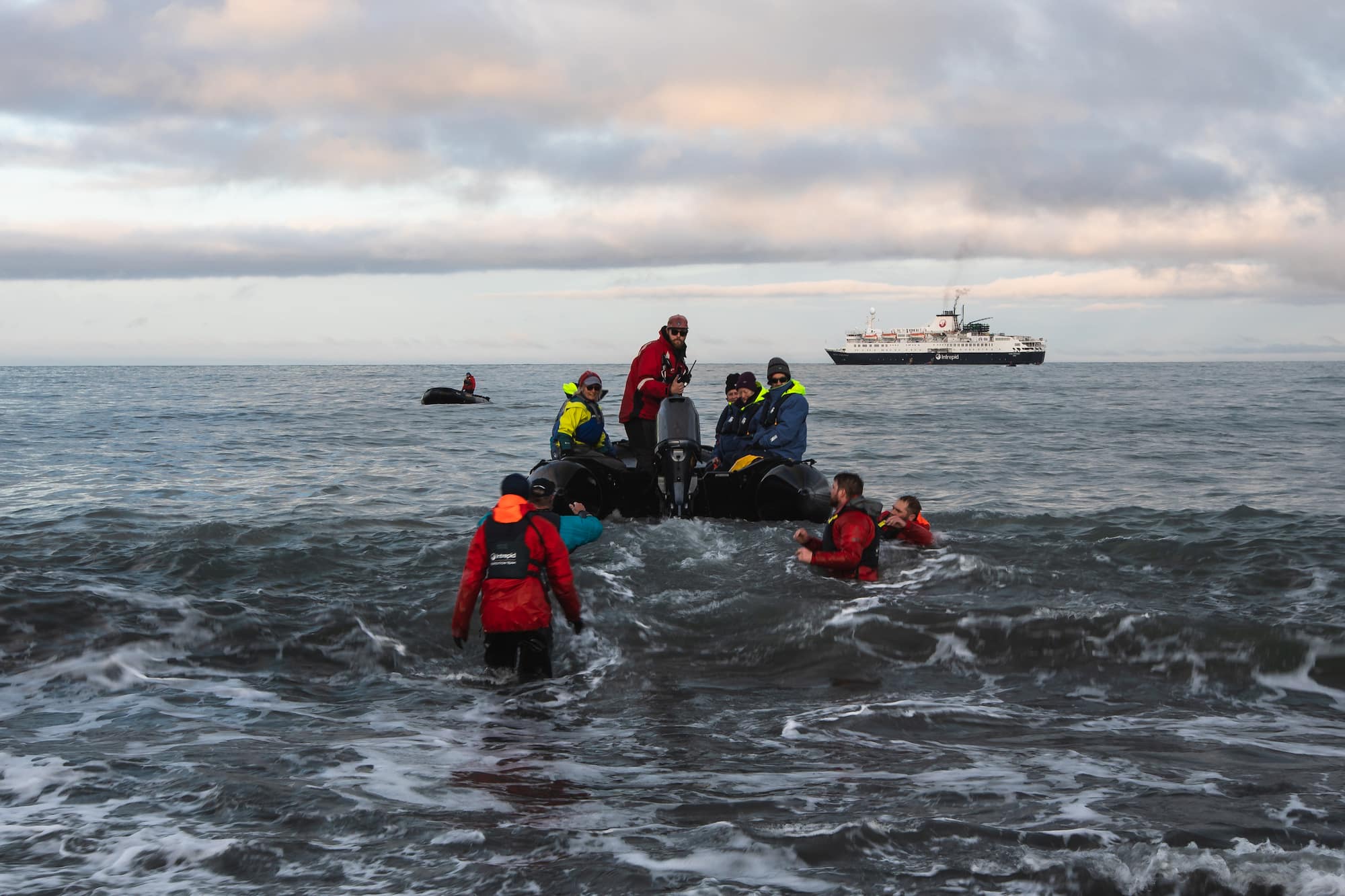
Tara took this photo after making landfall on her Antarctica expedition cruise. The crew is expert at timing the landing and getting you off the Zodiac safely, ensuring you don’t experience an accidental “polar plunge”!
If you’ve made this far in the article you will understand why we don’t consider expedition cruise fitness the big deal many think it is. If you are reasonably mobile and (most importantly!) have a curious and adventurous spirit, we bet there’s a polar trip with your name all over it.
Ready to find it?
Have a look at our Antarctica expedition cruises> and Arctic voyages or GET IN TOUCH and talk it through with one of our Destination Specialists. Tell us how active you want your days to be and your physical condition, and we’ll find a trip to the end of the world that’s just right for you.
Laura Pattara
Laura Pattara has spent more than a decade writing about polar cruising at Viva Expeditions. While she has not yet set foot on the southern ice herself, she has mastered the art of turning expert accounts and field notes into guides that feel like the next best thing. Laura has a soft spot for penguins, perfectly packed duffel bags, and a well-earned cocktail in a wild place.
|