The Drake Passage: What to Expect, How Rough Is It, and How to Prepare
Every person planning an Antarctica cruise asks us the same thing: is the Drake Passage really as bad as they say? It is the question we hear more than almost any other, and the answer is always the same: it depends, but knowing what to expect beforehand makes all the difference.
The infamous Drake Passage is the (roughly) 800-kilometre stretch of Southern Ocean that separates South America from Antarctica. It is the spot where the Atlantic and Pacific oceans meet, and, because there is no landmass around the world at that latitude, it is also where you encounter some of the world's strongest winds and sea currents.

Crossing the Drake Passage: bracing, exhilarating, and utterly unforgettable. Most travellers would not have it any other way.
Now, the Drake’s dreaded reputation is not entirely undeserved, we grant you that. But it is a passage that is also frequently misunderstood. We've been sending travellers across it for many years, and we've seen just about every kind of crossing there is.
Here is what you actually need to know before you sail.
Where Does a Drake Passage Cruise Begin, and How Long Does the Crossing Take?
Drake Lake or Drake Shake? How Rough Is It Really?
The Drake Lake
The Drake Shake
What Happens Onboard During the Crossing?
Safety talks and expert lectures
Wildlife watching
Rest, conversation, and time to decompress
How to Prepare for the Crossing
Can You Skip the Drake Passage? (Asking for a friend)
Why the Drake Passage is Worth It
Where Does a Drake Passage Cruise Begin, and How Long Does the Crossing Take?
Most Drake Passage cruises depart from Ushuaia in Argentina, the world's southernmost city and the main gateway for Antarctic expeditions. The first few hours on the water are deceptively pleasant, as expedition ships pass through the sheltered Beagle Channel, with the Patagonian mountains rising on either side. That’s before the landscape opens up and the Southern Ocean takes over.
Once the Beagle Channel is behind you, the Drake makes itself known fairly quickly. From that point, most expedition ships take around 48 hours to reach the South Shetland Islands, just north of the Antarctic Peninsula. Bear in mind that the crossing happens in both directions, so a standard Antarctic Peninsula cruise includes up to four days at sea in total, crossing the Drake Passage. Most travellers are surprised by how quickly those days pass, and why that is becomes clear in the sections below.
For those looking for longer voyages, itineraries that include South Georgia and the Falkland Islands still cross the Drake as the gateway south, with even more extraordinary wilderness waiting on the other side.
"The Drake is one of the most anticipated parts of the whole journey. Guests spend weeks worrying about it, and for those of us who are prone to seasickness, it may not be the most comfortable few days. But the moment you reach Antarctica, even the South Shetland Islands, the awe of it just takes over. You forget all about the crossing and find yourself grinning from ear to ear."
-- Tara Sutherland, Operations Manager, Viva Expeditions
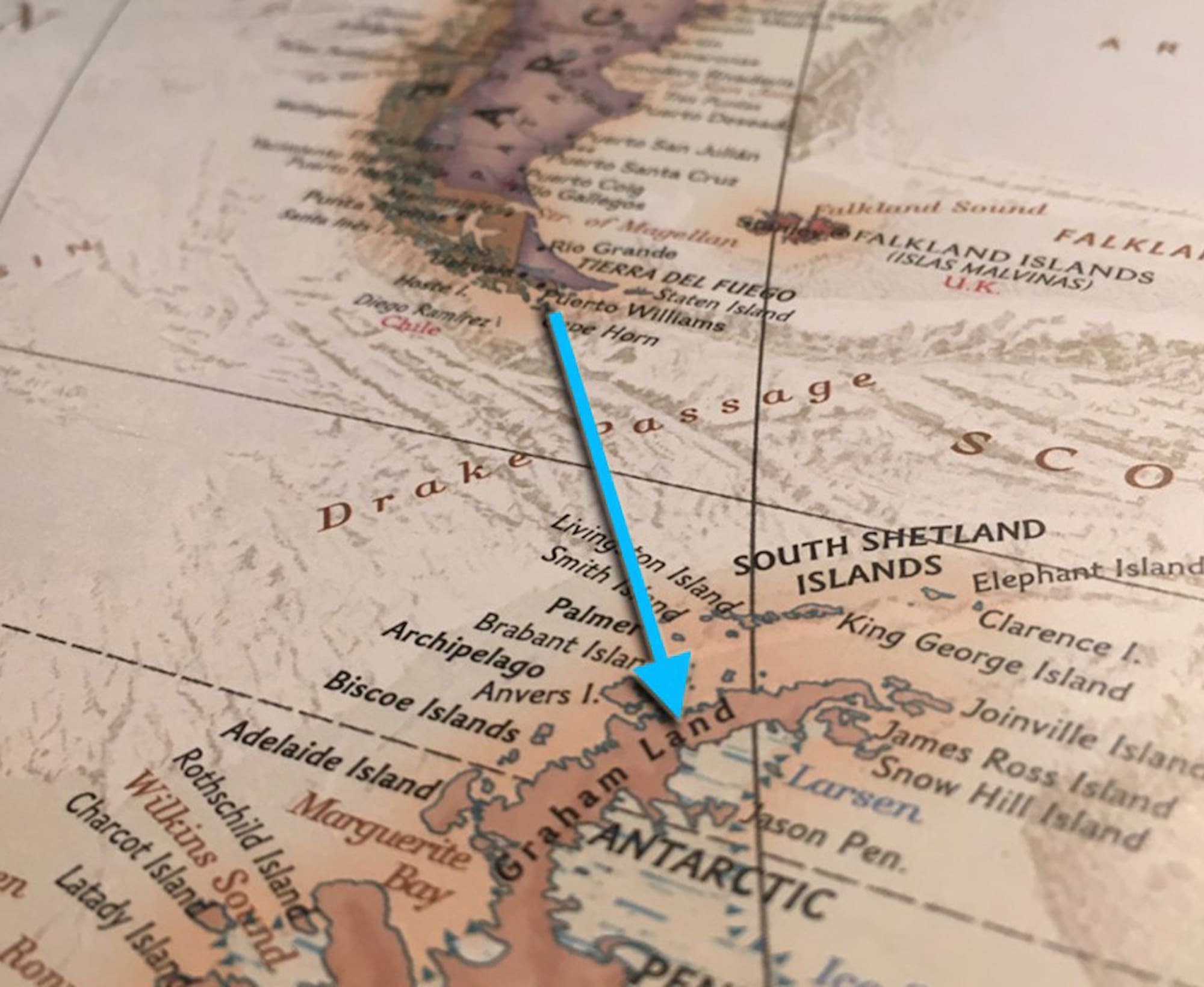
Ships depart Ushuaia, pass through the Beagle Channel, then enter the open Southern Ocean for the 48-hour crossing to Antarctica. Source: Wikimedia Commons
Drake Lake or Drake Shake? How Rough Is It Really?
Spend any time around Antarctic expedition travellers, and you'll hear both terms. They describe the two very different moods the Drake can be in.
The Drake Lake
A Drake Lake crossing is when conditions are wonderfully calm, with gentle swells and light winds. You might spot albatrosses gliding alongside the ship and whales pop up in the distance. It might be calm enough to enjoy the gym, or read a book in a cosy corner for hours, Or play a round of cards with newly made friends.
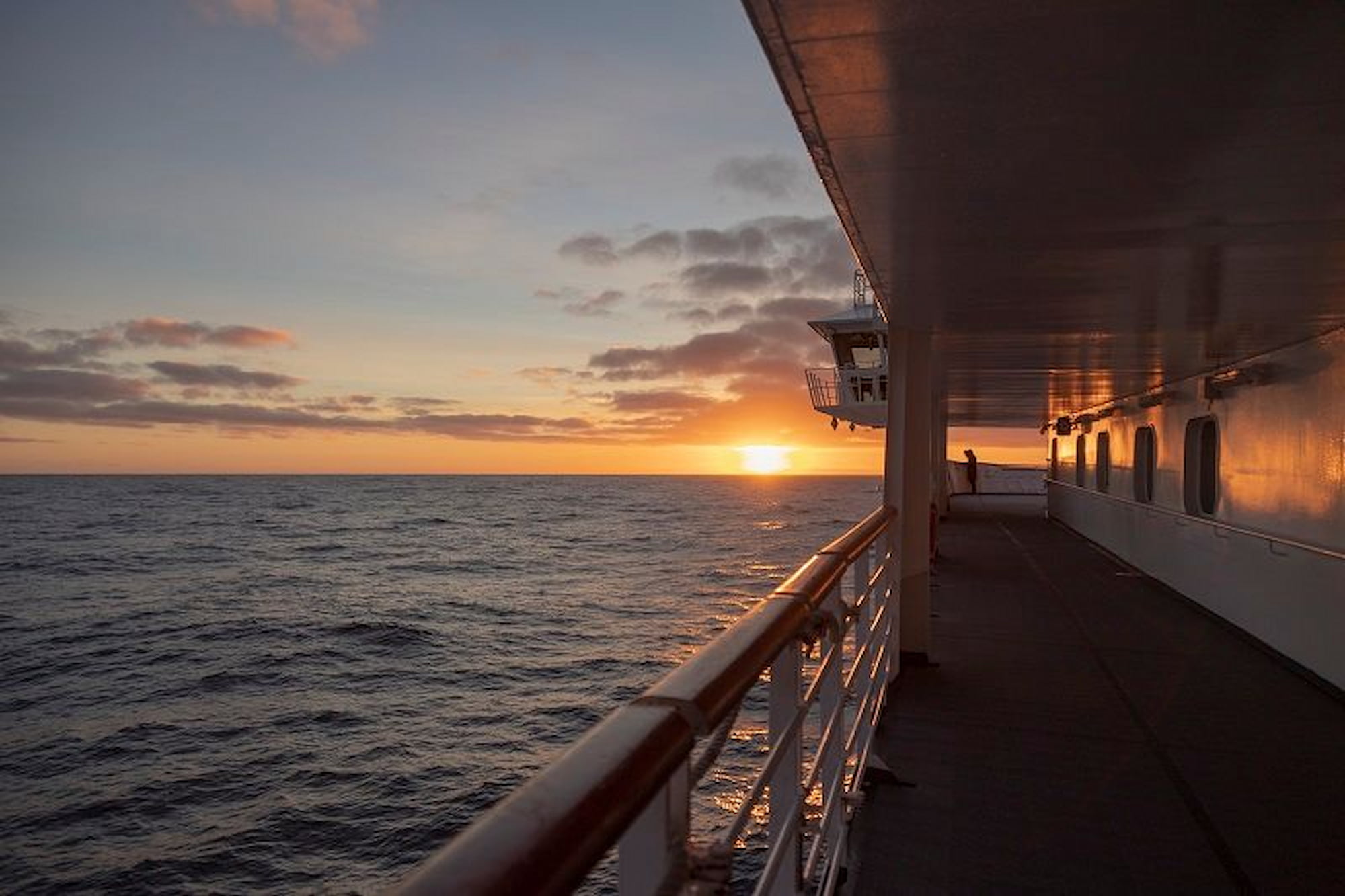
A true Drake Lake is not exactly the norm, but the good news is that it happens more often than the reputation suggests.
The Drake Shake
A Drake Shake is when, ahem, the passage shows you how it has earned its reputation. We’re talking swells of six to eight metres, powerful winds, and the ship pitching in ways that insist you hold the handrails whenever you move. While it can definitely be uncomfortable, it is not dangerous aboard a modern expedition vessel, and that's something one should always keep in mind. These 21st-century ships are purpose-built for the Southern Ocean, fitted with stabilisers, and captained by crews who know the passage intimately. If conditions are considered unsafe, the captain will wait in the Beagle Channel until the weather allows a safe departure. Knowing that you are perfectly safe can even make a Drake Shake, dare we say….FUN!

The Drake Shake in action
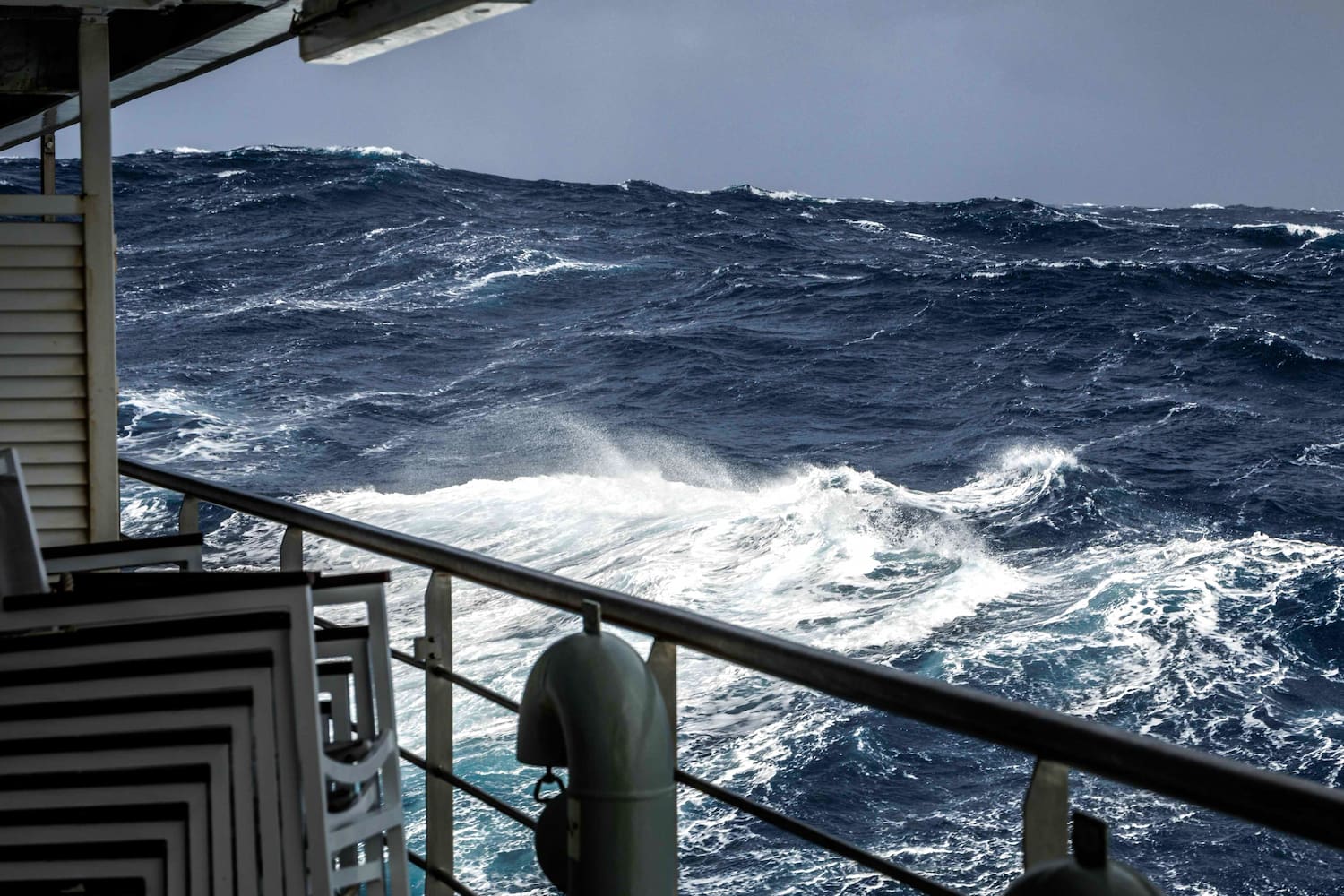
Hold on tight and enjoy the ride!
“I tell every guest to pack for the Shake and hope for the Lake. If you're prepared and you've taken your medication early, even a rough crossing becomes an adventure rather than an ordeal. And the wildlife watching starts from day one, which helps enormously.”
-- Tara, Operations Manager, Viva Expeditions
While there is no guaranteed calm season, we’ve seen December and January often serve up calmer crossings. But it's never anything we'd sign our name to. Nature doesn't follow a reliable script at the best of times, let alone in such severe environments. But that unpredictability is part of what makes arriving in Antarctica feel like such an achievement.
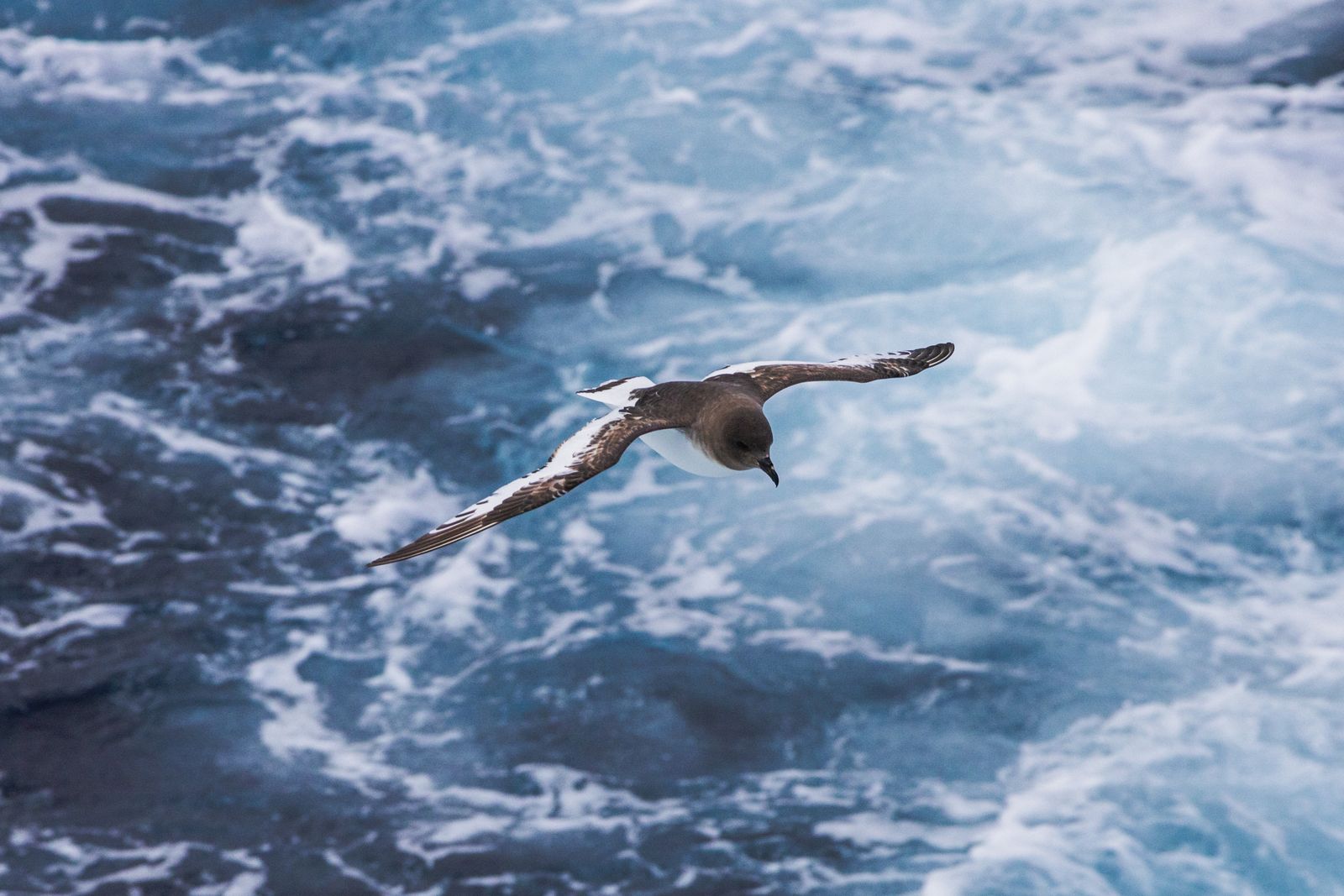
Wildlife watching begins from the moment you leave port. Cape petrels are among the first Southern Ocean seabirds to appear alongside the ship as you head south.
What Happens Onboard During the Crossing?
Most guests come back telling us the Drake was an exciting part of the adventure, and made the journey all the more complete. Many expected having to 'endure' those two days, but there is actually so much going on aboard that getting distracted is easy.
Here is what fills the hours.
Safety talks and expert lectures
Shortly after departure, the expedition team runs a safety briefing covering muster stations and how to move around the ship in rough conditions, and there will likely be a talk on seasickness prevention too (although it is best to plan ahead, more on that later). From there, a full programme of talks and activities gets underway. If you have signed up for kayaking, you will meet the kayak team; there are jacket swap sessions for anyone whose size needs adjusting; and your expedition team, typically including polar guides, naturalists, biologists, and ornithologists, will begin their talks on the wildlife, geology, and history of Antarctica, so that by the time the real adventure begins, you know exactly what you are looking at.
"The lectures on the Drake crossing are a wonderful way to prepare yourself for arriving in Antarctica. You get there already feeling connected to the place, which makes every landing so much richer."
-- Pia Knarston, Antarctica Travel Specialist, Viva Expeditions
Wildlife watching
The wildlife appears almost immediately. Albatrosses, including the Wandering Albatross with its remarkable wingspan, are the most frequent companions on a Drake crossing. Giant petrels, prions, humpback and minke whales, and hourglass dolphins in calmer conditions are all common sightings. Bring binoculars and keep an ear out for announcements from the expedition team.
Rest, conversation, and time to decompress
Modern expedition ships have libraries, lounges with panoramic views, gyms, and dining rooms that keep serving regardless of conditions. There is something about being two days at sea together, heading somewhere most people have dreamed about for years, that bonds a group of strangers quickly. By the time you are on your way back, those same days become time to process all you’ve experienced, sort through and share photographs and videos with your fellow explorers.
Wondering what you can do once you're on the ice? Our guide to activities in Antarctica covers every excursion in detail.

Onboard lectures from polar naturalists, ornithologists, and guides mean you arrive in Antarctica well and truly ready.
How to Prepare for the Crossing
From everything we have seen and experienced personally, preparation makes the single biggest difference to your Drake experience.
Here is what our team at Viva Expeditions recommends.
-
Start medication the night before departure, not once you feel sick. Anti-nausea remedies work far better as prevention. Options include promethazine, scopolamine patches, over-the-counter tablets, and acupressure wristbands. Try anything new at home first, so you know how you react.
-
Book a mid-ship, lower-deck cabin if possible. This is where the vessel's movement is least pronounced. Bow, stern, and upper-deck cabins feel every swell more.
-
Eat light and keep something in your stomach. Dry crackers, toast, or banana chips work well. Avoid heavy, spicy, or fatty food during rough conditions, and hold off on alcohol and caffeine until you're in calmer Antarctic waters.
-
Rest when you need to. A dark, quiet cabin with earplugs and an eye mask can outperform any tablet for some people. Switch off screens, switch off stimulation, and let your body adjust.
-
Keep ginger close. Dry ginger, ginger tea, and peppermint tea are all proven anti-nausea remedies. Green apples are a surprisingly effective option, too.
For a much deeper look into all of this, including Tara's full personal toolkit, see Tara's Top Tips for Dealing with Seasickness on Antarctica Cruises. It is essential reading before you sail.
For everything else you'll want to bring on board, our full Antarctica packing list has you covered.

Keeping meals light and plain during the crossing is good advice. There’ll be plenty of time for sundowners and sweet treats once you reach Antarctica proper.
Can You Skip the Drake Passage? (Asking for a friend)
Yes, you can, and for some travellers, that is absolutely the right call. Fly-cruise options allow you to fly from Punta Arenas in Chile directly to King George Island in the South Shetland Islands, bypassing the Drake entirely. The flight takes around two hours, and you board your expedition ship in Antarctica itself.
This option suits travellers who are very prone to motion sickness, those who are short on time, or anyone who simply wants to maximise days on the ice. Our Antarctica Express: Fly the Drake itinerary is a brilliant option for exactly this situation. It is also possible to fly one way and cruise the other, which is a popular compromise.
Our blog Is It Better to Fly or Cruise to Antarctica? walks through every option and helps you work out which suits you best.
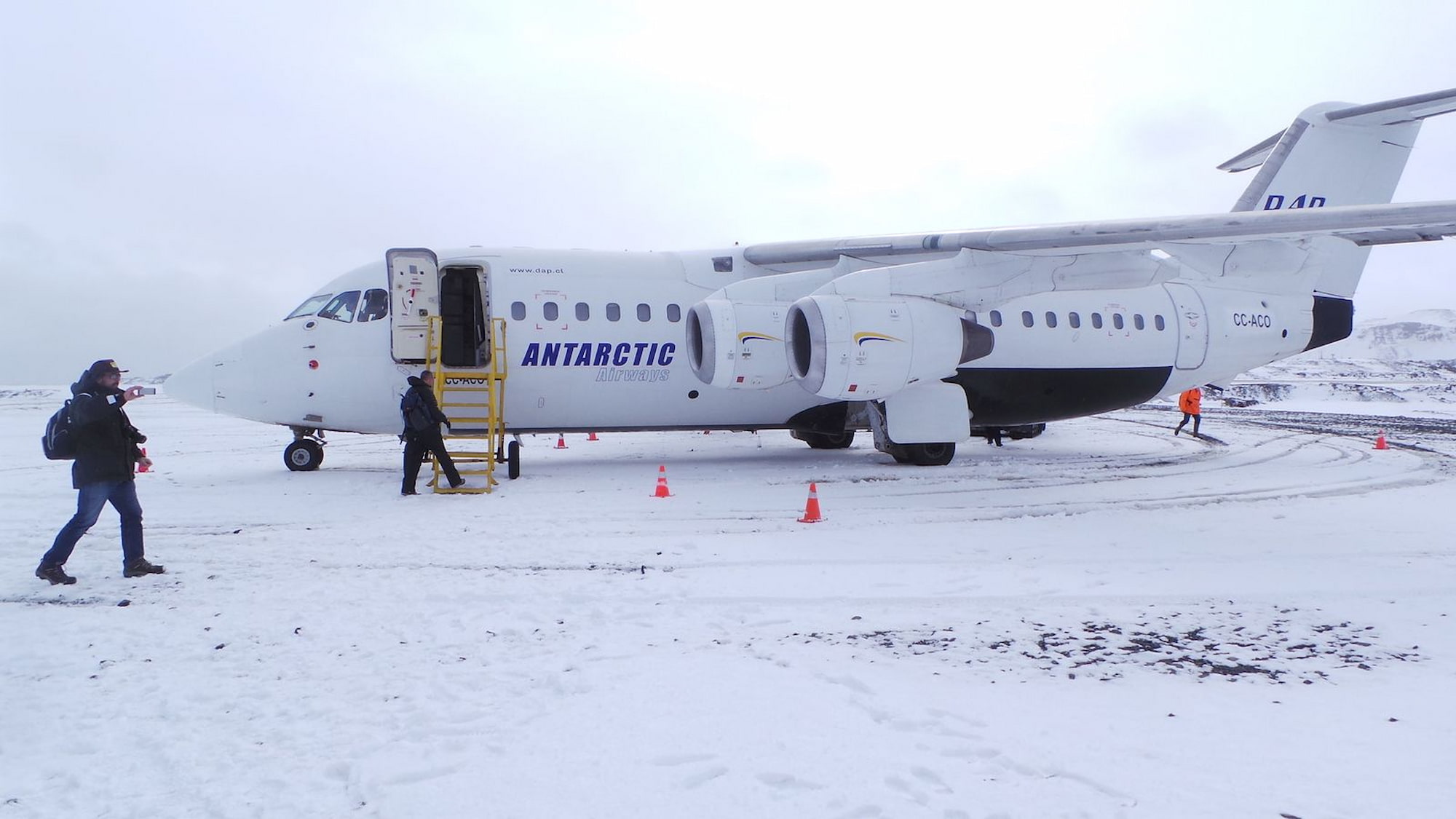
The fly-cruise option gets you to Antarctica in around two hours, bypassing the Drake Passage altogether.
Why the Drake Passage Is Worth It
There is something remarkable about crossing the Drake that no fly-in can ever replicate. It offers a gradual transition from the familiar world of cities, traffic and crowds to the raw, remote and deafening wilderness of the Southern Ocean. It also creates a context for Antarctica that transforms your arrival into something that feels rightly earned. The first penguins, the dropping temperature, the changing light — everything becomes a small signal that you are going somewhere very few people ever go.
The crossing likewise builds community on board the ship and immerses you in the history and science of the continent. It gives you two full days to leave ordinary life behind and arrive on the ice ready for what comes next. That's why we think it is one of the hidden delights of the whole expedition, and we've heard the same from hundreds of travellers who were apprehensive beforehand.
“After every expedition, guests tell us the Drake was one of the highlights. Not despite the rough weather, but because of what it felt like to push through it. There is a real sense of arrival in a totally different world when you finally see those first icebergs.”
-- Tanya Gurtin, Antarctica Travel Specialist, Viva Expeditions
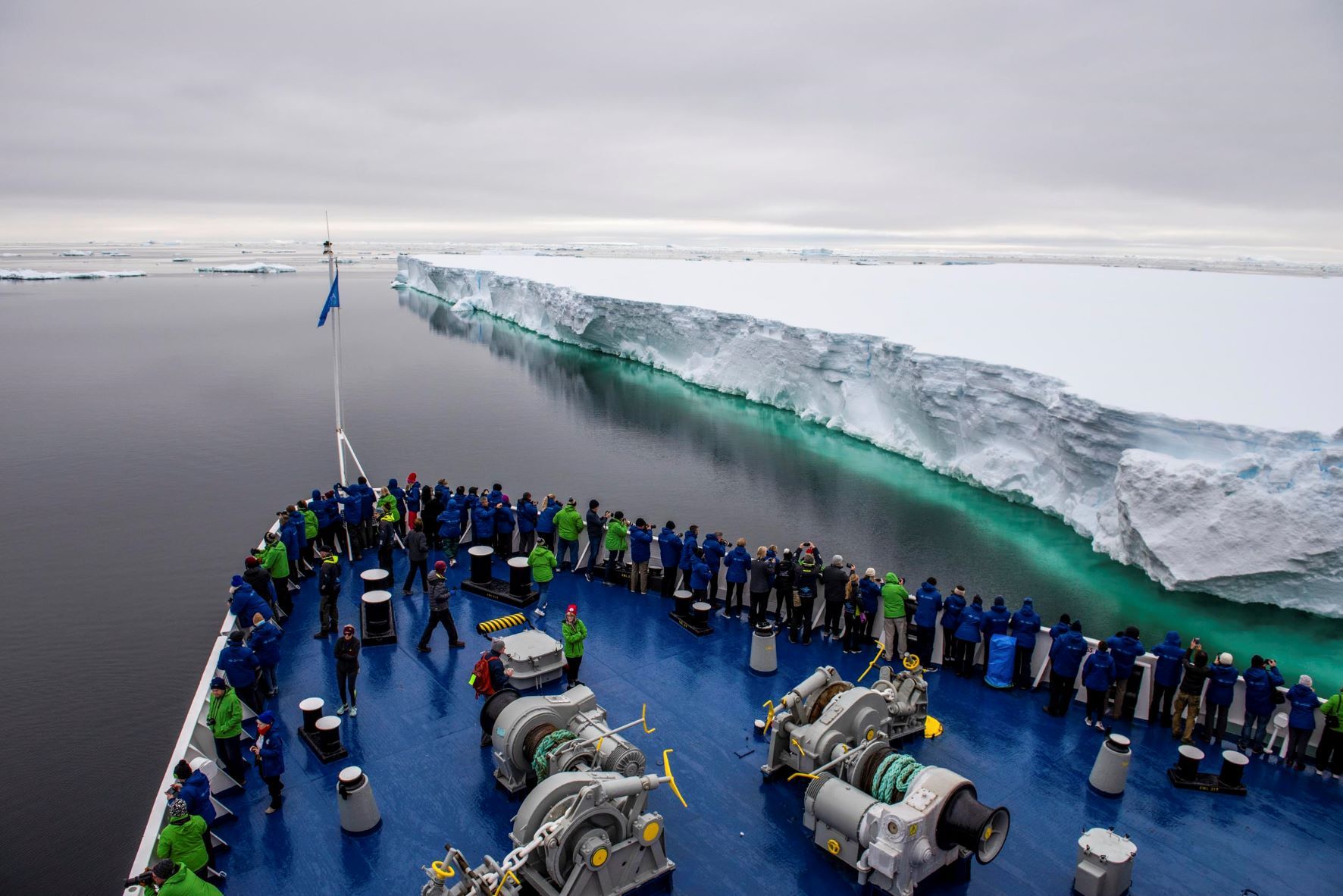
The reward at the end of the Drake crossing: your first Antarctic iceberg. After 48 hours at sea, sights like this stop you in your tracks.
Ready to start planning your Drake Passage cruise to Antarctica? Go on, it will be an experience you will never forget, and that is a promise.
Our team has helped hundreds of travellers prepare for and cross the Drake Passage, and there is nothing we enjoy more than getting people ready for their first time south. Browse our Antarctic Peninsula cruises or explore all our Antarctica expedition options to start planning your journey.
Contact our Destination Specialists today.
Laura Pattara
Laura Pattara has spent more than a decade writing about polar cruising at Viva Expeditions. While she has not yet set foot on the southern ice herself, she has mastered the art of turning expert accounts and field notes into guides that feel like the next best thing. Laura has a soft spot for penguins, perfectly packed duffel bags, and a well-earned cocktail in a wild place.
|