Travel to the Galapagos Islands
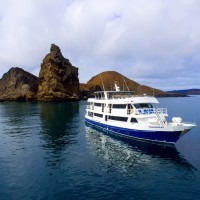
Embark on a Galapagos Islands cruise and discover a haven for unparalleled wildlife encounters. Join us as we meet the fascinating creatures that call these enchanted isles home, from iconic giant tortoises to playful sea lions.
The Galapagos are like nowhere else on earth, a haven where the wildlife is undisturbed by visitors, allowing for priceless up-close encounters. Every visit, be it on a Galapagos Islands cruise or land-based tour, is an incomparable travel experience.
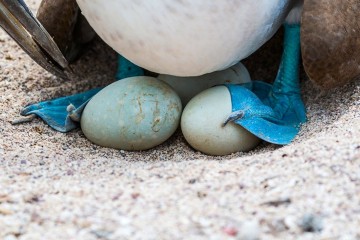
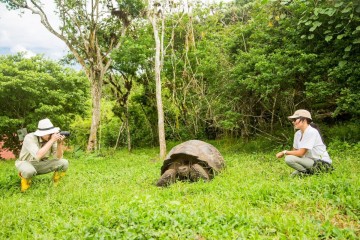
The UNESCO-listed Galapagos are inarguably South America's prime wildlife-watching hub, one with astonishing remoteness and biodiversity. On Galapagos Island cruises and expeditions, you'll meet animals that aren't found anywhere else on our planet: from Marine Iguanas to Giant Tortoises, Blue Footed Boobies, Flightless Cormorants and an abundance of other marine and semi-aquatic animals. Visiting the Galapagos is not just a vacation – it's an expedition into a world where time stands still, and nature is queen.
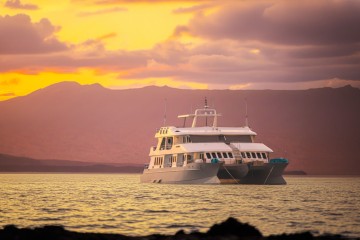
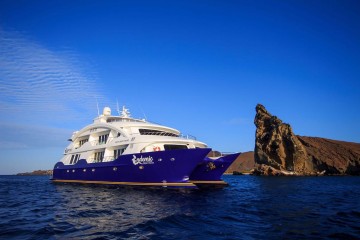
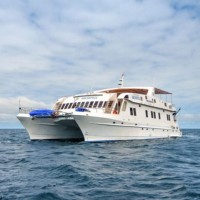
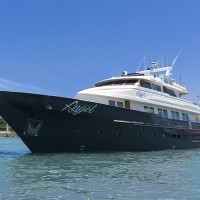
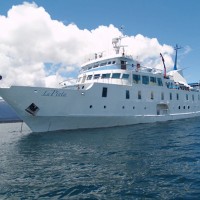
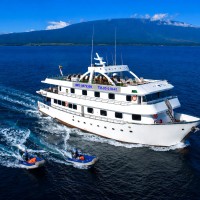
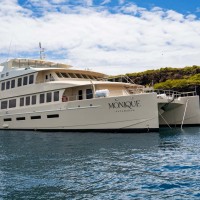
At Viva, we offer a wide choice of Galapagos Island tours and cruises, from luxury catamaran liveaboard experiences to budget-friendly expeditions worth their weight in gold. Contact us, and we'll happily tailor the perfect cruise or land-based itinerary to suit your requirements.
The Galapagos are in a remote area of the Pacific, some 1,000km off the coast of Ecuador. The entry point is Santa Cruz Island, which has daily flights from Quito and Guayaquil on the Ecuadorian mainland.
Each island offers its own unique landscapes and wildlife experiences. From the rugged terrain of Isabela Island to the pristine beaches of Santa Cruz, there's something for every type of traveller.
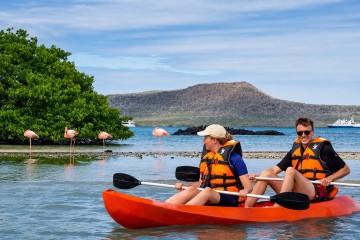
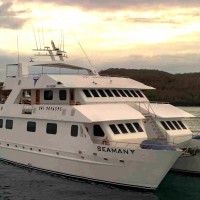
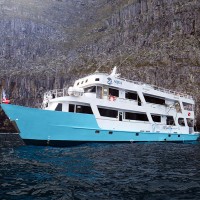
Guided hikes, boat tours, and kayak excursions provide ample opportunities to explore the island's diverse ecosystems, while eco-friendly lodges and liveaboard cruise ships offer comfortable accommodations amidst the natural, undeveloped wilderness.
Despite their remote location, the Galapagos Islands face numerous threats from invasive species, overfishing, and climate change. Thankfully, concerted conservation efforts led by the Ecuadorian government and various NGOs have helped to protect this unique ecosystem. Strict regulations govern tourism activities, limiting the number of visitors and ensuring minimal impact on the fragile environment. On your visit, you also have the chance to learn about ongoing research and conservation projects aimed at preserving the islands for future generations.