Destination

Subantarctic Islands Cruises

View Tours

Cruise the Subantarctic Islands

Go where few others have been! Explore remote Subantarctic Islands cruises to the Snares, Macquarie, Campbell and Auckland Islands. Talk to our polar team today.

Few journeys feel as much like travelling to the edge of the world as Subantarctic Islands cruises. Scattered across the Southern Ocean between New Zealand and Antarctica, these remote, storm-lashed islands are among the least-visited places on earth, and some of the richest for wildlife

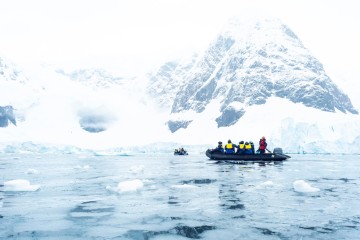
New Zealand is the natural gateway, with small-ship voyages heading south to the Snares, the Auckland Islands, Campbell Island and Australia’s Macquarie Island. Expect colossal seabird colonies and unique penguins found nowhere else, plus beaches blanketed by seals and sea lions. Landings are few and tightly guarded, so most days are spent Zodiac cruising and going ashore with expert naturalists. It is wild, humbling travel of a kind that has almost vanished elsewhere.

Contact us to start planning your extraordinary Subantarctic Islands cruise.


Often called the Galapagos of the Southern Ocean, New Zealand’s five Subantarctic Island groups (the Snares, Bounty Islands, Antipodes Islands, Auckland Islands and Campbell Island) form a UNESCO World Heritage Site, joined on many voyages by Australia’s Macquarie Island, a World Heritage Site in its own right. Isolated for millions of years and never permanently settled, they have evolved an astonishing collection of plants and animals that exist nowhere else.

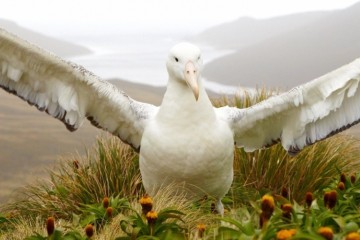
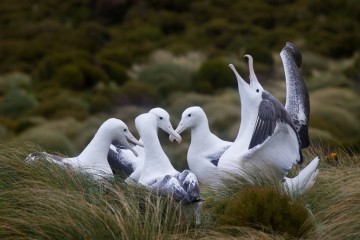
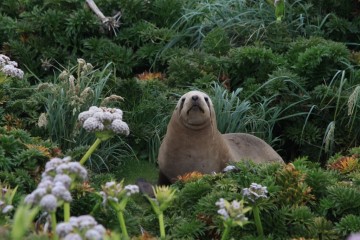
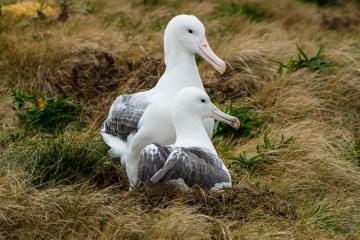
The wildlife is the main reason to come, coupled with the exceptional remote voyaging experience. One of the world’s great seabird strongholds, the Subantarctic Islands are home to dozens of species and a remarkable share of the planet’s albatrosses and penguins. Southern royal albatross wheel overhead on wingspans of over three metres, while rare New Zealand sea lions and southern elephant seals crowd the beaches below. For birdwatchers and wildlife photographers, few places on earth compare.

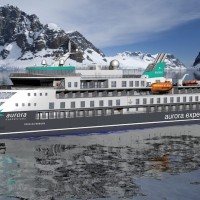
Because these islands are so fragile, visiting them feels like an incredible privilege. There are no airports nor permanent settlements on any of the isles, so the only way to reach them is by small expedition ship, with just a handful of licensed operators permitted to land. Days are spent on guided walks where landings are allowed, and Zodiac cruising the coast where they are not, as at the Snares and the Bounty Islands. The season is short, running through the southern summer from around November to February, a time when the wildlife is breeding and the weather is at its kindest. For this kind of immersive voyage, you'll want to explore by small, purpose-built expedition ships carrying around 130 to 150 guests.

For travellers with more time, some voyages continue further south into the Ross Sea region of Antarctica, adding penguin rookeries and the historic huts of Scott and Shackleton, framed by colossal icebergs. You can read our full Subantarctic Islands guide for more on where the voyages go and what to expect, then GET IN TOUCH and our polar specialists will help you find the right ship and itinerary.

Or browse our Subantarctic Islands cruises to see what’s coming up.
 

FAQs

What wildlife can you see on a Subantarctic Islands cruise?

Voyages operate only between November and February, during the friendlier southern summer season.

How long is a Subantarctic Islands cruise?

Most cruise run between 8 and 15 days, with shorter trips focusing on New Zealand's islands, while longer ones adding Australia's Macquarie Island. Cruises that continue south into the Ross Sea region of Antarctica are longer still, often lasting three weeks or more. These are the longest and most immersive cruises to Antarctica.

How rough are the seas around the Subantarctic Islands?

The Southern Ocean can get pretty wild, and some swells should be expected and considered part of the experience. All expedition ships are modern and stabilised, and days at sea are filled with talks from the onboard naturalists so you will have plenty to take your mind off the sway. If you're prone to seasickness, read our Seasickness Guide before travelling and have a chat to your doctor about any medications you can take.

Can you fly to the Subantarctic Islands?

No. The islands are uninhabited and boast zero infastructure, so the only way to reach them is by small expedition ship, the main reason the islands are pristine and filled with wildlife.

Are Subantarctic cruises accessible for older or less mobile travellers?

All polar expedition cruises suit older travellers well, and the pace is kept relaxed, yet a reasonable level of mobility helps you make the most of the voyage. Getting ashore means stepping in and out of Zodiacs, sometimes onto wet rocks or beaches, and walks can be over uneven ground. Some islands are viewed by Zodiac without landing at all. If you have any concerns about mobility, talk to us and we'll advise on the most comfortable voyages.

Is the Subantarctic cold?

The region is cooler than mainland New Zealand, but it doesn't experience the deep freeze of Antarctica. Summer temperatures usually sit between about 5 and 12 degrees Celsius (41 to 54°F), so you need to pack for the wind and rain rather than any kind of extreme cold. Warm, waterproof layers make all the difference, and you can always retreat to your snug and warm ship between excursions.

Destination Map

Subantarctic Islands Cruise Guide

Read Now

Some of the main attractions

Browse All Tours
The Snares

Tiny but astonishing, this pest-free granite cluster may host more breeding seabirds than Britain and Ireland combined. It is the only home of the Snares crested penguin, and with no landings allowed, wildlife is explored from the coast by Zodiac.

See Snares Tours
Campbell Island

Campbell is home to the “world’s loneliest tree,” a solitary Sitka spruce hundreds of kilometres from any other tree. It’s also the main breeding hub for southern royal albatrosses and a rat eradication that restored the rare Campbell Island teal.

See Campbell Island Tours
Enderby Island

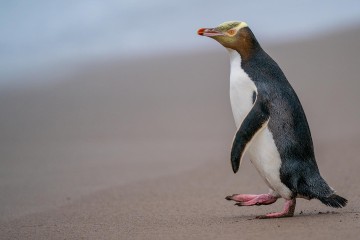
One of the few islands where you can walk ashore, Campbell is one of the best places to see the rare New Zealand sea lion. Boardwalks lead through southern rata forest and megaherb fields, where rare yellow-eyed penguins nest beneath the trees.

See Enderby Island Tours
Bounty Islands

Bare granite islets with almost no soil or plants, packing wildlife shoulder to shoulder. Nearly all Salvin’s albatrosses nest here alongside erect-crested penguins, fur seals, and the endemic Bounty Island shag, one of the world’s rarest birds.

See Bounty Islands Tour
Antipodes Islands

Named for lying almost opposite London on the globe, the Antipodes Islands are home to the Antipodes Island parakeet, New Zealand’s largest parakeet and a ground-dwelling hunter. Erect-crested and rockhopper penguins share the coast.

See Antipodes islands Tour
Macquarie Island

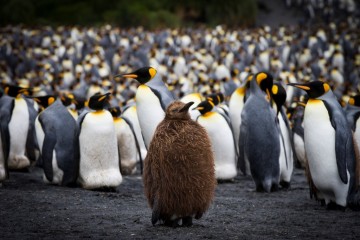
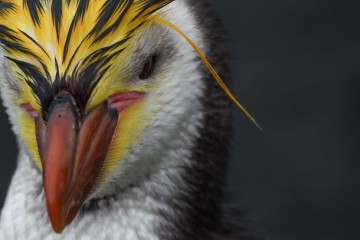
A UNESCO World Heritage Site and the only island where mantle rocks rise above sea level. It’s also the world’s only breeding ground for royal penguins, with hundreds of thousands nesting alongside king penguins and vast elephant seal colonies.

See Macquarie Island Tour

Our Vessels

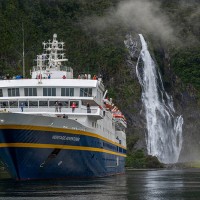
Heritage Adventurer

Heritage Adventurer

140 Passengers

Le Soléal

Le Soléal

264 (200 in Antarctica) Passengers

Douglas Mawson

Douglas Mawson

154 Passengers

Greg Mortimer

Greg Mortimer

132 Passengers