Destination

Malawi Tours & Safaris

View Tours

Malawi Tours & Safaris

Discover Malawi tours that combine Big Five reserves with the crystal-clear water of Lake Malawi. Talk to us today and start planning your visit.

Malawi is one of Africa's best-kept secrets and, these days, one of its fastest-rising stars. A relatively small country, and one still largely driven by agriculture, it combines a vast, clear freshwater lake with excellent wildlife reserves, wrapped in some of the warmest hospitality on the continent. Our Malawi safari tours tend to focus on three highlights: Lake Malawi, home to brilliantly coloured fish found nowhere else on earth; Liwonde National Park, which puts you on a boat among elephants and hippos, with some of the best black rhino sightings in the region; and Majete Wildlife Reserve, emptied by poaching only a generation ago and now the country's only Big Five reserve. Add far smaller crowds than the big-name safari countries, and Malawi safari holidays start to feel like real journeys of discovery.

Contact us to start planning your trip to Malawi.


There is a reason the travellers who make it to Malawi tend to come home evangelising about it. The country is nestled between more prominent destinations at the southern fringe of Africa's Great Rift Valley, and within a few hours' drive, you can go from a Big Five game drive to a swim in water clear enough to see thirty metres down.

Lake Malawi is the country’s heartbeat and usually the main focus for visitors. It covers around a fifth of Malawi and holds more fish species than any other lake on earth, most of them small, jewel-coloured cichlids that come right up to your mask to say hi. The water is warm and calm, with no tides, which makes it lovely for first-time snorkellers and children. Days here are slow and relaxing. Kayak out to an uninhabited island, or sit on the shore at dusk to watch the fishermen head out with their kerosene lamps, the very sight that earned the lake its "Lake of Stars" nickname. The southern end around Cape Maclear is a protected area, Lake Malawi National Park, a UNESCO World Heritage Site and the first park anywhere created specifically to protect freshwater fish. Further out, islands such as Likoma offer barefoot lodges and some of the best SCUBA diving on the lake.

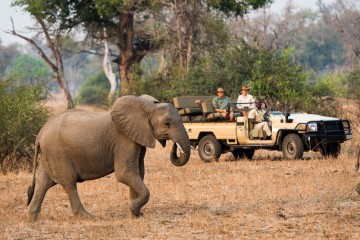
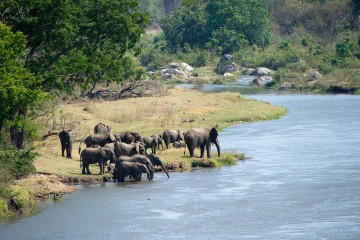
Liwonde National Park is Malawi's premier safari destination, a title it earns mostly from the water. The Shire River runs right through it, and the signature way to spot wildlife here is by boat, drifting past pods of hippos and herds of elephants that come down to drink at the riverbank, often standing close enough to take your breath away. Liwonde has been managed by the conservation nonprofit African Parks since 2015, and the turnaround has been nothing short of remarkable. Lion, cheetah and wild dog have all been reintroduced, and Liwonde is now one of the better places in southern Africa to see black rhino. With more than 400 bird species along the river and floodplains, it is a surprising treat for birdwatchers, too. Game drives and guided walks fill out the days for anyone who wants more than the river.

Majete Wildlife Reserve is the conservation story that started it all. Almost completely devoid of wildlife due to illegal poaching by the turn of the millennium, Majete had barely an animal left and virtually zero visitors when African Parks took it on. Over the following years, elephant, black rhino, buffalo, leopard and finally lion were returned to the park's wilderness. Today, Majete is the only Big Five reserve in Malawi and one of Africa's most incredible conservation success stories. It sits in the Lower Shire Valley near Blantyre, a landscape of miombo woodland and granite hills above the Shire River. With more than 300 bird species and a heritage centre that tells the story of the reserve's revival, Majete is conveniently close to Blantyre and boasts a landscape of miombo woodland and granite hills. Once you know about the bleak place the reserve came back from, wildlife sightings here feel a little more special.

The joy of Malawi tours is how easily everything fits together. A classic Malawi Southern Circuit tour includes a few nights on safari and some downtime on the lake, and the whole thing works comfortably in around ten days to a fortnight. Malawi also combines beautifully with its neighbours, so many of our travellers add it to a Zambia safari or tack a few lake days onto a wider southern Africa trip.

Our Africa specialists know the lodges, the seasons and the local guides who make a Malawi trip flow, and every itinerary we put together is planned around what you most wish to experience. Have a look at our Malawi tours below or get in touch and let Viva Expeditions build your own unique itinerary.
FAQs

When is the best time to visit Malawi?

The dry months are from May to October and this is the most popular travel window and the one that suits most trips. Animals gather around the banks of the Shire as the bush dries up, which makes wildlife easier to spot in Liwonde and Majete. The lake is calm and clear all year long, but the best underwater visibility is from around August to November. Once the rains settle in, from November to April, the wilderness is lush and the parks are quiet. Green season offers lower prices and exceptional chances to spot an abundance of birdlife, although some roads become tricky to navigate and big game can be harder to find. For a trip that combines safari with time on the lake, we recommend aiming for the dry months.

Do I need a visa to visit Malawi?

Yes, you probably do. Malawi ran a visa-free scheme for many countries for a few years, but that was revoked at the start of 2026, so travellers from New Zealand, Australia and the United States now need a visa again. The easiest route is the official e-visa, applied for online in advance at evisa.gov.mw. Although a visa on arrival (VOA) is also available to some nationalities at the main entry points, applying ahead avoids any surprises at the airport. Entry rules in the region can change at short notice and are always dependent on the passport you hold, not the country you are flying from, so it is always worth checking the latest rules when you book your tour.

Viva Expeditions will confirm the current requirements as part of planning your trip.

Is it safe to visit Malawi?

Yes. Malawi is known as 'the warm heart of Africa' and the kind of welcome you receive here is incomparable. It is generally regarded as one of the safer and friendlier countries in the region for visitors, although, as anywhere, a few sensible precautions go a long way. Watch your belongings in busy markets and towns, and keep valuables out of sight after dark. On safari, always take your guide's lead and keep a respectful distance from the wildlife. FYI: Parts of Lake Malawi carry bilharzia (a waterborne parasite), so always ask your guide where it is safe to swim and snorkel. Note that treatment for bilharzia is simple and widely available if you ever need it. Our team and local guides look after the day-to-day details so you can settle into the trip.

What vaccinations do I need for Malawi?

There are no compulsory vaccinations for entry, with one exception: if you are arriving from a country where Yellow Fever is present, you will need to show a Yellow Fever Certificate. Malawi itself is not a Yellow Fever country, so this usually only applies if you are routing through other parts of Africa or South America. Doctors commonly recommend staying up to date on routine jabs such as measles-mumps-rubella and tetanus, as well as hepatitis A and typhoid. Malaria is present year-round, so taking preventative antimalarial tablets and daily use of good DEET insect repellent are strongly advised. This is general information rather than medical advice, so please see your doctor or a specialist travel clinic about a month before you travel for guidance based on your own health and itinerary.

Do they speak English in Malawi?

Yes. English is one of Malawi’s official languages and is widely used in business and tourism, and on most signage, so you will have no trouble getting by. The most widely spoken local language is actually Chichewa, and knowing a few friendly words of it will make you a hit with the people you meet. At the lodges and camps you will stay in, and on any organised tour, English is the norm.

What currency do I need in Malawi?

Malawi is relaxed but fairly conservative, so modest dress is appreciated, especially away from the lodges and lakeshore resorts. In towns and villages, it is recommended to keep shoulders and knees covered, and this matters a little more for women and in the Muslim communities along the southern lakeshore. On safari, aim for light, neutral-coloured clothing, with warmer layers for chilly early-morning game drives, when it can get surprisingly cold. You can be as casual as you like lakeside, though it is always courteous to cover up when walking through local villages rather than staying in swimwear.

Destination Map

Discover more amazing experiences on our blog.

Read Blog

Some of the main attractions

Browse All Tours
Lake Malawi

One of Africa's largest and deepest lakes and home to more freshwater fish species than both Europe and North America combined. The perfect safari counterpoint, ideal for snorkelling, kayaking, sailing or unwinding on a quiet beach or island.

See Lake Malawi Tours
Liwonde National Park

A conservation turnaround so dramatic that a park once riddled with tens of thousands of poachers' snares now has elephants to spare, with hundreds trucked out to restock reserves elsewhere in Malawi.

See Liwonde National Park Tours
Majete Wildlife Reserve

The reserve that launched African Parks in 2003, and still its flagship crown jewel. Not one rhino has been poached here since (nor an elephant since 2006), and over 3,000 animals have been returned to a landscape that had been all but stripped bare.

See Majete Wildlife Reserve Tours