Malawi Meander

From Pretoria to Lilongwe OR From Lilongwe to Pretoria

Tour Overview

Travel on an extraordinary 16-night Rovos Rail expedition through the heart of Southern Africa, where five captivating countries unfold in one unforgettable journey.

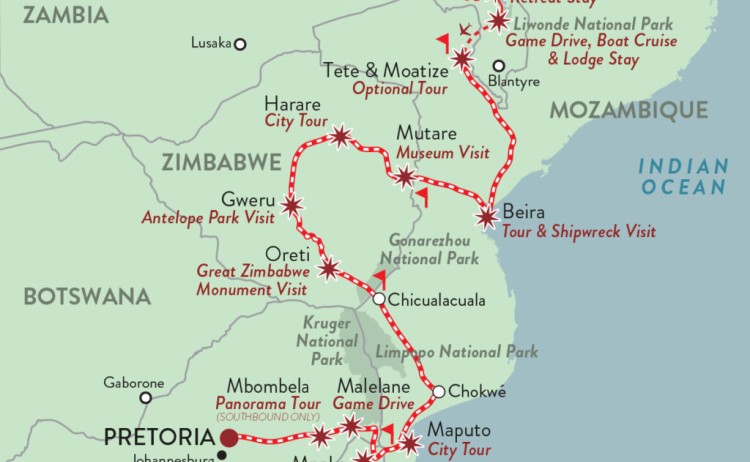
Travelling through South Africa, Eswatini, Mozambique, Zimbabwe and Malawi, this remarkable itinerary blends spectacular scenery, iconic wildlife, fascinating history and vibrant cultures into the ultimate rail adventure. Begin in Pretoria, South Africa, or Lilongwe, Malawi, with the itinerary available in either direction.

Departing Pretoria, descend the dramatic Drakensberg escarpment before venturing into the legendary Kruger National Park for exceptional game viewing. Discover the mountain kingdom of Eswatini and the vibrant coastal capital of Maputo, where Portuguese, African and colonial influences create a rich cultural tapestry. Continue across the Limpopo River and through Zimbabwe's untamed Gonarezhou National Park, renowned for its thriving elephant population, before exploring the awe-inspiring Great Zimbabwe Monument, the largest pre-colonial stone structure south of the Egyptian pyramids.

Experience the wildlife of Antelope Park, browse Harare's lively galleries and markets, and visit the fascinating Mutare Museum, home to archaeology, ethnography, natural history and an impressive collection of vintage vehicles. Cross into Mozambique to explore the bustling port city of Beira, visit an open-pit coal mine, and enjoy sundowners overlooking the mighty Zambezi River.

The journey concludes with a scenic flight to the palm-fringed shores of Lake Malawi for an overnight stay before continuing to Liwonde National Park. Here, enjoy rewarding game drives and a tranquil boat cruise along the wildlife-rich Shire River before your final flight to Lilongwe.

This exceptional journey is also available in reverse, offering the same unforgettable experiences from north to south.

Viva's Best Bits...

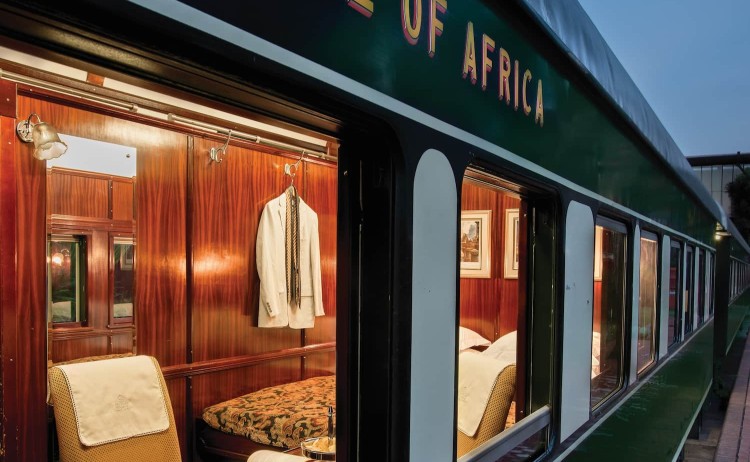
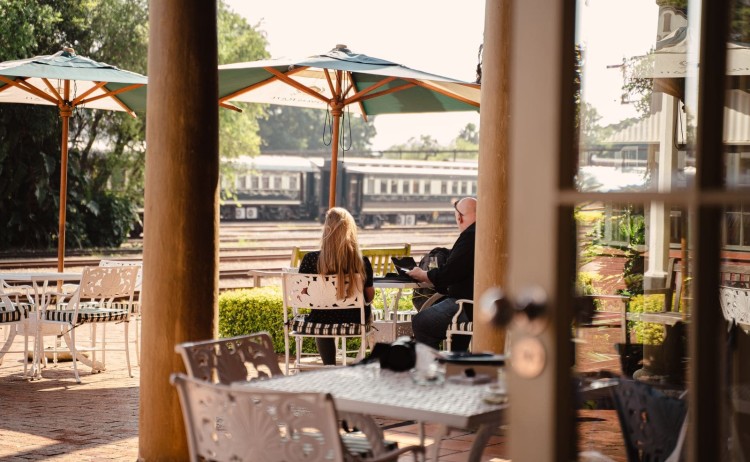
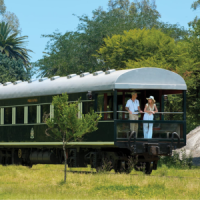
Journey aboard Rovos Rail in refined comfort, featuring well-appointed suites, exceptional service, fine cuisine, relaxing lounge and observation cars, and spectacular views along the route.

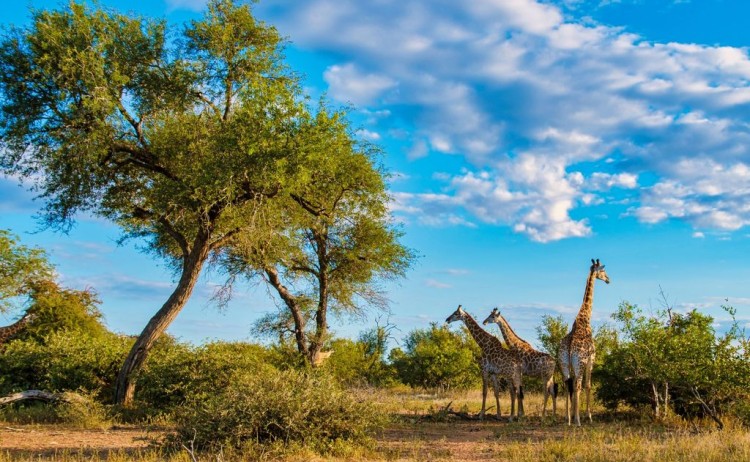
Explore legendary Kruger National Park, one of Africa’s premier wildlife reserves, offering the chance to meet the iconic Big Five and incredible biodiversity in a world-renowned safari setting.

Experience the beauty of Lake Malawi, a tranquil palm-fringed retreat offering crystal-clear waters, diverse wildlife, breathtaking scenery and authentic encounters with local canoeists on the lake.
Tour Itinerary

 
Day 1
Pretoria, South Africa

Please check-in a minimum of one hour before departure. Should you wish to visit our museum or do a site tour at Rovos Rail Station, we suggest arriving two hours prior to departure.

The train travels on the eastern line towards the harsh coal-mining area of eMalahleni (Witbank) – where Rovos Rail was founded – and Middelburg, known as the “stainless steel capital of Africa”. The Dutch railway building company, NZASM, built this line between Pretoria and Lourenço Marques (Maputo) from 1893 to 1895.

Day 2
At Leisure on Board

Lectures will take place throughout the journey in the lounge car.

The rolling hills of eMakhazeni (Belfast), eNtokozweni(Machadodorp) and Emnothweni (Dullstroom) are a welcome sight and are renowned for the genteel yet skilful sport of trout fishing. The train descends the spectacular Drakensberg Mountain escarpment.

Dinner is served in the dining cars. The train travels to Malelane.

Day 3
Kruger National Park

Game drive in the Kruger National Park with tea and lunch.

The famous Kruger Park has 2-million hectares of an unrivalled diversity of life forms. It is a world leader in advanced environmental management techniques and home to an impressive number of species, e.g. 336 species of trees, 49 species of fish, 34 species of amphibians, 114 species of reptiles, 507 species of birds and 147 species of mammals including the Big Five.

Dinner is served in the dining cars. The train travels to Komatipoort and Mpaka.

Day 4
Eswatini

Border formalities, Disembark at Mpaka. Visit Swazi Candles and Mantenga Cultural Village with lunch at Mantenga Lodge.Tea in the lounge and observation cars.

The tiny Kingdom of eSwatini (Swaziland) covers only 17 000km2, most of which is mountainous. For such a small country, it is surprising that it sustains two capital cities: Mbabane is the administrative capital and Lobamba is the royal and legislative capital.

In April 2018, Swaziland changed its name to the Kingdom of eSwatini (meaning “place
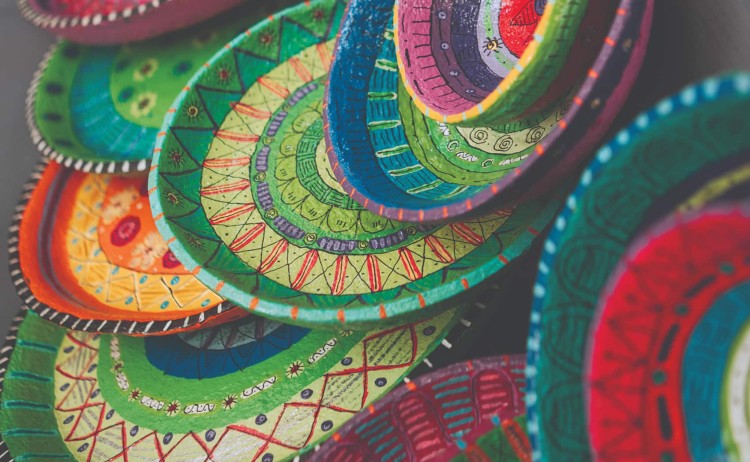
of the Swazi”) and is an absolute monarchy. It is landlocked and borders South Africa and Mozambique. At Swazi Candles, guests are invited to interact with the artisans as they make a variety of candles. Woodcarvings, colourful textiles and superb basketwork are also on display. Mantenga is nestled in the mountains overlooking ‘Execution Rock’. The village is a living museum of old traditions that represents a classic Swazi lifestyle during the 1850s.

Dinner is served in the dining cars. Border formalities.

Day 5
Maputo, Mozambique

Enjoy a tour of Maputo, Mozambique, with lunch at the Polana Hotel. Tea in the lounge and observation cars.

Capital of Mozambique, Maputo is a city of contrasts offering an exciting mix of cultures. Its architecture is a blend of African, Portuguese and early colonial traditions with old Catholic churches side-by-side with mosques, fortresses, Victorian mansions and other buildings from a bygone era.

Day 6
At Leisure on Board

The train travels to Chicualacuala

The train traverses the humid and swampy interior of Mozambique, crossing the Limpopo River. In Rudyard Kipling’s Just So Stories, the ‘Elephant’s Child’ departs his family for the “great grey-green, greasy Limpopo River, all set about with fever-trees, to find out what the Crocodile has for dinner.”

Day 7
At Leisure on Board

Breakfast is served in the dining cars until 10:00. Border formalities.

Traverse Gonarezhou National Park. Tea in the lounge and observation cars. Travel through attractive granite hill country to Oreti.

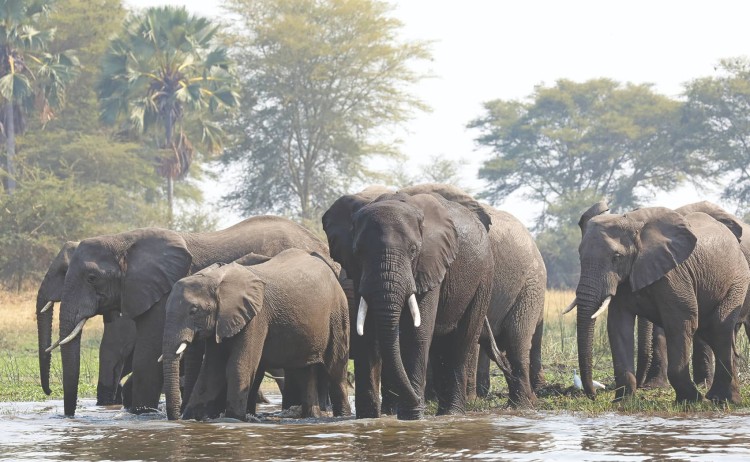
Gonarezhou National Park, the Place of Elephants, is situated in a remote part of the country at 5053km2 in size.It forms part of the Great Limpopo Transfrontier Park, a peace park that links Gonarezhou with the Kruger National Park in South Africa and the Limpopo National Park in Mozambique. Animals may move freely between the three sanctuaries, together totalling 35000km2. The spectacular Chilojo Cliffs, red sandstone incisions standing at more than 180m high, lie at the heart of the park and are a result of eons of erosion in the Runde River Valley.

Day 8
Great Zimbabwe Monument

Breakfast is served in the dining cars. Transfer (±75 min) to the Great Zimbabwe Monument for a visit followed by lunch. Tea in the lounge and observation cars. Travel to Gweru, nicknamed the “City of Progress”.

The Great Zimbabwe Monument is an impressive monument situated on the southeastern edge of the central plateau and the largest precolonial monument south of the Egyptian pyramids.

A celebrated achievement of the African people and a place where magical fables such as the story of King Solomon’s Mines find their origins amongst the ruins of an ancient city built by the Rozwi people. Discover how these ancient people lived and mined gold and silver, which were ultimately taken out of Africa by Arabic and Portuguese traders. The area is also home to forests of precious timber such as teak, mahogany and mukwa.

Day 9
Antelope Park

Breakfast is served in the dining cars. Transfer (±30 min) to Antelope Park for a visit.

Optional extras include canoeing, game drives, horseback game viewing, elephant interaction, bird-watching cruises and so on (see price list). Lunch is served in the dining cars. The train travels to Harare. Tea in the lounge and observation cars.

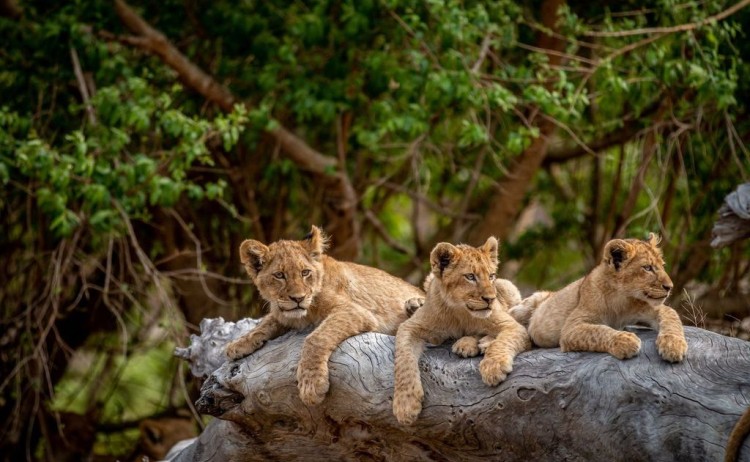
Set in over 3,000 acres of open savannah grassland, Antelope Park is a haven of tranquillity welcoming guests and volunteer eco-tourists alike. It is home to the world-famous African Lion and Environmental Research Trust (ALERT) lion rehabilitation programme, which is a multi-phase lion conservation initiative.

It is Africa’s first genuine programme working to ethically reintroduce the offspring of captive-bred African lions back into the wild.

Day 10
Harare

Breakfast is served in the dining cars until 09:00. Enjoy a tour of Harare with visits to local galleries and a street market.

Lunch is served in the dining cars. Tea in the lounge and observation cars.

Harare (formerly Salisbury until 1982) is the capital city of Zimbabwe, once a vibrant and prosperous nation that has been significantly affected by political and economic challenges. However, Zimbabweans are renowned for their artistic abilities, and with an economy where informal trade plays a major role, visitors can explore flea markets and experience the creativity and talent of local artisans producing much from very little.

The countryside between Harare and Mutare is renowned for its diverse landscapes, featuring farmlands, Msasa trees, granite boulders and rolling highland mountains.

Day 11
Mutare

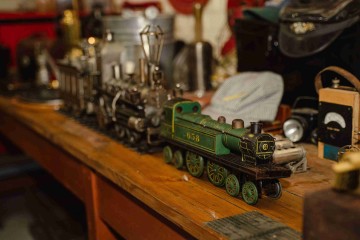
Visit the charming Mutare Museum, which covers a range of themes such as archaeology, ethnography, transport and natural history with a collection of vintage vehicles.

Lunch is served in the dining cars. Border formalities. Tea in the lounge and observation cars.

The Beira-Mashonaland Railway, initiated by Cecil Rhodes, brought prosperity to Mutare, with railway workshops and staff housing established in the town. The later decision to relocate the main workshops to Bulawayo sadly led to an economic decline.

The journey towards Beira reveals rural towns and settlements, highlighting how local communities have adapted through self-sustaining subsistence farming. The region’s main agricultural products include corn, cassava, cowpea, peanut, pearl millet, sorghum and sweet potato.

Dinner is served in the dining cars. The train travels to Beira.

Day 12
Beira

Enjoy a tour of Beira including the Macuti Lighthouse and Shipwreck. The train travels to Inhamitanga.

The somewhat swampy approach to Beira takes you into Mozambique’s busiest port and third-largest city, which is situated on the Mozambique Channel at the convergence of the Pungwe and Buzi rivers. Ravaged by the civil war and mostly in a ruinous state, Beira can be an enjoyable place to explore. Like Maputo, the Portuguese influence is evident in its architecture.

The red and white-striped lighthouse was built in 1904. In 1985, the Macuti tugboat was intentionally run aground here to serve as a breakwater. For a vessel that was once on a national postage stamp, it seems like an undignified end.

Day 13
At Leisure on Board

Traverse the undulating landscape of Mozambique’s interior.

The train crosses the rebuilt Dona Ana Bridge from Vila de Sena to Mutarara. At 3.67km, it is the longest bridge to span the mighty Zambezi River, comprising 33 spans of 80m and 7 spans of 50m. Built by the Portuguese in 1934 during the Portuguese rule of Mozambique, it was rendered unusable in the 1980s during the civil war. USAID assisted with the repairs and converted it to a single-lane bridge for vehicle traffic.

In 2009, after three years of rehabilitation, it was converted back to a rail bridge and, in 2017, the pedestrian lane—used daily by over 3,000 people—was renovated.

Dinner is served in the dining cars. The train travels to Moatize.

Day 14
Moatize & Tete

Enjoy a coal-mine tour.

Lunch is served in the dining cars. Enjoy a driving tour of Tete followed by sundowners on the banks of the Zambezi River.

The riverside city of Tete is known as a transport and mining hub linking the country with neighbouring Zambia, Malawi and Zimbabwe. There are still traces of its past and Portuguese-era influence with its mix of colonial-style and modern buildings, small shops, vendors and busy minibuses (chapas).

The Samora Machel Bridge over the Zambezi River is an iconic landmark. Along the riverfront, you’ll find the bustling Feira Market, offering fresh produce, spices and street food alongside textiles and crafts.

Day 15
Lake Malawi

Please pack a small overnight bag for the two-night stay at Lake Malawi. A Rovos Rail tote bag has been placed in your suite for your convenience. Flight luggage restrictions apply (15kg). Surplus luggage will be sent to Lilongwe (Day 17).

Breakfast is served in the dining cars until 09:30. Transfer (±25 min) to Chingozi Airport, Tete.

After immigration formalities, take a flight (±60 min) to Makokola Retreat on the palm-fringed southern shore of the renowned Lake Malawi, home to an abundance of birds, fish and reptiles.

Various activities are available, including watersports, swimming, gym and tennis.

Check in and enjoy lunch, an afternoon at leisure, dinner and overnight stay.

Day 16
Liwonde National Park

Please ensure that your luggage is ready for collection and proceed to check-out by 09:00.

Breakfast until 09:00 with a morning at leisure. Transfer (±210 min) to Mvuu Lodge nestled under large fever trees on the banks of the Shire River.

Enjoy lunch and a late afternoon boat safari with sundowners followed by dinner and overnight.

Day 17
Lilongwe

Please ensure luggage is ready for collection and proceed to check-out by 09:30.

Enjoy a morning game drive and breakfast. Check-out and proceed to the airstrip.

Take a flight (±60 min) to Kamuzu International Airport, Lilongwe.

Arrive at journey’s end where you’ll be reunited with your luggage. Transfer to respective city hotels.

Day 1
Lilongwe & Liwonde National Park

Please pack a small overnight bag for the two-night stay at Lake Malawi. A Rovos Rail tote bag has been provided for your convenience. Flight luggage restrictions apply (15kg). Surplus luggage will be sent to the train (joining Day 3).

Welcome reception at Latitude 13° Hotel, Mphonongo Street, Area 43, Lilongwe, Malawi.

Transfer (±30 min) to Kamuzu International Airport. Take a flight (±60 min) to Mvuu Lodge nestled under large fever trees on the banks of the Shire River.

Enjoy lunch and a late afternoon boat safari with sundowners followed by dinner and overnight.

Day 2
Lake Malawi

Please ensure that your luggage is ready for collection and proceed to check-out by 09:00.

Enjoy a morning game drive and breakfast. Transfer (±210 min) to Makokola Retreat on the palm-fringed southern shore of the renowned Lake Malawi, home to many birds, fish and reptiles.

Various activities are available such as watersports, swimming, gym and tennis. Check-in and enjoy lunch, an afternoon at leisure, dinner and overnight.

Day 3
Lake Malawi & Moatize

Please ensure luggage is ready for collection and proceed to check-out by 09:30.

Breakfast until 09:30 with a morning at leisure. Take a flight (±60 min) to Chingozi Airport, Tete. After immigration formalities, transfer (±25 min) to Moatize Station to board the train.

Lunch is served in the dining cars. Please ensure the Train Manager/Guest Services Manager has your passport. Enjoy a driving tour of Tete followed by sundowners on the banks of the Zambezi River.

The riverside city of Tete is known as a transport and mining hub linking the country with neighbouring Zambia, Malawi and Zimbabwe. There are still traces of its past and Portuguese-era influence with its mix of colonial-style and modern buildings, small shops, vendors and busy minibuses (chapas). The Samora Machel Bridge over the Zambezi River is an iconic landmark. Along the riverfront you’ll find the bustling Feira Market offering fresh produce, spices and street food alongside textiles and crafts.

Day 4
Moatize

Lectures will take place throughout the journey in the lounge car. Please consult Lecture Sheet for details.

Breakfast is served in the dining cars until 10:00. Enjoy a coal-mine tour.

Lunch is served in the dining cars. The train travels to Sena. Tea in the lounge and observation cars.

Day 5
At Leisure on Board

Traverse the undulating landscape of Mozambique’s interior.

The journey towards Beira shows impoverished towns and settlements, which indicate how locals have had to become self-sustaining subsistence farmers. The main agricultural products of this district are corn, cassava, cowpea, peanut, pearl millet, sorghum and sweet potato.

Dinner is served in the dining cars. The train travels to Beira.

Day 6
Beira

Enjoy a tour of Beira including the Macuti Lighthouse and Shipwreck.

The somewhat swampy approach to Beira takes you into Mozambique’s busiest port and third-largest city, which is situated on the Mozambique Channel at the convergence of the Pungwe and Buzi rivers. Ravaged by the civil war and mostly in a ruinous state, Beira can be an enjoyable place to explore.

Like Maputo, the Portuguese influence is evident in its architecture. The red and white-striped lighthouse was built in 1904. In 1985, the Macuti tugboat was intentionally run aground here to serve as a breakwater. For a vessel that was once on a national postage stamp, it seems like an undignified end.

Dinner is served in the dining cars. The train travels to Machipanda. Border formalities.

Day 7
Mutare

Visit the charming Mutare Museum, which covers a range of themes such as archaeology, ethnography, transport and natural history with a collection of vintage vehicles.

The Beira-Mashonaland Railway, initiated by Cecil Rhodes, brought prosperity to Mutare. Railway workshops and staff housing were erected there. The decision to move the main workshops to Bulawayo sadly brought a decline in the economy of the town.

Dinner is served in the dining cars. The train travels to Harare.

Day 8
Harare

Enjoy a tour of Harare with visits to local galleries and a street market.

Harare (nee Salisbury until 1982) is the capital city of Zimbabwe, once a vibrant and prosperous nation that has been detrimentally affected by the political and economic crisis. However, Zimbabweans are renowned for their artistic abilities so, in an economy that is now over 85% informal trade (street trading), you can visit the flea markets and experience how gifted and talented the people are at producing much out of very little. The countryside between Harare and Mutare is famous for its varied landscape of farmlands, Msasa trees, granite boulders and rolling highland mountains.

Dinner is served in the dining cars. The train travels to Gweru.

Day 9
Antelope Park

Transfer (±30 min) to Antelope Park for a visit. Optional extras include canoeing, game drives, horseback game viewing, elephant interaction, bird-watching cruises and so on (see price list).

Set in over 3000 acres of open savannah grassland, Antelope Park is a haven of tranquillity welcoming guests and volunteer eco-tourists alike. It is home to the world-famous African Lion and Environmental Research Trust (ALERT) lion rehabilitation programme, which is a multiphase lion conservation initiative.

It is Africa’s first genuine programme working to ethically reintroduce the offspring of captive-bred African lions back into the wild.

Dinner is served in the dining cars. The train travels to Oreti.

Day 10
Great Zimbabwe Monument

Transfer (±75 min) to the Great Zimbabwe Monument for a visit followed by lunch. Return (±90 min) to the train at Rutenga. Tea in the lounge and observation cars.

The Great Zimbabwe Monument is an impressive monument situated on the southeastern edge of the central plateau and the largest precolonial monument south of the Egyptian pyramids. A celebrated achievement of the African people and a place where magical fables such as the story of King Solomon’s Mines find their origins amongst the ruins of an ancient city built by the Rozwi people.

Discover how these ancient people lived and mined gold and silver, which were ultimately taken out of Africa by Arabic and Portuguese traders. The area is also home to forests of precious timber such as teak, mahogany and mukwa.

Dinner is served in the dining cars. The train travels to Sango Halt.

Day 11
At Leisure on Board

Breakfast is served in the dining cars until 10:00. Border formalities.

The train traverses the humid and swampy interior of Mozambique, crossing the Limpopo River. In Rudyard Kipling’s Just So Stories, the ‘Elephant’s Child’ departs his family for the “great grey-green, greasy Limpopo River, all set about with fever-trees, to find out what the Crocodile has for dinner.”

Dinner is served in the dining cars. The train travels to Chokwé.

Day 12
Maputo, Mozambique

Enjoy a tour of Maputo, Mozambique. The train travels to Goba.

Capital of Mozambique, Maputo is a city of contrasts offering an exciting mix of cultures. Its architecture is a blend of African, Portuguese and early colonial traditions with old Catholic churches side-by-side with mosques, fortresses, Victorian mansions and other buildings from a bygone era.

Dinner is served in the dining cars. The train travels to Mpaka. Border formalities.

Day 13
Eswatini

Transfer (±90 min) to Swazi Candles and Mantenga Cultural Village for a visit with lunch at Mantenga Lodge. Tea in the lounge and observation cars.

The tiny Kingdom of eSwatini (Swaziland) covers only 17000km2, most of which is mountainous. For such a small country, it is surprising that it sustains two capital cities: Mbabane is the administrative capital, and Lobamba is the royal and legislative capital. In April 2018, Swaziland changed its name to the Kingdom of eSwatini (meaning “place of the Swazi”) and is an absolute monarchy. It is landlocked and borders South Africa and Mozambique. At Swazi Candles, guests are invited to interact with the artisans as they make a variety of candles.

Woodcarvings, colourful textiles and superb basketwork are also on display. Mantenga is nestled in the mountains overlooking ‘Execution Rock’. The village is a living museum of old traditions that represents the classic Swazi lifestyle of the 1850s.

Dinner is served in the dining cars. Border formalities. The train travels to Malelane.

Day 14
Kruger National Park

Enjoy a game drive in the Kruger National Park with lunch and an opportunity for curio shopping. Tea in the lounge and observation cars.

The famous Kruger Park has 2-million hectares of an unrivalled diversity of life forms. It is a world leader in advanced environmental management techniques and home to an impressive number of species, e.g. 336 species of trees, 49 species of fish, 34 species of amphibians, 114 species of reptiles, 507 species of birds and 147 species of mammals including the Big Five.

Dinner is served in the dining cars. The train travels to Mbombela (Nelspruit).

Day 15
Panorama Route

Enjoy a tour of Pilgrim’s Rest, Bourke’s Luck Potholes and Graskop with lunch.

The Graskop viewing lift takes visitors 51m down the face of the gorge into the forest below where wooden walkways and suspension bridges meander along a 600m trail through the indigenous forest with an interactive exhibit (lift for own account).

Return to the train.

Pilgrim’s Rest is a living museum and declared a National Monument. Gold was discovered in this area in 1873 attracting 1500 prospectors. Today many of the restored miner’s houses serve as shops and restaurants. Bourke’s Luck Potholes are strange deep cylindrical cavities formed by river erosion and floodwater.

Blyde River Canyon Nature Reserve has the most spectacular viewpoints overlooking South Africa’s Lowveld, so named because it is much lower than the high escarpment along which the Panorama Route runs.

Dinner is served in the dining cars. The train travels towards Emgwenya (Waterval Boven).

Day 16
At Leisure on Board

The rolling hills of eMakhazeni (Belfast), eNtokozweni (Machadodorp) and Emnothweni (Dullstroom) are a welcome sight and are renowned for the genteel yet skilful sport of trout fishing.

The train travels on the eastern line through Middelburg – known as the “stainless steel capital of Africa” – and the harsh coal-mining area of eMalahleni (Witbank) where Rovos Rail was founded. The Dutch railway building company, NZASM, built this line between Pretoria and Lourenço Marques (Maputo) from 1893 to 1895.

Dinner is served in the dining cars. The train travels to Pyramid.

Day 17
Pretoria

Arrive at journey’s end at Rovos Rail Station, 1 Transnet Avenue, Pretoria. Should you wish to join a tour of the station and visit our museum, we suggest delaying your pick-up by ±90 minutes.

What’s Included

Accommodation
  • Included Copy 20 16 nights accommodation in your selected Suite
  • Included Copy 31 Upgrades available
Food
  • Included Copy 20 All Meals and Beverages on board
Fees & Services
  • Included Copy 20 Guided Excursions and entrance fees (where applicable)
  • Included Copy 20 Limited laundry service (10 items/day) on board
  • Included Copy 20 On board doctor and historian with lectures
  • Included Copy 20 Taxes
  • Included Copy 7 International sparkling wine, Gratuities, visas, insurance and anything not specified
Transportation
Rovos Rail

Rovos Rail

Activities

  • Included Explore Pretoria, South Africa's elegant capital with historic landmarks.
  • Included Enjoy a Kruger National Park game drive in search of the Big Five.
  • Included Discover South Africa's Limpopo Province, known for its spectacular landscapes.
  • Included Visit Mantenga Cultural Village, showcasing Eswatini's traditions, music and dance.
  • Included Enjoy a lakeside retreat on the shores of Lake Malawi.
  • Included Wander through Antelope Park, with unforgettable wildlife encounters.
  • Included Stay in Liwonde National Park with game viewing and a Shire River cruise.
  • Included Experience the elegance of Rovos Rail through Africa's most spectacular landscapes.
Tap here for dates & prices
Duration

17 days

Price from

$18,200 USD

Per person, sharing

Based on a Pullman Gold

Select Date