Antarctica has a habit of stirring big questions long before you ever set foot on the ice. Will I be fit enough? How much wildlife will I get to see and will I get seasick?
These are the kinds of questions people ask us all the time when they're thinking about an expedition to Antarctica. They're practical things you want to feel clear on before committing, and they often make the difference between feeling ready to book or deciding to wait it out another season.
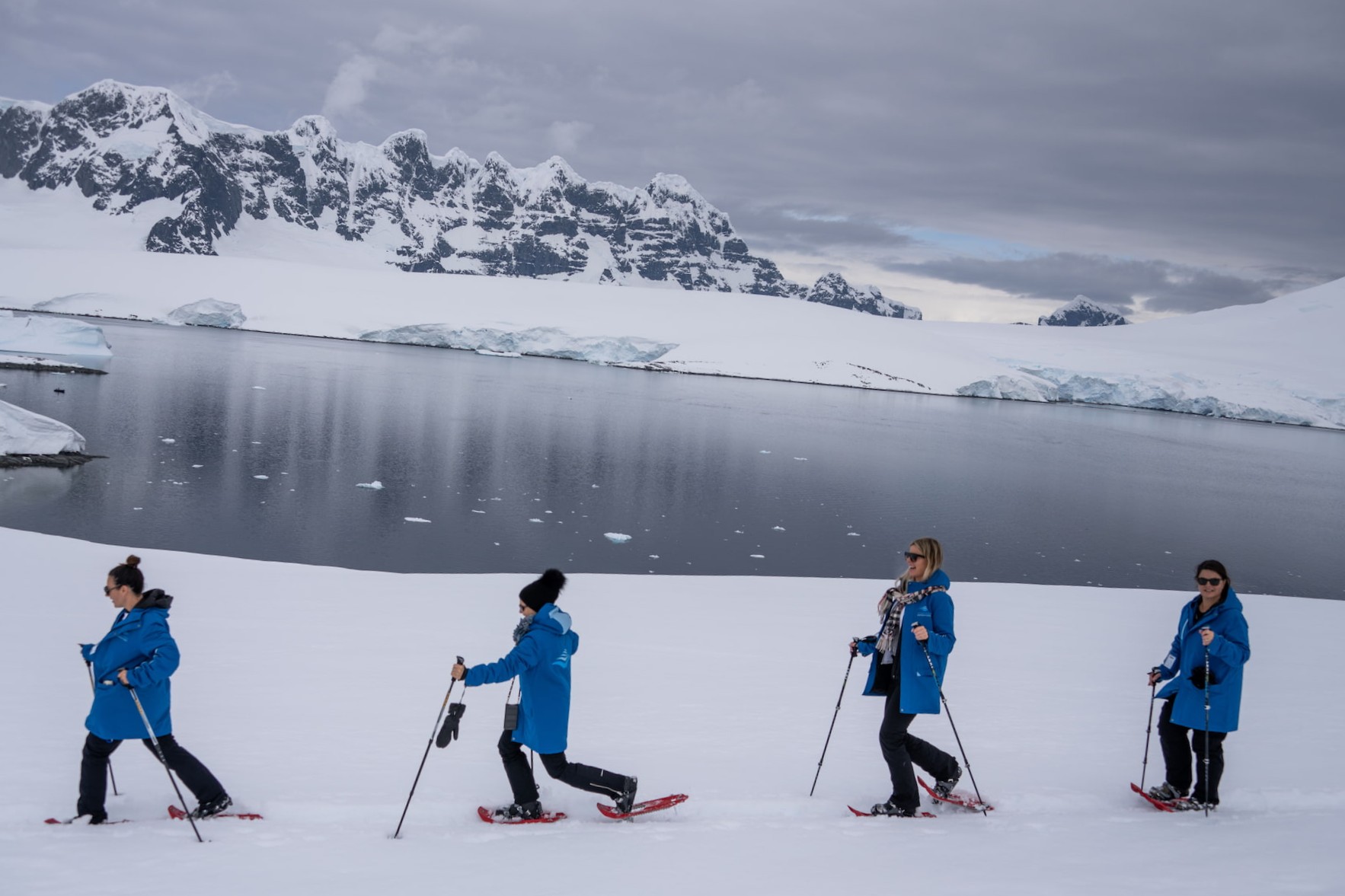
Footsteps across the quiet grandeur of Antarctica.
Below, we walk through the ten questions that come up most often, with answers from our Antarctica travel specialists.
FAQ:
1. What will the age group be on board? Are there age restrictions? Are children allowed?
2. What nationalities will be on board?
3. Should I share a cabin?
4. How much wildlife am I actually going to see?
5. Should I pay extra for optional activities?
6. Is there a dress code for meals?
7. Will there be WiFi on the ship?
8. Will I get seasick?
9. How physically demanding will the trip be?
10. Is tipping expected onboard the ship?
1. What will the age group be on board? Are there age restrictions? Are children allowed?
Expeditions to Antarctica attract a wide age range, usually from people in their 30s through to their 70s. Children are sometimes allowed, depending on the ship and operator, but expedition cruises are generally better suited to adults.
Onboard, the mix is often broader than people expect. Pia noted how many people under 40 were on her expedition, many of whom had chosen Antarctica over somewhere easier or more familiar. At the same time, you’ll also find plenty of older travellers, often with a lot of travel experience behind them.
While children are permitted on some expeditions, Antarctica isn’t particularly family-friendly. Days are long, conditions can be challenging, and the experience suits travellers who enjoy slowing down and spending time simply watching the landscape and wildlife around them.
There is usually no upper age limit, provided you meet the medical requirements set by the operator.
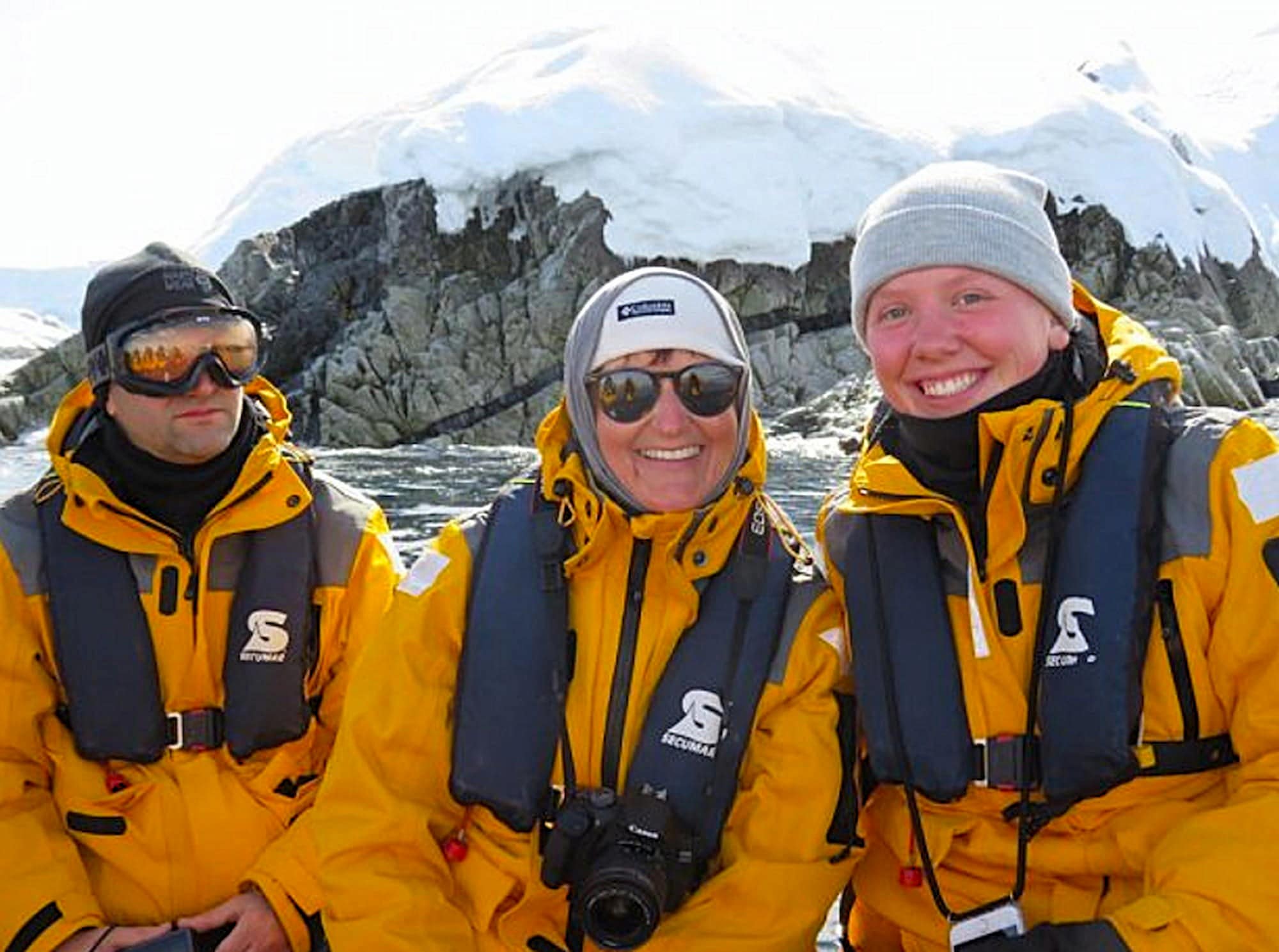
Viva’s Pia Knarston enjoyed a stellar expedition to Antarctica, sharing a cabin with Kylie from New Zealand. Trips like this suit travellers who are comfortable with a slower pace and spending time outdoors, watching the landscape and wildlife.
2. What nationalities will be on board?
Antarctic expedition ships attract a very international mix of travellers, but English is the main operating language on most voyages. Daily briefings, safety information, and lectures are delivered in English, even when the ship itself is run by a non-English-speaking company.
Expedition teams are often multilingual, and on some ships you may hear a second language as well, but key information is always clear and easy to follow. The international mix generally creates a relaxed, sociable atmosphere onboard, with easy conversations over meals, in the lounges, or while out on excursions.
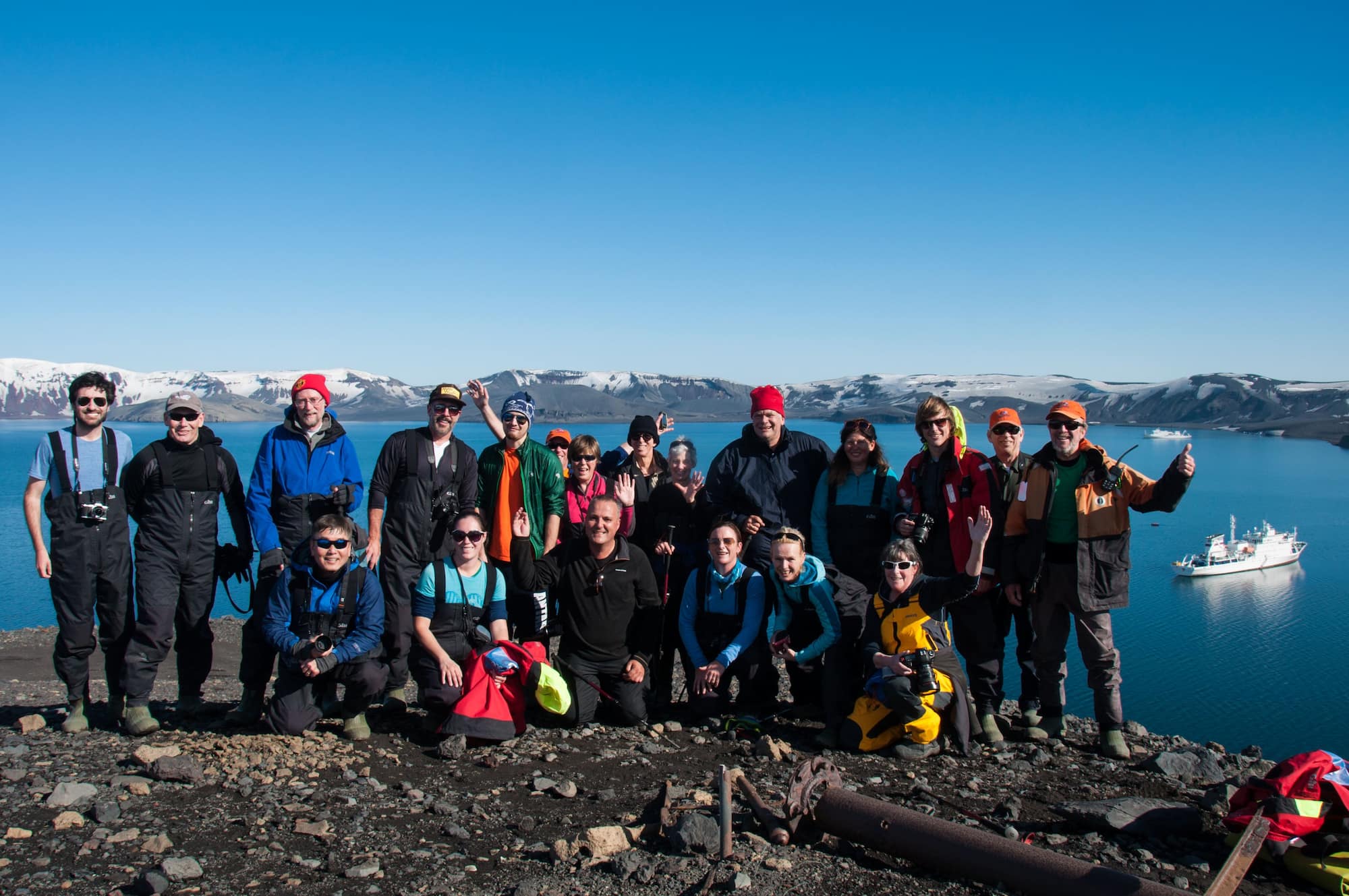
The international mix of passengers means you’re very unlikely to feel out of place, no matter where you come from.
3. Should I share a cabin?
Sharing a cabin is one way to keep costs down on an Antarctic expedition, though single-occupancy cabins are also available on some ships.
This is one of the most personal decisions when booking expeditions to Antarctica. Solo travel is quite common, and travellers who are going alone and want to manage costs often choose to share. These trips tend to attract independent, like-minded people, which usually makes sharing feel easier and more social than expected.
Pia experienced this on her own expedition, where she spent time with a large group of solo travellers from around the world. She also noticed that cabin mates naturally fall into their own routines, heading off to breakfast, lectures, or the deck at different times. Truth be told, cabins are mainly used for sleeping, warming up, and grabbing some shut-eye between activities, so personal space usually looks after itself.
Most expedition ships offer shared twin cabins, single cabins, and sometimes the option to be paired with a same-gender roommate.
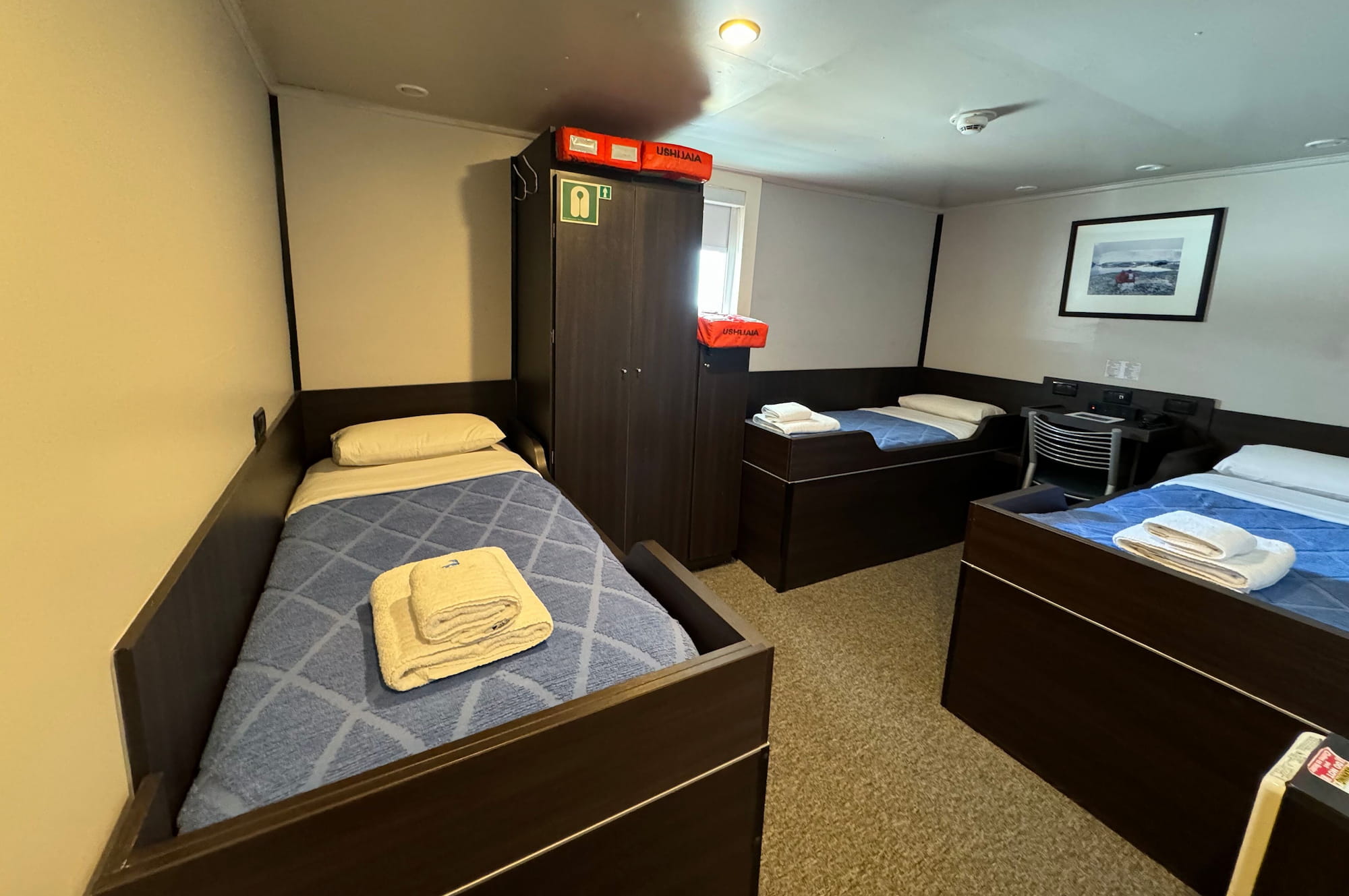
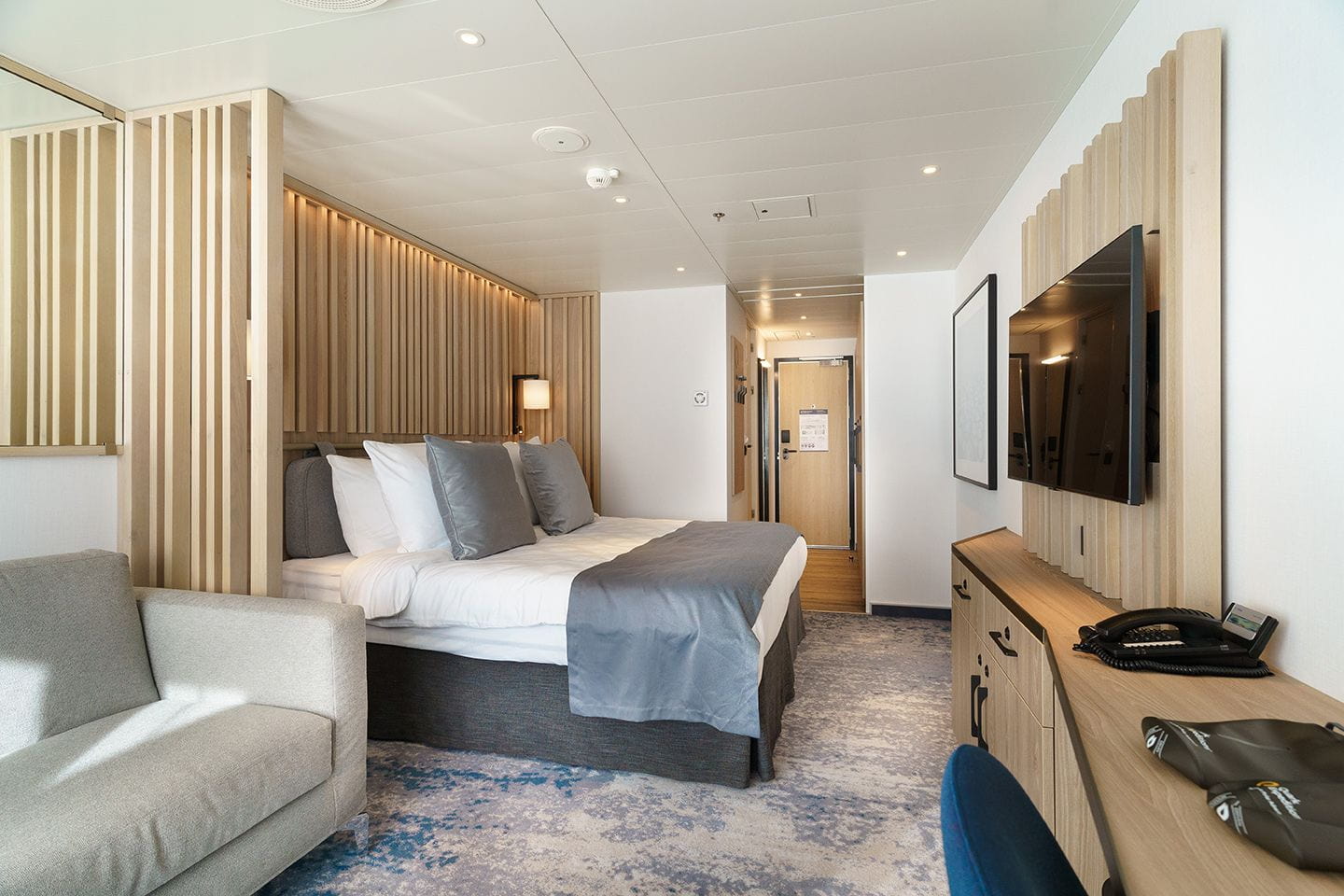
Every expedition brings new faces and memories that last a lifetime.
4. How much wildlife am I actually going to see?
Antarctica is one of the most wildlife-rich places on the planet, particularly when it comes to penguins, seals, seabirds, and, at certain times of the season, whales. That said, having the right expectations makes all the difference. You won’t see animals every minute of the day, and you’re not racing from one sighting to the next. Instead, what tends to happen are moments where everything comes together and the experience feels genuinely special.
Penguin colonies can stretch into the thousands, especially on expeditions to Antarctica that include South Georgia. Seals are often spotted resting on beaches or ice floes, while whales regularly appear alongside the ship or Zodiacs later in the cruising season. Birdlife is almost always present. What really sets these encounters apart is the setting itself, with no barriers, crowds, or the feeling that anything is staged.
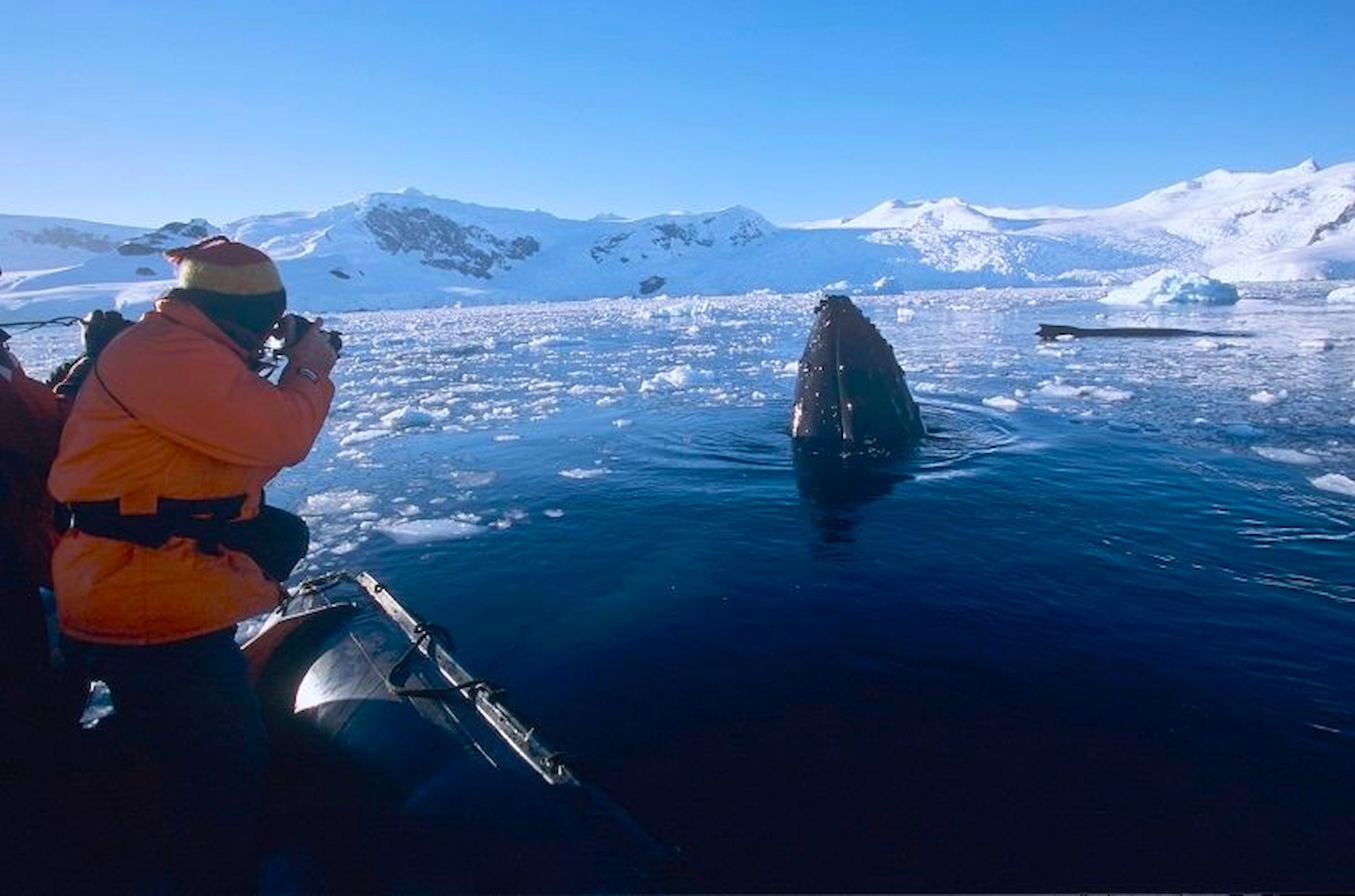
Wildlife encounters on expeditions to Antarctica vary by season and are unpredictable by nature, which is exactly what makes them so unforgettable.
5. Should I pay extra for optional activities?
Optional activities can add something extra to the trip, but you'll still have an incredible experience without them.
Some expeditions offer extras like kayaking, camping, or longer hikes. They’re completely optional, but if one appeals, it’s worth deciding early, as places are limited and often book out well before departure.
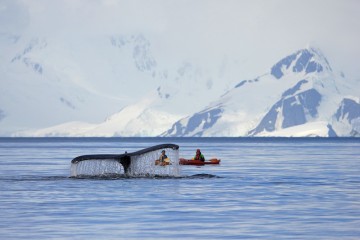
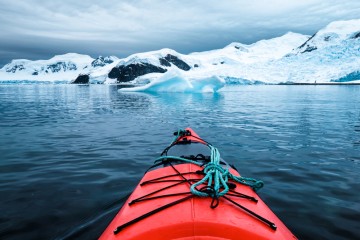
Pia didn’t kayak on her expedition, but chatting with those who did and seeing their photos convinced her it’s something she’d book next time. Kayaking offers a very different perspective, closer to the water and often much quieter than being in a Zodiac. Other activities, such as mountaineering or stand-up paddleboarding, may also be available on certain trips and can be accessible even for first-timers, thanks to dry suits and close supervision.
That said, the core Antarctica experience is already deeply immersive. Zodiac cruises, shore landings, wildlife encounters, and expert-led walks are all included, and many travellers feel completely satisfied without adding anything extra.
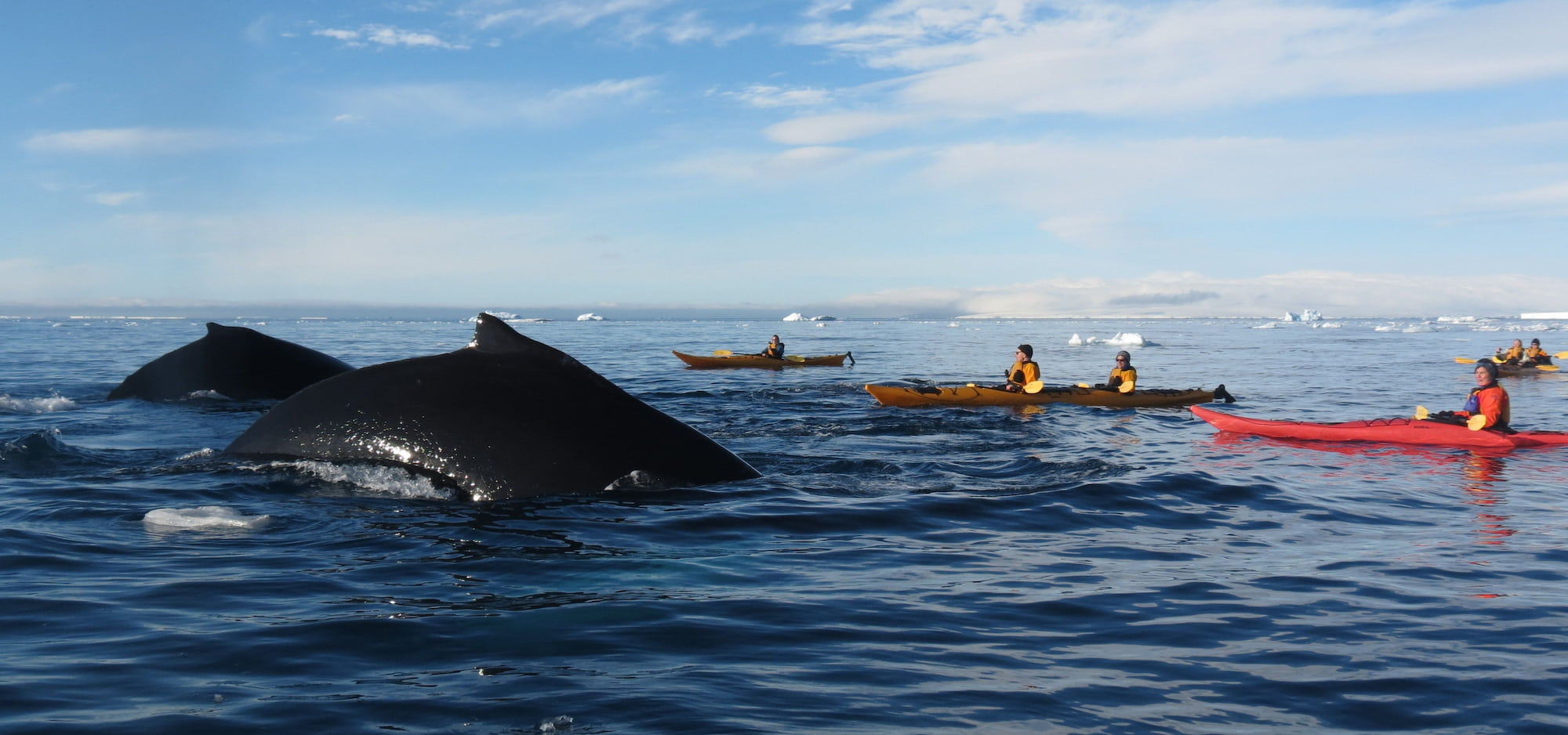
Optional activities like kayaking aren’t a must, but they can be an extraordinary highlight. Spaces are limited, so we recommend booking them at the same time you book your expedition.
6. Is there a dress code for meals?
Dress codes on Antarctic expeditions are generally relaxed. Antarctica isn’t a place for formal dinners or strict rules, this isn’t that kind of cruise. Evenings are low key, and most people simply change out of their expedition gear and into something clean and comfortable for dinner.
Mind you, some expedition ships do lean a little more polished than others, particularly newer or more upmarket vessels. On those ships, you might notice people dressing slightly smarter in the evenings, with dressy trousers, a dress, or a collared shirt, but still nothing formal. There are no required dress-up nights and no pressure to do anything beyond what feels comfortable.
Some voyages may include a special evening or small celebration, but these are optional and never overly formal. If a ship has a slightly dressier feel in the evenings, Viva will flag that for you ahead of time so you can pack accordingly.
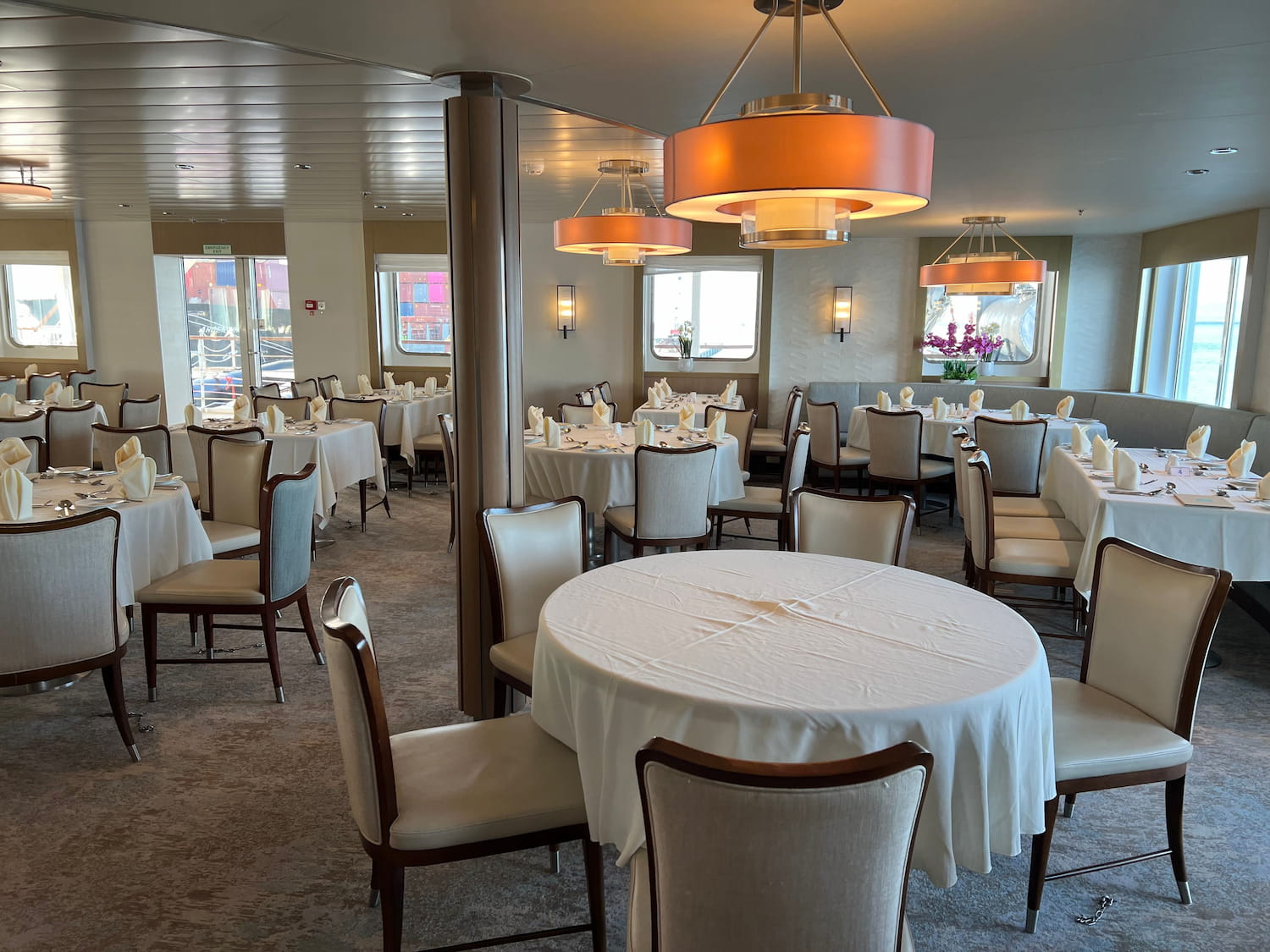
Smart casual is more than enough, even on the fanciest vessels, and comfort always comes first. Layering matters far more than fashion when exploring Antarctica.
7. Will there be WiFi on the ship?
Onboard WiFi is usually available, but it’s limited and best thought of as a bonus rather than something to rely on. While connectivity has improved in recent years, access is often slow, capped, and offered at an extra cost.
Antarctica isn’t a place for streaming or keeping up with a full work schedule, but many travellers find that this limitation becomes an unexpected upside. Days quickly fill with briefings, time ashore, wildlife sightings, and conversations with fellow travellers, and checking emails or following the news tends to fade into the background without much effort.
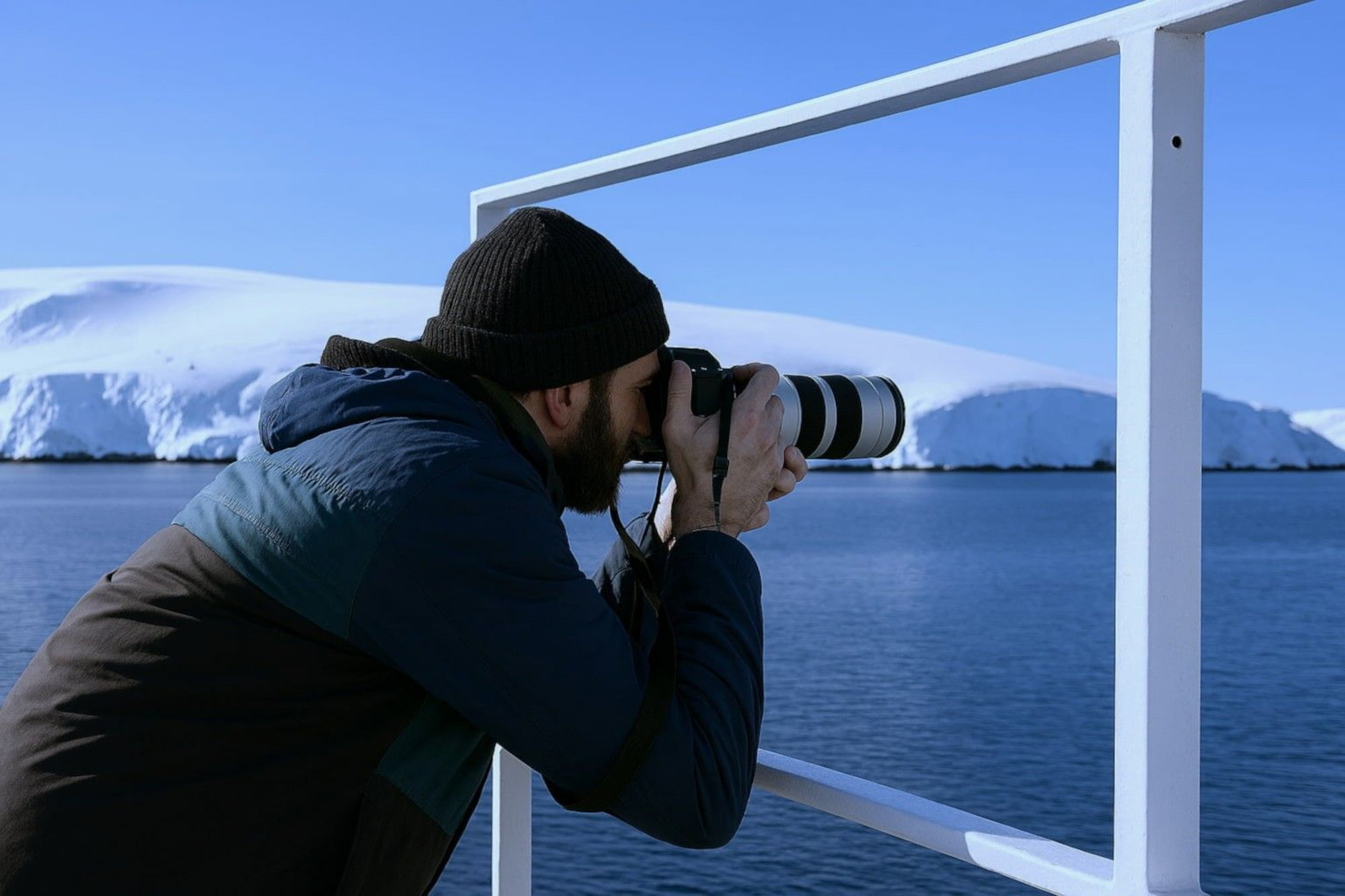
Unplugging is one of the most underrated perks of Antarctica expeditions, so let people at home know you'll be mostly offline and enjoy the mental rest and the journey.
8. Will I get seasick?
Seasickness is a common worry, but most people cope just fine, especially on modern expedition ships fitted with stabilisers and with medication if needed.
The Drake Passage does have a fearsome reputation, and it can be rough at times. However, expedition ships are purpose-built for these waters, and the stabilisers make a noticeable difference. Bringing some seasickness medication is a good idea so that you know you’ll have your preferred remedy on hand if you need it, although there will always be a doctor and medication available onboard, plus expedition staff are very used to helping people manage symptoms if they do crop up. It also helps to remember that the crossing is only a small part of the journey, and once you’re in Antarctic waters, conditions are often much calmer.
If this is something you’re concerned about, it’s worth reading Tara’s Top Tips for Dealing with Seasickness before travelling, and chatting to us about Fly + Cruise options if you’d prefer to skip the Drake altogether.
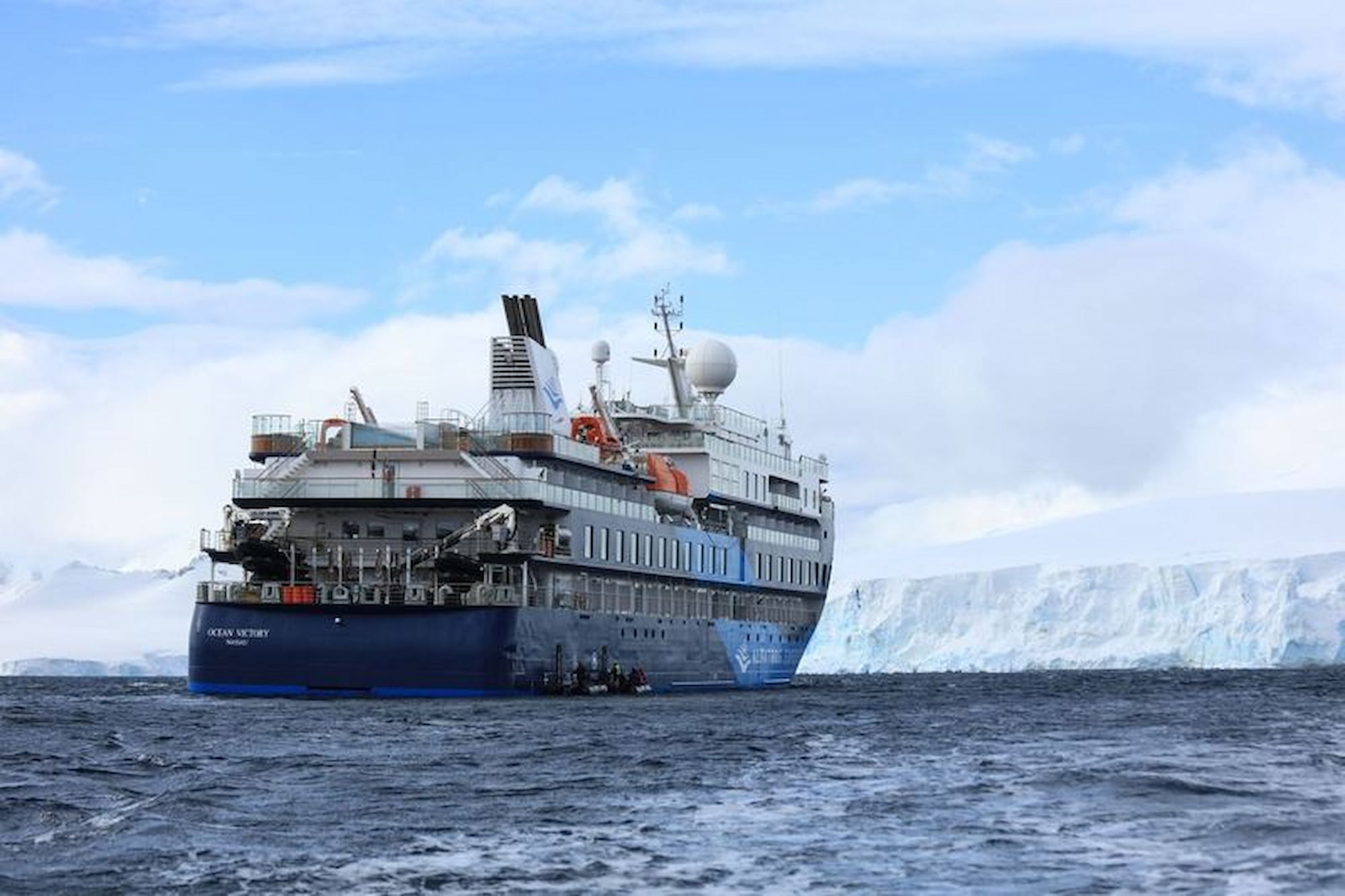
Seasickness is a common concern, but many travellers later find it isn’t nearly as bad as they expected especially on the stable, modern vessels.
9. How physically demanding will the trip be?
Expeditions to Antarctica are active but very manageable, with no technical skills required and options to suit different fitness levels.
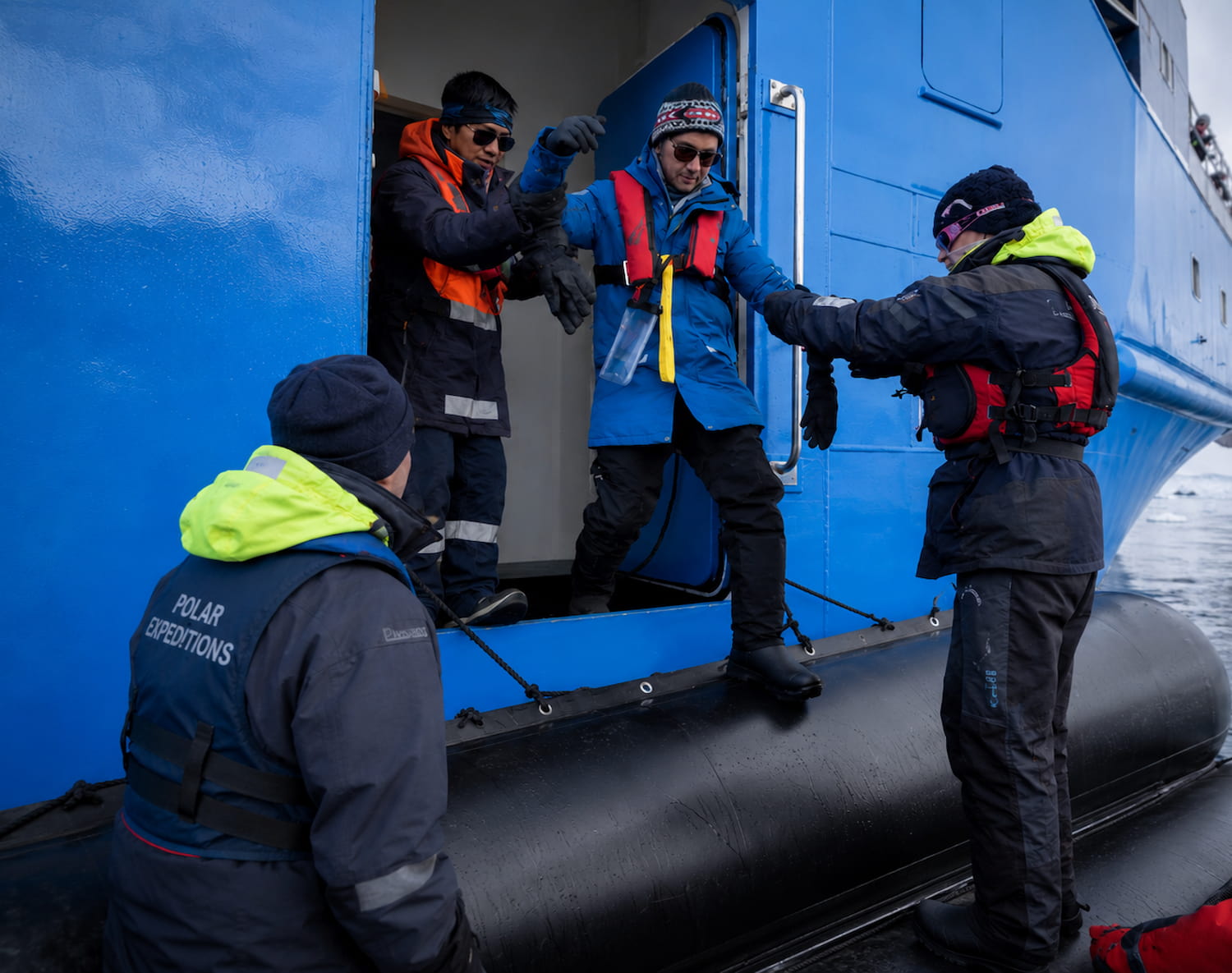
While you don’t need to be especially fit to travel to Antarctica, a reasonable level of mobility does help if you want to make the most of the experience. Most days involve getting in and out of inflatable Zodiacs, walking on uneven ground, and spending time on your feet while wildlife watching.
Expedition teams are very good at offering alternatives, lending a hand, and adjusting the pace as needed. There’s usually a choice between shorter or longer walks, and if a hike doesn’t appeal, you can often stay with a scenic Zodiac cruise instead.
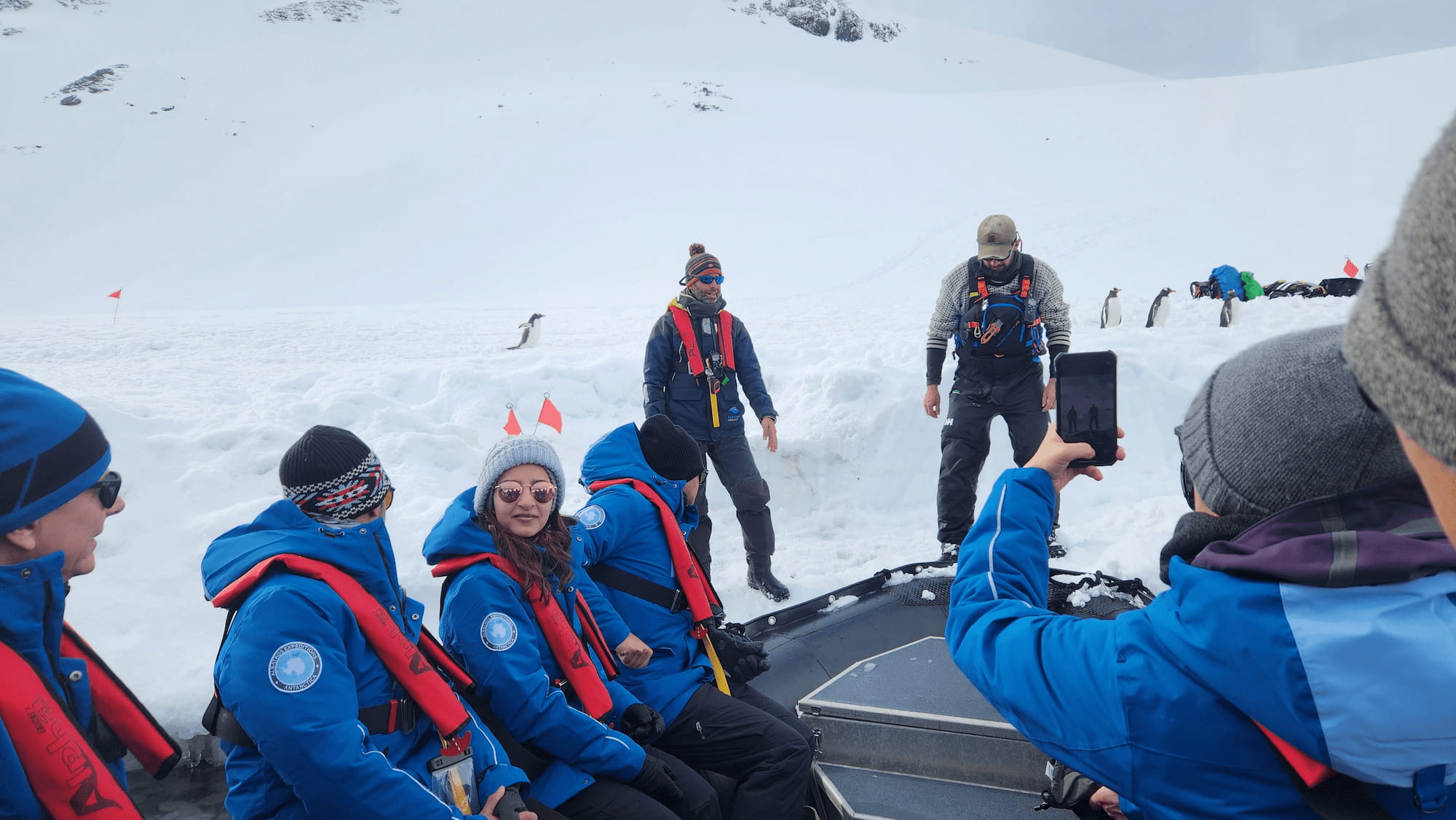
If you’re comfortable walking on uneven terrain and managing stairs, you’ll generally find the physical side of an Antarctica expedition, like getting in and out of Zodiacs and kayaks, to be very manageable.
10. Is tipping expected onboard the ship?
Tipping is customary on most Antarctic expeditions, though it’s never compulsory, and clear guidance is usually provided towards the end of the trip. Tips are typically pooled and shared among the crew.
While tipping is always your choice, many travellers do opt to contribute as a simple way of saying thank you to the expedition team. Between long days on the water, time ashore, and constant attention to safety and logistics, the crew put in a huge amount of effort behind the scenes, and tipping is a way many guests choose to acknowledge that.
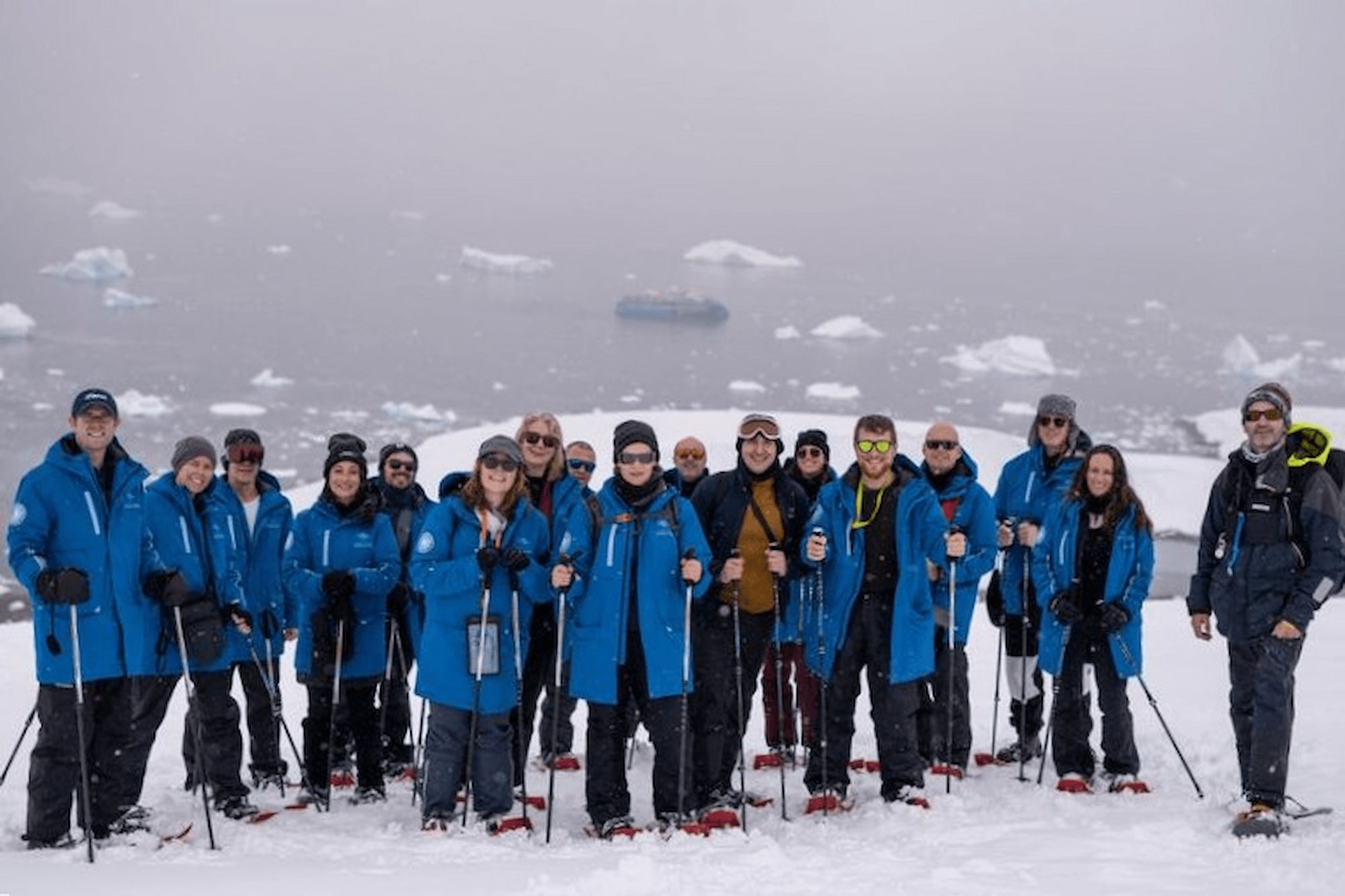
Tipping on an Antarctic expedition is optional and low-key, with no pressure or expectations. It is always appreciated by the crew tasked with looking after you.
Asking these questions is a good sign you’re approaching Antarctica with the right mindset. From here, it’s about narrowing things down and choosing the Antarctic expedition that best fits your interests, timing, and travel style.
Viva’s Destination Specialists are always happy to share first-hand advice and help you talk through the options whenever you’re ready.
Contact us today!
Lots more useful tips here:
· What is an expedition cruise to Antarctica?
· How to choose an Antarctic cruise
· What to pack for an Antarctica expedition cruise
· Polar plunge guide – how to prepare!
· Is it better to fly or cruise to Antarctica?
Laura Pattara
Laura Pattara has spent more than a decade writing about polar cruising at Viva Expeditions. While she has not yet set foot on the southern ice herself, she has mastered the art of turning expert accounts and field notes into guides that feel like the next best thing. Laura has a soft spot for penguins, perfectly packed duffel bags, and a well-earned cocktail in a wild place.
|