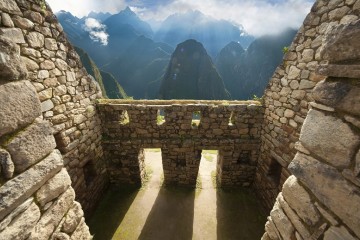
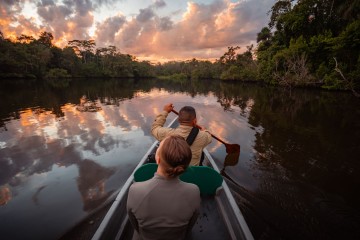
Planning a trip across South America can feel a little overwhelming at first. The continent stretches from the equator all the way down to the gateway of Antarctica, so the seasons shift more than you might expect from one region to the next. The best time to visit South America really depends on where you want to go and the kind of experience you are after. Our team has travelled widely across the region in every season, and this guide is based on years of on the ground experience. It takes you through the year month by month and shows you how South America seasons and altitude shape the journey, helping you plan with confidence and choose the timing that suits you best.
Before we look at each month, here is a quick look at how weather in South America works across the map.
Here’s what we’ll cover in this guide:
How Weather Works Across the Continent
Month by Month Guide to South America
Best Time to Visit Key Regions
Best Time by Travel Style
When to Combine Regions
Quick Seasonal Summary
FAQs
How Weather Works Across the Continent
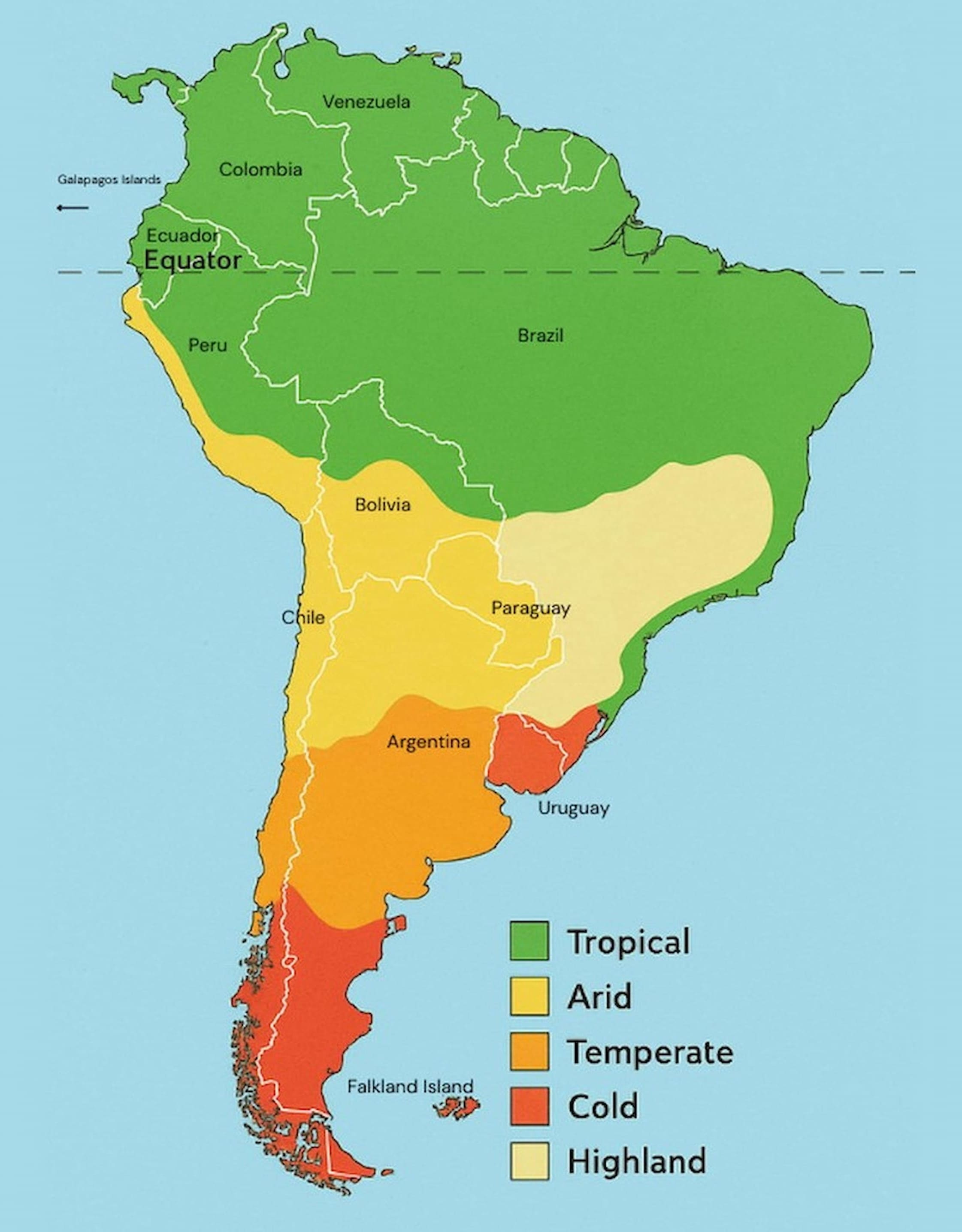
South America boasts several climatic zones and its eclectic topography means the weather is always perfect...somewhere!
The northern half of the continent sits close to the equator, so you can expect warm weather year round with quite clear wet and dry seasons. As you travel farther south, the climate shifts into more familiar summer and winter patterns. Altitude adds another layer that’s often overlooked, and the Andes mountain range also dictate rainfall.
High Andean cities such as Cusco (Peru), La Paz (Bolivia) and Quito (Ecuador) stay cool even in midsummer because of their elevation, so no matter where you go, you will feel the temperature drop as soon as you head into the mountains.
Rainfall is actually the prime seasonal driver in many regions and the one climate event that can disrupt travel in certain areas. The dry season in South America varies from place to place, running roughly from May to October in the Central Andes and from July to December in much of the Amazon. Patagonia, in the very far south, follows yet another distinct climate cycle, with long summer days at the end of the year and unpredictable weather that shapes experiences in every other season.
If you are planning a multi-country journey, matching destinations to their individual weather patterns is the simplest way to get the most out of your holiday.
Month by Month Guide to South America
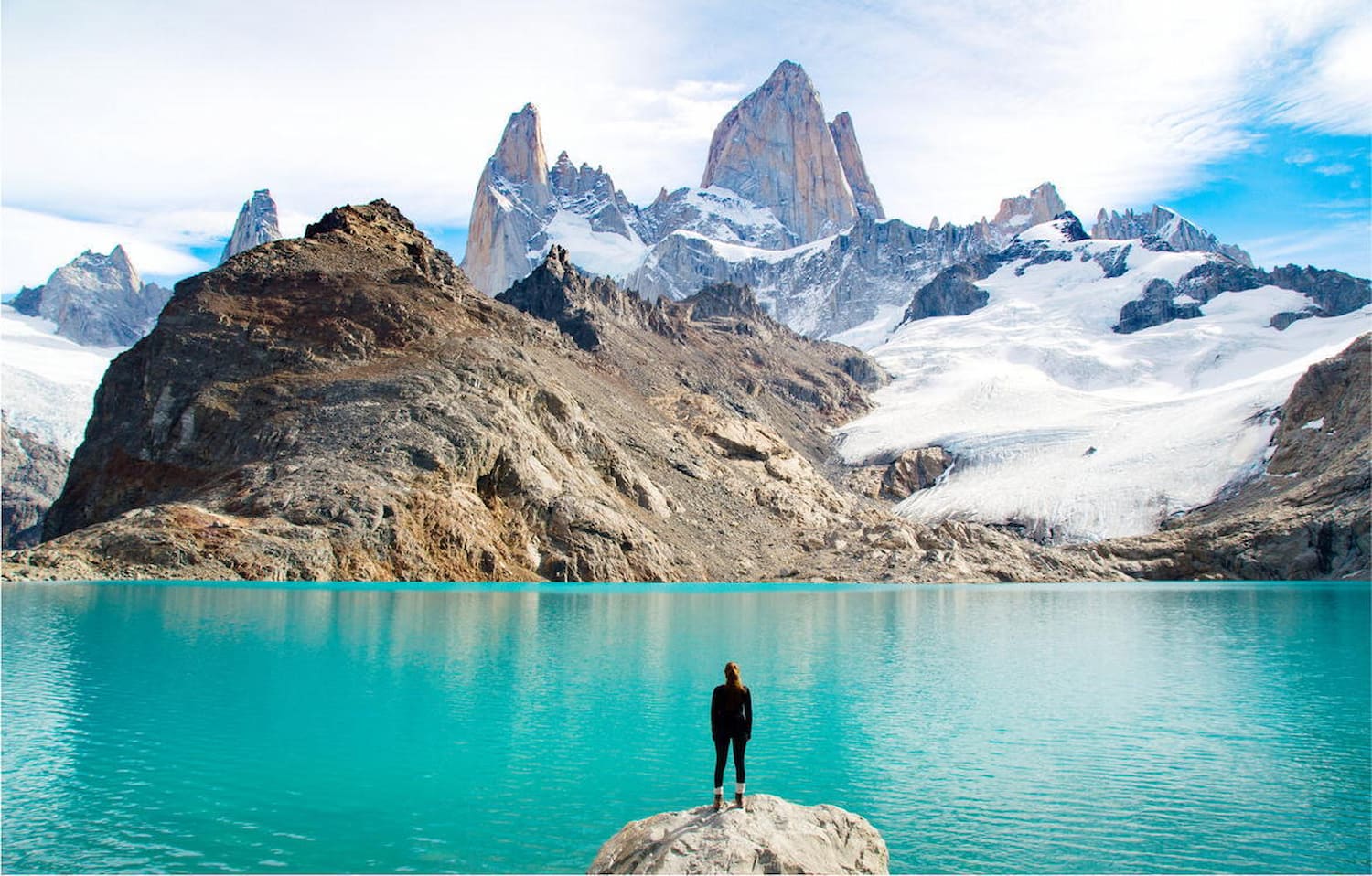
The new year starts warm, sunny and dry in Patagonia but up in the Central Andes, it is wet and unpredictable - which is why planning your trip around the seasons makes such a difference.
Below is a helpful look at the highlights of each month across the continent.
January
Peak summer in the far south and one of the finest months for Patagonia. Trails are open, wildlife is active, and long daylight hours are a delight. The Andes still see rain, although coastal Peru and northern Chile are sunny and warm. The Amazon is in its high-water period with excellent riverboat access deep into the flooded forests.
February
Patagonia remains in full summer mode while Brazil comes alive for Carnival, with coastal cities joining in the summer festivities. The Amazon continues to offer beautiful flooded landscapes that are perfect for river cruising. Galapagos waters are warm, and visibility underwater is excellent.
March
A favourite transitional month. Patagonia starts to settle into cooler, calmer days but the trails are still in great shape. Rain in the Andes begins to ease, making it a good time to explore without the peak season buzz if you don’t mind dealing with muddy trails. The Brazilian coast stays lively through the first couple of weeks, while many other destinations across the continent become a little quieter.
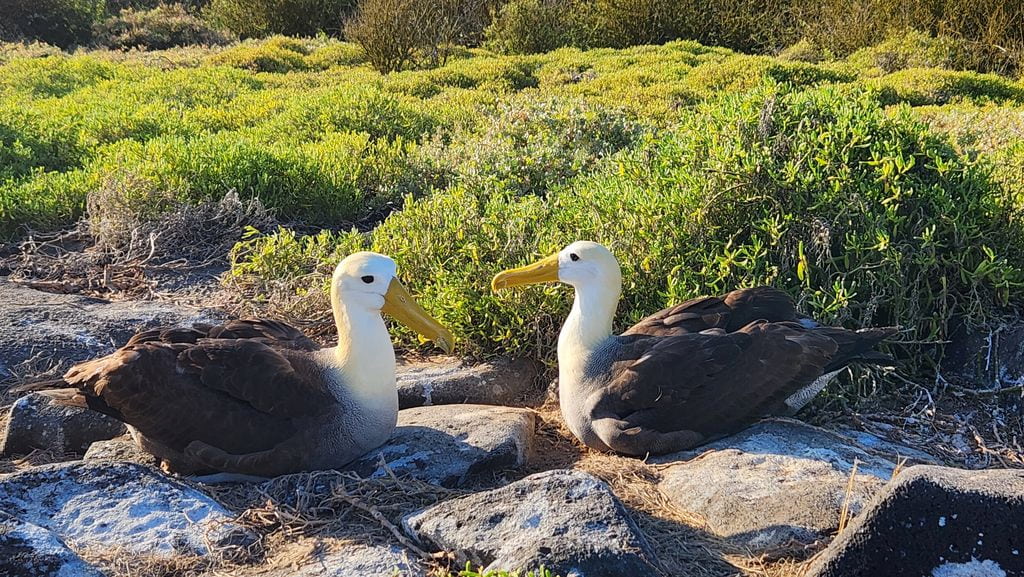
If you are travelling in March or April, the Galápagos are a brilliant choice, with warm seas and the start of the Waved Albatross nesting season.
April
Clearer weather starts to return to the Central Andes in April, and places like the Sacred Valley, Lake Titicaca and Bolivia’s altiplano become increasingly good for hiking and exploring as the month progresses. Patagonia shifts into soft autumn colours and cooler days, which many travellers enjoy for photography and for experiencing the region with more space on the trails.
May
One of the best months for Peru and Bolivia, thanks to crisp mornings, bright days and very little rainfall. This is also the beginning of the Amazon dry season, so wildlife viewing can be outstanding around lodges when animals gather near shrinking waterways.
June
Peak season arrives in the Andes with clear mornings and excellent trekking conditions. Machu Picchu, the Sacred Valley and the Bolivian altiplano are at their best, and the long, bright days make travel between regions easy. If you are thinking about combining countries, itineraries linking Peru, Bolivia and northern Chile work perfectly during these months.
In the Amazon, June sits at the very tail end of the high water period, so it is a lovely month for river cruising, with boats still able to explore deep channels before the dry season begins. Galápagos wildlife remains active, and cooler currents start to bring nutrient rich waters to the surface.
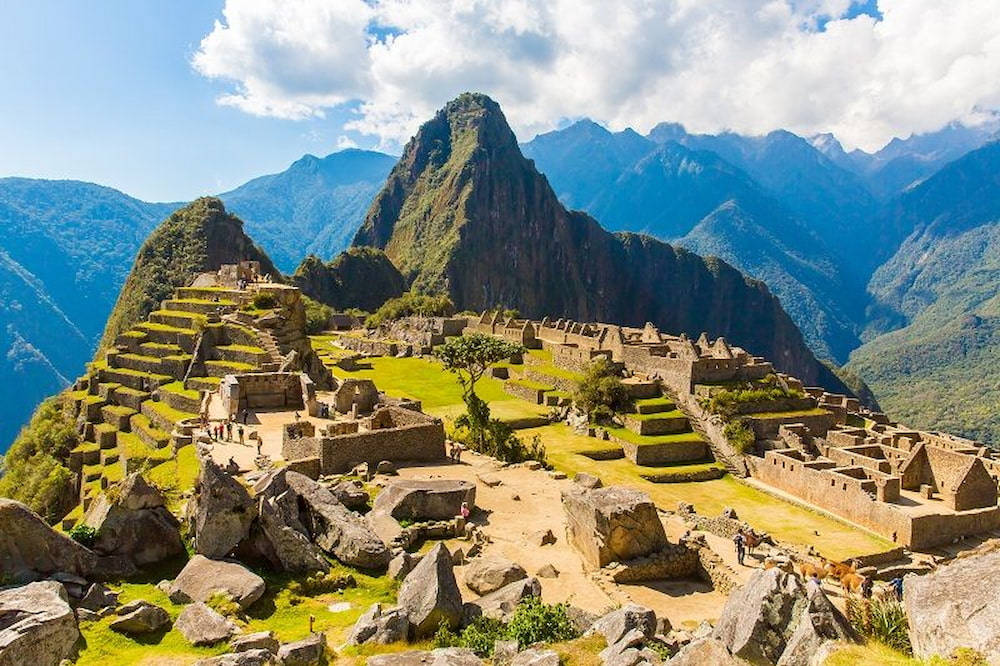
June kicks off the busiest season in the Andes, with Machu Picchu at its most photogenic under bright, dry winter skies.
July
A classic dry season month in the mountains. You can expect chilly nights and popular archaeological sites to feel busy, but the trekking conditions are superb. July is also one of the best months for lodge based stays in the Amazon. Water levels drop, forest trails open up and wildlife gathers around the remaining waterways, giving you excellent chances to spot birds and mammals from your lodge or on day outings.
August
Still excellent in the Andes and one of the best months for star filled nights in high altitude regions. Patagonia remains in deep winter, but city travel is very pleasant at this time of year, with mild days in places like Santiago, Córdoba and Salta. Galápagos wildlife watching stays strong. In the Amazon, August sits firmly in the dry season, which makes it a great month for lodge based stays with open forest trails and concentrated wildlife. Cruises still operate, but this time of year is far better suited to land based exploring.
September
A brilliant month across much of the continent as spring knocks at the door. The Andes continue to offer quite steady dry season weather, ideal for trekking and long days of sightseeing without the mid-year crowds. Patagonia begins to wake up from winter with longer daylight hours and blooming colours on the horizon. September is actually ideal for city escapes, with major capitals like Buenos Aires and Rio de Janeiro offering comfortable temperatures. The Amazon remains in its dry season, which means lodge based stays are excellent, and the Galápagos continue to shine with busy feeding activity in the cooler waters.
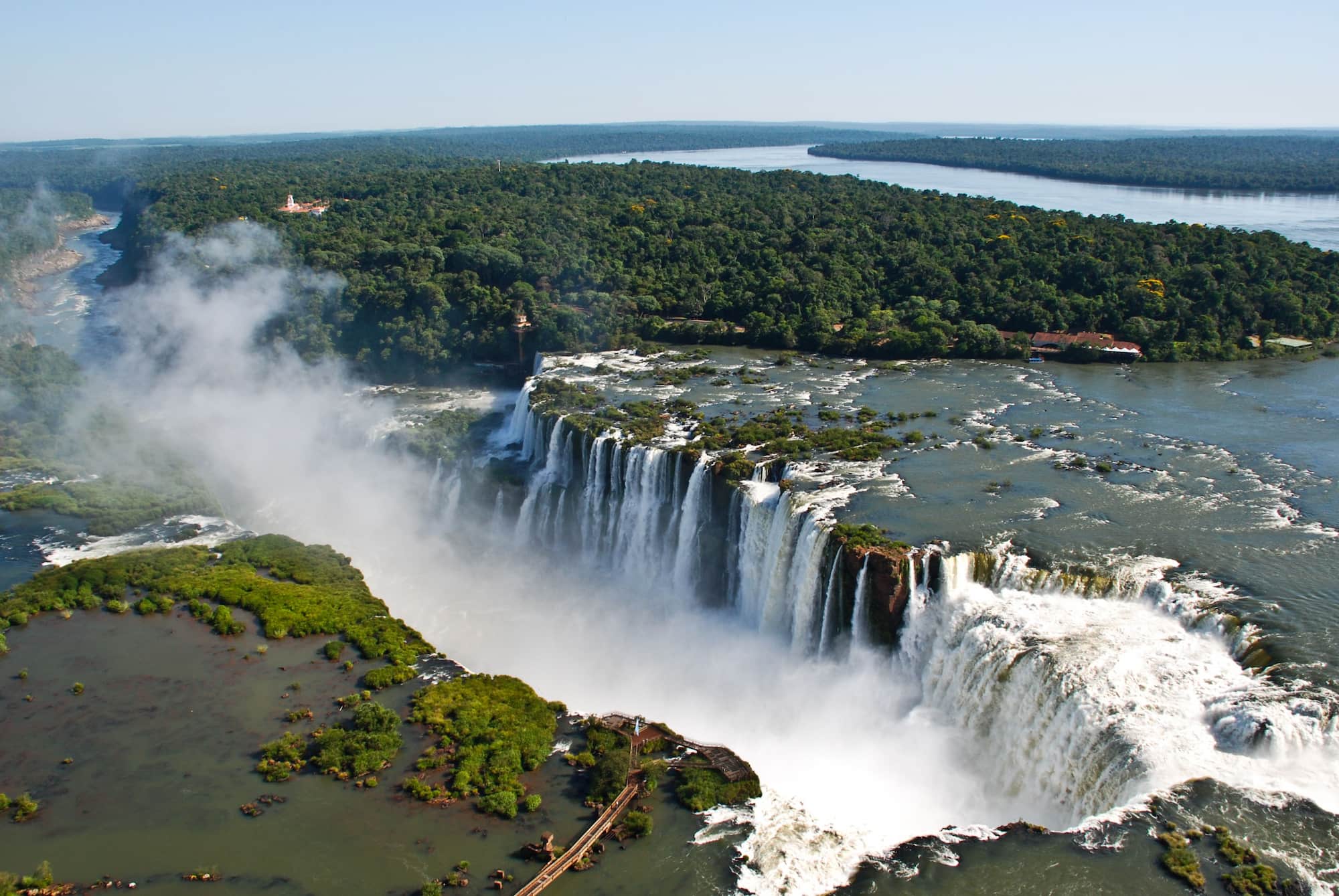
With comfortable spring temperatures settling over Buenos Aires and Rio, September is a great month to pair a city break with a few unforgettable days at Iguazú Falls.
October
Patagonia is roaring into action now spring has sprung! Winds are picking up and the scenery feels refreshed after winter snows. Northern Brazil heats up, and beaches along the northeast are at their dazzling best.
November
Temperatures rise across the continent. Patagonia becomes warmer and sees longer days, although winds in the early part of the month can be very strong. Wildlife viewing in the Galapagos is excellent. The Amazon begins transitioning towards its wetter period with moody cloudbursts and lush vegetation.
December
Summer returns to the south of the continent, and it is one of the finest times to experience Patagonia at its warmest. Cities across Chile and Argentina settle into long, sunny evenings as the festive season begins, and holiday crowds gather in the most popular areas. The atmosphere is lively and joyful, and it also happens to be an exceptional excuse to escape the cold winter back home in Europe or North America.
Best Time to Visit Key Regions
Patagonia
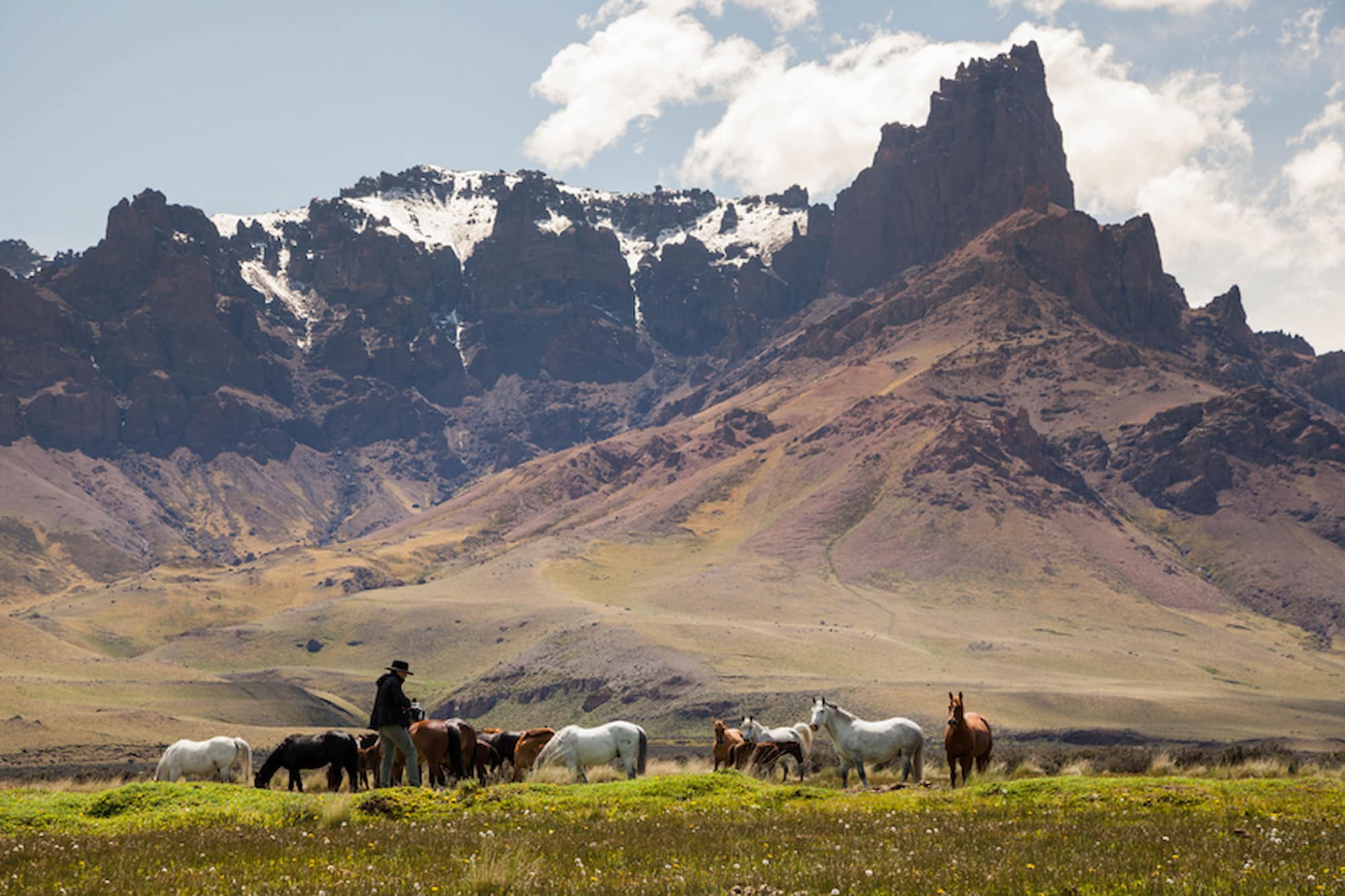
Patagonia’s estancias offer a real taste of life on the steppe, where wide open landscapes, working horses, and towering peaks create an unforgettable backdrop to a traditional ranch stay.
The best time to visit Patagonia is during the southern summer from December to February, when temperatures are warmest, and trails are usually open. Shoulder months such as October, November, March and April offer quieter paths and beautiful colours.
It’s imperative to note that weather changes quickly throughout the year this far south, and winds can be particularly strong in November and early spring. The scenery is extraordinary, and part of what makes it so special is how fast the elements can shift. Strong winds are part of daily life here, and storms can form with very little warning. Guided travel is not about adding formality to the experience. It is about having a local expert who knows the land well enough to make good decisions and to recognise the moments when it is wiser to pause. Even seasoned hikers appreciate that insight because this part of the world behaves like nowhere else.
> Our Signature Patagonia is a nine-day adventure that showcases the finest landscapes on both the Chilean and Argentinian sides.
And if you are already exploring Patagonia, you can easily continue south on an Antarctica Cruise from Ushuaia. The sailing season runs from late spring to early autumn, and adding a voyage is a memorable way to extend your adventure while you are already at the edge of the continent.
The Andes: Peru, Bolivia and Northern Chile
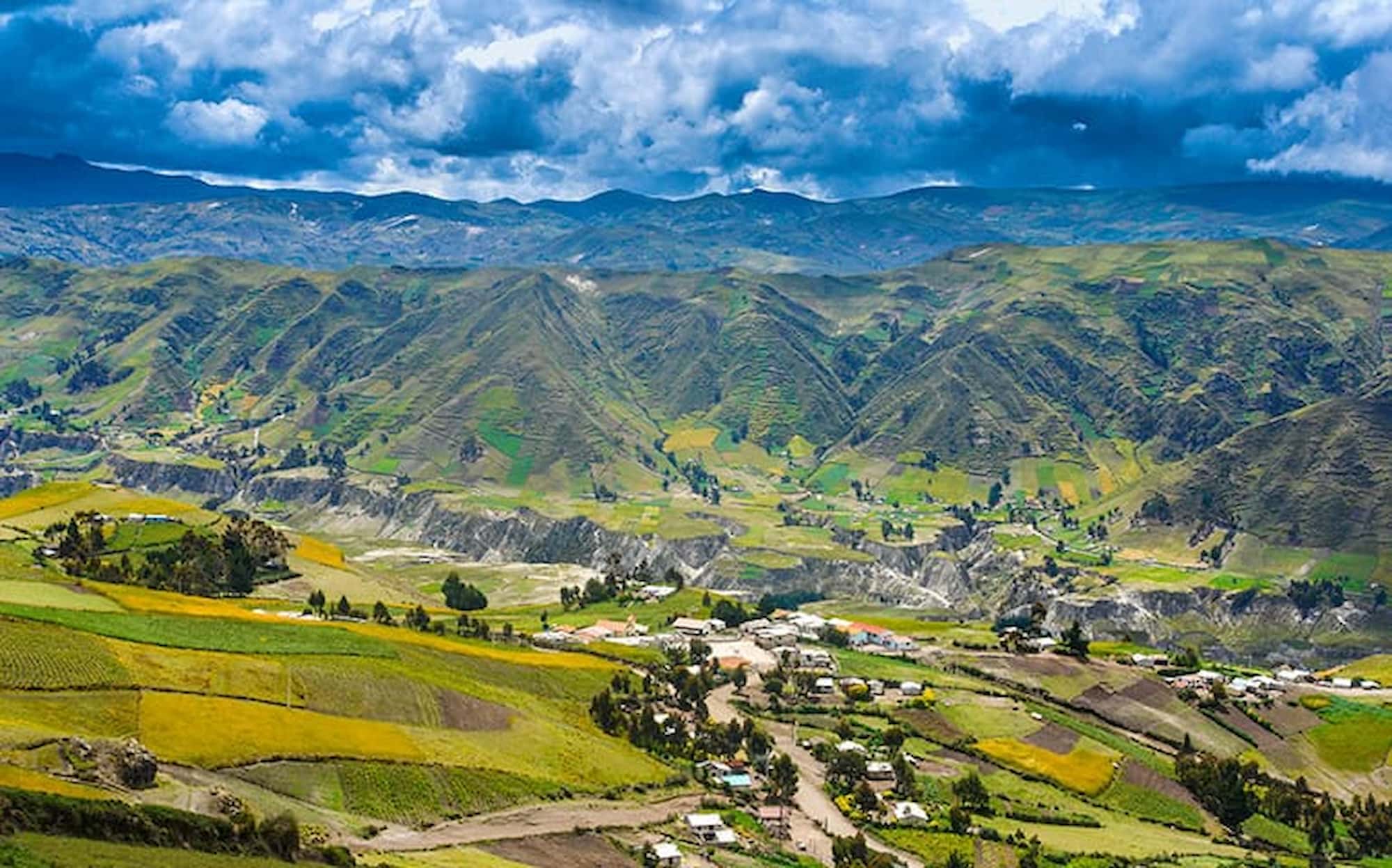
The Central Andes often build clouds like these by midday, so the dry and shoulder seasons bring the clearest views and the most dependable travel days.
The Andes are shaped by altitude rather than latitude, which means temperatures stay cool year round while rainfall drives the seasons. The dry months from May to October are perfect for trekking and sightseeing in the Central Andes. South America in winter, from June to August, lines up with the clearest skies of this dry season, which is why it is such a popular time to visit Peru and Bolivia. Nights are cold, but the crisp air makes the scenery spectacular. Shoulder months bring fewer visitors and often excellent value.
The Amazon
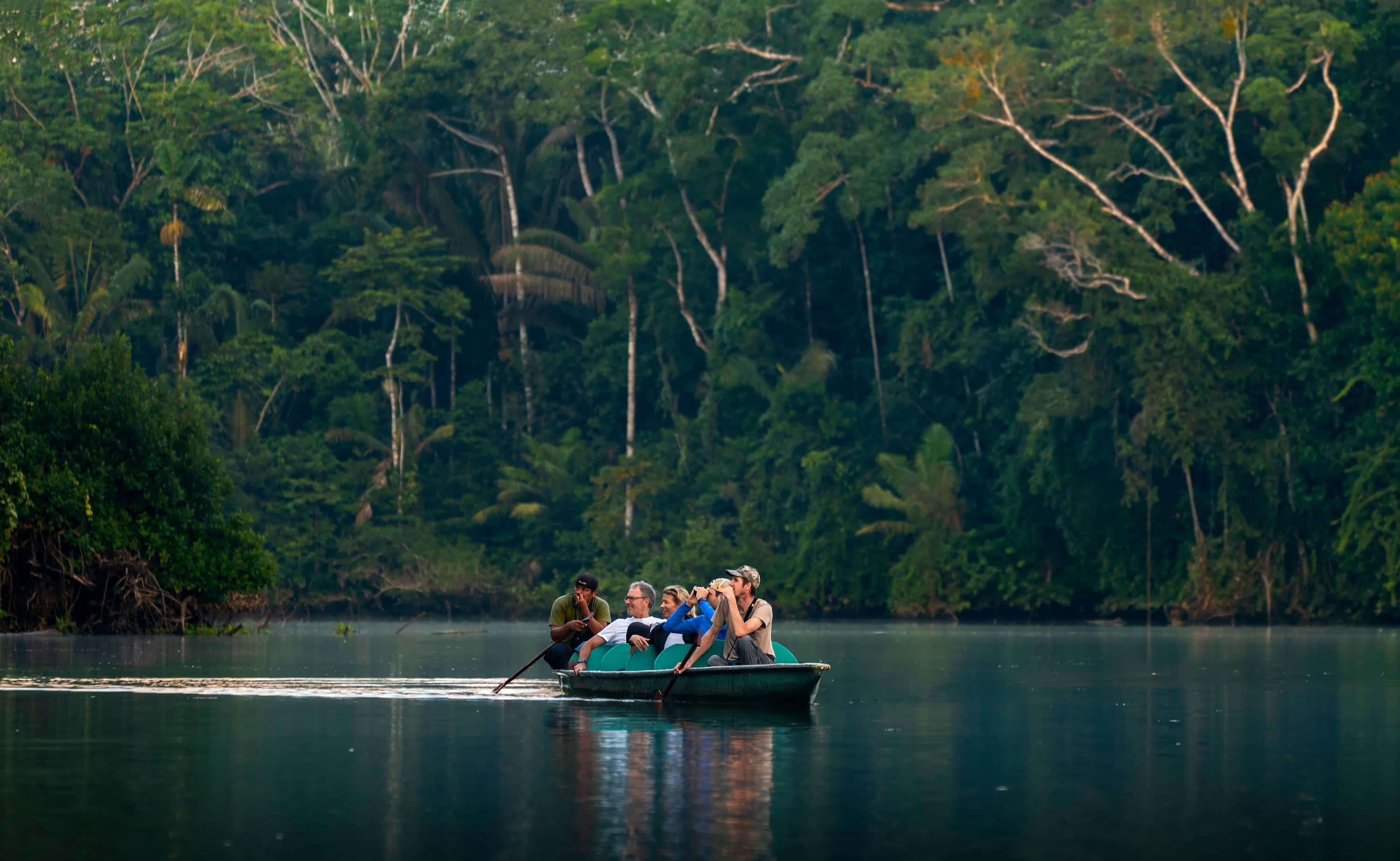
The rainforest is warm and humid in every season, but it’s the rise and fall of the rivers that defines how you experience the Amazon.
The Amazon dry season runs from July to December and is ideal for lodge-based stays and concentrated wildlife sightings near shrinking water sources. The wet season from January to June brings high water levels that instead allow boats to explore deep into the flooded forest. Both seasons are rewarding in their own way, and because the Amazon is accessible from several gateway cities, a lodge-based stay or river cruise is an easy addition to almost any itinerary.
Brazil and the Atlantic Coast
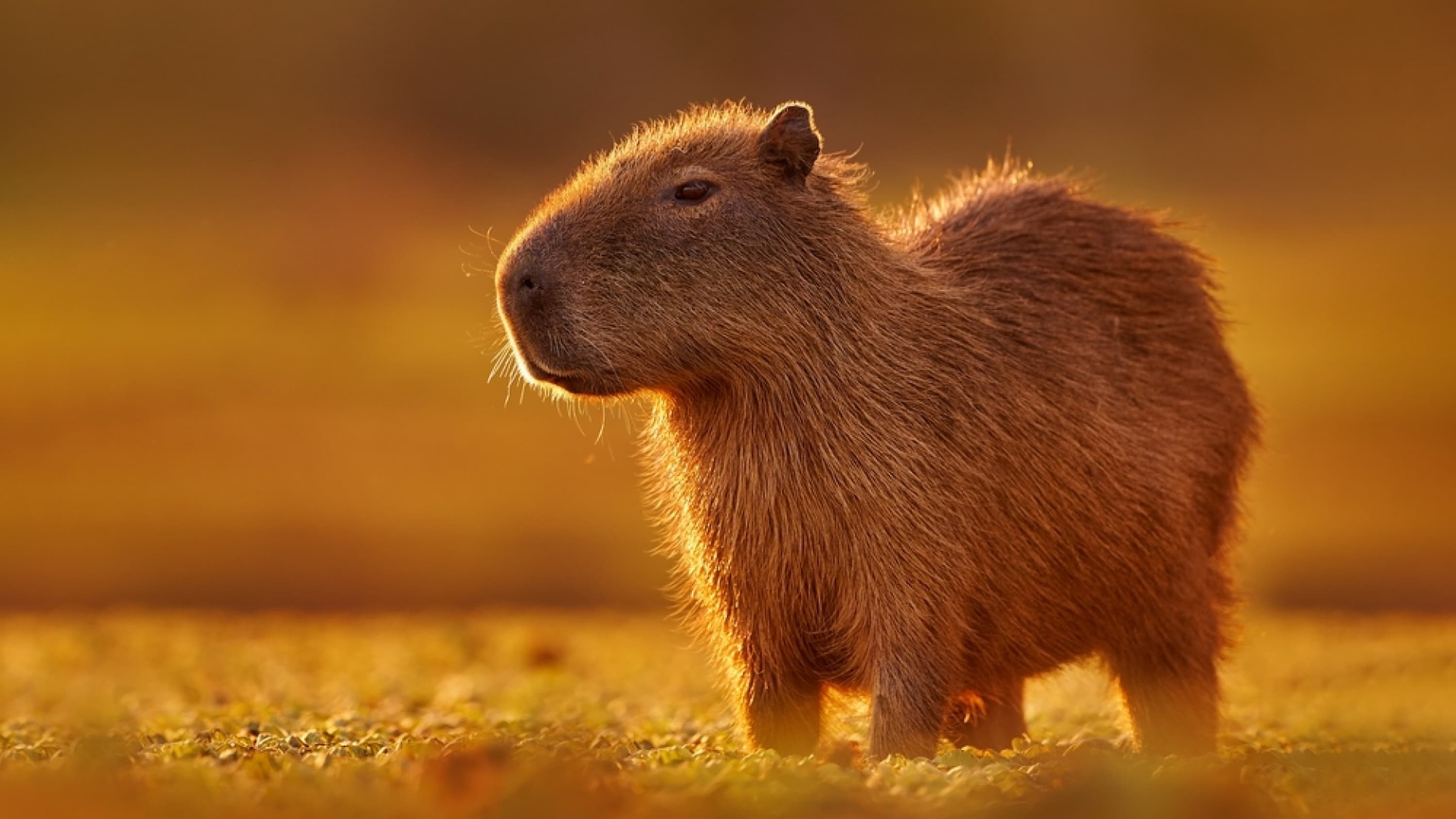
With its vast open marshes and incredible biodiversity, Brazil’s Pantanal offers some of South America’s most remarkable wildlife encounters.
South America’s largest country also boasts some of its most varied climates. Along the coast from Rio to Bahia, temperatures stay warm year-round, with hot summers and milder winters that are ideal for sightseeing. February brings Carnival, a major draw for travellers from around the world. Inland, the Pantanal shines from July to October, when the dry season creates the best conditions for wildlife viewing.
Galapagos Islands
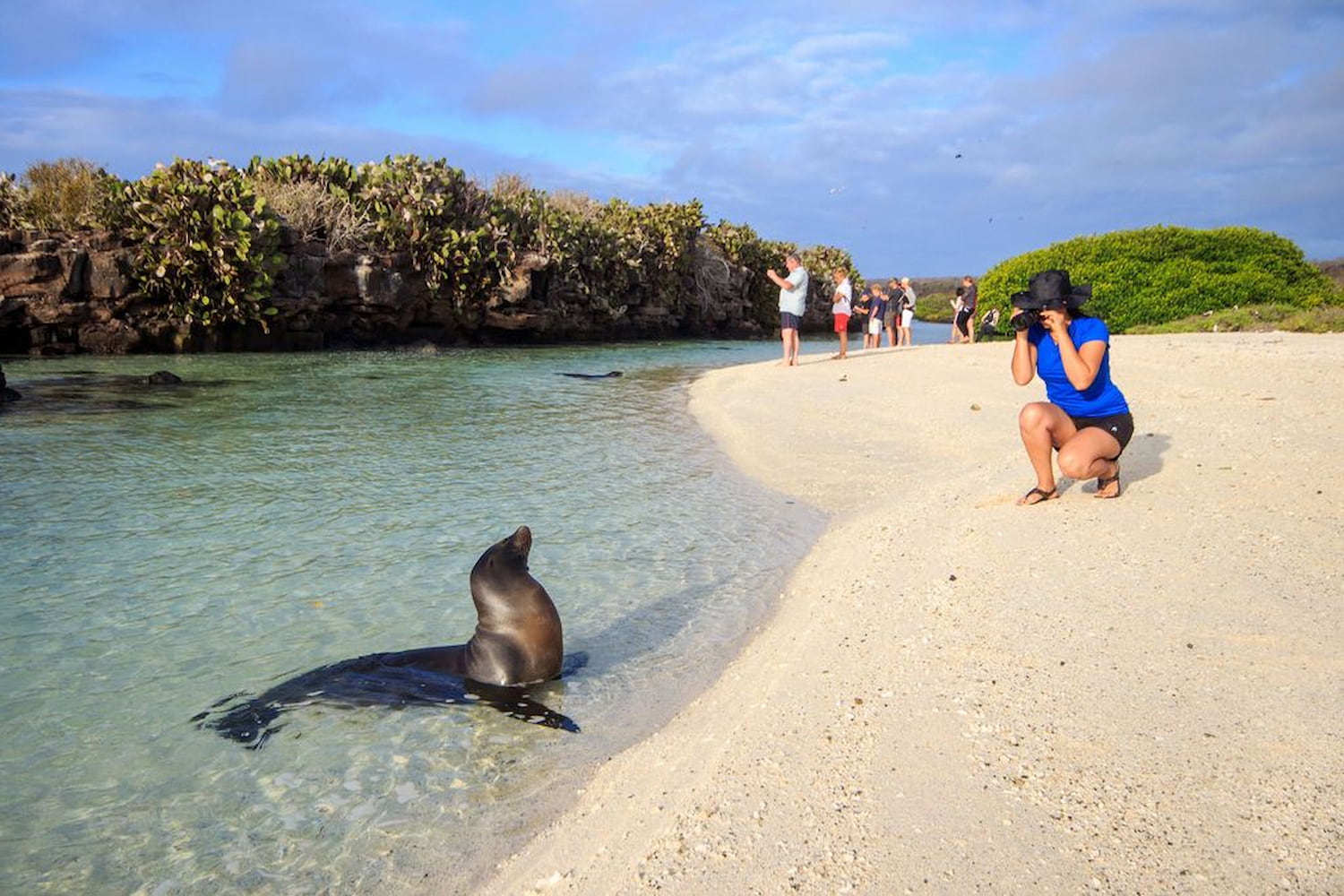
Galápagos wildlife is active all year round, and close-up encounters like this are common no matter when you visit.
Much like the Amazon, the Galápagos is a year-round wildlife destination with seasonal variations that influence visibility, sea conditions and breeding cycles. Warm water months from December to May are ideal for snorkelling, while the cooler season from June to November offers rich marine life thanks to nutrient upwellings. There is no wrong time to visit, simply different highlights.
Browse our Galápagos tours if you would like to see how a cruise or island-hopping itinerary might fit into your plans.
Best Time by Travel Style
For wildlife
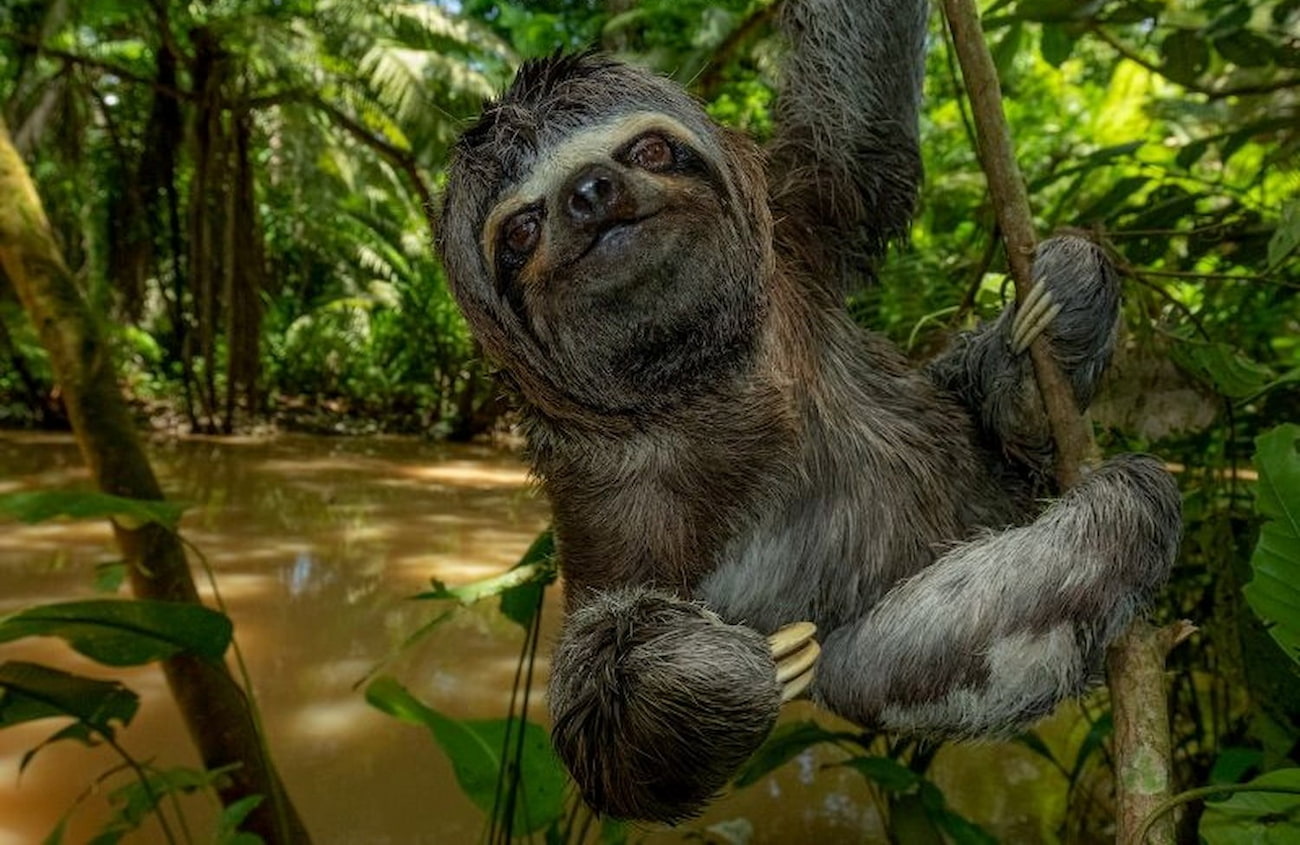
The Amazon is incredible for wildlife, with dedicated lodges such as Napo Wildlife Centre offering close-up encounters with sloths, monkeys, colourful birds and countless other species in one of the richest ecosystems on earth.
If you are planning around wildlife, aim for July to October in the Amazon and Pantanal when drier conditions make animals easier to spot. The Galápagos is excellent every month, with seasonal highlights depending on what you hope to see. Patagonia's marine and birdlife seasons run from October to March, covering its late spring and summer.
For hiking and trekking
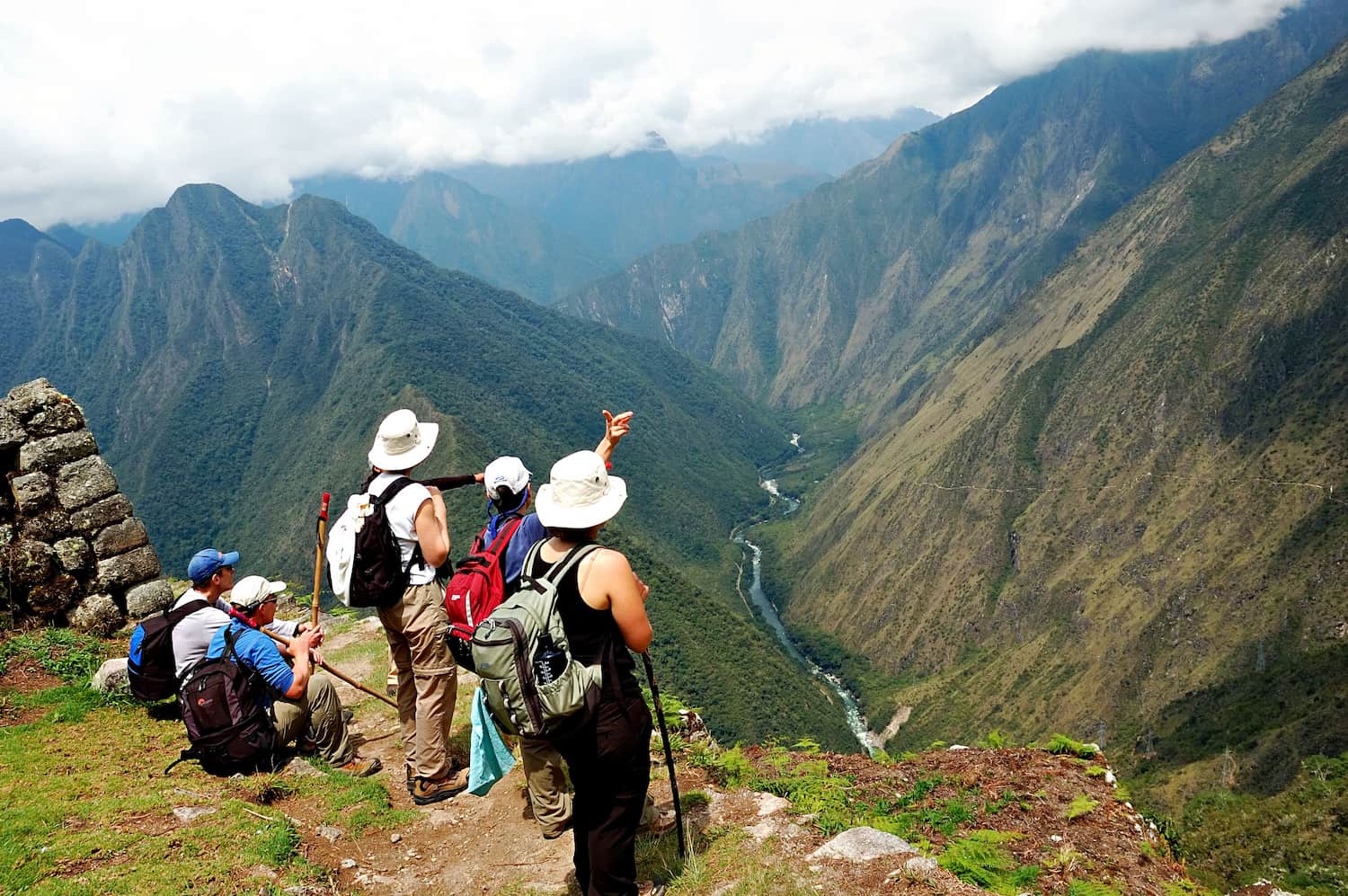
South America offers world-class hiking, from classic treks in Peru’s Sacred Valley to high Andean trails with sweeping views like this.
South America is a hiker’s dream – no matter when you go, there will always be a section of the Andes that’s idyllic for trekking or more leisurely walks. Hit the Central Andes of Peru, Bolivia and northern Chile between May to October when mornings are clear and trails stay dry. As summer hits and rains start drenching the center of the continent, head down to Patagonia, where the best trekking is in the summer months from December to February.
For beaches
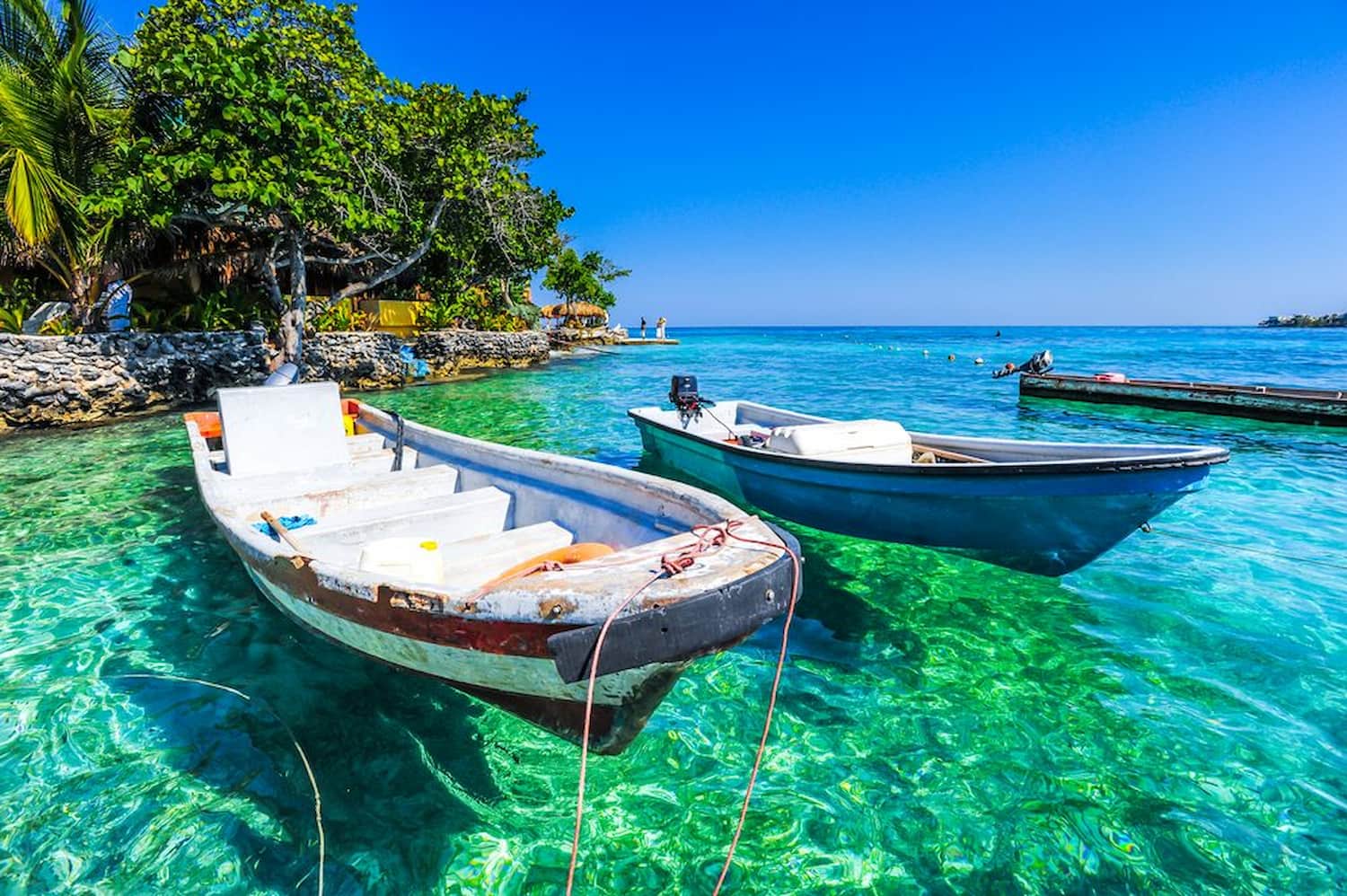
The Rosario Islands in Colombia are perfect for a dose of R&R, a laid-back place to unwind at the end of a whirlwind South America journey.
Brazil's northeast coast is outstanding from July to January, with long sunny days and warm water. Colombia's Caribbean coast shines from December to April when the sea is calm and clear. If you would like to end your trip with a relaxed beach stay, the surfing beaches of northern Peru are ideal from October to April when the Pacific is warm, and the swells are reliable, especially around Máncora and Punta Sal.
For Festivals
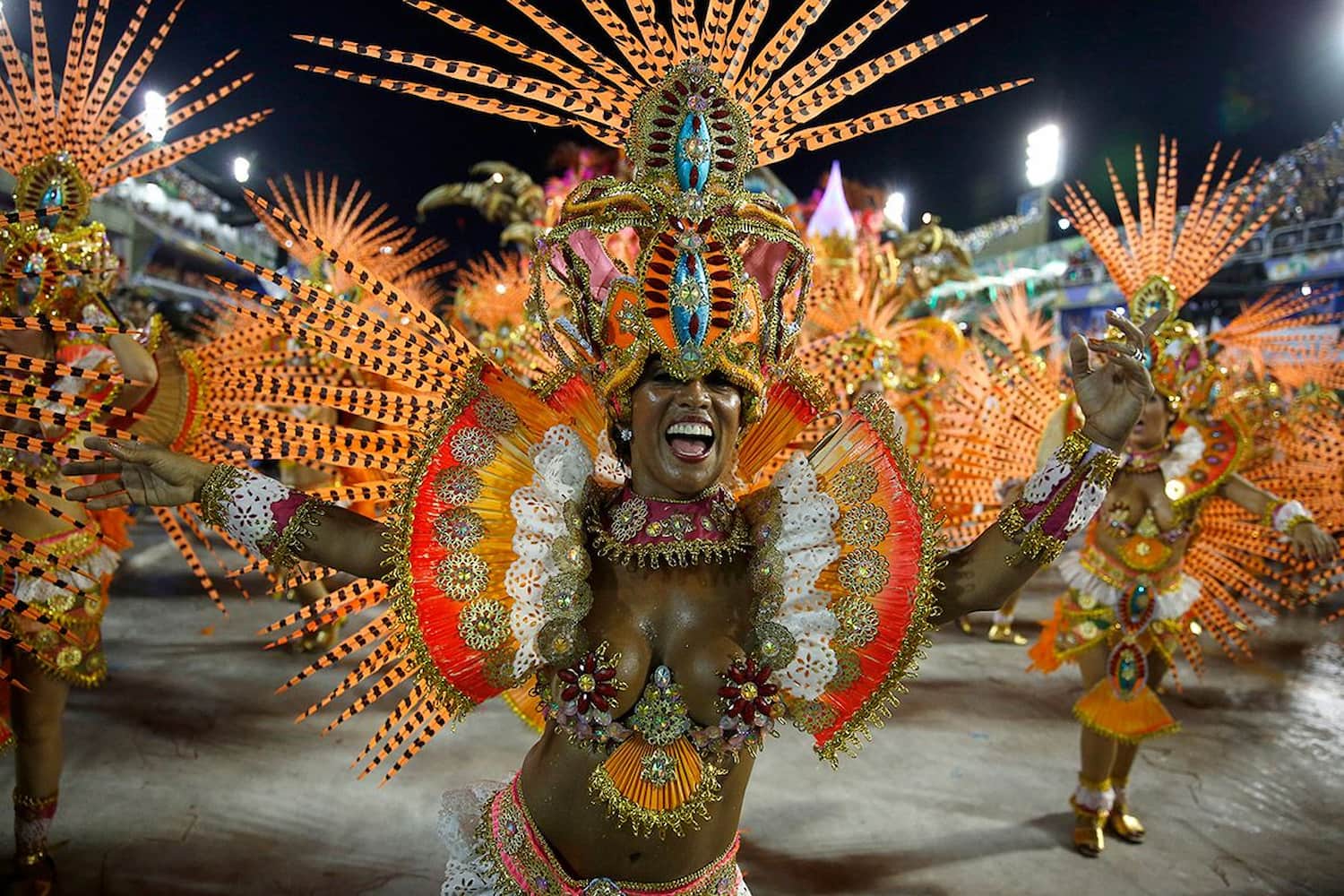
Rio’s Carnival is one of the continent’s biggest celebrations, a dazzling mix of music, costume and energy that draws travellers from every corner of the globe.
South America has festivals woven through every month of the year, and planning your travels around one can add a wonderful layer of culture to your itinerary. Rio Carnival in February is the headline event, but the continent is filled with celebrations that feel just as meaningful. In Cusco, June brings Inti Raymi, an Andean ceremony that honours the winter solstice and fills the city with music, colour and traditional processions. February is also the month of Bolivia’s Oruro Carnival, where dancers and musicians fill the streets in an explosion of folklore and highland energy. Wine lovers often time their travels for March, when Mendoza celebrates Vendimia and the entire region comes alive for harvest.
If you would like to match your plans with a celebration, our month-by-month Festival Guide is the best place to explore your options.
When to Combine Regions
Multi country travel is one of the richest ways to explore the continent.
Here are a few combinations that work well:
-
Peru, Bolivia and northern Chile are a classic match. This timing works especially well if you want to travel during the dry season in South America, when high altitude landscapes are at their clearest.
-
Patagonia and Iguazu between October and March, which allows you to experience both the southern summer and the full power of the waterfalls.
-
Brazil’s coast combined with Argentina’s wine regions if you’re seeking food, culture and sunshine.
For travellers wanting something fully tailored and seamless, our South America Circle Tour and our South America Big Five Explorer Tour bring together many of the continent’s most remarkable highlights.
Quick Seasonal Summary
-
Summer, from December to February is perfect for Patagonia and the far south.
-
Autumn, from March to May, is excellent for the Andes and quieter shoulder season travel.
-
Winter, from June to August, brings peak conditions to Peru and Bolivia.
-
Spring, from September to November is ideal for multi-country journeys with mild weather and fewer crowds.
FAQs
What is the overall best time to visit South America?
The best time to visit South America depends entirely on your route, but understanding how seasons shift between regions will help you plan the journey that suits you best. Summer from December to February is ideal for Patagonia, while winter from June to August brings the best conditions to the Central Andes. Spring and autumn, roughly September to November and March to May, are excellent for combining several countries in one journey, thanks to mild temperatures and fewer crowds.
When is the dry season in South America?
The dry season varies but generally falls from May to October in the Central Andes and from July to December in much of the Amazon.
When is the best time to visit Patagonia?
In the summer, from December to February, is when you will find the warmest weather and the greatest chance of fully open trails. The shoulder months from October to November and from March to April are also lovely, with changing colours and far fewer people on the paths.
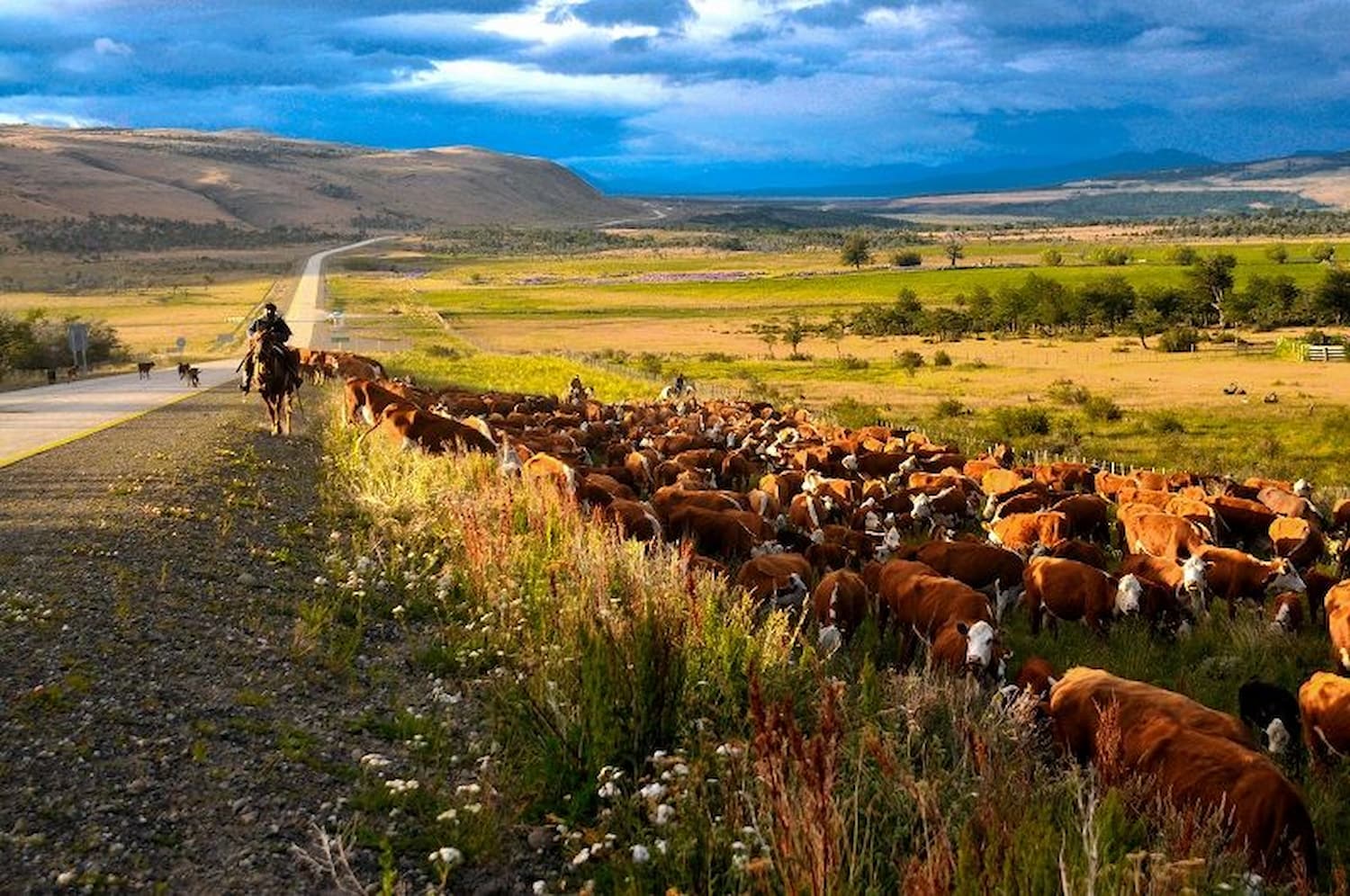
A big part of South America’s appeal is catching glimpses of a different kind of life, like this gaucho herding cattle across the Patagonian plains.
When is the best time to visit the Amazon?
Both high water and low water periods offer unique experiences. Choose January to June for river exploration or July to December for lodge-based wildlife viewing during the Amazon dry season.
When is the best time to visit Iguazu Falls?
Iguazu Falls is a year-round destination and finding the single best time to visit will highly depend on how you wish to experience them. From December to March, summer rains increase the water flow and the falls are at their most powerful. It is loud, misty, and dramatic, but it is also hot and busy. From May to September, things slow down: water levels are lower, the air is cooler, and the walkways feel less crowded, which many travellers find more enjoyable. April and October often sit nicely in between, with decent water flow and fewer people around. Whenever you go, Iguazu is still an extraordinary sight and, because you only need a couple of days, they slot easily into almost any South America itinerary.
Every season and month in South America has something unique to offer. If you let us know when you would like to travel and what you enjoy most, our Destination Specialists can shape a personalised itinerary that lines up with the weather and the unique experiences you are after. Browse our full range of South America tours for inspiration, and reach out to us when you are ready to start planning your unforgettable adventure.
Laura Pattara
Laura Pattara writes for Viva Expeditions with a special love for all things Latin America. She had guided overland tours across the continent, reached Machu Picchu five times on foot, and even dressed up as a giant toucan for Carnaval. With a degree in languages and two decades of global travel experience behind her, Laura has a long-standing love for the Andes, soaring condors, and a truly delicious empanada.
|