
8 days
Essence of Tanzania: Small Group
Discover Tanzania's wild spirit on this small group safari, from Tarangire's elephants to the renowned Ngorongoro Crater and Serengeti.
African safaris are a once-in-a-lifetime experience, but they do not have to come with a once-in-a-lifetime price tag.
If you have started researching the cost of a safari in Africa, the numbers may have taken you back a little. Safaris have a reputation for being expensive, and there is some truth in that. The good news is that once you understand what is behind the price, it becomes much easier to see not only where your travel funds are going but also where you can save without downgrading the experience.
In this guide, we'll share our insider know-how on the real cost of an African safari and the aspects that give you room to save.
Here’s what we’ll cover:
How much is an African safari? A Snapshot
Why are African safaris so expensive?
What does a safari price usually include?
African safari cost by country
How to save money on your African safari
Which safari destination offers the best value?
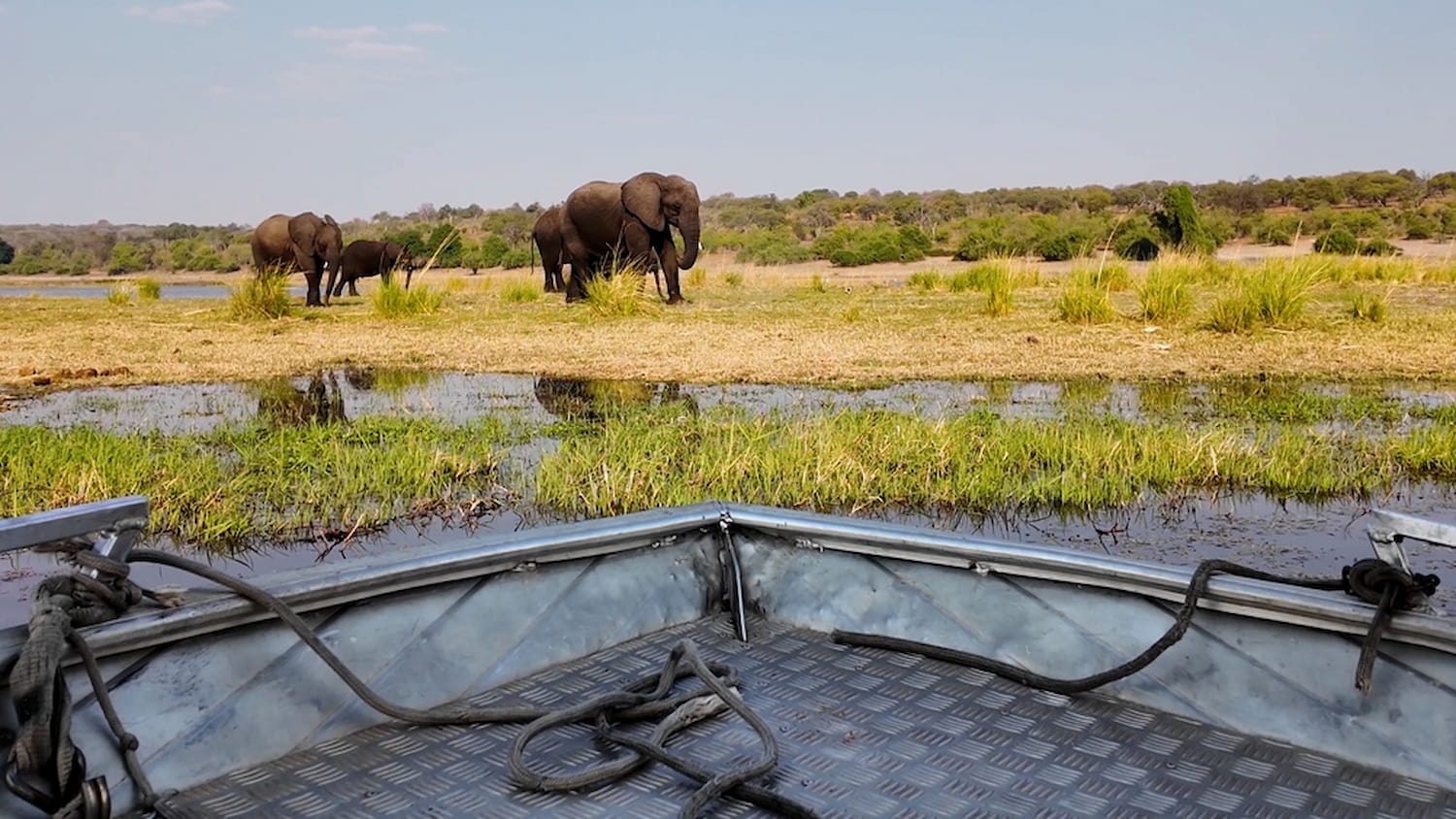
Safaris might seem expensive at first, until you understand what's included in the initial price. We break it down so you know exactly what you are getting for your hard-earned money.
Let us start with some ballpark figures, since that is probably what brought you here. Prices vary widely depending on where you go, when you travel, and the luxury-level of safari you choose, but as a rough guide, here is what you can expect to pay per person for a four-night safari.
|
Safari style |
Typical cost per person (for 4 night safari) |
|
Budget |
USD 4,500 to 9,000 |
|
Mid-range |
USD 9,000 to 18,000 |
|
Luxury |
USD 18,000 to 36,000+ |
|
Ultra-luxury |
USD 36,000+ |
The prices quoted above cover only the safari itself, so you would need to factor in the cost of an international flight to get there. One thing worth knowing early on is that while the cost of a safari might seem like a high upfront cost, most lodges and camps run on a full-board or all-inclusive basis, so your meals and game-related excursions are already baked into the price. Once you have paid, there is very little left to spend on beyond tips and the odd premium drink.
“People sometimes gasp at the headline price, then relax when they realise almost everything is included. Once you reach your lodge, you are not reaching for your wallet every five minutes. Everything is already covered.”
— Andy Stock, Africa Travel Specialist, Viva Expeditions.
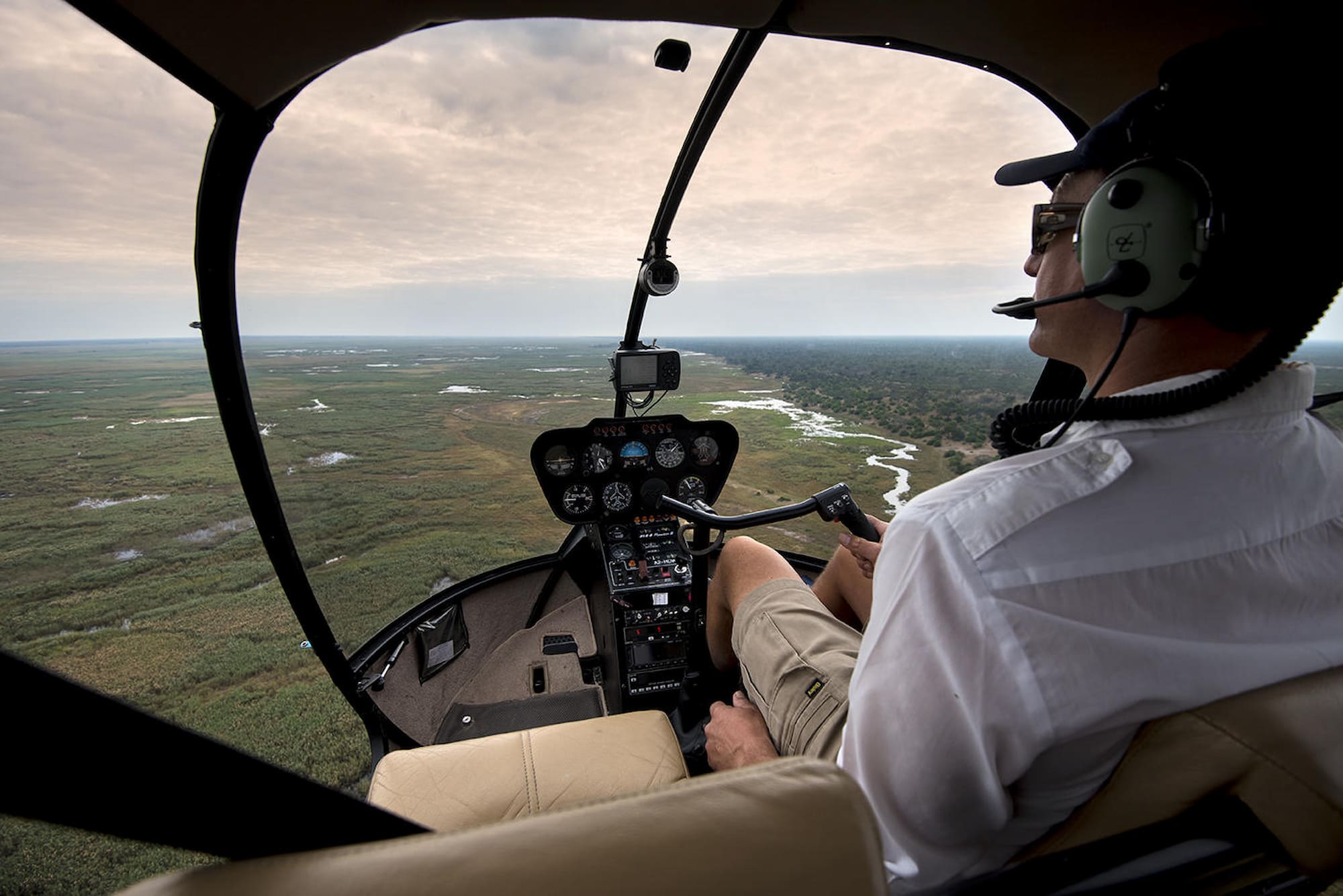
The most expensive safaris tend to be in the most isolated corners, where getting there is half the adventure (and the cost).
.
A safari can look expensive on paper, but very little of that cost is fluff. Most of what you pay goes into reaching remote places, keeping camps small and personal, and protecting the wildlife you have come to see.
Here is where your money actually goes.
Remote locations. The best wildlife areas are often a long way from anywhere, so getting there can mean a light aircraft charter or a lengthy overland transfer. That adds real cost, but it is also part of what makes the experience feel so special.
Private concessions and reserves. This is one of the biggest reasons safari pricing varies. In a national park, you are commonly sharing sightings with lots of other vehicles and usually driving only on designated roads. In a private concession or reserve, guest numbers are capped so the experience can feel much more exclusive. Off-road driving, night drives, and guided bush walks are regularly allowed too, which is not something you can usually do in a busy national park. Read our guide on the differences between private reserves vs national parks to find out more.
Small camps and lodges. Fewer beds translate to fewer guests in each vehicle and a much higher staff-to-guest ratio. That creates a more personal experience overall, but it is also more expensive to run.
Conservation fees. These often make up a significant part of the total price. Conservation fees help fund anti-poaching patrols, environmental projects, and social projects that support wildlife protection over the long term.
Park fees. These are similar to conservation fees, but they are collected and managed by the government rather than a private operator.
Specialist guides. If you want a birding expert or a photographic guide who really knows the terrain, you will usually pay more for that level of knowledge.
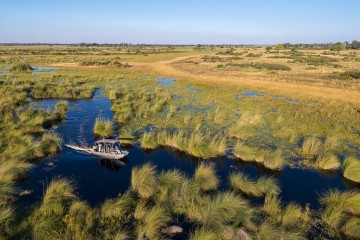
Charter flights. In places like Botswana’s Okavango Delta, small aircraft are often the only practical way in. They add to the cost, but they also make remote destinations accessible in a way that would otherwise not be possible. Learn what makes the Okavango Delta so very special.
“Conservation fees have a real effect on the ground, they pay for the rangers who protect the animals overnight and help fund the schools and clinics that give local families a real reason to keep wildlife safe. That fee is a huge reason there are still plenty of animals in the wild for us to see.”
— Tanya Gurtin, Africa Destination Specialist, Viva Expeditions.
When comparing quotes, this is the most important question to ask. At the camps and lodges we work with here at Viva Expeditions, most packages include:
Accommodation.
All meals and often also drinks, depending on the property.
Daily game drives and other guided activities.
Your safari guide and tracker.
Park and conservation fees for the areas you visit.
Transfers between camps, including light aircraft where needed.
What usually sits outside the rate are, as mentioned, international flights, as well as your travel insurance, premium wines or spirits, and tips for your guide and camp staff. We spell all of this out clearly before you book, so there are no surprises once you arrive.
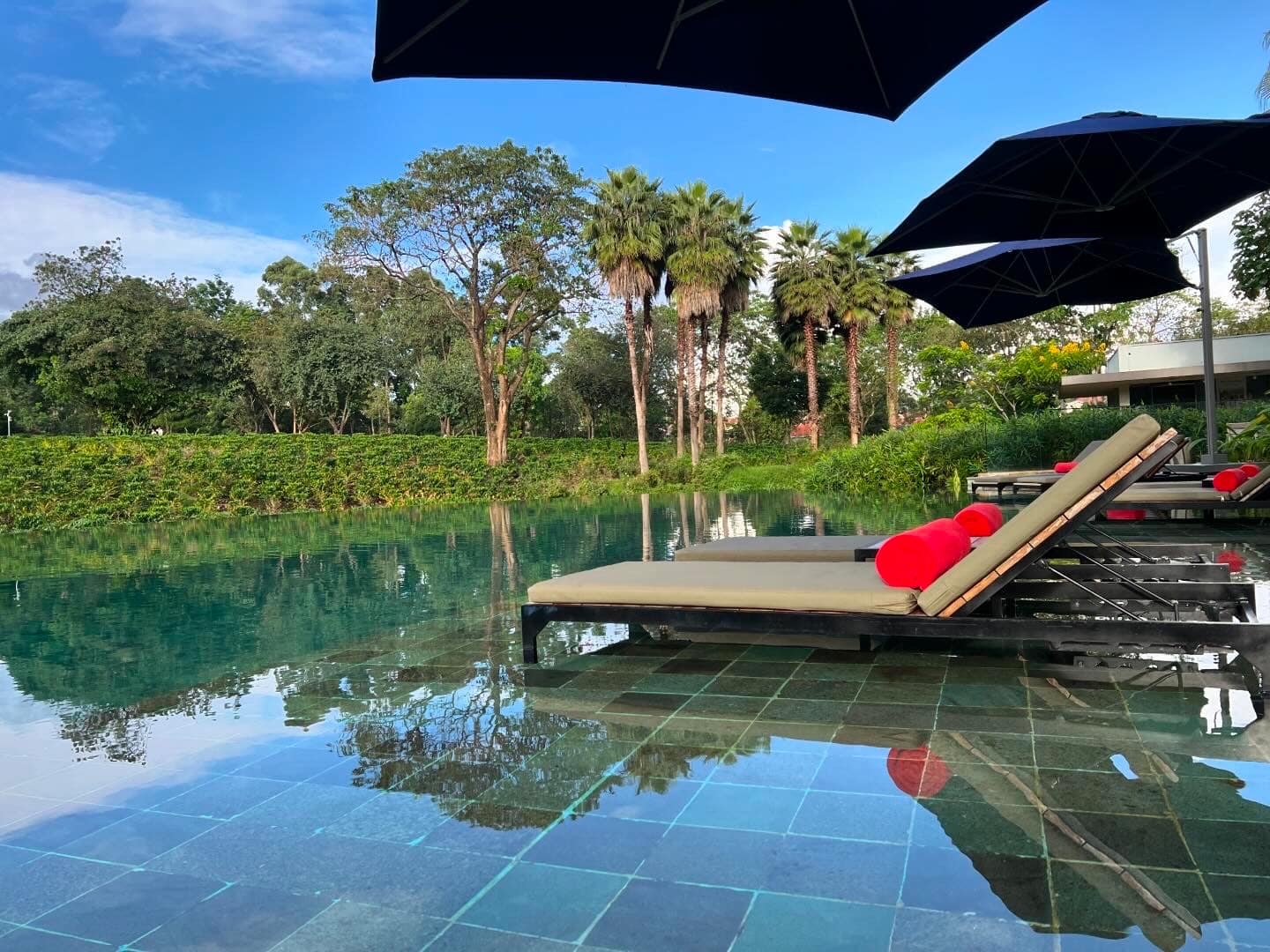
All-inclusive rates are the norm on safari, so you spend little more once you are there. Choose your accomodation with those little extras (like an infinity pool) and that ordinary ‘overnight stay’ turns into a truly enjoyable experience.
Where you go makes a big difference to the price and to the kind of safari you end up with. Here is a quick sense of what to expect across our most popular safari countries.
Kenya. Home to the Masai Mara and the Great Migration, Kenya offers excellent big-cat viewing and a well-established safari scene. It is a great choice if you want a classic safari experience with plenty of variety. Take a look at our Highlights of Kenya small group tour for a sense of cost and what to expect.
Tanzania. The Serengeti and Ngorongoro Crater put Tanzania near the top of many safari wish lists, and prices reflect that. It is a superb option if the Great Migration is high on your list. Our Essence of Tanzania small group itinerary is a good benchmark.
South Africa. Often the best value of the lot, with malaria-free options and easy add-ons like Cape Town and the winelands. It is an especially brilliant option for first-time safari travellers and families. See our Magical Cape Town, winelands and safari tour, a popular pick that pairs a safari with the Cape.
Botswana. The Okavango Delta and Chobe deliver a wilder, more exclusive safari, one that usually sits at the luxury end of the African safari cost bracket. It is ideal if you want space, privacy, and a more remote feel. Our Wilderness escape: Moremi and Chobe itinerary shows what that looks like.
Namibia. Namibia is a different sort of trip that’ll see you explore towering dunes, desert landscapes, and spot wildlife along the way. We tend to sell it as a broader adventure rather than a pure safari destination, as our Namibia accommodated adventure small group tour shows.
“If a client wants their money to stretch furthest, I usually point them towards South Africa. It is malaria-free in the right areas and easy to get around, and you can pair a Big Five reserve with Cape Town afterwards. For a first safari, it is hard to beat on value.”
— Andy Stock, Africa Travel Specialist, Viva Expeditions.
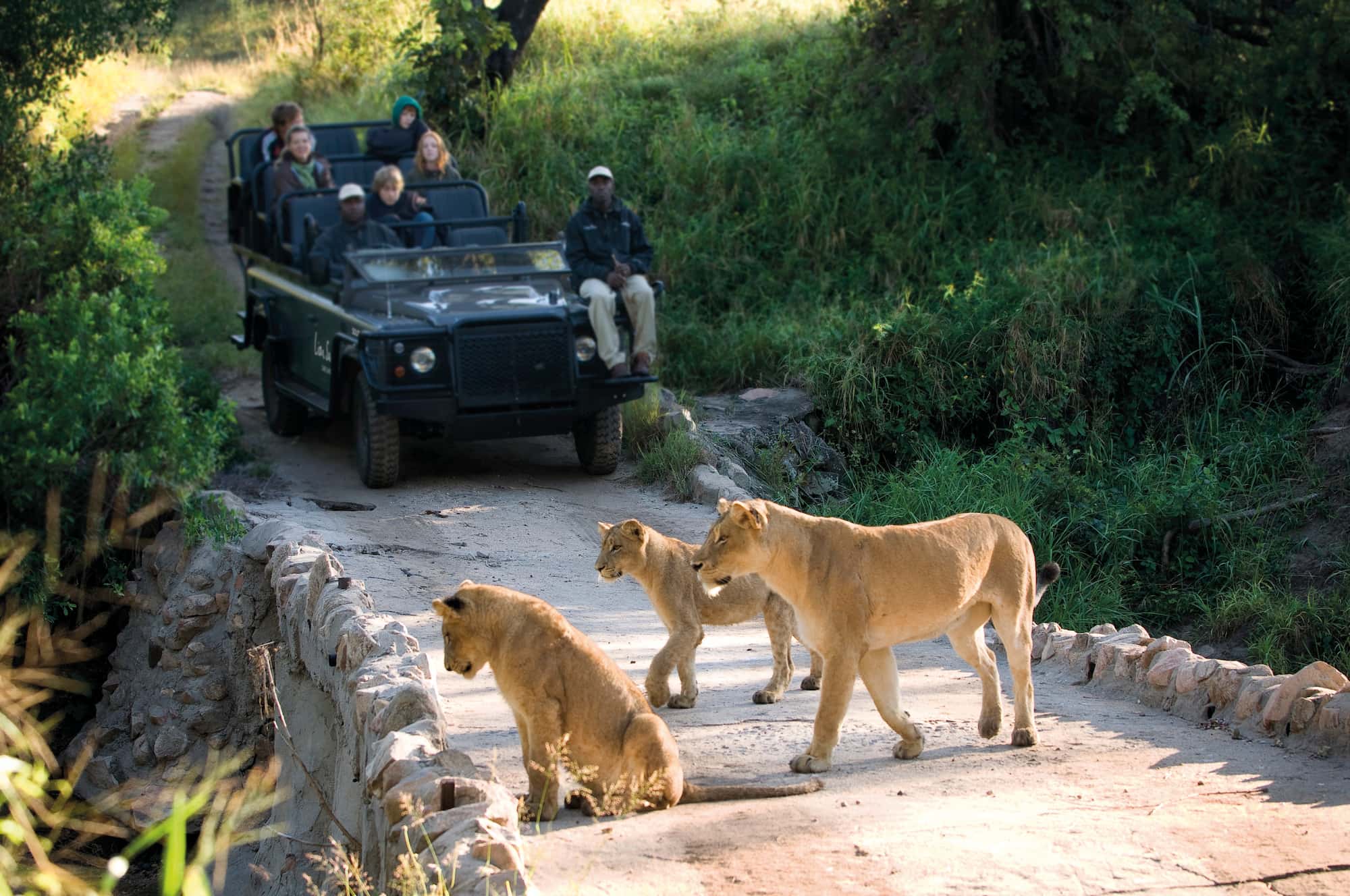
South Africa is one safari destination that never disappoints. It is perfect for first-timers and return visitors, for those who are short on time or on a tighter budget.
An African safari might be an unrivalled bucket-list experience, but it really doesn't have to cost the earth. There are plenty of ways to bring the price down without watering down the trip itself, and this is where a specialist really earns their keep.
Here’s how you can save on safari costs:
Travel in the shoulder or green season. Rates drop noticeably outside the peak months, and the quieter camps and lush scenery can be a reward in themselves. Viva’s own Tara Sutherland enjoyed a brilliant safari trip in northern Tanzania at the tail end of the rainy season, and she loved everything about it, from the lower tourist crowds to the landscapes blooming with wildflowers – read Tara’s trip report.
Pick a better-value destination. Interestingly, the more developed the country, the more options there are and, as a consequence, the better value on offer. Namibia and South Africa usually offer the best value of all, especially if you want a quality safari without the costly price tag of more exclusive camps.
Stay longer in one place. Many camps offer stay-pay deals, where you get one free night for every three or four that you book. Slowing down can save money and make the trip feel less rushed, so you can actually enjoy it even more.
Combine camps in the same portfolio. Staying within one camp group across your route can unlock long-stay or so-called circuit discounts.
Book early. The best-value rooms and sharpest deals tend to go first, especially for peak-season travel.
Travel as a group. If you are travelling with family or friends, you can share the cost of a private vehicle and guide, and even family-style accommodation, which can bring the per-person price down quite a bit.
Book with an Africa specialist. This is what we do best: we know which camps are worth the money, where the best deals are to be found, and how to shape an itinerary around your budget rather than the other way around.
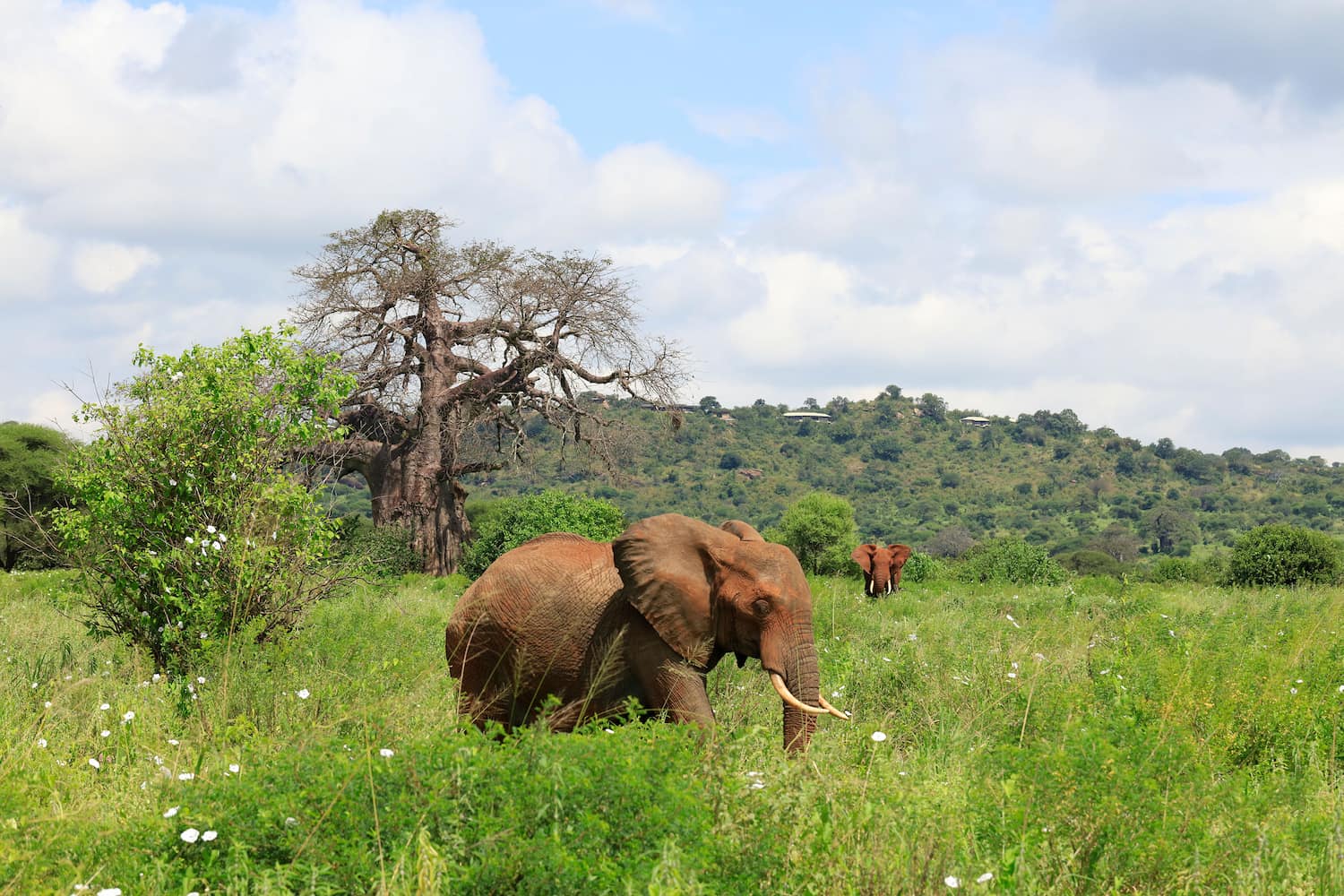
Tara went on safari in Tanzania in May (the end of the wet season) and, aside from a few muddy trails, all she encountered was a luscious landscape and wildlife galore.
Sometimes the easiest way to picture the cost is to look at real trips. Here are a few examples of different budgets and styles.
Our Victoria Falls and Hwange in-depth trip is a lovely mid-range option, where you get two nights at Victoria Falls, then four nights at Bomani Tented Lodge in Zimbabwe’s Hwange National Park, before having a final night back at the Falls. It gives you a proper safari and one of the natural wonders of the world, without tipping into luxury pricing. This 8-day itinerary starts at around USD $3,000 per person.
For families, Tau Game Lodge is a brilliant choice. It is in a malaria-free reserve and offers a variety of room types, from deluxe suites through to dedicated family units, so you can match the setup to the ages of your children. For a family of four with children aged six to eleven, a four-night stay works out at roughly USD 8,500 to 9,700.
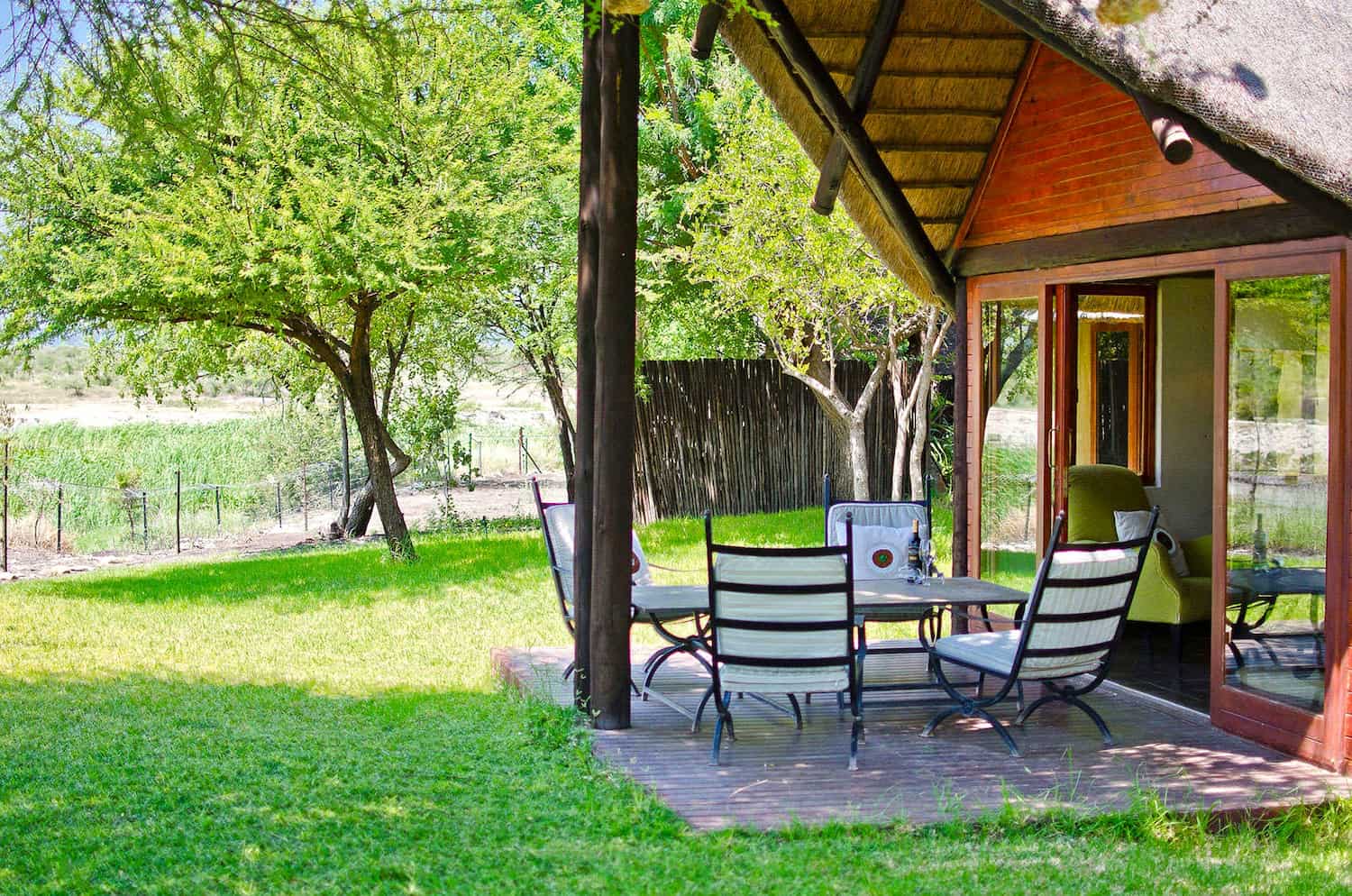
Tau Game Lodge is the perfect family safari escape—malaria-free, family-friendly, and with room options for every adventure.
Solo safari travel can be surprisingly good value, especially if you travel at the right time of year. In peak season, many mid-range lodges add a single supplement of around 35 to 50% but if you were to travel in green season, you’d find quite a few properties who would not charge this supplement at all. One great option is Sabi Sabi Bush Lodge, which waives the single supplement year round (although we think that the Christmas/New Year period might be the exception) and also offers a Stay 4 Pay 3 special, making it a fantastic choice for a four-night stay. Another is Essential Botswana, where Ker & Downey Botswana waives the single supplement between 7 January and 28 February 2027. Yes, it’s a tiny window that it is also particularly good timing for a visit to Dinaka in the Central Kalahari, and it comes in at around USD 7,300.
“Dinaka is a special private reserve with fantastic desert wildlife, from black-maned Kalahari lions to oryx and brown hyenas. It is beautifully off the beaten track, so the safari feels really immersive and personal. For a solo traveller, getting that kind of experience at this price is a pretty great deal.”
— Andy Stock, Viva Expeditions Africa Specialist
If you are marking something special, African Bush Camps runs a honeymoon special that gives one partner 50% off the accommodation rate on selected camps, including Khwai Lediba and Linyanti Ebony. It is the same camp group behind our Best of Botswana and Victoria Falls tour, so a similar trip can be arranged with the discount applied if you happen to travel at the right time of year (discounts don’t include Christmas and New Year trips). That would come in at around USD 7,900 per person.
If it is your first safari, a trip like our Shiduli Wildlife Immersion in South Africa is a great option. Alongside Big Five game drives, it includes the scenic Panorama Route plus educational visits to Elephant Moments and the Hoedspruit Endangered Species Centre, so you come away with both the wildlife and a better understanding of the conservation work behind it. A wonderful weeklong itinerary that starts at under USD 3,000.
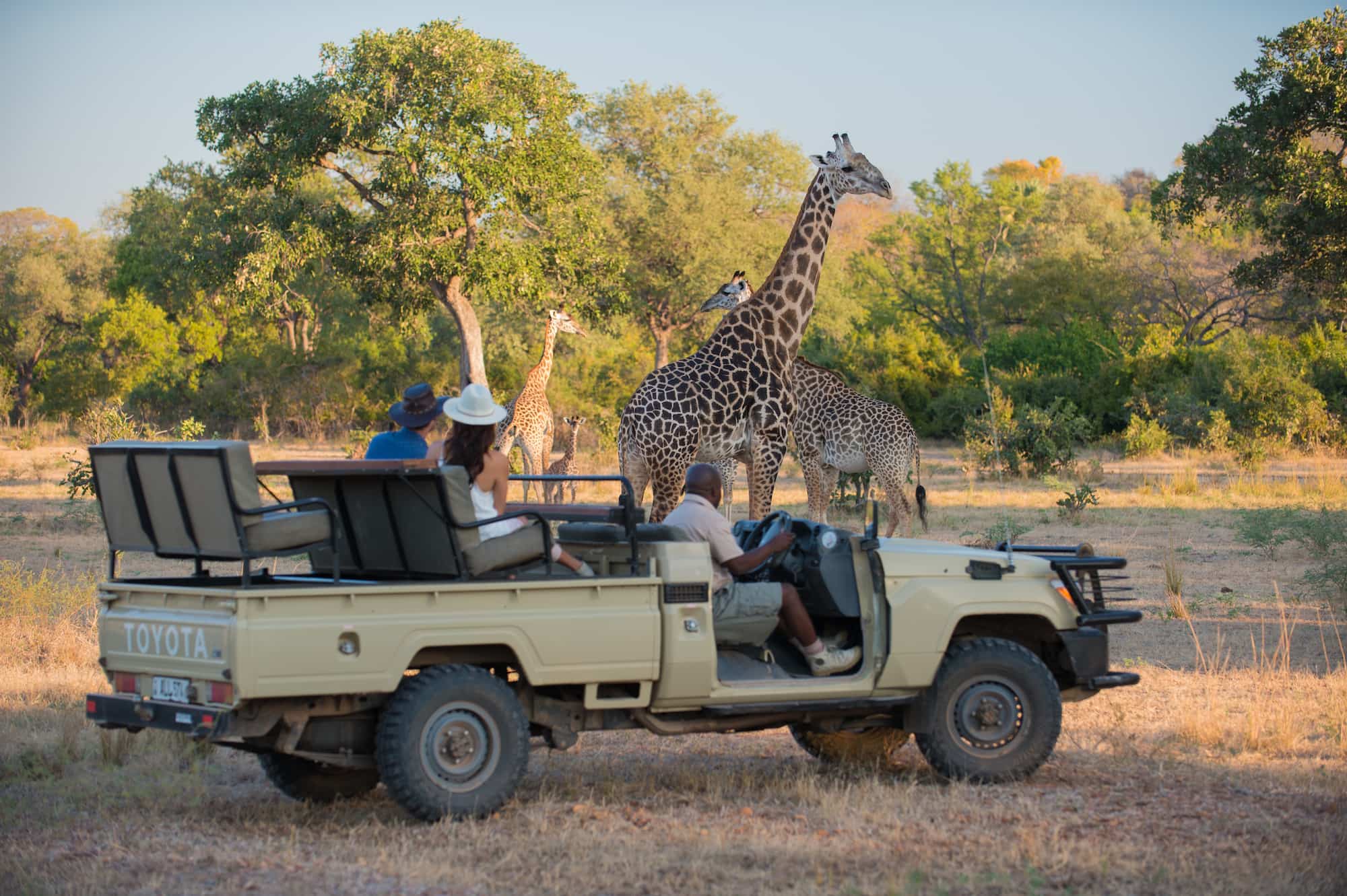
Alone, as a couple or with your whole family: whatever your budget, there is a safari and destination to suit.
Still can't decide where to go?
This quick-glance guide helps you match the kind of trip you want with the destination that tends to deliver it best.
|
Travel Style |
Best choice |
|
First safari |
South Africa |
|
Big Five focus |
South Africa |
|
Great Migration |
Kenya or Tanzania |
|
Luxury safari |
Botswana |
|
Best-value luxury |
South Africa |
|
Self-drive safari |
Namibia |
|
Family safari |
South Africa |
|
Bucket-list safari |
Tanzania |
Naturally, there are many more options than those we talk about in this guide. We are always happy to tailor any of these to your budget.
A safari is one of those magical trips that pays you back for every dollar, and with a bit of planning, it does not have to blow the budget. Whether you are dreaming of the Great Migration in the Serengeti or a remote fly-in camp in the Okavango Delta, our Africa Destination Specialists can shape an itinerary around what matters most to you and find the deals to match. Tell us your budget and the kind of safari you have in mind, and we will build you something worth every mile.
Laura PattaraLaura Pattara has guided overland trips across Africa and now focuses her writing on the continent for Viva Expeditions. She once camped beneath a marula tree that an elephant tore apart during the night, yet somehow she still sleeps best in a tent. But make it glam! From sunrise balloon rides over the Serengeti to following the rhythms of wildlife migrations, Laura brings the wild heart of Africa to life with warmth, depth, and the occasional muddy boot. |
Discover Tanzania's wild spirit on this small group safari, from Tarangire's elephants to the renowned Ngorongoro Crater and Serengeti.
Experience the thrill of guided game drives, walking safaris, and unique adventures like the Elephant Express.
Safari Tours: Embark on a remarkable safari tour in Africa, where untouched wilderness and incredible wildlife encounters await. Book your safari tour with Viva Expeditions for expert advice and carefully curated African adventures.
Explore Botswana’s iconic landscapes and extraordinary wildlife, traversing the Kalahari and the waterways, forested islands and game-rich floodplains