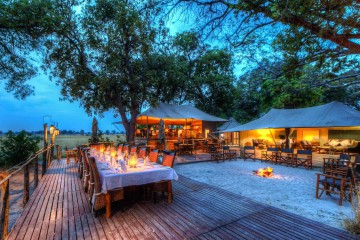
Yet, since most people can’t visit both in one trip (or can you?), we thought we'd compile a comparative guide that runs through the biggest deciding factors, like remoteness, the kind of activities on offer and the chances for spotting certain species of wildlife, among other things. This way, it might be easier for you to work out which one suits you best, or whether you could, in fact, fit both in one itinerary.
Let’s start with what is arguably the biggest difference, because it tends to drive most decisions.
South Africa is the more polished, modern, well-connected option of the two. You can fly into Johannesburg or Cape Town, drive to a reserve, and add a city stay or a stretch of coastline to the same trip. In many ways, you could be in Europe or Australia, the USA or basically any well-developed country, where getting from A to B is fast and easy, and everything looks and feels familiar.
Then there’s Botswana, the wild option with low-volume tourist crowds and long, lonely road transfers where you might see one other vehicle all day. Much of the country is given over to private concessions with only a handful of beds and a few well-placed upmarket lodges reachable only by light aircraft.
Neither is better, and having experienced both for years, we can tell you that we love them both endlessly, and equally. But we do appreciate they appeal to different desires. South Africa gives you range and reassurance, while Botswana gives you space and that true Out of Africa feel.
| |
South Africa
|
Botswana
|
|
Best for
|
First safaris, quick trips, families, mixing safari with cities and coast
|
Remote wilderness, exclusivity, repeat safari-goers, more time
|
|
Wildlife signature
|
Reliable Big Five; superb leopard chances in Sabi Sands
|
Huge elephant herds in Chobe; water wildlife in the Okavango
|
|
Typical style
|
Game drives, self-drive options, wide lodge range
|
Fly-in camps, mokoro and motorboat safaris, small lodges
|
|
Malaria
|
Malaria-free reserves (Madikwe, Eastern Cape)
|
Malaria is quite widespread; antimalarials advised
|
|
Getting there
|
From about US$1,100 for a short small-group safari
|
From about US$2,800 for a fly-in Delta stay
|
|
Great add-ons
|
Cape Town, winelands, Garden Route
|
Victoria Falls, Chobe, combine with South Africa
|
→ 11 Fascinating Facts About Botswana That Will Make You Want to Visit
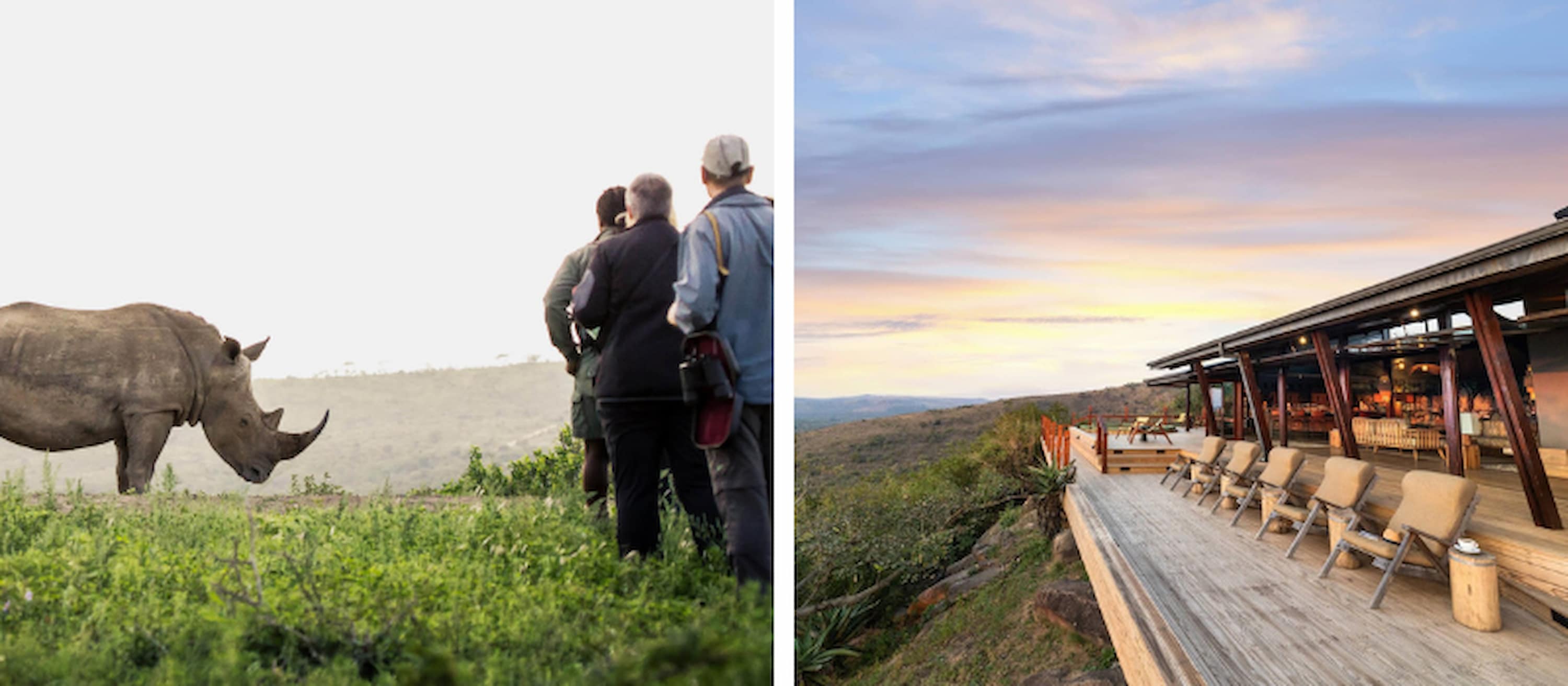
Modernity notwithstanding, South Africa also offers more immersive safari experiences away from the crowds. The Rhino Lodge in KwaZulu-Natal makes for an unforgettable stay with twice-daily game drives and guided safari walks.
Which has the better wildlife: a Kruger safari or an Okavango Delta safari?
South Africa and Botswana are both home to the Big Five, so this is rarely the deciding factor. What differs is how you see the wildlife.
In South Africa, Kruger and the private reserves bordering it are the main highlight. Kruger is one of Africa's oldest and largest game reserves, covering roughly 19,485 square kilometres, and its wildlife density is superb. Next door, the private reserves of Sabi Sands are known for close-range leopard sightings, which keeps the photographers coming back.
→ Our Kruger Park Safari small-group trip is a good entry point, while Enchanting Sabi Sands sits at the luxury end.
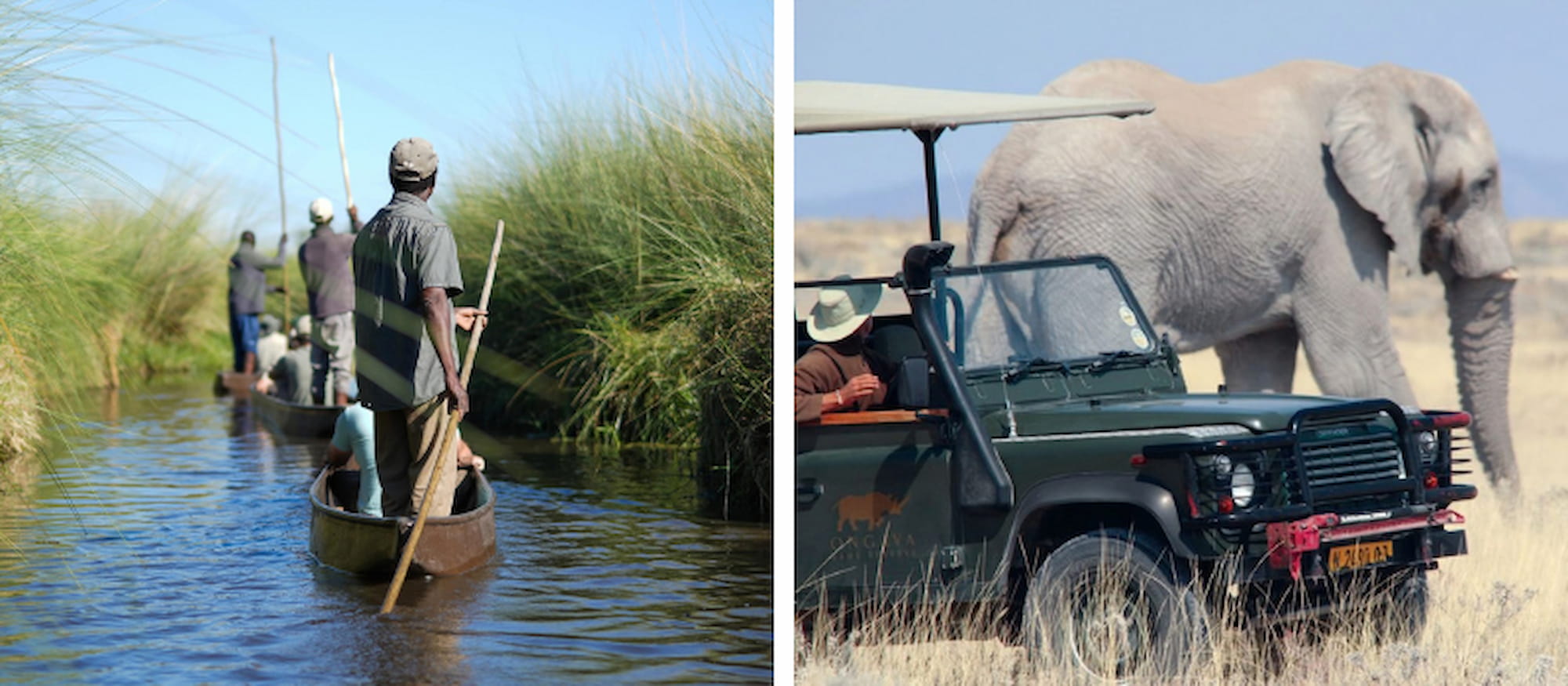
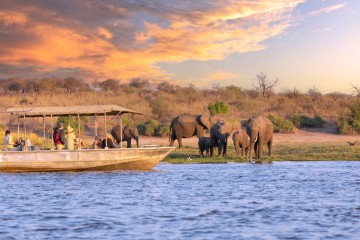
Botswana beats to a different yet equally enchanting drum. Chobe National Park is home to one of Africa's largest elephant populations, and the sight of the herds coming down to the Chobe River is hard to top. The Okavango Delta adds something South Africa cannot: water. On an Okavango Delta safari, you glide through the channels by mokoro, the shallow dugout canoe locals have used for generations, with elephants and hippos always close by. Wild dogs are also seen more reliably in Botswana than almost anywhere.
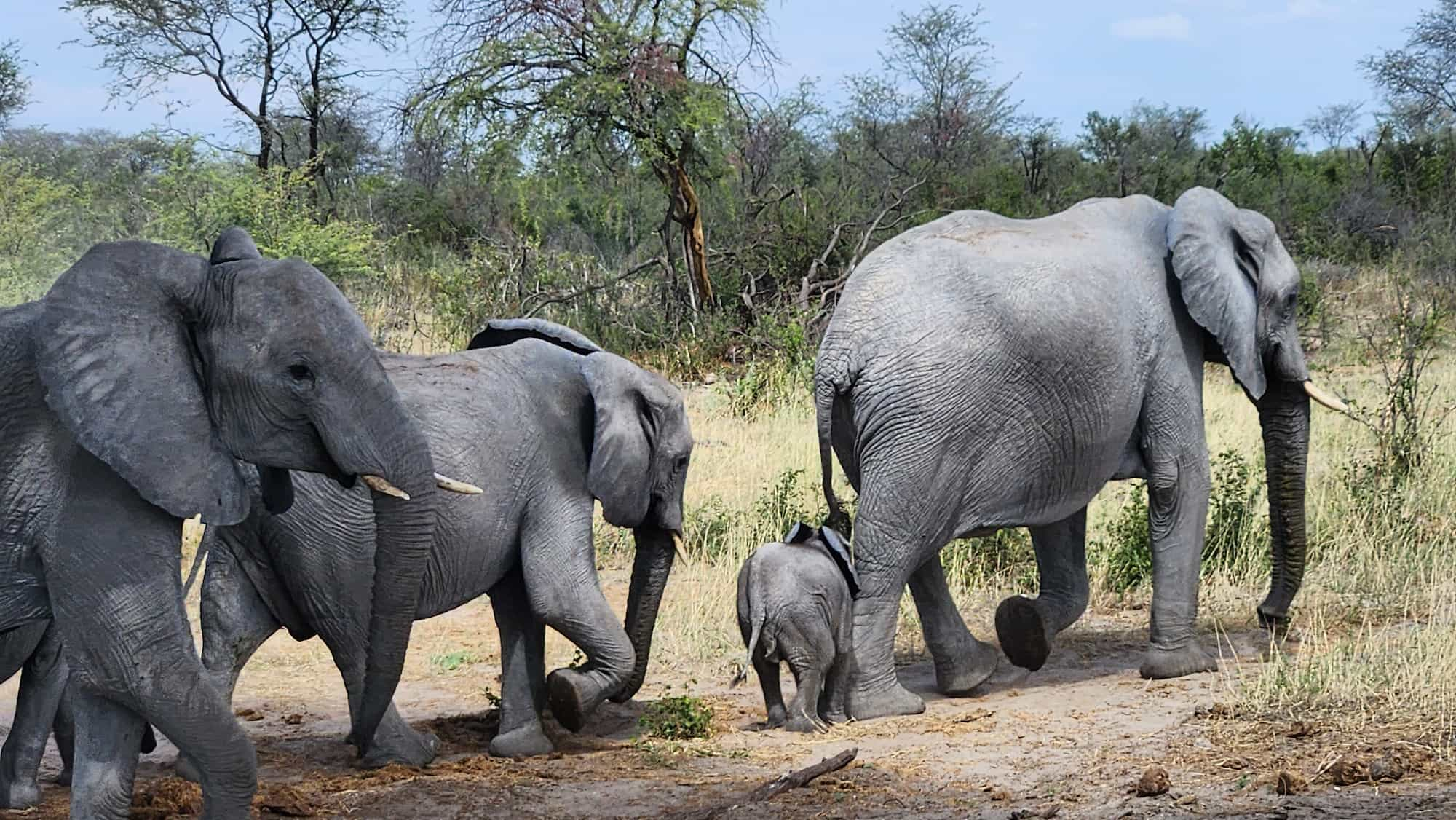
From the elephant-filled wilderness of Chobe National Park to the life-giving waterways of the Okavango Delta, Botswana is a paradise of abundant elephants and incredible wildlife, where nature thrives in every corner.
Viva Expeditions' Managing Director, Rachel Williams, went on a safari to Botswana with her family in 2024, with her kids then aged 6 and 11. She wanted a mix of comfort (in luxury lodges) and adventure (in serviced campgrounds) and found the combination of the two was perfect.
"We were at camp one afternoon when a herd of around 80 elephants came down to cross the river right beside us. They moved past us on both sides, sometimes only 10 to 15 metres away, completely calm, ambling on into the forest. Nobody uttered a word. In fact, I think the kids held their breath the entire time. They STILL talk about it to this day. It's the kind of moment that changes how you see the world, not just Africa."
-Rachel
Botswana’s Okavango Delta is like nowhere else on earth. It may take more time and funds to reach but even a short stay can be life-altering.
In regard to activities, South Africa leans more toward the classic game drive, be it on open-vehicle guided tours in private reserves or self-drive options in Kruger. Botswana balances drives with time on the water, so a safari experience here merges mokoro and motorboat rides with guided walks on seasonal islands. The driving is mostly just to get to the launch pad on the edge of the delta, then it’s either on water or on foot.
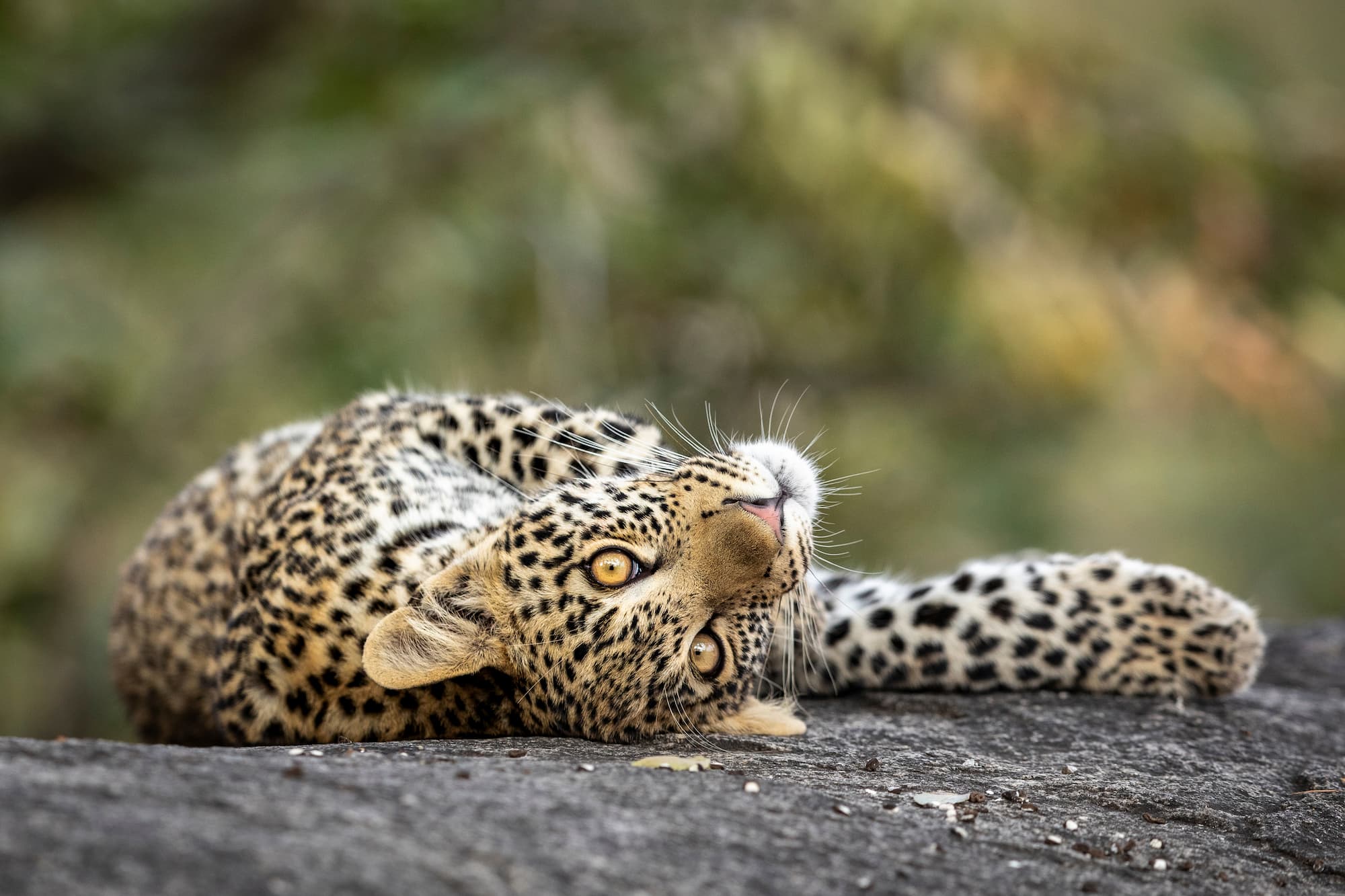
South Africa's private reserves are known for close and frequent leopard sightings, a huge draw for photographers.
How do safari prices in South Africa compare to Botswana?
Price is arguably a huge deciding factor for many, so we will be transparent. Because of its remoteness and how the country handles tourism, Botswana is the more expensive destination. The government has chosen a “lower-volume, higher-value” style of tourism (much like Alaska in North America, if you have that experience) that aims to protect its wilderness and deliver fewer but higher-end experiences. All this leads to fewer tourists and, in turn, higher prices.
South Africa gives you far more control over your safari budget because of its comprehensive infrastructure, road networks and resulting competition. The range of options is overwhelming, so prices remain competitive year-round.
Here is a rough sense of Viva Expeditions' indicative starting prices, in US dollars, that show the differences:
-
South Africa, value end: a 5-day small-group Kruger safari sets you back about US$1,100.
-
South Africa, mid-range: Magical Cape Town, Winelands and Safari for 11 days from about US$4,500.
-
South Africa, luxury: a Sabi Sands 5-day stay from about US$7,500.
-
Botswana, short taster: a three-day Chobe stay is about US$900.
-
Botswana, the real Delta (mid-range): a fly-in Okavango stay from about US$2,800.
-
Botswana, the full flying safari (the luxury option): the Ultimate Botswana Flying Safari from about US$7,600.
With a few days in the Okavango costing more than a week-long small-group safari in South Africa, the pattern is pretty clear. Prices are only indicative, though, and move with season and exchange rates, so treat them as general starting points rather than firm quotes.
→ Our budget tips for an African adventure are worth a read if you’d like to know more tricks of the trade that can help you save a little bundle.
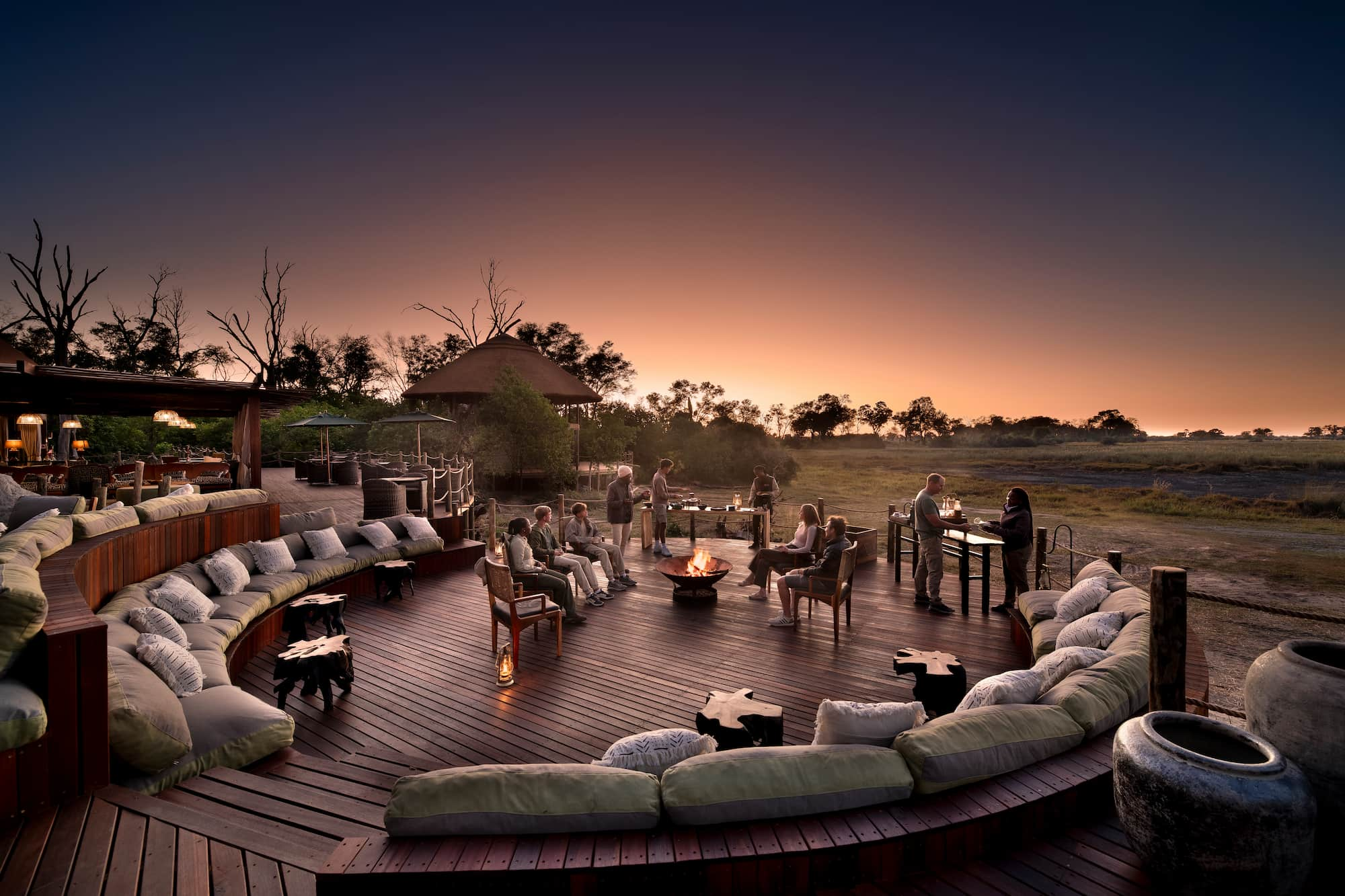
Remote Delta camps like Atzaro, above, can only be reached by light aircraft (plane or helicopter), which keeps them exclusive and pricier.
Do you need to worry about malaria in southern Africa?
Viva Expeditions recommends antimalarial medication to anyone planning a safari in Botswana, as all its main safari destinations are considered affected.
The risk is lower in the dry winter months, but it persists nonetheless. South Africa, on the other hand, has several low-malaria-risk areas (like Kruger and Lowveld) and at least four (Madikwe, Pilanesberg, the Eastern Cape and the Kalahari) that are considered malaria-free.
We find malaria is a concern mostly for those travelling with young children or anyone who would rather not take antimalarials, which we understand. Interestingly, though, the risk of malaria in the Okavango is low to moderate only. Malaria needs humans to spread and the delta is home to very few. Take proactive medication, be diligent about covering up at sunset and sunrise and pack the DEET. Most visitors have no problems at all.
However, if you'd rather not worry about malaria at all, Andy says, the easy answer is still South Africa.
"Reserves like Madikwe and the Eastern Cape give you the Big Five with no malaria risk."
- Andy Stock, Africa Travel Specialist, Viva Expeditions.
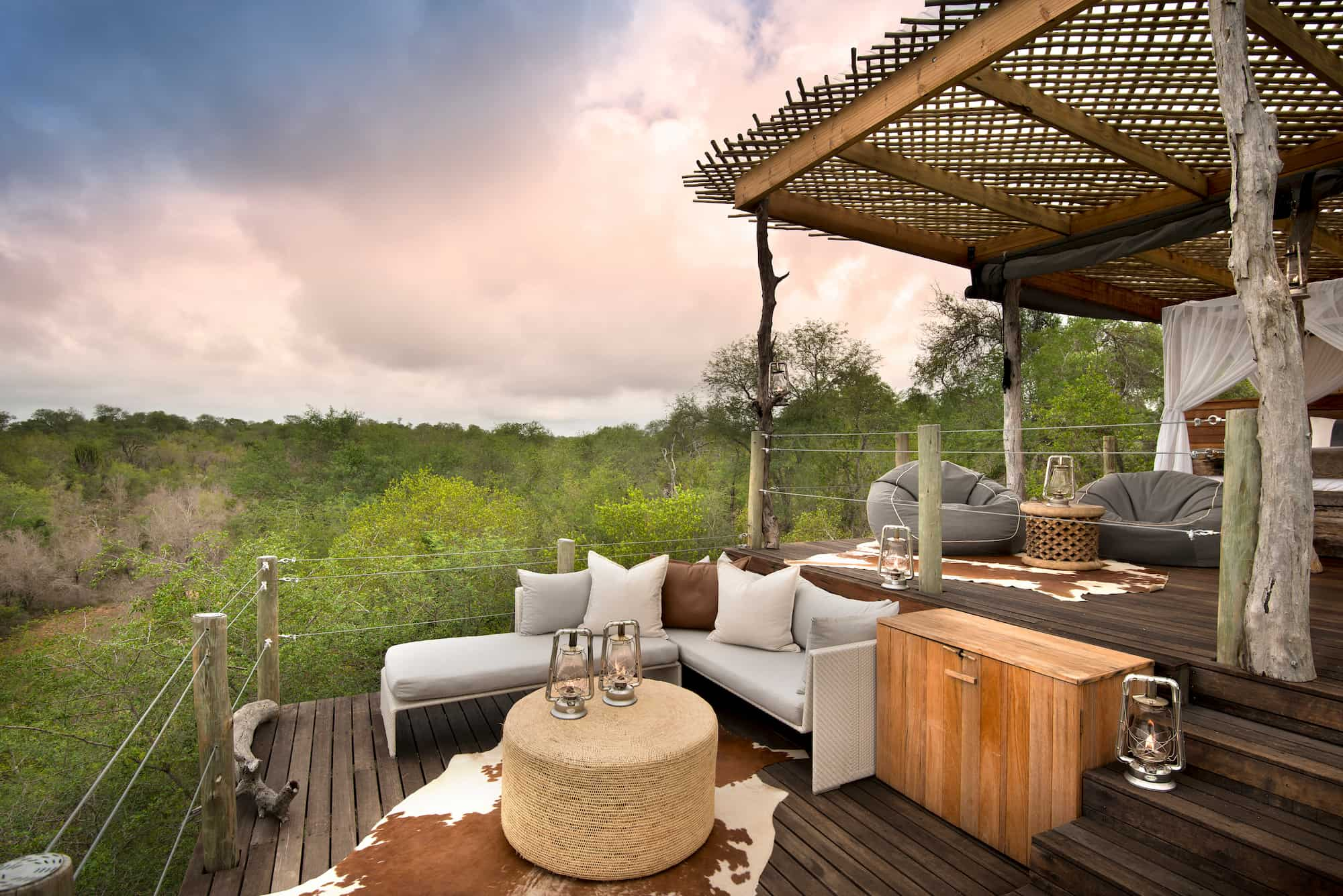
A luxury suite at the Lion Sands River Lodge in the Sabi Sand Game Reserve. From budget and family-friendly to the kind of splurge you might seek to celebrate a milestone birthday, South Africa has it all.
Which is the best African safari for first-timers?
Here is where the usual advice and our own view part ways a little. Most guides, ourselves included, will tell you South Africa is the softer landing for a first safari. It is easier to reach and easier on the budget, and it lets you add a city and a coast without much fuss. That is all true.
Rachel Williams, who actually founded Viva Expeditions, sees it differently, and she has the experience to back it up.
"For a first safari? Botswana, hands down. Fewer vehicles, fewer people, more of that off-the-beaten-track feeling. It's wild in the truest sense, and it offers an incredible African experience that is becoming harder to find. The lodges tend to be small and personal here, the wildlife is exceptional right across the country, and you get access to unique ecosystems like the Okavango Delta that you won't find anywhere else in Africa."
– Rachel
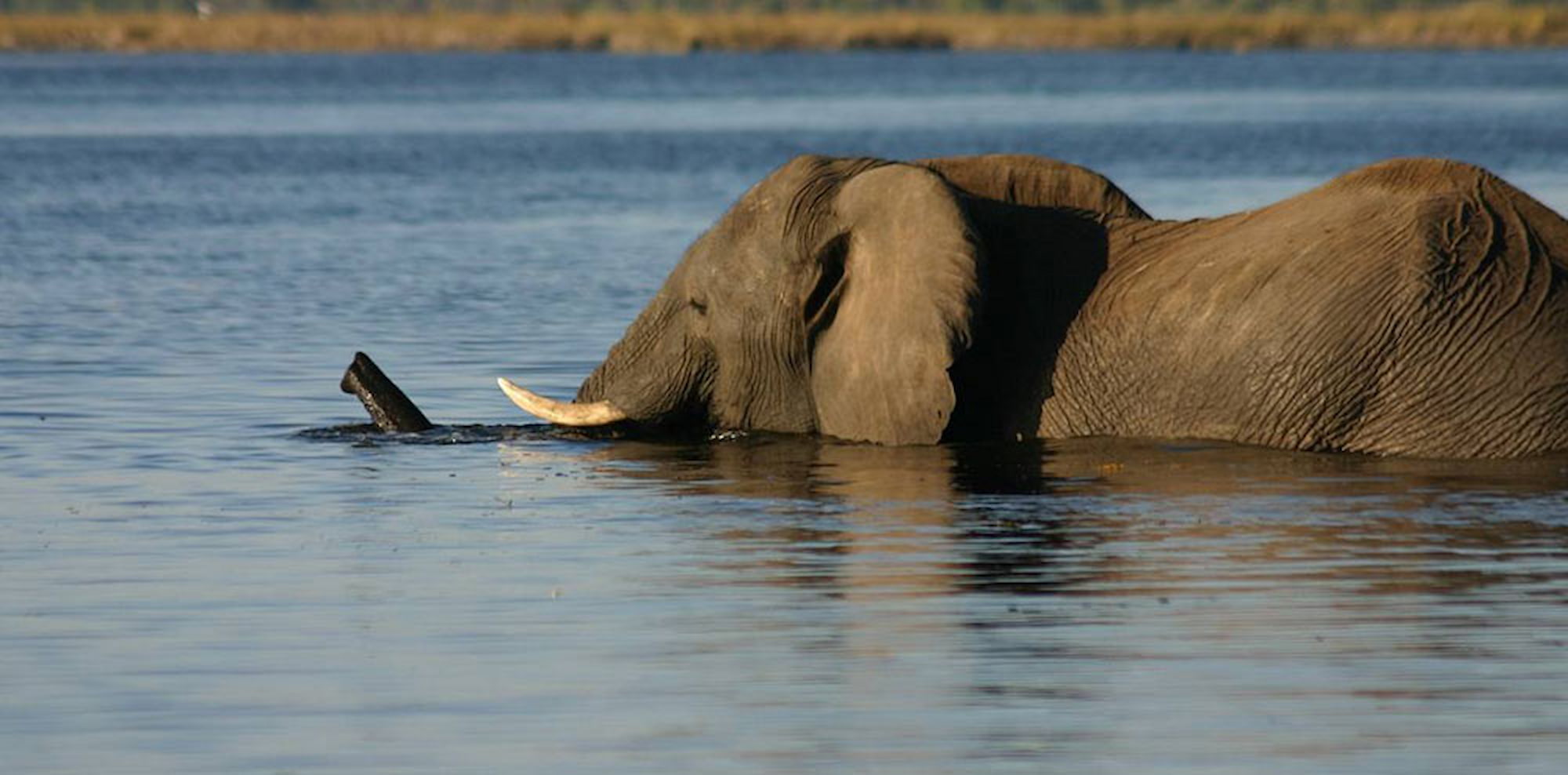
Botswana offers that delta perspective you can’t get anywhere else and this alone, Rachel says, wins her vote.
Andy Stock happens to love Botswana too, though makes a very compelling case for South Africa as a first-timer pick.
"Botswana is my favourite safari destination, so consider this me playing devil's advocate. For a first safari, you can’t beat the reserves around Greater Kruger. Choose one with an unfenced border and you become part of a much bigger ecosystem, where animals roam free. Game viewing is reliable, and if you have your heart set on rhino or big cats, Sabi Sands will give you better odds than Botswana. Getting there is much simpler too. You can fly into Greater Kruger on a commercial airline, whereas a lot of Botswana runs on pricey charter flights. Add a few days in Cape Town and the winelands, and your trip becomes about far more than the safari. A win-win, in my books."
– Andy
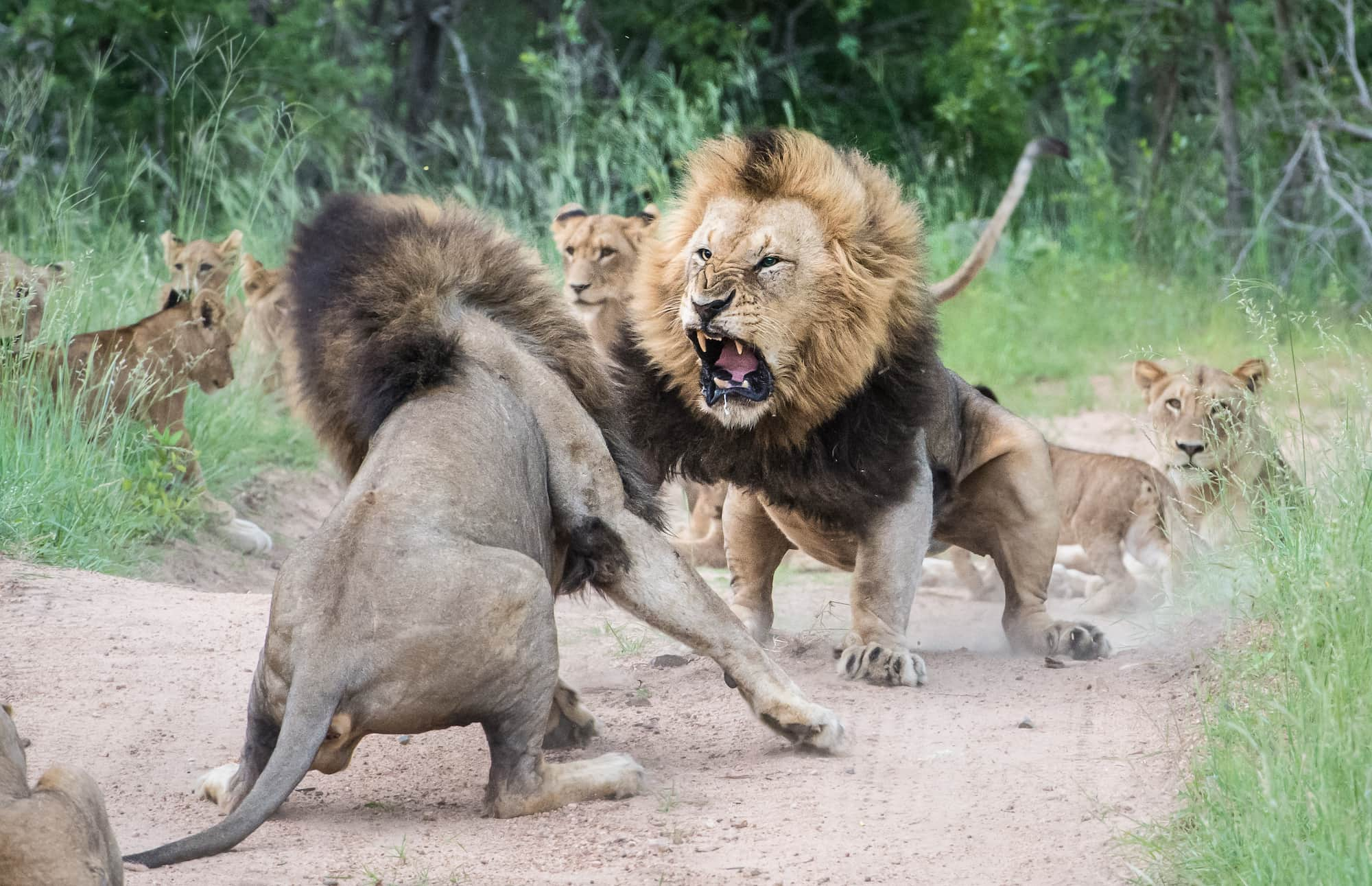
Hard to fault Andy’s argument when you’re witnessing an epic battle of kings in Sabi Sands, South Africa. Safari moments don’t come any better than this.
So there you have it, two slightly different takes from two of our experienced Africa specialists. We appreciate that not everyone wants to jump into the deep end so if you would rather ease in, South Africa is the more sensible pick. But if you are looking for a wild and immersive first safari and do have the time and travel funds, Botswana will reward you handsomely. Again, there is no wrong answer, only the one that fits how you like to travel.
And just so you know, if you plan your safari with Viva Expeditions, we will have you covered at every step. We plan everything from beginning to end, hand you over to our fantastic guides and worry about every detail. So if 'going it alone' is what's stopping you from experiencing the wilds of Botswana, or simply want someone else to worry about the logistics of a safari in South Africa, we can help.
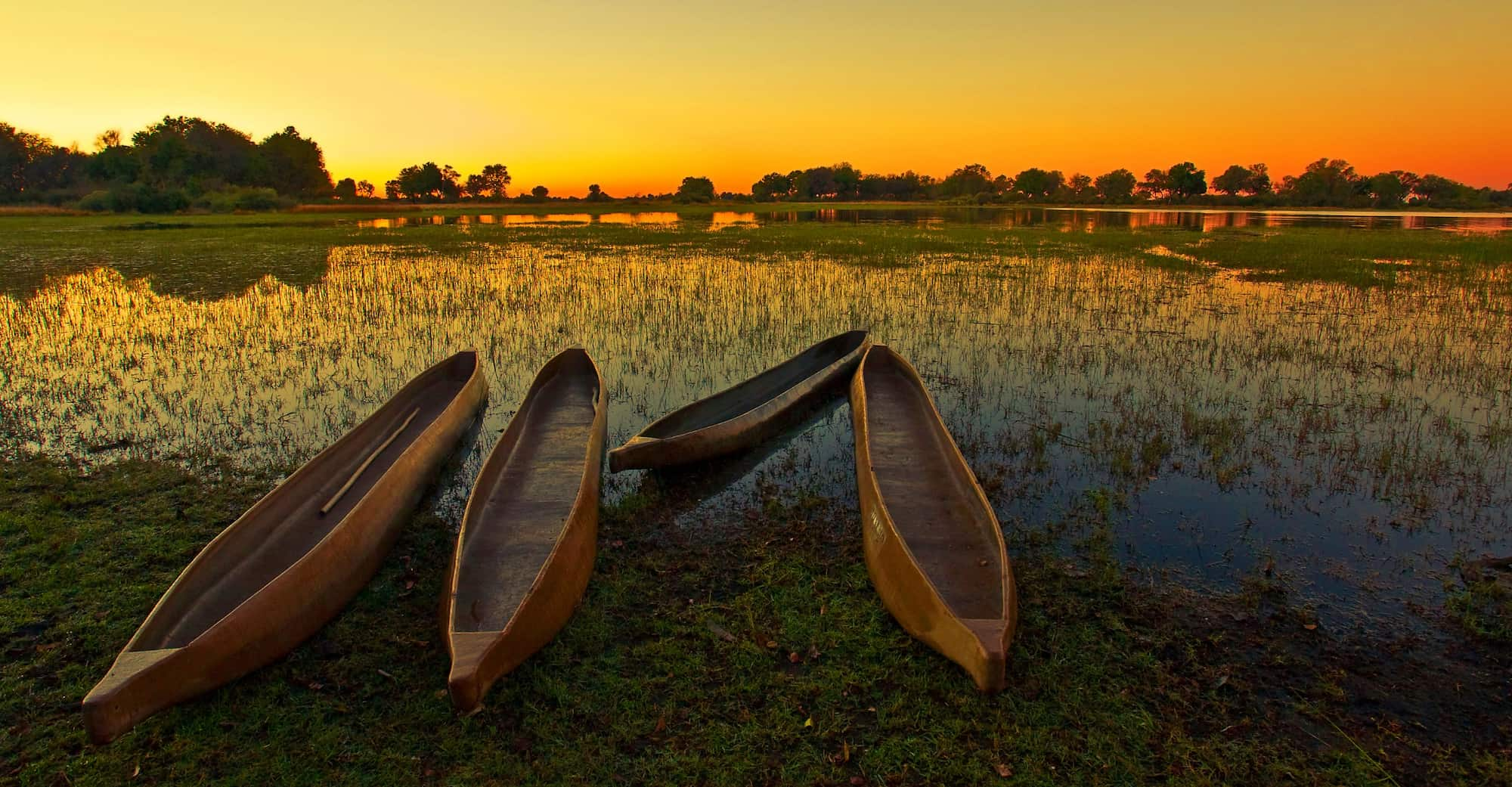
The Okavango mokoro is the main mode of transport in the delta aside from light aircraft. Gliding through the channels in search of wildlife is the kind of safari Rachel would pick every time.
Can you combine a South Africa and Botswana safari?
The most wonderful truth is that, in reality, you don’t have to choose. The two destinations are so distinct that experiencing both isn't about extending the same thing; it's about getting two wholly different safaris.
South Africa and Botswana sit side by side, and a combined trip gives you the full range of the former with the wilderness of the latter in one go, often with Victoria Falls added along the way.
→ If you want to read up on the wetland first, our guide on what to know before you visit the Okavango Delta is a good start.
A very popular route runs from Cape Town and the winelands up to a Kruger-area reserve, then on to the Okavango or Chobe, finishing at the Falls. The Cape Town to Johannesburg via Victoria Falls journey spans several countries, while Best of Botswana and Victoria Falls focuses more on the wilder end. If your heart is set on Botswana but your budget is tight, you could always spend a few days in Chobe and combine it with a longer South African safari. That brings the cost down while keeping the Delta country within reach.
→ For timing across both countries, the dry winter months from about May to October are the classic choice for game viewing, though each park has its own nuance. Our Africa safari calendar breaks it down month by month.
Viva Expeditions recommends South Africa for a first safari experience, when easy access and malaria-free reserves matter, or when the budget is tight, and recommends Botswana when remote wilderness and small tourist crowds are the priority. For those who want both, Viva can easily combine the two in one itinerary.
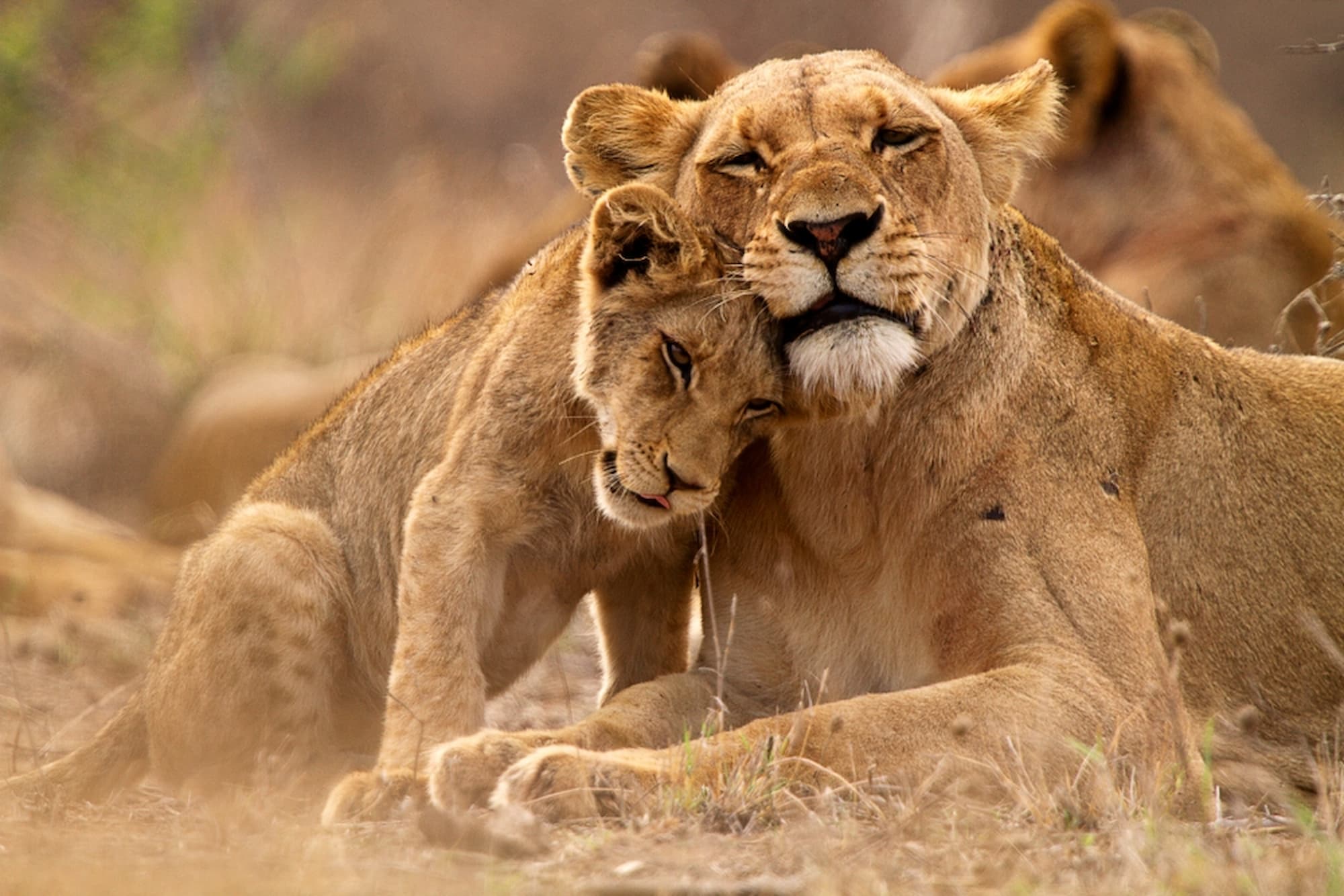
Lion spotting in Kruger National Park, South Africa. Still the most famous safari destination in the whole continent, and a place that never disappoints.
Final recap - which would you choose?
Crunch-time, in a nutshell:
-
Our Africa specialists can help you narrow those choices. Tell us how you like to travel, who is coming and what you would rather not compromise on, and we will shape an itinerary and a realistic budget around it.
Laura Pattara
Laura Pattara has guided overland trips across Africa and now focuses her writing on the continent for Viva Expeditions. She once camped beneath a marula tree that an elephant tore apart during the night, yet somehow she still sleeps best in a tent. But make it glam! From sunrise balloon rides over the Serengeti to following the rhythms of wildlife migrations, Laura brings the wild heart of Africa to life with warmth, depth, and the occasional muddy boot.
|