Our Africa safari calendar is built from years of travel experience on the continent. Find your month, and we will point you to where the hottest action is. Name your must-visit country, and we’ll tell you the best time to go.
Let’s kickstart this guide with one great bit of news: there is no single best time for an African safari. No matter what month you visit, there will likely be several best safari destinations, somewhere on the continent, having their finest hour. The trick is in matching your travel dates to the right place, and that is what this guide helps you figure out.
Below, we have set out the best safari destinations month by month across Southern and East Africa, so it takes one glance to see when to go and where the wildlife viewing is at its best. We also thought we’d offer ‘quieter yet equally rewarding’ alternatives for each month, whether that's somewhere famous in its green season or a lesser-known park at peak time. If you’d love to go slightly off the beaten track and have the wildlife to yourself, consider them a great bet.
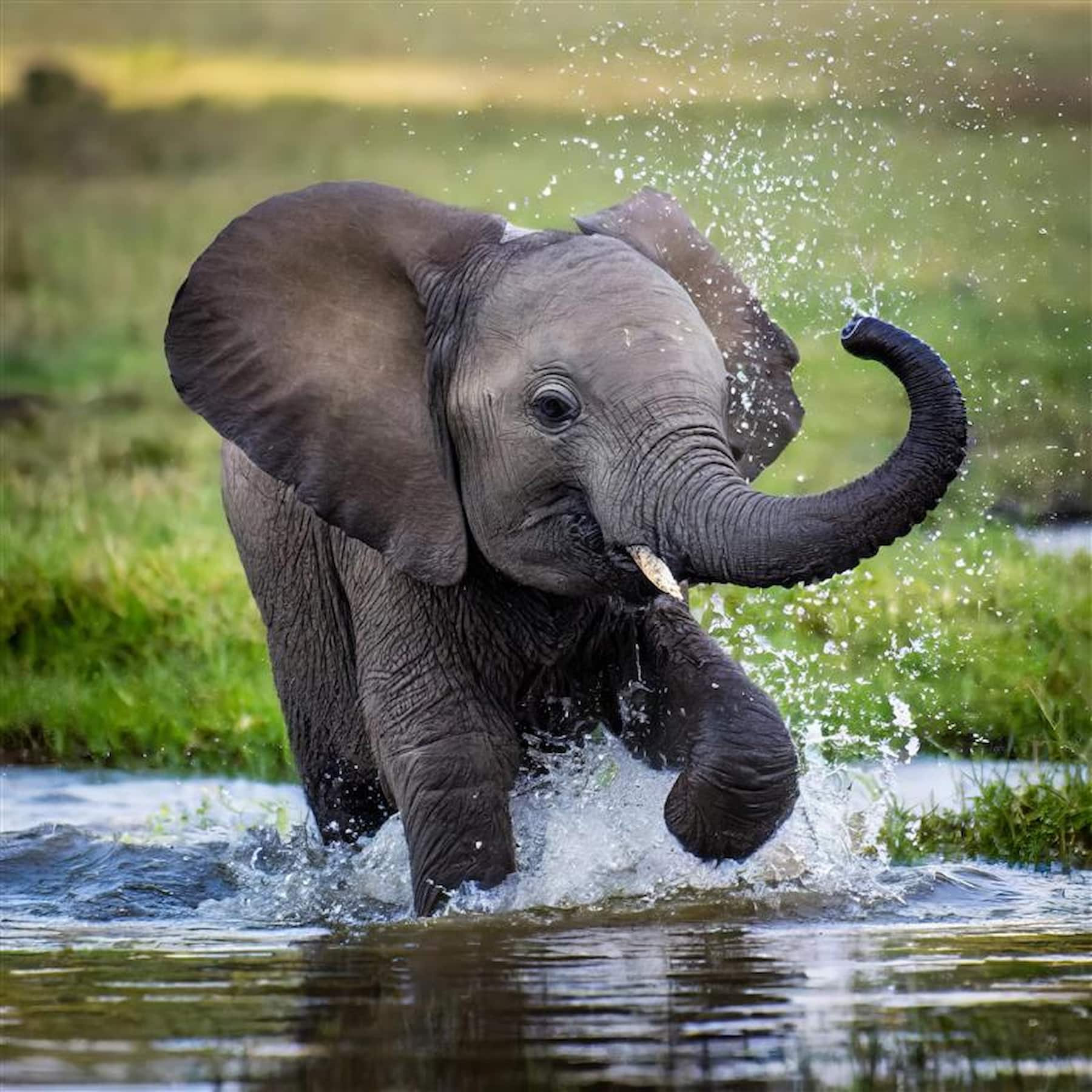
Time it right and the wildlife does most of the hard work for you.
What you’ll find in this guide:
Overview of Africa's safari seasons
Africa Safari Calendar – month-by-month guide
January to March: calving, green plains and great value
April to June: the shoulder sweet spot and the start of the dry months
July to September: peak season and the Great Migrations
October to December: the last of the dry and the green-season reset
Best time of year for a safari, by country: a snapshot
A few notes before you book
Overview of Africa's safari seasons
Before diving into our Africa safari calendar, a word on the one thing that drives everything about the best safaris in Africa: rainfall.
Southern Africa (South Africa, Botswana, Namibia, Zambia and Zimbabwe) sits well south of the equator, so it has more defined summers and winters. The dry season runs from roughly May to October and falls in winter, when days are sunny. Expect cool to positively cold game drives in the early mornings at this time. The wet, green season runs from November to April, in the heart of summer. Steamy mornings typically give way to thunderous storms in the early afternoons, which cool things down nicely.
East Africa (Kenya, Tanzania, Uganda and Rwanda), on the other hand, sits much closer to the equator, so temperatures here don’t fluctuate nearly as much. The region’s year is shaped instead by two rainy spells, the long rains around March to May and a shorter rain period sometime around November.
The best and most popular classic safari window is dry season. Not for the reason you probably imagine (I.e. so you don’t get soaked on safari), but because as water becomes scarce, the vegetation thins out so wildlife spotting becomes much easier. Plus, there’s greater animal concentration in far fewer watering holes, so your chances of seeing more animals are amplified.
Green season safaris flip that scenario upside down. Rains feed the bush so grass grows taller and thicker, and since there’s more water allround now, animals no longer need to bunch together and share a drink. All of this makes animal spotting trickier. Yet the rewards for what we’d call off-season safaris are the chance to see newborn animals, superb birding, amazing landscapes, smaller tourist crowds (which matters a lot in the BIG name parks) and prices that sit well below peak.
For a fuller overview you can also browse our best time to travel guide, which covers every region we visit.
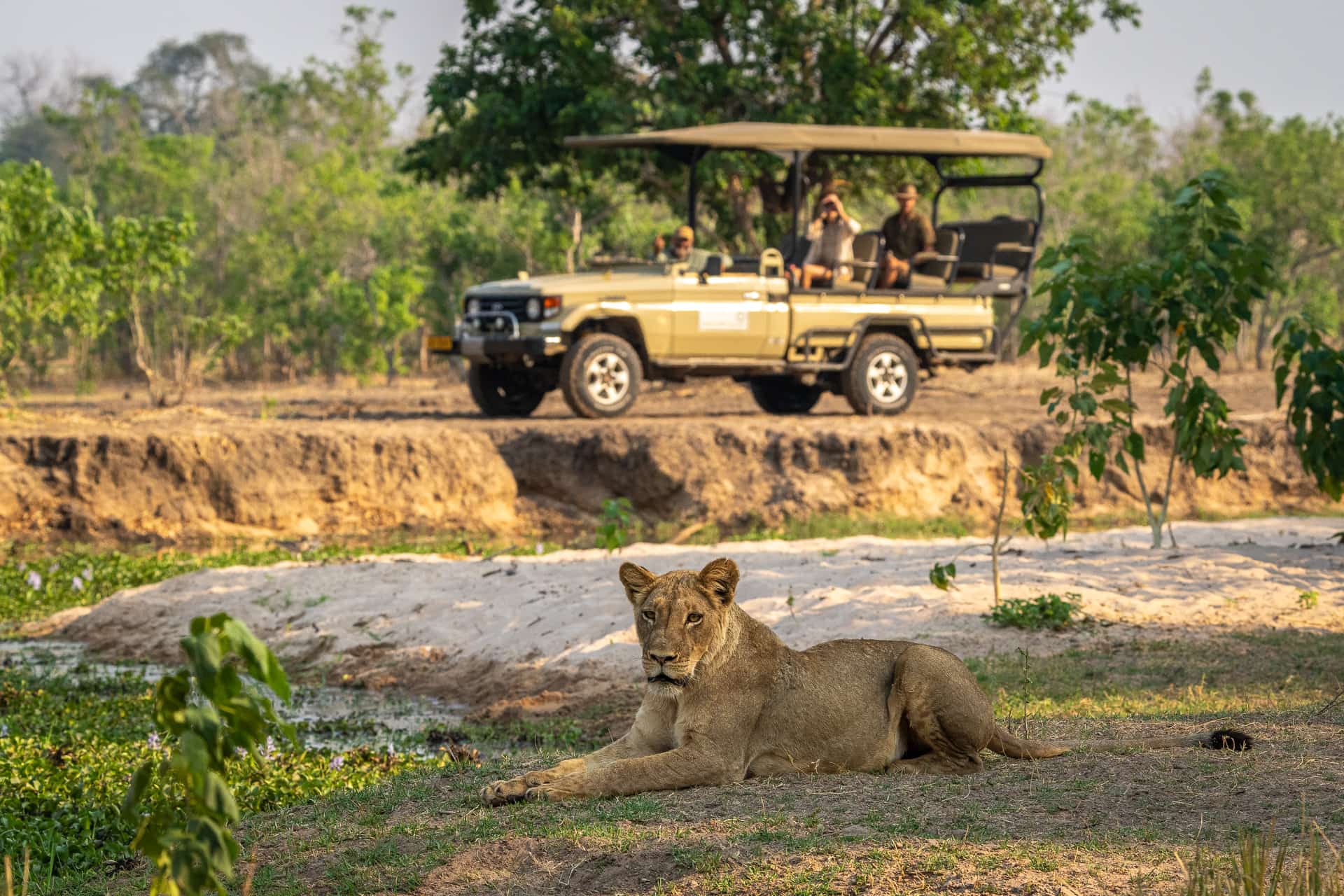
By the peak of the dry season, lions (and all other wildlife) know exactly where to find a drink. Safari with a good guide and you'll find them too.
“Sure, you might have fewer sightings if you safari in the quieter months, but what you do see, you often have all to yourself. Watching a leopard ease down out of a tree with no other vehicle in sight is an unforgettable experience, far more than the same sighting shared with ten other trucks.”
-Tara, General Manager at Viva Expeditions
Africa Safari Calendar – month-by-month guide
January to March: calving, green plains and great value
January
January is high summer south of the equator, and it splits the continent neatly in two.
Best picks: Northern Tanzania, where wildebeest herds gather on the short-grass plains of the southern Serengeti and the Ngorongoro region. Calving is about to begin, and that tends to keep lions and cheetahs close by. Gorilla trekking in Uganda and Rwanada also enjoys a drier window.
Quieter alternative: Kruger in South Africa and the southern parks are in green season. The bush is thick, so sightings take more patience, but the reserves are full of newborns and migratory birds, the lodges are quieter and your money goes much further.
February
February is the heart of calving season and one of the most dramatic months of the year for predators.
Best picks: The Serengeti/Ngorongoro region is at its best this month, with hundreds of thousands of calves born over a few short weeks and big (hungry) cats never far behind. Gorilla trekking remains good in Uganda and Rwanda, and Victoria Falls is starting to swell toward its thunderous peak.
Quieter alternative: Southern Africa stays green and lush. It is a fine month for birding in Botswana and the Kruger area if you do not mind the odd afternoon storm.
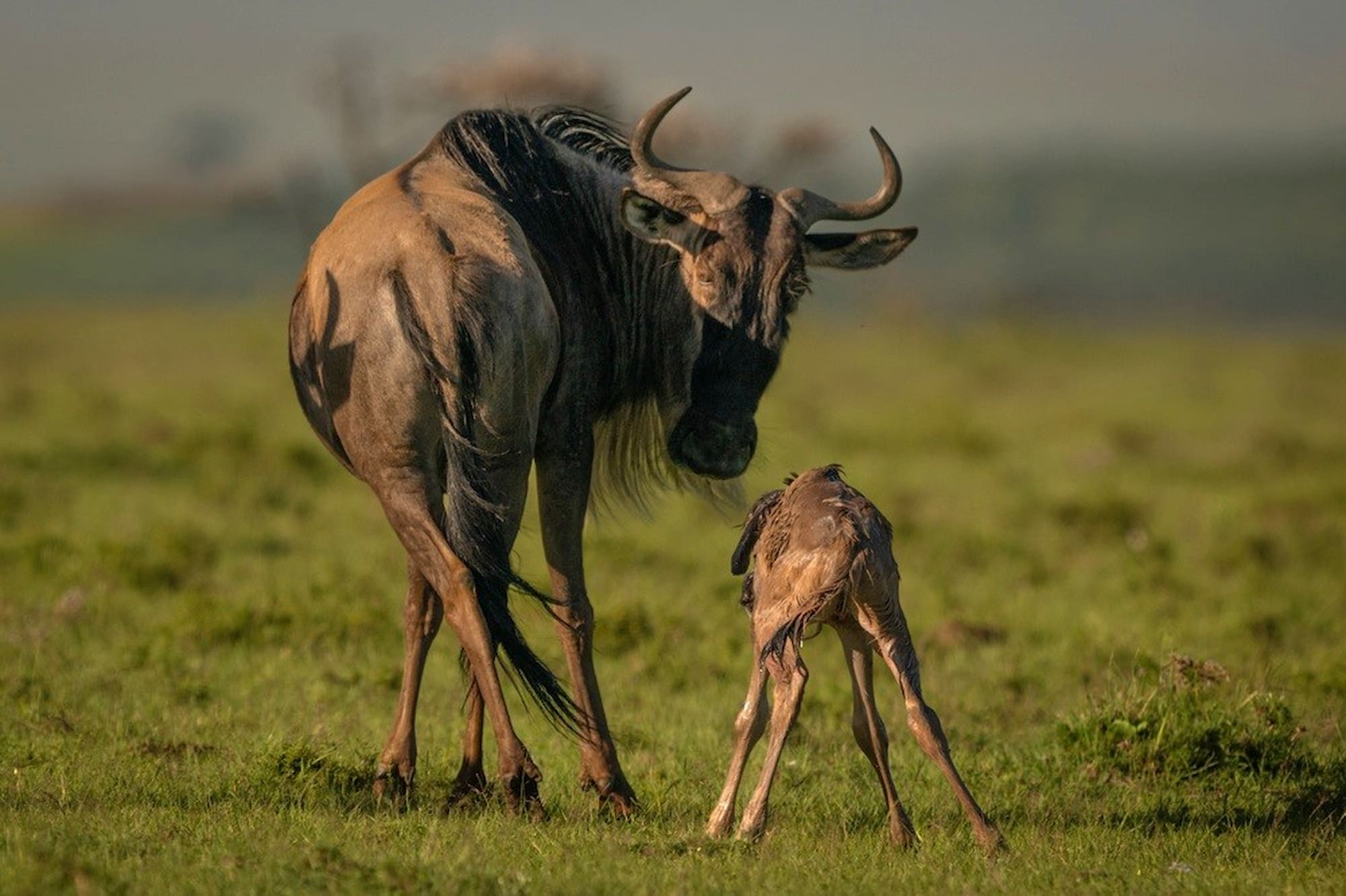
February on the Ndutu plains (the area between the Serengeti and Ngorongoro) means new life on a scale that is hard to picture until you see it.
March
March is a transition month. The southern Serengeti calving tails off and the long rains begin to creep into East Africa toward month's end.
Best picks: Cape Town is warm and lovely, a perfect time for wine tours and coastal drives. Victoria Falls is approaching full flow.
Quieter alternative: This is one of the best-value months across the board. Late-season green safaris in Zambia and Botswana mean lush scenery and very few other vehicles. The southern African parks are quiet and green.
"Zambia is one of Africa's most underrated safari destinations. It offers an experience that feels far more exclusive than many of its neighbours, with fewer crowds and a stronger sense of being truly immersed in the wild."
- Andy Stock, Africa Travel Specialist at Viva Expeditions
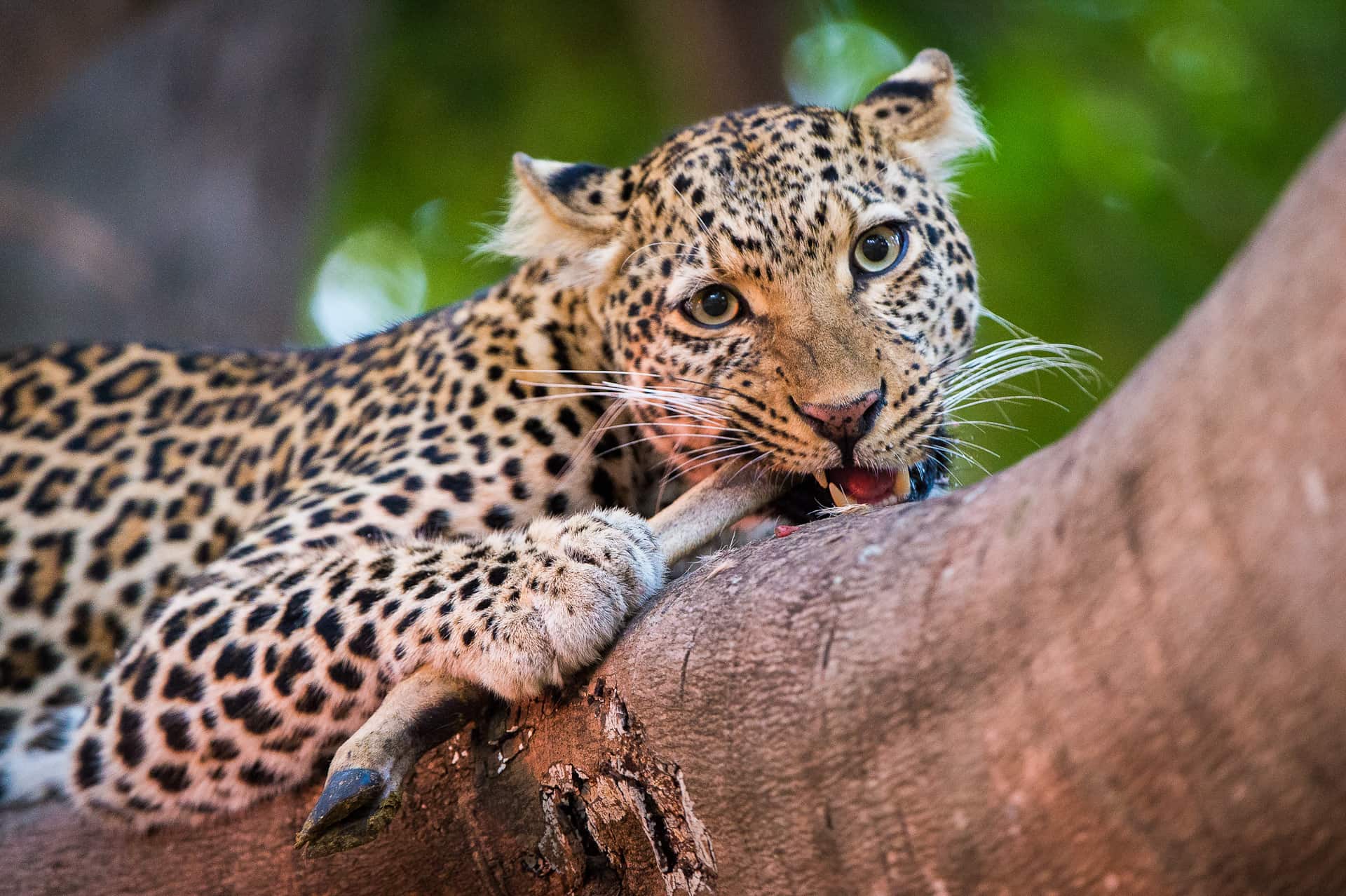
South Luangwa is leopard country, and in the green months you'll often get the encounter all to yourself.
April to June: the shoulder sweet spot and the start of the dry months
April
April is the wettest stretch in East Africa by far, and a handful of camps close for the long rains. Look south and west instead.
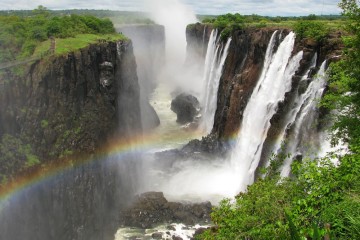
Best picks: Victoria Falls is at or near peak flow, sending up a wall of spray you can see from miles away. The Namib Desert season opens, making Namibia a reliable choice when the rest of the region is damp.
Quieter alternative: South Africa and Madagascar offer excellent value with pleasant temperatures and thin crowds.
May
May is when Southern Africa swings into its dry season, and it might be the most underrated month of the year. Great conditions yet the holiday crowds have not yet turned up.
Best picks: The Okavango Delta and Chobe in Botswana come into their own, Kruger starts to dry out for cracking game viewing, and Victoria Falls is still running high.
Quieter alternative: East Africa is emerging from the long rains, and late in the month can be wonderful value for money before the June crowds arrive. Tara’s review of her Northern Tanzania Circuit in May gives you a good idea of what to expect in the region.
June
June is the big turning point in the African safari scene. The rains peter out, the air cools, dry season is fast approaching and, perhaps even more importantly, Northern Hemisphere summer vacations are about to kick off. Europeans and North Americans are starting to arrive in Africa in great numbers (with peak arrivals hitting in July and August).
Best picks: Game viewing intensifies right across Southern Africa. In Tanzania the herds push into the western corridor toward the Grumeti River, and gorilla trekking enters its prime dry stretch.
Quieter alternatives: Cape Town is in its rainy winter, but it is the start of the whale-watching season along the Southern Cape coast, which is a highlight in its own right.
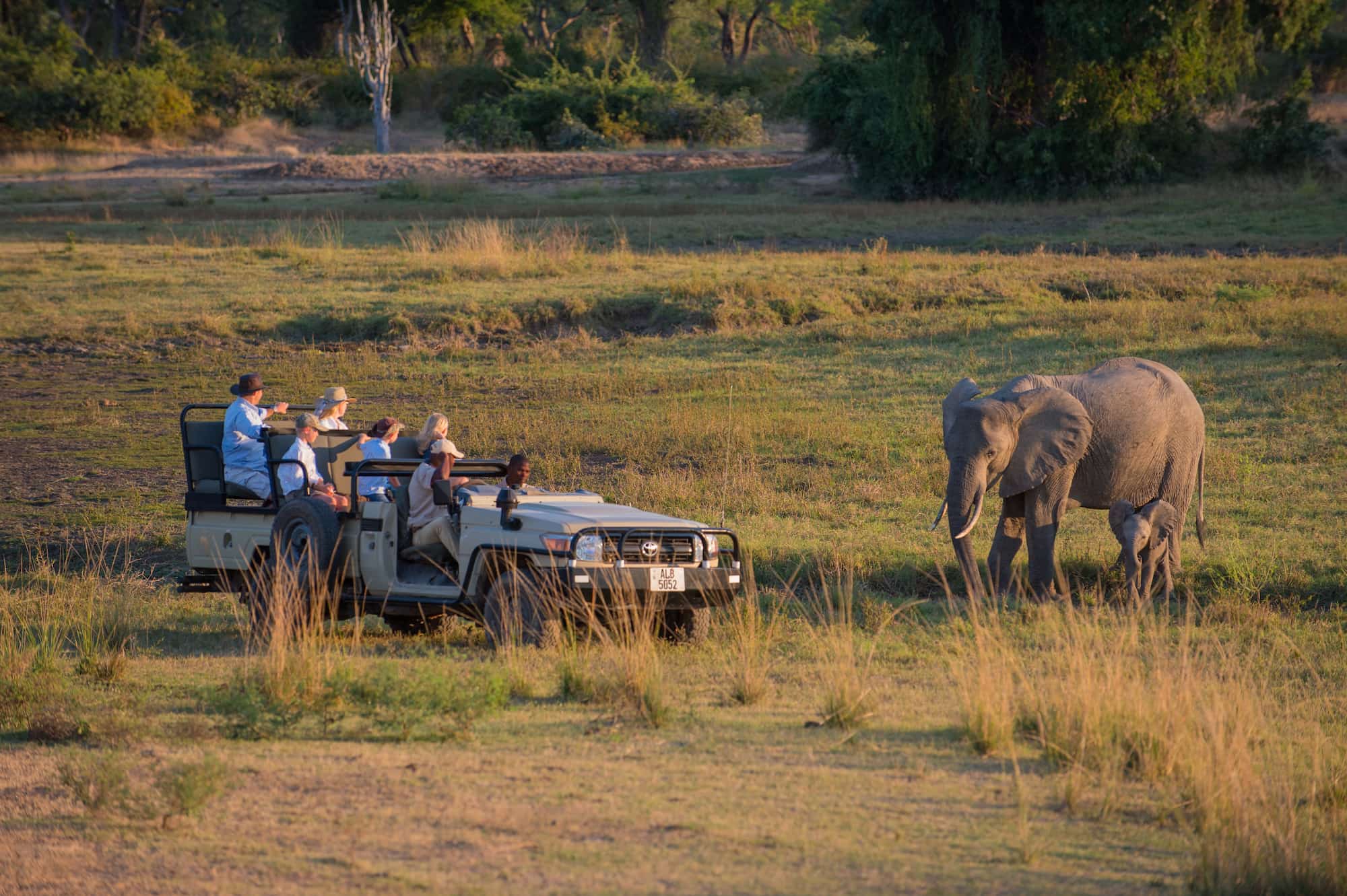
By June the dry season is doing its thing, drawing the wildlife to every river and waterhole.
July to September: peak season and the Great Migrations
July
July is peak safari season, and for excellent reason. The bush is dry and the wildlife is out in the open everywhere you look.
Best picks: The first Mara River crossings begin in the northern Serengeti and Kenya's Masai Mara. Botswana, Hwange in Zimbabwe and the walking safaris of Zambia's South Luangwa are all superb.
Quieter alternatives: Tanzania's southern circuit is always lesser visited so it works well during this peak month. While the world has its eyes on the Mara crossings, Ruaha and Nyerere (the old Selous) sit in their dry-season prime, with superb predator action and a fraction of the vehicles. Our Tanzania safari guide has more on the southern parks if you want a closer look.
Viva’s insider tip: to beat peak crowds in July/August, opt for a private game park over one of the massive national reserves. Smaller safari crowds, in high season, means better quality viewing and experience overall. Learn more about the private game park VS national parks differences. This is the busiest and priciest month, so book well ahead, especially for camps near the crossing points.
August
August is the month most people picture when they imagine a safari, and the Mara River crossings are the headline act.
Best picks: The crossings peak in the northern Serengeti and the Masai Mara. Across Southern Africa the dry season is in full swing, with elephants massing along the Chobe and Hwange waterholes. Wildlife spotting is simply brilliant in August, no matter where you go. No wonder August is peak travel season!
Quieter alternative: Whale watching off the Southern Cape is at its best, a fine pairing if you are combining a safari with time around Cape Town.
“Don’t fret if August (or July) is the only month you can travel. Come, don’t worry, we will always find a quieter lodge if you wish, or a lesser-visited corner of one of the main parks. As long as you plan and book ahead of time, even the busiest month is incredibly rewarding. This is Africa, after all...and Africa is always magical.”
-- Tara, General Manager at Viva Expeditions
September
September keeps the peak-season momentum but the crowds do start to ease a little.
Best picks: Often the last great window for the Mara crossings, with excellent game viewing as the bush thins. Victoria Falls drops to lower water, which opens up Devil's Pool. The lemur season begins in Northern Madagascar while South Luangwa (Zambia) comes alive with thousands of vibrant southern carmine bee-eaters gathering in spectacular breeding colonies along the Luangwa River.
Quieter alternative: Namibia's Swakopmund comes alive for adventure activities as the coast warms up.
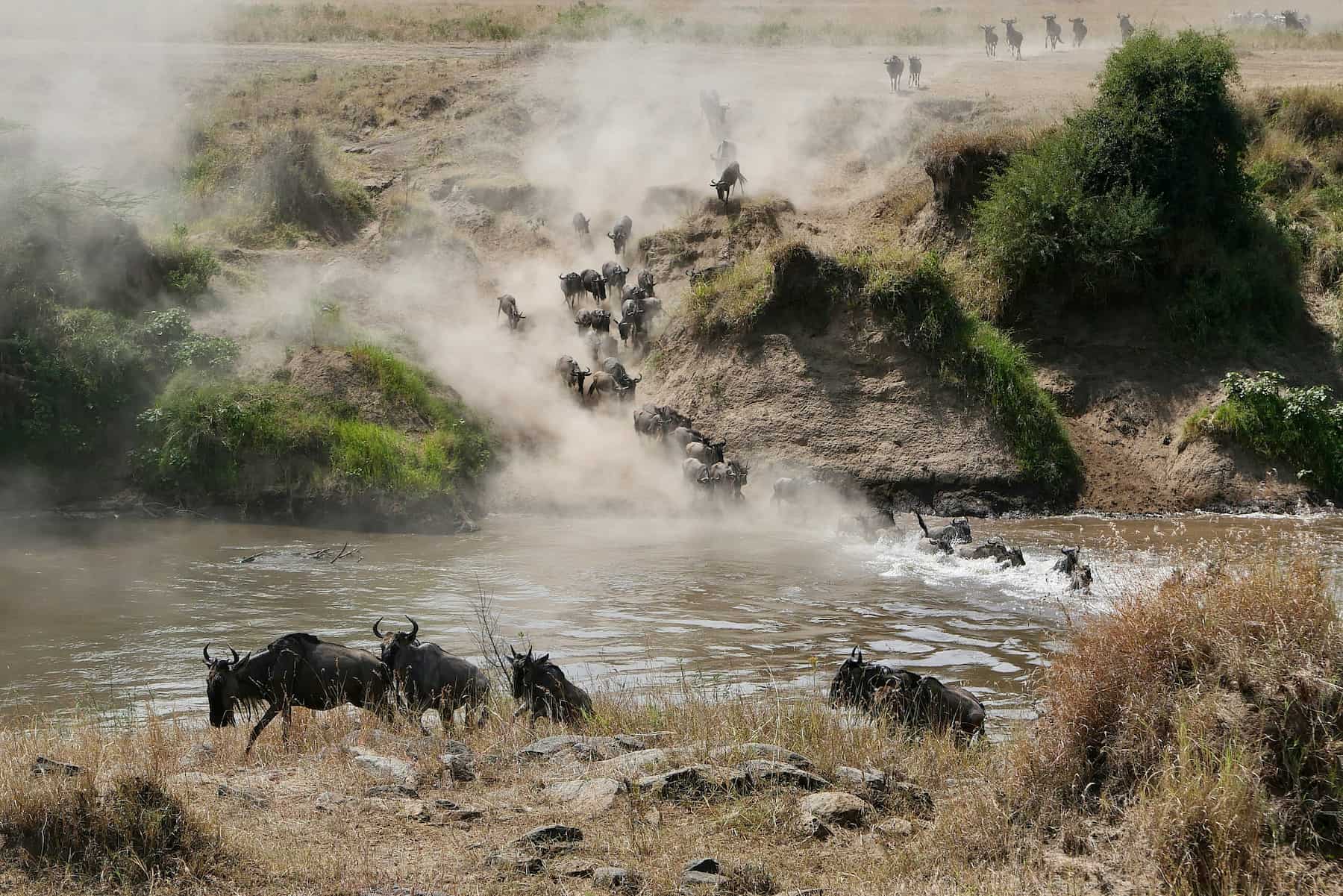
The crossings are driven instinct and adrenaline, and witnessing it is like nothing else you will ever experience.
October to December: the last of the dry and the green-season reset
October
Many local guides name October their favourite safari month of the year, and we understand why that would be. The biggest crowds are gone, the land is at its driest and the wildlife is concentrated around what little water remains.
Best picks: Game viewing is intense across Botswana, Zambia, Zimbabwe and the Kruger area is still fine. Hwange's elephants crowd the waterholes, and Victoria Falls stays low and clear. Cape Town's summer season opens up. Pick one, pick all of them, and you can’t go wrong.
Quieter alternative: It’s still difficult to find a quiet safari destination this month, although the Lower Zambezi (Zambia) would be a great choice now. South Africa's most famous malaria-free reserve, Madikwe, would also be an excellent pick this month, with terrific game viewing and none of the Kruger crowds. A clever pick for families, or anyone who'd rather skip the malaria meds.
Viva’s insider tip: It is starting to really heat up now, so pack light layers and plan activities around the cooler mornings and evenings.
November
November is the little breather, when short rains arrive in East Africa and the green season begins in the south.
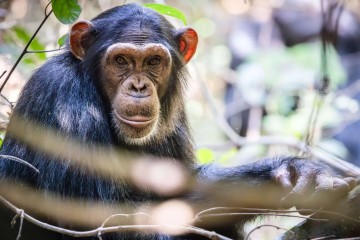
Best picks: Victoria Falls and Namibia's coast both shine, and northern Madagascar is excellent for wildlife. This is also peak month for chimp trekking on Rubondo Island (Tanzania).
Quieter alternative: Southern Africa turns green, bringing back the birds and the newborns at lovely shoulder rates.
December
December rounds out the year as the herds return to the southern Serengeti and the cycle starts again.
Best picks: Northern Tanzania and Ngorongoro come back into form as calving approaches, gorilla trekking enters its second dry window, and Cape Town hits its summer peak.
Quieter alternatives: Green-season Southern Africa is lush and full of life, though festive-period lodges can book up, so it pays to plan early.
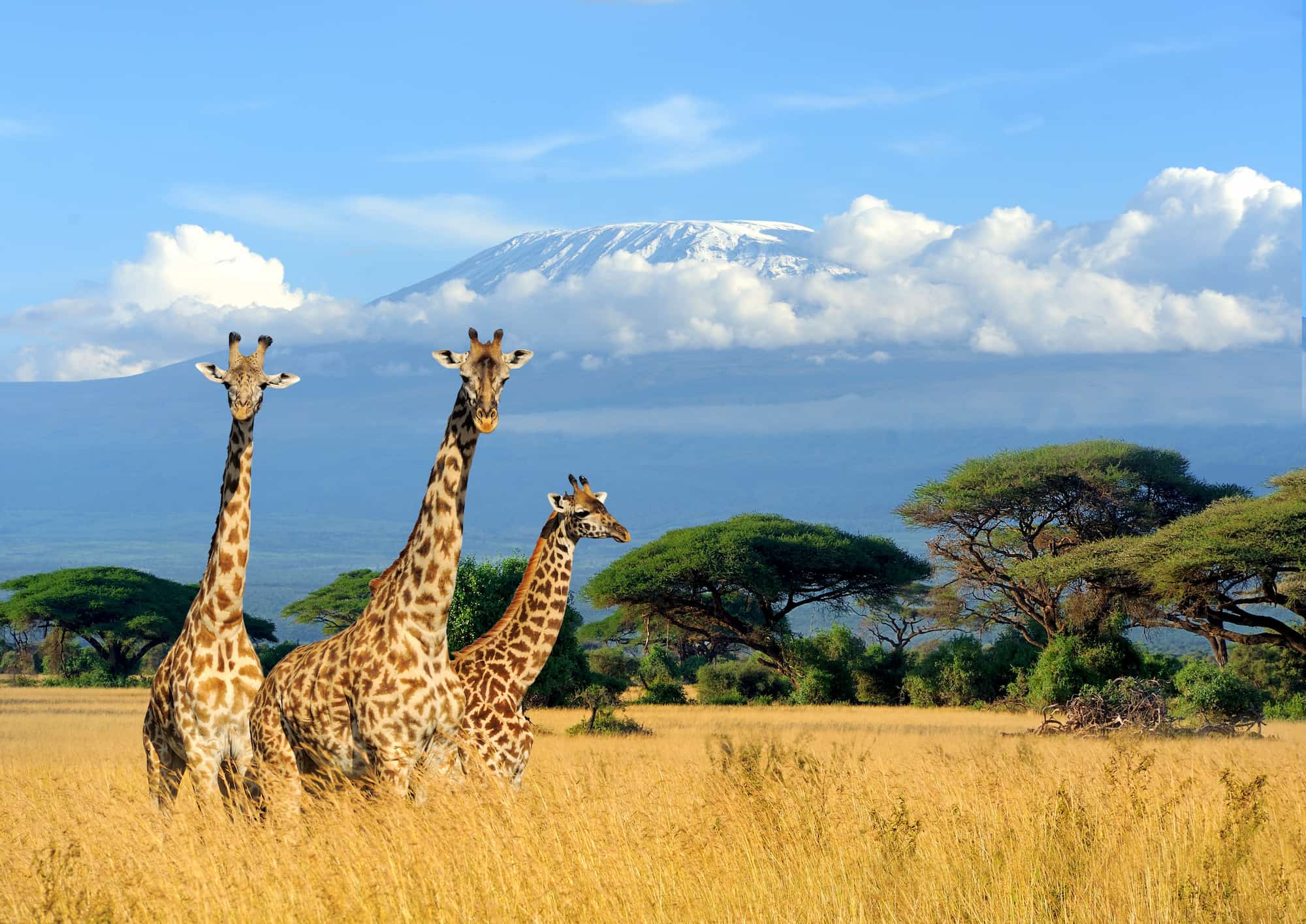
Amboseli's giraffes pose against the backdrop of Mt Kilimanjaro. Whatever month you arrive in Africa, a scene like this one is waiting somewhere on the continent.
Best time of year for a safari, by country: a snapshot
If you would rather start from a place than a month, here is the same information neatly tucked into every safari country. Each entry shows the classic peak window alongside a quieter or shoulder-season alternative that we rate.
|
Country
|
Peak window
|
Quieter or shoulder option
|
|
South Africa
|
May to September (Kruger, dry-season Big Five). Cape Town October to April.
|
Year-round in the malaria-free Eastern Cape reserves. Whale watching off the Southern Cape peaks June to October.
|
|
Botswana
|
May to October (Okavango Delta, Chobe). January to March for the Makgadikgadi zebra movement.
|
November to April is green season: lush, superb birding and much better value, with thicker bush.
|
|
Namibia
|
April to October (Sossusvlei, Etosha, Namib Desert). Swakopmund September to November.
|
Rewarding all year thanks to the desert climate. Waterholes in Etosha National Park are busiest with game at the end of the day.
|
|
Zimbabwe
|
May to October for the elephant herds in Hwange National Park. February to May for peak flow at Victoria Falls.
|
September to November the Falls run low, opening up Devil's Pool and clearer views of the gorge.
|
|
Zambia
|
May to October (South Luangwa, famed for walking safaris and leopards). February to May for peak flow at Victoria Falls.
|
Many camps close in the wettest months. Late season, October, is intense for game but hot.
|
|
Kenya
|
July to October (Masai Mara river crossings). June to October for Amboseli and Mount Kilimanjaro views.
|
January to February is a lovely quieter window with newborns and strong predator action.
|
|
Tanzania
|
June to October (crossings) and December to February (calving). Ngorongoro Crater year-round.
|
April to May is low season: green, quiet and great value, though the long rains can affect some camps.
|
|
Uganda
|
June to August and December to February for gorilla and chimpanzee trekking in drier conditions.
|
Trekking runs all year. Wetter months mean muddier trails but lush forest and fewer permits taken.
|
|
Rwanda
|
June to September and December to February (Volcanoes and Nyungwe), the two drier spells.
|
Gorilla trekking is possible year-round; the green months are quieter and the hills look their best.
|
|
Madagascar
|
April to November in the south and west; September to December in the north and east for lemurs.
|
April to October is the dry season, when trails are easiest and parks are lush but not muddy.
|
|
Mozambique
|
May to October for dry, sunny coast, diving and snorkelling. Humpback whales July to October.
|
December to March brings warmer seas but is cyclone season, so timing matters along the coast.
|
A few notes before you book
- Book the big months and big name parks early. If your heart is set on the migration crossings, the best small camps fill 12 to 18 months ahead. Talk to us a year out and we can secure your top choices.
- Do not write off the green season. Lower prices and brilliant birding make November to April a smart choice for second-time visitors and keen photographers.
- Namibia is your all-rounder. Because it is a desert, it delivers across almost the whole year, which makes it a useful and reliable base if your dates are fixed.
- Pair the bush with the coast. Many travellers add beach or island time after a safari. Our guide to the best safari and beach combos offers great inspiration.
- Pack for early starts and cool mornings. Even in the dry season, dawn game drives can be considerably chilly. Our what to wear on safari guide has the full list.
- Great value, great guiding. Many of our small-group safaris run on Drifters tours, a trusted operator with more than thirty years on the road across Southern and East Africa and their own lodges and vehicles.
"My #1 piece of advice is: don't rush your itinerary. If time is limited, it's far better to experience one or two regions properly than to skim across several just to tick them off. Africa rewards a slower pace of travel, where you'll see more, feel more, and enjoy it far more."
-Andy Stock, Africa Travel Specialist at Viva Expeditions
Ready to plan your safari?
Half the art of a great safari is simply choosing the right month, and that is the part we love getting right. Whether you are chasing the river crossings in August or hunting for value in the green season, we can point you to the destination that will be at its best when you arrive. Our Africa specialists have travelled these routes themselves, and they will match you with the best safari experience that ticks all your boxes.
Have a look at our full range of safari tours and Africa itineraries, then get in touch with our Destination Specialists. We will take it from there.
Laura Pattara
Laura Pattara has guided overland trips across Africa and now focuses her writing on the continent for Viva Expeditions. She once camped beneath a marula tree that an elephant tore apart during the night, yet somehow she still sleeps best in a tent. But make it glam! From sunrise balloon rides over the Serengeti to following the rhythms of wildlife migrations, Laura brings the wild heart of Africa to life with warmth, depth, and the occasional muddy boot.
|