South Africa is arguably the best safari destination on the continent because there's a world-class trip to suit almost every kind of traveller. With so many parks and reserves to choose from, however, knowing where to head to can be the tricky part.
In this guide, we walk you through what we believe are the best South Africa safari parks and reserves. These are the ones we not only know intimately because we book most often, but also the ones we receive the best feedback on from clients. We'll also share the best alternative to Kruger National Park, then introduce you to some quieter corners of the country we think you'll absolutely love. For each one, we'll tell you why we love it, what you might see, and who it's best suited to, and we'll wrap up with a quick guide to the best time of year for a South Africa safari.
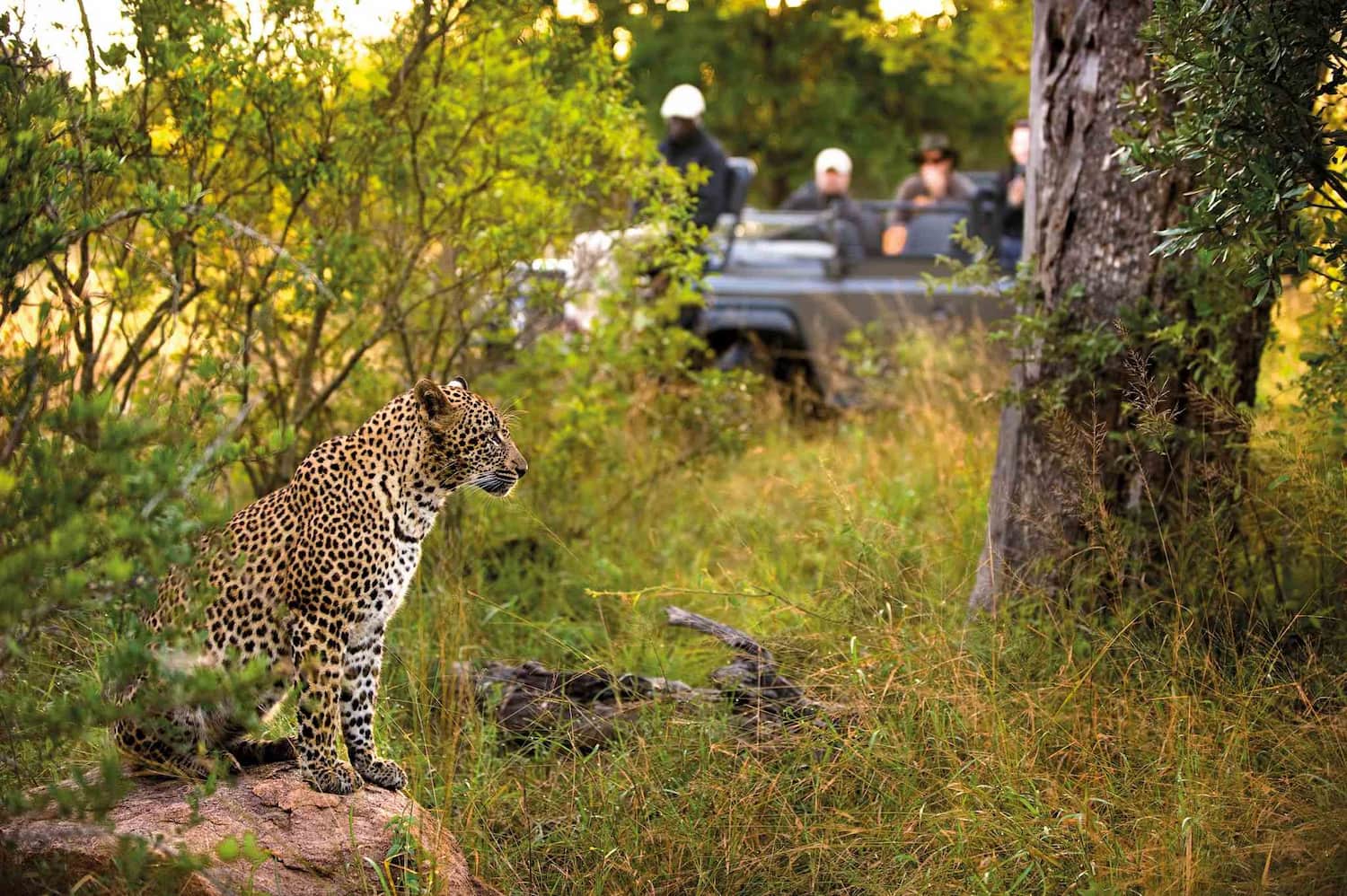
The Sabi Sand reserve, in Greater Kruger, is widely considered to be the leopard capital of Africa. Sightings like this are quite common.
In this guide:
Greater Kruger: the best alternative to Kruger National Park
Madikwe Game Reserve: malaria-free and wonderfully quiet
Pilanesberg National Park: easy and affordable, with a catch
The Eastern Cape: safari at the end of the Garden Route
KwaZulu-Natal: bush and beach in one trip
Tswalu Private Reserve: the Kalahari at its most exclusive
When is the best time for a South Africa safari?
The best South Africa safari parks – a wrap-up
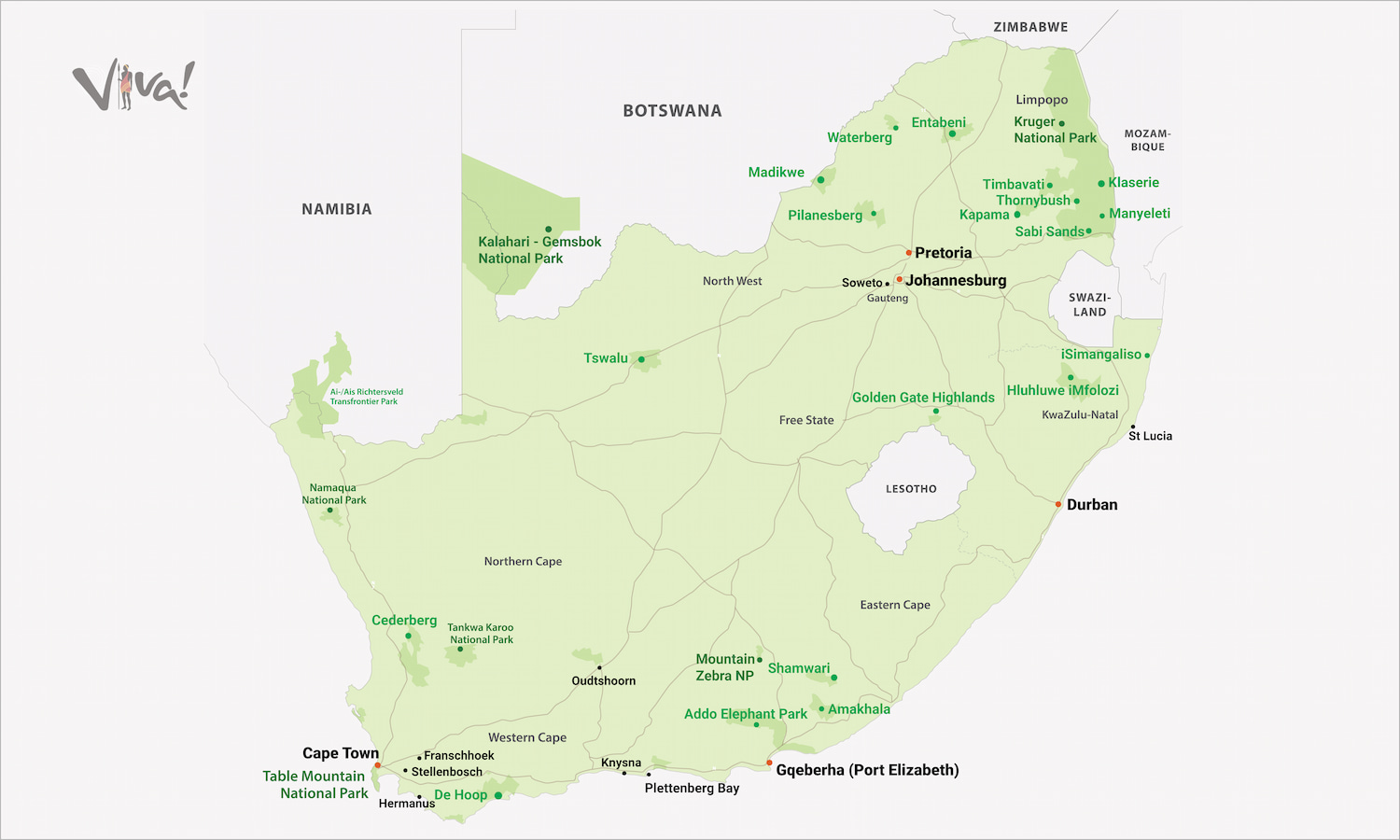
Map for South Africa parks & reserves
Greater Kruger: the best alternative to Kruger National Park
Let's start with the big one, the single most obvious safari destination in South Africa. Kruger National Park is the name everyone knows, and for excellent reason. It is, put simply, one of the great wildlife destinations on earth. But here is something many safari newbies don't realise: the park is unfenced along its western boundaries, and that's where you'll find a collection of private reserves, including the famous Sabi Sand.
This much broader area is known collectively as Greater Kruger and this is where the best alternative to Kruger park proper can be found. The animals move freely between the national park and all these smaller reserves, creating a huge ecosystem so the wildlife is exactly the same. The experience, however, can be worlds apart, and it's why Greater Kruger is the destination we recommend above all others for a first safari.
Why we love it: Inside the national park, you stick to designated routes and share the roads with self-drive traffic and tour trucks. And that's no accident: Kruger N.P is wonderfully affordable, which makes it a favourite with budget travellers and self-drivers, crowds and all. If you can stretch to a little more, Greater Kruger is where the extra spend earns its keep. Only guests of the reserves are allowed in, and vehicle numbers at each sighting are strictly limited. Expert guides can drive off-road when something special turns up, and night drives reveal a side of this extraordinary wilderness day visitors never get to see. The guiding is as good as it gets, and the lodges match it: our Enchanting Sabi itinerary is based at Lion Sands, one of the most-loved properties in the reserve, where the rooms look straight out over the Sabie River.
"We always suggest Greater Kruger over Kruger National Park itself. You get a far more exclusive experience, with brilliant guiding, away from the crowds."
- Andy Stock, Africa Travel Specialist
What you might see: The full Big Five, often within just a day or two, along with wild dogs, cheetahs, hyenas and a huge supporting cast. The Sabi Sand built its name on leopards, and these famously elusive cats are more relaxed around vehicles here than anywhere else in Africa.
Who it's best suited to: First-time safari-goers who want the best possible chance of big sightings, and photographers who've been dreaming about one particular shot for years.
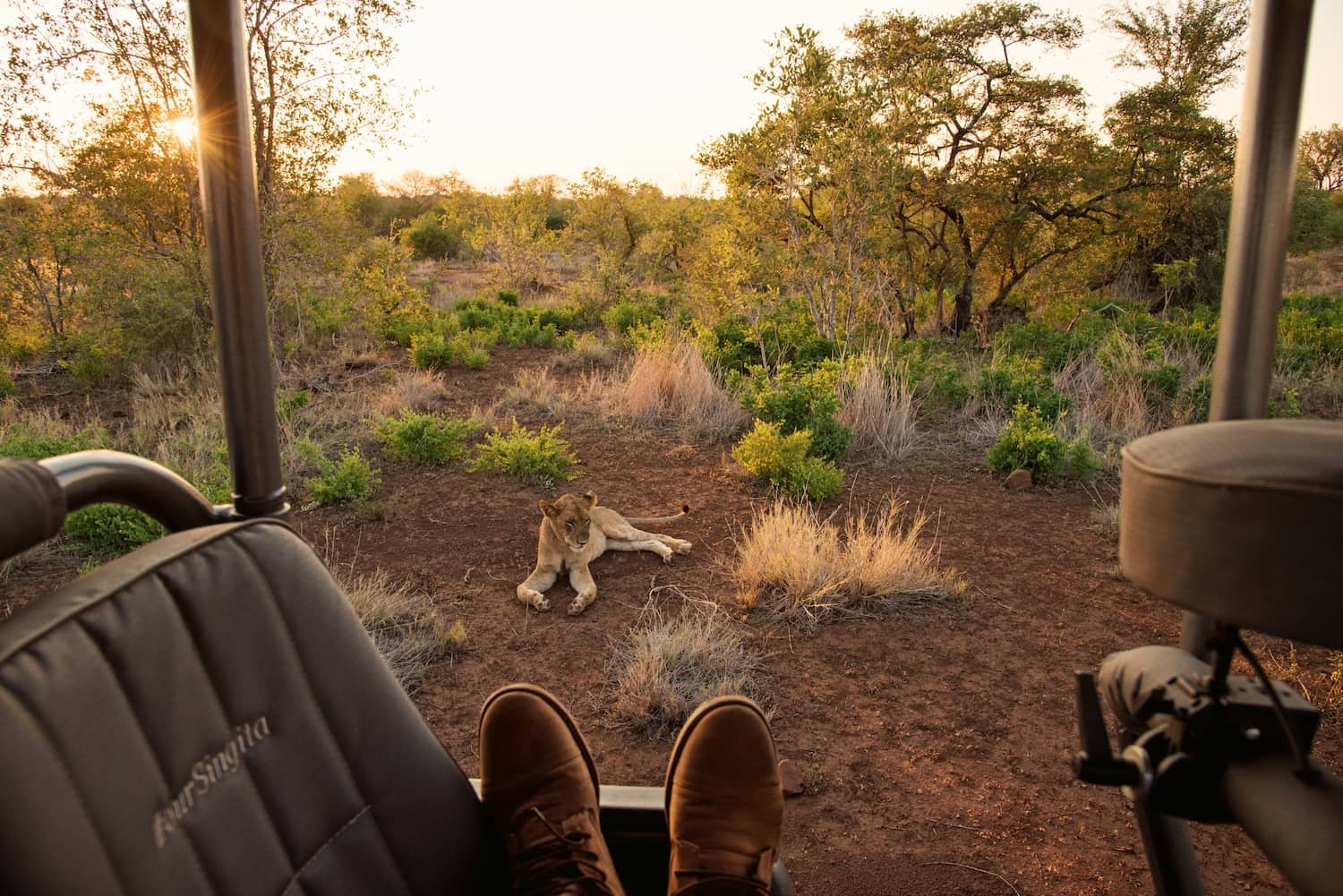
Off-road driving and strict vehicle limits are what set Greater Kruger apart. When you find the lions, there's no queue behind you.
Still weighing up a private reserve against a national park? Our guide to private game reserves vs national parks breaks down the differences in detail.
Madikwe Game Reserve: malaria-free and wonderfully quiet
Tucked against the Botswana border in the North West Province, Madikwe doesn't get a fraction of the attention it deserves, and the travellers who do make it here tend to like it that way. This 75,000-hectare reserve was created in 1991, when worn-out farmland was returned to the wild through one of the largest game reintroduction programmes ever attempted in the country. More than 8,000 animals were brought back. Today, it is a thriving Big Five destination that operates as a private reserve with no day visitors.
Why we love it: With no malaria risk, Madikwe is a top pick for families with younger children. It is also wild dog country: these painted predators are among the hardest animals to find anywhere in Africa, and the reserve holds one of South Africa's strongest populations, so your odds here are unusually good. Our Madikwe Encounter itinerary is based at Jaci's Safari Suites, a warm, family-friendly lodge with a wonderful reputation for guiding.
What you might see: The Big Five, plus wild dogs, cheetahs, brown hyenas and big herds of elephant moving across open plains and rocky hills. Birders have more than 350 recorded species to work through.
Who it's best suited to: Families, and anyone who wants a Big Five safari without another vehicle in sight.
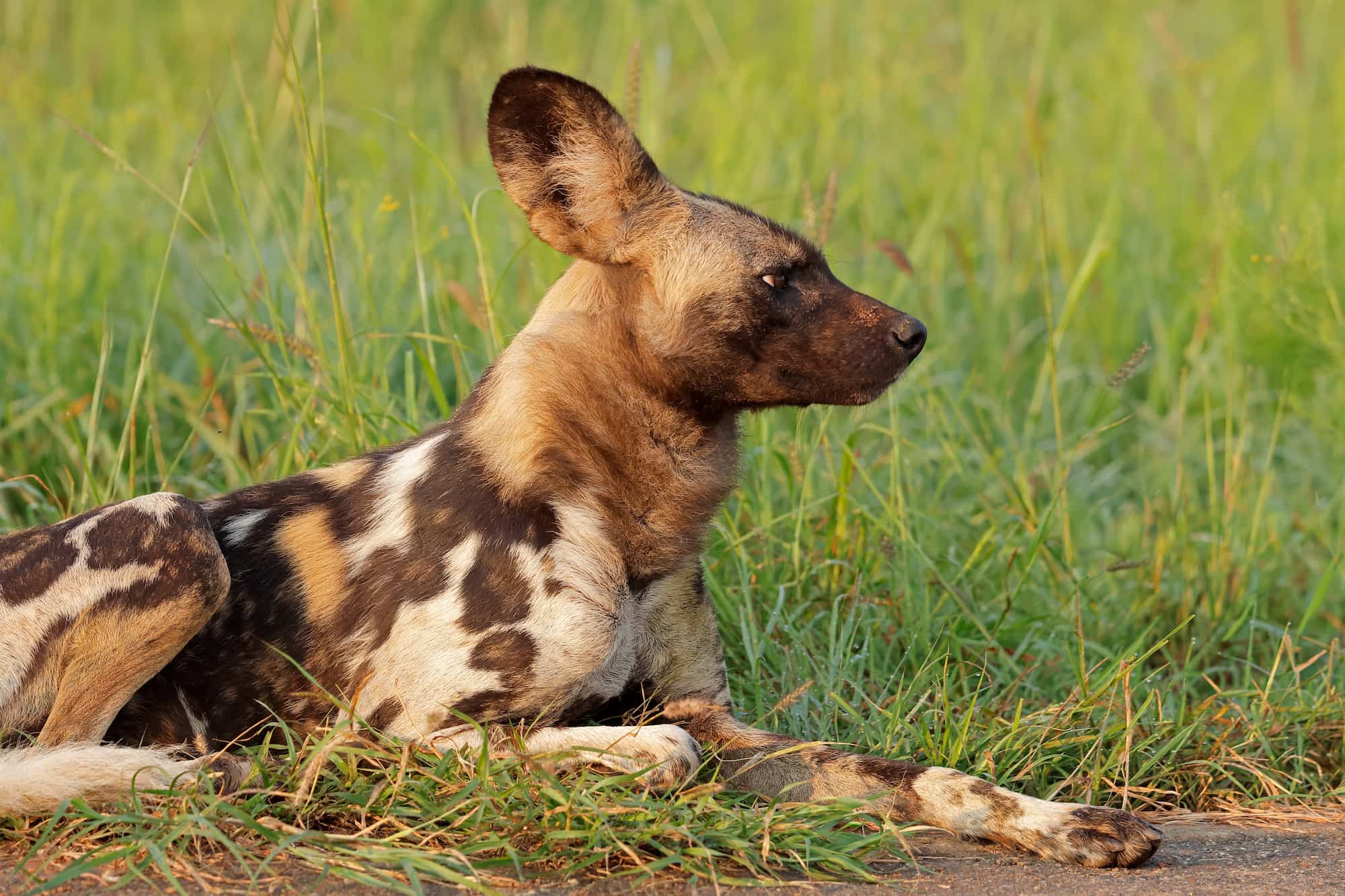
Painted wolves, as African wild dogs are also known, hunt in tight family packs. Watching one set off is pure adrenaline.
Pilanesberg National Park: easy and affordable, with a catch
We'll be upfront with you about Pilanesberg, because it comes up in a lot of first conversations. The park has plenty going for it. It sits inside the crater of an ancient volcano and is completely malaria-free. At around two and a half hours' drive from Johannesburg, it is also one of the easiest Big Five safari areas in the country to reach, which keeps costs down and makes it tempting for shorter trips.
The only caveat we have is that the main part of the park gets very busy with day trippers from Johannesburg and nearby Sun City (because it is so convenient), especially over weekends and holidays. A long queue of cars can take the shine off even the greatest of sightings. It is the reason you won't find Pilanesberg itineraries on our website.
"If clients have their heart set on Pilanesberg, we can book properties that sit within their own private concession, away from the bustle."
-- Andy Stock, Africa Travel Specialist
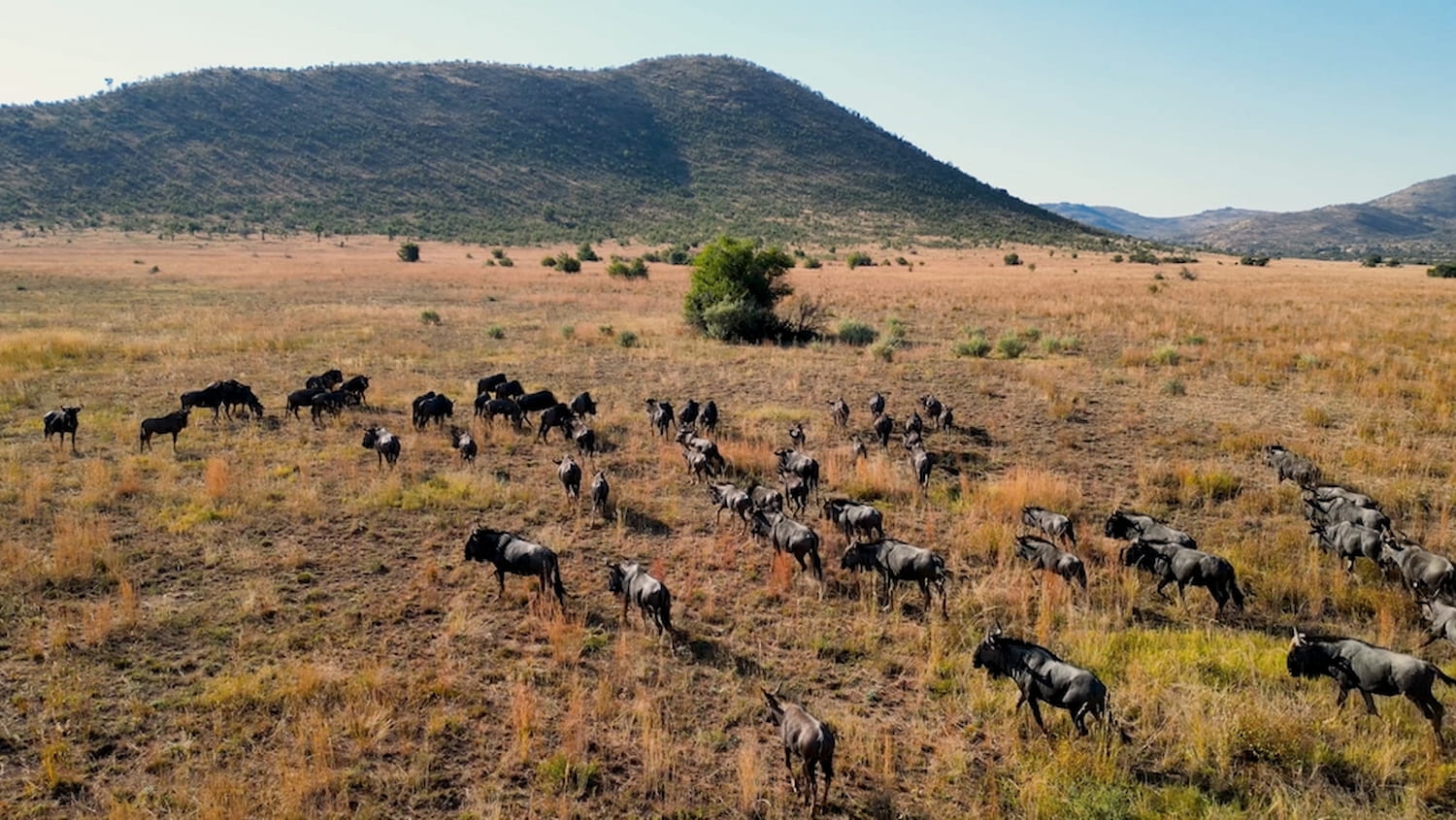
Pilanesberg boasts a stunning setting, but its proximity to Johannesburg makes it one of the most visited parks in all of South Africa, all year-round. For this reason alone, we believe there are better options.
The Eastern Cape: safari at the end of the Garden Route
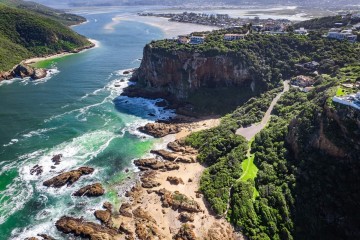
If you're dreaming of pairing the Cape's coastal scenery with a proper safari, the Eastern Cape was made for you. The region's reserves sit at the natural finishing point of the Garden Route, the famous drive along South Africa's southern coast. That means you can roll coastal walks, whale watching, wine tasting and a Big Five safari into a single road trip, with no internal flights needed.
The best-known name here is Addo Elephant National Park, home to more than 600 elephants, while the wider Greater Addo area shelters private reserves where the experience steps up a notch. On our Highlights of the Garden Route itinerary, you stay at Kuzuko Lodge, the only lodge on its own private reserve within Greater Addo, so you get the elephants more or less to yourselves.
Why we love it: The Eastern Cape is malaria-free and easy to self-drive, and it pairs naturally with Cape Town and the winelands. Few safari regions slot so neatly into a wider holiday.
What you might see: Elephants in remarkable numbers, plus the rest of the Big Five on the private reserves. Along the coast, southern right whales appear between June and November.
Who it's best suited to: Road-trippers, and families who want to mix wildlife with time on the coast.
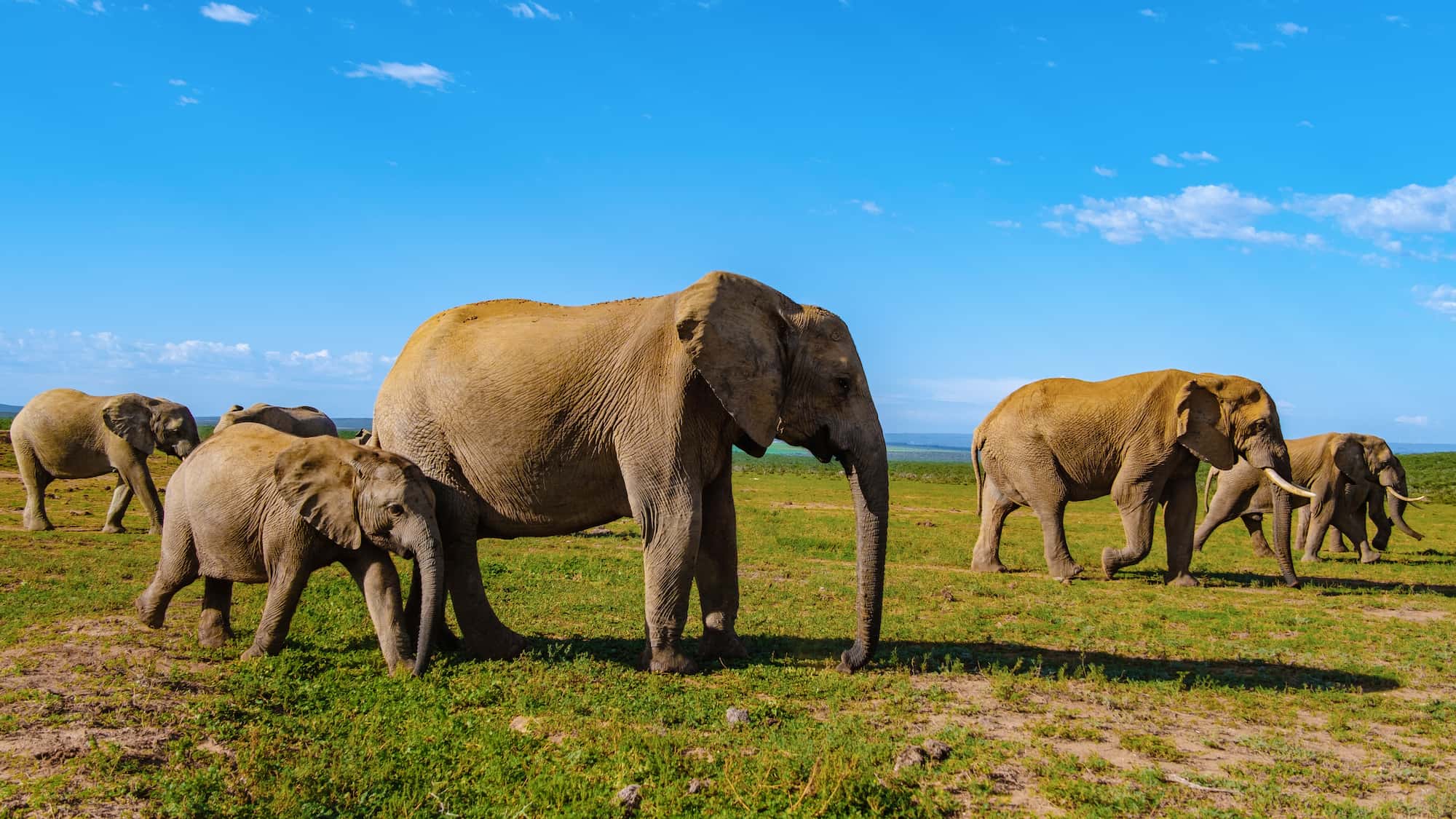
More than 600 elephants call Addo home.
KwaZulu-Natal: bush and beach in one trip
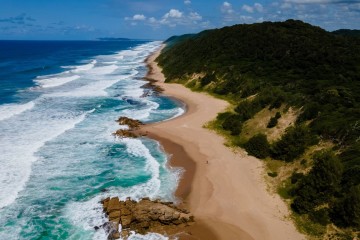
If you don't want to choose between a safari and a beach holiday, head to KwaZulu-Natal and you won’t have to. The province is famous for offering this exact combination: world-class game reserves inland, with the warm Indian Ocean just a short drive away.
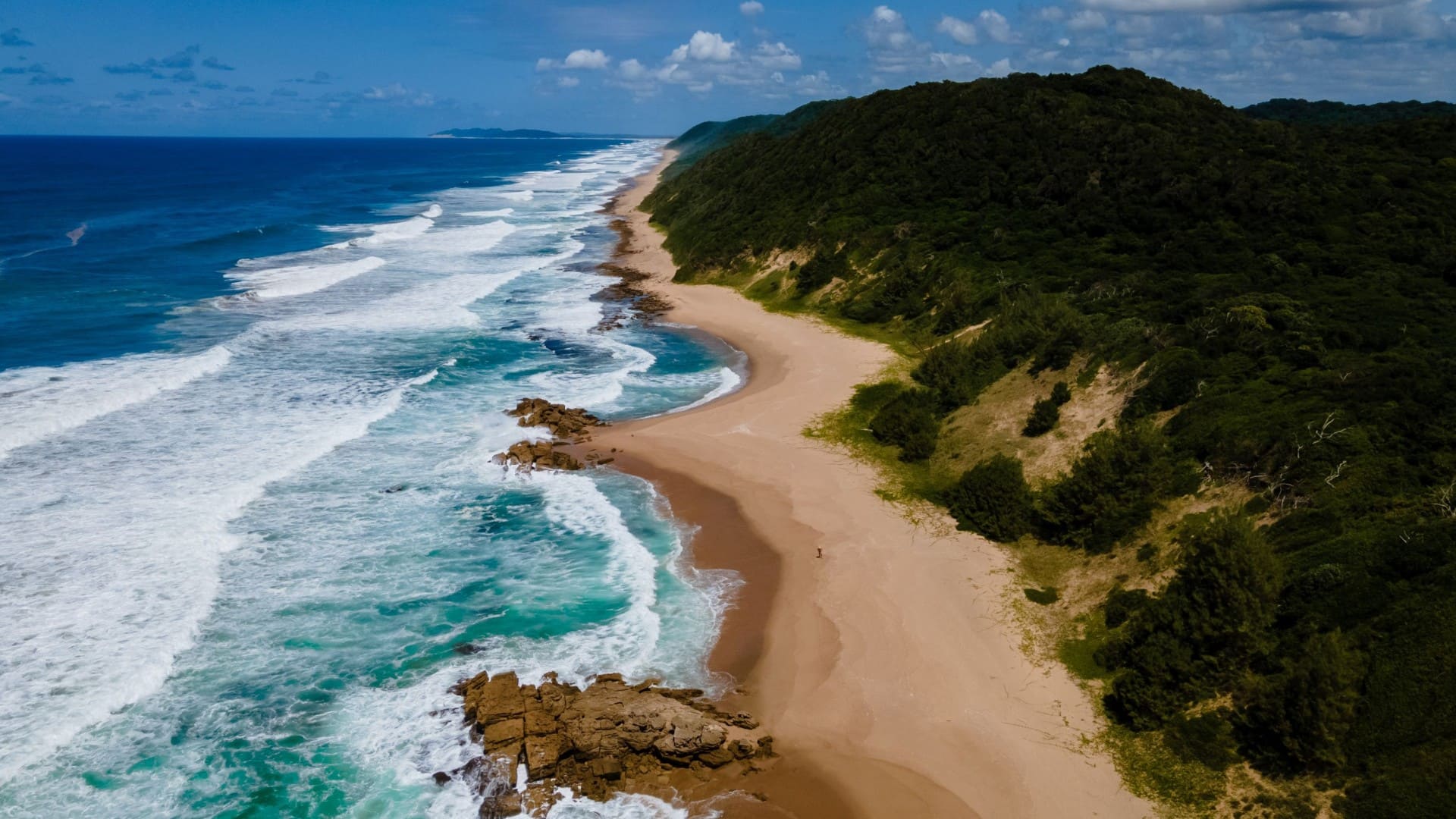
Ballito Bay in KwaZulu-Natal is referred to locally as the Dolphin Coast because sightings are common all year long.
Hluhluwe-iMfolozi, the oldest proclaimed game reserve in Africa, is the heartland of rhino conservation here. This is the place that brought the white rhino back from the brink in the 1950s and 60s, and rhino sightings here remain about as dependable as they get anywhere in Africa. Nearby, the iSimangaliso Wetland Park, a UNESCO World Heritage Site, adds hippo-filled estuaries and some of the finest snorkelling on the east coast.
Our KwaZulu-Natal itinerary combines both sides of the province, so you can spend your mornings tracking rhinos and your afternoons basking in the sand and warm waters of the Indian Ocean.
Why we love it: You get two holidays in one, minus the international crowds that head straight for Kruger.
What you might see: Rhinos above all, plus elephants and big cats inland. Offshore, humpback whales cruise past on their winter migration.
Who it's best suited to: Honeymooners and families who want safari mornings and beach afternoons without long transfers in between.
Read more: The Best Safari and Beach Combos in Africa
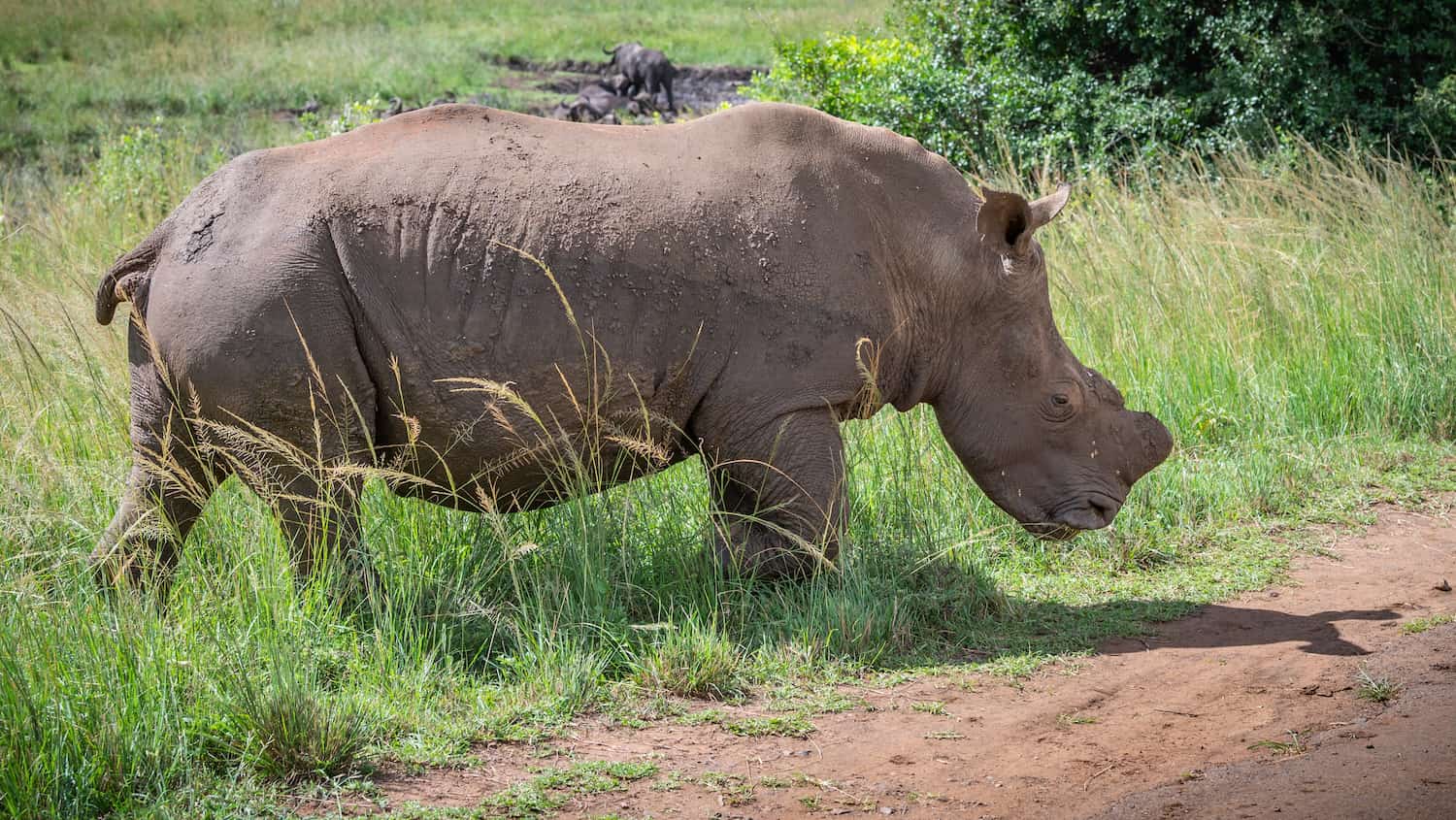
Hluhluwe-iMfolozi is where the white rhino was saved from extinction. Seeing one here, in the reserve that made it possible, is a special kind of full circle.
Tswalu Private Reserve: the Kalahari at its most exclusive
Now for something completely different. Tswalu is the largest private reserve in South Africa, covering well over 110,000 hectares of the southern Kalahari in the remote Northern Cape. There are just three small camps in all that space, so you can drive for hours without seeing another vehicle. Every booking comes with a private safari vehicle and your own dedicated guide and tracker, which means your days run entirely on your terms.
Why we love it: This is where you go for the animals other safaris miss. Pangolin and aardvark, two creatures plenty of guides go entire careers without finding, are tracked here with real success, and the habituated meerkats and black-maned Kalahari lions complete the picture. It sits at the top end of the price scale, but as a once-in-a-lifetime experience, it has few rivals anywhere on the continent. Take a look at our Unique Stay: Tswalu Private Game Reserve itinerary to see what a stay looks like.
"Tswalu offers one of the most exclusive experiences in the whole of Africa. Winter is arguably the best time to travel, but you can travel year-round, as each season offers something unique."
- Andy Stock, Africa Travel Specialist
What you might see: Black-maned lions, cheetahs, desert creatures like aardvark and pangolin, and meerkat colonies so relaxed you can sit right beside them at sunrise.
Who it's best suited to: Experienced safari goers who wish to tick off rare species, and anyone who wants to celebrate a special occasion in serious style.
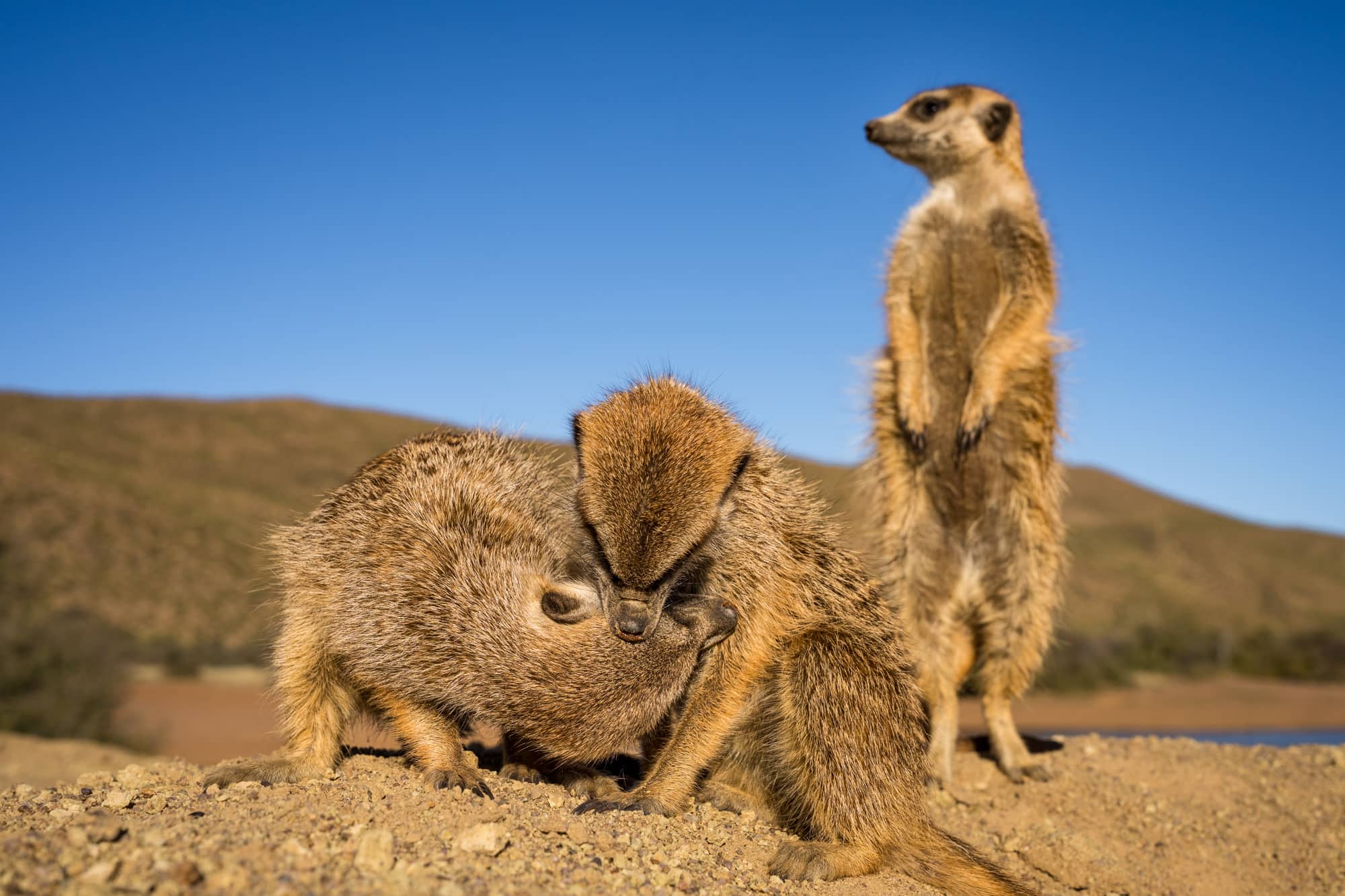
Tswalu's habituated meerkats will carry on with their morning shenanigans while you sit quietly beside them. Try not to fall in love. You will fail.
When is the best time for a South Africa safari?
Here's some good news for your planning: most of South Africa's safari regions run on the same clock, so there's no juggling six different calendars depending on which park wins you over.
The dry winter months, roughly May to October, are prime game-viewing season across the country. The savannah thins out and waterholes shrink, so animals gather around what little remains, becoming far easier to find. Days are sunny and mild, though early-morning game drives can be surprisingly cold, so pack layers.
In summer (November to April), the landscape turns lush and newborn animals pop up everywhere you look. Birders should circle these months, too, as migrant species swell the count from Madikwe to the Kalahari. Thunderstorms tend to roll through in the early afternoon, but they rarely outstay their welcome.
Two regional distinctions are worth noting, though. The Eastern Cape and KwaZulu-Natal are true year-round destinations, since the coast stays warm enough for beach time through most of the calendar. And unlike many safari countries, South Africa's pricing holds fairly steady across the seasons, so a summer trip won't cost you a premium, and a winter one won't either.
The short answer, then: winter for the easiest game viewing, summer for green landscapes and baby animals. There's no bad time, just different ones.
Comparing the best South Africa safari parks – a wrap-up
Still debating? Here is the short version of everything above.
| First safari with a big wish list |
Greater Kruger, and the Sabi Sand in particular.
|
| Travelling with young children |
Madikwe or the Eastern Cape, both completely malaria-free.
|
| Short on time or budget |
Pilanesberg, ideally from a lodge on its own private concession.
|
| Beach time built in |
KwaZulu-Natal, where the bush and the Indian Ocean sit side by side.
|
| Privacy and rare wildlife above all |
Tswalu, the wildest corner of the Kalahari.
|
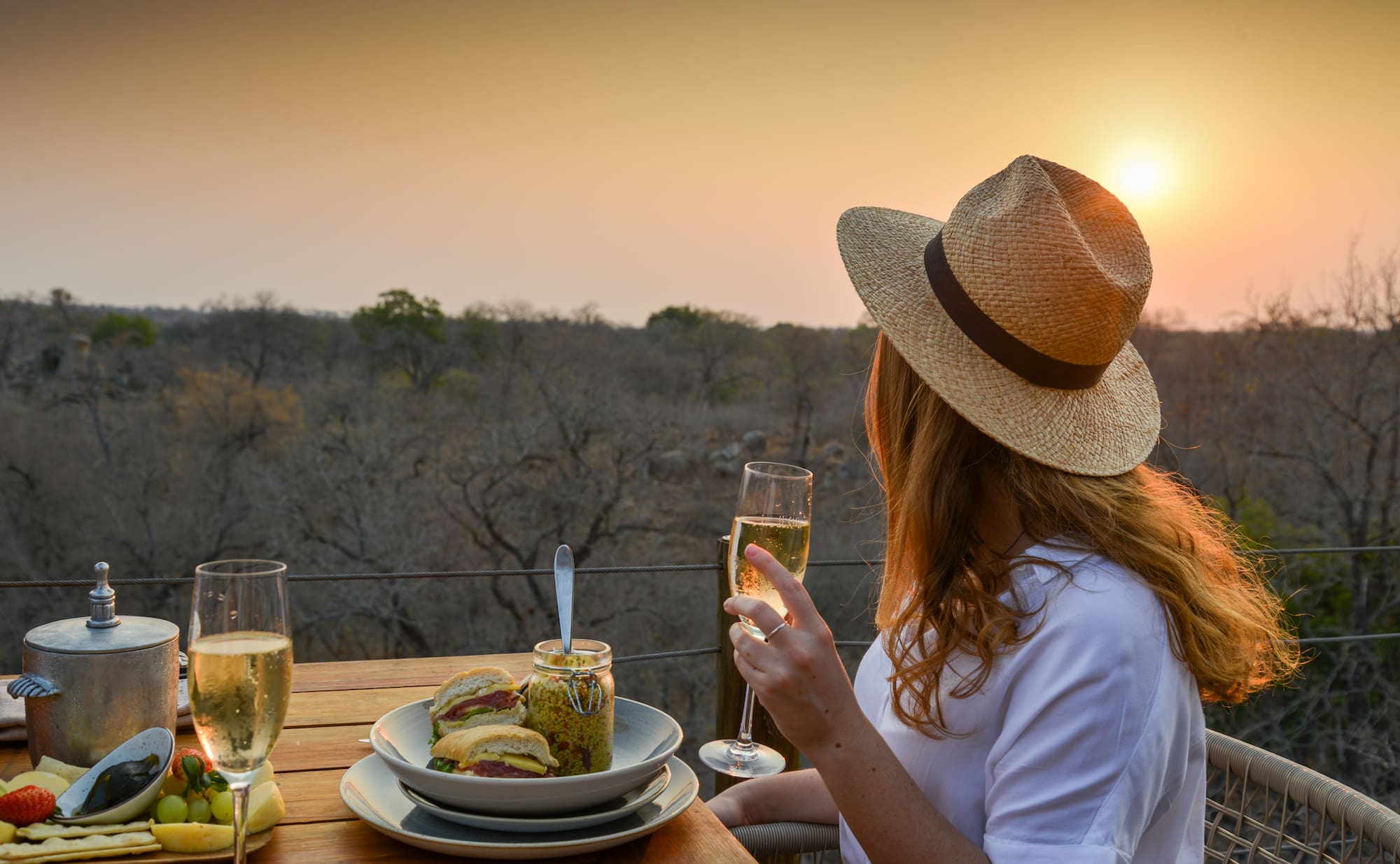
Whichever reserve you choose, one tradition stays the same: the day ends with a glass of bubbly and a very good view.
Every park and reserve in this guide is somewhere we know firsthand. At Viva Expeditions, our Africa specialists have stayed at these lodges and driven these routes themselves, so when you tell us what kind of traveller you are, we can match you with the right reserve and the right time of year, then build the whole trip around it. Flights, transfers, lodges and everything in between: we take care of the lot.
Get in touch with our Destination Specialists today and let's get your South Africa safari dreams off the ground.
Laura Pattara
Laura Pattara has guided overland trips across Africa and now focuses her writing on the continent for Viva Expeditions. She once camped beneath a marula tree that an elephant tore apart during the night, yet somehow she still sleeps best in a tent. But make it glam! From sunrise balloon rides over the Serengeti to following the rhythms of wildlife migrations, Laura brings the wild heart of Africa to life with warmth, depth, and the occasional muddy boot.
|