7 days
7 Day W Trek Eco Camp
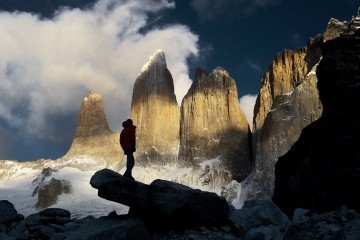
Our Guided “W’ Trek will take you to the magnificent Grey’s Glacier, through the imposing French Valley and to the mighty Las Torres.
So, you’ve decided Patagonia is the one. Now comes the tricky part: turning the daydream into an itinerary that works in practice as much as it does in theory.
Planning a trip to Patagonia can feel like a lot, because the region is enormous and remote, unlike anywhere you’ve travelled before. The good news is that a handful of early decisions bring the whole plan together. We’ve gathered the Patagonia tips our team relies on after years of travelling and planning trips down there, covering how long to go for, when to book, how to get around, and how to match an itinerary to the kind of holiday you actually want.
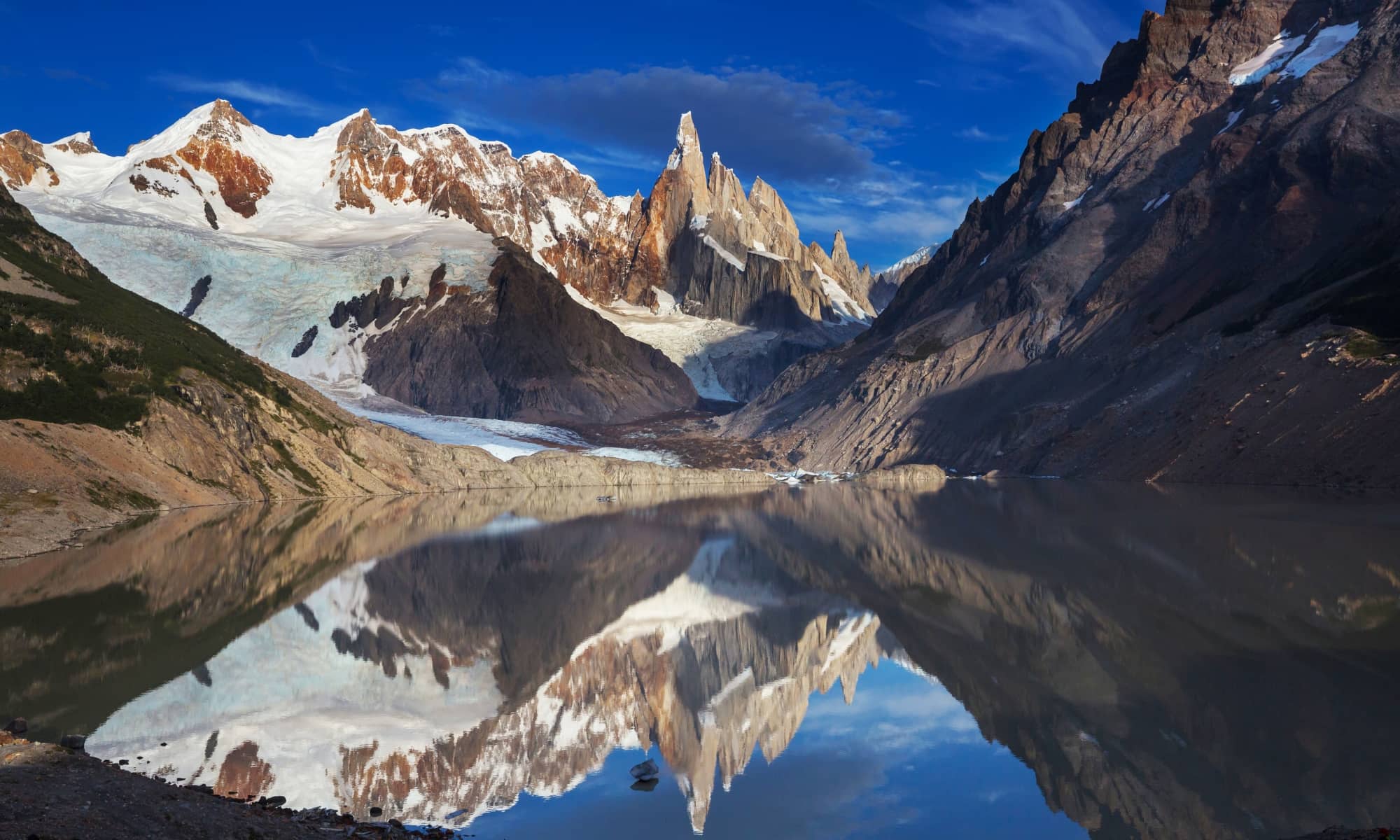
No matter how many times we visit, Patagonia still stops us in our tracks every single time.
Here’s where to start.
How to start planning a trip to Patagonia
How many days do you need in Patagonia?
How far in advance should you plan and book?
Getting around Patagonia without losing days to logistics
Chile or Argentina: how to actually decide
Common Patagonia trip-planning mistakes to avoid
Patagonia itinerary ideas to match your travel style
The best ways to extend your Patagonia trip
Plan your Patagonia trip with Viva Expeditions
Most people open a map and start pinning places. At Viva Expeditions, we always suggest starting somewhere else: by asking yourself, "How do you want the trip to feel?" Patagonia can be many things: a hardcore hiking expedition, a phenomenal exploratory tour de force or a slow, comfortable holiday with sundowners, plush beds, and short walks to spectacular viewpoints. It can be a cruise or a road trip, or a blend of the two.
Knowing your answer to that question shapes every decision that follows, from which side of the border you spend more time, to how many days you set aside for the trip.
FYI: we are focusing on all those planning choices in this piece. If you're still unsure about where Patagonia is, what there is to see and do, and the best season for it, head over to our full Patagonia travel guide first. Once you’ve grasped a general overview, the practical questions below will help you better plan your visit.
While there is never one single right answer, we have come up with a useful rule of thumb.
5 – 7 days: Perfect if you want to explore one area properly (say, Torres del Paine or the El Calafate region). This gives you time to walk and time to do nothing but soak up the scenery, unstressed by lengthy transfers.
10 – 14 days: The sweet spot for most first-timers, because the few extra days let you cross between Chile and Argentina, so you can combine a few different experiences.
14+ days: Anything beyond two weeks opens up the remoter and quieter corners and gives you breathing room for an add-on.
Whatever number you land on, now is the time build in buffer days. The weather in Patagonia is famously unpredictable, and sudden turns can change your plans quickly. A flexible afternoon planned just in case another gets derailed often becomes the best part of the trip, anyway.
“The most important Patagonia tip I offer clients is this: know that this region is extreme, with no landmass around the world to mitigate winds. You can go from gloriously sunny to wintery in an instant, and that can put a stop to a day hike. Plan to have your plans disrupted and you will be much more relaxed IF it happens. And if not, you will ALWAYS find something incredible to do with your spare day."
-- Bryony Legg, Patagonia Travel Specialist, Viva Expeditions
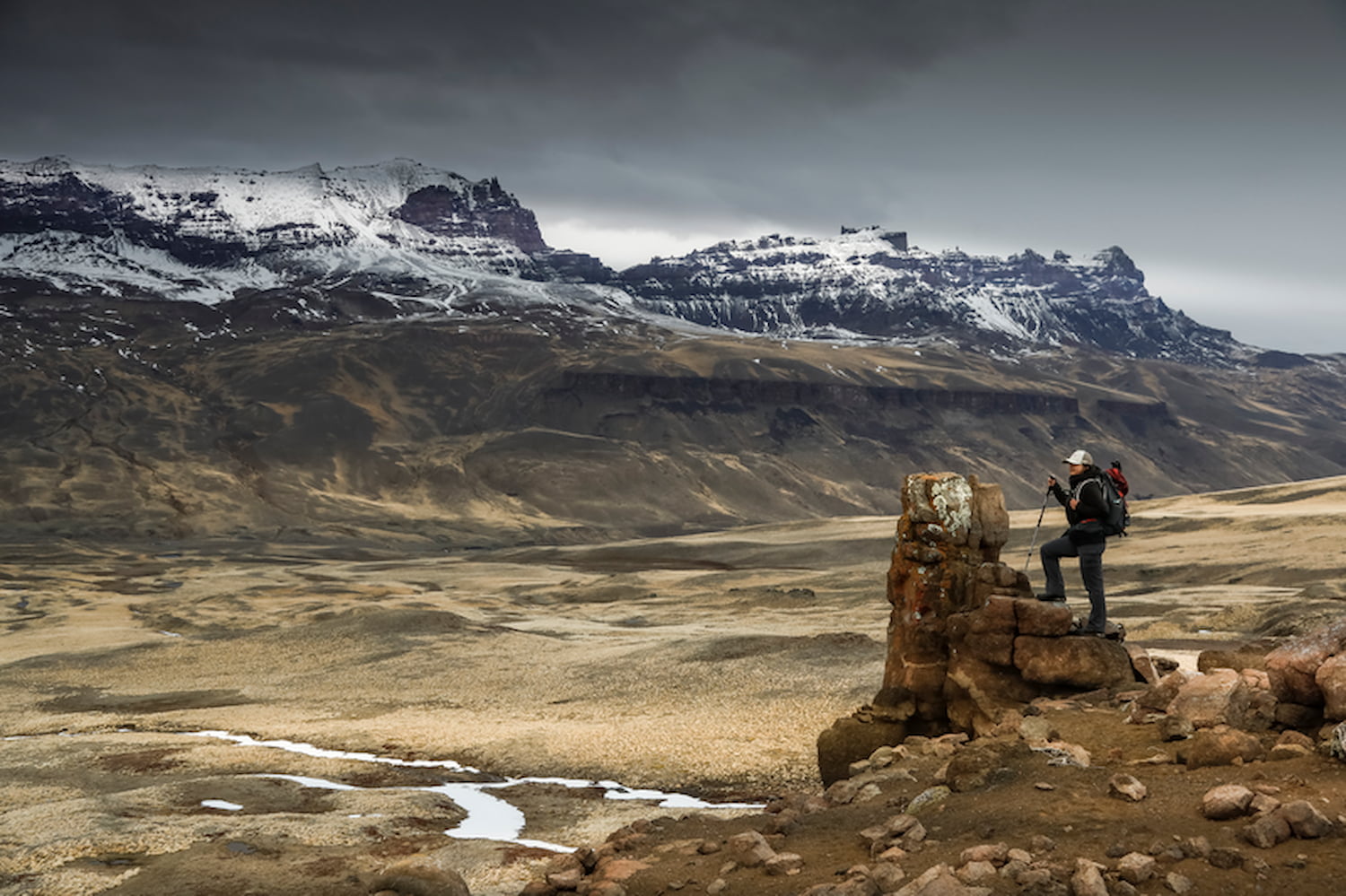
No one has ever regretted an extra day or two in Patagonia free of pre-planned activities, so make sure to include them.
Earlier than you might think: Patagonia may be colossal but lodges and estancias are not all that numerous. For peak season (December to February), we often start locking things in 9 to 12 months ahead, the reason being limited supply and consistently high demand. The best lodges are small, and the best cruise cabins are limited, while the popular refugios and park permits sell out well before the season opens. Leave it late and you can usually still go, but know you will have fewer choices about where you sleep and which routes you walk.
The shoulder season (October, November and April) is more forgiving and often offers better value, with smaller crowds in the most famous spots and a beautiful light.
“If your heart is set around a particular lodge, a specific cruise, or an Antarctica add-on, then fix your dates for that first, then plan the rest of your itinerary around it. "
--Flor Bojorquez, Patagonia Travel Specialist, Viva Expeditions
> See how months compare in our month-by-month guide to visiting Patagonia.
Transfer times are what first-time visitors underestimate most.
Patagonia is roughly the size of a small country, but not nearly as built up, which means highlights sit hours apart, with very little infrastructure between them. Internal flights connect the main gateways (and those are always time-consuming), road transfers can easily run an entire day, and crossing the border between Chile and Argentina adds its own time at customs. None of it is particularly difficult, but all of it eats into your itinerary if the connections aren't well-planned.
The logistics of planning a trip to Patagonia is the reason we steer most people away from a fully self-driven trip on a first visit, and toward a planned itinerary where the transfers and timings are handled for you by experts. This way, the distances are planned to become part of the experience, not a daily hurdle that does your head in.
“Much of Patagonia can be the journey itself, so some transfers … even those that take an entire day … become an integral part of the trip. The trick in Patagonia is knowing which transfers to speed through and which ones to truly enjoy.”
-- Tara Sutherland, General Manager, Viva Expeditions
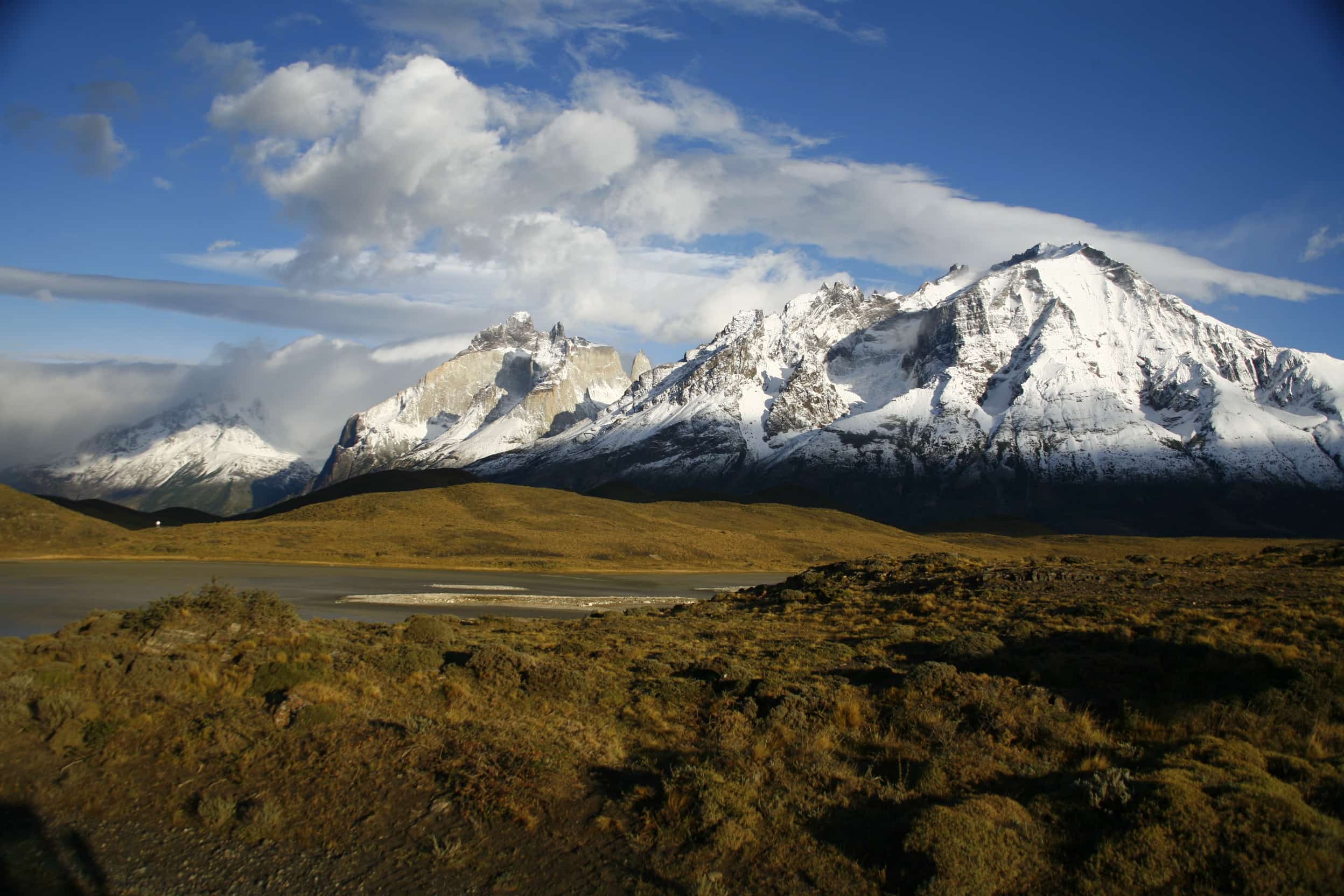
The road between the highlights is often a highlight of its own accord, Tara says. She took this spectacular photo in March, at the tail end of the high season.
Both sides of Patagonia are wonderful, and the best and most practical answer we can give is that you don't really have to choose. Still, if your time is limited and you are looking for a steer: we say lean toward the Chilean side for raw wilderness and the trekking icon that is Torres del Paine; and the Argentinian side for the Perito Moreno Glacier and lakeside towns like El Calafate, with a stronger focus on estancia stays and gaucho culture.
Most 10+ day itineraries take in a bit of each, which is exactly why we build a border crossing into so many of our trips. We dive deeper on the differences in this travel guide, but we typically tell our clients not to waste too much time agonising over Chile vs Argentina.
If you can fit both sides, do.
A few mishaps we see coming up more often than they should, most happening due to lack of experience travelling in Patagonia. Sidestep these, and your chances of a smooth trip are infinitely increased.
Trying to see too much. The #1 classic rookie mistake. Cutting your list in half and going slower, rather than racing between every highlight, almost always makes for a much better experience. True of Patagonia as it is of anywhere else.
Forgetting the transfer time idiosyncrasy. Google Maps (and all other maps) are hilariously inaccurate when it comes to calculating travel times in remote places like Patagonia. They simply consider the "speed limit + distance" to come up with an arbitrary time that never reflects the real story. Don’t trust them when planning your itinerary; the most consistent thing we have discovered is that it always takes at least twice as long to get from A to B. Remember Tara’s tip and build travel days into your plan, and make a whole day of it. Whatever you do, never assume you can arrive somewhere after a long transfer and be fresh and ready to hike.
Booking too late for peak season. Late planning narrows your options much more than your travel dates do. The best lodges and cruises fill months ahead. We can (probably) always find you something if you are booking a last-minute trip to Patagonia but it is infinitely more enjoyable for us (and you) if we can offer loads more options.
Packing for the wrong weather. Four seasons in a day is a real thing, even in the heart of the southern summer, and the howling wind can be relentless. Layers and proper wet-weather gear make all the difference. Our Patagonia packing list has the full rundown.
Assuming it’s all hardcore hiking. Plenty of the best views come on short walks, boat trips and stops on long drive days. You can shape the best hiking trails in Patagonia entirely around your preferred pace.
Here’s where planning a trip to Patagonia gets fun. The same region delivers completely different holidays depending on what you’re after, which is the heart of what travel should feel like for us.
A few starting points, by traveller type.
If the region’s iconic trails are the whole point for you, then consider W Trek in Torres del Paine the headline act, with plenty of shorter day-hike options around El Chaltén on the Argentine side. Our Patagonia trekking guide breaks down the routes by difficulty so you can pitch it right.
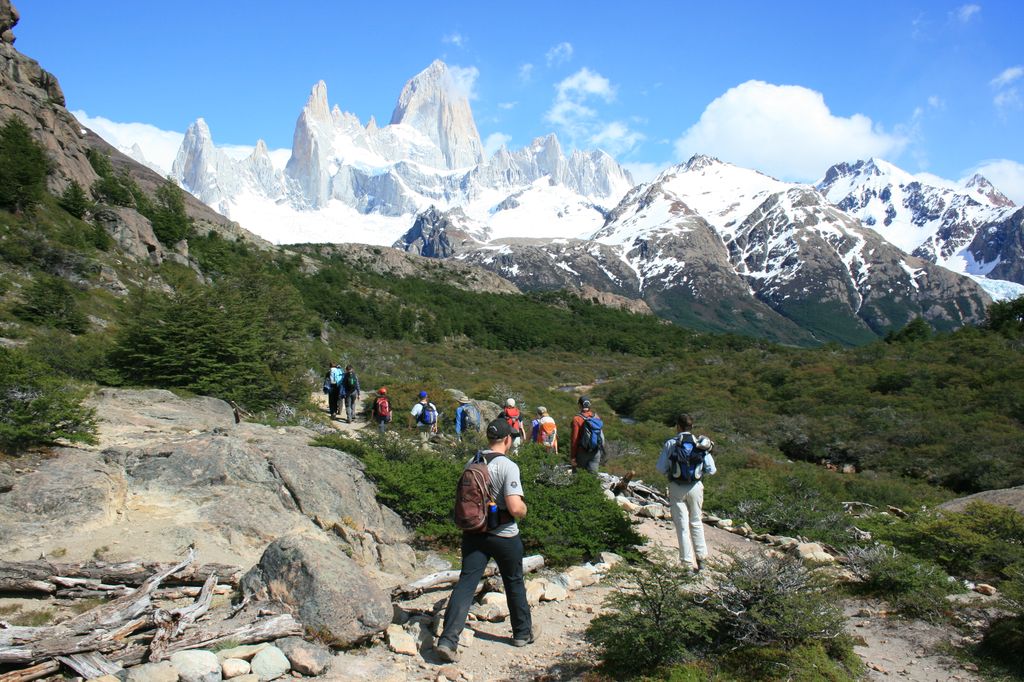
‘If you want to recommend it, then you must hike it’ is a lesser-known motto of Viva’s. Here’s our crew heading off a Laguna de los Tres trail.
If you'd rather have all the scenery without the sleeping bag, we hear you loud and clear, thanks for asking. Take a look at all-inclusive lodges like Tierra Patagonia and The Singular. Both are beyond stunning and pair guided excursions at your pace with a spa treatment (or three), fantastic food, plus a glass of something bubbly at sunset while you soak in an indoor heated infinity pool.
Yes. Patagonia can be all that, too.
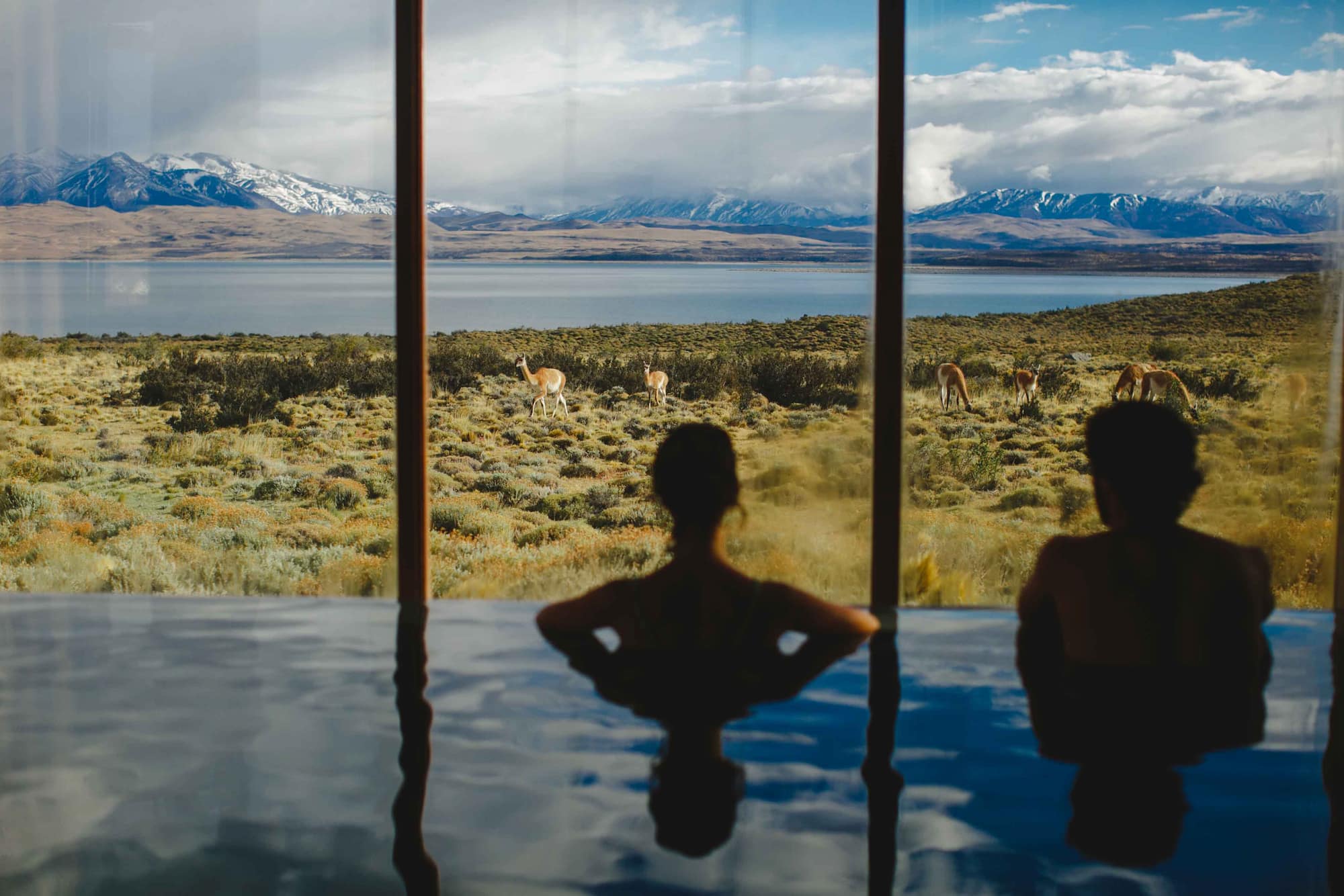
Active by day, looked after by night. If that’s not a well-balanced Patagonia experience, what is?! Ask us about an exquisite stay at Tierra Patagonia in Torres del Paine, and this could be your daily view.
Some of Patagonia's most dramatic corners are only reachable by water. A small expedition cruise, such as the Fjords of Tierra del Fuego voyage, takes you through channels and past glaciers that road travellers never get to see, often with little more than seabirds and dolphins for company. These are explorer type cruises, with Zodiac outings, experts on board to fill you in on the flora and fauna of Patagonia, and plenty of comforts, too.
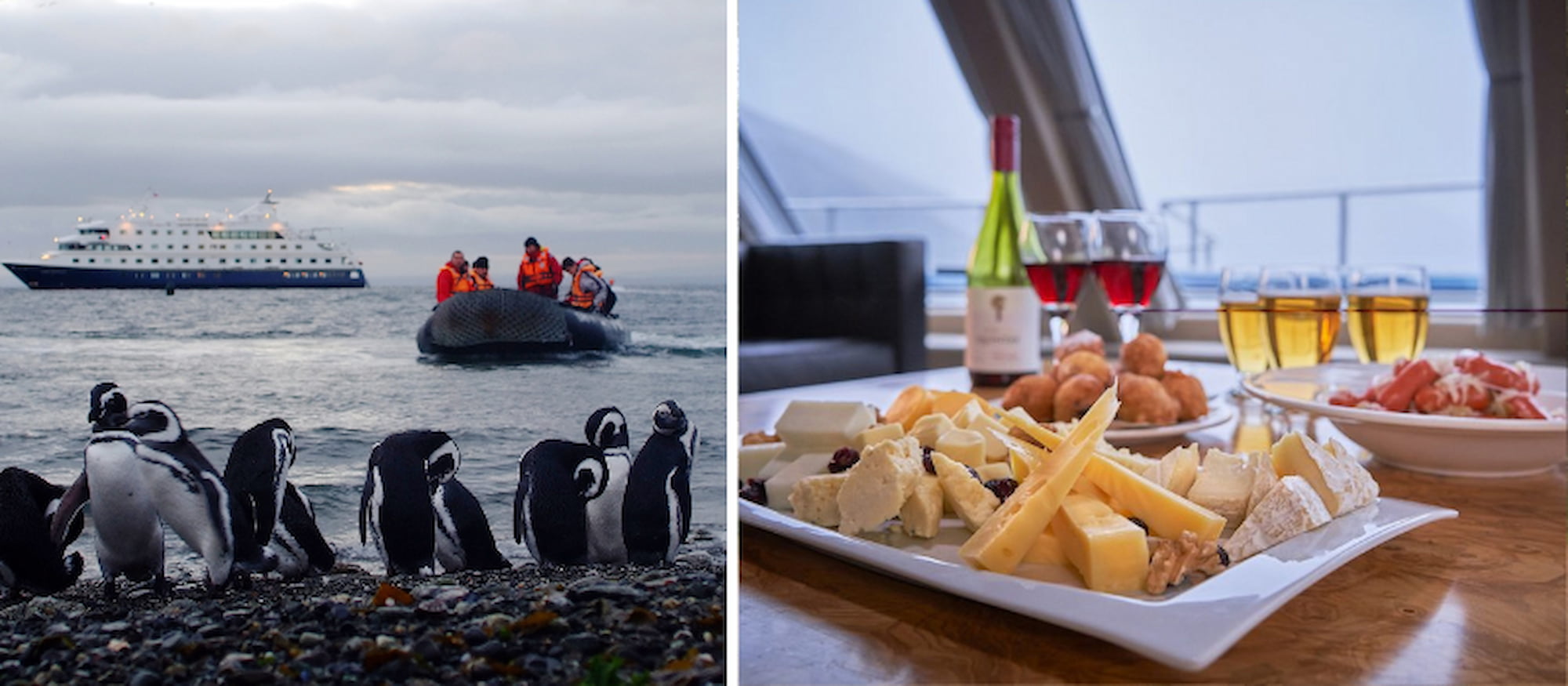
Not your average voyage: expedition cruises make for fantastic additions to Patagonia itineraries.
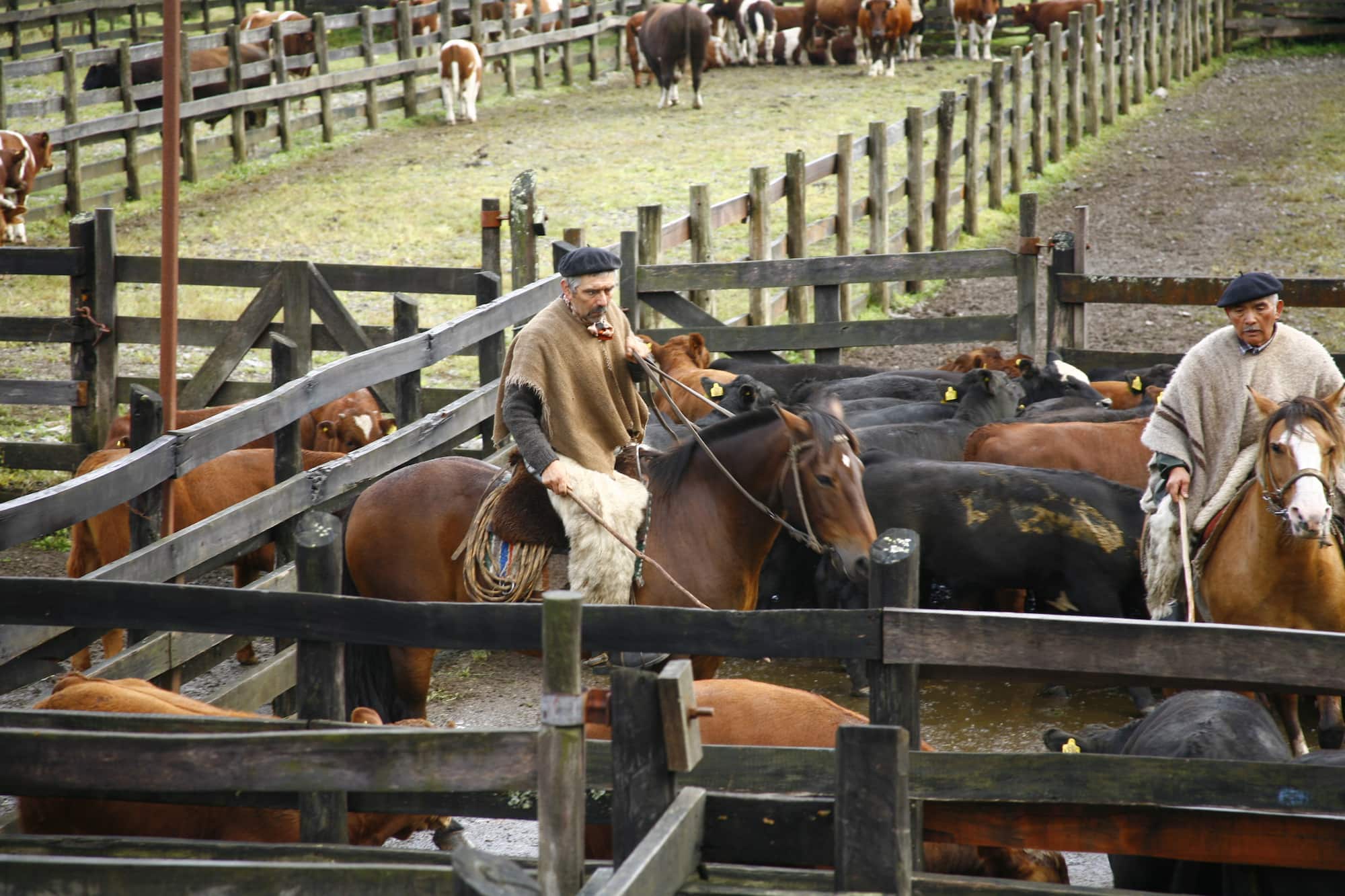
If you'd rather have a slightly less active experience, one that focuses more into the unique culture and peace of Patagonia, you'll also find a few great options. The most popular is the estancia stay, which offers a working-ranch life, traditional home cooking and horseback rides across the steppe. Then there are road journeys along the Carretera Austral, which turn the travel transfer into an experience in and of itself. And for the animal lover, we offer a stay at a unique wildlife-focused eco-camp. Perfect for anyone hoping to spot guanacos and condors, and maybe even a puma on a lucky day.
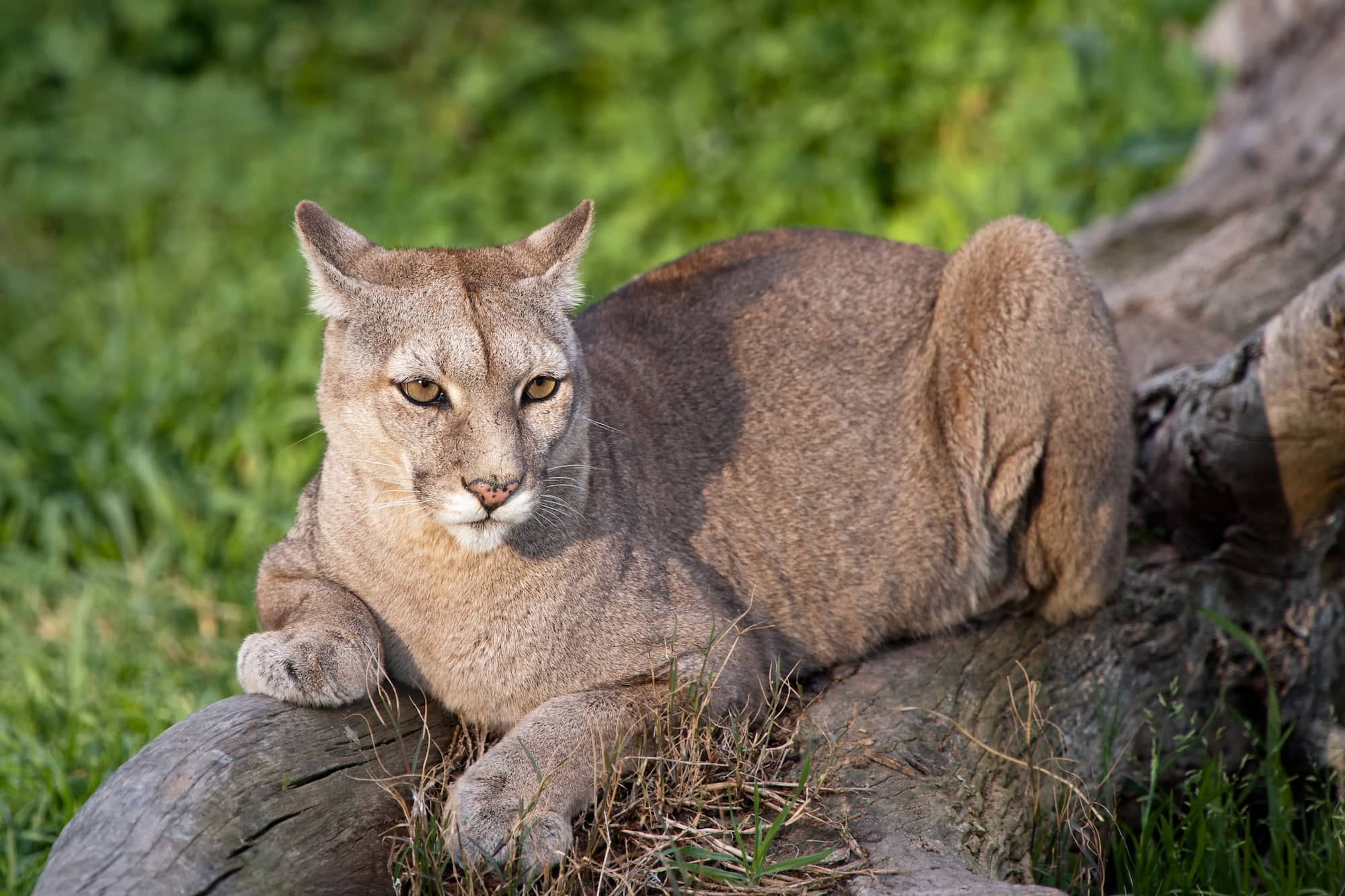
Spotting a puma in Patagonia is rare, but your chances improve on a wildlife-focused trip through the region’s remote national parks and grasslands.
Our Signature Patagonia itinerary blends several of them into one well-paced trip across both countries. It’s fantastic on its own but also ideal as a template to build from.
Patagonia is a long way to come, so it pays to think about what else you can add to your itinerary. The southernmost tip of Patagonia is the main jumping-off point for expedition cruises to Antarctica, which makes the two a natural and very common pairing. Closer to home, you can easily spend a couple of days in Santiago or Buenos Aires on the way through. A proper city break helps break up the flights and makes for a fantastic contrast to all that wilderness. Normally, we love including a couple of days on the way in and a few more on the way home. From there, the rest of South America is within easy reach if you have the time.
“If you’ve come all this way, may as well make the most of it, right? Patagonia and Antarctica combine together so easily, with Ushuaia being the launch point for most expedition cruises. The people who add it on rarely regret the extra week or two.”
-- Pia Knarston, Antarctica Travel Specialist, Viva Expeditions
If you’re travelling from New Zealand or Australia, it’s also worth planning your flights early. Our guide on how to get to South America from New Zealand covers routes and timing so the long haul works in your favour.
The reason we wrote this from our team's own trips is simple: planning Patagonia well is mostly about getting the decisions right before you go. We've walked the trails, sailed the fjords, sat through the long transfers, eaten all the food and stayed in the lodges: by now, we've figured out where the time goes and where the real value is. Tara, Flor, Bryony, Pia and the rest of the team have the kind of first-hand knowledge that turns a good Patagonia itinerary into one that's tailor-made for you and you alone.
Tell us how you want the trip to feel and roughly when you’d like to travel, and we’ll shape a route around it, sort the tricky logistics, and flag anything worth booking early.
Get in touch to start planning, or have a look through our full range of Patagonia itineraries for inspiration first.
Laura PattaraLaura Pattara writes for Viva Expeditions with a special love for all things Latin America. She had guided overland tours across the continent, reached Machu Picchu five times on foot, and even dressed up as a giant toucan for Carnaval. With a degree in languages and two decades of global travel experience behind her, Laura has a long-standing love for the Andes, soaring condors, and a truly delicious empanada. |
Our Guided “W’ Trek will take you to the magnificent Grey’s Glacier, through the imposing French Valley and to the mighty Las Torres.
Luxury Tours: We design unique luxury holidays that allow you to experience the most spectacular and remote parts of the world. From the best hotels and lodges to luxury small ship cruises and exclusive heli-tours.
Unique Stays: Explore a world of extraordinary experiences with our Unique Stays, each tailored to enrich your journey with unforgettable adventures and authentic encounters.
Snuggled into the majestic Torres del Paine landscape, Tierra Patagonia is a luxury hotel that offers a unique blend of adventure and relaxation.
Embark on an unforgettable hiking journey through the untamed beauty of Argentine Patagonia. Discover legendary peaks and breathtaking landscapes.