May to September is the best time to visit Peru for the highlands and Machu Picchu, while December to April suits the Amazon and the coast. Read on for our South America experts’ month by month guide to visiting Peru.
Working out the best time to go to Peru takes a little more thought than simply choosing a month off a generic chart. That's because the country runs on three calendars at once. While the coast is basking in sunshine and warmth, the highlands are blanketed in afternoon storms. The Amazon, meanwhile, is either flooded or drier depending on which side of June you happen to land on.
The dry highland window from May to September is widely considered the best time to visit Machu Picchu, but even what some call the worst time to visit Peru has its own rewards. Rain might hamper hiking in the high Andes (true), but those same months are prime for river cruising and animal spotting in the rainforest.
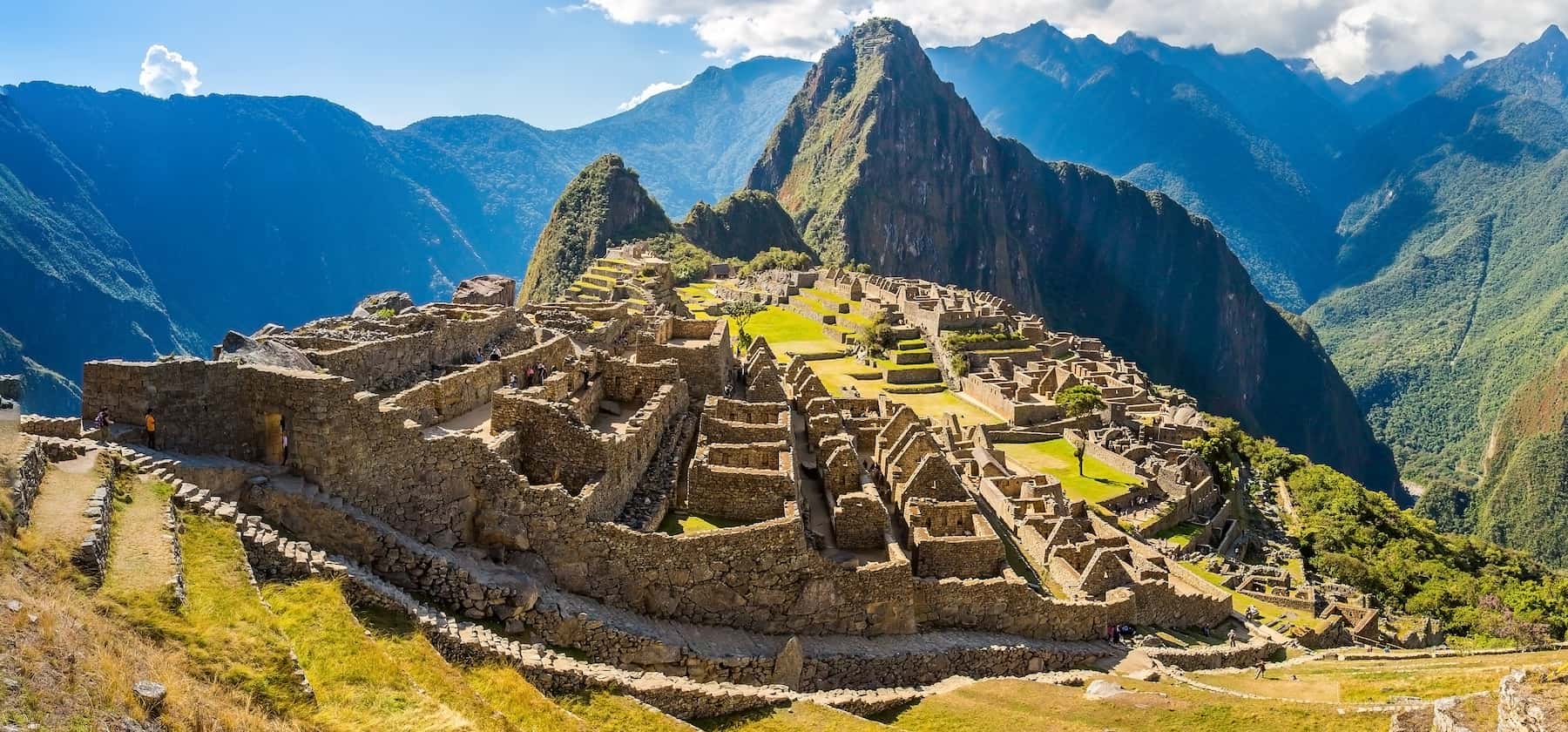
Spectacular Machu Picchu on a clear dry-season morning; the postcard view most travellers come for.
Below, we walk through Peru month by month so you can match your travel dates to the kind of trip you actually want to experience. We include all the factors we consider when planning trips for our clients throughout the year.
Here’s what we’ll cover in this guide:
Peru's climate by region
Peru month by month
The best time to visit Machu Picchu
The worst time to visit Peru (and why it's not nearly as bad as it sounds)
Festivals worth planning around
How to choose the best month to visit Peru
Peru travel FAQs
Peru's climate by region
Peru is a country of remarkable contrasts, and that's the first thing to understand about its weather. The coast, the highlands, and the Amazon each run on their own calendar, so perfect timing for one region can be not-so-ideal for another.
The coastal strip stretches from Lima down to the Nazca Desert and up past Trujillo and those amazing coastal archaeological sites. It stays warm and sunny from December through April, then turns grey and cool from May to November, when a coastal mist known locally as la garúa hangs over Lima.
The Andean highlands cover Cusco, the Sacred Valley, Machu Picchu, Lake Titicaca, and Arequipa. This region has two clear seasons: dry from May to October and wet from November to April. The dry season brings clear skies and cold nights. The wet season is warmer and far less crowded, though the rain can hamper extensive hiking itineraries.
The Amazon, whether you're heading to Tambopata, Manu, or Iquitos, stays hot and humid year-round. What changes is the water level. Wetter months from November to May lift the rivers and flood the forest floor, opening up waterways for wildlife spotting by river cruise. Drier months from June to October expose sandy beaches along the riverbank so you can explore much easier on foot.
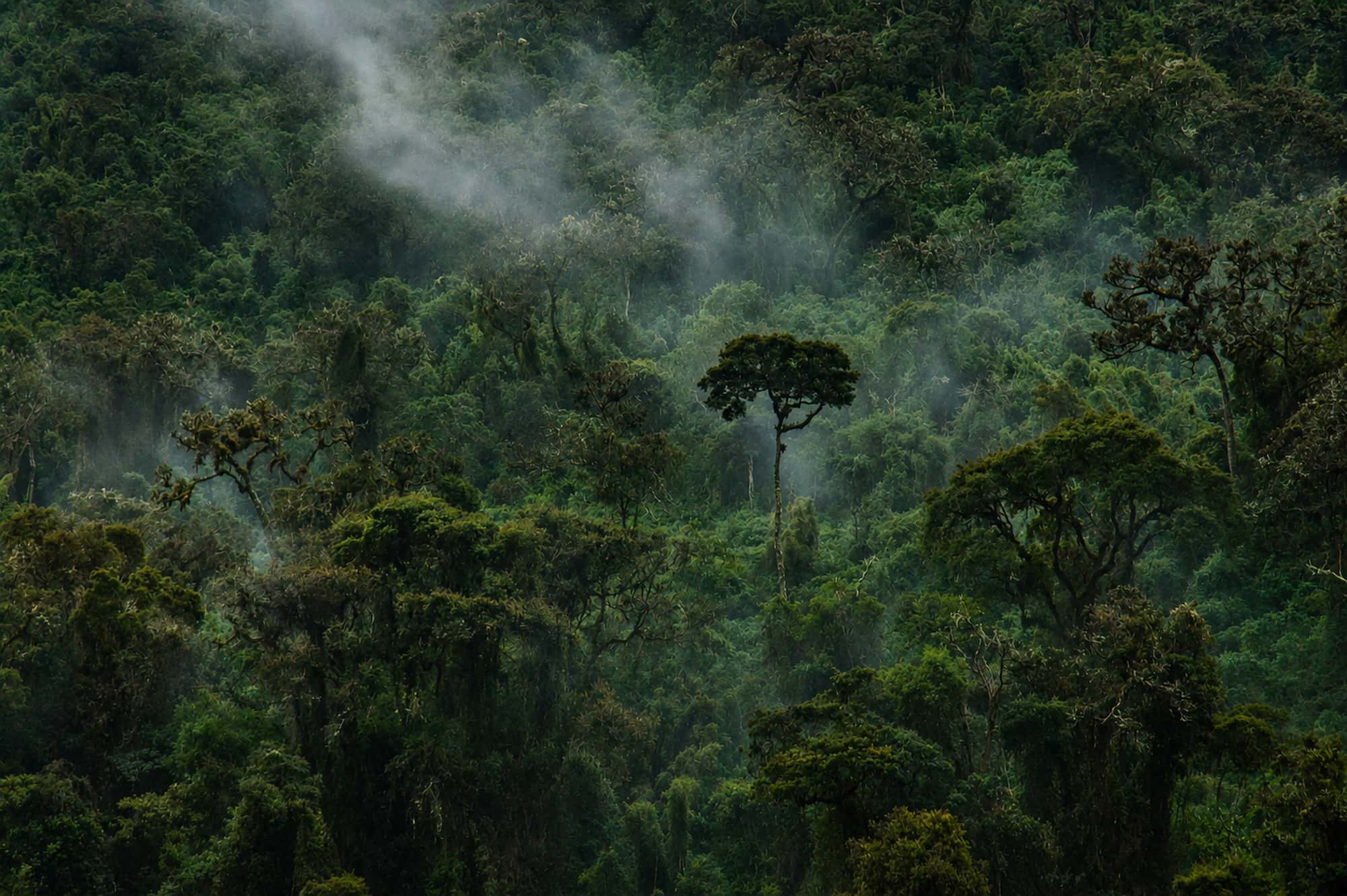
Peru's landscape shifts dramatically within a few hours of travel, and so does the weather.
Peru month by month
Here is what each month looks like on the ground, from the coast to the jungle.
January in Peru
January sits squarely in the Andean wet season. Expect afternoon downpours in Cusco and the Sacred Valley, with rare but possible disruption to day tours and train schedules. The upside is that the highlands are lush and far less crowded than they will be in June or July. On the coast, January is peak summer: Lima is sunny, the beaches are open, and Paracas is warm and dry. In the Amazon, rivers are rising fast and wildlife watching by boat is excellent. The classic Inca Trail is still open in January, though you may walk through rain. Taking the train to Machu Picchu this month is a better alternative, but don't come on a rushed plan. Have a few days up your sleeve in case of travel delays.
February in Peru
February is the wettest month in the Andes, and it is the one that earns Peru its "worst time to visit" reputation among some travellers. The classic four-day Inca Trail closes for the entire month for annual maintenance, which is the biggest reason to avoid February if that specific hike is a non-negotiable to you. Machu Picchu itself remains open, and train access runs as normal. The coast stays hot and dry through February, making it the ideal month for Paracas, the Ballestas Islands and their resident seals, and the Nazca Lines. The Amazon is in full flood. Carnival celebrations erupt across the country in mid-February, with Cajamarca hosting one of the liveliest parties in the Andes.
“February gets a bad rap, but if you're not set on the classic Inca Trail, it's a brilliant month to explore the coast and the Amazon. Paracas and the Ballestas Islands are at their best, and river levels in the jungle make for some of the most rewarding canoe journeys of the year.”
– Tara, General Manager at Viva Expeditions
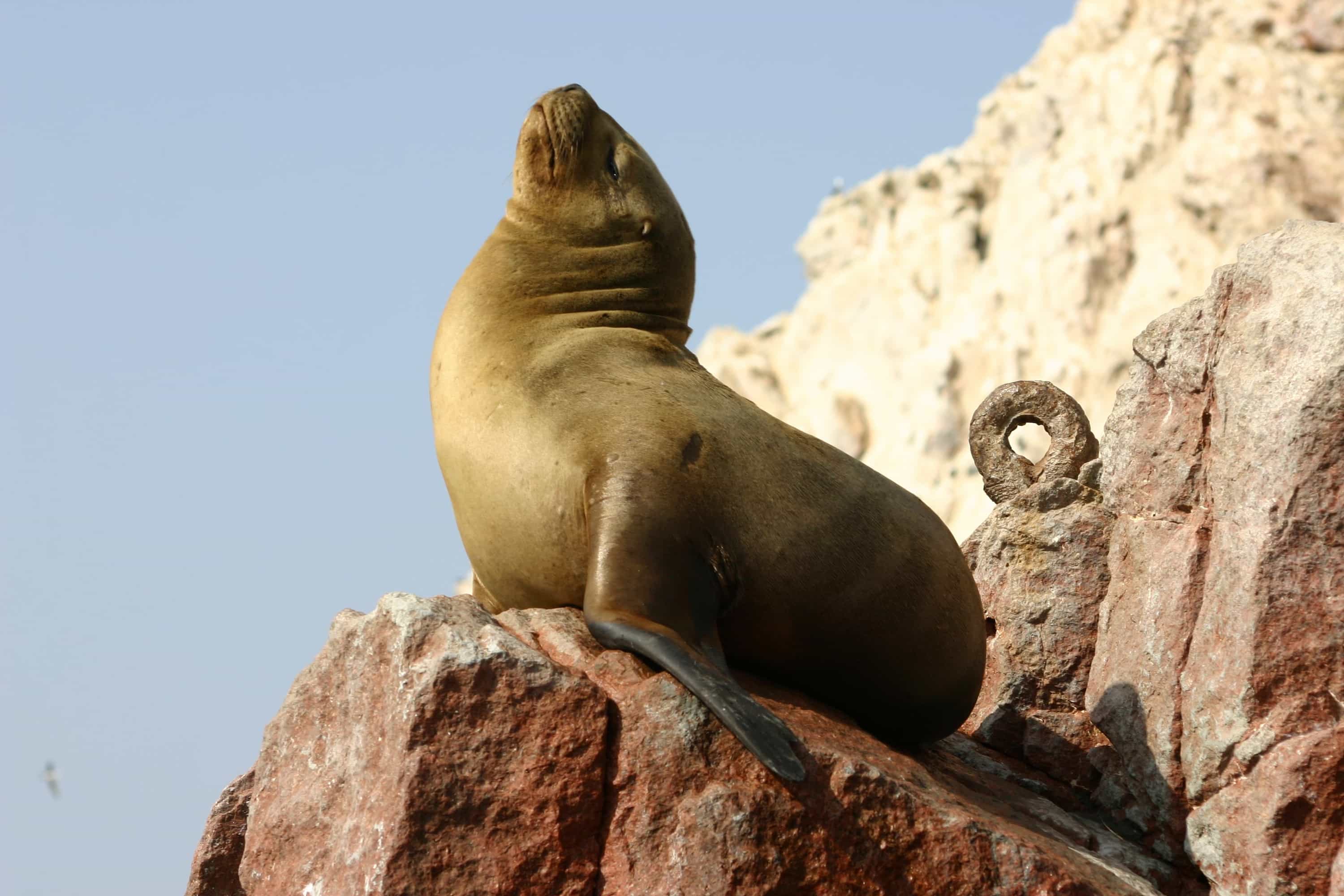
February might be the peak of rain season in the Andes, but Paracas and the Ballestas Islands are dry, sun-soaked and wildlife-rich.
March in Peru
March is a transition month. Andean rain starts to ease, though heavy showers are still common in the first half of the month. The Inca Trail reopens at the beginning of March, and those who walk it in the first two weeks often have the trail almost to themselves. Semana Santa, Peru's Holy Week, usually falls in late March or early April, and the city of Ayacucho hosts the country's most elaborate processions. The coast is warm and sunny, and the Amazon remains wet and full of life.
April in Peru
April is one of our favourites. Andean rains have mostly cleared, the landscape is at its greenest of the year, and the big crowds haven't yet arrived. Temperatures are mild, trails are muddy but walkable, and Machu Picchu is often dramatically covered in cloud forest mist that eventually lifts to reveal the ruins in spectacular fashion. Coastal weather is cooling slightly but still pleasant. April is a brilliant shoulder-season choice for anyone who wants dry weather without the July crush.
May in Peru
May marks the start of the Andean dry season, and it is arguably the sweet spot of the entire year. The big rains are done, the skies brilliantly clear yet the mountains are still lush and visitor numbers are well below peak. Nights in Cusco are cold, but days are sunny and mild. The Qoyllur Rit'i pilgrimage festival usually falls in late May or early June, drawing tens of thousands of pilgrims to a glacier high in the Andes. May is also the start of the best stretch for visiting Lake Titicaca. On the coast, the garúa mist is starting to settle across Lima and beyond.The Amazon, whether you're heading to Tambopata, Manu, or Iquitos, stays hot and humid year-round. What changes is the water level. Wetter months from November to May lift the rivers and flood the forest floor, opening up waterways for wildlife spotting by river cruise. Drier months from June to October expose sandy beaches along the riverbanks so you can explore much easier on foot.
“May is my personal favourite for Peru. The rains have just finished, the mountains are a lush green you won't see in August, and you can stand at Machu Picchu without fighting for your spot at the classic viewpoints.”
– Rachel, Managing Director at Viva Expeditions
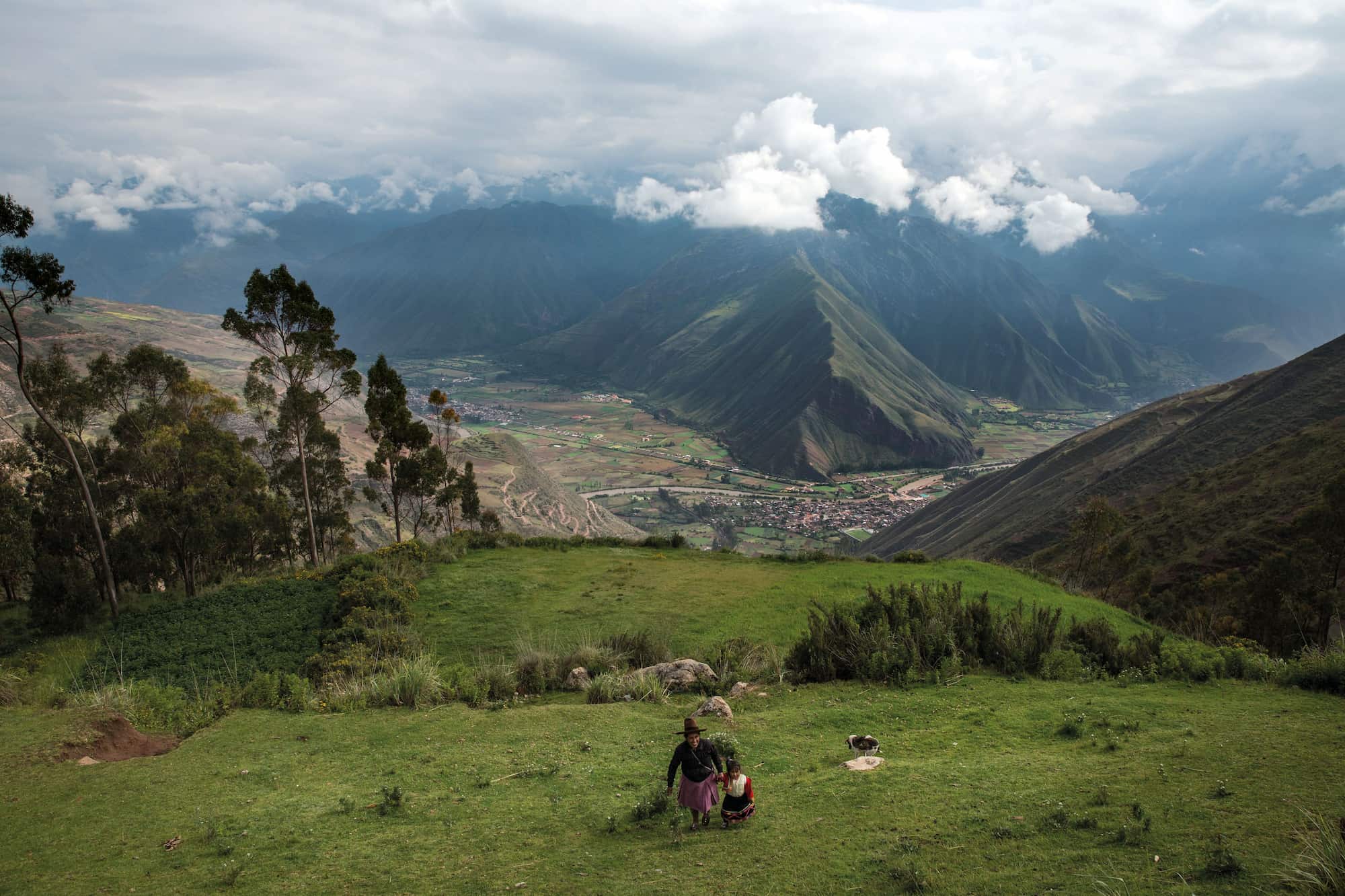
May delivers green slopes, thinning clouds, and a Sacred Valley that hasn't yet filled up for the year.
June in Peru
June opens Peru's peak tourist season. Cusco buzzes with travellers from every continent, and the city's big moment arrives on 24 June, when the reconstructed Inti Raymi festival takes over Sacsayhuamán with elaborate Inca-era ceremonies, colourful costumes, and a theatrical sun worship tribute that draws huge crowds. Nights are cold at altitude, and frost is possible in the Sacred Valley before dawn, but the dry skies are reliable enough for multi-day hiking. The Amazon is heading into drier territory, which means walking trails become easier.
July in Peru
July is the busiest tourist month of the year in Peru, a combination of idyllic weather in the highland, summer vacation time in the northern hemisphere, and a full festival calendar. The Inca Trail runs at full capacity this month and Fiestas Patrias, the country's independence celebrations, is celebrated all over the country, with parades, street food, and national pride in abundance. On 16 July, the remote Andean town of Paucartambo hosts the extraordinary Virgen del Carmen festival, featuring masked dances and processions over three days. We regularly see July Inca Trail permits sell out 5–7 months in advance.
“The one piece of advice we give every client heading to Peru in June or July is to book early. Machu Picchu permits, the best Sacred Valley hotels, the good train seats… they all go months ahead, and the closer to departure you leave it, the fewer options we have to work with.”
– Beke, Destination Specialist at Viva Expeditions
August in Peru
August is dry, bright, and still extremely busy. Weather in the Andes is at its most reliable for trekking, and both the classic Inca Trail and alternative routes such as the Salkantay and Lares are running at full capacity, too. Nights remain cold in Cusco, but daytime temperatures are pleasant and you’ll hike in a T-shirt in the middle of the day. The coast is still grey with garúa fog in Lima, though you will find sunshine further south in Paracas and north in Máncora, where the best surfing spots are to be found. In the Amazon, water levels continue to drop, making August an excellent month for lodge-based visits and wildlife walks. July and August are when we see peak hotel rates in Cusco and the Sacred Valley.
September in Peru
September is an absolute hidden gem. The dry season continues, the crowds begin to thin, and hotel rates across Cusco and the Sacred Valley soften considerably. The weather is broadly similar to July and August, with clear days and cold nights, but the atmosphere is much calmer. For travellers who can wait until later in the year, September delivers an outstanding balance of weather and value.
October in Peru
October marks the very end of the dry season in the highlands. Skies remain mostly clear, but the first afternoon showers begin to creep in towards the end of the month. Crowds are at their lowest since April, and the country feels far less rushed. October is also a fine time for the Amazon, with wildlife concentrated around receding water sources. The coast is starting to warm again. Lima's Señor de los Milagros celebrations, one of the largest Catholic processions in South America, take place throughout October.
November in Peru
November is another transition month, with highland rains becoming more frequent but not yet daily. Mornings in Cusco are often bright and clear, with showers arriving in the afternoon. Crowds are low, rates are good, and the landscape is starting to turn green again. The coast is heating up nicely for summer, and the Amazon begins its wet-season rise. November is one of our favourite shoulder months for first-time visitors who want solid weather at sensible prices without the sardine-tin feeling of July.
December in Peru
December brings the rains back to the Andes, but they are typically afternoon events rather than all-day downpours. Cusco at Christmas is atmospheric, with nativity scenes, midnight Mass, and the enormous Santurantikuy handicrafts market on Christmas Eve. The coast is in full summer swing, beach towns are filling up with Peruvian holidaymakers, and Lima is warm and bright. The Amazon is wet and wonderful, yet again. December is also a popular month to combine Peru with other South American destinations, particularly Patagonia.
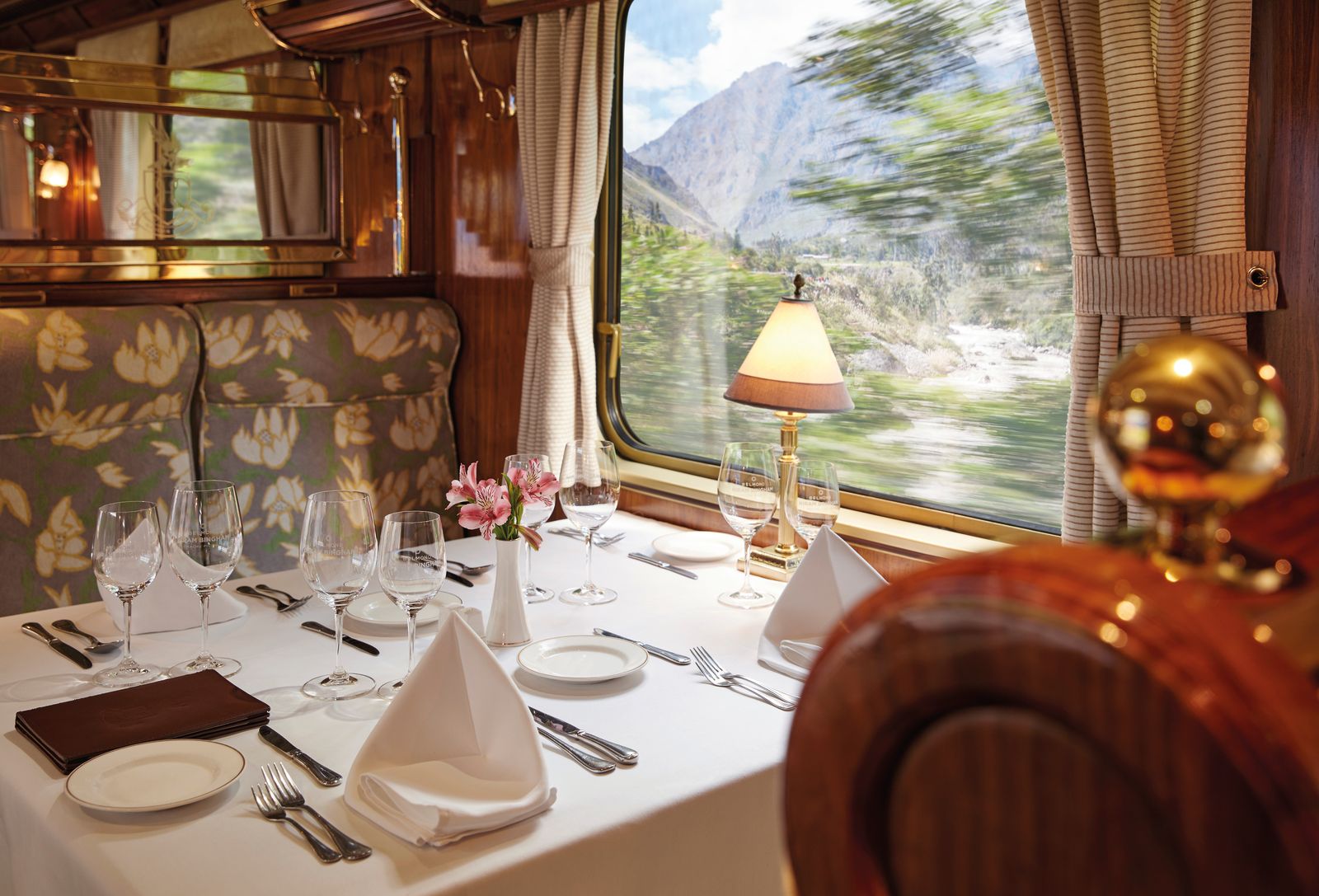
Hiking trails to Machu Picchu are soggy and slippery in December. Luckily, there is a stunning alternative: the Belmond Hiram Bingham luxury train that takes you all the way to the Inca citadel.
The best time to visit Machu Picchu
If Machu Picchu is the anchor of your trip, aim for May through September. These months offer the driest conditions, the clearest skies, and the most reliable views. Within that window, May and September specifically stand out for fewer crowds, while June, July, and August deliver the most consistent weather but the highest prices and the biggest queues.
For those willing to risk a shower or two in exchange for solitude, April and October are wonderful bets. Machu Picchu sits in a cloud forest ecosystem, and the shoulder months often produce the most atmospheric photography, with mist drifting through the ruins at sunrise. Our full guide to visiting Machu Picchu walks through the new circuit system and ticket logistics in more detail.
As mentioned above, the classic Inca Trail closes throughout February, so if that specific four-day trek is part of the plan, avoid that month. Alternative treks, including the Salkantay Lodge-to-Lodge route, Lares, and Choquequirao trails, run year-round, though to be honest, all are much more enjoyable in the dry months. Train access to Aguas Calientes and entry to the citadel itself are available every month of the year apart from isolated maintenance days, but we typically know of those in advance.
If you want to explore the options for reaching the ruins, take a look at our Signature Peru with Classic Inca Trail itinerary, and we can talk you through what suits your travel dates.
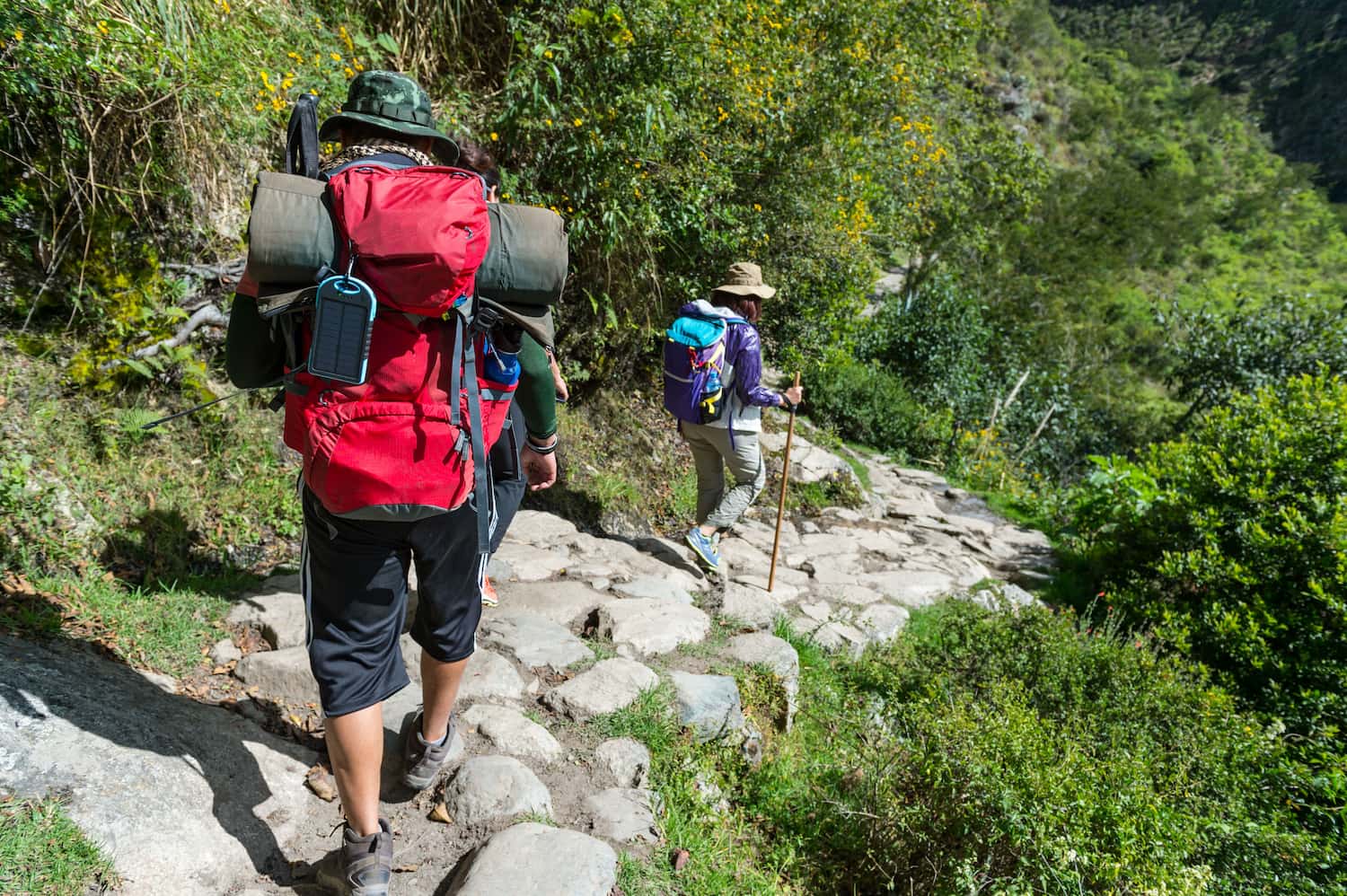
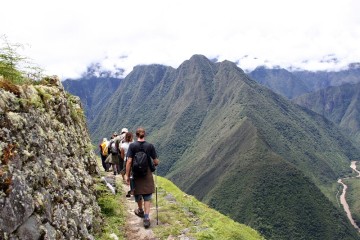
Trekking in the Andes is more comfortable in dry season. If you want a less-trodden path, ask about alternative Inca trails that are just as rewarding, all leading to Machu Picchu.
The worst time to visit Peru (and why it's not nearly as bad as it sounds)
If you are chasing the driest, sunniest, most postcard-perfect Machu Picchu experience, February is the month to avoid. The Inca Trail is closed, rain is heaviest in the highlands, and landslides occasionally disrupt the rail line to Aguas Calientes. January and early March are not far behind in terms of weather risk.
That said, we're careful about labelling any month the worst time to visit Peru, because as you know now, Peru is not a one-region country. While the Andes are wet in February, the coast is at its most gorgeous, Paracas and Nazca are baking in sunshine, and the Amazon is in its productive flood season. If you are flexible about your itinerary, Peru in February can deliver an outstanding trip that simply looks different from a July version.
The other caveat worth mentioning is altitude sickness, which has nothing to do with the calendar and everything to do with how quickly you ascend. Whatever month you travel in, give yourself two nights in Cusco or the Sacred Valley before tackling Machu Picchu, and take it easy on day one.
Festivals worth planning around
Peru's festival calendar is rich, and for many travellers the experience of being in the country during a major celebration becomes the highlight of their trip. A handful of the most memorable:
-
Inti Raymi (24 June, Cusco): The reconstructed Incan festival of the sun, held at Sacsayhuamán above Cusco with elaborate costumes and choreographed ceremonies.
-
Fiestas Patrias (28 and 29 July, nationwide): Peru's independence celebrations, with plenty of parades and fireworks.
-
Virgen del Carmen (15 to 18 July, Paucartambo): A rural Andean festival featuring masked dances that really has to be seen to be believed.
-
Semana Santa (late March or early April, nationwide): Holy Week processions, particularly spectacular in Ayacucho and Cusco.
-
Señor de los Milagros (October, Lima): One of the largest Catholic processions in the Americas, colouring Lima's streets purple for much of the month.
-
Qoyllur Rit'i (late May or early June, near Cusco): A high-altitude pilgrimage drawing tens of thousands of worshippers to a sacred glacier near Cusco.
If any of these appeal, let us know early, and we can build your itinerary around them.
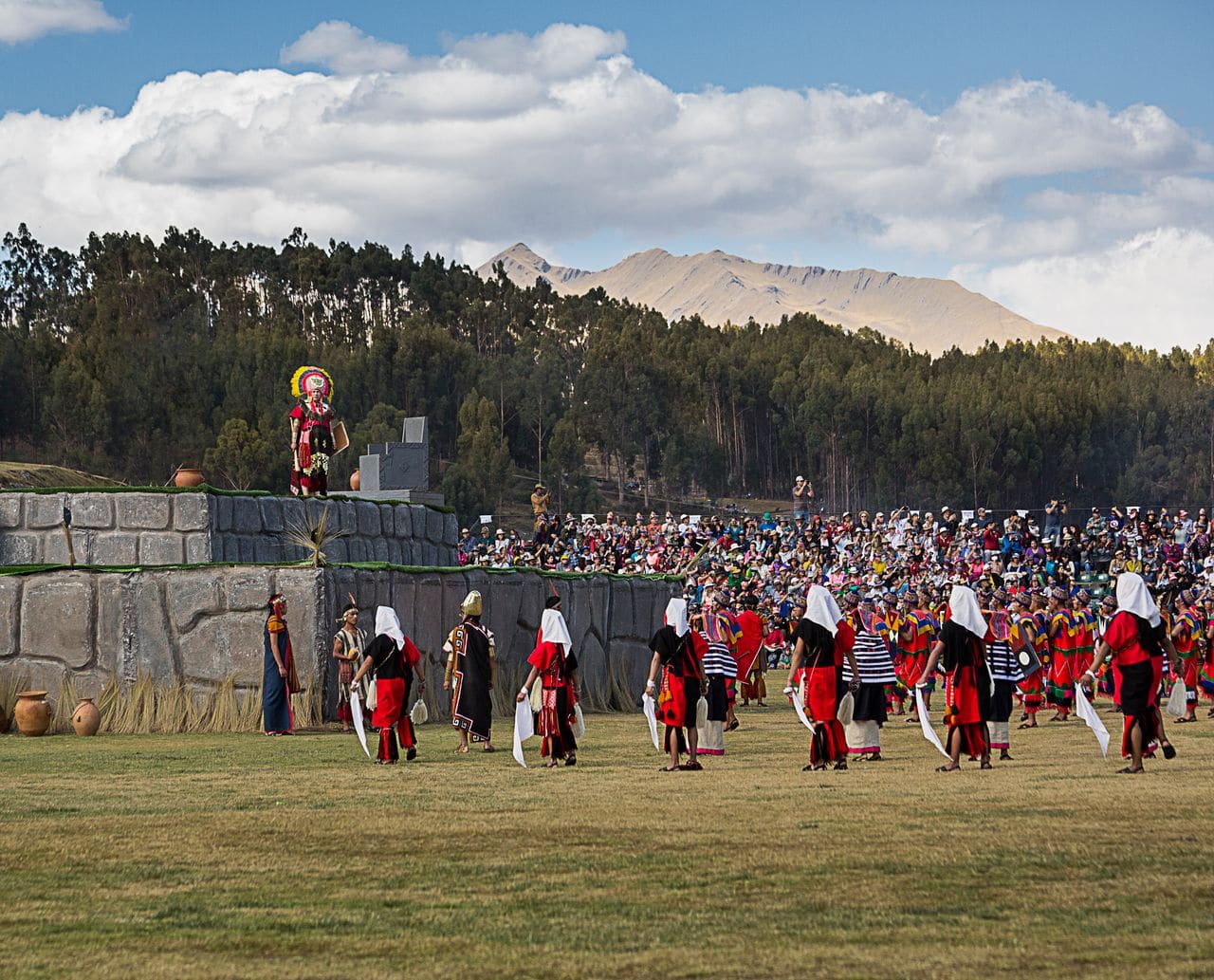
The Inti Raymi in Cusco brings the Inca sun festival to life each June with jaw-dropping, large-scale performances.
How to choose the best month to visit Peru
Newsflash: not every traveller wants the same Peru. Here is a quick way to narrow it down based on what matters most to you.
-
If Machu Picchu and the Inca Trail are a must: aim for May, June, September, or October. You will get dry weather with fewer people than peak. Our Signature Peru tour covers the highlights in comfort and at a leisurely pace.
-
If wildlife in the Amazon is the priority: consider November through April when river levels are high and canoe access is excellent. Water levels drop from June to October, which is better for jungle hikes and riverside beaches. Overall, high-water levels mean wildlife is more dispersed, but you can explore further by boat, while lower water levels concentrate animals along riverbanks. Our Tambopata Research Centre stay sits at the deep end of remote, offering an immersive experience.If you want to add Lake Titicaca: May to October offers the most reliable weather on the lake, with crisp mornings and bright afternoons. Have a look at our Lake Titicaca add-on to see how it slots in after Cusco.
-
If cost matters more than perfect weather: November and April are shoulder-season gold. You will save on hotels, flights, and tours, and the weather is still mostly cooperative.
“My favourite time of year in Peru is April or May, during the shoulder season. In places like Cusco, the landscape is still beautifully green after the rains, the dry season is just beginning, temperatures are comfortable, and there are far fewer tourists around.”
– Flor, Peru Specialist at Viva Expeditions
One thing to keep in mind is how quickly options can narrow in peak periods. Around Fiestas Patrias in late July, for example, we often see domestic flights fill up and hotel rates in Cusco climb sharply, which makes last-minute planning much harder.
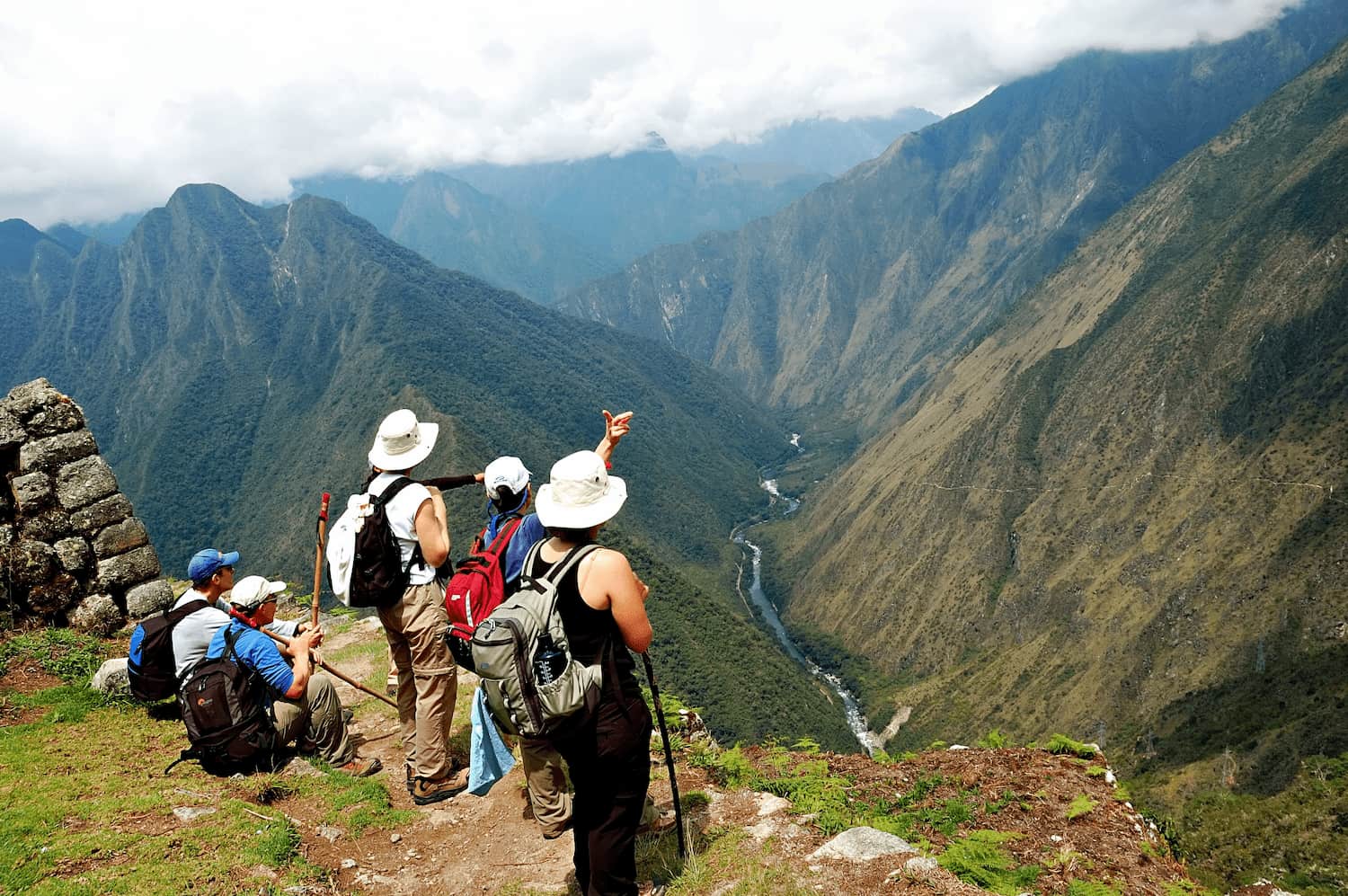
Shoulder season in the Peruvian Andes: same mountains, some clouds, but fewer boots on the trail.
Peru travel FAQs
How many days do you need in Peru?
Ten to fourteen days is the sweet spot for a first visit. That gives you enough time to acclimatise in Cusco, spend a few days at Machu Picchu and the Sacred Valley, and add either the Amazon or Lake Titicaca on the back end. Seven days is workable if Machu Picchu is the sole focus, though the pace will feel somewhat rushed.
Do I need a visa to visit Peru?
Most travellers from the UK, EU, Australia, New Zealand, Canada, and the US do not need a visa for stays under 183 days and will receive a tourist entry stamp on arrival. Always check your specific passport's requirements before booking, as rules can change.
How far in advance should I book Machu Picchu?
For travel between June and August, we recommend booking eight to 10 months ahead, particularly if you want the classic Inca Trail (permits are capped at 500 per day, including guides and porters). Shoulder months are more forgiving, though four to six months lead time is still sensible.
Is altitude sickness a problem in Cusco?
It can be, and it catches plenty of visitors off guard. Cusco sits at 3,400 metres (11,154 feet), and most people feel short of breath and headachy on day one. Rest on arrival and drink plenty of water. Starting your trip in the lower Sacred Valley at 2,800 metres (9,186 feet) is a smart way to help your body adjust more gradually.
What is the cheapest month to visit Peru?
November and early December offer the best value in the highlands. You will save on hotels and internal flights, and the weather is usually workable with afternoon showers rather than all-day rain. February is cheaper again, but the heavier rains and Inca Trail closure make it a riskier bet for a first visit.
Is Peru safe for tourists?
Peru is generally easy and safe to explore, especially along the classic route between Lima, Cusco, and the Sacred Valley. Most issues are petty and predictable. In busy areas like markets, bus stations, and city centres, keep your phone out of your back pocket and avoid carrying everything in one place. Taxis should be booked through your hotel or a trusted app rather than flagged down on the street. In Cusco and smaller towns, you will quickly find that things feel relaxed and routine, particularly once you are out on guided excursions or staying in well-run lodges. Our Peru safety guide covers the current situation in more detail.
“Our clients rarely run into issues, and when they do, it is almost always something easily avoided with a bit of awareness in crowded spots.”
– Flor, Peru Specialist at Viva Expeditions
Ready to plan your Peru adventure?
There are many places the world over that can be visited at peak season with very little planning. Peru is not one of them. Our team at Viva Expeditions can help you plan your dream trip, matching your travel dates to the right itinerary and booking everything with plenty of lead time. We have been sending travellers to Peru for two decades, and we know exactly how different each month feels on the ground.
Browse our Peru tour range, or get in touch with one of our Destination Specialists. We will help you choose the right month, the right route, and the right pace for your kind of trip.
Laura Pattara
Laura Pattara writes for Viva Expeditions with a special love for all things Latin America. She had guided overland tours across the continent, reached Machu Picchu five times on foot, and even dressed up as a giant toucan for Carnaval. With a degree in languages and two decades of global travel experience behind her, Laura has a long-standing love for the Andes, soaring condors, and a truly delicious empanada.
|