How much to tip in South America? It's one of the questions we get asked most by travellers, and Kiwis and Aussies in particular tend to find it tricky. We don't really tip at home, so the whole idea feels a bit foreign. Tipping etiquette also shifts between countries and situations, which is enough to make anyone feel awkward. This tipping guide pulls together what we actually tell our travellers when they ask.
Tipping in South America is far simpler than the internet makes out, and we promise you'll have it sorted within a day or two.
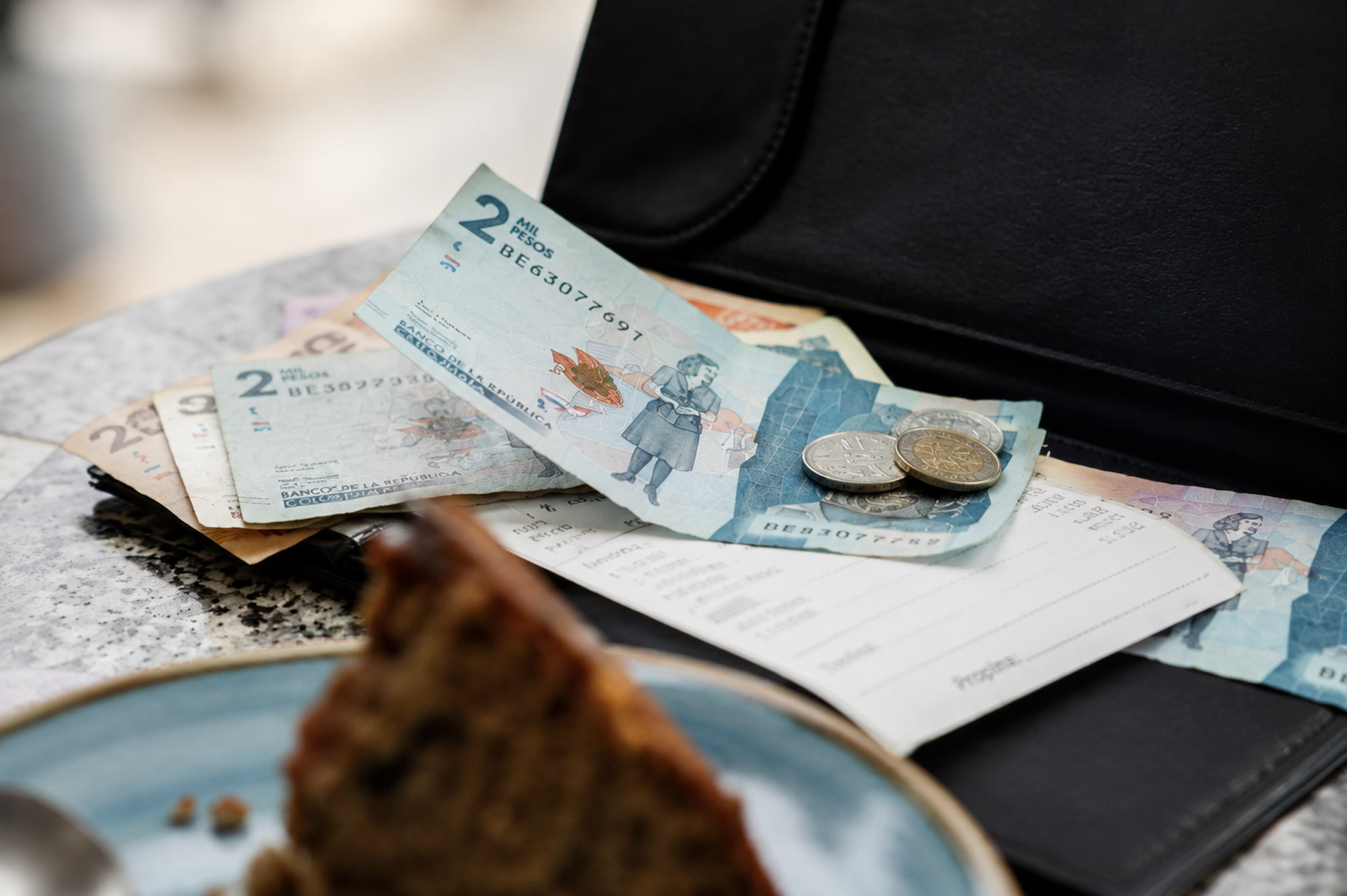
Tipping in South America is more straightforward than people expect.
Click through:
Why tipping in South America catches us out
How much to tip in South America
Restaurants and bars
Tour guides and naturalists
Drivers and transfers
Hotel staff
At Amazon lodges
On a Galapagos cruise
Cash and the practical bits
Why a small tip means more in some places
A few last thoughts on tipping etiquette
Why tipping in South America catches us out
In many parts of the world, tipping is only done occasionally. You might round up the bill if the service was lovely, but no one’s expecting it or counting on it to survive. South America isn’t quite that relaxed. Tipping’s part of the culture in restaurants and on guided trips, but it’s nowhere near the levels you’ll find in the United States, where staff rely on tips for most of their income and 20 percent is the starting point.
"A lot of the guides we work with are used to American tipping, which is on a different planet to what Kiwis would call a tip. My advice is always pretty simple. If the day was great or the dinner was particularly good, leave something, and don’t agonise over the exact amount. Our destinations get travellers from all over the world, and everyone’s working from a different baseline. Just leave what you’re comfortable with."
— Bryony Legg, Destination Specialist at Viva Expeditions
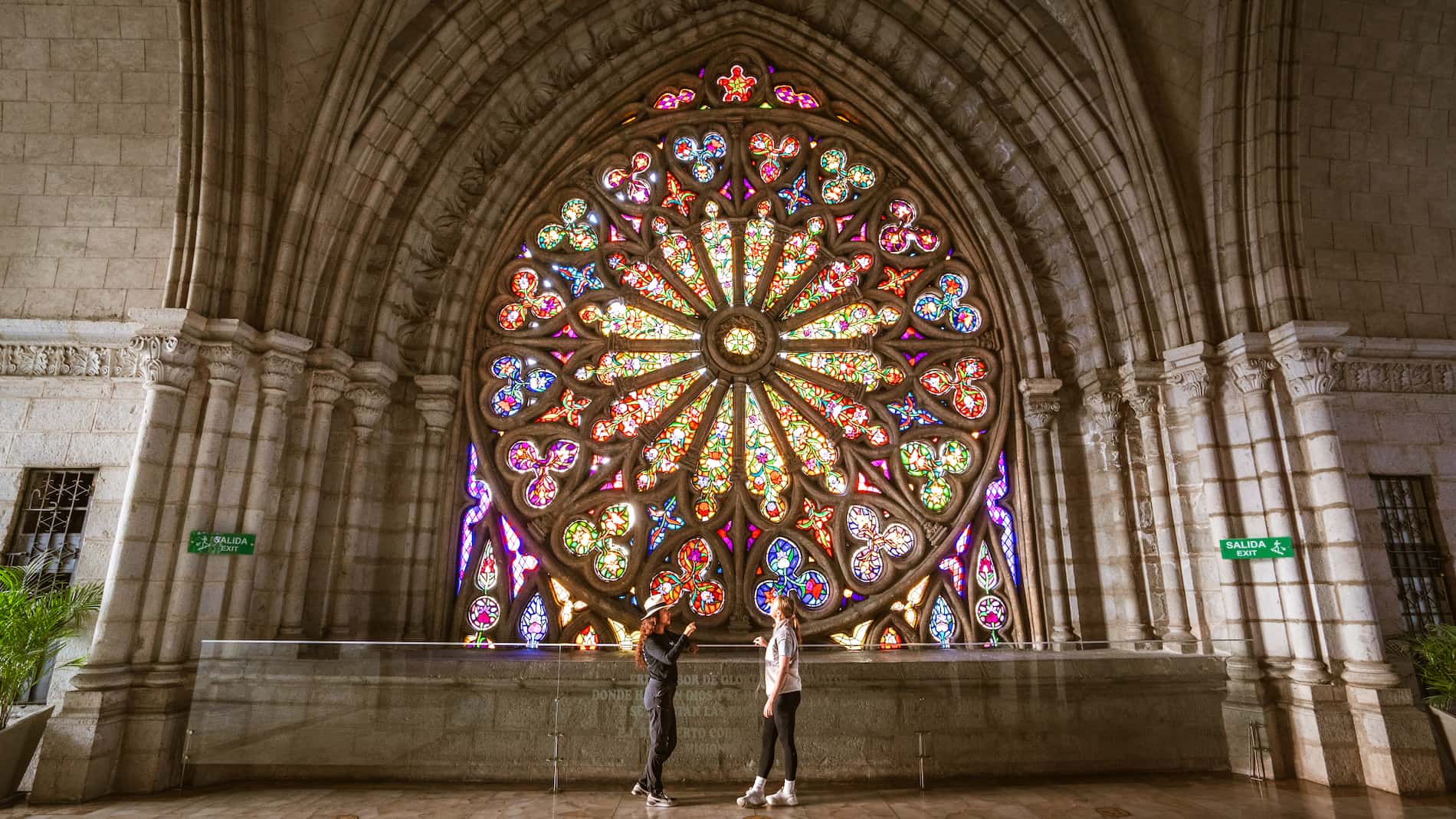
Most local guides go above and beyond to ensure you have a fantastic experience and, if they’ve made your excursion all the more special, leaving a small tip is a lovely gesture.
How much to tip in South America?
Tipping etiquette across the continent isn't as fixed as some travel sites make out. Following, are the amounts we normally quote when asked although you should treat them as a guide, not gospel. If the service was great, lift it a bit. If it was poor, leave less. You’re not insulting anyone by adjusting based on what you got.
Restaurants and bars
Around 10% is the going rate for sit-down meals across most of the continent. Plenty of mid-range and upmarket places (especially in Brazil, Ecuador and Mexico) will already have added a service charge to the bill, called something like propina sugerida, servicio, or in Brazil serviço. Except there is one catch: that service charge often doesn’t reach the waiting staff. So even when it’s on the bill, a small cash tip handed directly to your server is still appreciated, especially if the service was good.
At smaller, family-run places where there’s no service charge on the bill, leaving 10% in cash directly to the staff is the right move. Round up to a sensible amount and don’t think too hard about it.
A couple of country quirks worth knowing: in Argentina, you might see a cubierto listed on the bill. Note that this is a cover charge (for bread and a place setting), so still leave a tip. In Ecuador’s upper-end restaurants, the local custom is to add another 3 to 5% on top of the included service charge if the meal was particularly delicious.
Bars don’t really expect tips. If a bartender’s looked after you all night, or made you something properly good, by all means, slip them a couple of dollars. Chances are, your next Cuba Libre will be even more memorable.
Tour guides and naturalists
This is where most travellers get stuck. For a half-day group tour, US$5 per person works well. For a full day, make that around US$10 per person.
Specialist guides (the ones leading multi-day Amazon trips and mountain treks) deserve a bit more, perhaps US$15-20. These are people who’ve spent years getting good at what they do, and a knowledgeable guide really is the difference between a nice day and an unforgettable one.
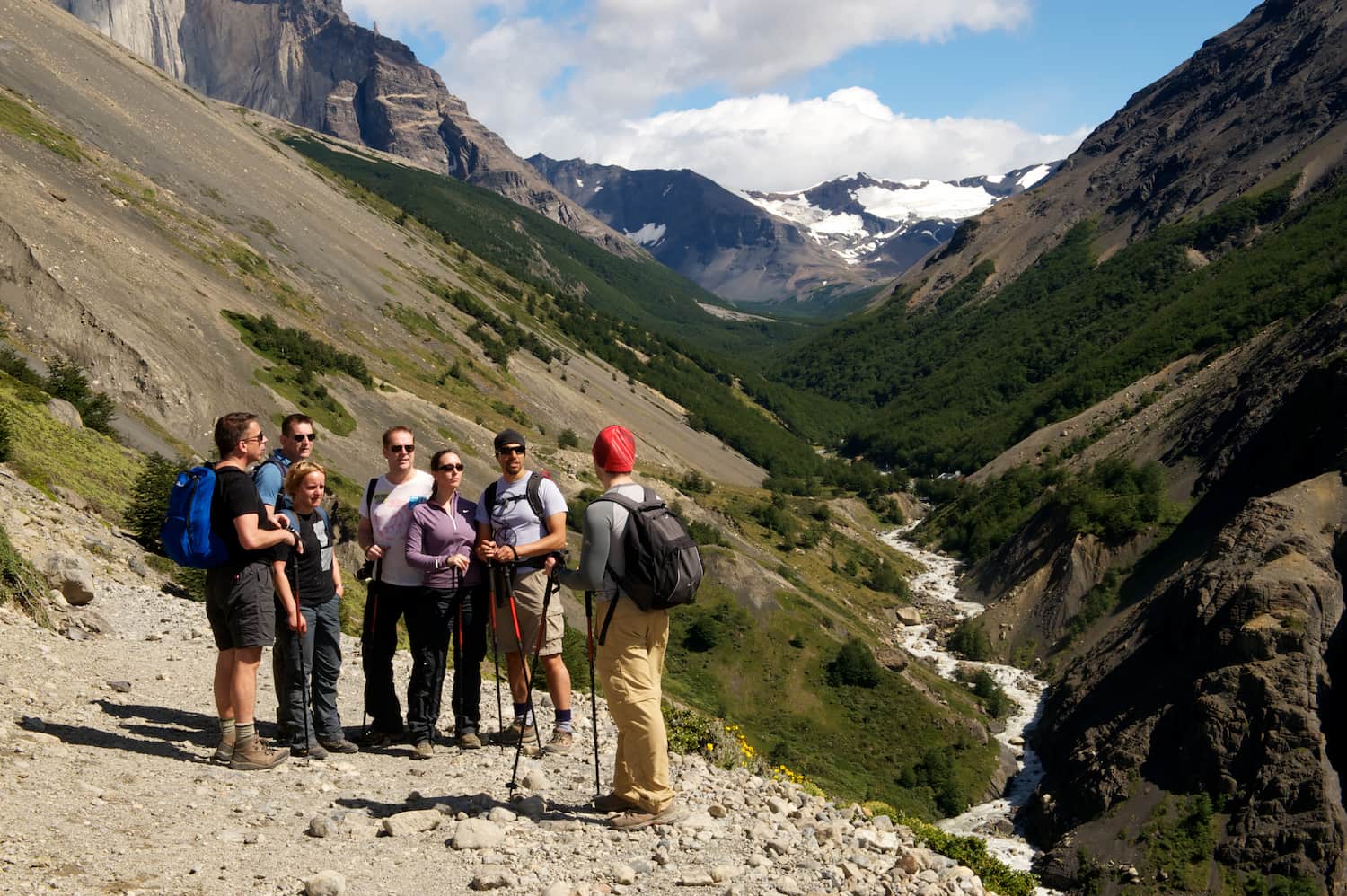
Behind every unforgettable mountain trek and river adventure are skilled guides who dedicate years to their craft, safety, and the experience of every guest.
Drivers and transfer
The airport transfer drivers we book for you don’t expect a tip. They’re paid properly by the operator and their job is to get you between the airport and your hotel. If the driver helps with bags or makes the ride especially enjoyable, offering a couple of dollars is polite, but it’s definitely not required.
Tour drivers who spend several days with your group are a different matter, however. US$2 to 5 per person per day is fair for the long hours they put in navigating the roads in South America.
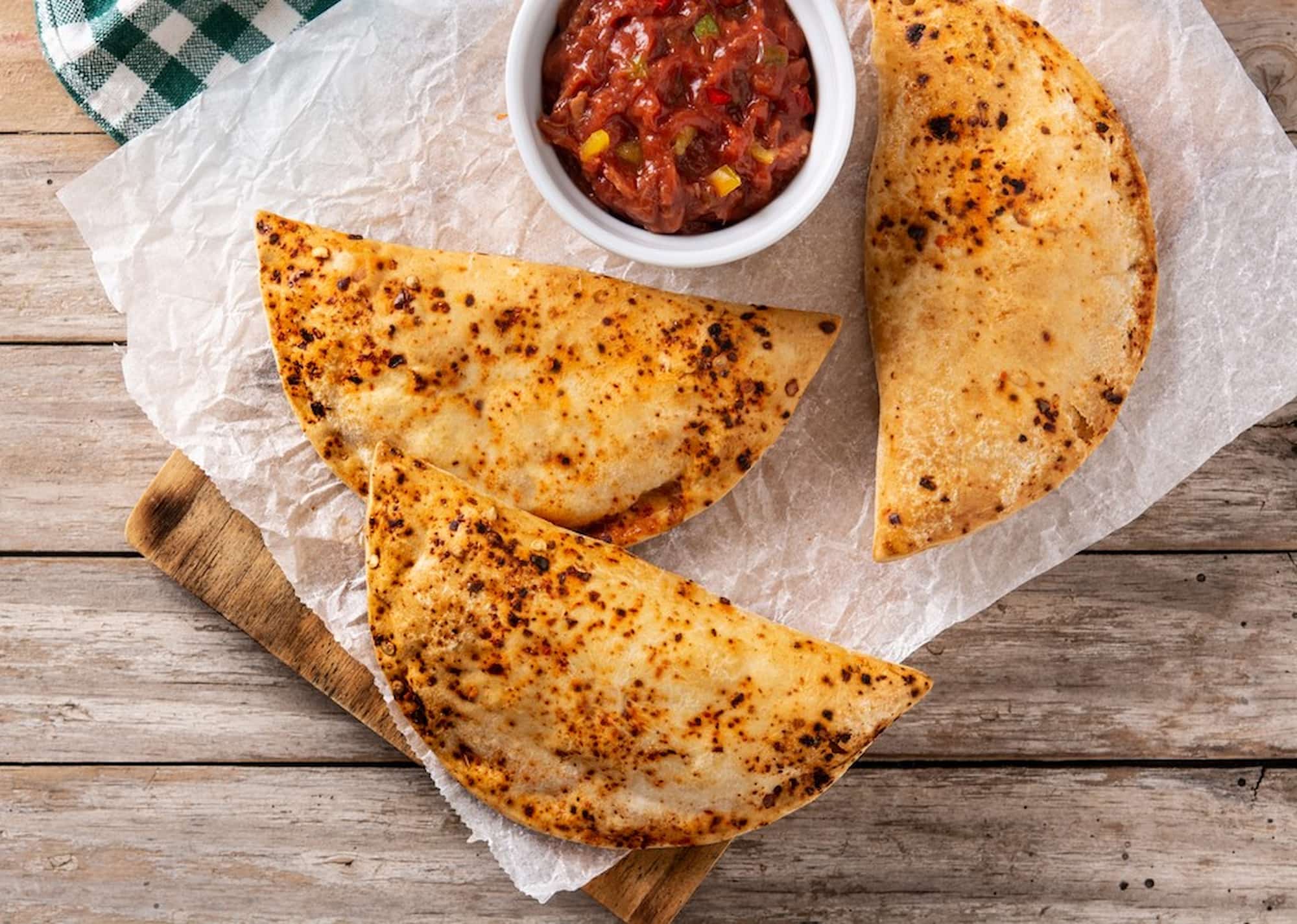
Viva tip: a driver who knows the best empanada stop on a six-hour highway run is deserving of a few extra dollars.
Hotel staff
A dollar or two per bag for porters who help with luggage, and a couple of dollars per night for housekeeping, left on the pillow before you check out. Concierge tips are usually only given for something out of the ordinary, like wrangling a hard-to-get restaurant booking or helping with a personal errand you might need.
At Amazon lodges
Most quality Amazon lodges suggest a single tip at the end of your stay, split between your guides and the rest of the team. As a rough breakdown, around US$10 per person per day for the naturalist guide and the same again for the native co-guide where one is included, plus around US$10 per person per day to be shared between the paddler, kitchen staff and other crew. Many lodges put envelopes at reception to make the splitting easy.
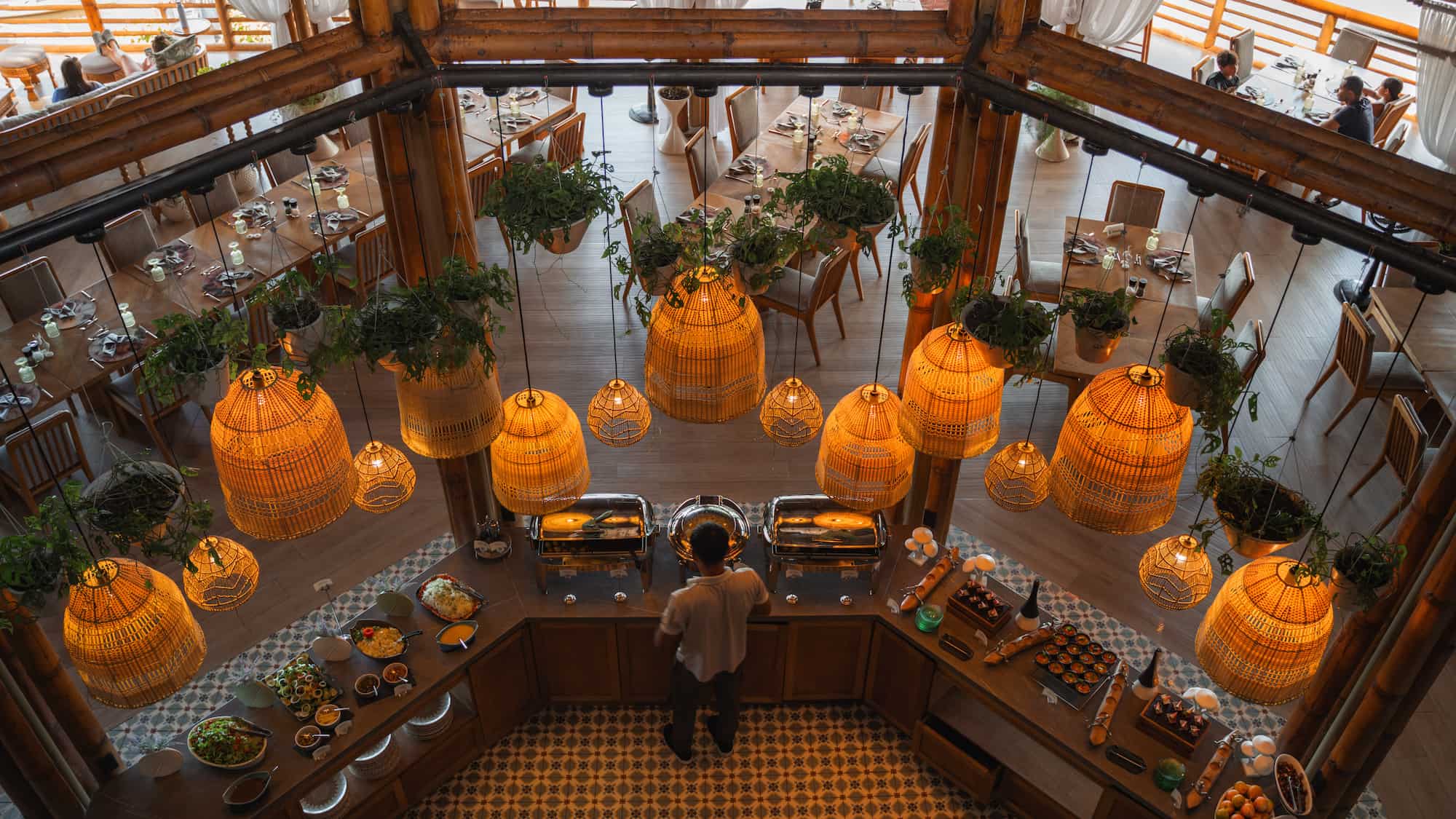
The Amazon’s beauty is unforgettable, and the people who bring it to life make the journey truly extraordinary.
On a Galapagos cruise
Galapagos cruises are where tipping adds up the most on a South America trip, and there are two very good reasons. Firstly, a cruise involves a much bigger team behind the scenes than a land-based tour. The naturalist guide, captain, deckhands, kitchen staff, housekeepers and panga drivers all share the crew tip, so the per-person figure needs to stretch further once it's split. Plus, Galapagos boats are required to hire locally, so most crew (and their families) live on the islands when they're not aboard. The cost of living out there is significantly higher than the mainland because nearly everything is flown or shipped in.
We think a good call here is to tip US$8-10 per person per day for your naturalist guide, and US$10-20 per person per day for the rest of the crew (pooled between everyone working behind the scenes, from chefs to deckhands). Most boats hand out two envelopes at the end of the cruise so you can split each tip cleanly. As a general guide, for a five-night Galapagos cruise as a couple, set aside roughly US$180 to 300 in cash between you for the full crew, with first-class boats sitting at the upper end of that range.
"Sometimes on Galapagos online forums you’ll come across suggestions of US$30 a day per person, which is more North American than South American. That’s just a suggestion, not a rule. Pay what feels fair for the service you’ve had, keeping the unique logistics in mind. The numbers we recommend are plenty for an outstanding crew."
— Tara Sutherland, General Manager at Viva Expeditions
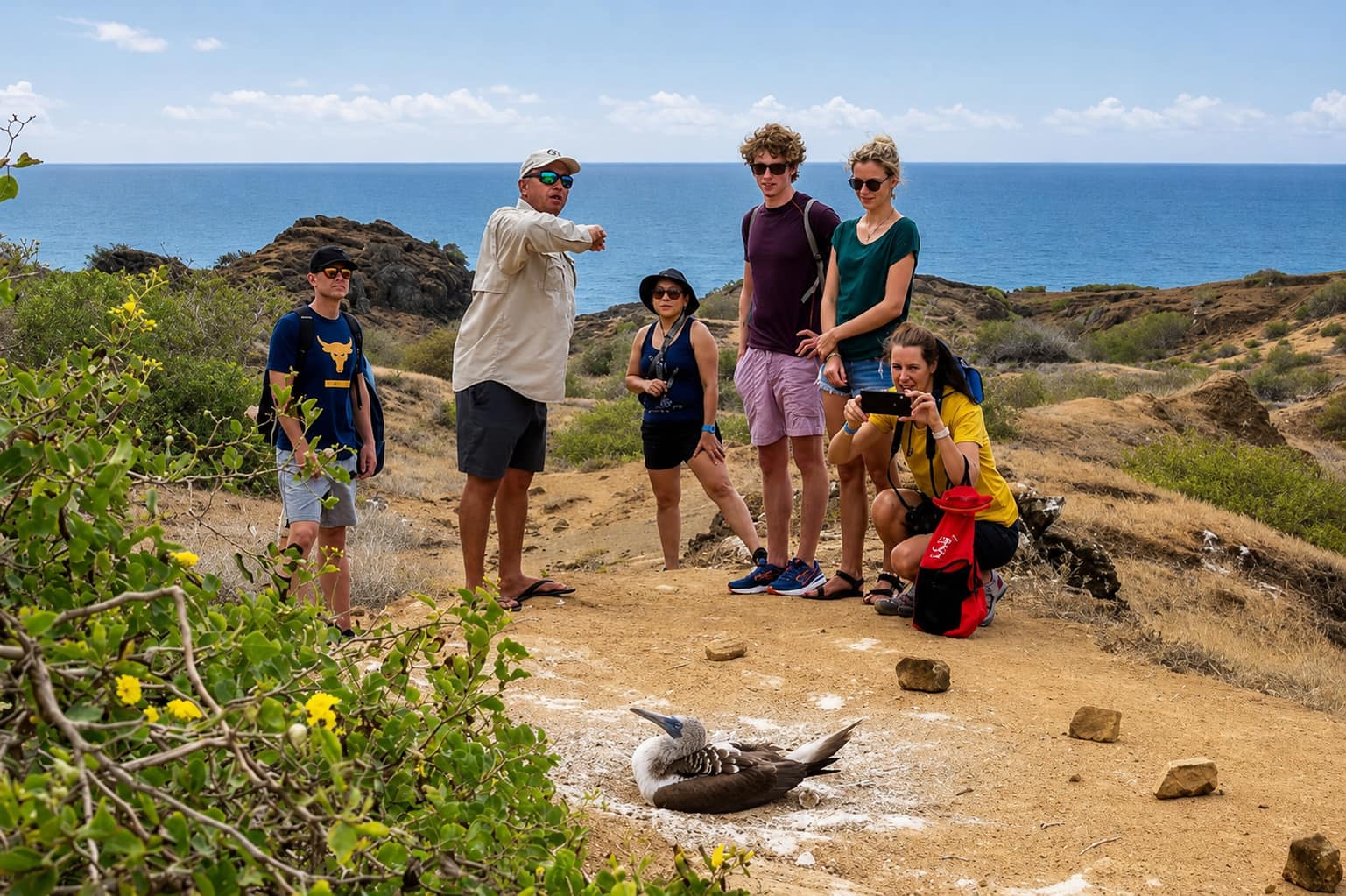
Galapagos small ship cruises are exceptional experiences and much of that comes down to the crew.
Cash and the practical bits
A few things that make tipping in South America much easier.
-
Carry small notes. US$1, 5, 10 and 20 bills are gold across the continent. Bring a stack of small denominations from home if you can, especially for the start of the trip when you haven’t had a chance to break larger bills.
-
Local currency works fine too. USD is widely accepted (and is the official currency in Ecuador), but you can absolutely tip in pesos, soles or reais. In most countries, locals will appreciate either.
-
Damaged USD notes are not accepted. South America is strict on the condition of foreign bills, especially USD bills which are relatively easy to counterfeit. Any note that is too old, ripped or covered in pen marks may be turned down, so bring crisp notes if you can.
For more on what to bring with you and how to handle money on the road, our South America packing guide covers the rest.
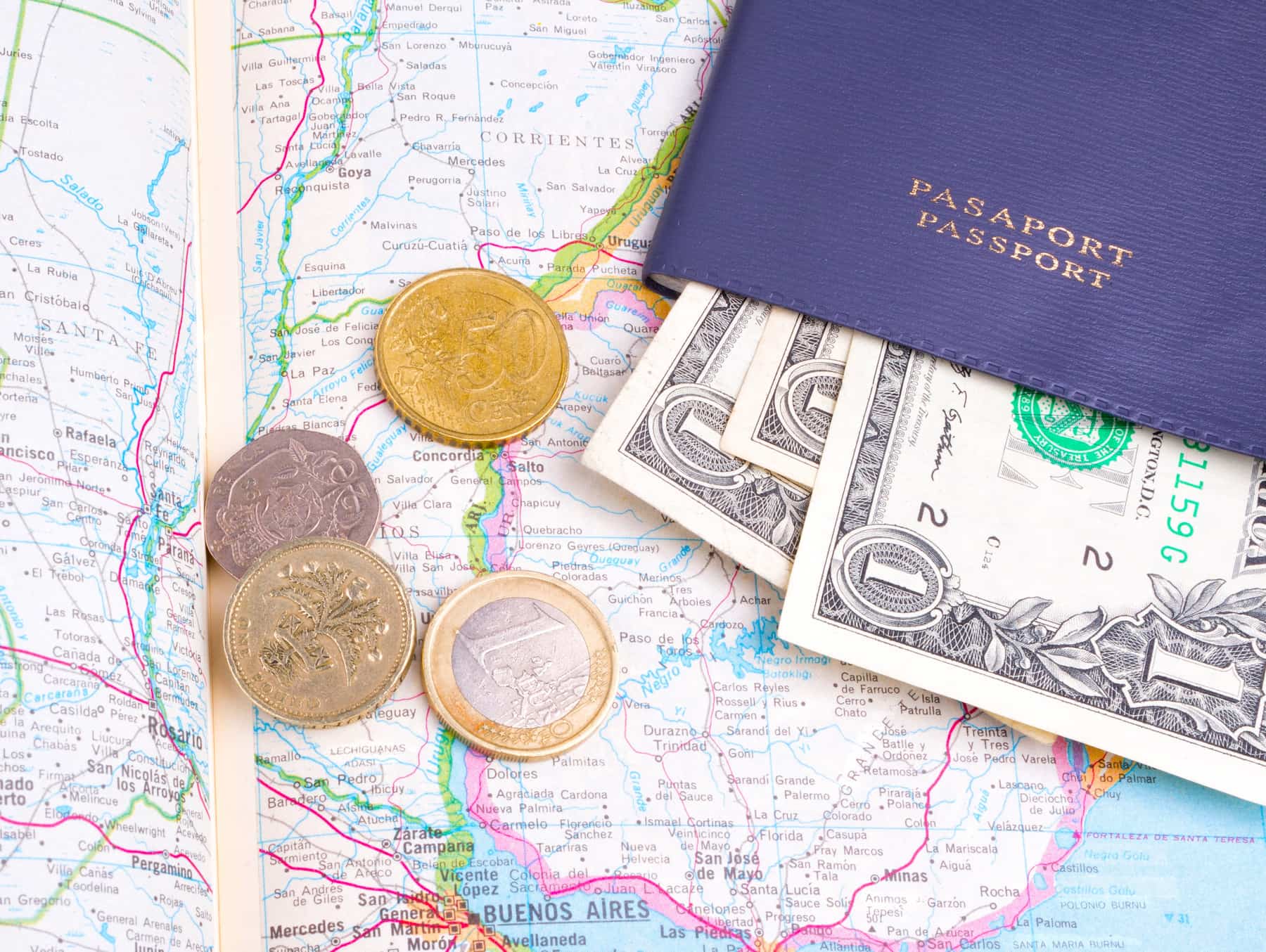
Small denominations are the single most useful thing you can pack for stress-free tipping.
Why a small tip means more in some places
Something else you might want to consider in regards to tipping in South America. In cities and luxury lodges, your tip tops up someone who is already earning a decent wage. It’s appreciated, but it isn’t changing anyone’s week. In smaller towns and remote villages, where you might stop for lunch on a long drive or get paddled down a tributary by a local boatman, the same few dollars carries a lot more weight. Tipping is always optional, but a small thank-you in remote places that don’t see as many tourists makes more of an impact.
A few last thoughts on tipping etiquette
A couple more things worth keeping in mind.
-
If something feels off, like being asked directly for a tip in a way that catches you off guard, you’re not obliged to play along. Tipping is voluntary across South America, and any pressure tactics aren’t normal practice. Trust your instincts and leave what feels right.
Ready to plan a trip (and stop stressing about tipping)?
If you’ve read this far, you’re already ahead of most people heading to South America. The mechanics of travelling safely and confidently in South America aren’t as messy as the internet makes out, and a couple of days into the trip, you’ll have it sorted.
We’ve been putting South America trips together for years. Our Destination Specialists are the people who’ll talk you through the practical details, from currency and tipping to weather and packing. Whether you’re looking at the Galapagos Islands, the Amazon, Patagonia or the high Andes, we’ll set you up with an itinerary that suits.
Get in touch and let’s start planning.
Laura Pattara
Laura Pattara writes for Viva Expeditions with a special love for all things Latin America. She had guided overland tours across the continent, reached Machu Picchu five times on foot, and even dressed up as a giant toucan for Carnaval. With a degree in languages and two decades of global travel experience behind her, Laura has a long-standing love for the Andes, soaring condors, and a truly delicious empanada.
|