The Amazon stretches across nine countries, and where you choose to enter it shapes the whole experience. For most travellers, the shortlist comes down to the three most accessible: Peru, Ecuador and Brazil. Each can easily claim to be the best Amazon rainforest country to visit, for different reasons, so the best way to figure out where to go in the Amazon is to know what sets them apart.
At Viva Expeditions, we have been sending guests into all three for years, and have plenty of combined experiences of our own, so we have a good feel for which one suits which kind of traveller, and how the rainforest fits with the rest of your South America wish list.
Read on to learn how they compare and what that means for your trip planning.
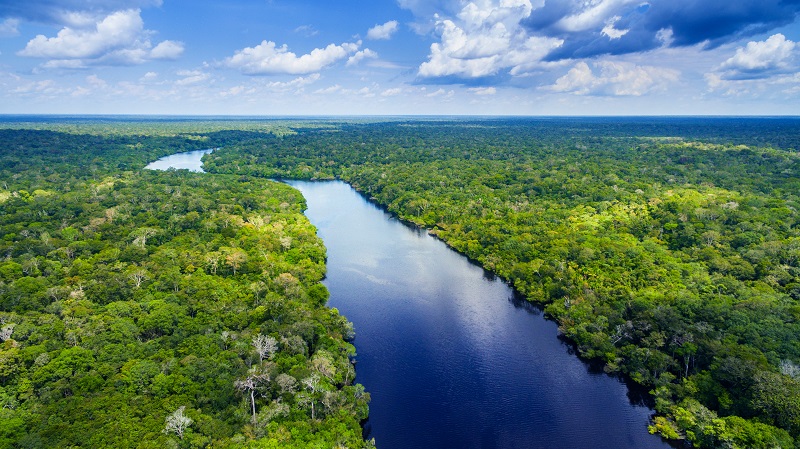
One rainforest, three very different ways in. Choosing your entry point is the first real decision.
In this guide:
What's the difference between the Amazon in Peru, Ecuador and Brazil?
Peru: best for wildlife and variety
Ecuador: best for short trips
Brazil: best for river culture and scale
Which part of the Amazon has the best wildlife?
Local Amazon cultures and where you can meet them
Which Amazon destination best fits your travel style?
What's the difference between the Amazon in Peru, Ecuador and Brazil?
The most obvious difference is size, so let’s start there. Brazil holds around 60% of the rainforest with Peru boasting the second-largest share. Ecuador’s slice is the smallest of the three. Now, while size shapes plenty (from travel times to your odds of spotting wildlife), it tells you surprisingly little on its own. Even Ecuador's ‘tiny’ slice runs to about 120,000 square kilometres, near enough the size of the British Isles, so "small" here is relative.
What matters more, in reality, are aspects like accessibility, wildlife, culture, and how wild or how comfortable you want things to be.
Here is what each country’s corner of the Amazon does best.
Peruvian Amazon: best for wildlife and variety
Peru has two ways into the rainforest, and they each offer a distinct experience. The southern gateway is Puerto Maldonado, just under an hour's flight from Cusco, so if you're short on time, you can leave the city's Inca streets behind after breakfast and be watching caiman on the riverbank by mid-afternoon. This is Tambopata country, where lodges like Refugio Amazonas sit inside a private reserve in its buffer zone. You get canopy towers and naturalist guides who know the forest well, with a conservation record that runs back decades.
This is where it pays to go deep. The most remote lodges, like the Tambopata Research Center further inside the reserve, put you closest to the wildlife and offer the kind of once-in-a-lifetime Amazon experience that cheaper options near town rarely match.
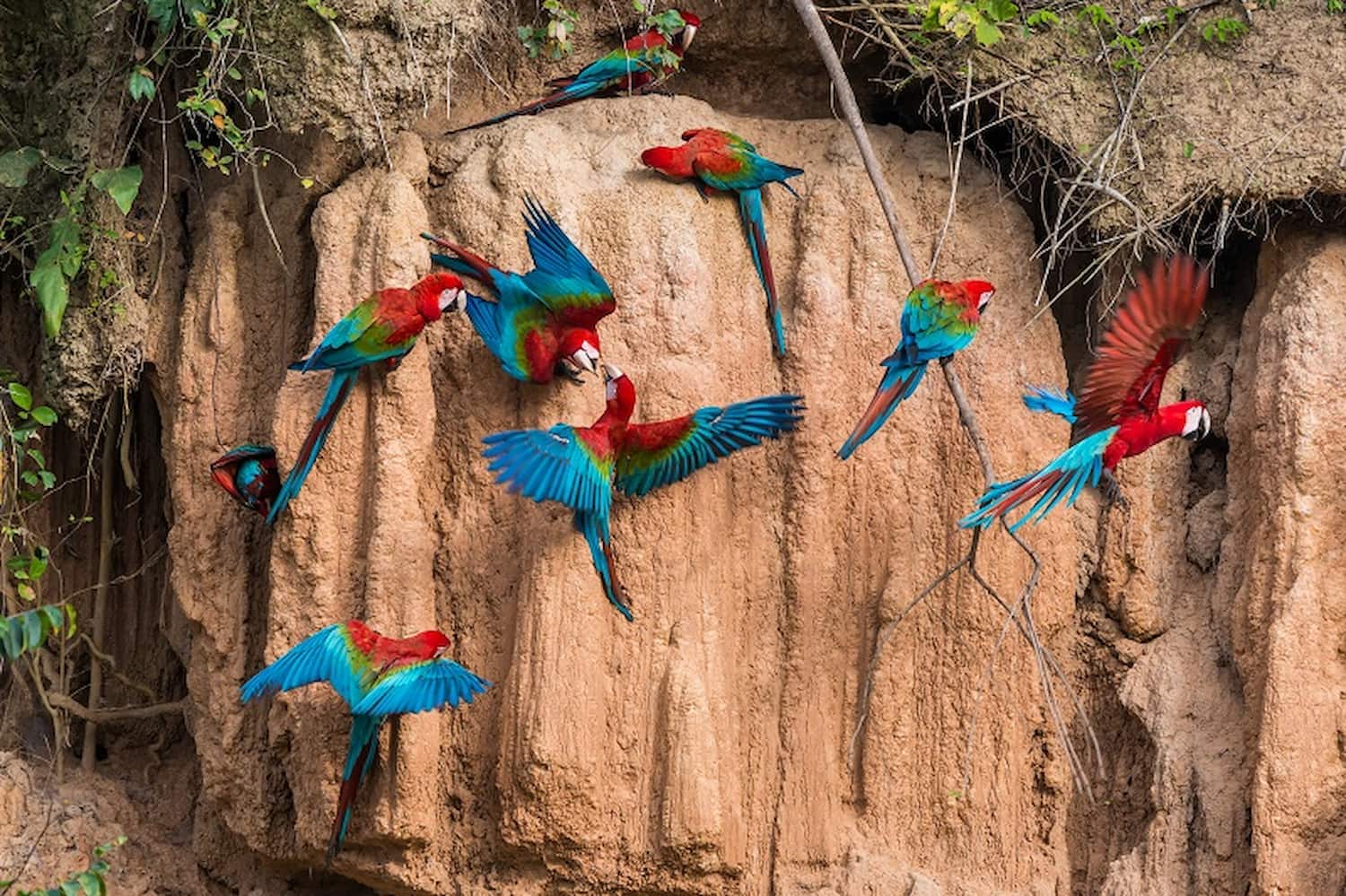
Puerto Maldonado opens up the Tambopata region, known for its giant river otters and macaw clay licks, where parrots gather on the riverbanks by the hundred.
Head north instead, and you reach Iquitos, a river city you can only get to by air. It is the launch point for Peru’s small luxury cruises into the Pacaya-Samiria National Reserve, a flooded forest sometimes called the jungle of mirrors, where pink river dolphins are the main draw. Cruising is really the only way to visit, so you will want a few more days than you would in the south.
Timing matters more in the Peruvian Amazon than people realise. Every cruise runs a high-water and a low-water itinerary, and each suits something different. In the high-water season, roughly November to May, levels can rise as much as eight metres and the boats slip through flooded channels deep in the forest. Wildlife is easy to spot, and most of the rain falls overnight. In the low-water months, around June to October, the jungle walking is better, and you tend to see more dolphins and get the best piranha fishing. Our guide to the best time to visit Peru breaks it down month by month.
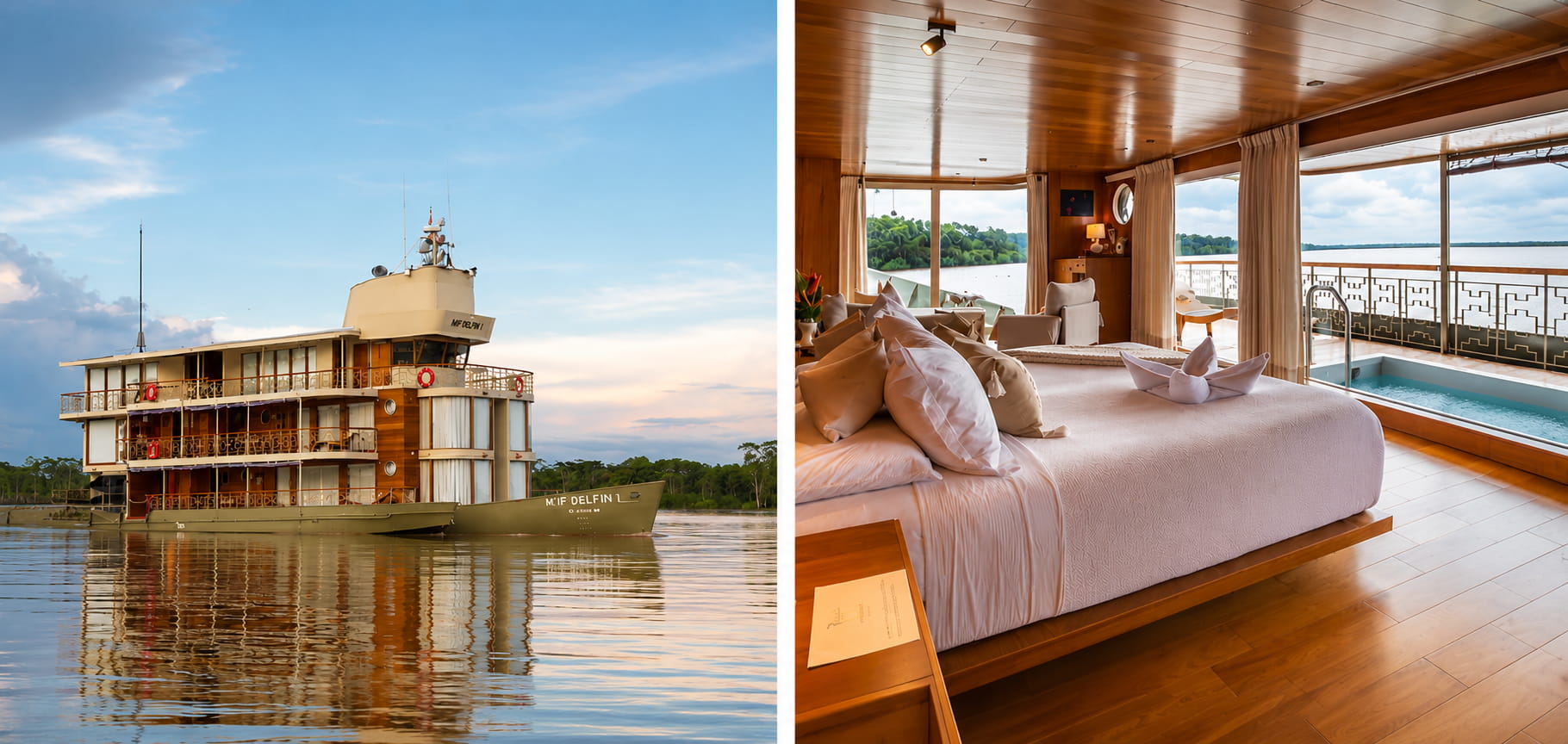
Peru’s river cruise boats are among the most comfortable in the Amazon, and the trips more than repay the extra days.
Ecuadorian Amazon: best for quieter jungle and community lodges
Ecuador's share of the Amazon might look modest on a map, but it encompasses Yasuni National Park which, for its size, is one of the most biodiverse places on earth. It feels vaster and wilder than the numbers suggest, with far fewer lodges than Peru and, happily, far fewer tourists. You fly from Quito to the small river town of Coca, where there are no lodges, then travel on by canoe deep into the forest. That extra distance is a huge part of the appeal: this is the corner of the Amazon where you are most likely to have the wildlife to yourself. Lodges such as La Selva Amazon Lodge sit on private lagoons ringed by primary rainforest, with superb food, spa treatments and excursions timed for when the wildlife is most active.
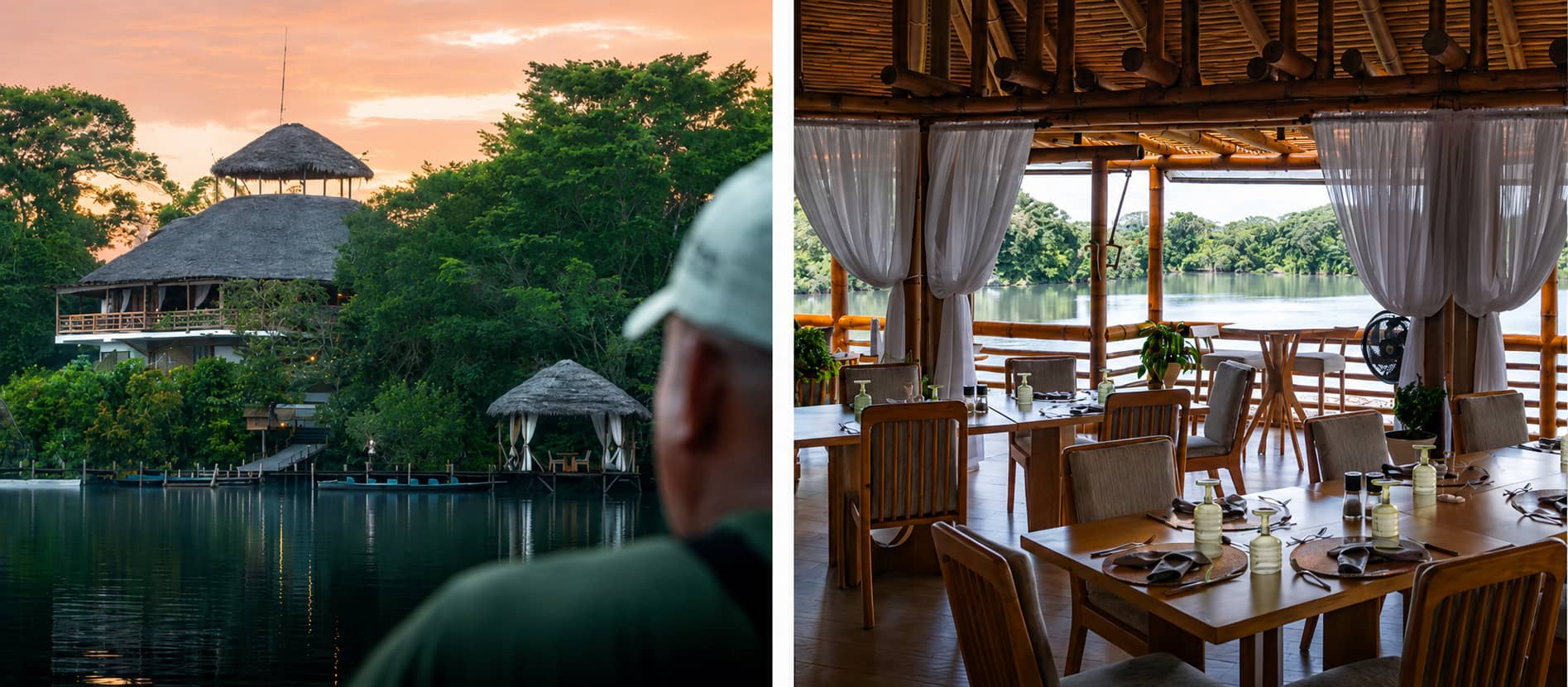
La Selva Amazon Lodge, right on its own private lagoon in the Ecuadorian rainforest. Comfort this deep in the jungle is rarer than you'd think!
“La Selva is great for travellers who want to experience the Amazon but also like wellness and being comfortable. And the food is amazing, some of the best I had on the whole trip.”
– Beke Grossmann, Viva Expeditions.
Community tourism is where Ecuador really stands out and most lodges here include a cultural exchange with a nearby village. The clearest example is the Napo Wildlife Centre, off-grid in the heart of Yasuni and owned and run by the local Kichwa Añangu community. It is widely regarded as the most successful community tourism project in Ecuador, and a stay there puts you in the middle of both the wildlife and the community that looks after it. If you would rather see the forest from the water, the Anakonda runs a proper Amazon cruise on the Napo, remote and rich in wildlife, with plenty of cultural contact along the way.
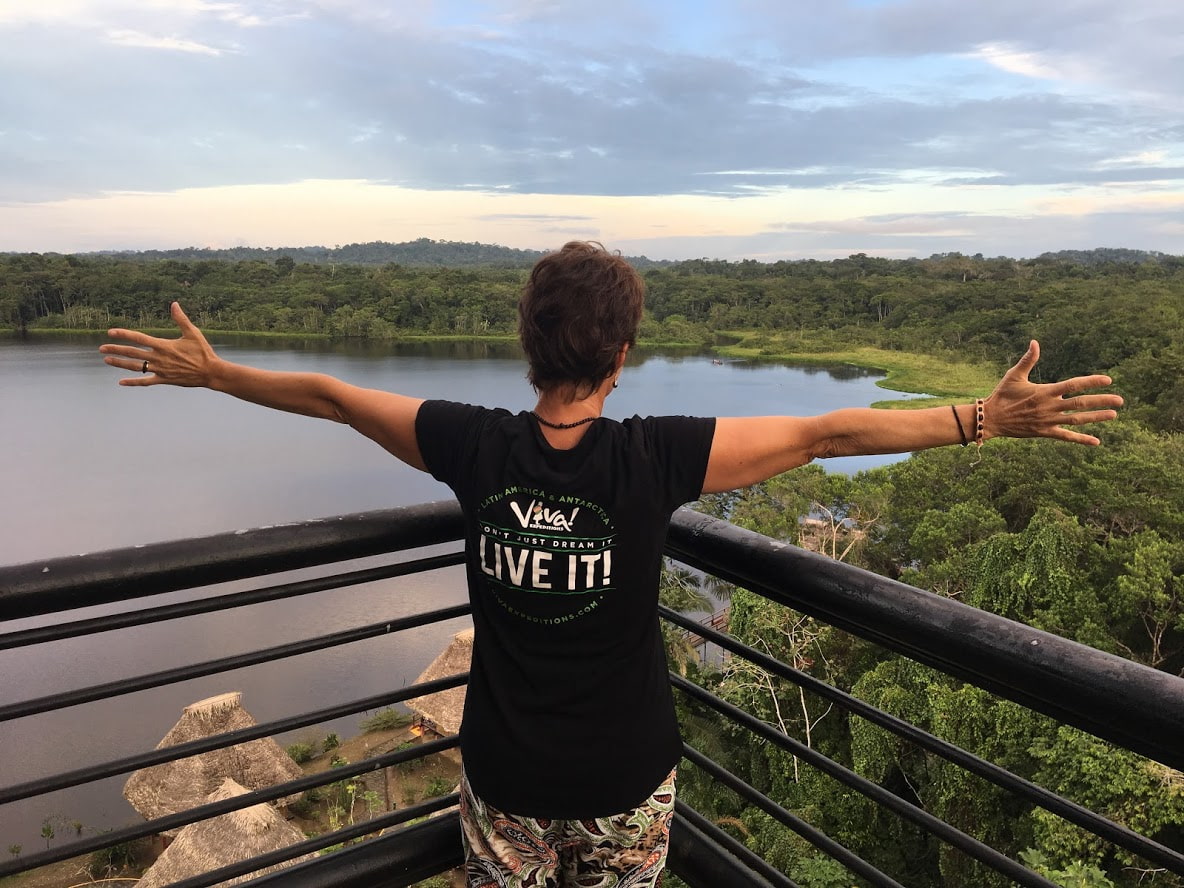
Pia soaking up the splendours of the Napo Wildlife Centre lagoon. Living it, not just dreaming it!
Because Ecuador is so compact, the Amazon is easily combined with the Galapagos Islands in a single Ecuador itinerary. Beke did exactly that with her mum, and you can read her account right here.
Brazilian Amazon: best for river culture and scale
Brazil is the Amazon at its most cinematic, the river of films and documentaries most people envisage. The classic gateway is Manaus, a city of two million in the middle of the forest. A little downstream lies the Meeting of the Waters, where the dark Rio Negro and the sandy Rio Solimões run side by side for kilometres before merging into the Amazon proper.
Because Manaus is such a large city, you travel a fair way to reach the wildlife, and where you base yourself is worth thinking about. For a high-end lodge stay, Anavilhanas Lodge is the pick, though it takes around three hours to get there. The Eco Park Amazon Lodge is only about an hour out, which makes it a good option if you are shorter on time, and it is set up for piranha fishing and night caiman safaris, plus visits to the communities along the river. If your main aim is to see the Meeting of the Waters and take in the sheer scale of it all, a cruise aboard the Tucano does the job. It is a simpler standard than the Peru boats, and you may see less wildlife, but the sense of the Amazon and its tributaries is unforgettable.
Wildlife around Manaus is more dispersed than in the western Amazon, so Brazil rewards travellers drawn to the river itself and the life along its banks. It also works well as part of a wider Brazil itinerary alongside Rio de Janeiro and Iguazu Falls, and it’s the best match for a Pantanal trip for anyone chasing wildlife. More on that below.
“Manaus is a huge city, so it is a totally different feel of the Amazon. Beyond a few pink dolphins I did not see a great deal of wildlife, but the Meeting of the Waters was pretty amazing.”
– Pia Knarston, Viva Expeditions
Which part of the Amazon has the best wildlife?
When people ask about the best places to visit in the Amazon for wildlife, our usual answer is the western basin, so Peru and Ecuador, though it depends on what you hope to see. It is worth saying upfront that the Amazon, and Brazil especially, is often more about atmosphere and jungle immersion than guaranteed animal sightings.
For variety and the best odds on the big animals, Peru’s Tambopata and Manu regions are our pick. This is where you will find giant otters and tapirs, plus the best jaguar chances anywhere in the rainforest. The bird list alone runs long enough to keep keen birdwatchers happy for days. Around Iquitos, pink dolphins and the flooded forest add something different again, especially if a cruise appeals.
Ecuador packs a remarkable amount of life into its smaller Amazon area, and with far fewer lodges and visitors than Peru, it can feel like you have the forest to yourself. Monkeys are a particular draw around the Napo, with canopy towers that put you eye-to-eye with toucans at dawn.
“Clients always ask me which country has the best wildlife, and I'd say that for variety alone, Peru is hard to beat. But Ecuador surprises everyone who visits with how much you see in so little time and how much more isolated and immersed you feel."
– Pia Knarston, Viva Expeditions
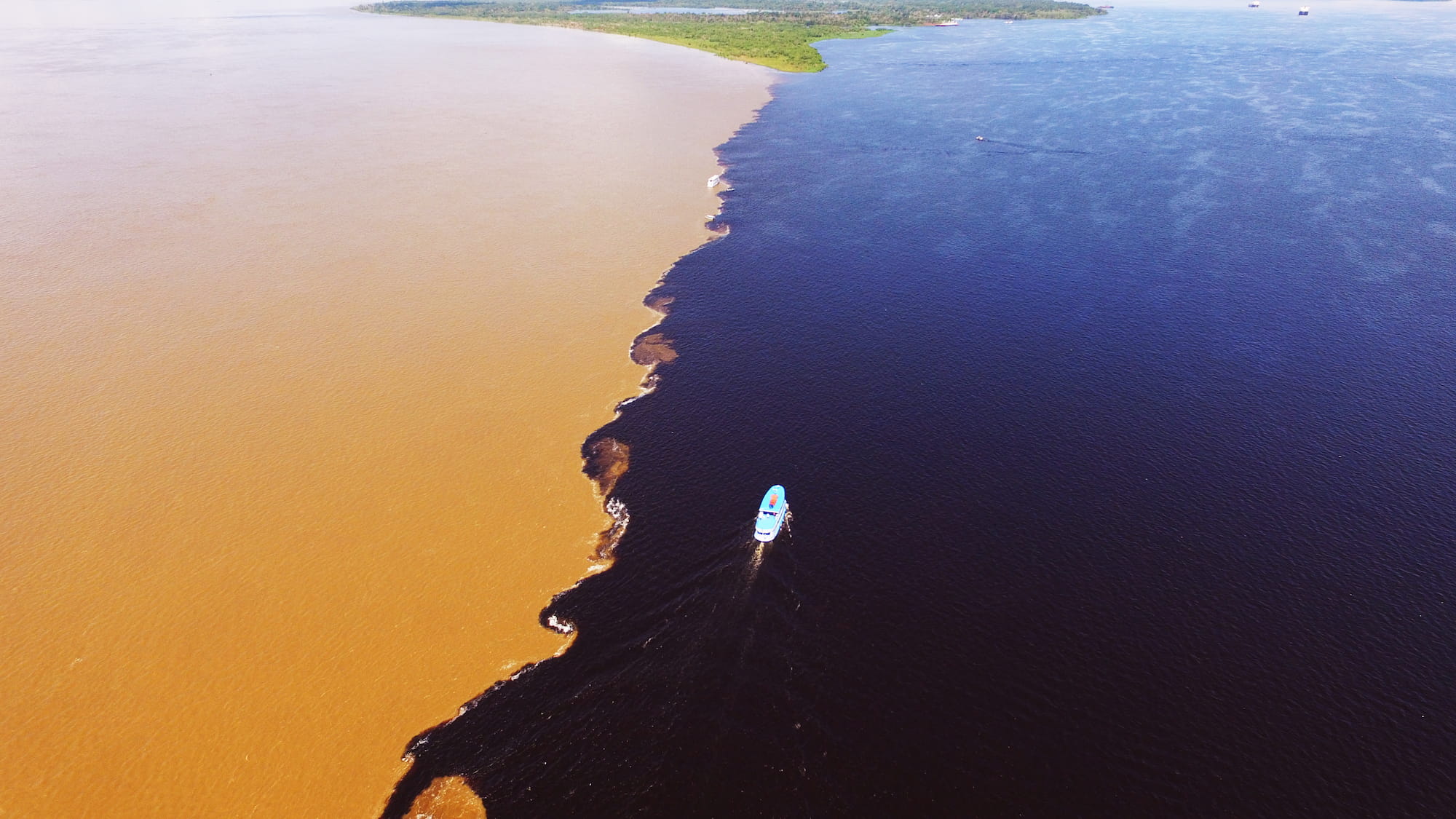
Brazil is all about scale, and nothing shows that better than the Meeting of the Waters.
Brazil has plenty of wildlife too, but around Manaus, you will need patience, though, with river dolphins, sloths and birdlife being the more reliable sightings. If animals are your main reason for travelling, we would usually point you west.
For more on what you might see, our guide to the best wildlife experiences in the Amazon goes into detail.
We'd be doing you a disservice not to mention one more thing: if wildlife is the whole point of your trip, the Pantanal is the place to beat. This vast wetland is in southern Brazil, well away from the Amazon, and has open grasslands and seasonal floodplains that make animals far easier to spot. Elusive wildlife like jaguars, giant otters, anteaters, capybaras and caiman all turn up far more reliably here than in dense rainforest.If jaguars in particular are the goal, the northern Pantanal is the place to go, ideally between June and October. You fly into Cuiaba and head south, and we can arrange either an expedition vessel or a lodge stay with a dedicated jaguar-spotting programme. The southern Pantanal, reached from Campo Grande, has excellent lodges too, though jaguars are rarely sighted there.
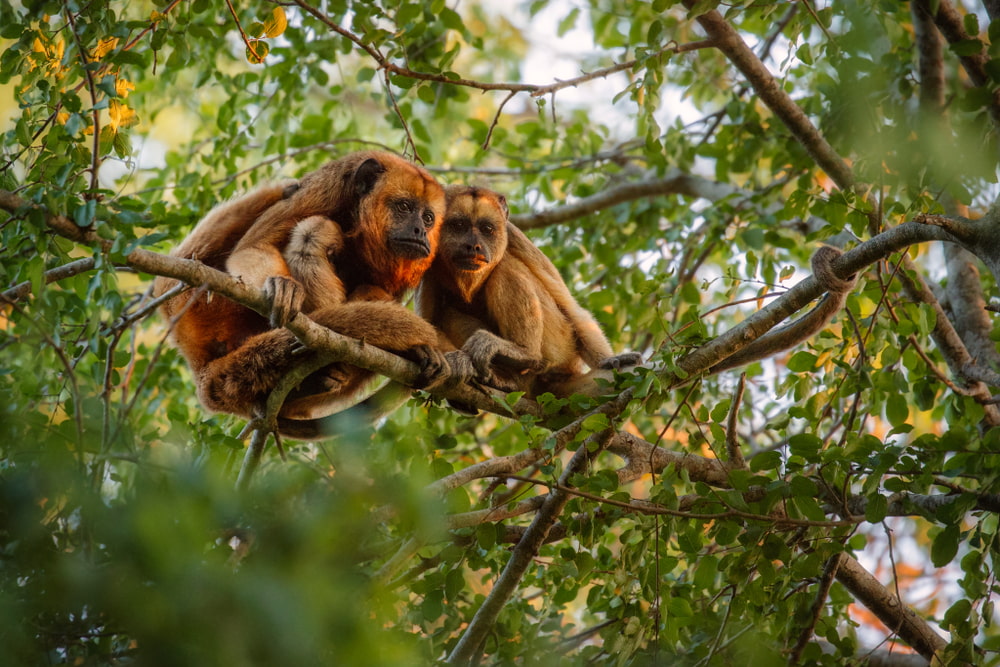
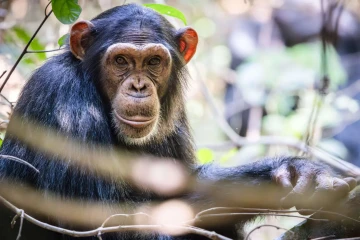
Monkeys rarely stay still for long in the Amazon, but a quiet canoe ride gives you a fair chance of catching them in action.
Local Amazon cultures and where you can meet them
The Amazon is far more than wildlife. Millions of people live here, and time spent with local communities is a wonderful part of any trip here.
In Ecuador, the lodges along the Napo work hand in hand with local Kichwa communities, and a visit features in most itineraries. You might share a traditional meal or sit in while cassava is prepared and hear how the forest still provides medicine, food, fibre and building materials. At the Napo Wildlife Centre the community connection goes further still, since the Kichwa Añangu own and run the lodge and its cultural centre themselves.
Over in Peru, the Tambopata region is the ancestral home of the Ese'Eja people. Several lodges there run in true partnership with them, so your stay puts money straight back into the community. Around Iquitos, life centres on the riberenos, the river people whose stilt villages line the waterways, and most cruises build in time to visit one.
Brazil's river communities, the caboclos, live along the waterways around Manaus, and most lodge stays include a visit. Manaus itself is a monument to the old rubber boom, right down to a pink opera house that looks gloriously lost a thousand kilometres from the sea.
Which Amazon destination best fits your travel style?
Every traveller wants something slightly different from the Amazon, so here is our best attempt at matchmaking, based on years of putting these trips together.
-
Best for short itineraries: Puerto Maldonado in Peru. Barely an hour from Cusco, it slots neatly onto a Peru trip, so you can add a few nights in the jungle without a long detour. That makes it the easiest short Amazon stay, especially for travellers only visiting Peru.
-
Best for river cruisers: Peru from Iquitos for small-ship comfort, or Brazil from Manaus for the river at its grandest. Ecuador runs cruises too, from Coca aboard the Anakonda, if you want the western Amazon from the water.
Whichever you choose, pack well. Our Amazon packing guide covers everything from binoculars to boots.
foto
Which is the very best Amazon rainforest country to visit?
As you’ve gathered by now, there is no clear winner, it all comes down to which part of the Amazon appeals to you most and which country fits the rest of your plans. Most people don't fly all the way to South America for the rainforest alone, so the Amazon tends to be one piece of a bigger trip, and that is usually what ultimately settles the question. If Machu Picchu is on the list, go through Peru, and if the Galapagos is calling, Ecuador makes it easy.
Our Destination Specialists at Viva Expeditions have stayed in these lodges and travelled these rivers themselves, and a chat is usually all it takes to work out which side of the Amazon would suit you best.
Get in touch whenever you are ready to start planning.
Laura Pattara
Laura Pattara writes for Viva Expeditions with a special love for all things Latin America. She had guided overland tours across the continent, reached Machu Picchu five times on foot, and even dressed up as a giant toucan for Carnaval. With a degree in languages and two decades of global travel experience behind her, Laura has a long-standing love for the Andes, soaring condors, and a truly delicious empanada.
|