
12 days
Peru Highlights
Our Signature Peru plus the Amazon jungle. Explore Peru's highlights including Lima, Sacred Valley, Cusco, Machu Picchu and the Peruvian Amazon.
Lima, Peru’s capital, is the most used and convenient springboard to Machu Picchu and the Sacred Valley of the Incas. While many simply plan for a quick layover, many more wonder: is it worth visiting Lima for an extra few days?
The shorter answer is YES, absolutely! The Peruvian capital is a little-known powerhouse of attractions. Aside from being a UNESCO-listed colonial port, home to a gorgeous historic core, Lima is also one of the world’s most exciting food destinations. We’ve been building longer stays in Lima into our Peru itineraries for years and will tell anyone who'll listen: the city deserves more attention than it gets.
Here’s our insider’s take on why you should be squeezing more out of your layover in Lima.
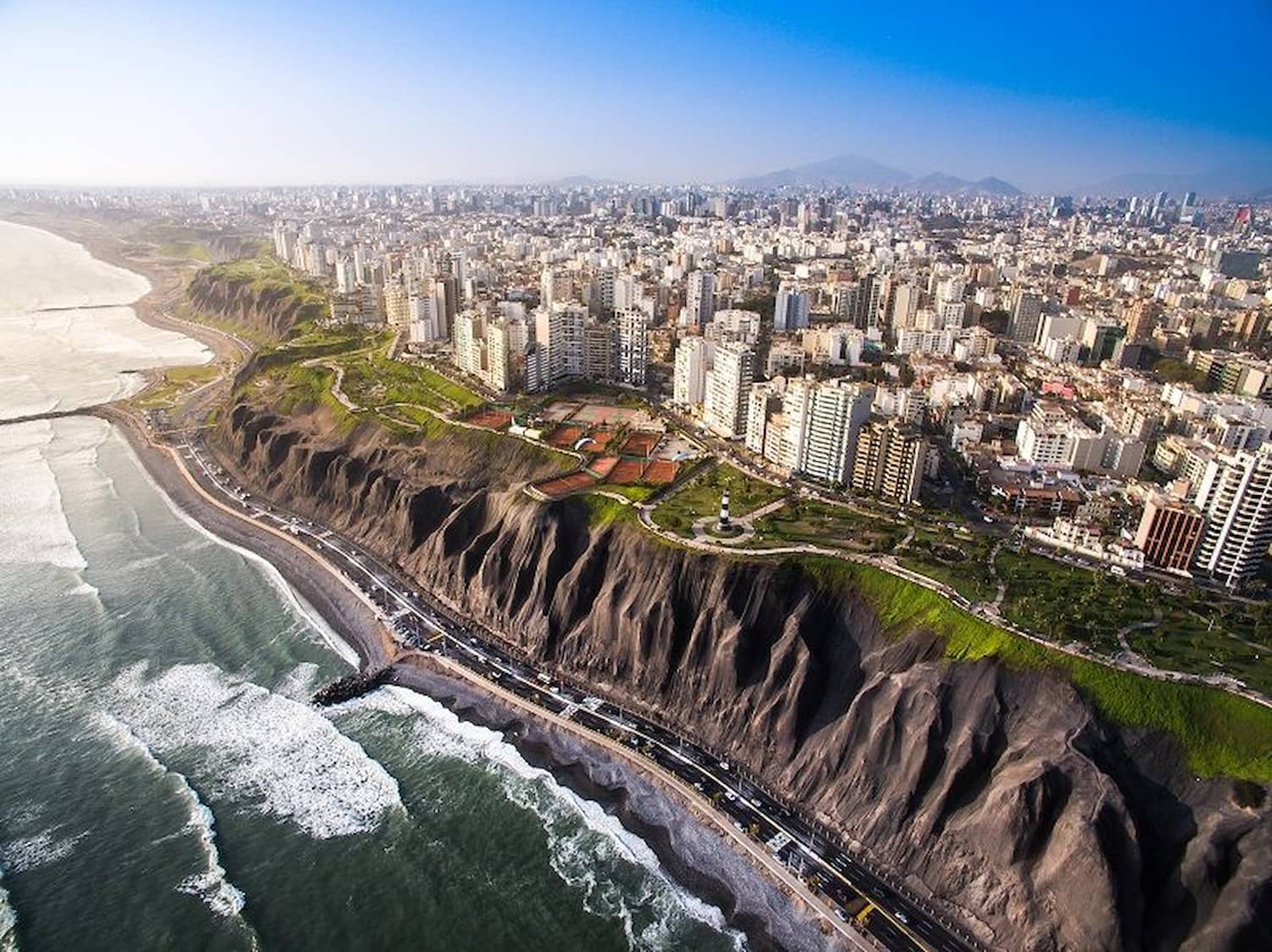
Lima’s clifftop coastline above the Pacific. There’s a reason locals call the malecón, the coastal walking path, the best walk in the city.
In this guide:
Is Lima, Peru, good for tourists?
Reasons it’s worth visiting Lima beyond the layover
How many days to stay in Lima?
Practical tips for your Lima holiday
Lima is one of the largest and oldest capitals in South America, sprawled along the Pacific coast about midway down Peru. Jorge Chávez International is the country's main gateway, so the great majority of visitors fly here, first and foremost. For South America travel fans, the city is perhaps most famous for its incredible food scene (which you will be hearing about lots) and fascinating history, served alongside a couple of stunning natural surprises.
Lima’s reputation as the gastronomical capital of the Americas is well earned. Peruvian chefs have put the country on the global food map in the last two decades, with several city restaurants regularly featuring on the World’s 50 Best list. What we love most about Peruvian cuisine is that it is diverse and exceptional by default. The country is historically rich and complex, and it's as if all the influences that helped create it sprinkled a little of their flavours along the way.
The fantastic aspect of Lima’s foodie scene is that you don't need a reservation at a Michelin-starred restaurant to eat well. The street food scene is legendary, with plenty of stalls, neighbourhood cevicherías and family-run sandwich counters.
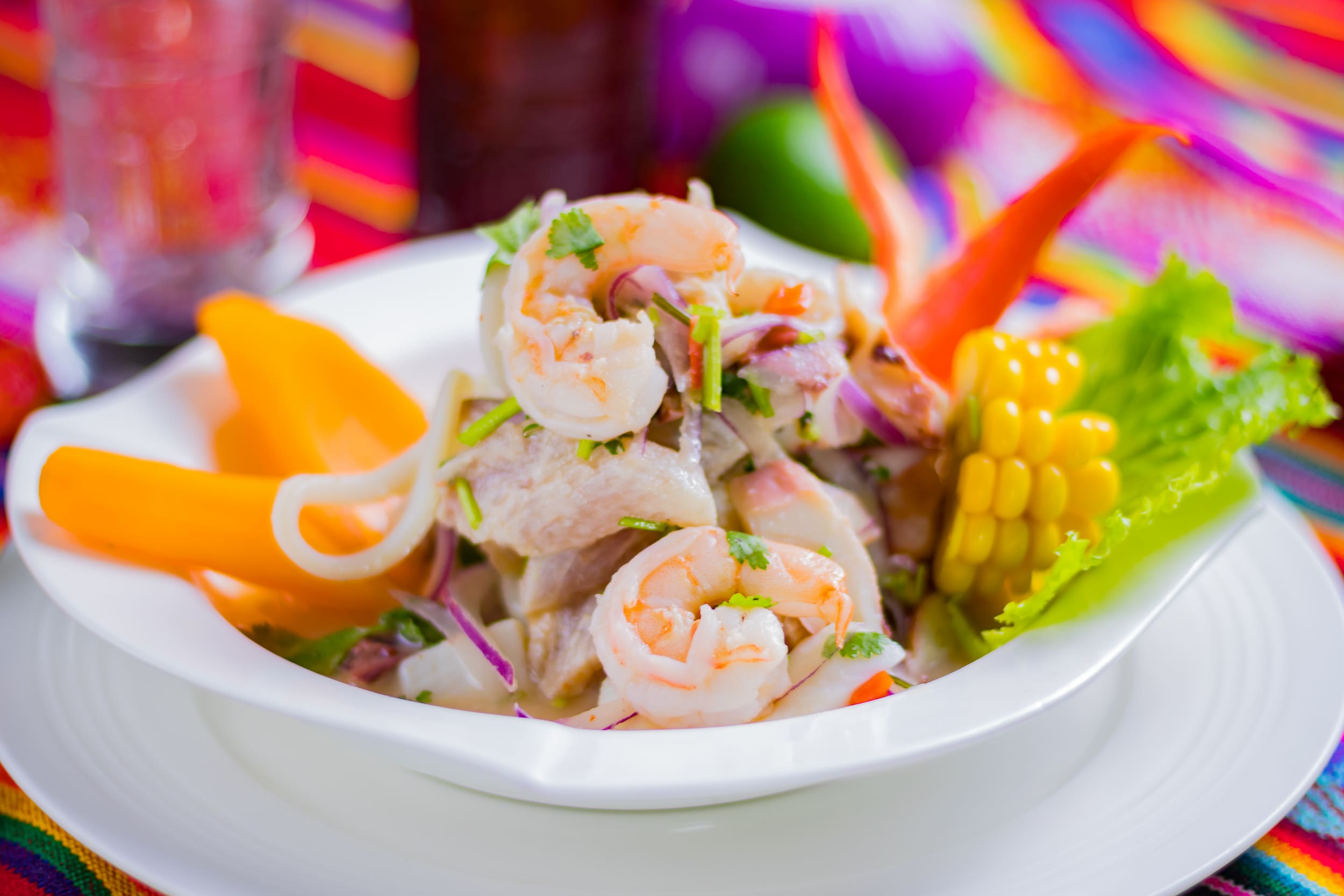
Ceviche is a national obsession in Peru. Eat it for lunch, eat it with a beer, eat it as often as you can.
Beyond the plate, the city is built around a UNESCO-listed historic centre and a coastline of dramatic and arid clifftops looking out over the Pacific. If all you've ever seen of Peru are photos of the lush, high-altitude Andean forests, Lima will surprise you.
“Most first-timers don’t realise that Peru’s coastline is actually a desert, and Lima evolved from an arid landscape. The country is incredibly diverse, with coastal deserts, the Andes Mountains, and the Amazon rainforest. It's this striking contrast that makes the country, and the food, so incredible. Also a reason why it gets so many return visitors. Look beyond Machu Picchu, and you'll be in for a massive surprise.”
–Carrie Gallagher, Viva Expeditions' Business Development Manager and former Lima resident.
That contrast shapes everything about Lima, including its odd microclimate (more on that later) and the wildly different produce arriving from the highlands and the jungle every day at the central markets.
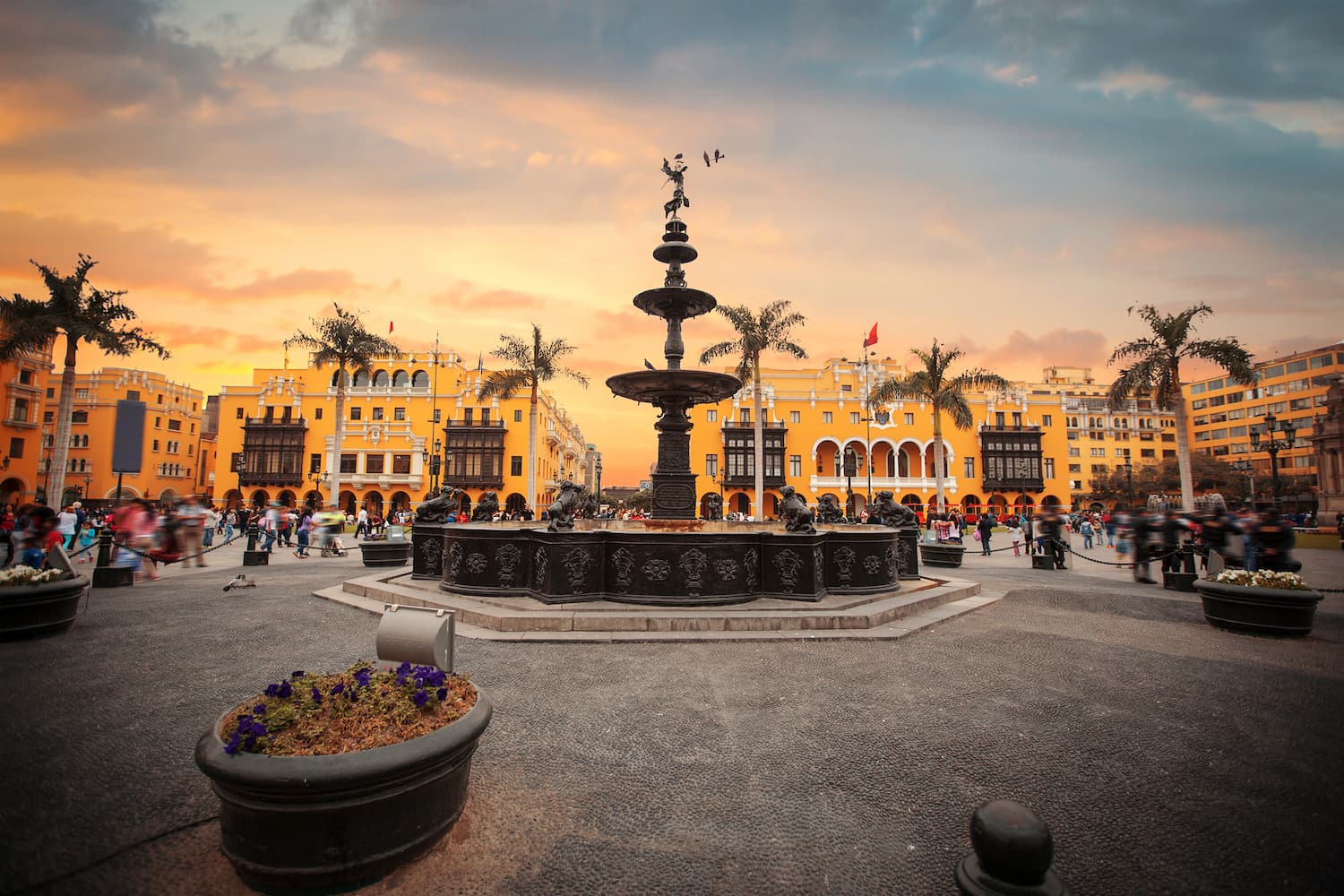
Plaza Mayor, the heart of Lima’s UNESCO-listed colonial centre, framed by the Cathedral, Government House and Archbishop’s Palace.
Yes, with a few of the usual sensible caveats. The first thing to realize is that Lima isn’t Cusco or Buenos Aires when it comes to obvious tourist polish; it's the working capital of around ten million people, with all the chaos and energy that comes with that. It is not propped up heavily by the tourist dollar, which makes it a refreshing oddity in what is, essentially, the most touristed country in South America. Like any major metropolis, Lima has several suburbs that don't hold much appeal to foreign visitors, but that makes planning a visit even easier. Pick the right neighbourhoods to stay in, explore it with a local guide and you will have a wonderful experience.
The three best neighbourhoods to stay and the ones with the best tourism infrastructure are Miraflores, Barranco and San Isidro. You will find brilliant hotels here, and English is widely spoken at upmarket restaurants. Taxis are easy to organise through ride-hailing apps or through your hotel.
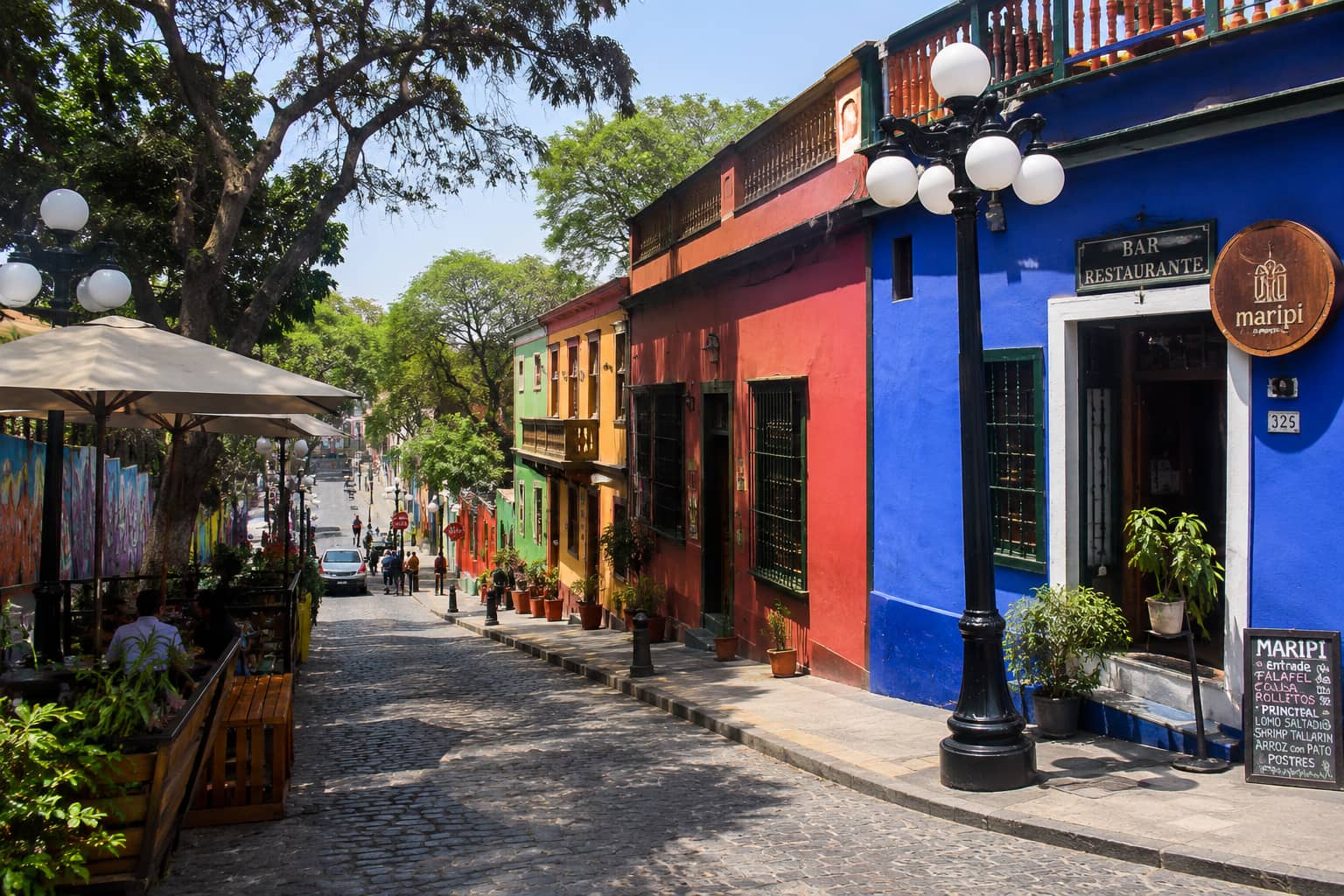
Barranco’s streets are a photographer’s dream, and many of the hood’s walls double as public galleries. The neighbourhood’s street art scene is one of the best in Latin America.
Generally speaking, yes, especially within the main tourist neighborhoods, which is where most people stay and explore. The main safety concern in Lima is probably petty theft (mostly pickpocketing and bag snatching) in overly crowded areas. Commonsense precautions can help you dodge trouble: use registered taxis, like Uber and keep valuables out of sight when you're on the move and wear a crossover bag rather than a backpack. Keep out of areas known to be a little troublesome and you'll be just fine.
The three main touristy hubs are well-patrolled and feel very safe by day and well into the evening. Districts like Callao (near the airport) and parts of central Lima after dark, though, are better given a miss unless you are with a local guide who knows which streets to take and which to skip.
We've covered the bigger picture in our blog on whether Peru is safe to visit, and Lima specifically follows the same pattern as most large Latin American cities.
Here's what makes Lima more than a quick overnight stop before your Cusco flight.
The food. Even if you’re not normally a food traveller, Lima will turn you into one. From a US$3 sandwich de chicharrón (slow-cooked pork tucked into a bread roll with sweet potato and pickled onion, often eaten for breakfast) at a hole-in-the-wall counter, all the way up to a legendary tasting menu at either Central or Maido (or both), the spread in this city is extraordinary. Ceviche, lomo saltado, anticuchos, causa, aji de gallina and ceviche again the next day: have a look through our guide to the top foods to try in Peru, and you'll get the idea.
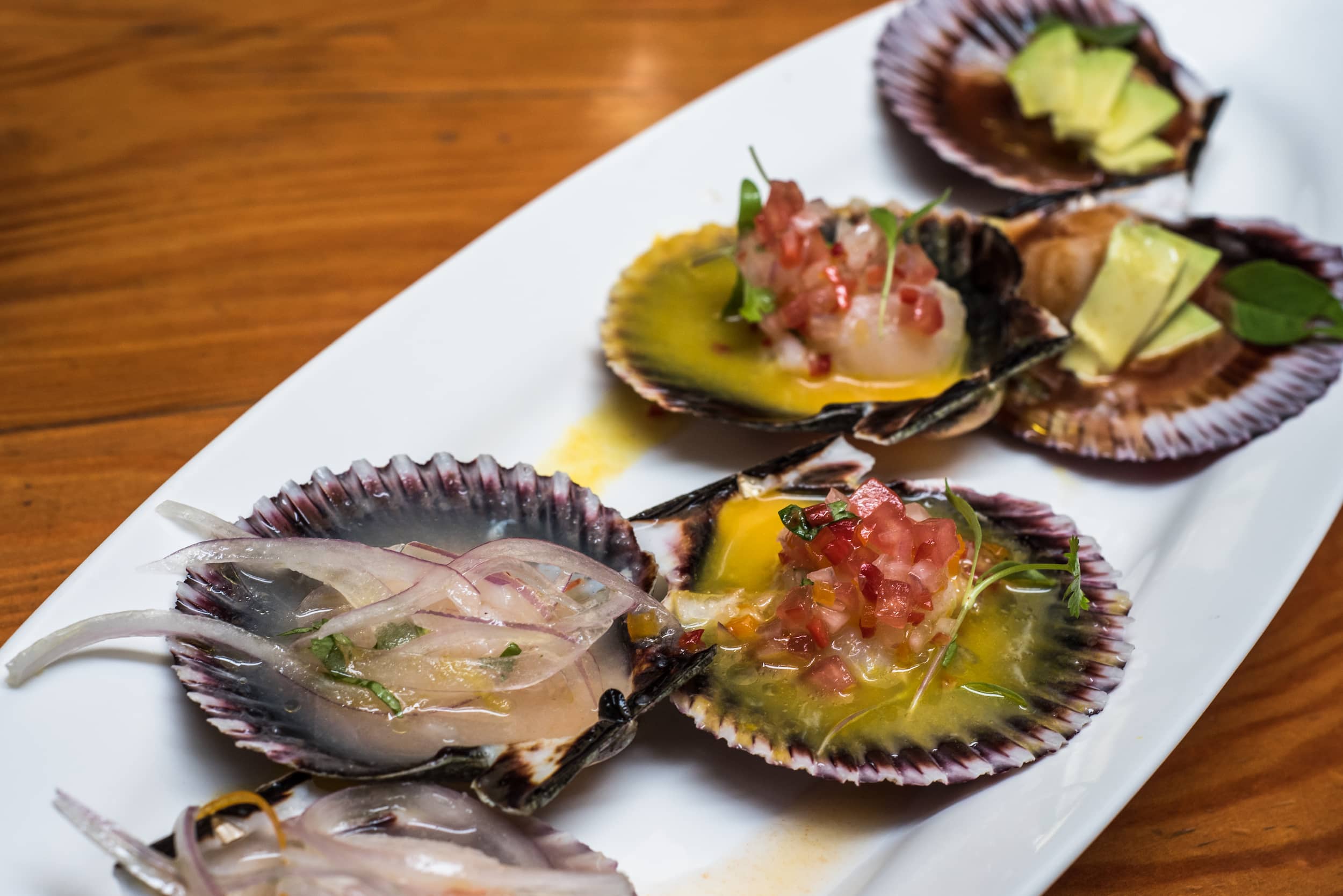
Condé Nast Traveler ranked Lima the best foodie city in the world for a few consecutive years. If you’re not a foodie when you arrive, you sure will be by the time you leave.
The neighbourhoods. Most travellers stay in Miraflores, the modern coastal district with shopping, smart hotels and that famous clifftop park. The gem next door is Barranco, Lima’s bohemian heart, packed with colonial mansions painted in faded yellows and pinks, colourful murals on every other corner, galleries, live music venues, and easily the best concentration of bars and restaurants in the city. Stay here if you’re more of a night owl.
“My favourite thing about Lima is the food, always! And the liveliness of the city. Everything stays open late, and there's always music playing on the streets. It's a city to be enjoyed at every hour of the day, a very fun and energetic place!"
–Flor Bojorquez, Peru Destination Specialist at Viva Expeditions
Pre-Inca and colonial history. Lima predates the Spanish by centuries. The Huaca Pucllana, an adobe pyramid built around 500 AD by the Lima culture, sits in the middle of Miraflores and looks slightly surreal among modern apartment blocks. The colonial centre, a UNESCO World Heritage Site, has some of the best-preserved baroque architecture in South America, alongside the unsettling catacombs beneath San Francisco Monastery, home to an estimated 25,000 sets of human remains, all neatly arranged. Here’s a great guide to Lima’s top historical sights.
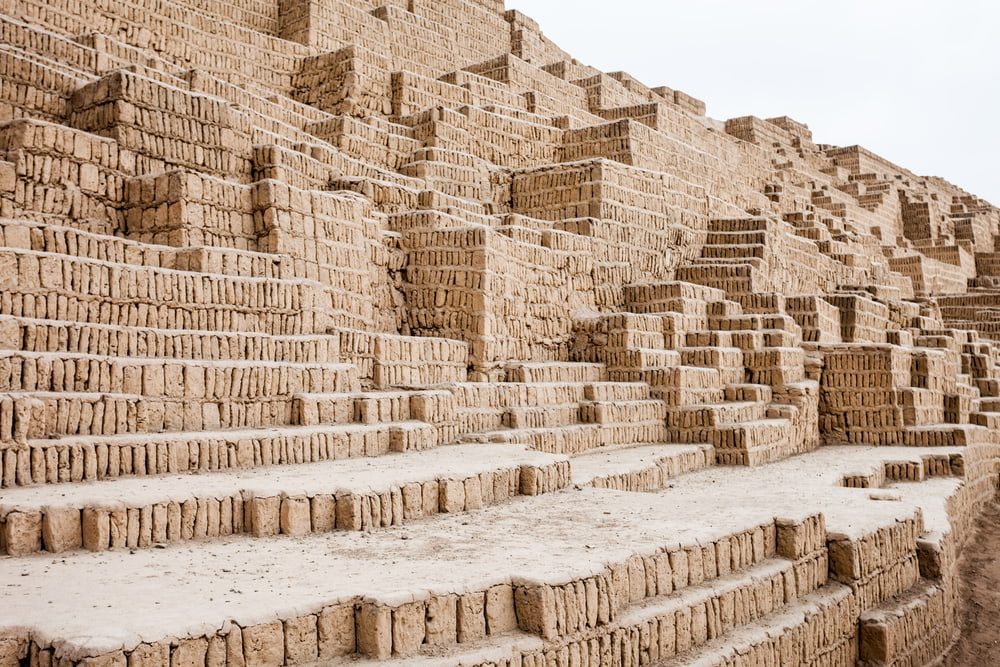
For decades, people thought Huaca Pucllana was just an ordinary hill in the middle of the city, until excavations in the early 1980s unearthed an extraordinary, 1500yo step pyramid.
Markets and street life. Surquillo Market is where Lima eats out, where you’ll find stalls of unfamiliar fruit (lucúma, granadilla, chirimoya and aguaymanto just to start), butcher counters, juice bars and little kitchens serving lunch to local office workers, the city’s best chefs and visitors alike. Both Flor and Carrie put it at the top of their Lima market list, and you should, too.
Pacific sunsets and coastal walks. The malecón, Lima’s clifftop promenade, runs from Miraflores into Barranco and gives you several kilometres of ocean views, jogging paths, parks and surfers riding the cold Humboldt Current break below. Time it for sunset and you’ll soak up the best of it all.
For a truly satisfying introduction, we think you should aim for at least 2 full days. Three is better. Four, if you also want to factor in a day trip down the coast to the Ballestas Islands and Paracas reserve. Sometimes dubbed the “Poor Man’s Galapagos”, the south coast can be done as a long day from Lima, though they’re much better as a full stop on our Paracas, Inca and Nazca tour.
A single overnight in Lima is fine if you only want to break the journey and squeeze in one good dinner. But trust us on this: if you are flying from the other side of the world to Peru, robbing yourself of Lima feels like a waste.
"Barranco is where most of our guests choose to base themselves, and it's our favourite too. Easily the coolest part of Lima, it has a brilliant restaurant and bar scene and plenty of cultural spots, plus great nightlife if that's your thing."
– Carrie, Viva Expeditions
A two day (three nights) layover in Lima is the sweet spot for a first visit, and here’s how we’d structure it.
Morning. Head into the centro histórico with an experienced local guide who'll ensure you get the most out of your visit. History layers up fast in the centre, from pre-Inca to colonial, independence-era and modern Peru, that it's difficult to make sense of it all on your own. Plus, the best food stalls are easy to miss without someone in the know by your side, and that would be the biggest travesty of all.
On our Signature Peru tour, we plan a private half-day tour with a local guide in Lima that takes in a market stop for fruit tastings, a walk through the historic downtown with bites along the way, plus the San Francisco catacombs and a tour of Casa de Aliaga (a beautifully preserved colonial mansion still occupied by descendants of the original 16th-century owners). Finish with a chilcano or pisco sour somewhere nearby and off the beaten path. PS. Chilcano is made with pisco, ginger ale and lime, and we rate it slightly above the pisco sour as an aperitif. In case you were wondering…
Lunch. Ceviche for lunch is an absolute must, of course, no questions asked. Lima's tradition is to eat it at lunchtime when the fish is at its freshest, so expect to see long queues at the best places. Flor suggests you grab the spot you want at 12 pm or even a bit earlier. “Limeños are creatures of habit when it comes to their sacred lunch hour,” Flor says, “and will always eat at 12:30 or 1pm.”
Afternoon. Spend the afternoon wandering Miraflores, the malecón and Parque Kennedy, where the resident cats are part of the attraction.
Evening. Stay local for dinner or head into Barranco for cocktails and some live music. Ayahuasca Bar, set in a sprawling converted colonial mansion, is worth visiting for the architecture alone.
Morning. A slow start, then a proper wander through Barranco on foot. Pack comfy city walking shoes aside from hiking boots. Begin at the Puente de los Suspiros (Bridge of Sighs) and head down toward the coast. Stop into the MATE Museum, Mario Testino's photographic archive, where his portraits of Peru's Andean communities are displayed alongside his iconic Princess Diana shots. The MALI (Lima's Museum of Art) is another worthwhile option if you have the appetite for it.
Lunch. A long Sunday-style ceviche meal washed down with a cold beer is the Lima cliché for a reason. El Muelle and Canta Rana are both reliable Barranco spots.
Afternoon. The Larco Museum, in a converted 18th-century mansion in Pueblo Libre, is one of the best collections in Latin America. It traces 3,000 years of pre-Columbian Peru, with a famous (and slightly notorious) gallery of erotic ceramics tucked away at the end. Allow two hours to see it properly.
Evening. Dinner in Barranco. If you’ve planned ahead, this is where to use that Central, Kjolle or Merito reservation. If you haven’t, and they book months out, simply pick a neighbourhood spot near your hotel. You won’t eat badly anywhere in Barranco.
“You can’t beat Sanguchería El Chinito for its sandwich de chicharrón. And for a special splurge if you only have one night in Lima, I’d say go for the restaurant overlooking Huaca Pucllana in Miraflores. The food is great, but the star of the show is the view of the pyramid, all lit up at night. It’s breathtaking.”
– Carrie, Viva Expeditions
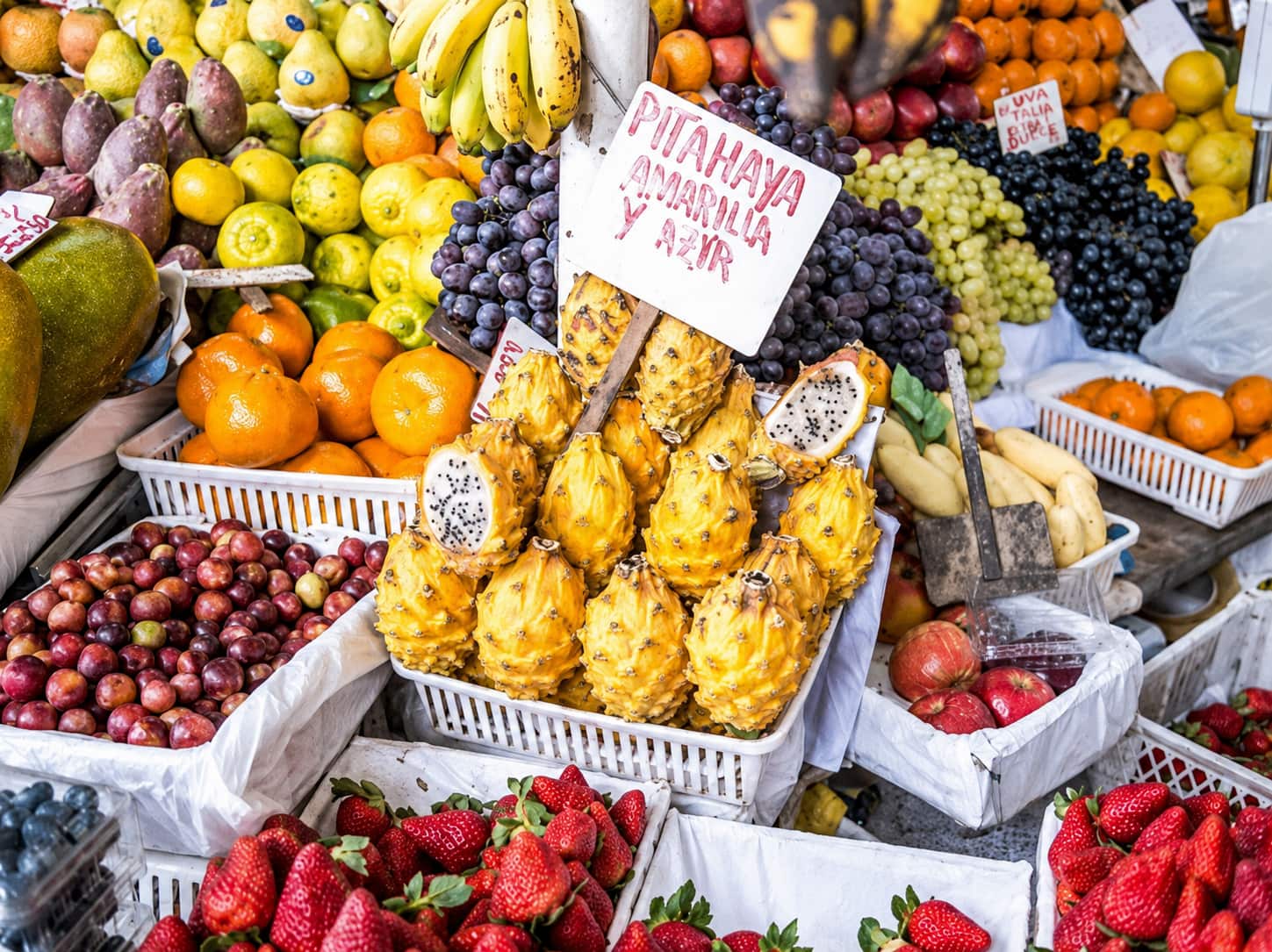
Surquillo Market: where Lima’s top chefs do their shopping. Worth visiting if only to admire the exotic tropical fruit.
A few things we tell all our Lima-bound travellers before they go.
Currency. Peru uses the Peruvian sol (PEN). US dollars are accepted at some hotels and tour operators, but you’ll want soles for taxis, market stalls, smaller restaurants and tips. ATMs and currency exchange offices are everywhere in Miraflores and Barranco.
Tipping. Standard practice is 10% at restaurants if service isn’t already included. Round up taxi fares. A few soles for hotel porters is always appreciated.
Taxis. Use Uber, Cabify or InDrive rather than hailing from the street. They’re cheap, reliable, and avoid the price-haggling that comes with informal taxis. Miraflores and Barranco are pedestrian-friendly, and walking around is easy and pleasant.
Safety. Pickpockets are attracted by big tourist crowds because they know it’s easier to blend in and get away. Be alert if you find yourself in a crowd, keep your valuable close.
Ask the good questions. Most visitors are in the habit of asking their hotel receptionist, guide, or taxi driver about the good spots to eat and what to see. They hardly ever ask what and where to avoid in the city. Those are the good questions to ask.
Weather. Lima’s microclimate is quirky. The “winter” runs from May to October and it brings grey, overcast skies and damp coastal mist known as la garua). Summer, from December to March, is hot, bright and humid. The shoulder months are ideal for the most pleasant weather for sightseeing.
Water. Don’t drink the tap water when in Lima, it isn’t safe as the plumbing infrastructure is very old (it is fine for showering and teeth brushing, though). Drink only bottled water, and know that good restaurants use filtered water for ice and preparing salads.
Packing. Bring an extra layer for cooler evenings (especially in winter), comfortable walking shoes for the colonial centre’s uneven pavements, and something elegant if you’ve scored a high-end restaurant booking. Pack sunscreen even on overcast days. The UV is often much stronger than the cloud cover suggests.
Language. Spanish is essential outside the main tourist spots, especially if visiting independently. While English is spoken at hotels and reputable restaurants in Miraflores and Barranco, a few phrases in Spanish will help everywhere else. Peruvians react with abundant enthusiasm with anyone who tries to communicate.
Book the famous restaurants ahead of time. Both Central and Maido require around 2-4 months for a table booking so get in there early.
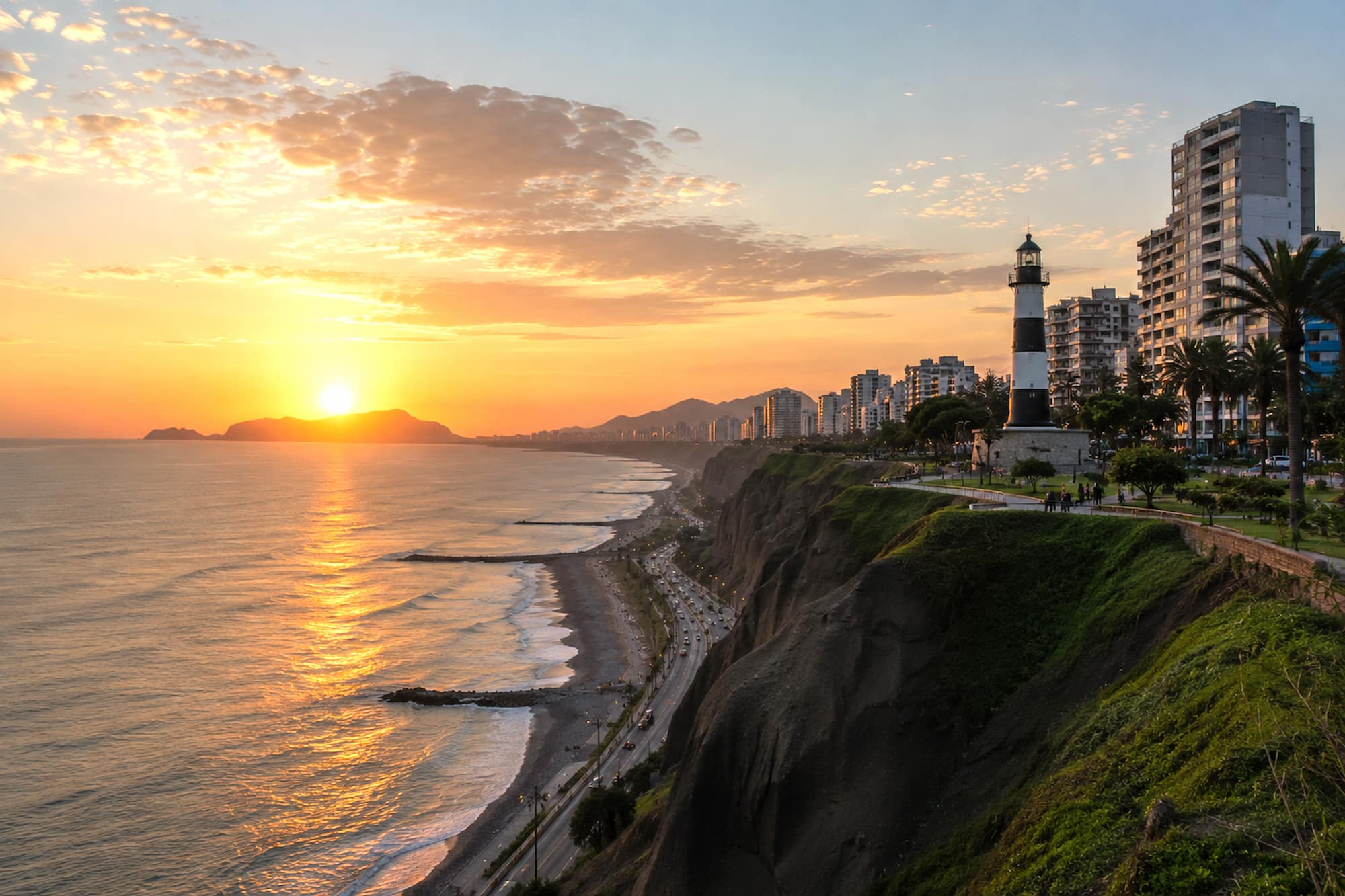
Is it worth visiting Lima for more than a day, you ask? With sunsets like this over the Miraflores cliffs, we think it definitely is.
Lima is one of those places that has the power to rewire your entire view of Peru. You arrive expecting a fleeting stop on the way to Machu Picchu, and leave wondering why anyone would try to skip it.
All of our Peru tour itineraries build in time in Lima as standard, with the option to extend if you want a slower start. We typically recommend foodies add a couple more days for the kitchen tours and high-end restaurant bookings, and history buffs should add days for the museums and a deeper look-see at the colonial centre. Either way, our Destination Specialists know Lima well and can shape the rest of your Peru trip around it. From Machu Picchu and the Sacred Valley to the Amazon, or onward to the southern coast for condors over the Colca Canyon, we'll build it to suit you.
Get in touch with Viva Expeditions, and let’s get that Lima trip sorted.
Laura PattaraLaura Pattara writes for Viva Expeditions with a special love for all things Latin America. She had guided overland tours across the continent, reached Machu Picchu five times on foot, and even dressed up as a giant toucan for Carnaval. With a degree in languages and two decades of global travel experience behind her, Laura has a long-standing love for the Andes, soaring condors, and a truly delicious empanada. |
Our Signature Peru plus the Amazon jungle. Explore Peru's highlights including Lima, Sacred Valley, Cusco, Machu Picchu and the Peruvian Amazon.
Fly over the famous Nazca lines, discover the rich Peruvian coast, the regions of Pisco and Ica, and Ballestas Islands, departing from Lima.
Signature Tours: Refined, Simplified, Perfected
Premium itineraries carefully crafted by destination experts. Take in the very best of South America and Central America, with highly-rated hotels and exclusive authentic experiences.
Most Popular Tours: Discover the bucket list trips our clients have been booking most in recent months. Here you'll find the very best tours we offer, spanning four of the world's most exceptional regions.
Our classic best of Peru offering our favourite Lima, Cusco, Sacred Valley and Machu Picchu by train experiences, handpicked for you.