
10 days
Classic Madagascar
Experience a captivating Southern journey featuring exploration of Ranomafana National Park, the Anja Reserve, and Isalo National Park.
Laura Pattara | 18 June 2026
With credit to Tracy Davidson
If you’ve been dreaming of lemurs and baobabs but the headlines are giving you pause, we’ll we'll happily put your mind at ease. Is Madagascar safe to visit, you wonder? The short answer is yes: with sensible planning and good local support, the stunning island is a safe and incredibly rewarding place to travel.
We peppered Viva Expeditions' Tracy Davidson with questions about her recent trip through the country, and she shares first-hand tips on how to ensure you have a wonderful, hassle-free time. We'll include plenty of practical tips too, covering everything from crime and health concerns to the best way to get around and how to dodge cyclone season. By the end, you will know exactly what to expect and how to prepare.
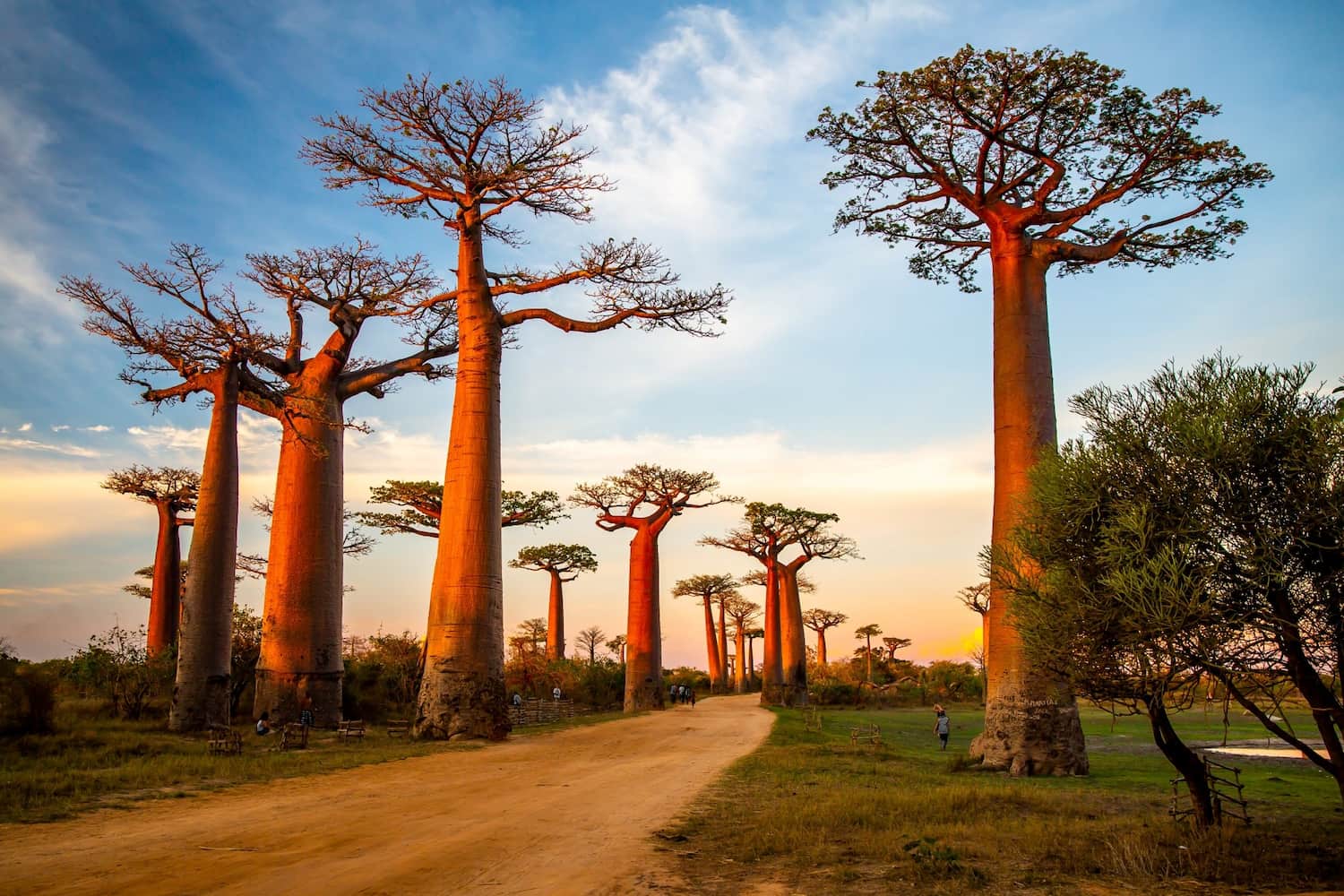
Madagascar is amazing but it needs a bit of pre-planning. How else would one know to visit the Avenue of the Baobabs at sunset?
What you’ll find in this guide:
Is Madagascar safe for tourists?
Crime and safety in Madagascar
Is Madagascar safe for solo travellers?
Safe areas to visit in Madagascar
How to travel safely in Madagascar
The vast majority of visits to Madagascar are trouble-free, and that has been the case for years. What changed recently is the political backdrop. In late 2025, large protests led to a change of government, followed by a calm transition period. Travel advisories have also settled down and followed suit: the United States eased its advisory to the usual “exercise increased caution” in December 2025 (joining the UK, Germany and France on the same cautionary level), while Australia and Canada advise a high degree of caution. To give you perspective, that puts Madagascar in the same advisory bracket as Indonesia, Bali included.
The sensible approach to travelling through the island is the same one we recommend everywhere: check your government’s travel advice when you book and again before you fly, and travel with an operator whose people are on the ground and can handle last-minute happenings should there be any.
“Even though there had been some unrest shortly before I travelled, the local guides explained what had actually happened and gave us local context around it, which eased any worries we may have had. Sometimes, the headlines don't really tell the full story, and from overseas, we often only hear the negative side. Being there in person felt very different to how it was portrayed in the media."
– Tracy, Viva Expeditions Specialist and recent Madagascar traveller.
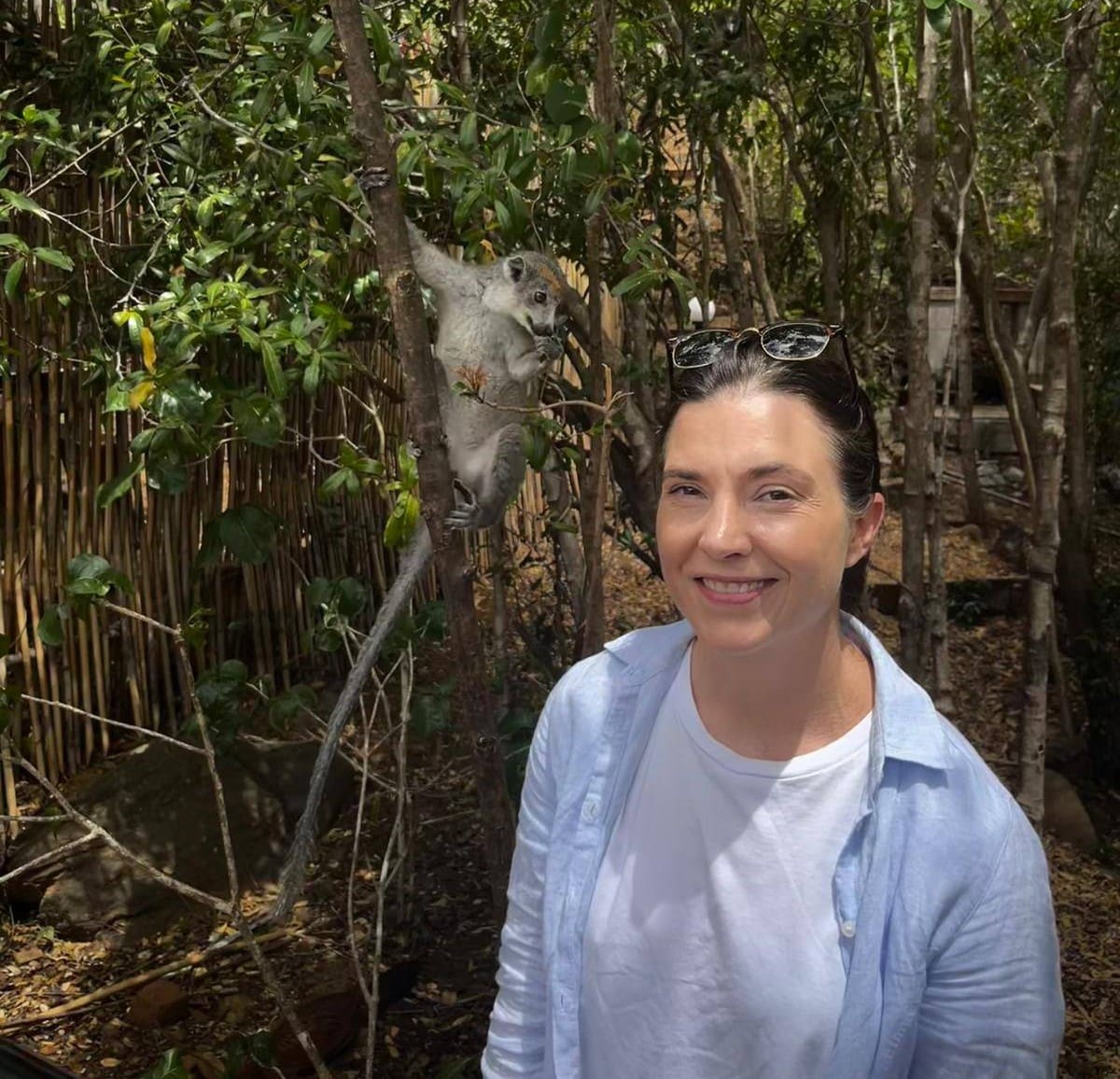
Tracy with a curious new friend at Nosy Komba Island. Madagascar's lemurs are famously bold, and with more than 100 species across the island, close encounters like this are part of the experience.
Crime in Madagascar follows a pattern you will recognise from many developing destinations. Petty theft is by far the most common issue, particularly pickpocketing and bag snatching in crowded spots such as markets and transport hubs. More serious crime does occur, but it is concentrated after dark and largely away from the routes that visitors actually travel. In reality, the only issues you would ever face are if you inadvertently end up in a location you shouldn’t have been visiting in the first place.
The day-to-day reality for travellers on an organised trip looks very different from the statistics. You are met at the airport and driven by people who know the roads, and the accommodation and restaurants on your route have been vetted many times over.
“I felt very safe while travelling in Madagascar, mainly because we were with local guides the entire time. They take great care of you from the moment you arrive: meeting you at the airport, escorting you to stop safely at banks to withdraw money, taking you to local shops for water and essentials, and knowing exactly which restaurants are safe and reliable to eat at."
- Tracy
A few safety travel habits go a long way. Leave the jewellery at home and keep cameras and phones tucked away when you are not using them. Carry only the cash you need for the day. The Malagasy people are known for their warmth and peaceful nature, and memories of warm encounters with locals are usually the souvenir most travellers bring home.
This is the part of your preparation that deserves the most attention, and the fix is straightforward: see a travel doctor about a month before you go, and they’ll tailor everything to your exact itinerary. Things like malaria risks can vary quite a bit between the highlands, the rainforest, the coast and the dry south.
“I popped in to my local travel medical centre in New Zealand before my trip to get the recommended vaccinations, malaria tablets and health advice for the areas we were visiting. I also got a medical kit from them, which came in really handy. It included antihistamines for allergies and car sickness tablets, which I would not have thought about!. Some of the travel days can be quite long and the roads are often uneven, so as someone who gets car sick, this helped me a lot."
- Tracy
We would second the medical kit advice, since hospitals and pharmacies are limited outside the major cities. Carry what you might need, even simple stuff like ibuprofen for a splitting headache, and rehydration sachets. Make sure your travel insurance includes medical evacuation cover, as in those rare but serious cases, the closest medical help is in Réunion or South Africa.
While Madagascar does have malaria, its highest prevalence is along the coasts and in lowland areas. The central highlands around Antananarivo sit at altitude and carry a much lower risk, yet most itineraries include time on the coast or in the lowlands, so antimalarial tablets are usually recommended anyhow. Note that the local malaria strain is resistant to chloroquine (which is commonly prescribed elsewhere), so get the most updated prescription advice from your doctor and don't go digging for a packet you may still hold from a previous trip. Dengue is also present but there is no preventative tablet for that, so you still need to avoid bites regardless. Cover up at dawn and dusk, and use a good DEET-based repellent.
Skip the tap water entirely. The good news is that you will rarely have to think about it.
“All of the accommodations we stayed at provided safe drinking water. Most places either gave us refillable bottles or had filtered water stations. Bring your own refillable bottle from home, and you're set. It can get very hot in Madagascar, and dehydration can cause loads of issues, so you do end up drinking a lot of water throughout the day."
– Tracy
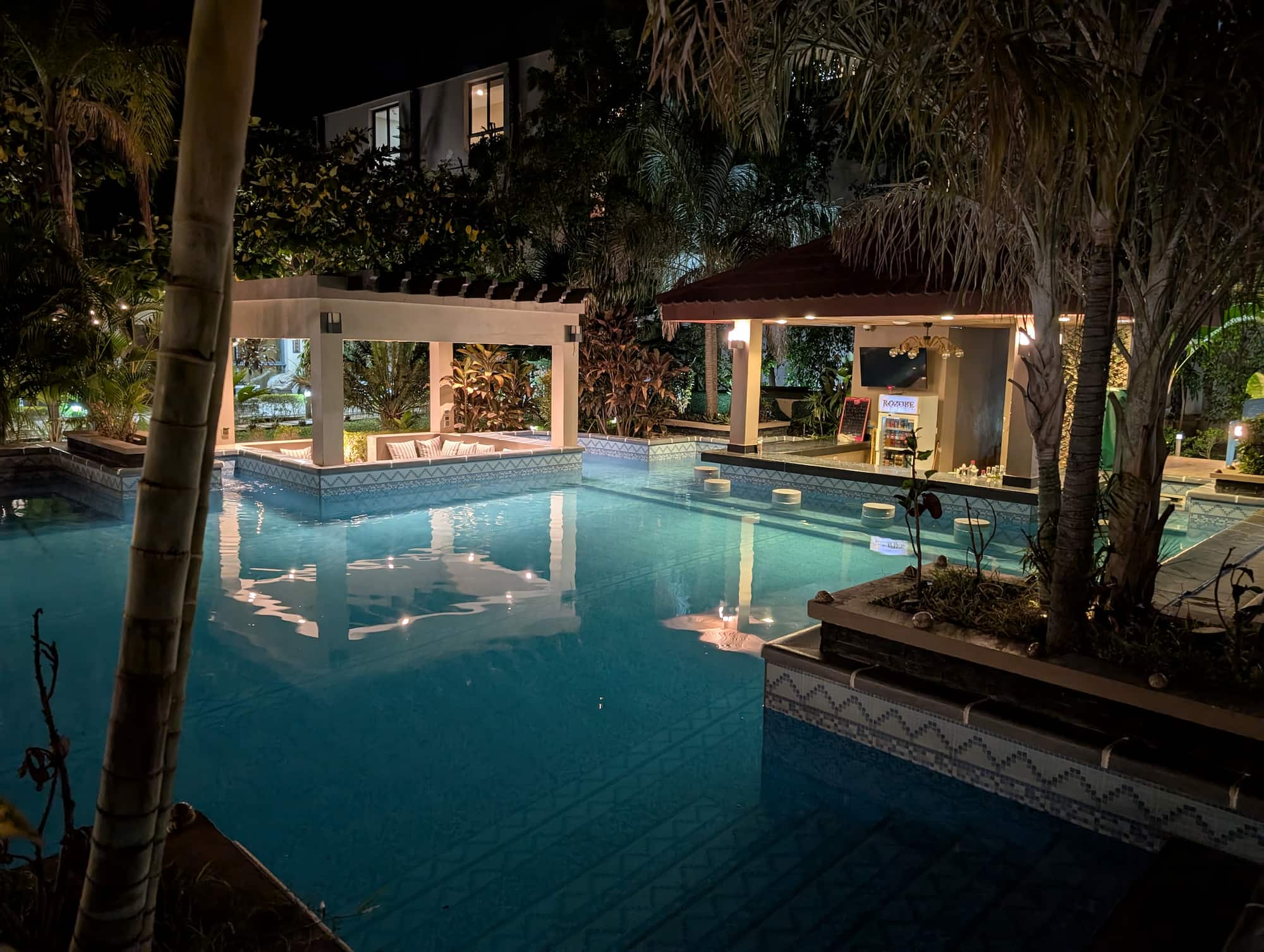
Winding down at the Kozobe Hotel, one of Tracy's stops. Every hotel and lodge on her route kept guests supplied with safe drinking water.
Most first-time visitors don't see this one coming: the biggest day-to-day safety consideration in Madagascar is not crime, it is the roads. The island is larger than France, yet has only a tiny fraction of the sealed road network you would expect in a place this big. To cap it off, road maintenance is a rare occurrence. As a result, drive times are long and surfaces are rutted, so a distance that looks like two hours on a map can take five.
The solution is the one every reputable operator uses: a private vehicle with an experienced local driver. Self-driving is not recommended, and the shared minibuses known as taxi-brousses are best left to the adventurous on a very loose schedule, as they are overcrowded and the stations attract pickpockets. Your driver will also refuse to travel after dark, and trust us, you want it that way. The rare highway robberies that do occur happen almost exclusively at night, so everyone simply plans their days around daylight driving.
The RN7 from Antananarivo south towards Isalo and Tulear is the country’s most reliable and most scenic road trip, passing highland villages, rice terraces, craft towns and several national parks along the way. For longer hops, domestic flights save days of driving, though schedules can shift at short notice. We always build in a buffer night before your international flight home, and we would urge anyone travelling independently to do the same.
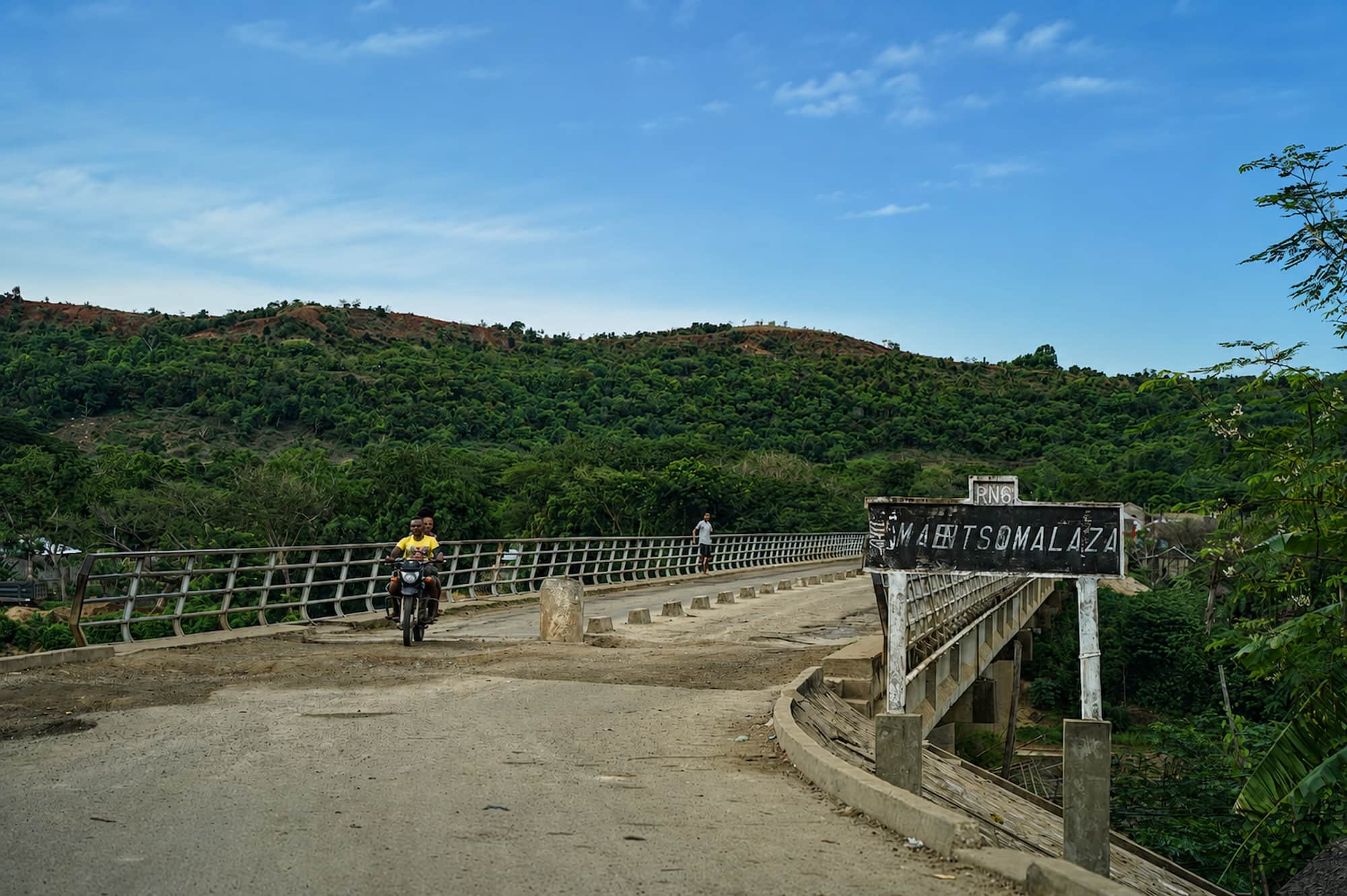
Between the unsealed roads, river crossings and goregous scenery, getting around Madagascar always takes longer than expected. Just trust your driver and enjoy the ride.
Madagascar's cyclone season runs from November to April, with the east coast the most affected. Heavy rain can flood roads and cut off some regions entirely, particularly in the west and north, where many routes are unsealed. None of this should put you off, though; it's nothing more than a timing issue.
The dry season from around April to October is the ideal window for travel, with cooler temperatures and easier driving conditions, plus the best wildlife viewing of the year. From July to September, you also get humpback whales migrating along the coast, which is a glorious bonus.
If you can only travel in the warmer months and don’t want to miss out on your Madagascar adventure, know that lodges and local operators monitor weather warnings closely. If your itinerary needs adjusting, we handle it before you’ve even seen the forecast.
Yes, with the same structure that makes the country work for everyone: local guides and a planned route. Tracy travelled to Madagascar on her own from New Zealand, joining a small group with guides once she arrived, and her experience is typical of how solo travel works best here.
“Our guides took us to local markets and out at night, and I never felt uneasy at all. They know the areas back to front and often know the local people personally, which makes a huge difference and gives you a real sense of comfort while travelling there."
- Tracy
Solo and female travellers should follow the usual common sense advice: dress modestly in rural areas, as they are quite conservative, and avoid walking alone at night in the cities.
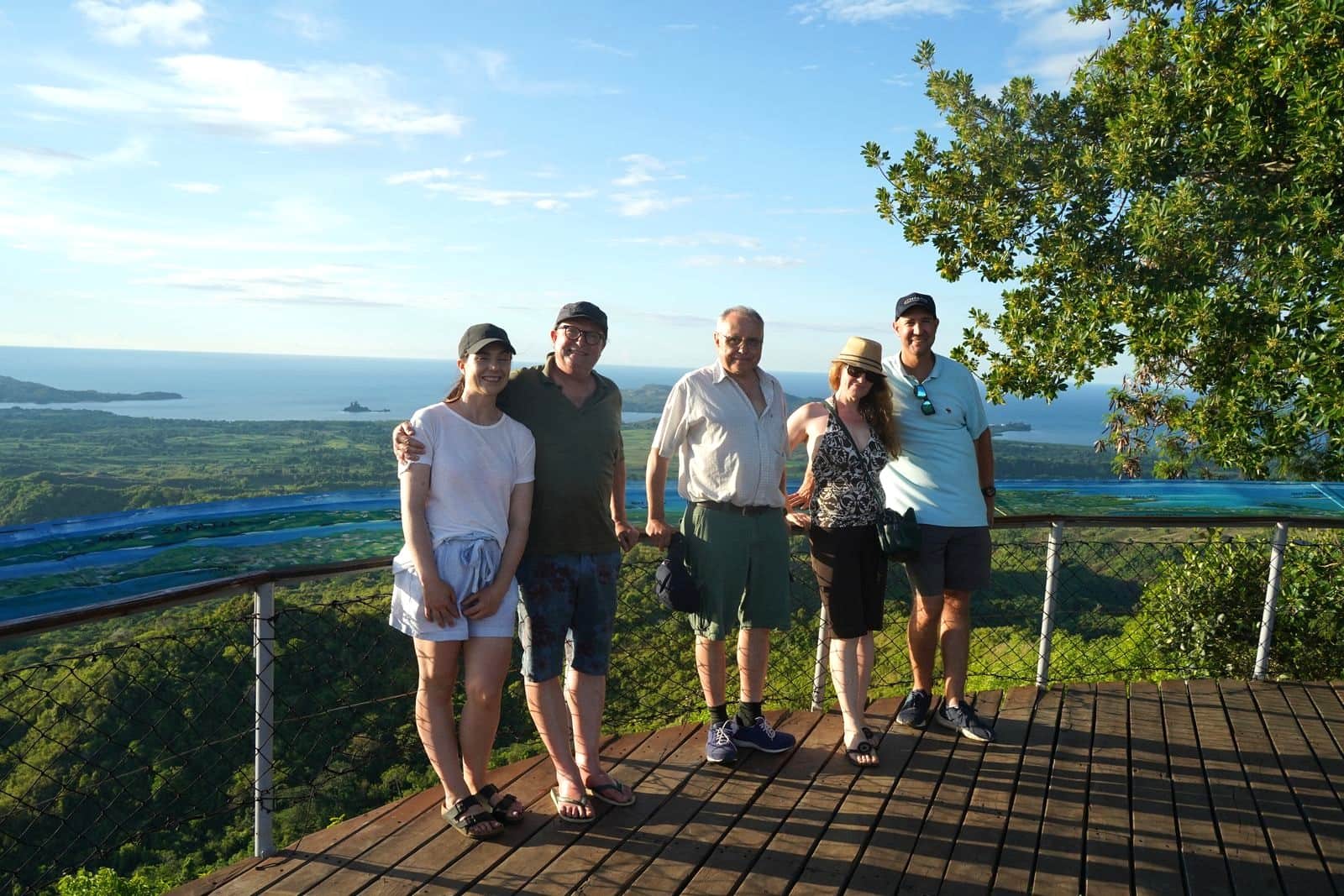
Travelling solo doesn’t have to mean travelling alone. Tracy joined a small group tour in Madagascar and had a fantastic time exploring with like-minded adventurers.
Madagascar's capital is where just about every trip starts and ends, and during the day, it is well worth exploring with a guide. The Rova (Queen's Palace), the city viewpoints, the craft markets and the old colonial quarter are all comfortably visited with a local escort. After dark, the advice changes a bit: take hotel-arranged taxis instead of walking, even for short distances. Most travellers treat Antananarivo as a gateway, spending a night or two before heading for the wilder corners of the island. The city is definitely worth exploring, but only for a day or two. Then off you go!
Northern Madagascar, including Nosy Be, has remained one of the most stable parts of the country, and the island is its best-established beach destination with a growing tourism police presence. The usual remote beach-destination rules apply here, too: use the hotel safe and give deserted stretches of sand a miss in the evening. Agree on taxi fares before you set off, too. If the north appeals to you, our Madagascar’s Northern Highlights tour combines Nosy Be with the rainforests of Montagne d’Ambre and the limestone pinnacles of Ankarana.
Beyond these two, the well-trodden RN7 corridor and national parks such as Andasibe, Ranomafana, Isalo and the Anja Community Reserve see a steady flow of visitors year-round and are well set up for tourism. The areas governments flag for caution, mainly remote parts of the south and a handful of western roads, sit well away from typical itineraries.
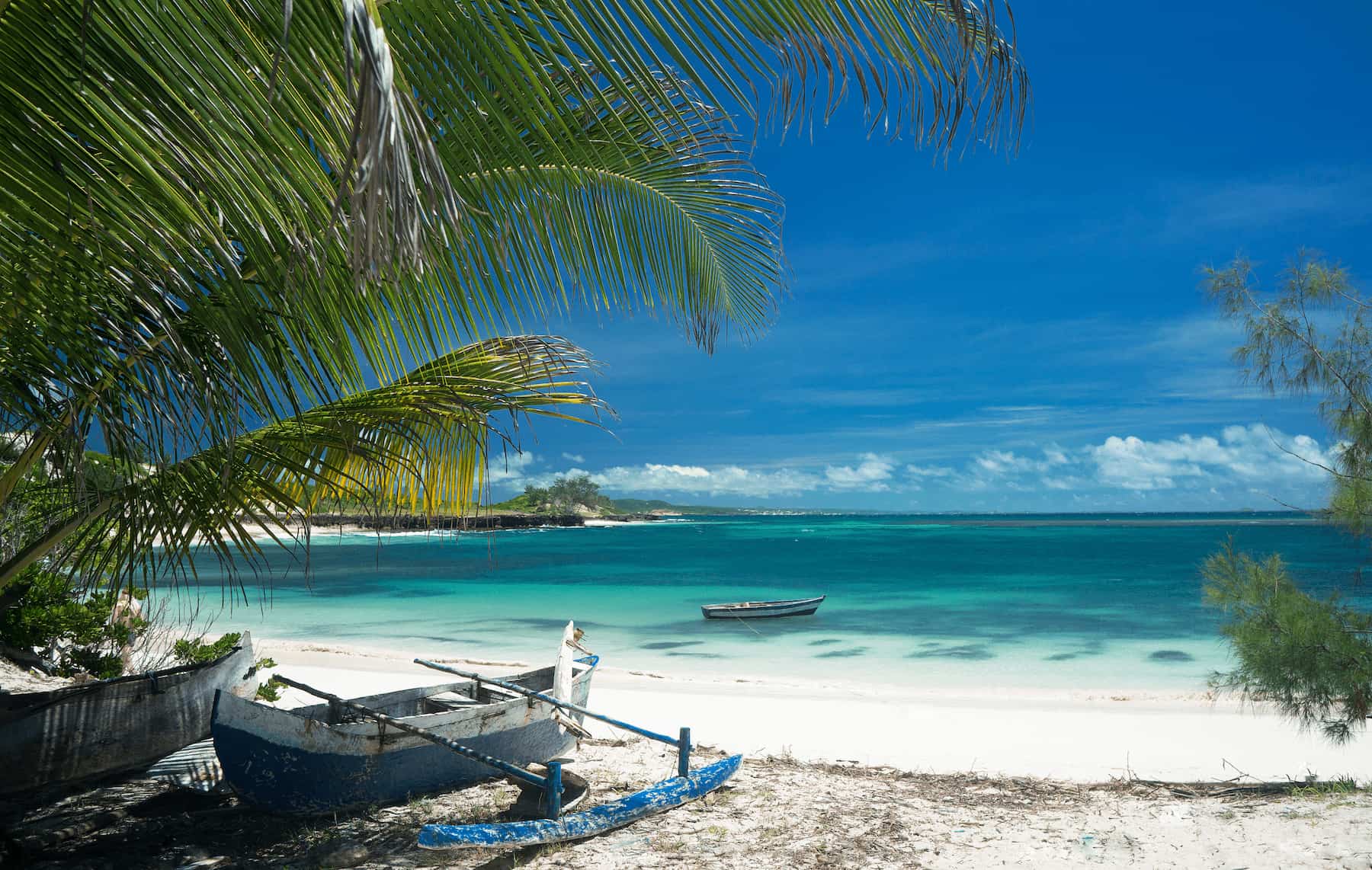
Nosy Be delivers the whole picture-postcard thing, and the north remains one of the country’s calmest corners.
Our Madagascar travel advice, in short:
Travel with local guides. Nothing else on this list matters as much. They handle the logistics and know which areas to skip.
See a travel doctor four to six weeks out. One appointment sorts your vaccinations and malaria tablets, plus a medical kit stocked for your route.
Avoid road travel after dark. Plan driving days around daylight, something all locals do.
Respect local culture. Local taboos vary from region to region and even village to village, covering everything from certain foods to pointing at tombs. Your guide will likely mention some of these, but asking is appreciated.
Keep valuables simple. Jewellery stays at home, and the hotel safe works for everything else of value.
Carry Malagasy ariary in small notes. Madagascar runs on cash outside the main hotels. Small notes make life easier at markets and for tipping.
Buy souvenirs wisely. Gemstones require a certificate of authenticity and a legal export permit to leave the country, so ask your guide if you're interested in bringing home a gem. Vanilla (Madagascar is the world’s leading producer) and woven goods are always safe bets.
Drink filtered or bottled water only. Refill stations are everywhere on the main routes.
Get comprehensive travel insurance. Make sure it includes medical evacuation.
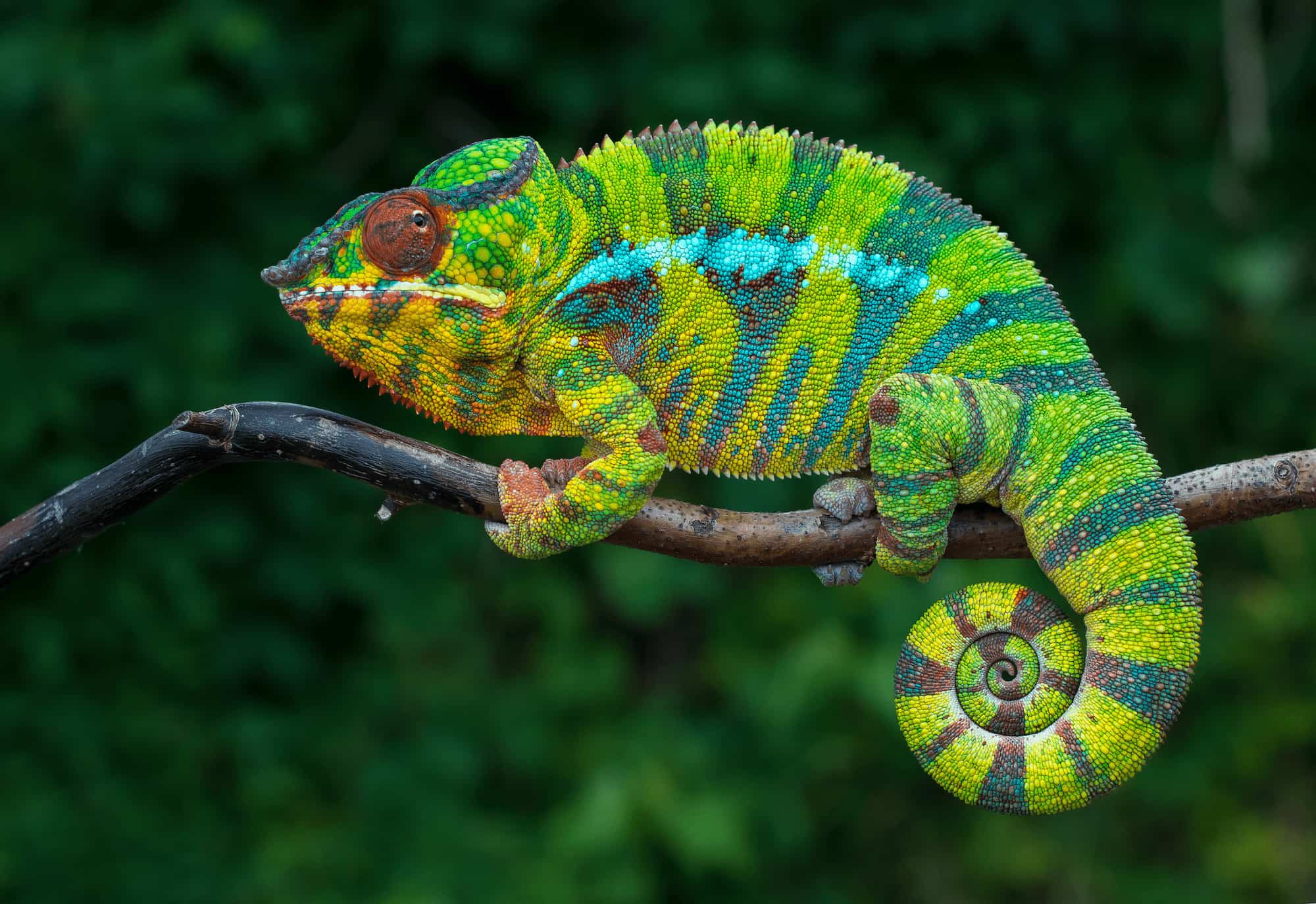
Madagascar isn't the easiest place to get to, but that remoteness and isolation is the reason you can see unique widllife, like this panther chameleon.
Do I need a visa for Madagascar?
Yes, but it is easy to get. You can buy a visa on arrival at the airport for stays of up to 60 days, with fees starting from around EUR 30 / US$35 for shorter visits. Bring cash for the fee in case the card machines are down (happens often).
Is the political situation stable now?
Things have definitely calmed down since the transition government took over in October 2025, and advisories have eased as a result. As with any destination, keep an eye on the official advisories in the lead-up to your trip.
Is there malaria in Madagascar?
Yes, in coastal and lowland areas in particular, with the highlands (and Antananarivo) posing much lower risks. Your travel doctor will advise based on your route.
What about plague? I read Madagascar has it.
You may have seen this in the press. Plague is endemic in rural parts of the central highlands, with small seasonal outbreaks mostly between September and April. The risk to travellers is extremely low, and standard itineraries do not pass through affected communities. No vaccine is required. For visitors on standard routes, it is a non-issue.
When is the best time to visit Madagascar?
The dry season from around April to October offers the most comfortable weather and the most reliable road conditions, with superb wildlife viewing and migrating whales from July to September.
Is the tap water safe to drink in Madagascar?
No. Stick to filtered or bottled water, which lodges and hotels provide as standard.
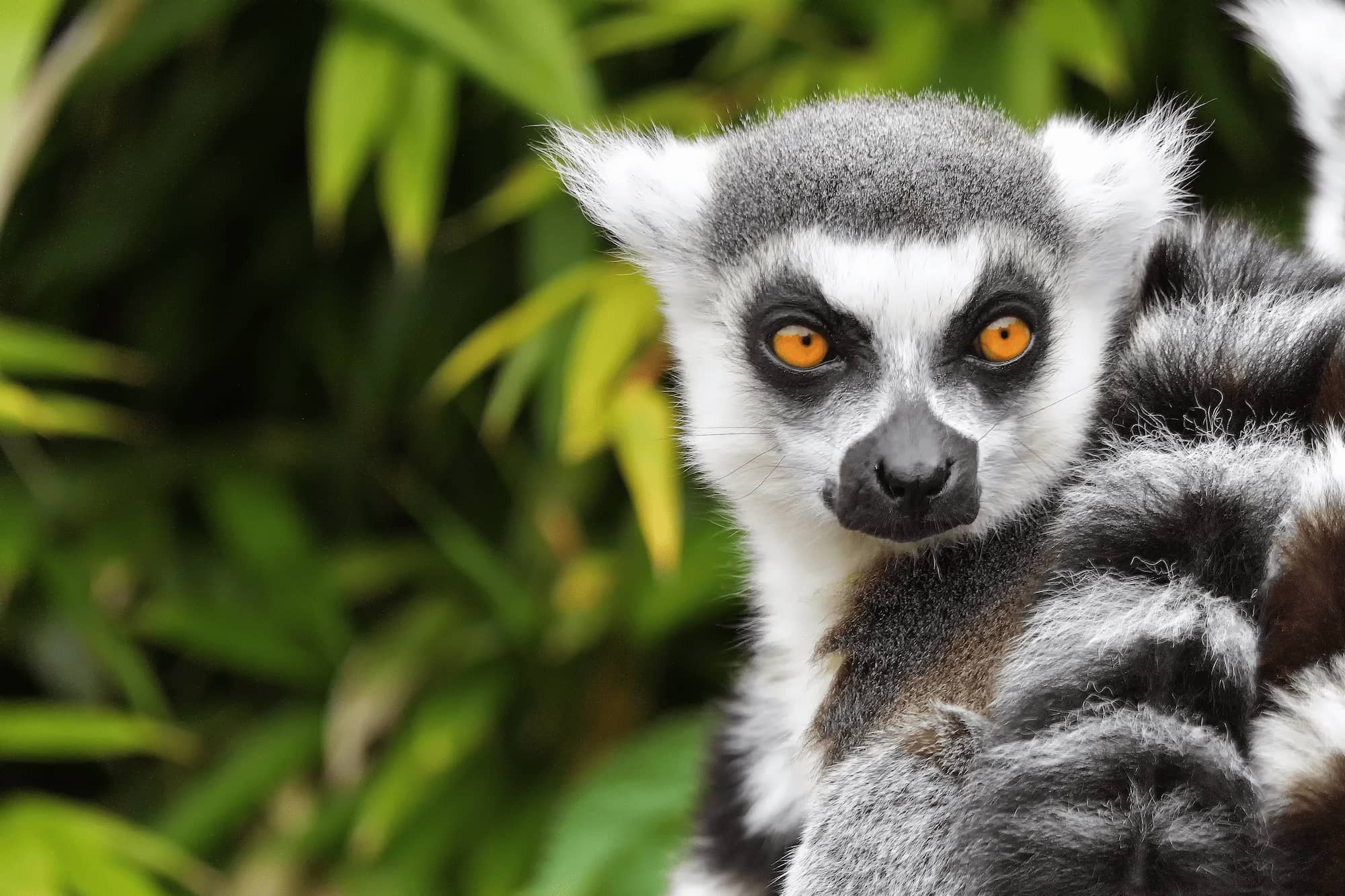
Around 90 per cent of Madagascar’s wildlife exists nowhere else on earth. The lemurs alone justify the flight.
Madagascar asks a little more preparation than some destinations, but according to Tracy and every other guest we’ve sent there, it pays you back many times over. Few places on the planet offer wildlife this strange and wonderful, or a welcome this warm. The travellers who have the best time are the ones who go with good local support, and that is exactly what we build into every one of our Madagascar tours.
At Viva Expeditions, our Destination Specialists work with trusted partners across the island, from the baobabs of the west to the beaches of Nosy Be, and we will plan your route and timing along with all the practical details covered in this guide.
Get in touch and let’s get your Madagascar adventure on the calendar!
Laura PattaraLaura Pattara has guided overland trips across Africa and now focuses her writing on the continent for Viva Expeditions. She once camped beneath a marula tree that an elephant tore apart during the night, yet somehow she still sleeps best in a tent. But make it glam! From sunrise balloon rides over the Serengeti to following the rhythms of wildlife migrations, Laura brings the wild heart of Africa to life with warmth, depth, and the occasional muddy boot. |
Experience a captivating Southern journey featuring exploration of Ranomafana National Park, the Anja Reserve, and Isalo National Park.
Unveil the natural wonders of northern Madagascar. From the verdant Montagne d'Ambre and dramatic Ankarana to the enchanting tropical isle Nosy Be.
A magical journey through Morondava, Kirindy, and Bekopaka. Witness the surreal stone forest landscape of Tsingy de Bemaraha and iconic Baobab Alley!