Arctic travel sounds like a straightforward thing to plan, until you start digging and realise it is all a bigger, knottier world than you first imagined. There are dozens of ships to compare and destinations that all seem to offer something unique. All of it crammed into a sailing season that lasts barely four months.
Given we field that confusion all the time, we’ve compiled our polar team's guide to the best Arctic trips and how to choose between them. We have sailed these waters ourselves, so we’ll skip the glossy overview and simply give you the been-there detail: where to go, when to sail, what it actually costs, and which ship will suit you.
The Arctic asks for a bit of homework before you go. This is ours, delivered to your browser, thanks to these intrepid explorers...
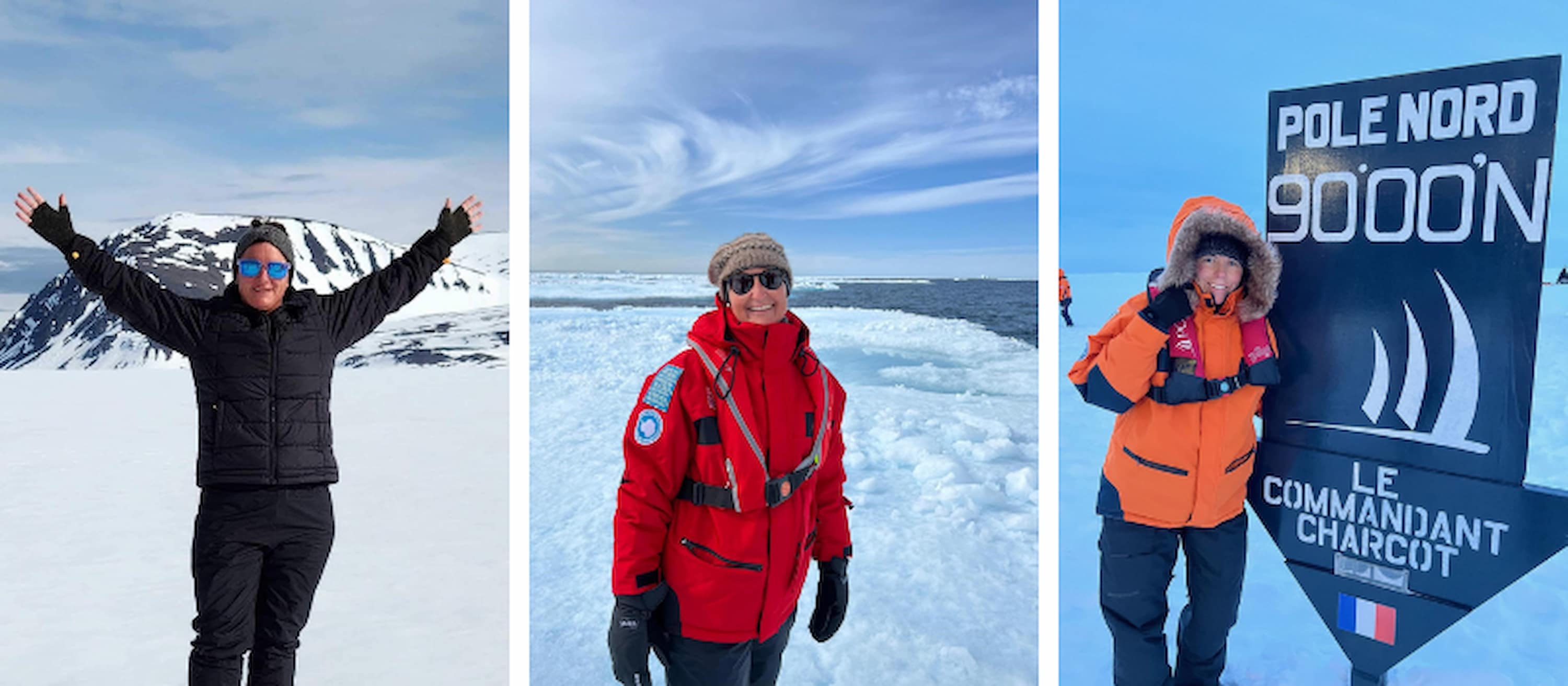
The team behind the advice: between them, Rachel, Pia and Tara have sailed most of the Arctic detailed in this guide.
In this guide:
Where to go in the Arctic, and how to get there
The Arctic (waving a hand somewhere in a general northern direction) is a string of distinct regions, each with a personality of its own and a different way in. Here’s how the main ones stack up, and how you reach them.
Need a little more convincing first? Our reasons to visit the Arctic make the case better than we can here.
Svalbard (Spitsbergen)
If you only have one Arctic trip in you, this is where most of our team would point you. The Svalbard archipelago sits about 1,000km (620 miles) from the North Pole, yet it’s surprisingly easy to reach. A short flight from Oslo, in Norway, drops you into Longyearbyen, where you can be aboard your ship the very same day.
Svalbard is famous for having the densest polar bear population you can realistically cruise among. It also gives you walrus hauled out on the ice, bird cliffs you hear (and smell) long before you see them, fjords chock-full of glaciers, and the widest choice of itineraries anywhere up here, which is a big part of why we rate it the best-value first visit.
Browse our Spitsbergen and Svalbard cruises to see the range, and our guide to where and when you’ll spot polar bears if they’re top of your list.
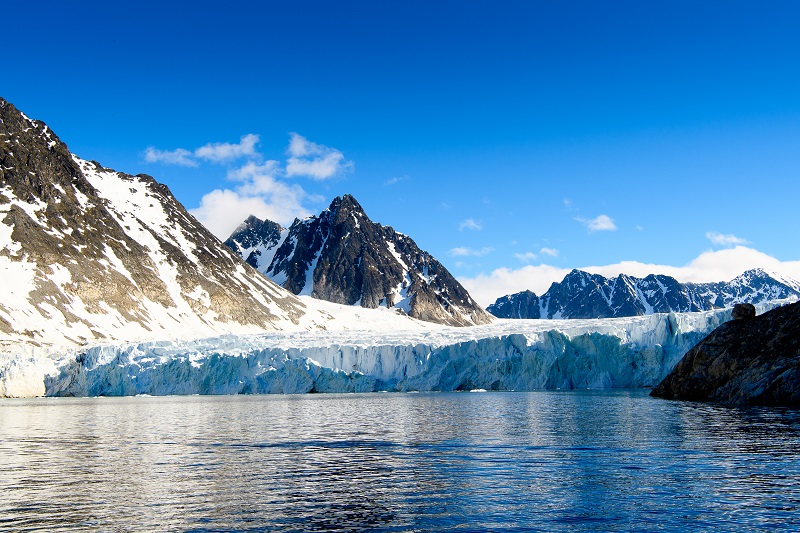
Svalbard packs more glacier front into a single week than most places manage in a lifetime – the best Arctic trips if you want an experience that packs a mighty punch in a short time.
Greenland
The world’s largest island, and one of the wildest places you can reach by ship, Greenland has had its fair share of news mentions lately. What we are most interested in, however, are the island’s icebergs (which are the size of office blocks) and the vast Scoresbysund fjord system, the biggest of its kind on earth. Dotted along the coast are tiny Inuit settlements, like Ittoqqortoormiit, where hunting and fishing still rule daily life. Wildlife is less of a sure thing on Greenland than in Svalbard, but the sheer scale and remoteness make every sighting even more special.
Read Pia’s review of her trip to Greenland aboard L’Austral to get a great overview of this destination is all about.
Many of the finest voyages pair Greenland with Iceland, so you can easily soak up the splendours of both in a single trip.
Iceland, Canada and the Northwest Passage
Iceland often plays the supporting role as a gateway to Arctic travel, although its volcanic coastline is a cruising highlight in its own right, and it can be easily linked to East Greenland across the Denmark Strait.
A little further west lie the Canadian Arctic and the legendary Northwest Passage. For those chasing real remoteness, these are the best Arctic trips of all. Head this far north and you’re in musk-ox and Franklin-expedition country, with far fewer fellow ships on the horizon than anywhere else in the region.
These voyages run longer and cost more, and they tend to be the trips people book on their second or third visit to the region, once the Arctic has got well and truly under their skin.
There's also what we consider a gentler version of the far north, for travellers who aren't strictly set on polar bears and pack ice. Our Scandinavia and Finland tours trade Zodiac landings for the northern lights, Norwegian fjords, husky sleds and a night or two in a glass igloo. If aurora and cosy Lapland wilderness appeal more than expedition cruising, that's the direction to look.
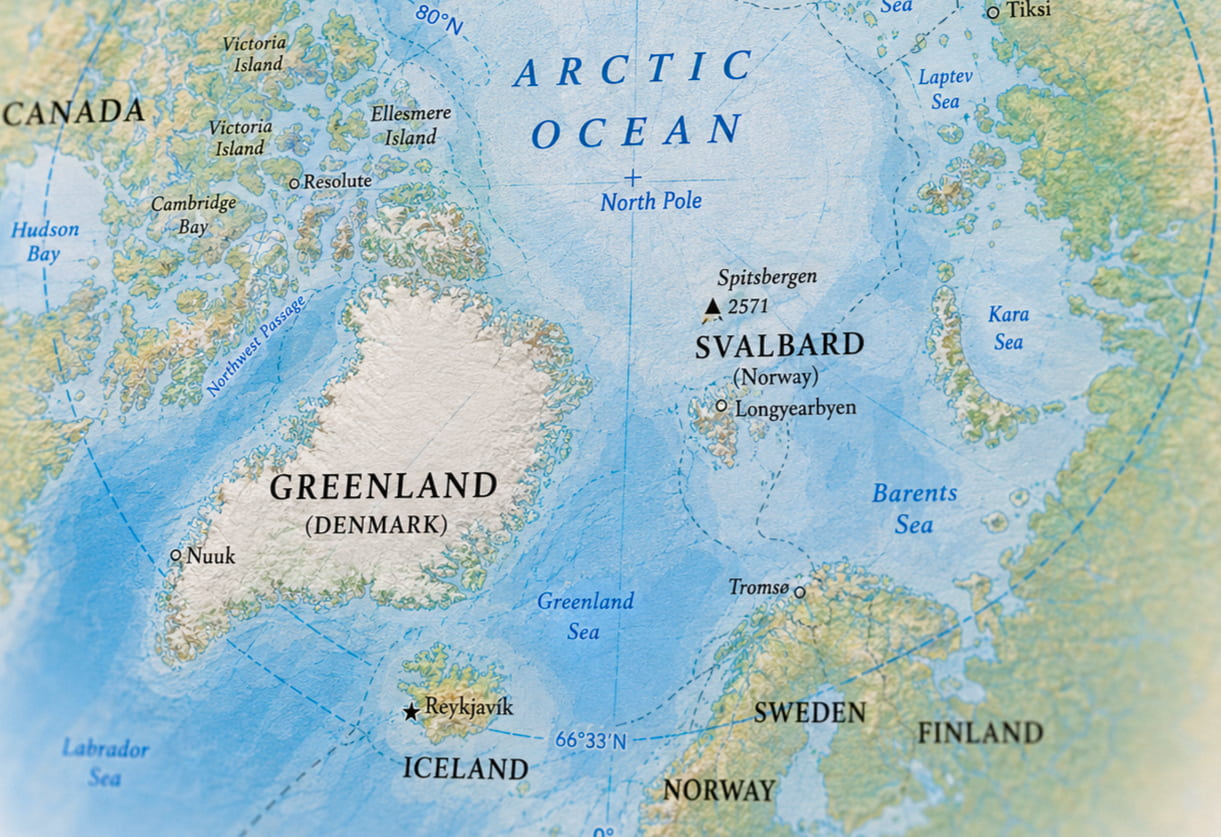
One region, many worlds: half the battle is matching the destination to what you most want to see.
When is the best time for Arctic travel?
The Arctic cruising season is rather short, running from late May to September, and the month you pick can strongly shape the kind of trip you will have. While there is no single ‘best’ time we can recommend, there is the best time for what you want to see most.
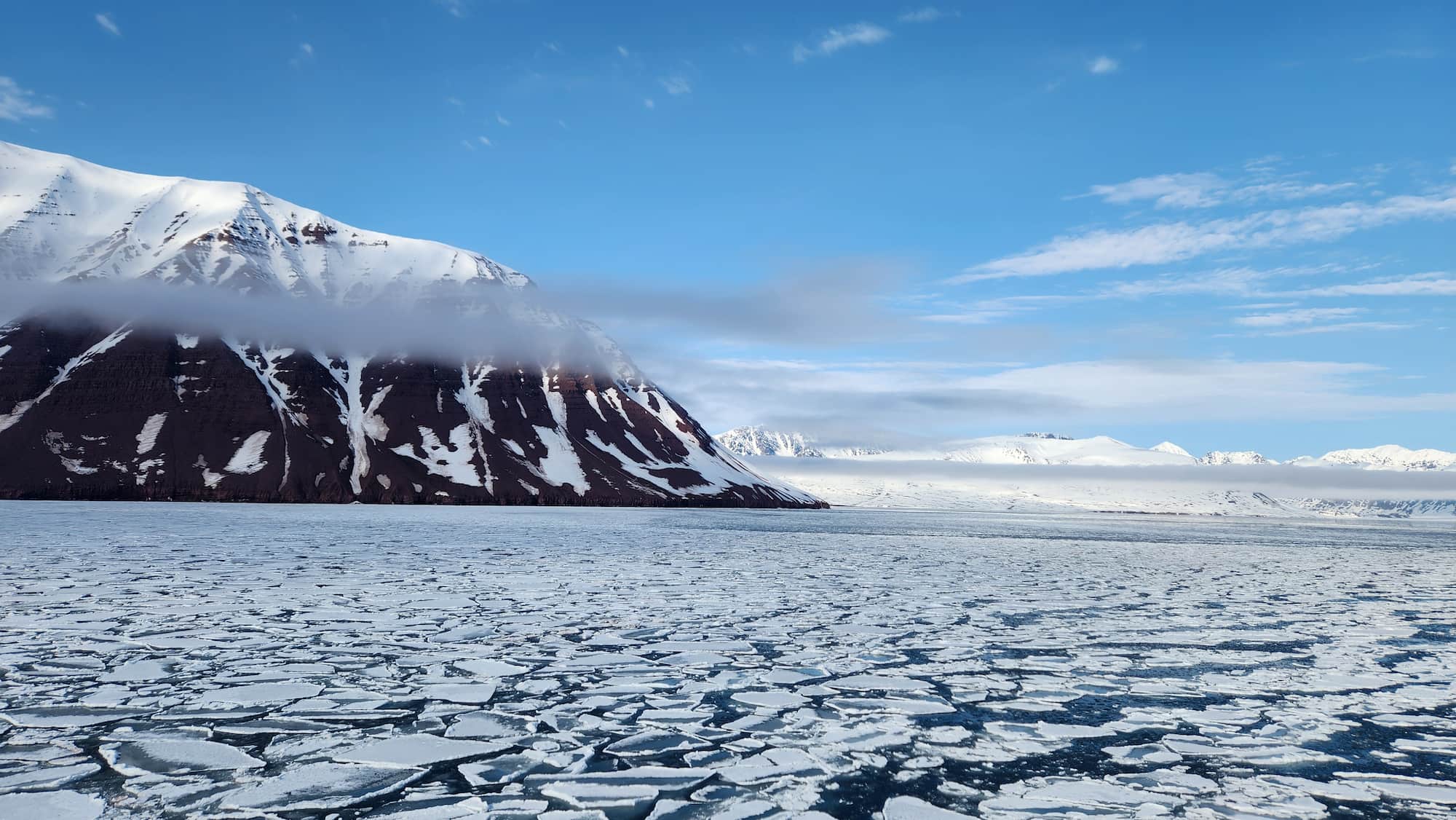
The very start of cruise season in the Arctic means you’ll see lots of sea ice. Rachel took this photo on her expedition in early June.
-
Late May to June: The start of cruising season in the north sees still plenty of ice, which is only just starting to break up. Fjords are still frozen at their edges, landings are pristine, and the landscape is as its most untouched. This is prime time for polar bears (mothers with new cubs included) and minimal tourist crowds.
-
July to August: Unsurprisingly, the northern summer is peak season for Arctic travel, with milder weather, wildflowers blanketing the tundra, bird cliffs bursting with life, and pack-ice retreating far enough so ships can push further north. Mid-summer is the best window for Greenland and for combining multiple regions, but book early because these are the dates everyone wants.
My favourite Arctic memory is from early June, the light low and pink across the ice, watching a mother polar bear lead her two cubs past us while the ship sat dead quiet so we wouldn't disturb them. Go early in the season and you get the pristine, snowbound version, and later in summer for wildflowers and roaring bird cliffs. I love both, for completely different reasons.
-- Pia Knarston, Polar Travel Specialist, Viva Expeditions.
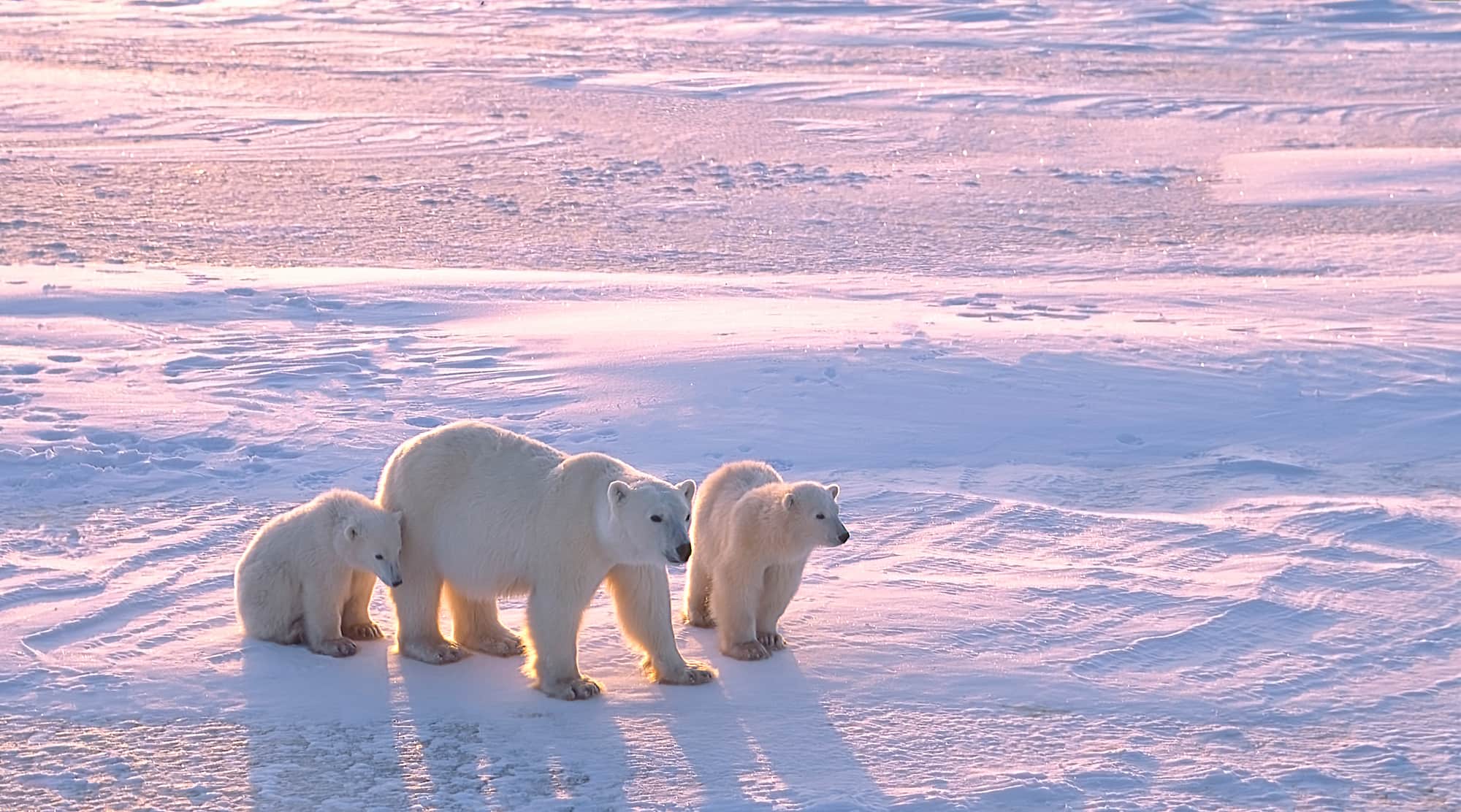
The reward for sailing early in the season: the low setting sun washes the ice in the most extraordinary colours.
If animal spotting is high on your wishlist, read about the Arctic wildlife you might meet and when before setting your heart on specific dates.
Arctic cruise itineraries and what they cost
Almost everyone explores the Arctic the same way: by small expedition ship, hopping ashore by Zodiac. What changes is how long you go for and how far you roam.
Here’s a rough sense of both, with ballpark “from” prices per person as starting points to help you budget. Fares then increase depending on the ship and cabin grade you choose, and on when you sail.
Shorter cruises, around 7 to 10 days
The best Arctic trips of around a week are usually built around a single region, most often Svalbard. You get a proper taste of Arctic wildlife and scenery without committing three weeks or your life savings. Our Fjords, Glaciers and Wildlife of Svalbard voyage is a great example. A rough budget here is from around US$6,000 to US$9,000 per person, depending on the ship and cabin. Smaller, simpler vessels like the 12-passenger M/S Sjøveien sit at the friendlier end of that range.
Longer cruises, around 12 to 20 days
Add a few more days, and you can start combining regions for a more comprehensive experience, with more landings, more wildlife and a much deeper dose of remoteness. You might pair Svalbard with Greenland, for example, or go the whole way and tackle the Northwest Passage, too.
Our 15-day Jewels of the Arctic expedition is the classic of the longer cruise type. Rough budget: from around US$10,000 to US$16,000 per person, climbing higher again on premium ships.
On top of the cruise, don’t forget to factor in flights to your departure point, usually Oslo and onward to Longyearbyen, or Reykjavik. The good news is that many expeditions fold the charter flight between the gateway city and the ship into the fare, so it’s one less thing to book.
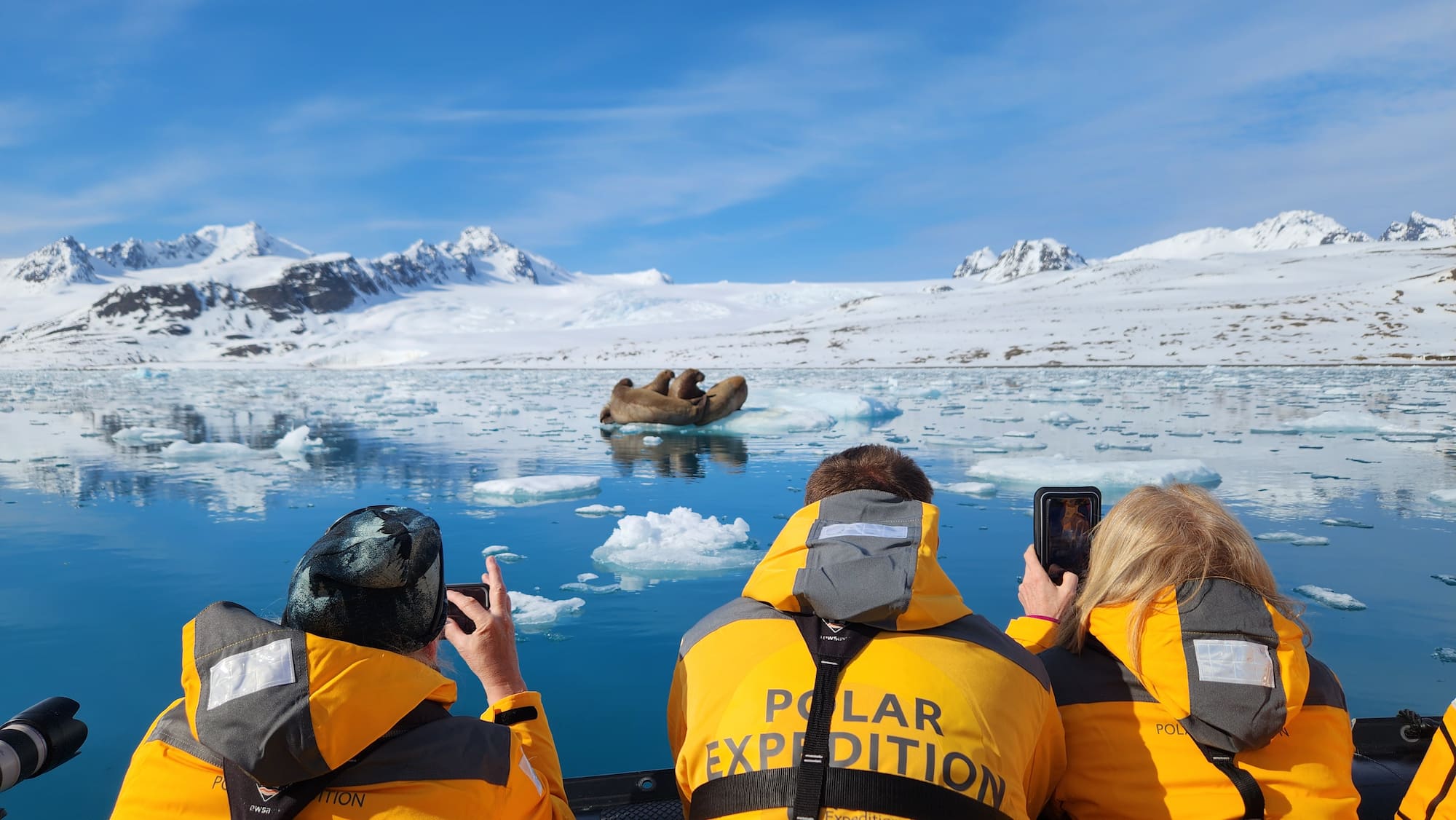
Arctic cruises split the magic between time on and off the ship. Small, nimble vessels that get you exploring further really earn their keep.
The best Arctic expedition ships
Picking the right ship is the single biggest decision you’ll make. It shapes your comfort and your budget, and it even decides where you can physically go. We work with around 30 expedition ships in the Arctic, of varying sizes and budgets, which means we can easily match you to the right one and will not sell you whatever we happen to operate. A happy traveller is, at the end of the day, what we all strive for.
Arctic expedition ships fall, very roughly, into four tiers.
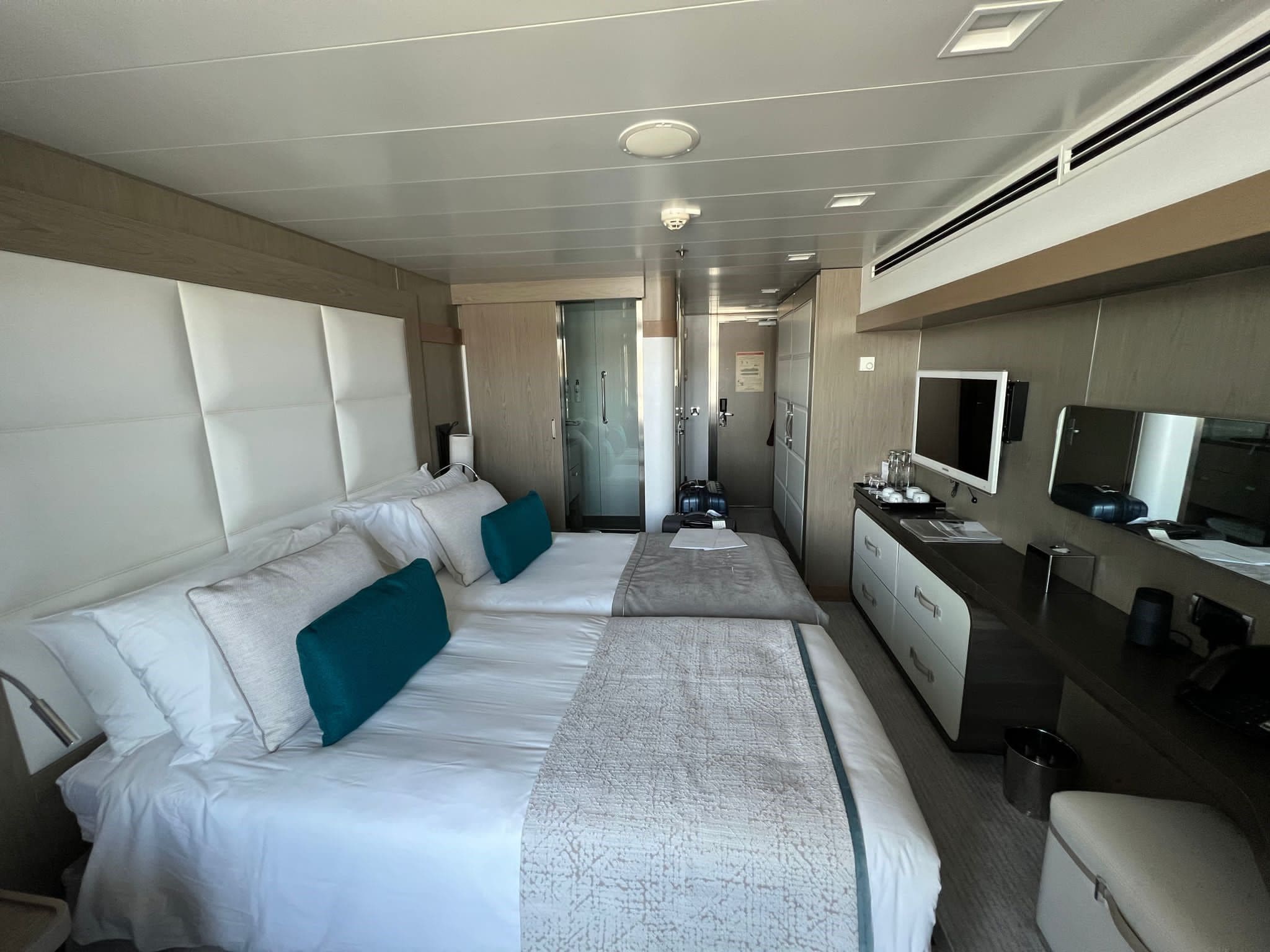
Pia firmly believes that the right ship is less about luxury than about how much time it buys you out on the water. Her cabin aboard L’Austral had everything she needed for an exceptional journey.
-
Value: Smaller, simpler, often older ships such as the Ocean Nova. These are comfortable and capable vessels, with the essentials done well, for travellers who care far more about the wildlife outside than the thread count on the bedding inside. It’s the most affordable way onto a true small-ship expedition.
-
Mid-range: Modern, well-appointed ships like the Ocean Albatros. You get roomier cabins and better dining, more lounges and usually more Zodiacs, which can translate into more time off the ship. Tara has sailed this class and highly rates the balance of comfort and value.
-
High-end: Premium vessels such as Ultramarine, purpose-built in 2021 and carrying twin helicopters for flight-seeing and for reaching landings other ships simply can’t. For travellers who want serious comfort without dialling down the adventure, high-end ships are unrivalled.
-
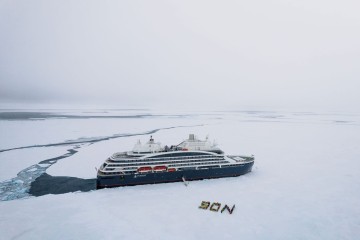
Ultra-luxury: In a class of its own, Le Commandant Charcot is the world’s only luxury Polar Class 2 icebreaker, able to push all the way to the North Pole. On board, you’ll find fine dining and, improbably, both an infinity pool and a heated indoor lagoon. The gourmet dining and fine wine selection also deserve a mention here.
Tara reviewed the Charcot on its North Pole run and came back a little starry-eyed. Her Le Commandant Charcot trip and ship review is the best window into what the very top end of Arctic travel actually feels like.
Stepping off the mid-range Ocean Albatros and later onto the Charcot was like comparing a great pub meal with a tasting menu at a Michelin-starred restaurant. Both left me very happy but were obviously quite different experiences. The Albatros gave me brilliant Zodiac time for a great price, while the Charcot was pure indulgence with an icebreaker’s reach. What you book really comes down to the kind of days you want out there.
--Tara Sutherland, General Manager, Viva Expeditions.

Tara has reviewed a good many of the ships you’ll be weighing up, so feel free to ask her for her honest opinions.
How to plan a trip to the Arctic
You’ve really got two options: you can either do it all yourself, which means researching the regions, comparing thirty-odd ships and their cabin grades, lining up the right itinerary for your dates, then sorting the flights, the gateway-city overnight, the transfers and all the gear. Plenty of people do exactly that, and it can swallow weeks. Or you can hand the whole puzzle to a polar specialist like Viva Expeditions who has already sailed these ships and walked these landings.
And FYI: booking through a company like ours doesn’t cost you a cent more than going direct. The fare is the fare, the difference is that you get an expert on speed dial for the whole trip. We help you choose the cabin and sort the flights, and we’re a phone call away if anything changes while you’re travelling.
We started Viva Expeditions because planning a trip like this yourself is hard work, and getting it wrong is expensive. Our team has actually stood on these landings, so when you call us you get first-hand advice rather than a brochure blurb read back to you. The best bit is that it costs you nothing extra.
-- Rachel Williams, Founder & Managing Director, Viva Expeditions.
Plan your Arctic trip with Viva Expeditions
Arctic travel is far easier with someone who has been before, which is where we come in. Between us, our team has sailed Svalbard’s fjords, watched walrus haul out on the ice, kayaked beneath glaciers and reviewed a good many of the ships you’ll be choosing between. Tell us what you’re dreaming of, whether that’s polar bears in June, a Greenland-and-Svalbard epic or the North Pole itself, and we’ll match you to the best Arctic trips and take care of everything around it.
Browse our full range of Arctic cruises and tours to see what’s possible and get in touch with our Destination Specialists to start planning.
Laura Pattara
At Viva Expeditions, Laura Pattara writes about the Arctic with a focus on wildlife, seasonal travel, and small-ship voyages. She holds a BA in Interpreting and Translation and uses those storytelling skills to shape expert insights into guides that bring the polar north to life. Her most recent cold-climate thrill was spending a morning with puffins in Newfoundland, camera in one hand and coffee in the other.
|