
10 days
Classic Madagascar
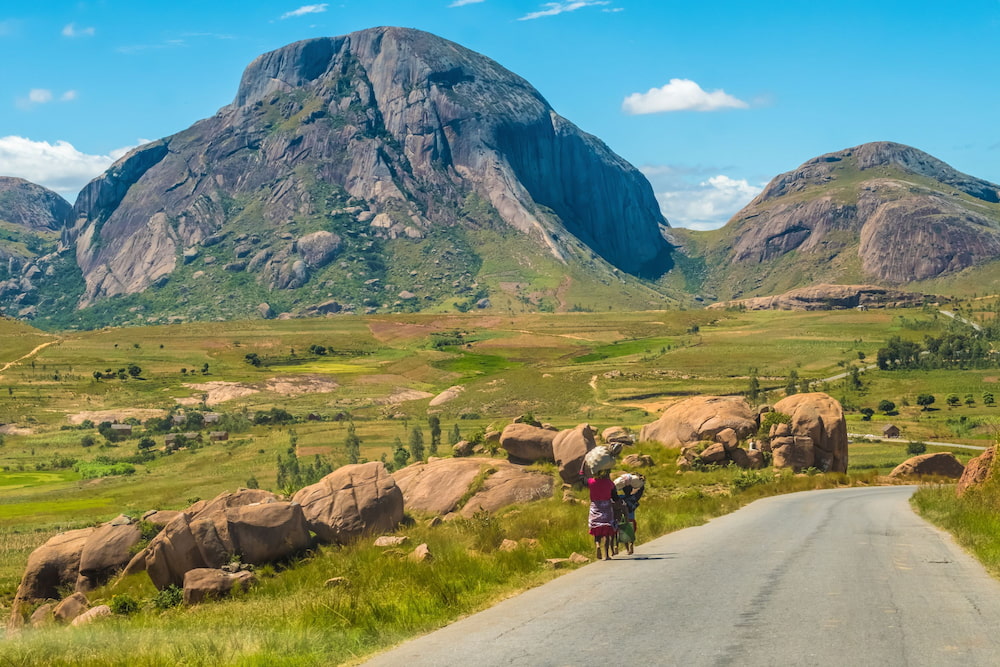
Experience a captivating Southern journey featuring exploration of Ranomafana National Park, the Anja Reserve, and Isalo National Park.
Laura Pattara | 5 February 2026
With credit to Tracy DavidsonA first-time journey through Madagascar’s wild north on foot
When Viva's Destination Specialist, Tracy Davidson, travelled to Madagascar for the first time, she went in with endless curiosity and zero expectations. What she discovered was a destination that rewards time, flexibility, and a genuine love of being outdoors.
“Madagascar is perfect if you love being out in nature and don’t mind a bit of adventure,” Tracy says. “The island has such a mix of landscapes, from lush forests to incredible rock formations and beautiful beaches. And it’s full of animals you won’t find anywhere else in the world.”
Her journey focused on northern Madagascar, with a stunning finish in Nosy Be. The itinerary closely followed Viva Expeditions' Madagascar Northern Highlights Tour, with a few added experiences along the way, including time at Wings of Change and a private island stay to cap things off nicely.
Curious about Madagascar travel tips? Here’s Tracy’s first-hand review of her maiden trip to the land of lemurs and giant baobabs.
Click through the links to learn more.
Who does this kind of trip suit?
Exploring northern Madagascar on foot
Blue-eyed lemurs and village life at Zafintany
Life on the Road on Madagascar Tours
Nosy Be, Wings of Change, and a Luxurious Ending
What Tracy was glad she packed
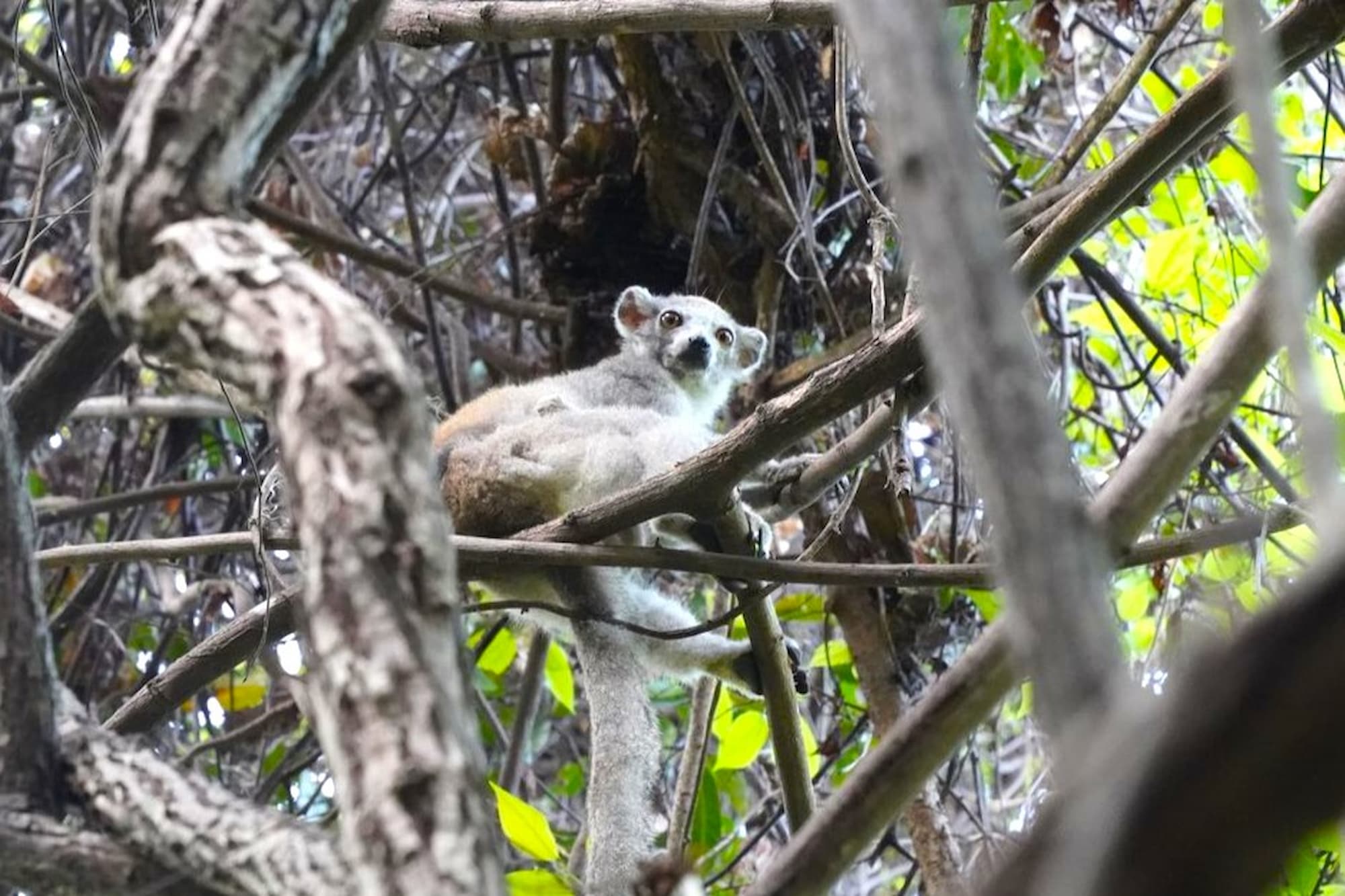
Madagascar has so far avoided mass tourism and that’s reflected in the authenticity of every experience. Lemur pictured here was spotted in Ankarana.
Destination: Northern Madagascar and Nosy Be
Travel period: November
Style of travel: Guided, with road travel, domestic flights, and boat transfers – an all logistics-included Madagascar package holiday with Viva Expeditions
Pace: Active, nature-focused, and occasionally slow due to road conditions – more time for landscape admiring!
Flight: Tracy flew with Emirates from Auckland to Antananarivo, via Dubai.
Tracy describes Madagascar as tailor-made for people who enjoy hiking, being outdoors, and seeing everyday life as it unfolds. This is not a destination for travellers who want to move fast or tick boxes.
“If you’re happy to go with the flow when things don’t go exactly to plan,” she explains, “and like trying new food, then you’ll absolutely love it here.”
If you wish for Swiss-style efficiency and predictable experiences, Madagascar might not be for you. But if you do value uniqueness and discovering sites, taste and a culture that's distinctive, then dive right in.
Much of Tracy’s time in Madagascar was spent walking through some of the island’s most distinctive landscapes. In Amber Mountain National Park, the scenery was cooler and greener than she expected, with dense forest, waterfalls, and an abundance of wildlife. Amber NP is an 18,200-hectare rainforest home to several lemur species, dozens of bird species, and amphibians, alongside waterfalls, rivers, and volcanic crater lakes.
“Hiking in Amber Mountain was one of my highlights,” she says. “We saw crowned lemurs, waterfalls, chameleons, and so much bird life.”
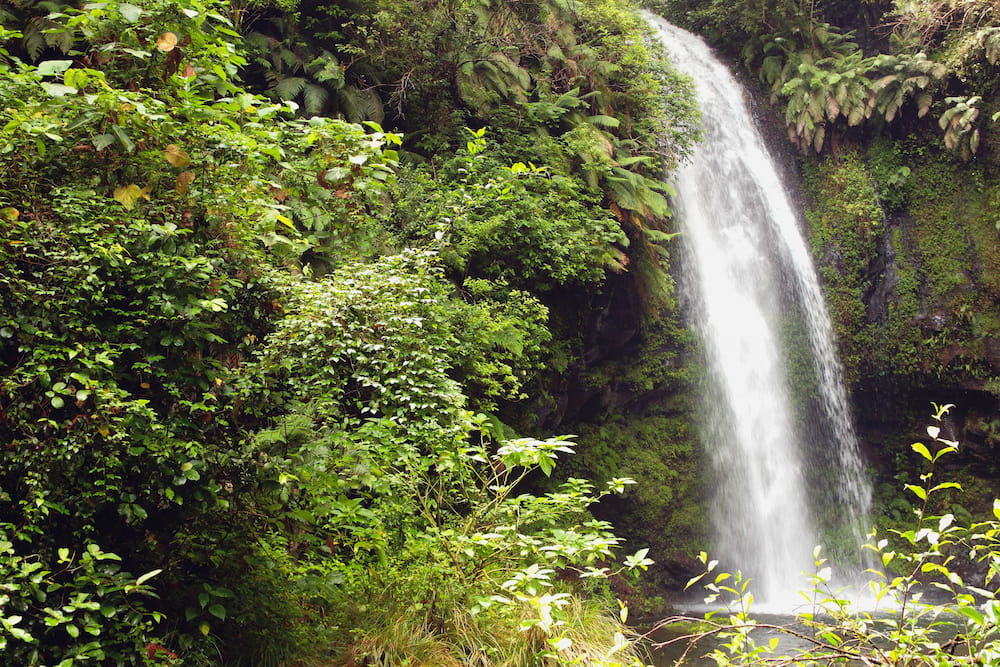
Waterfalls like this are fed by the park’s high rainfall and volcanic terrain, which create a cooler, wetter microclimate than much of northern Madagascar.
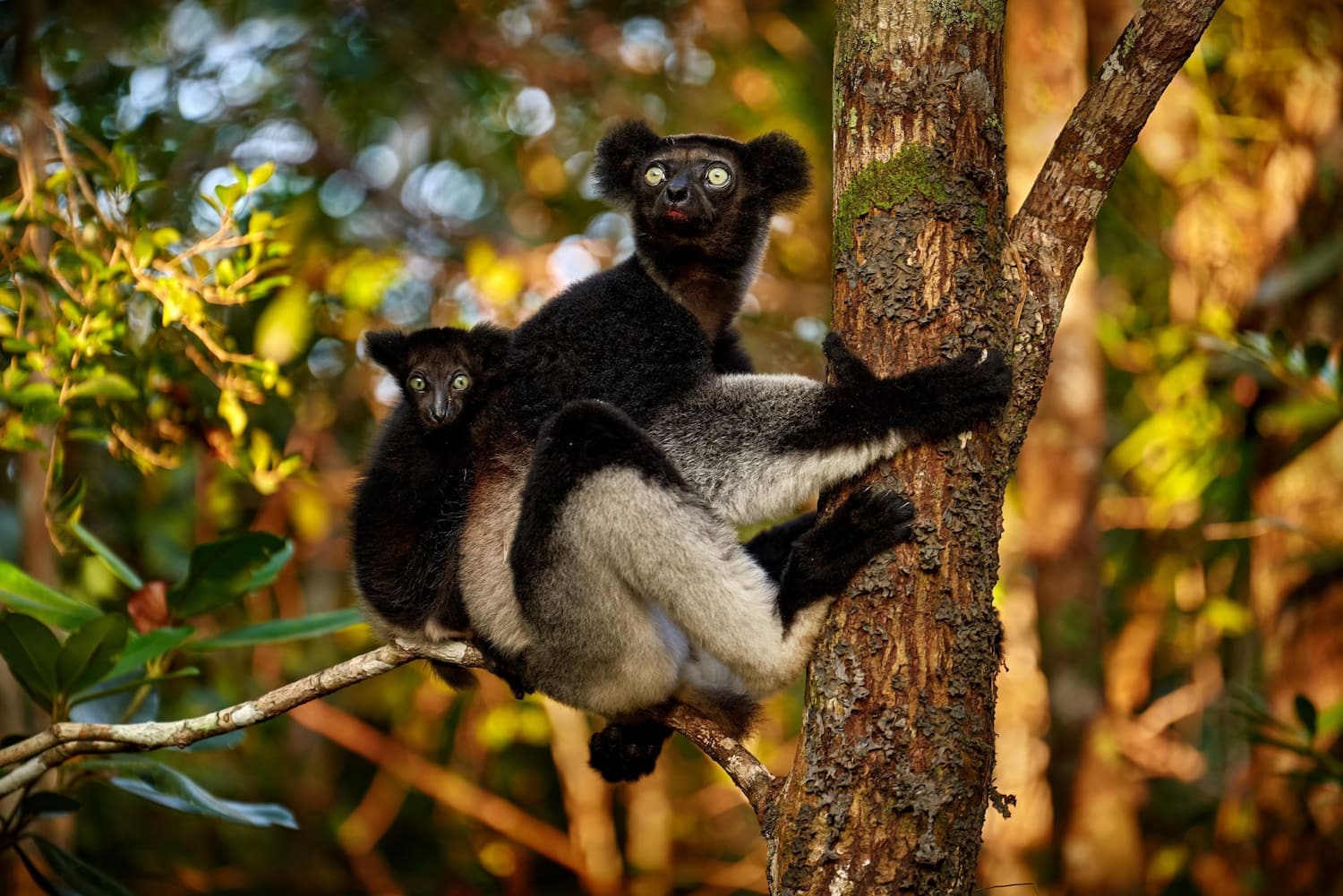
Black lemurs like this mum and bub are found in northern Madagascar’s forests, including Amber Mountain, where dense vegetation offers both food and shelter from predators.
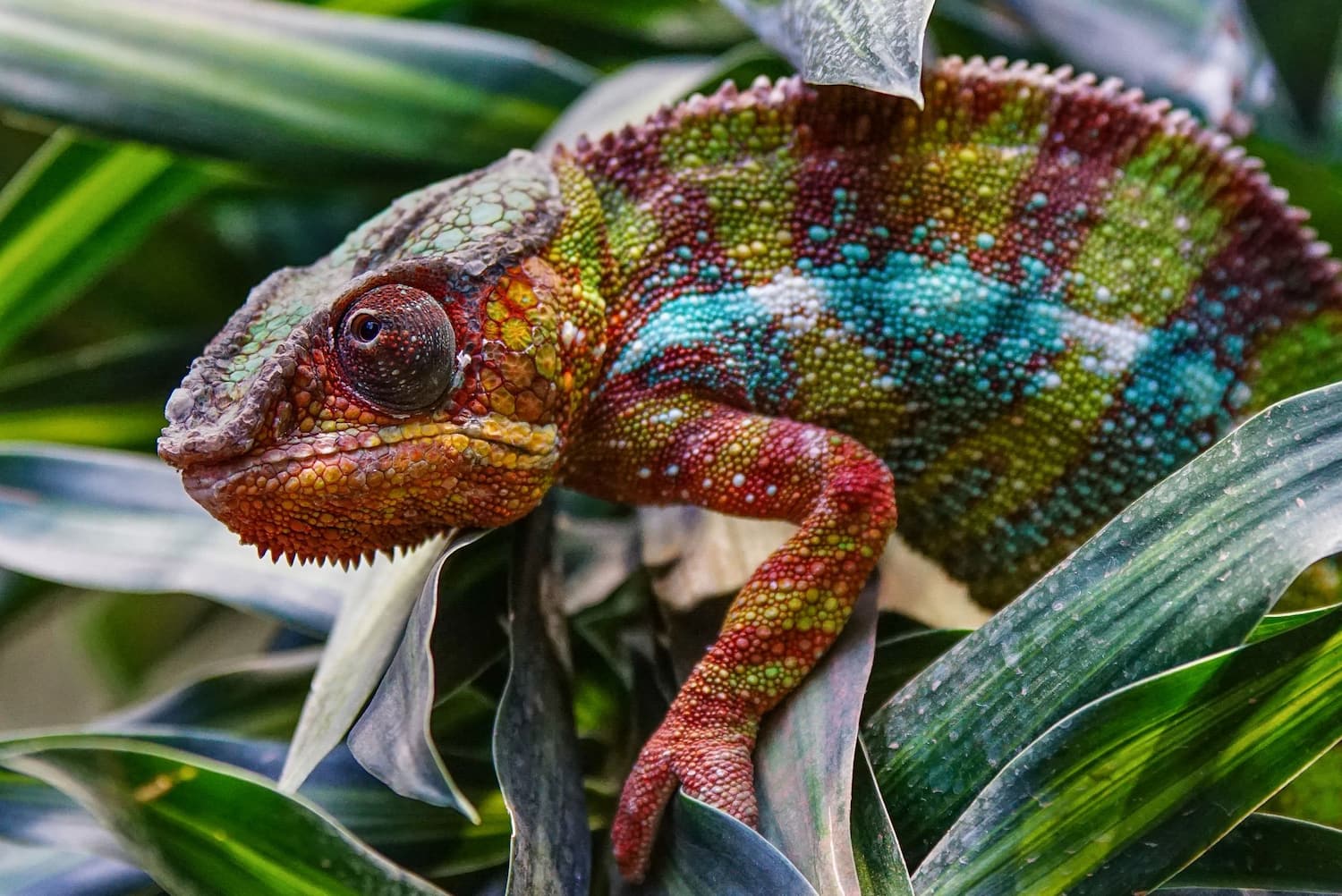
Madagascar is home to around half of the world’s chameleon species, many of them found nowhere else and often so well camouflaged that guides spot them before travellers ever do.
What stood out most was the contrast between ecosystems. Hours of forest walking would suddenly give way to dry, rocky terrain, especially around the tsingy formations further north.
“Hiking through the forest and stopping to watch lemurs swinging above you, then coming out the other side to the dry forest and tsingy, was incredible,” Tracy recalls. “Standing there, looking out over jagged rock formations as far as the eye can see, really makes you appreciate how unique this island is.”
The tsingy landscapes feel raw and almost untouched. Walking among them gives a real sense of how isolated parts of Madagascar still are.
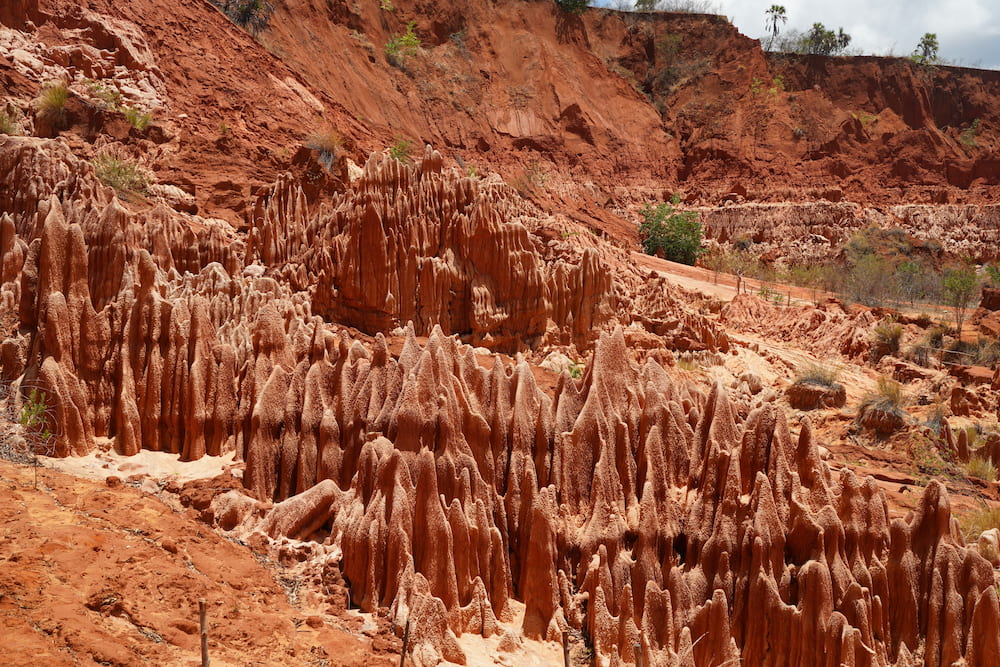
Formed by millions of years of erosion, the tsingy are jagged limestone formations that are as difficult to cross as they are visually dramatic.
Another standout day was spent hiking in Parc Villageois Zafintany, home to the rare blue-eyed black lemurs. Tracy arrived excited to spot the lemurs and soon realised that wildlife is only part of the experience here.
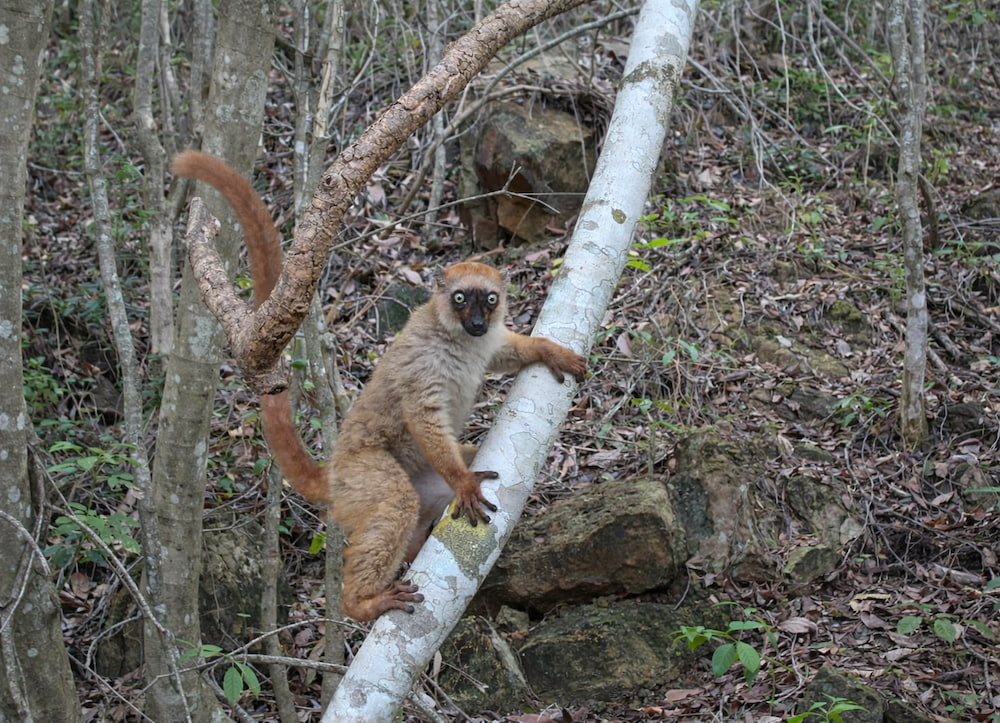
The blue-eyed lemur is one of the few primates in the world with naturally blue eyes and is found only in a small part of north-western Madagascar.
The walk also took Tracy through a local village, offering a look-see into daily life in rural Madagascar. Meeting locals and seeing how communities live alongside protected areas really added depth to the experience.
“I’ll be honest, I did think Madagascar tours were all about nature, but, in reality, they are just as much about the people who call this incredible island home.”
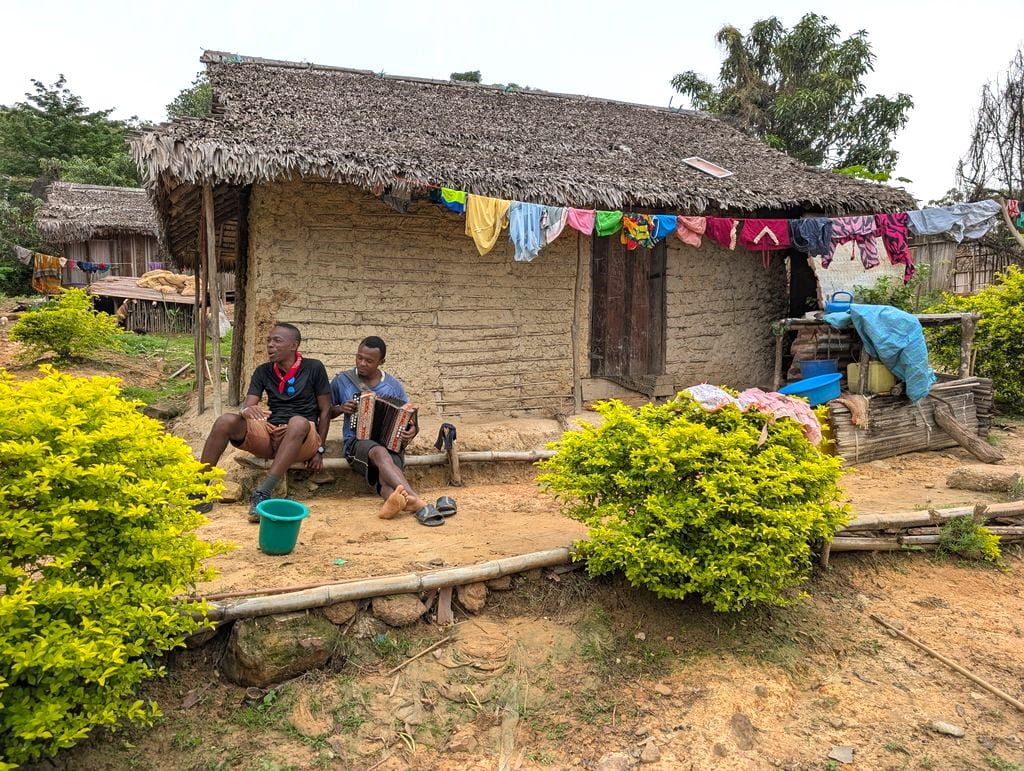
Walking through villages like Zafintany offers a glimpse into the subsistence-based livelihoods that still shape everyday life across much of rural Madagascar.
One of the biggest surprises for Tracy was how long it takes to travel around Madagascar. Roads are often rough, distances are deceptive, and even relatively short drives can take hours.
“Some days involved long drives,” she says. “People really underestimate how much time it takes to get from one place to another. Google is so deceptive!”
This is where having a local guide and driver proved invaluable.
“Our guide, John, and our driver, Phelix, were amazing," Tracy says. "John helped us spot wildlife we would never have seen on our own, even camouflaged chameleons, while we were driving. He also knew so much about Madagascar's history and loved sharing his knowledge.”
Along the way, they stopped at local markets, picked up mangoes and cashew nuts from the roadside, and answered endless questions.
“The roads aren’t easy, but Phelix handled everything perfectly,” Tracy adds. “We always felt safe and well looked after.”
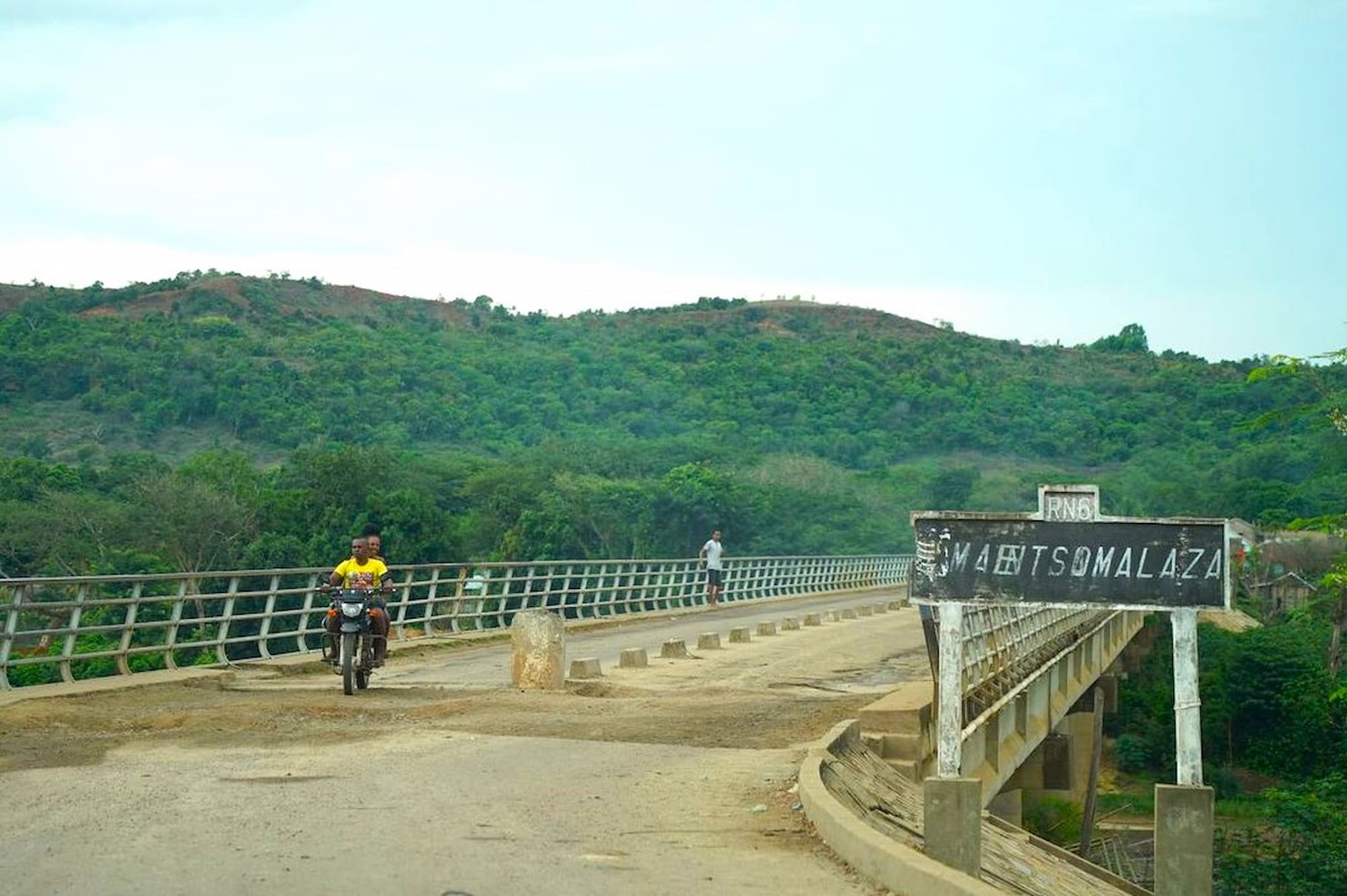
Questions about whether Madagascar is safe come up often, especially given the driving conditions, and Tracy’s experience was reassuring.
Accommodation throughout the trip was chosen for comfort and location rather than luxury, particularly in the national park regions.
One of Tracy’s favourite stays was Ankarana Lodge, located close to its namesake national park. Eroded into sharp limestone pinnacles, Ankarana’s plateau hides valleys and cave systems where rivers vanish underground and return with the rains. It’s an ethereal landscape and staying nearby makes for a wonderfully immersive experience.
“The bungalows are rustic but very comfortable and tucked among the trees,” she says. “The open-air restaurant is lovely, the owners are incredibly friendly, and the pool was just bliss after a day of hiking.”
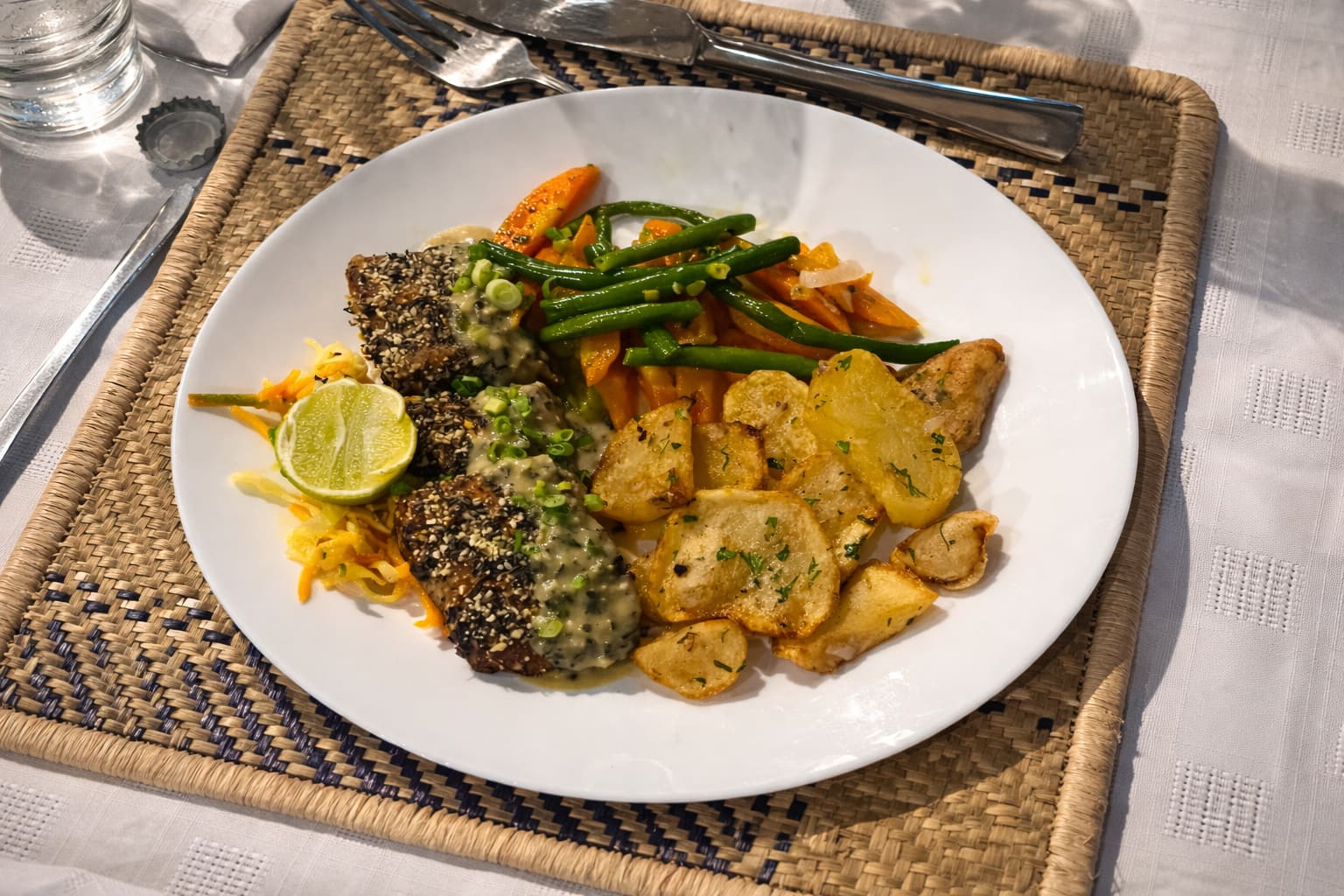
Food is simple, fresh, and satisfying. Tracy’s favourites were fresh fish and zebu cooked over a charcoal grill, especially nourishing after long days outdoors.
After days of hiking and overland travel, arriving in Nosy Be marked a clear change in pace, one that Tracy cherished. She feels that Nosy Be, or the nearby island of Nosy Komba, is the ideal place to slow things right down after an active itinerary.
“It really is the perfect spot for some proper R&R,” she says. “We stayed at a time-and-tide property nearby, and it was amazing. After days on the road and on foot, having the ocean, warm water, and space to rest really rounded out the trip nicely.”
While there, a highlight was visiting Wings of Change, an organisation offering free English and hospitality training to young people.
“Some of the kids took us on a village tour, which was really special,” Tracy says. “We walked through the village, visited a music school, and spent time at the school helping students practise English. I loved being there and feeling like I could contribute, even a little.”
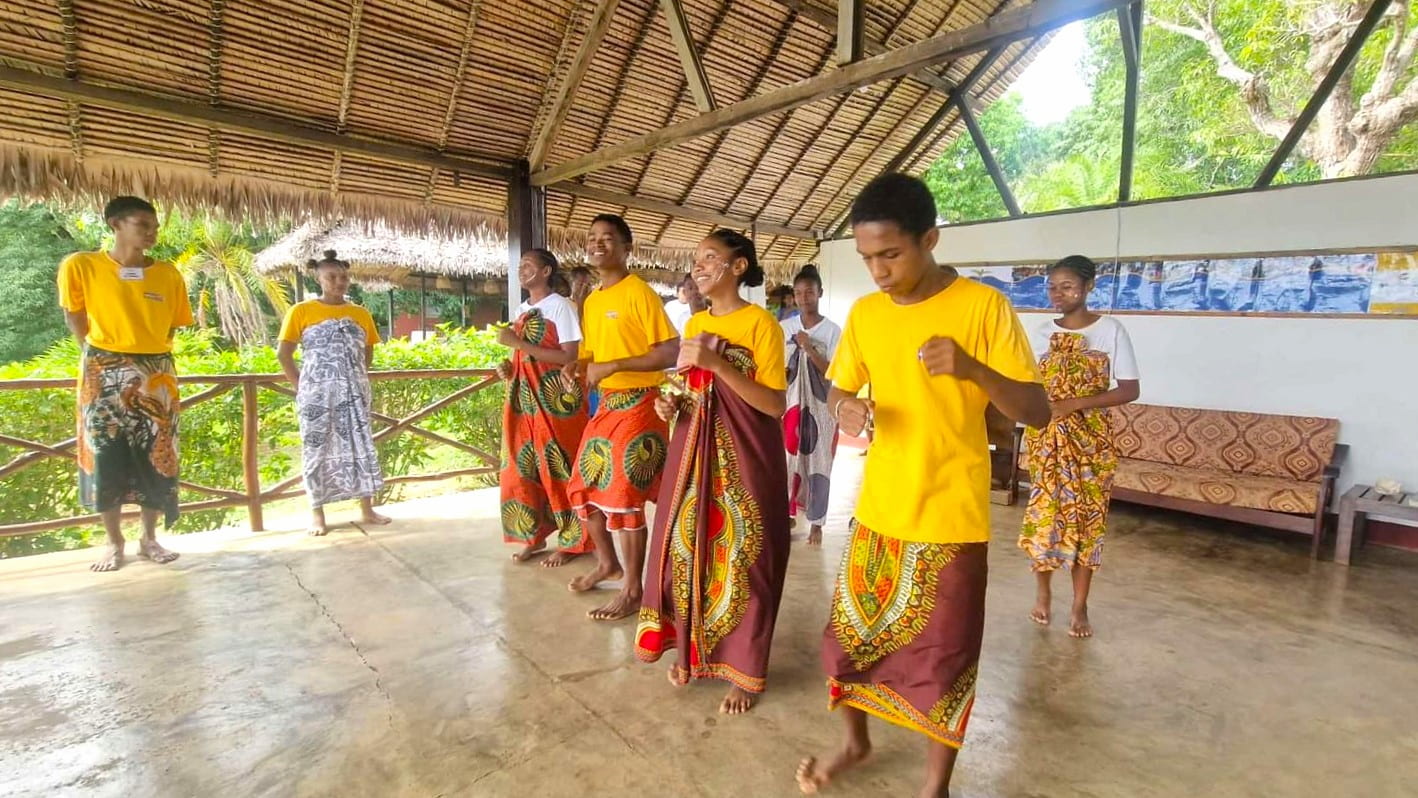
Visiting Wings of Change injects local culture to any trip.
The trip ended at Constance Tsarabanjina, a private island reached by boat from Nosy Be.
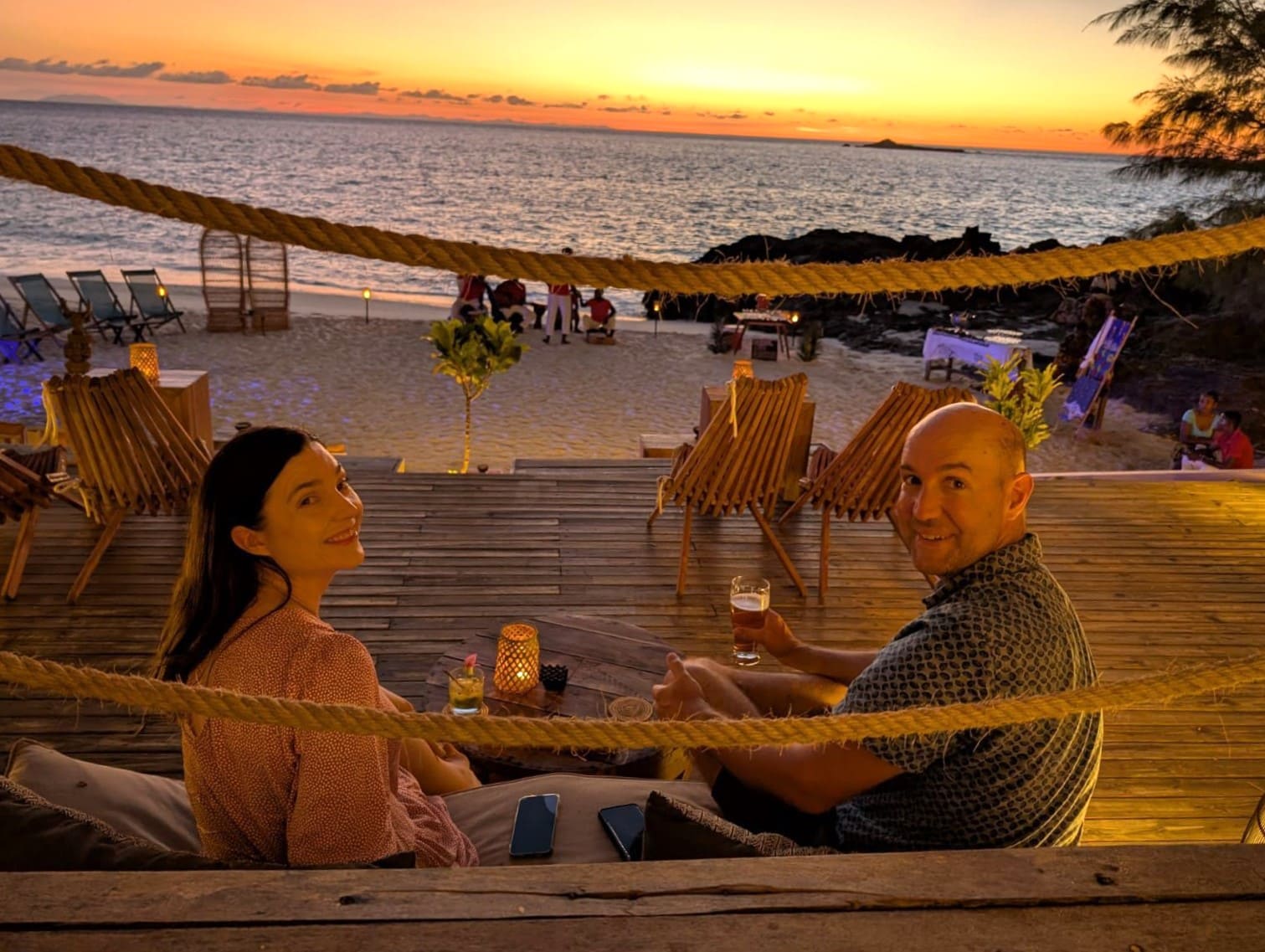
“It was the perfect way to finish," Tracy says. "Crystal-clear water, snorkelling with turtles, and watching the sunset with a cocktail on the beach after such an active trip. I really didn't know what to expect from a Madagascar holiday package, but this barefoot luxury ending exceeded all my hopes."
Travelling in November meant hot, humid conditions, with temperatures around 32°C (89.6F) most days.
“I definitely wished I’d packed more T-shirts,” Tracy laughs. “But I was so glad I was advised to pack proper hiking boots. They’re a must! The ground can be uneven, and some hikes are quite long. These seemingly small Madagascar travel tips can really make a big difference to your experience.”
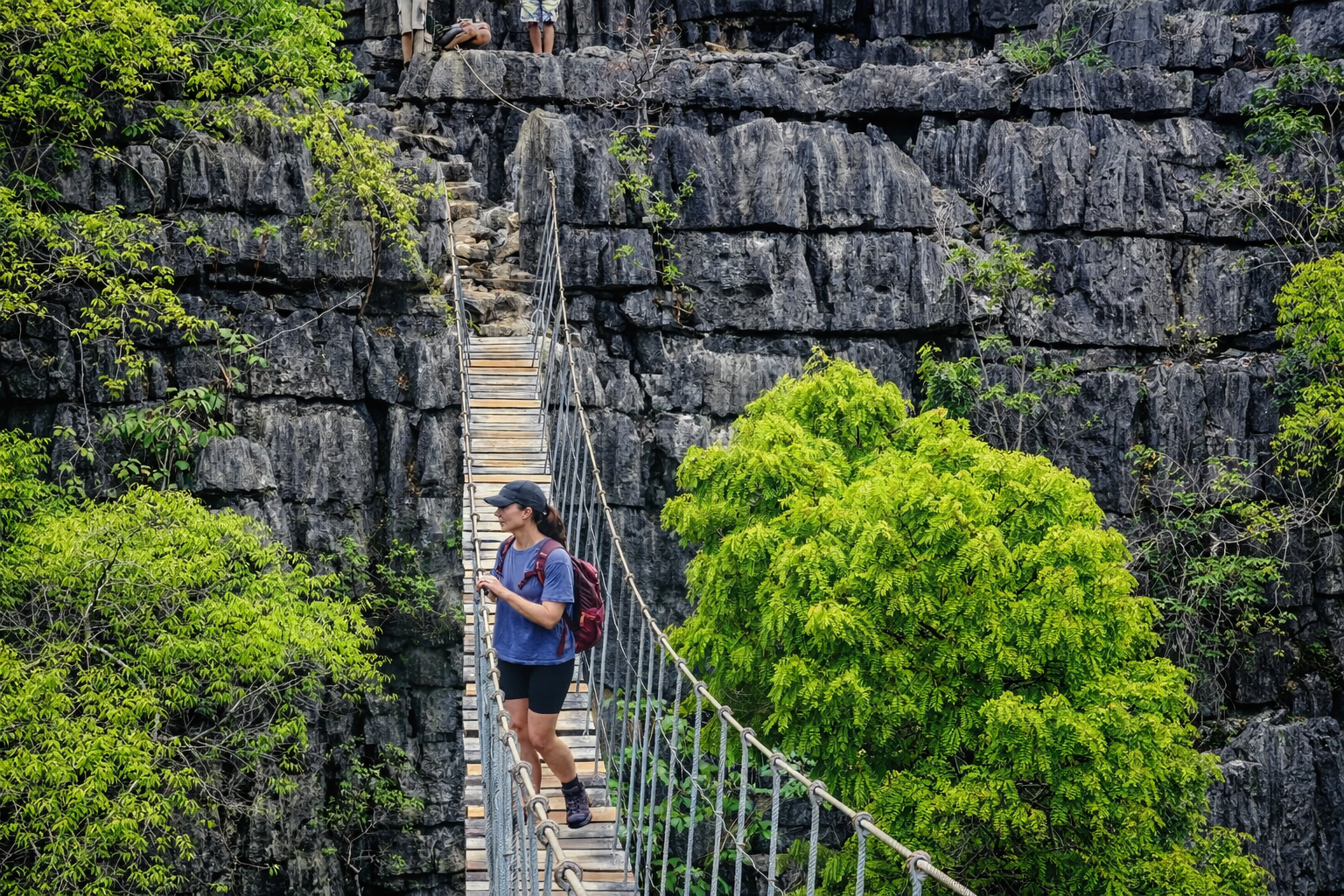
Suspension bridges, rocky and uneven terrain make for fab explorations – just make sure you’ve packed the right footwear.
Three words? In a heartbeat.
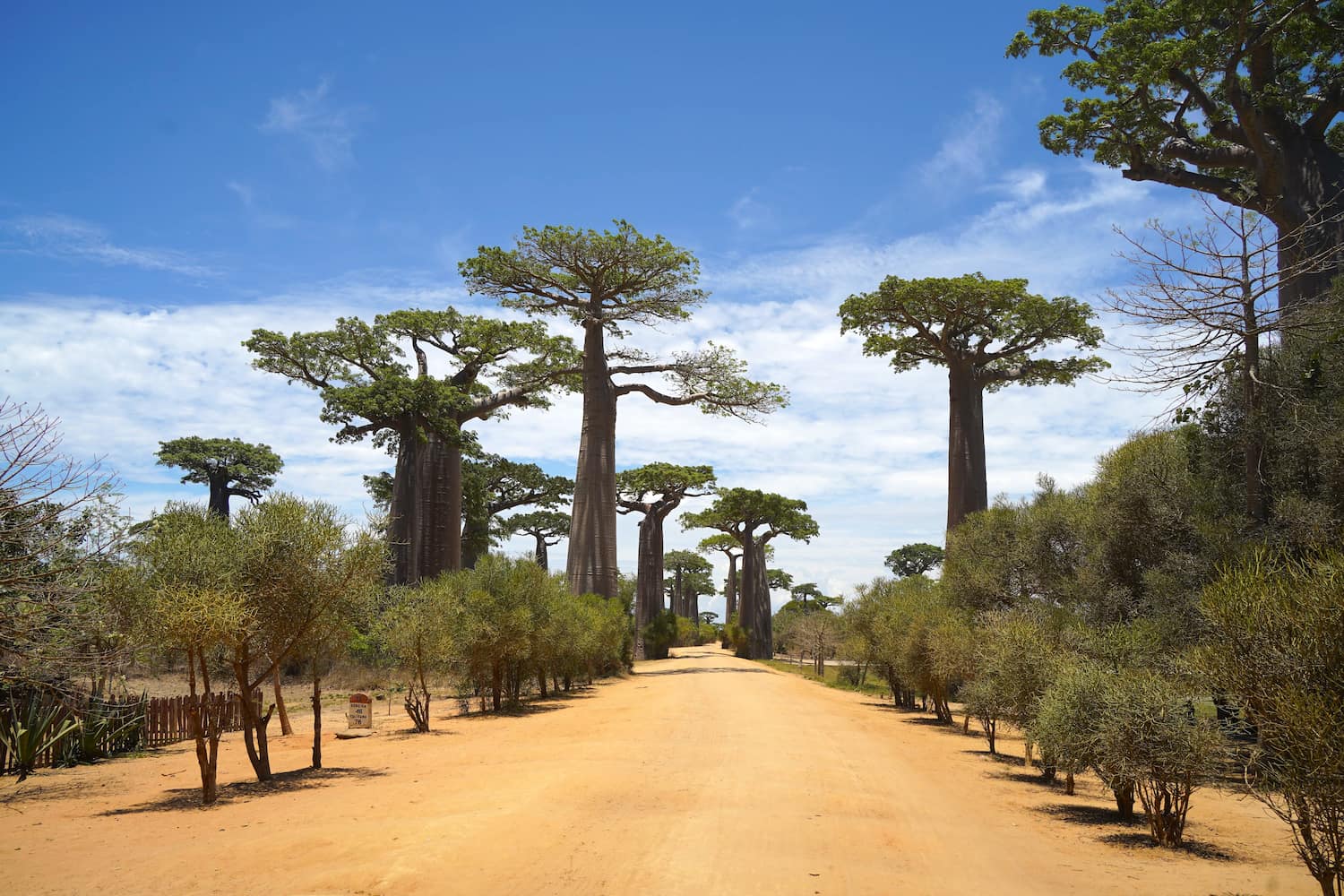
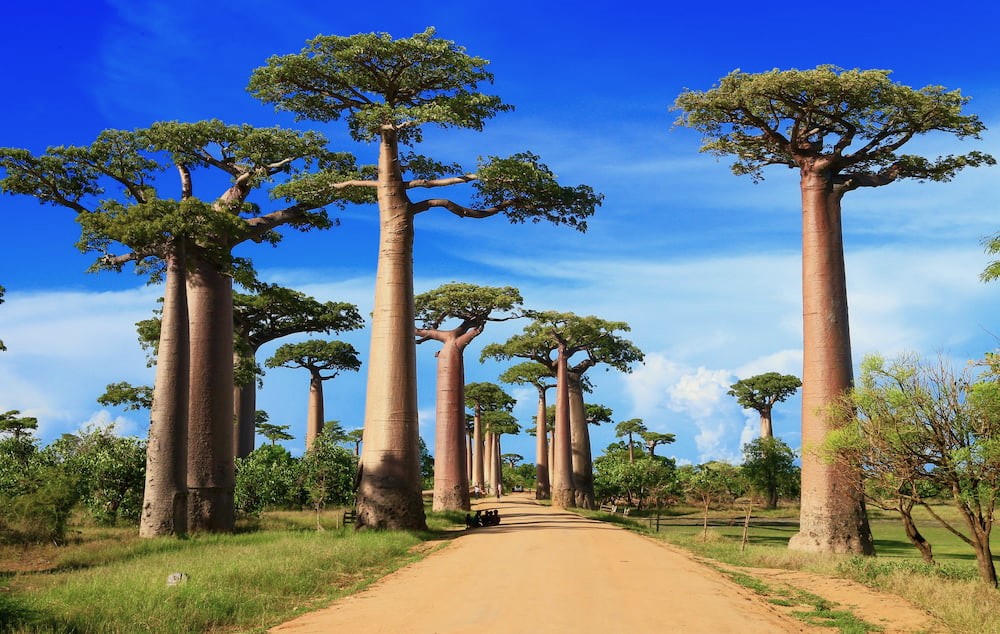
“I’m already planning my return to Madagascar,” she says. “Next time, I’d love to explore the south and see those incredible baobabs.”
Is Madagascar safe to visit?
Madagascar is generally safe for visitors, particularly when travelling with a reputable local guide. As with many destinations, cities require common sense, and remote areas are more about isolation than risk. Guided travel makes a significant difference.
How long do you need in Madagascar?
Ten days is a sensible minimum to explore one region properly, and most Madagascar holiday packages will be around this time frame. Distances are long, and travel takes time, so shorter trips often feel rushed.
Is Madagascar suitable for independent travel?
Some travellers do it independently, but infrastructure is limited, English is not widely spoken, and logistics can be challenging. Most visitors find organised travel far more rewarding (and less stressful). The itinerary Tracy followed is a good example of how guided Madagascar tours work best when pace and logistics are handled locally.
What kind of traveller enjoys Madagascar most?
If you love nature, hiking, wildlife, and cultural encounters, and are comfortable with flexible plans and slower travel, Madagascar will suit you perfectly.
What kind of clothing should I pack for Madagascar?
Lightweight, breathable clothing works best, especially in humid regions like the north. Fast drying fabrics work better than cotton, and long sleeves are actually more useful for sun and insect protection than warmth.
Do I need special footwear for Madagascar?
Yes. Proper walking or hiking shoes are important, particularly if your itinerary includes national parks, uneven trails, or limestone landscapes like the tsingy. Sandals alone are not enough.
Is insect protection needed?
Yes, it's strongly recommended, especially for evenings and forested areas. A repellent containing DEET or picaridin is effective, and a small after-bite cream is always worth packing.
Should I bring a rain jacket?
A lightweight rain jacket or poncho is needed year-round, particularly if travelling around the start or end of the rainy season. Showers are often short but can be heavy.
What other small items are useful to bring?
A reusable water bottle, sun protection, a head torch or small flashlight, and a basic personal first-aid kit are all very helpful, especially outside major towns.
Where can I learn more about planning a trip?
Our Madagascar Travel Guide covers regions, seasons, wildlife, and practical planning in more detail and is a useful place to start.
If you’re considering Madagascar tours and want advice on pacing, routes, or whether this style of travel suits you, contact Viva’s Destination Specialists, and they'll happily talk you through all the options. We can create the perfect tailored itinerary for your Madagascar holiday package, no matter your budget or time constraints.
Madagascar is not a place you'll want to rush through. Give it the time and dedication it deserves, and it'll give a lot back.
Laura PattaraLaura Pattara has guided overland trips across Africa and now focuses her writing on the continent for Viva Expeditions. She once camped beneath a marula tree that an elephant tore apart during the night, yet somehow she still sleeps best in a tent. But make it glam! From sunrise balloon rides over the Serengeti to following the rhythms of wildlife migrations, Laura brings the wild heart of Africa to life with warmth, depth, and the occasional muddy boot. |
Experience a captivating Southern journey featuring exploration of Ranomafana National Park, the Anja Reserve, and Isalo National Park.
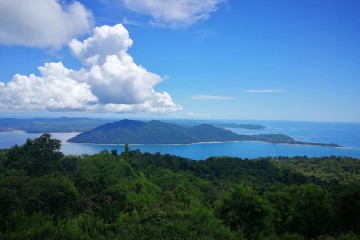
Unveil the natural wonders of northern Madagascar. From the verdant Montagne d'Ambre and dramatic Ankarana to the enchanting tropical isle Nosy Be.
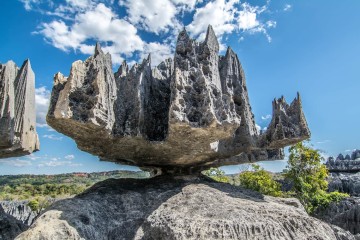
A magical journey through Morondava, Kirindy, and Bekopaka. Witness the surreal stone forest landscape of Tsingy de Bemaraha and iconic Baobab Alley!