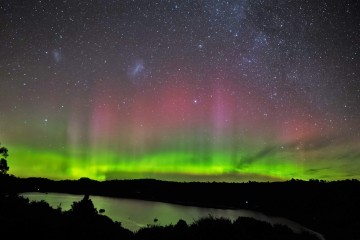
If you're planning a trip to New Zealand, hoping to catch a glimpse of the southern lights – or the New Zealand aurora – it helps to have a little understanding of how, when, and where you are most likely to succeed. The far south of the country offers some of the best conditions in the world for aurora watching, particularly on dark winter nights. What it doesn't offer, though, is certainty.
Far be it from us to warn you against exploring the southernmost reaches of New Zealand. This is, after all, one of the remotest and most beautiful parts of the Pacific. Yet keeping expectations in check will ensure you have a rewarding experience overall, whether the southern lights appear or not.
Here’s what we’ll cover.
Are There Southern Lights in New Zealand?
What Causes the Southern Lights?
Solar Activity in 2026 and Beyond
Best Time to See Southern Lights in New Zealand
Best Places to See the New Zealand Aurora
Why Stewart Island Works Best With a Group Tour in Winter
What Actually Improves Your Chances of Seeing the Southern Lights
What If You Don’t See the Southern Lights?
A Note on Viva’s Southern Lights by Flight
FAQs – The Recap
Are There Southern Lights in New Zealand?
You bet there are! Known as the Aurora Australis, the southern lights are the southern hemisphere counterpart to the Aurora Borealis, which people travel to the Arctic to see. The major difference between the two is how often they can be seen, something that basically comes down to geography.
In the far north of our planet, parts of Norway, Iceland, and Canada lie directly beneath what's known as the main aurora zone, which is where aurora activity is at its most concentrated. In the south, that exact same zone lies mostly over the Southern Ocean and Antarctica. New Zealand straddles the northern edges of the main aurora zone; it doesn't sit directly beneath it. This means that the southern lights here tend to be less frequent and often subtler to the naked eye. When a strong geomagnetic storm pushes the aurora zone northward, New Zealand can still experience impressive displays, but those conditions don't happen all that often and can't be accurately predicted.
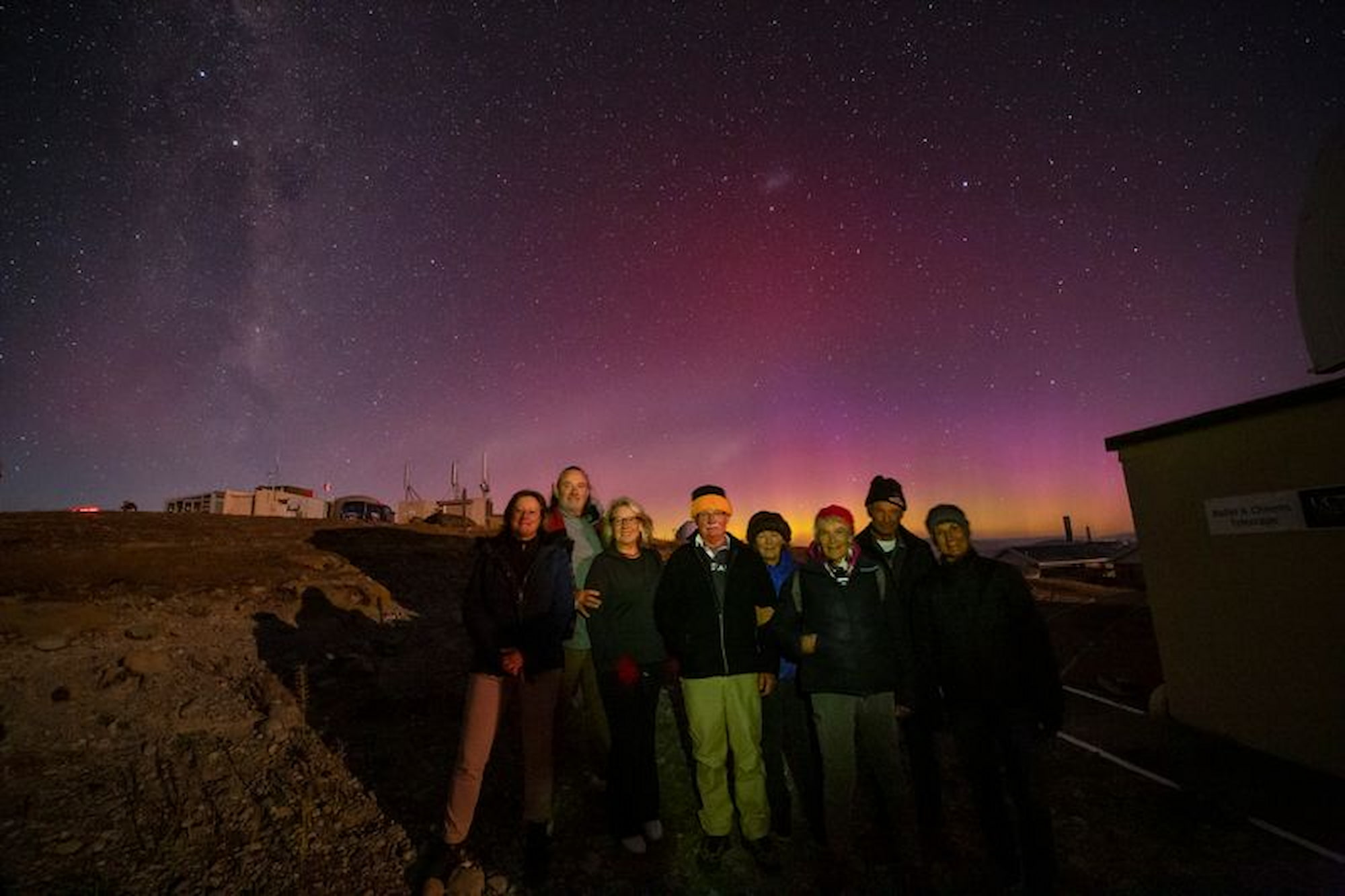
You may see people searching for New Zealand northern lights, which is a really common mix-up. The correct term in the southern hemisphere is Aurora Australis, or southern lights.
What Causes the Southern Lights?
Auroras occur when energy released by the sun reaches earth and interacts with the upper atmosphere, creating light in the night sky. This activity is happening all the time, day and night, year-round. The reason we don’t usually see it is simple: you need darkness and clear skies for it to become visible.
The process is driven by solar activity, which rises and falls in cycles of around 11 years. Some years offer better chances than others, but stronger solar activity doesn't always translate to excellent aurora sightings. You can be in the right place at the right time, during an intense burst of solar activity, but if the sky is cloudy on the night, the southern lights won't be visible.
Solar Activity in 2026 and Beyond
Much of the recent discussion around the New Zealand aurora focused on peak activity in 2024 and 2025. Although this peak has now passed, it does not mean that aurora viewing opportunities suddenly disappear altogether. In 2026 and for the next couple of years, solar activity will start to decrease only gradually, and will still be considered periods of elevated activity. Aurora displays are still very much possible, though not as frequently as during peak years.
For travellers planning a trip to see the New Zealand aurora in 2026 and beyond, the focus should be on being in the right place at the right time, then allowing enough flexibility for nature to do what it does best.
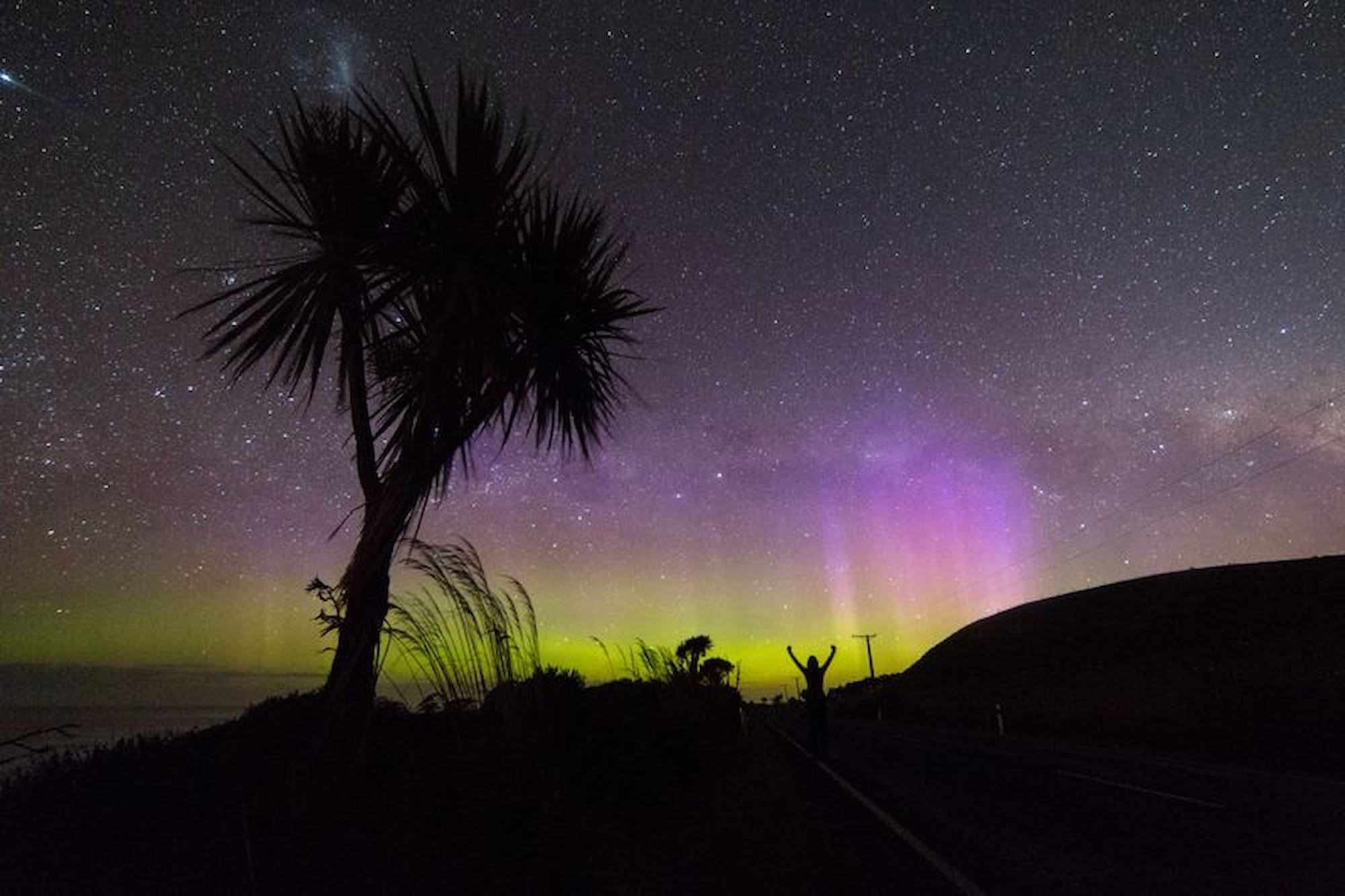
Don’t get hung up on the year’s general solar activity but on the short-term weather conditions leading up to a given night. Photo credit: Ruth Topless
Best Time to See Southern Lights in New Zealand
The best time to see southern lights in New Zealand is during the darker months of the year, from March through September. Winter (June-August) offers the best conditions because the nights are longer, giving you a wider window of darkness in which auroras can appear.
The equinox periods in March and September are often highlighted because geomagnetic activity can be slightly enhanced around these times. This can help, but it does not override other factors.
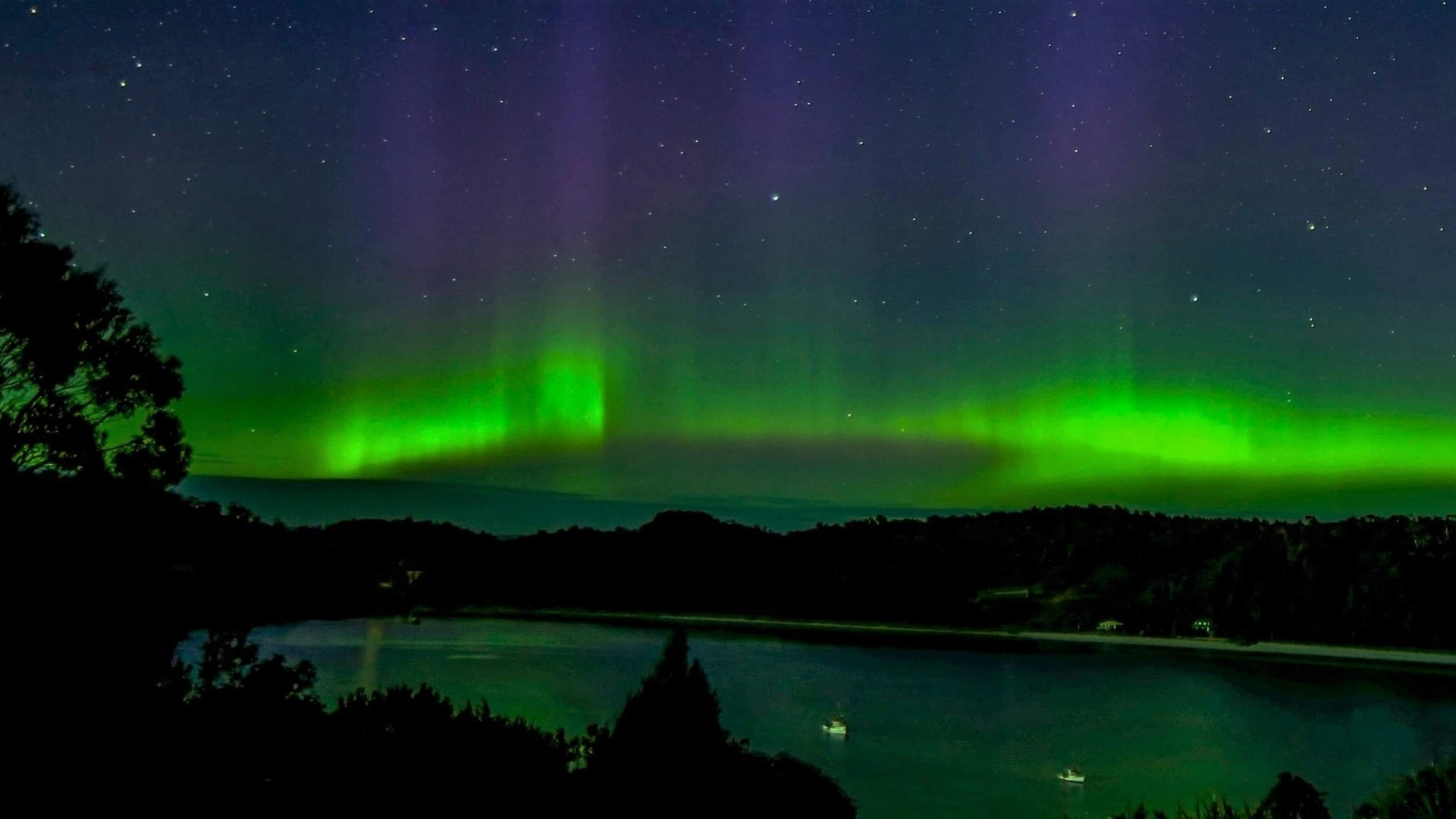
Long, dark nights = better chances of seeing New Zealand aurora. Photo credit: Sandra Whipp
Best Places to See the New Zealand Aurora
Location is one of the most important factors when it comes to aurora viewing.
Stewart Island Rakiura sits at the southern edge of New Zealand and is the southernmost Dark Sky Sanctuary in the world. With almost no light pollution and wide southern horizons, it offers some of the strongest natural conditions for aurora watching in the country. Its position alone makes it one of the best (if not the best) places to experience a New Zealand aurora.
The southern South Island coast, including parts of the Catlins, also offers good viewing potential on clear nights. These areas benefit from open views over the ocean and low levels of artificial light, though weather conditions can be a little more erratic here.
Lake Tekapo and other dark sky reserves are exceptional for astronomy and stargazing. Auroras are less frequent here than further south, but strong geomagnetic storms can still serve up visible displays.
Why Stewart Island Works Best With a Group Tour in Winter
Winter on Stewart Island is very different from summer. Visitor numbers drop sharply, the population shrinks, and many services operate on reduced schedules or close altogether. Accommodation options become limited, and transport flexibility decreases. Because of this, travelling independently to Stewart Island in winter can be challenging. You cannot simply turn up in July and expect everything to be operating as it does in peak season.
This is where a small group tour becomes the most practical way to experience the island in winter. Viva’s Stewart Island Dark Sky Delights tour is designed specifically for these conditions, with flights, accommodation, meals, and local guiding all arranged. Multiple evenings are dedicated to night sky education, while guides continuously monitor conditions and adapt plans accordingly to give you the best chance of seeing the aurora.
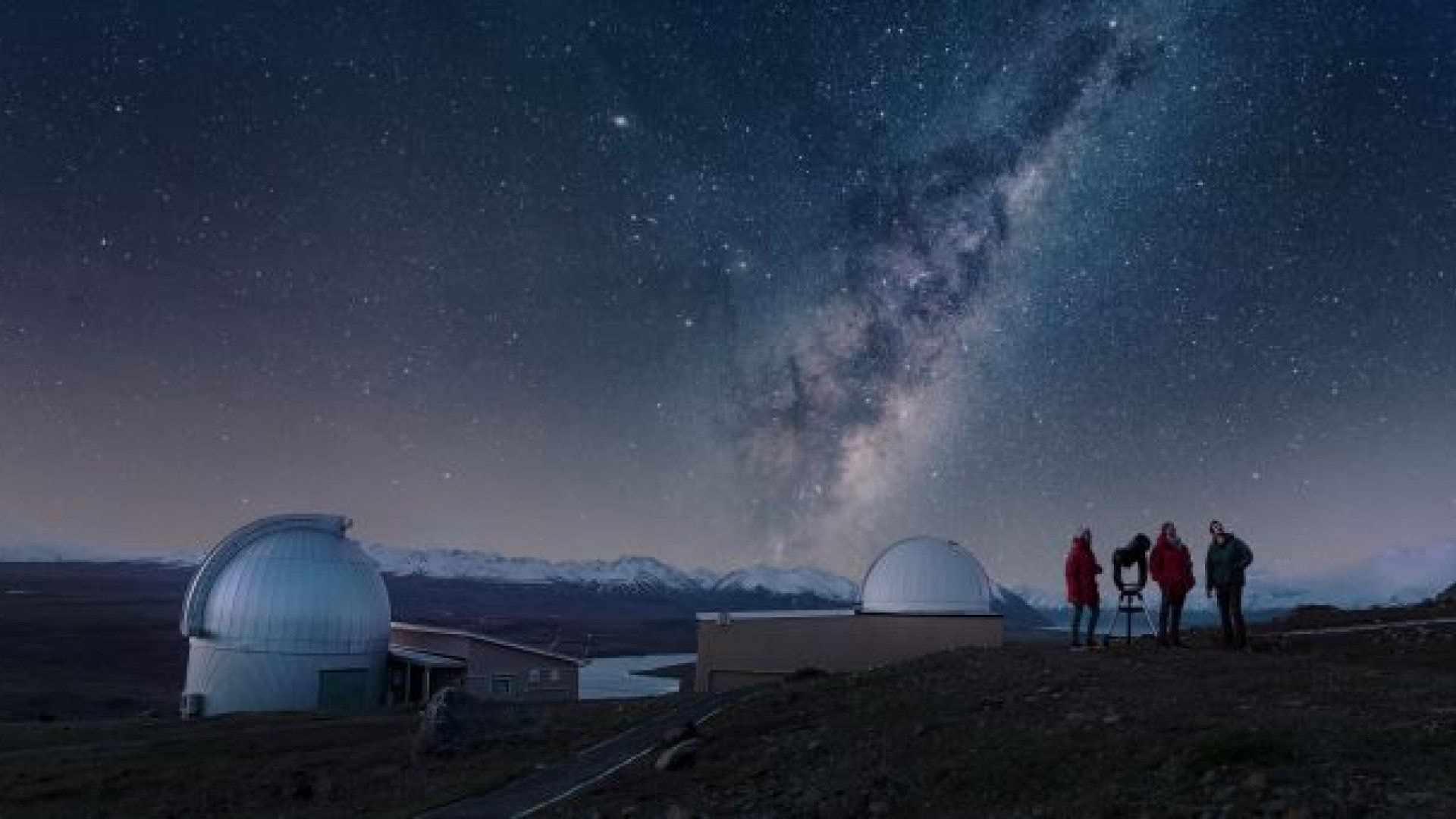
The skies above New Zealand offer some of the most spectacular stargazing in the southern hemisphere.
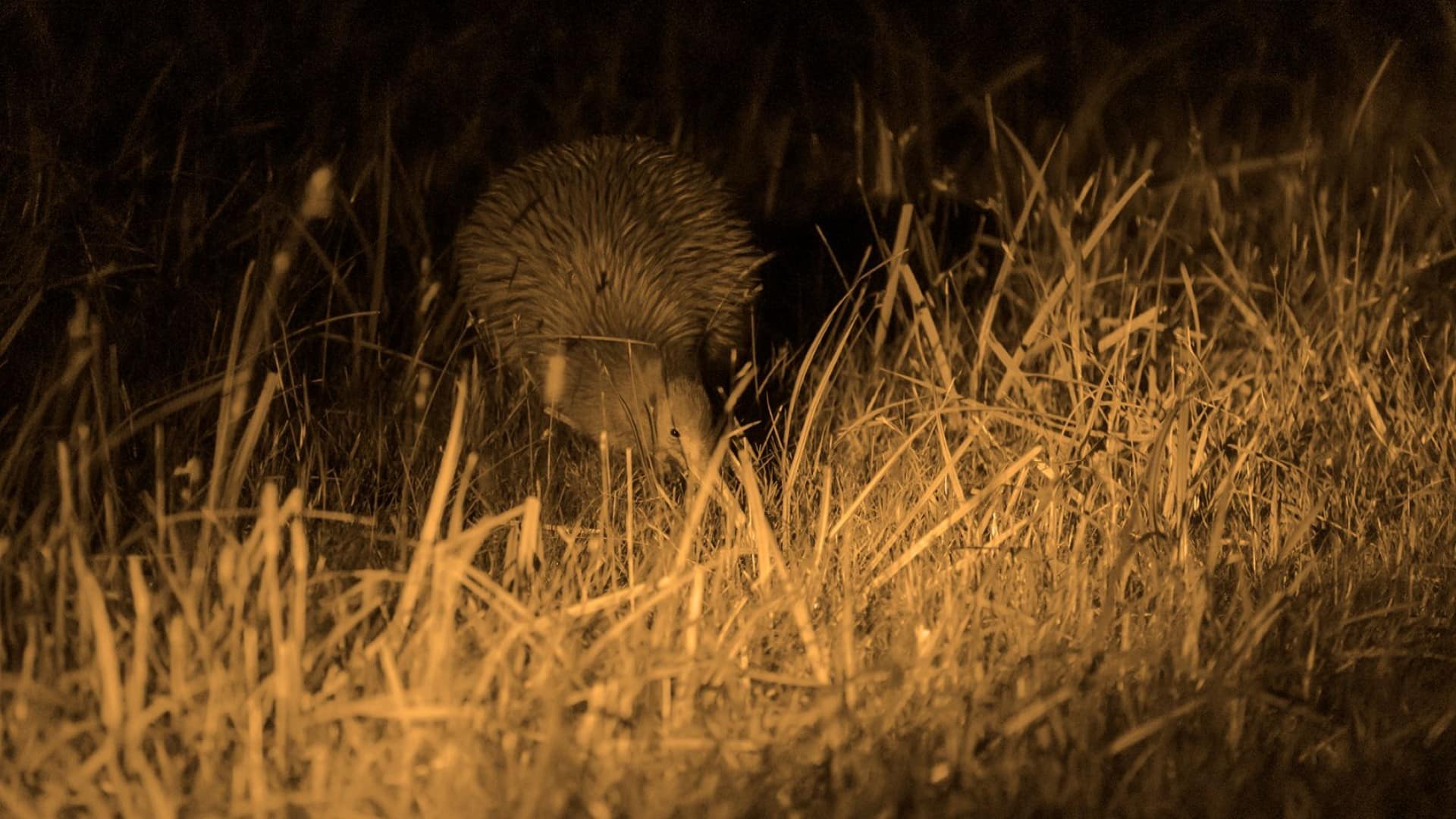
Viva’s tours of Stewart Island are not built solely around a promise of auroras but also offer extraordinary chances for wildlife viewing on nearby islands.
What Actually Improves Your Chances of Seeing the Southern Lights
While there’s no way to control when an aurora appears, there are a few practical ways to improve your chances.
From experience, we’ve noted that spending multiple nights in one general location matters far more than zooming from place to place across great distances. That location should be far from light pollution and offer an unobstructed view of the southern horizon. Clear skies are essential, although they are harder to 'plan', but patience is what often makes the biggest difference.
Local guides can really help here, as they can better interpret conditions, advise you when it is worth heading out, or when it is better to wait.
What If You Don’t See the Southern Lights?
This is a question worth addressing, as many of those who travel to Stewart Island in the winter hoping to see the southern lights leave without an aurora sighting. Most still describe the trip as a travel highlight.
Winter on Stewart Island offers rare wildlife encounters (including a very high change of spotting kiwis), predator-free bird sanctuaries, remote coastal landscapes, and some of the darkest night skies on earth. Learning about the night sky from local astronomers and guides can really add to the experience, turning aurora watching into a much broader understanding of the destination and the southern sky.
“For many travellers, the experience of Stewart Island itself is the real highlight. Fewer than 400 people live here year-round, and numbers dwindle even further in winter. With no street lighting outside Oban, limited services, and long dark nights, spending time on Stewart Island in winter offers a level of remoteness that's increasingly hard to find, regardless of whether the southern lights appear."
– Tara Sutherland, Viva's General Manager.
If you are intrigued by Stewart Island but wish to visit in the summer when the weather is friendlier, take a look at our 4-day Stewart Island Rakiura Tour, with a local host stay and amazing excursions to the Rakiura National Park.
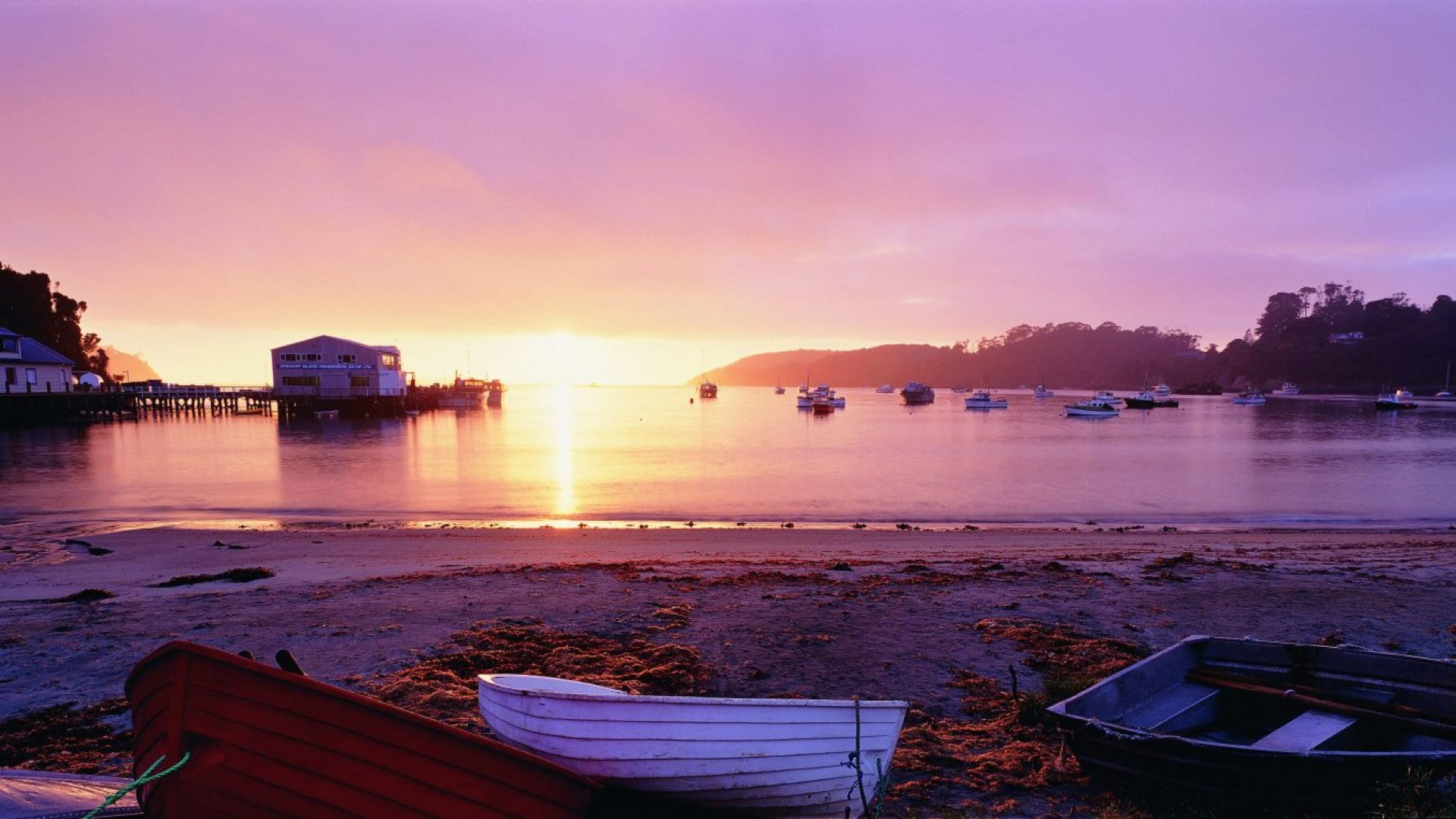
Rakiura National Park covers around 85% of Stewart Island, with large areas accessible only by foot or boat.
A Note on Viva Expeditions’ Southern Lights by Flight
Viva Expeditions has previously operated Southern Lights by Flight experiences, particularly during the COVID period. These flights offered a unique perspective and were extremely popular, and we hope to get them off the ground again in the future. Let us know if you'd like to be notified if these flights resume.
FAQs – The Recap
Are the southern lights as bright as the northern lights?
Not usually. The northern lights are generally brighter than their southern counterpart, especially in New Zealand. However, good photography can make them appear brighter in images than they appear in person.
Is there a guaranteed best time to see southern lights?
No. Although winter months offer more hours of darkness and solar activity remains high in 2026, auroras depend on short-term space weather and local conditions.
Can you see a New Zealand aurora without going to Stewart Island?
Yes, it is possible during strong geomagnetic storms to see the auroras in the southern tip of the South Island and even further north occasionally. Yet Stewart Island still offers the best combination of latitude and darkness.
What are the New Zealand northern lights?
A common misnomer used by people unfamiliar with the correct name. In New Zealand, the correct phenomenon is the southern lights, or Aurora Australis.
Can Viva Expeditions guarantee southern lights sightings?
No, we can’t. Like all natural phenomena, auroras cannot be guaranteed. But we do focus on placing guests in the best possible locations at the best possible times, with experienced guides and realistic expectations.
Keen to see the southern lights for yourself or talk to an expert about visiting Stewart Island? Viva Expeditions’ Destination Specialists are always happy to share practical, first-hand advice and help you plan your trip.
Contact us today!