
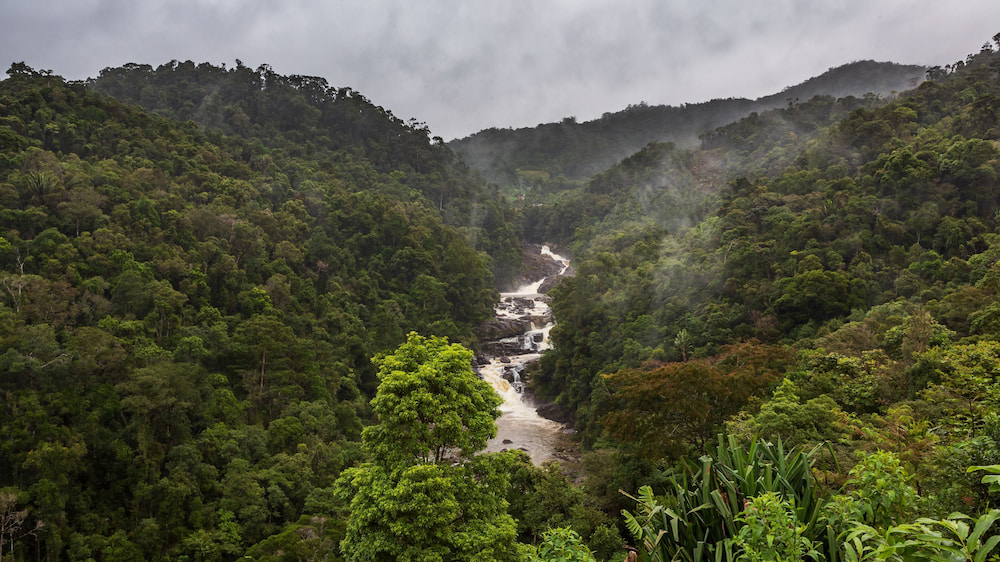

10 days
Classic Madagascar
Experience a captivating Southern journey featuring exploration of Ranomafana National Park, the Anja Reserve, and Isalo National Park.
Madagascar is one of those places that surprises almost everyone who goes. Between its dancing lemurs, otherworldly baobabs, and warm, easygoing culture, it has a character all of its own. Above all else, Madagascar is a dream destination for nature lovers. More than 200,000 species call this place home, most of them found nowhere else on earth, which gives every trek in the forest or rest-stop by the roadside a real sense of discovery.
In this guide, we'll take you through the island's diverse regions, give you advice on when to go, what to see, and offer a few practical tips to help you plan your trip.
Step Into the Content:
Overview of Madagascar’s Regions
How Long to Spend in Madagascar?
The Best Places to Visit in Madagascar
What Wildlife Can I Spot in Madagascar?
When Is the Best Time to Visit Madagascar?
Seasonal Highlight - Whale Watching
Getting There and Getting Around
Practical Travel Tips for Madagascar
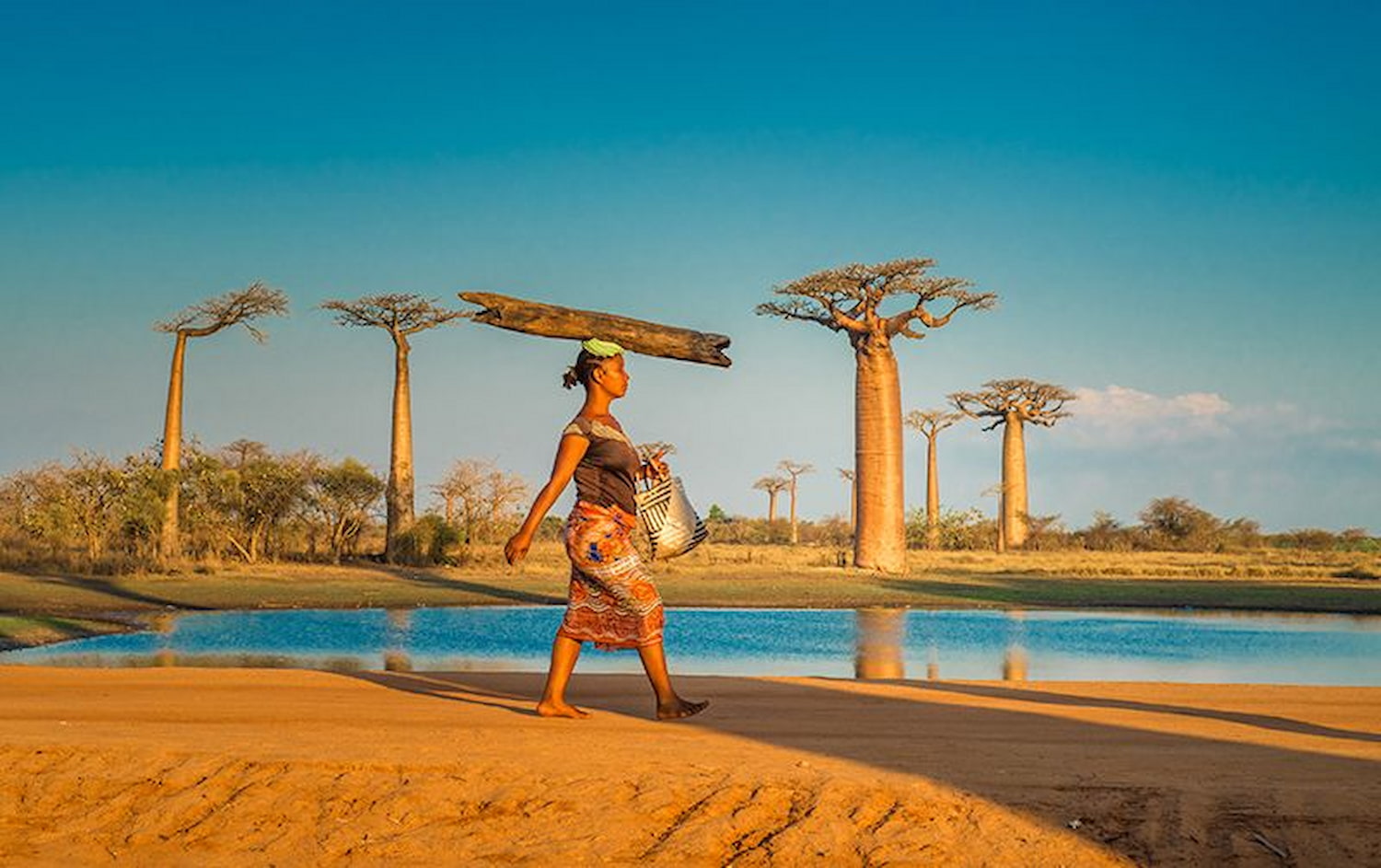
Once a pirate haven and now the world's leading vanilla producer, Madagascar promises to deliver an unforgettable experience.
Madagascar sits about 400 kilometres (250 miles) off the coast of Mozambique, yet it feels like a world of its own. Its long separation from any mainland has shaped everything from its landscapes to its wildlife and the cultures that developed here. Much of what you see on the island exists nowhere else.
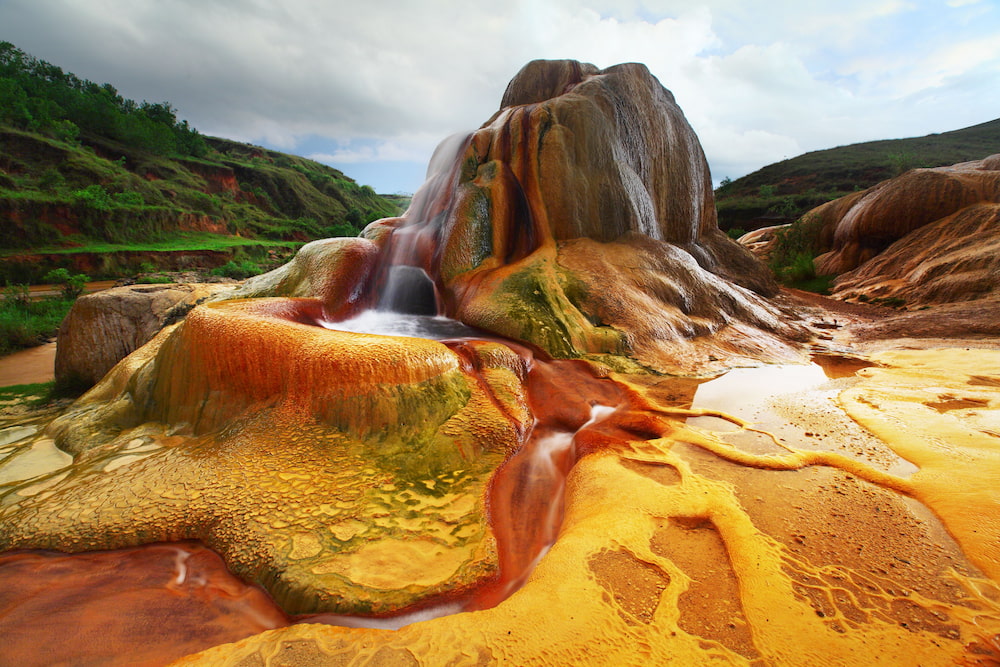
The colourful Analavory Geysers are just two hours west of the capital, Antananarivo.
The island is the world’s fourth largest, and the range of environments you move through is striking. In the highlands, the air is cool and clear. To the east, the rainforests shelter countless species found only in Madagascar. The west shifts into dry deciduous forests and the sharp limestone formations of the tsingy. The south becomes more arid, with spiny forests and desert plants that look unlike anything on the African mainland. Along the coast, beaches, mangroves and coral reefs bring yet another change of scenery.
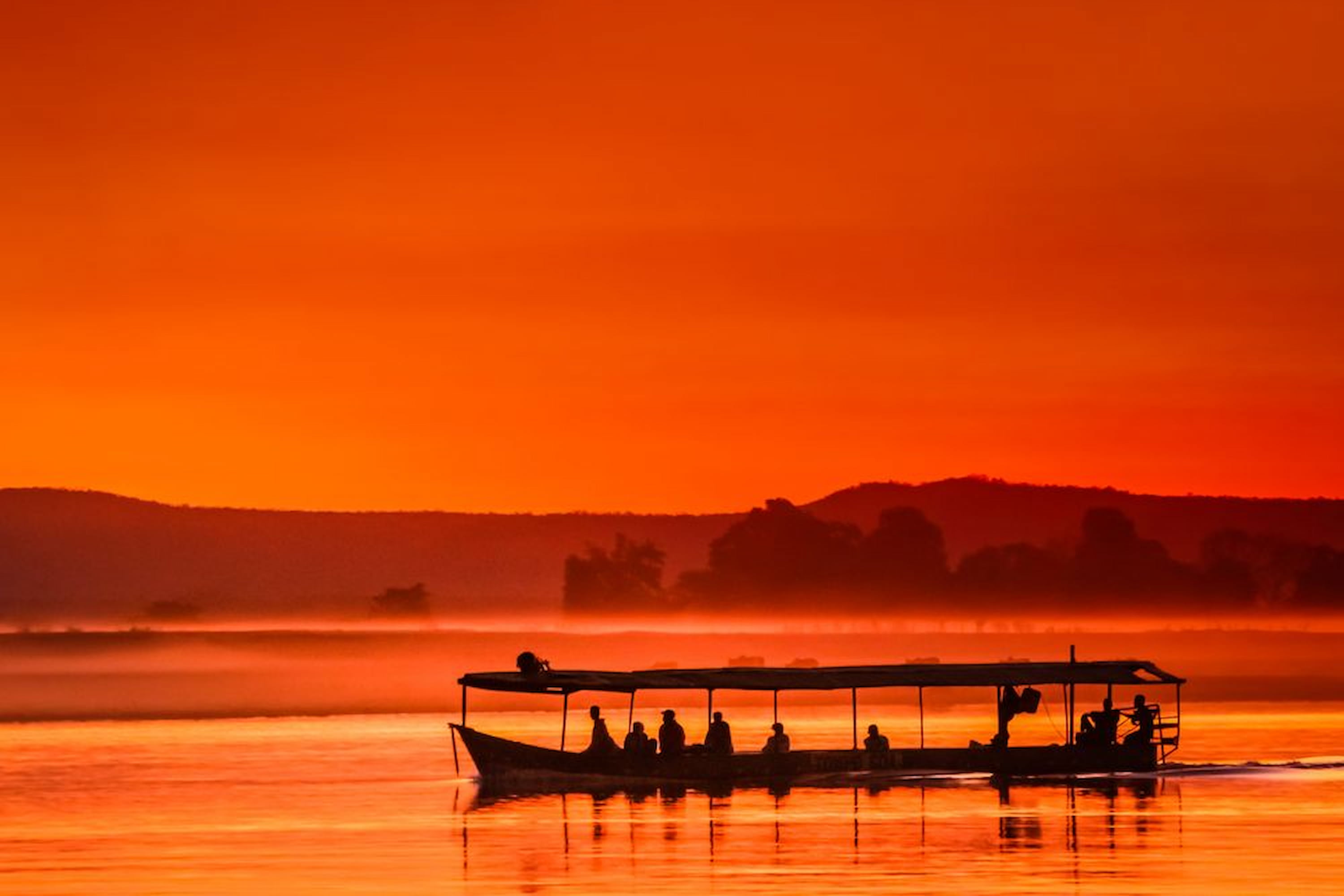
Boat tours on the Tsiribihina River are one of the many highlights of Western Madagascar.
The Malagasy culture is tantalising blend of African and Southeast Asian influences, but each region still feels distinct, often shaped by its unique landscape. Fishing villages along the coast still follow long-standing maritime traditions, while highland communities are known for their beautiful crafts, farming practices and ancient royal sites. Wherever you travel, people are warm, curious and proud of their heritage, and you’ll no-doubt enjoy interactions with locals in small towns along the way.
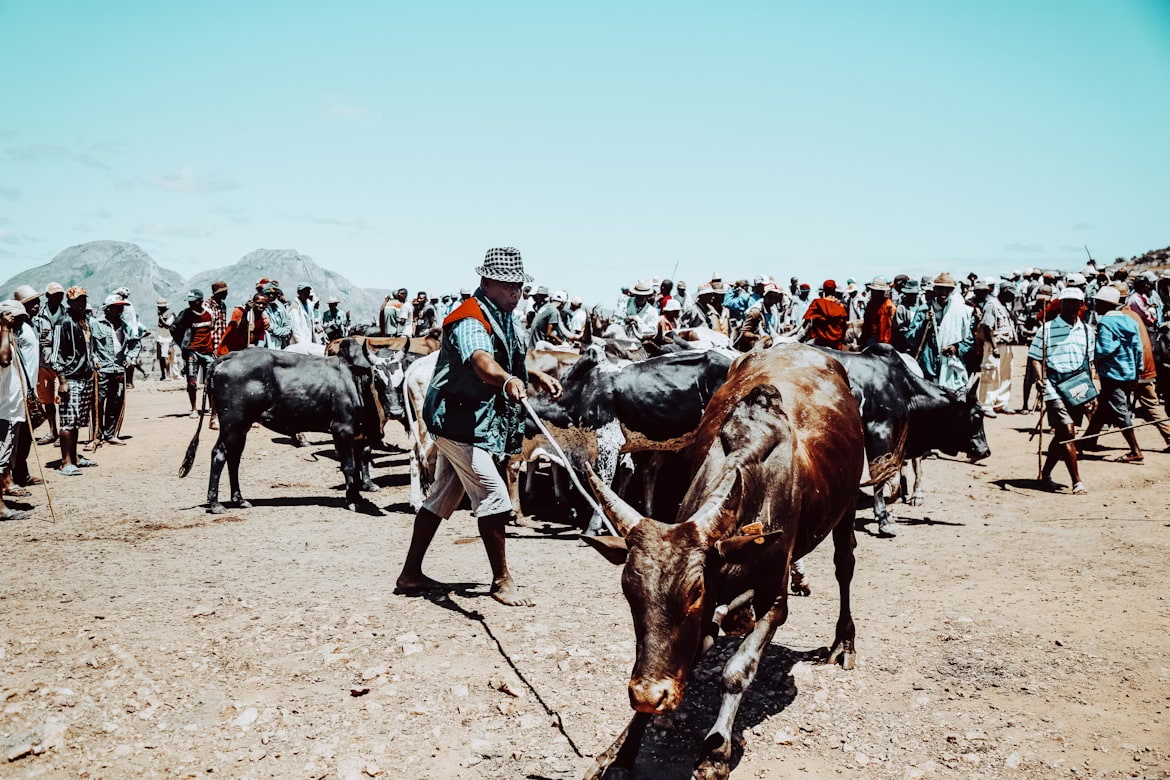
A stop at a traditional bull market offers amazing glimpses of everyday life in Madagascar.
Food is an enjoyable part of travelling in Madagascar. Zebu beef is a staple, fresh seafood appears on most coastal menus and vanilla finds its way into both sweet and savoury dishes. Meals tend to be simple, flavourful and tied closely to the region you are visiting.
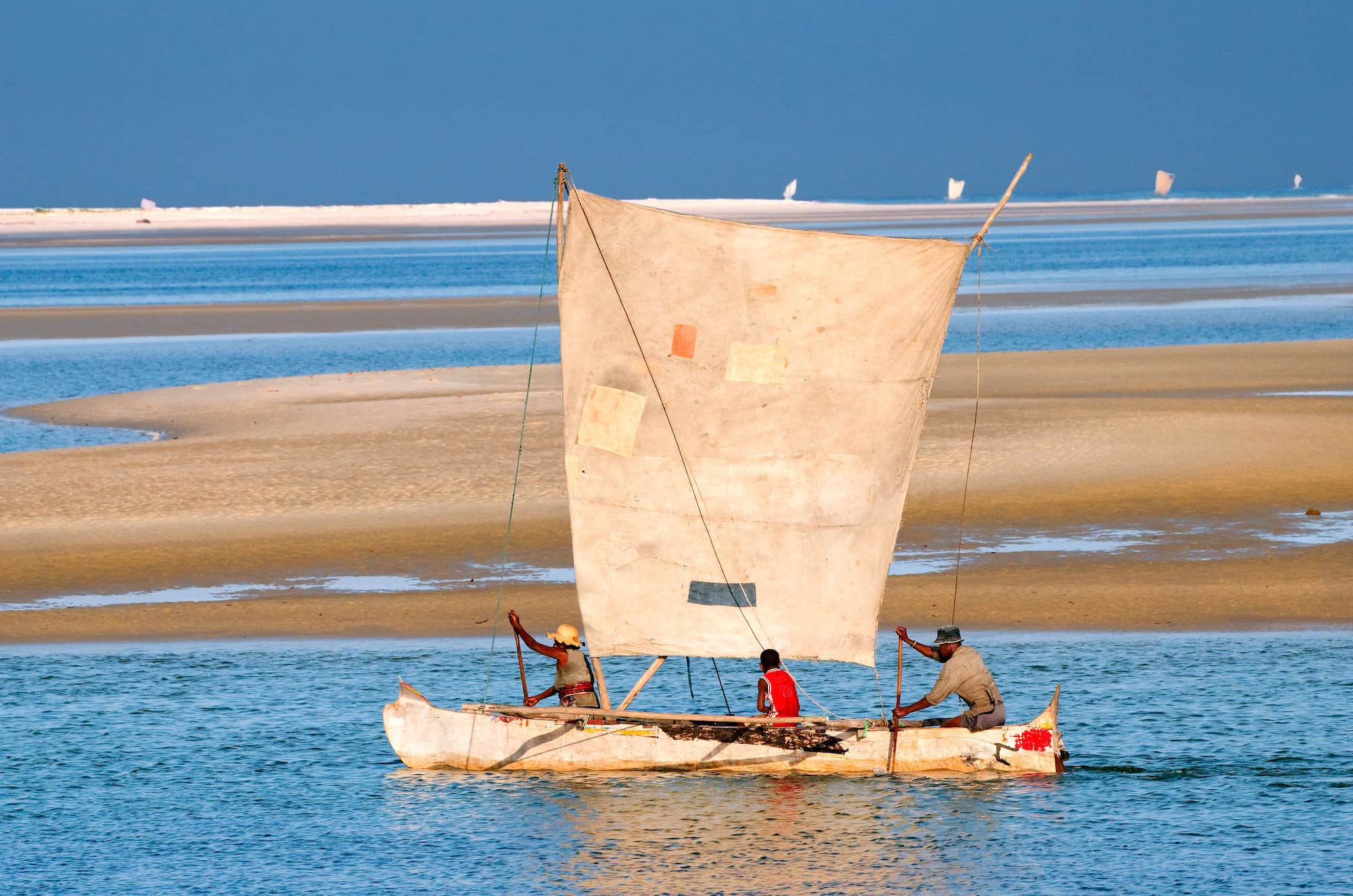
Fishing has been central to Malagasy life for over a thousand years, dating back to the arrival of early Austronesian settlers from Southeast Asia.
Although Madagascar has a distinctive, homogenous flair (you can never really forget where you are), geographical differences between regions abound.
The north has an easygoing vibe, with warm tropical beaches, bright reefs and those postcard-perfect volcanic landscapes for which Madagascar is so well-known. Most travellers end up in Nosy Be at some point, often as a relaxing finish to a busy itinerary. It's the kind of place where you can spend the morning snorkelling over colourful coral and the afternoon doing very little, with a stunning view of the sea.
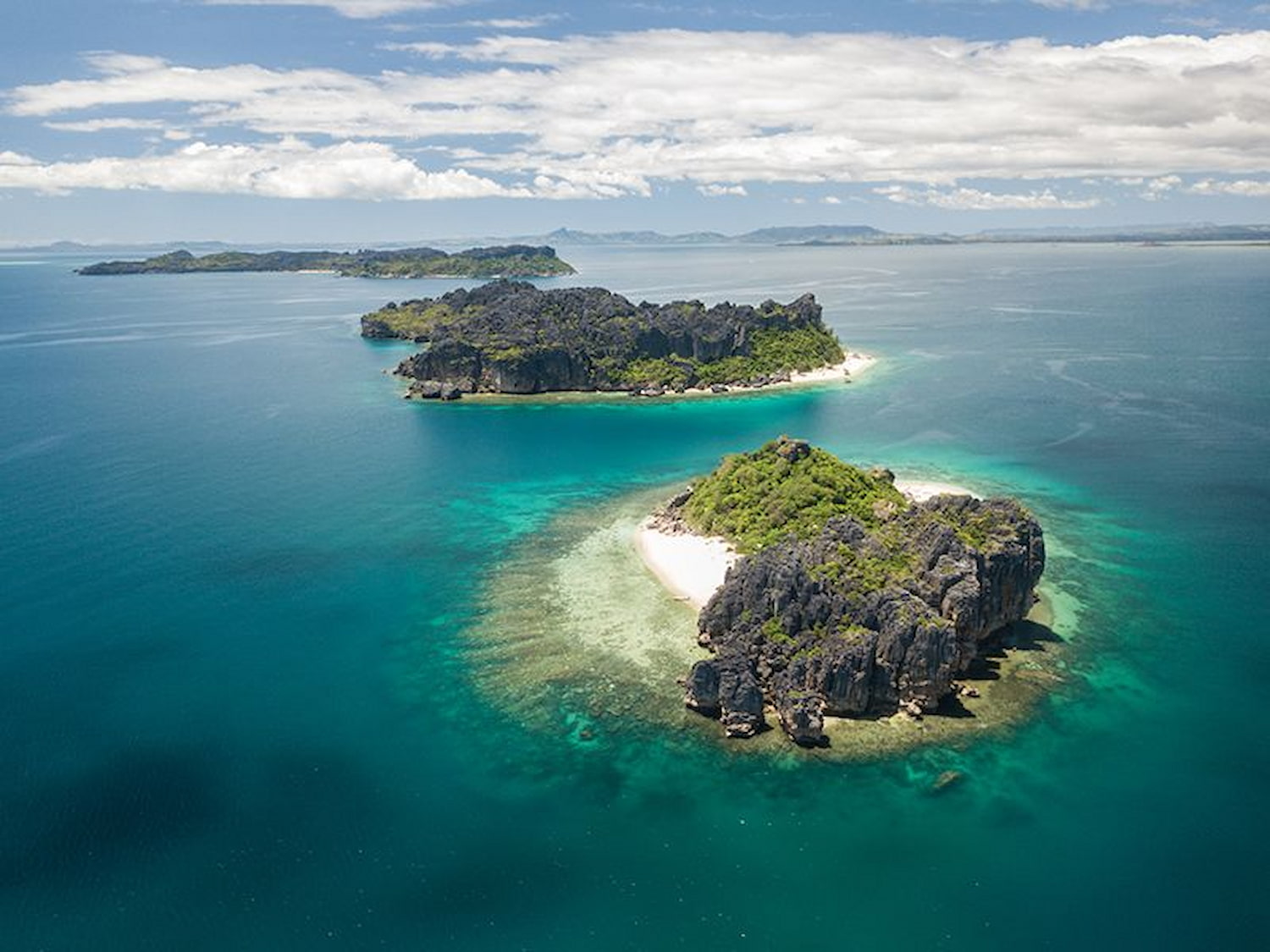
Warm beaches, vivid reefs, and postcard-worthy volcanic horizons, all with a Northern Madagascar vibe.
Head inland to explore Amber Mountain National Park, where the forest is thick with ferns and moss, the air is cooler, and waterfalls appear after short walks through the luscious greenery. A fantastic spot for gentle hikes and close-up wildlife encounters.
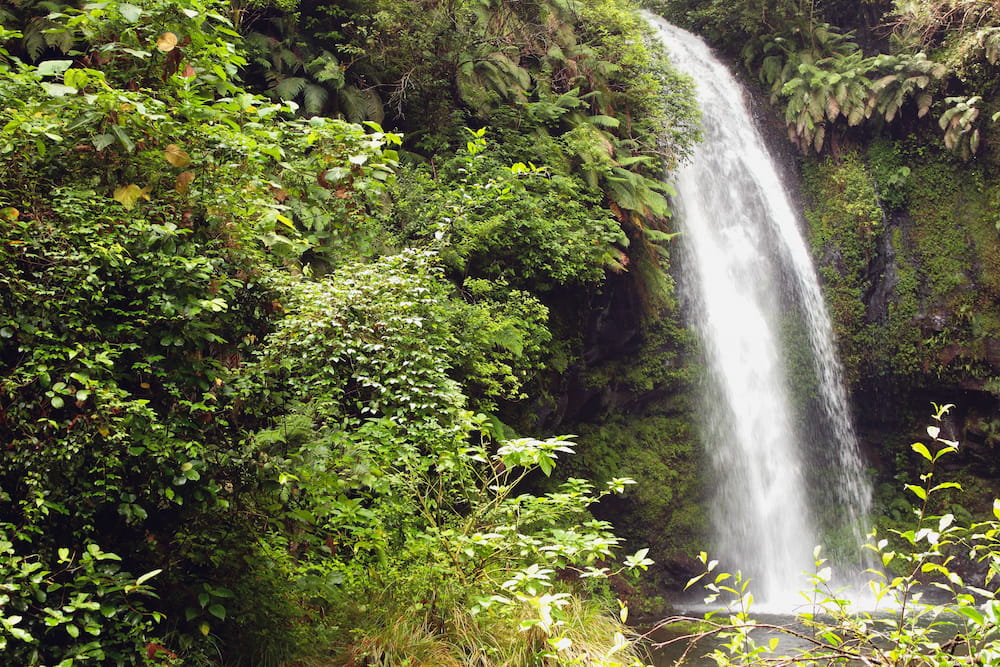
Lush trails and hidden waterfalls of Amber Mountain National Park.
> Discover Viva’s Madagascar’s Northern Highlights Tour
The east is home to some of Madagascar's most important rainforests, and this is where you come to see the island's biodiversity up close. If wildlife is your priority, the eastern rainforests offer the most reliable sightings.
Andasibe-Mantadia National Park is the region's standout highlight. It is the best place to see the indri, Madagascar's largest lemur, along with a wide range of orchids, birds and smaller rainforest species.
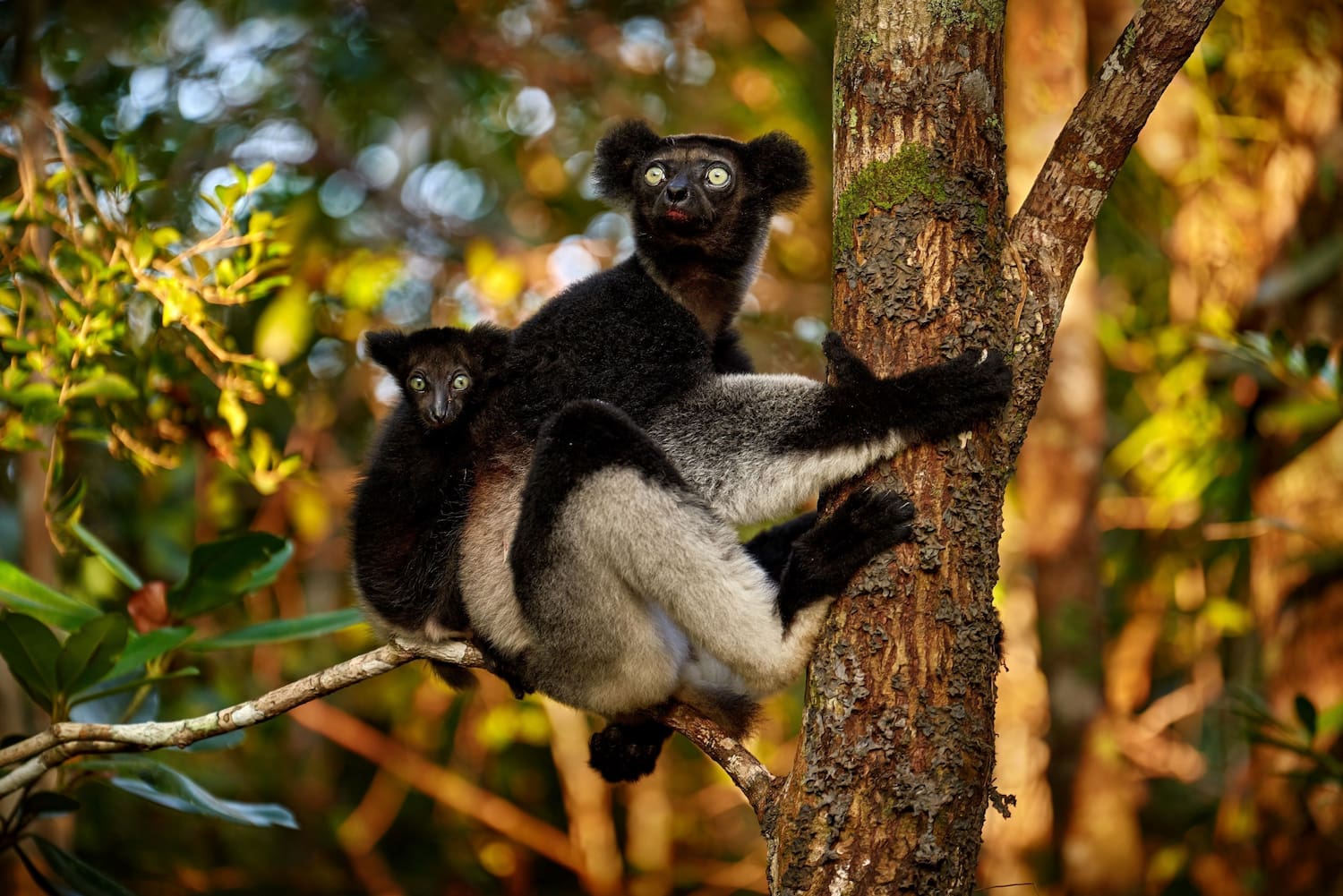
Meet Madagascar’s gentle giant: the indri.
Travelling through this region gives you a good sense of local life. Small villages sit close to the forest, and the Pangalanes Canal links a chain of lakes and lagoons that people use for everyday transport. A relaxed boat trip along the canal is a great way to understand how the communities in this part of the island live and move.
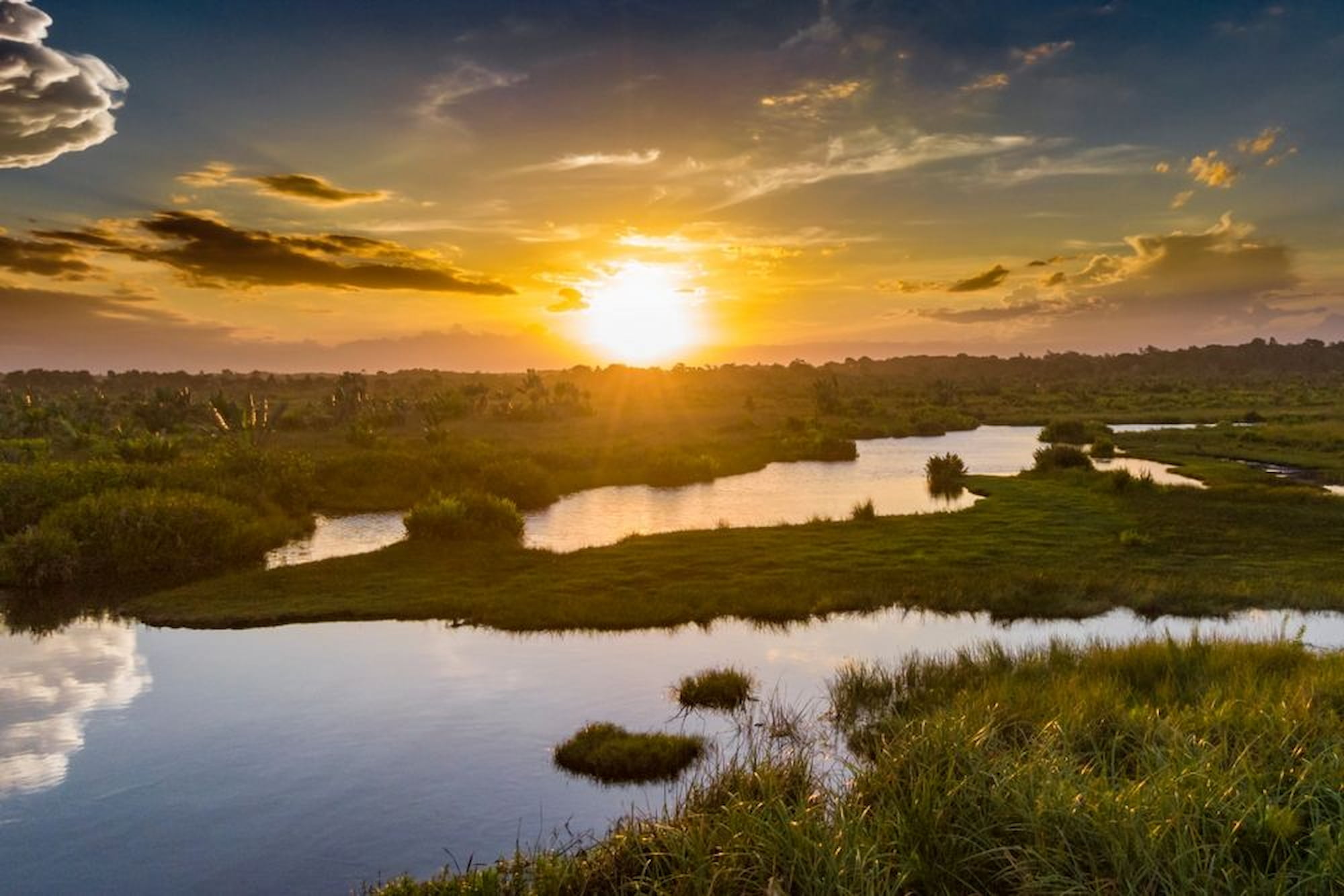
Exploring Madagascar’s waterways: the Pangalanes Canal.
> See how we tackle the east on our Authentic Madagascar Small Group Tour.
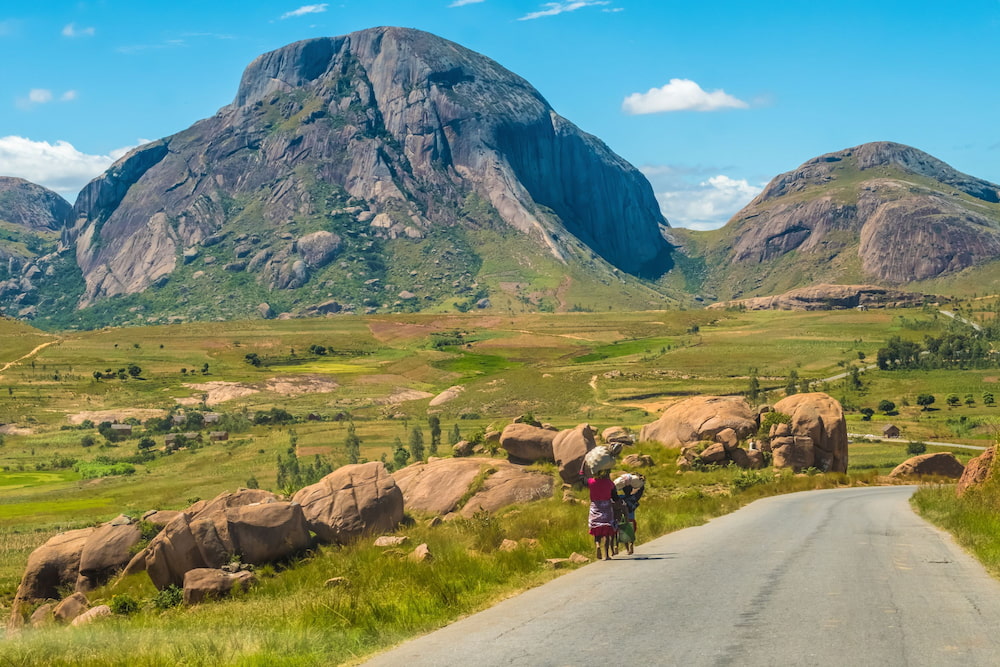
The south definitely beats to its own drum. The landscapes shift into semi-arid plains here, with wide open canyons and spiny forests filled with plants found only in this part of Madagascar. Isalo National Park is the region's undisputed highlight, with good hiking routes, clear natural pools and viewpoints that are easy to reach without long or demanding treks.
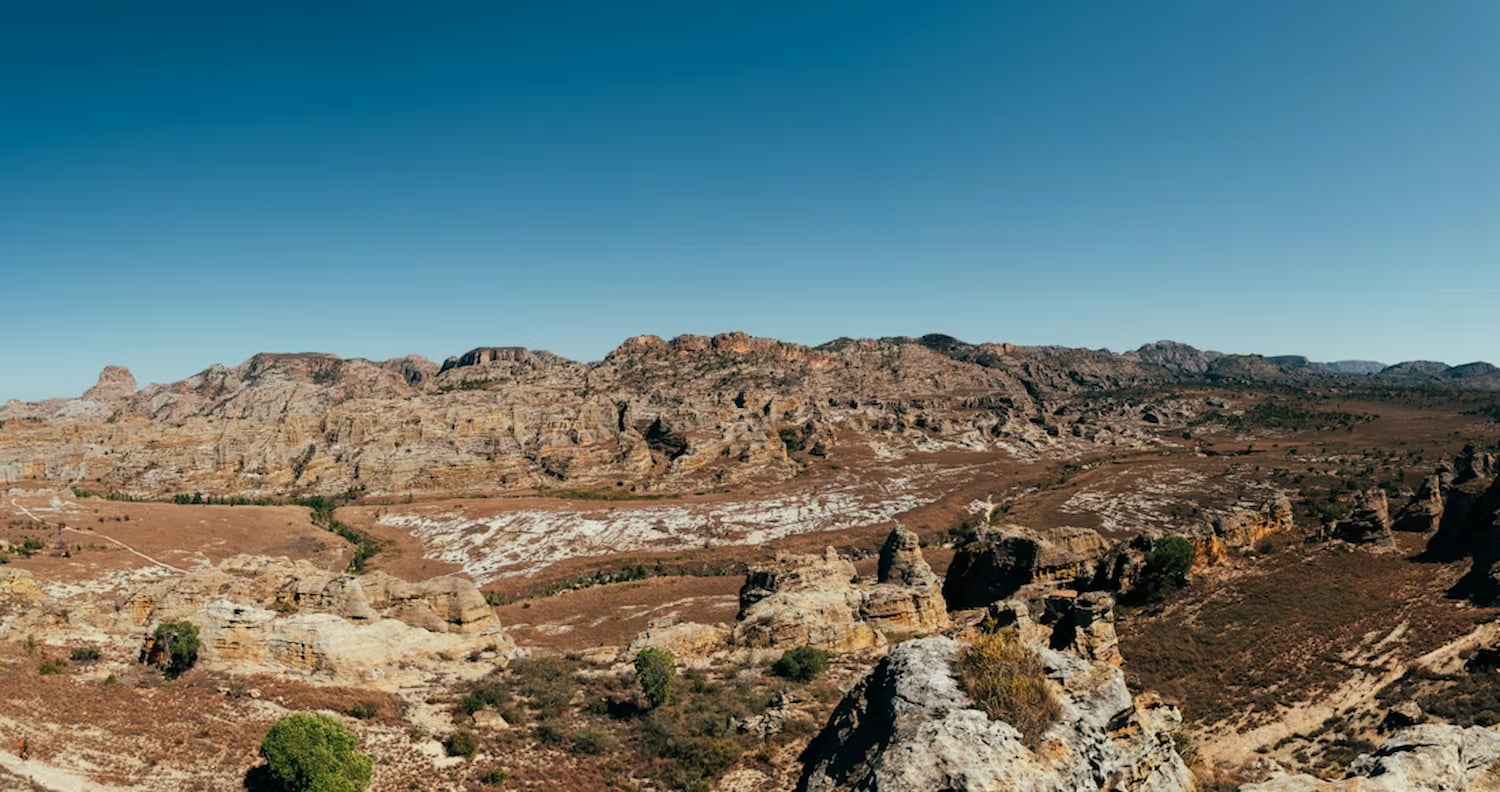
Known for its exceptional hiking routes, Isalo National Park showcases the best of Southern Madagascar.
If you are coming through the highlands on your way south, stop by the UNESCO-listed Royal Hill of Ambohimanga, and you can visit the paper-making workshops in Ambalavao. Both offer a fascinating look at the island's history and crafts.
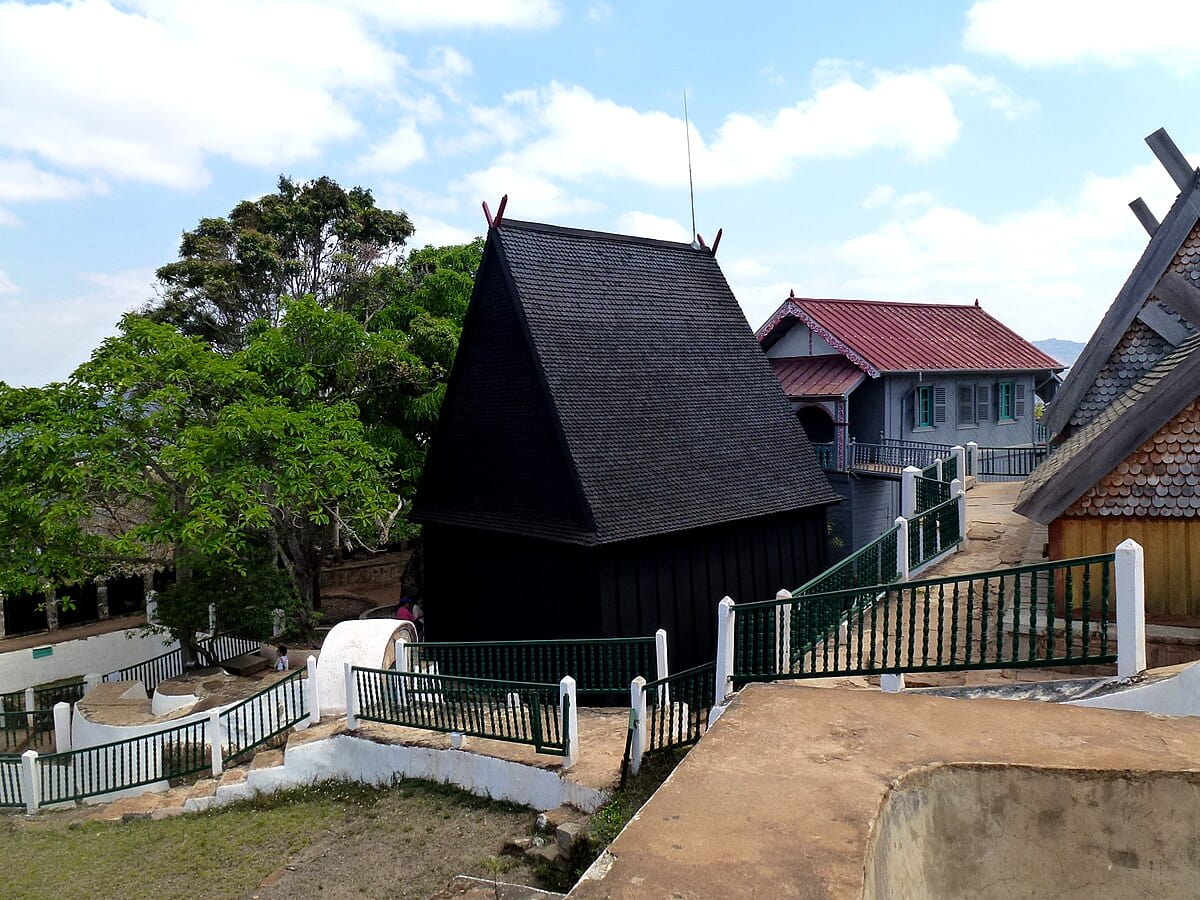
Steeped in history: the Royal Hill of Ambohimanga
> Explore the southern region on our Signature Classic Madagascar Tour
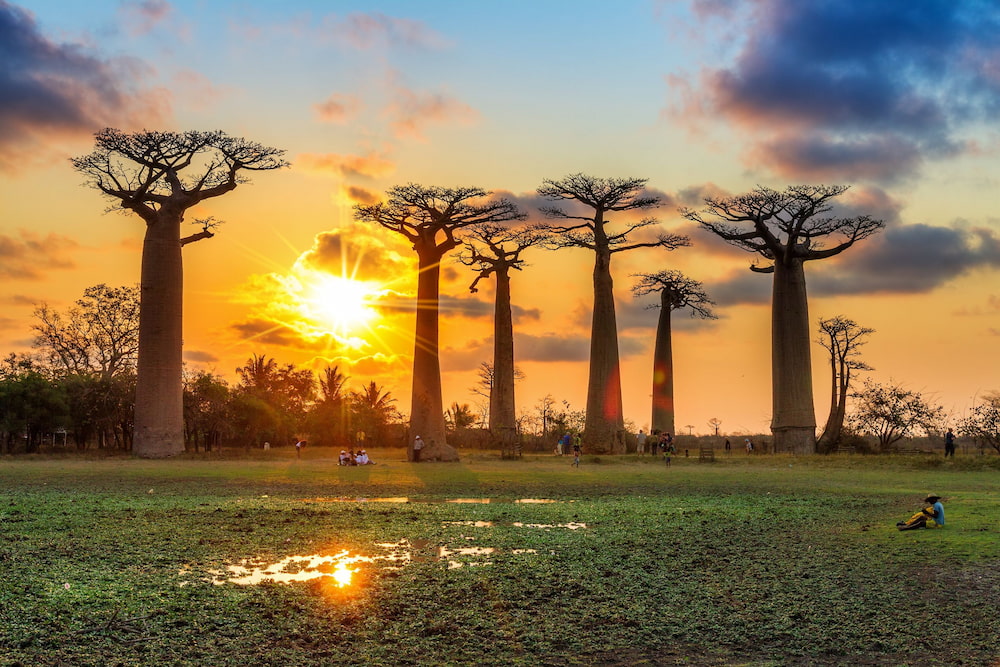
The west is home to some of Madagascar's most recognisable and photograpohed landscapes. The Avenue of the Baobabs, near Morondava, is the pin-up of all travel brochures, for good reason. Travellers tend to walk the length of the avenue, watch the zebu carts and local life passing by, and then wait for sunset, which is when the scene is at its best.
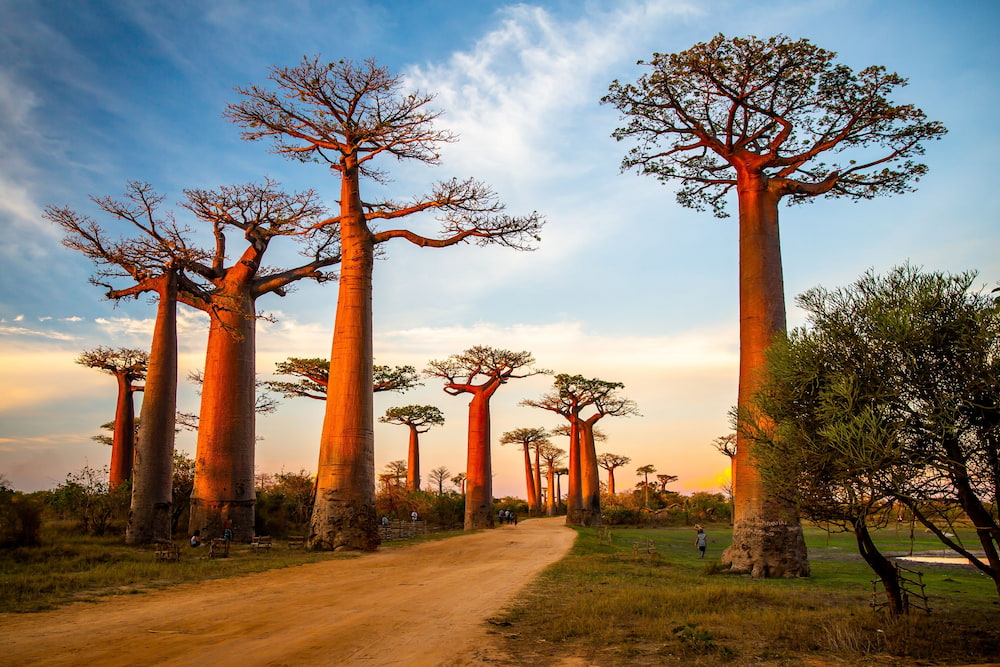
Avenue of the Baobabs!
Just to the north, Tsingy de Bemaraha National Park offers a completely different environment, with sharp limestone formations, narrow passageways and suspension bridges.
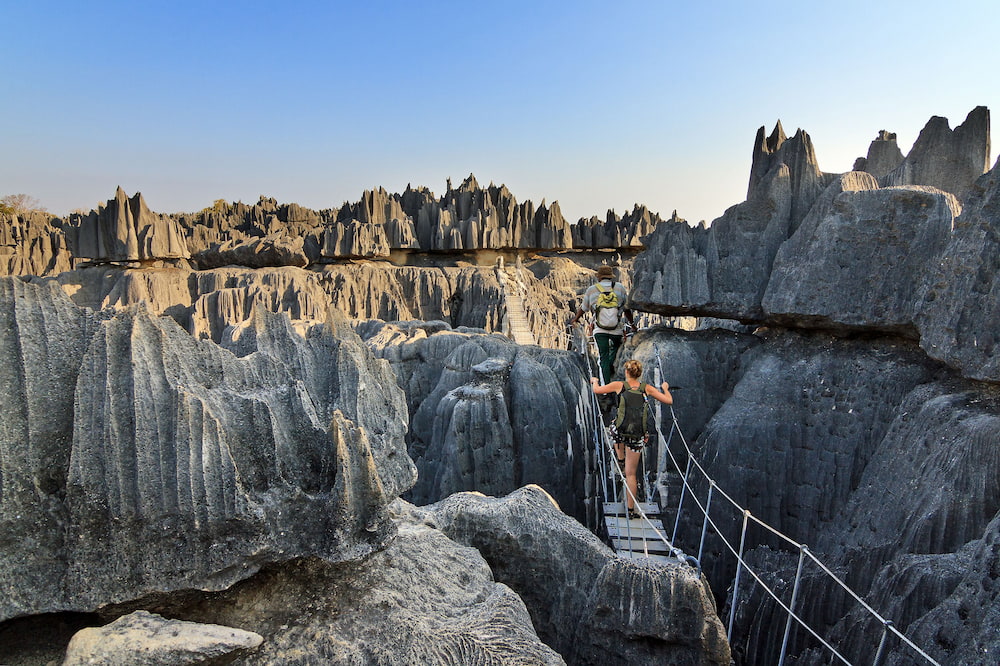
Sharp limestone formations at Tsingy de Bemaraha National Park
Wildlife viewing is quite good in the west, especially in the dry season, and evening walks often bring out lemurs and other nocturnal species. Roads in this part of the country can be slow, so travel days tend to run at a slower pace, but the scenery along the way makes the journey worthwhile.
> Here’s our Best of the West - Baobab and Tsingy Tour
Typically, we advise travellers to focus on one region if visiting for 8-10 days and expand their horizons if they have more time. You'd need about 4-6 weeks to do it all, although you can use more domestic flights to compress that slightly.
FYI: Looking at Madagascar on a map can be deceptive because Africa dwarfs it. But this island is absolutely H.U.G.E., roughly the size of mainland France.
Travel here isn't always easy or speedy as in Western Europe, so covering considerable distances is more time-consuming. Plus, the central capital (Antananarivo) is home to one of only four international airports in Madagascar and the one with the best connections, so there's always a fair bit of travelling from there.
For all these reasons, most tours will include one or more domestic flights when trying to reach the island’s farthest points, and one tends to bounce back and forth between Antananarivo and other regional hubs this way.
Madagascar travel tips: Even on a tight schedule, never miss the opportunity to explore by road. This is really the only way to soak up the magic of the land, something you skip when flying through. It slows you down somewhat, but landscape admiring is one of Madagascar's best enticements.
Madagascar boasts a kaleidoscope of highlights - here's a tasty entree.
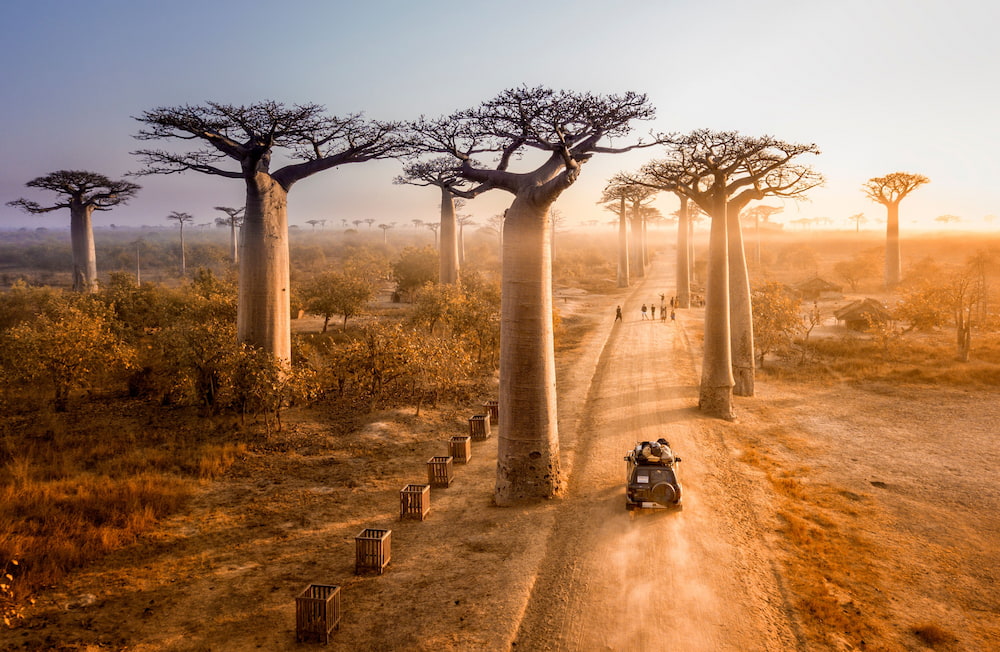
The Avenue of Baobabs - the most iconic snapshot on every Madagascar Travel Guide.
Picture a dirt road flanked by ancient, towering baobab trees silhouetted against a fiery sunset. This iconic scene, near Morondava, is one of Madagascar's most photographed spots and a place of extraordinary beauty.
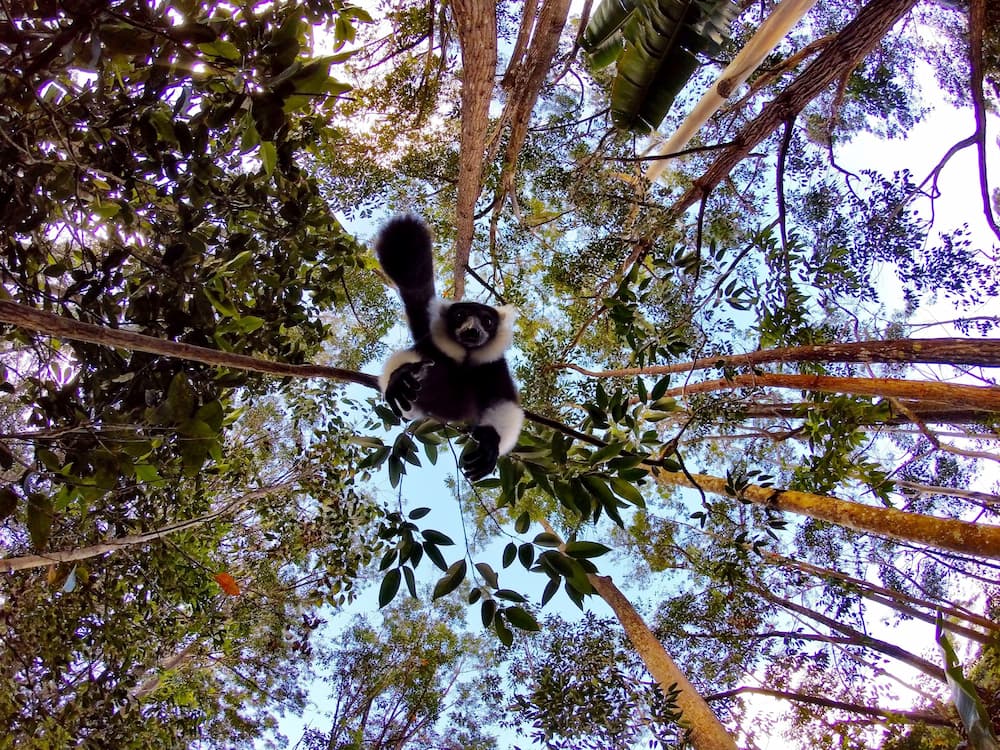
Andasibe-Mantadia is known for reliable lemur sightings—especially the indri.
If wildlife is high on your list, this is the place to prioritise. Andasibe-Mantadia is the most reliable region for lemur sightings, especially the indri with its distinctive call. The trails are accessible and there is a good mix of orchids, birdlife and smaller rainforest creatures. It is one of the easiest ways to see the island's biodiversity without long and tedious travel days.
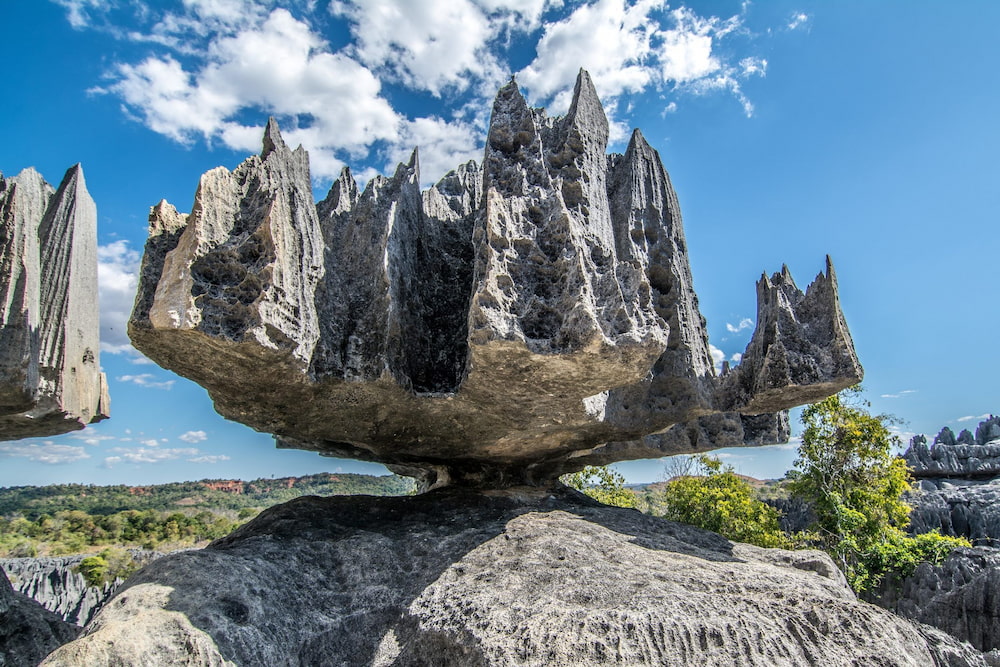
The limestone formations in Tsingy de Bemaraha, a UNESCO-listed park, create one of Madagascar's most unusual landscapes.
This UNESCO-listed park is one of Madagascar's most unusual landscapes. The limestone formations form sharp ridges and narrow passages, and exploring on suspension bridges makes you feel as if you're on a bona fide adventure expedition.
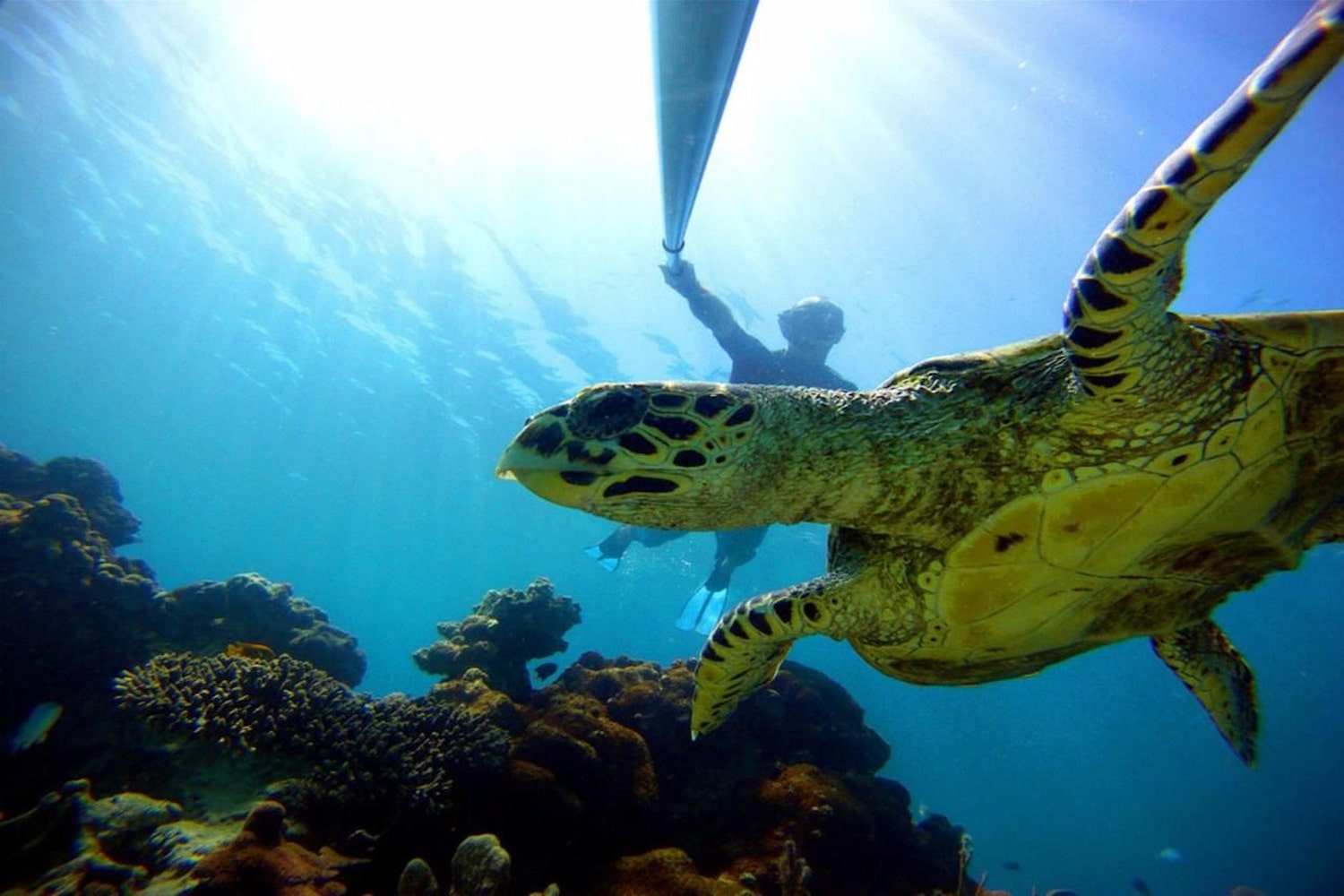
From coral reefs to coastal villages, Nosy Be dazzles with tropical beauty.
Madagascar's premier beach destination, Nosy Be, offers crystal-clear waters, colourful coral reefs, and charming coastal villages with fantastic seafood restaurants. It's the perfect spot for relaxation, snorkelling, or SCUBA diving. End your tour with a few days of R&R here, and you'll be in heaven.
With its rugged canyons, refreshing natural pools, and unique plants like the elephant's foot, Isalo feels like an otherworldly playground. Hiking here can be challenging but immensely rewarding, with sensational vistas at every turn.
Madagascar has its own version of a Big Five, and while the list tend more towards the quirky than the fierce, these are the species most travellers hope to see.
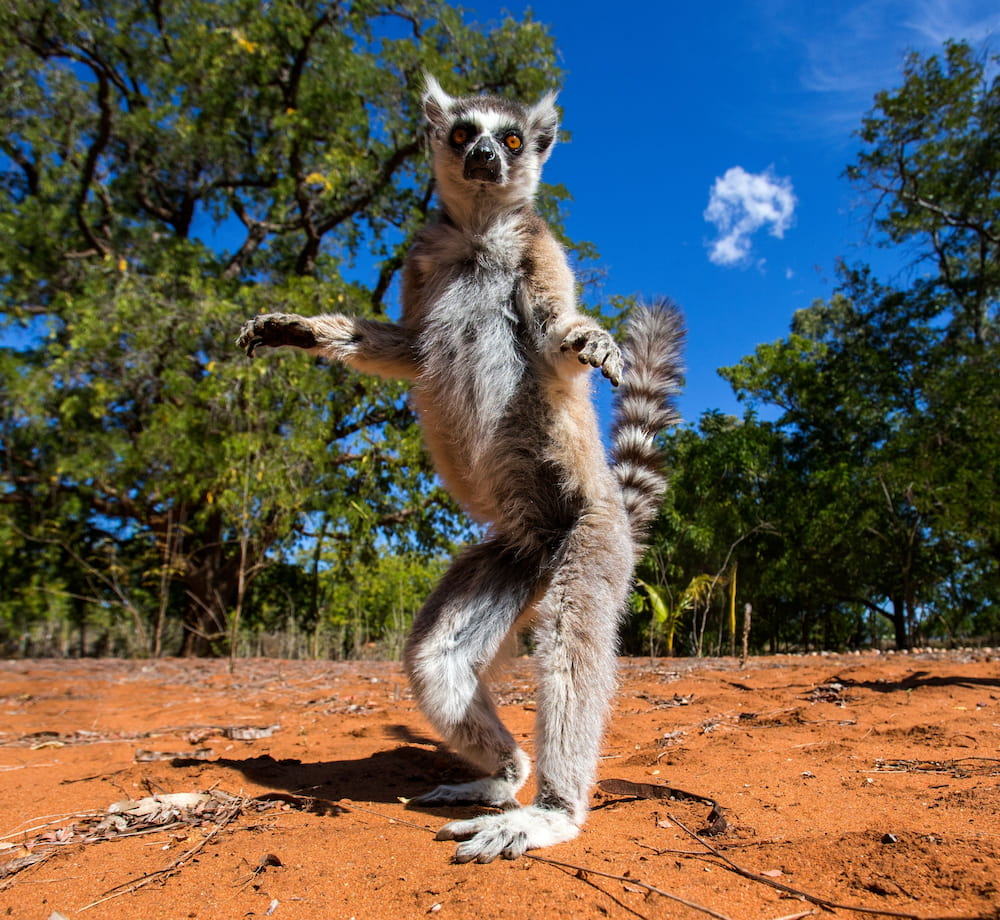
Lemurs – The most famous animal icon in Madagascar is the lemur. With more than one hundred species across the island, you will almost certainly encounter a few, especially in the eastern rainforests. The indri is the standout and one of the easiest to spot with a local guide.
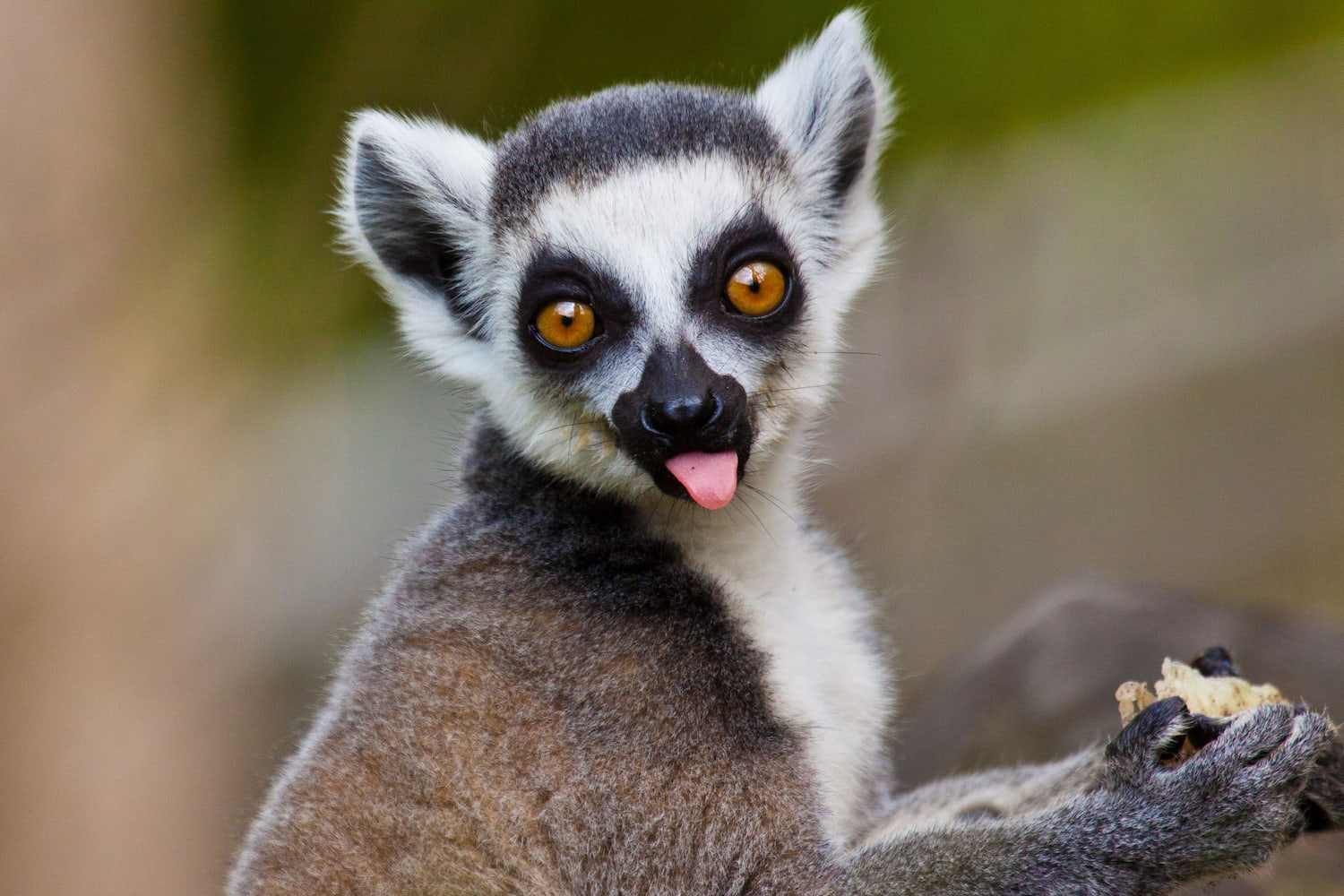
Lemurs are the most famous animal icon in Madagascar.
Fossa – Madagascar's top predator is sleek, fast and rarely seen, but certain parks in the west and centre offer the best chance if you are keen to try your luck.
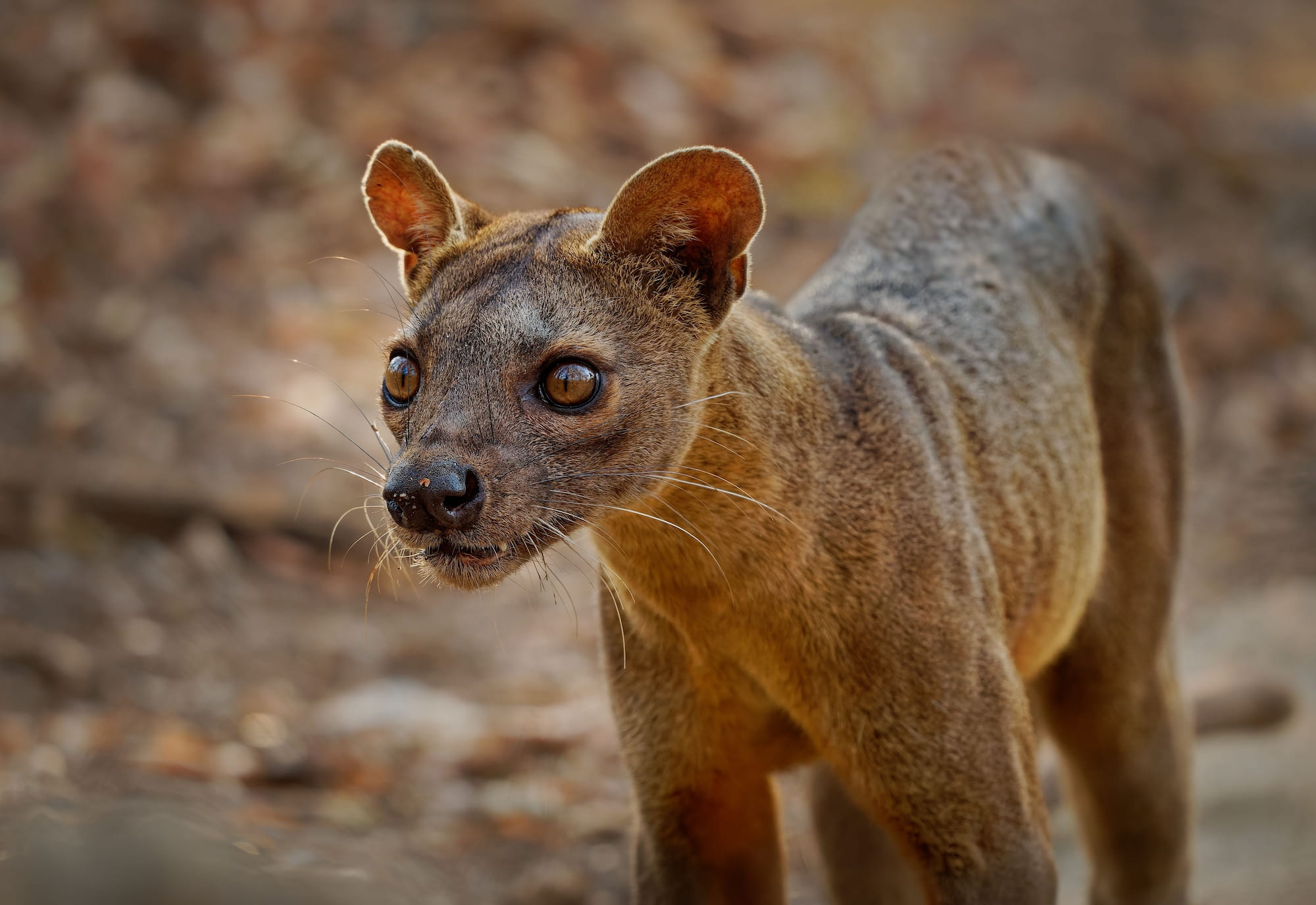
Stealthy and sleek—the fossa rules Madagascar’s forests.
Chameleons – Chameleons are everywhere, from tiny leaf chameleons to the world's largest species, the Parson's. They are often easier to see on guided night walks, when they rest in the open on branches.
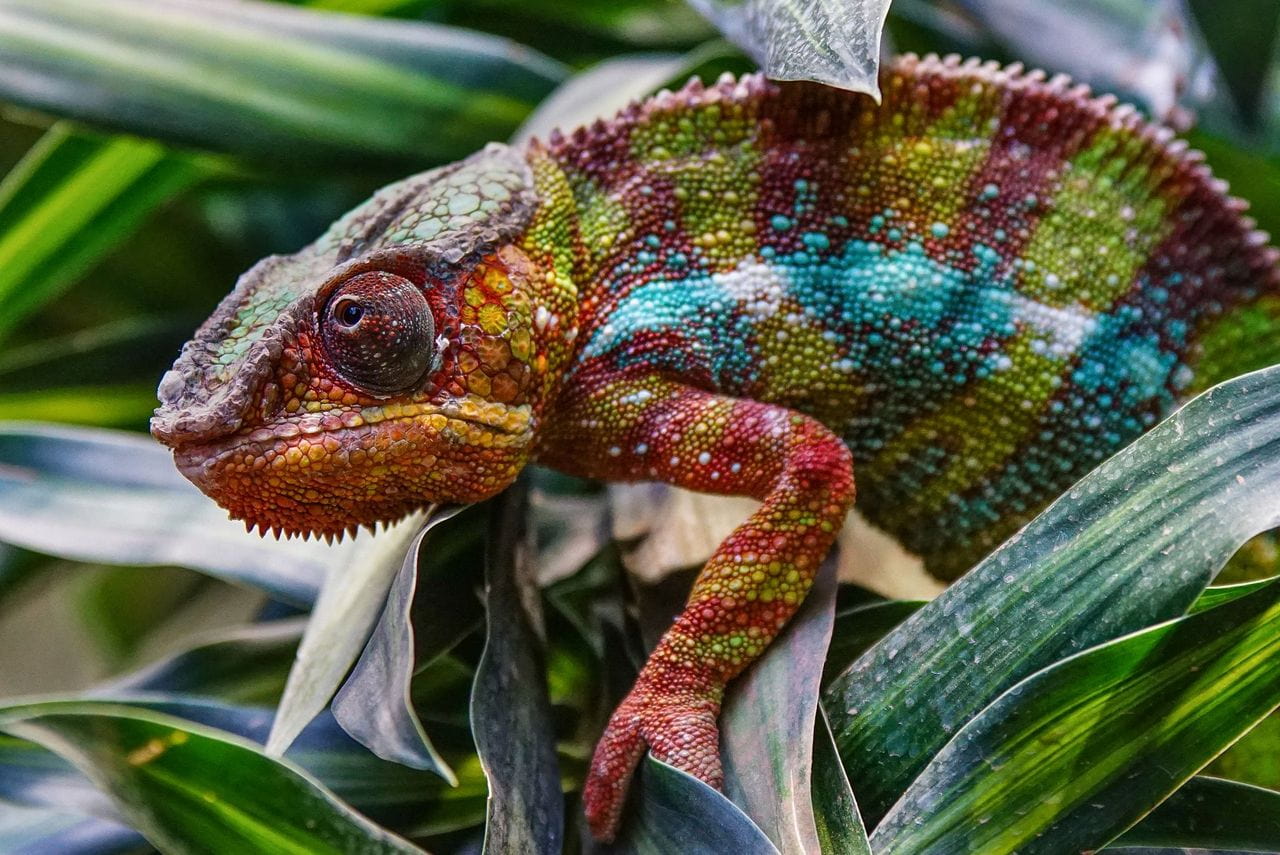
From tiny leaf chameleons to the giant Parson’s, Madagascar is full of color.
Aye-aye – A rare nocturnal lemur known for its googly eyes, rodent-like teeth and unique foraging method. It is notoriously difficult to spot this little guy, but specialist guides in the east and northeast know the areas where sightings are most likely.
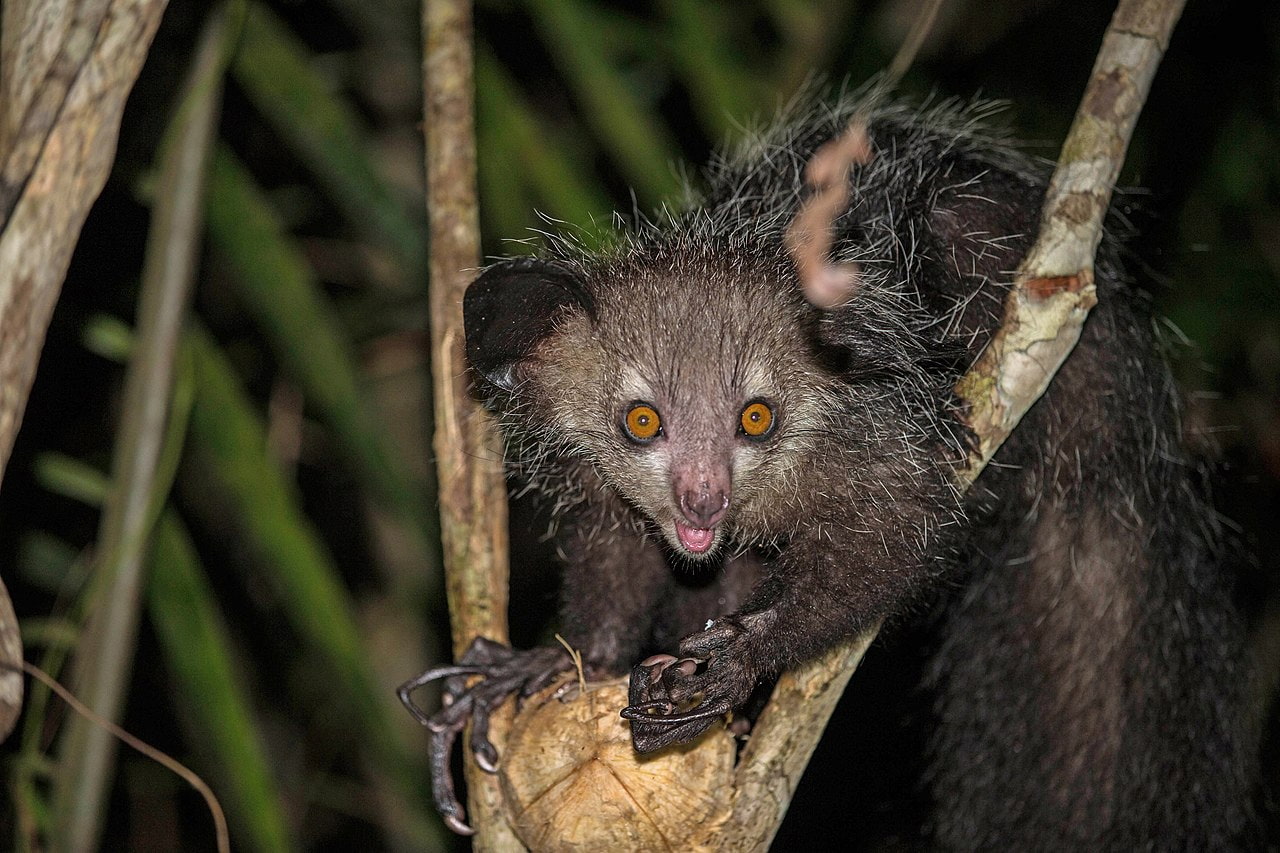
Madagascar’s nocturnal lemur with quirky teeth and eyes.
Baobab trees—They may not move, nor have googly eyes, but the baobabs are among the island's most recognisable natural highlights. The largest and most accessible baobab stands are in western Madagascar, especially near Morondava.
Madagascar’s climate varies widely from coast to coast, so the best time to visit depends on where you are heading and what you want to experience. In broad terms, the island has two main seasons.
This is the most comfortable time for most travellers because conditions are dry and wildlife is active. Trails in the parks are easier to navigate, so it’s the ideal time for rainforest walks, lemur spotting and tackling longer hiking routes.
June to September is especially good for trekking and other outdoor activities, thanks to cooler temperatures and low humidity. This is also the period when humpback whales migrate along the coast, which makes it a wonderful time for whale watching.
Caveat: One thing to keep in mind is that the central highlands can feel surprisingly cold in winter. From May to September, nighttime temperatures can drop to 5°C ( 41°F) and sometimes close to freezing in places like Antsirabe. Packing warm clothes is a must if your itinerary includes any time inland!
Rainfall increases across the island, and some regions become harder to reach, yet this season brings very green landscapes and quiet trails. Mind you, Madagascar is still very much an off-the-beaten-path destination and never feels overrun with tour groups anyhow.
Madagascar Travel Tips: Birdwatchers will be handsomely rewarded if they travel in the wet season, which is also the prime nesting season.
The dry season from April to November is ideal for exploring the beaches of Nosy Be and the rainforests of the east. The weather is sunny, and wildlife is active. From June to September, temperatures and humidity drop enough to make national park tours, trekking excursions and other outdoor activities even more enjoyable.
The south remains dry from May to October, making it the best time for hiking in Isalo National Park and exploring the spiny forests. Temperatures are cooler, which is perfect for outdoor activities.
The Avenue of the Baobabs and Tsingy de Bemaraha are best visited during the dry season from April to November, as roads can become impassable during the wet months. The cooler months from June to August are particularly enjoyable.
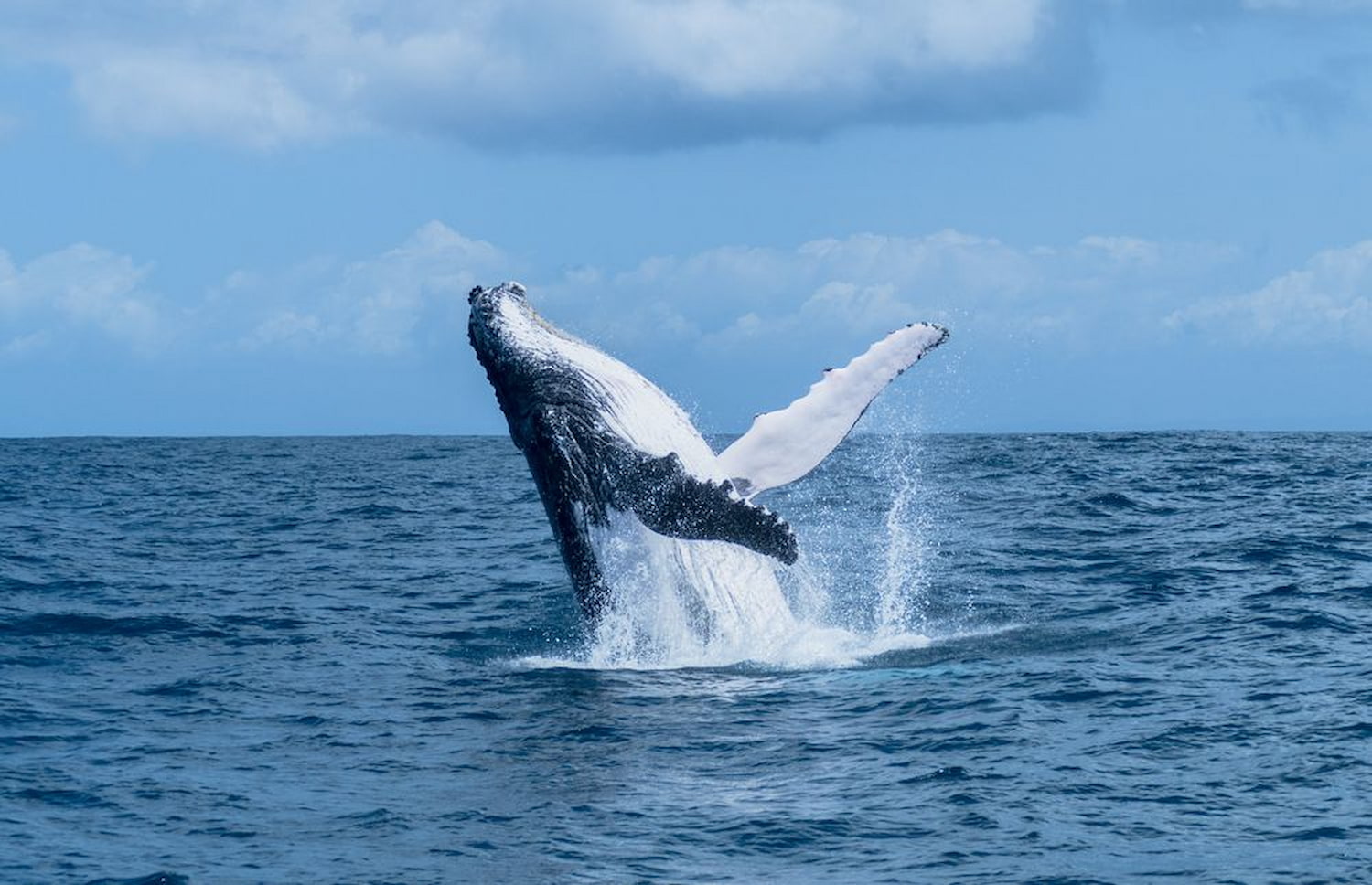
Madagascar is known for excellent whale watching on its eastern and western coasts. While the western coast, particularly near Nosy Be, is generally good, the east coast, especially around Île Sainte-Marie (also known as Nosy Boraha), is considered the best location for humpback whale sightings.
Whales migrate between June and September (with a peak in July and August) and offer some of the most spectacular whale-watching experiences in the world.
Most international travellers fly into Antananarivo (Tana), the capital. Air France, Kenya Airways, and Ethiopian Airlines connect Madagascar to major global hubs. If travelling from New Zealand, your best bet is to fly to Johannesburg, South Africa, or Nairobi, Kenya, and catch a connecting flight to Antananarivo. These routes are serviced by airlines like Qantas, Emirates, South African Airways, and Kenya Airways.
> How to Get to Africa from New Zealand.
Once on the island, getting around is a fun adventure of its own accord:
Domestic Flights: The best time-saving hack when travelling between distant regions, especially if your itinerary includes both the north and south.
Road Travel: Roads range from paved highways to bumpy dirt tracks. Hiring a 4x4 with a driver is often the safest, most practical and comfortable option.
Boat Journeys: For reaching islands like Nosy Be or cruising rivers.
Madagascar is warm and welcoming, and most visitors enjoy their trip without any trouble. That said, petty crime and occasional road incidents do happen, especially around busy urban areas. Travelling with a trusted tour agency makes a big difference, since experienced guides and drivers know the safest routes and up-to-date conditions. Keep valuables secure, avoid walking at night, and use reputable private transport throughout your trip.
Language: Malagasy and French are widely spoken, but English is less common. Learning a few phrases in Malagasy or French will enhance your experience.
Money Matters: The Malagasy Ariary (MGA) is the local currency—at the time of writing, it's about 4,500 MGA to 1 USD. Always carry cash, especially in rural areas, as card payments are limited, but note that USD and Euro notes are often also accepted.
Budgeting: Madagascar caters to all budgets, but when you include a guide, car, driver, national park fees, etc., expect to spend around $100- $200 per day, on top of your choice of accommodation.
Tipping: While not obligatory, tipping is appreciated in Madagascar for good service in restaurants, and for guides and drivers.
Visas: Visitors generally need a visa, which you can apply for online or upon arrival. Ensure your passport has at least six months’ validity.
Health: Protect yourself by consulting a travel doctor about recommended vaccinations and malaria prevention.
Few places on earth are as enchanting as Madagascar, and we hope our Madagascar travel guide has sparked your curiosity. With so much to explore, it’s time to turn dreams into concrete plans!
See our range of Madagascar Tours and note that our tours are customisable to your needs and desires. For more Madagascar travel tips and hand-picked adventures, Contact Viva’s Destination Specialists - they’ll help you turn that wish into reality.
Laura PattaraLaura Pattara has guided overland trips across Africa and now focuses her writing on the continent for Viva Expeditions. She once camped beneath a marula tree that an elephant tore apart during the night, yet somehow she still sleeps best in a tent. But make it glam! From sunrise balloon rides over the Serengeti to following the rhythms of wildlife migrations, Laura brings the wild heart of Africa to life with warmth, depth, and the occasional muddy boot. |
Experience a captivating Southern journey featuring exploration of Ranomafana National Park, the Anja Reserve, and Isalo National Park.
Unveil the natural wonders of northern Madagascar. From the verdant Montagne d'Ambre and dramatic Ankarana to the enchanting tropical isle Nosy Be.

Small Group Tours: Embark on an escorted small group tour to explore in a fun and exciting environment surrounded by like-minded travellers.
Uncover the wonders of Madagascar on an 18-day small group tour through vibrant cities, lush rainforests, and stunning coastlines.