Wondering how to get to Antarctica from the USA? The answer is much easier than you might think.
Antarctica has a way of feeling impossibly remote, right up until you start looking at how to actually get there. There are no direct commercial flights to the continent itself, but with the right planning you can be standing on Antarctic soil (or ice!) within four to six days of leaving a US gateway city.
The classic route takes you through Buenos Aires, Argentina, and on to Ushuaia, one of the world’s southernmost cities and the main gateway for most Antarctic Peninsula cruises. From there, you sail for two extraordinary days across the Drake Passage to the Antarctic Peninsula. Alternatively, you can head to Santiago, Chile, instead and then fly further south to Punta Arenas. From here, take a two-hour charter flight and join your expedition ship right on the ice.
We've sent a great many US travelers to Antarctica over the years, and the questions are always the same: how do I actually get there, what will it cost, and when should I go. This guide answers all of them.
Let's get into it.
How to Get to Antarctica from the USA
Ushuaia: The Gateway to Antarctica
Getting from the USA to Ushuaia: Your Flight Options
The Fly-Cruise Option: Skip the Drake Passage
How Long Does It Take to Get to Antarctica?
How Much Does an Antarctica Cruise Cost from the USA?
What to Plan for When Booking an Antarctica Expedition
Best Time to Visit Antarctica: A Month-by-Month Guide
When Should US Travelers Book Their Antarctica Trip?
Frequently Asked Questions
Ready to Plan Your Antarctica Trip from the USA?
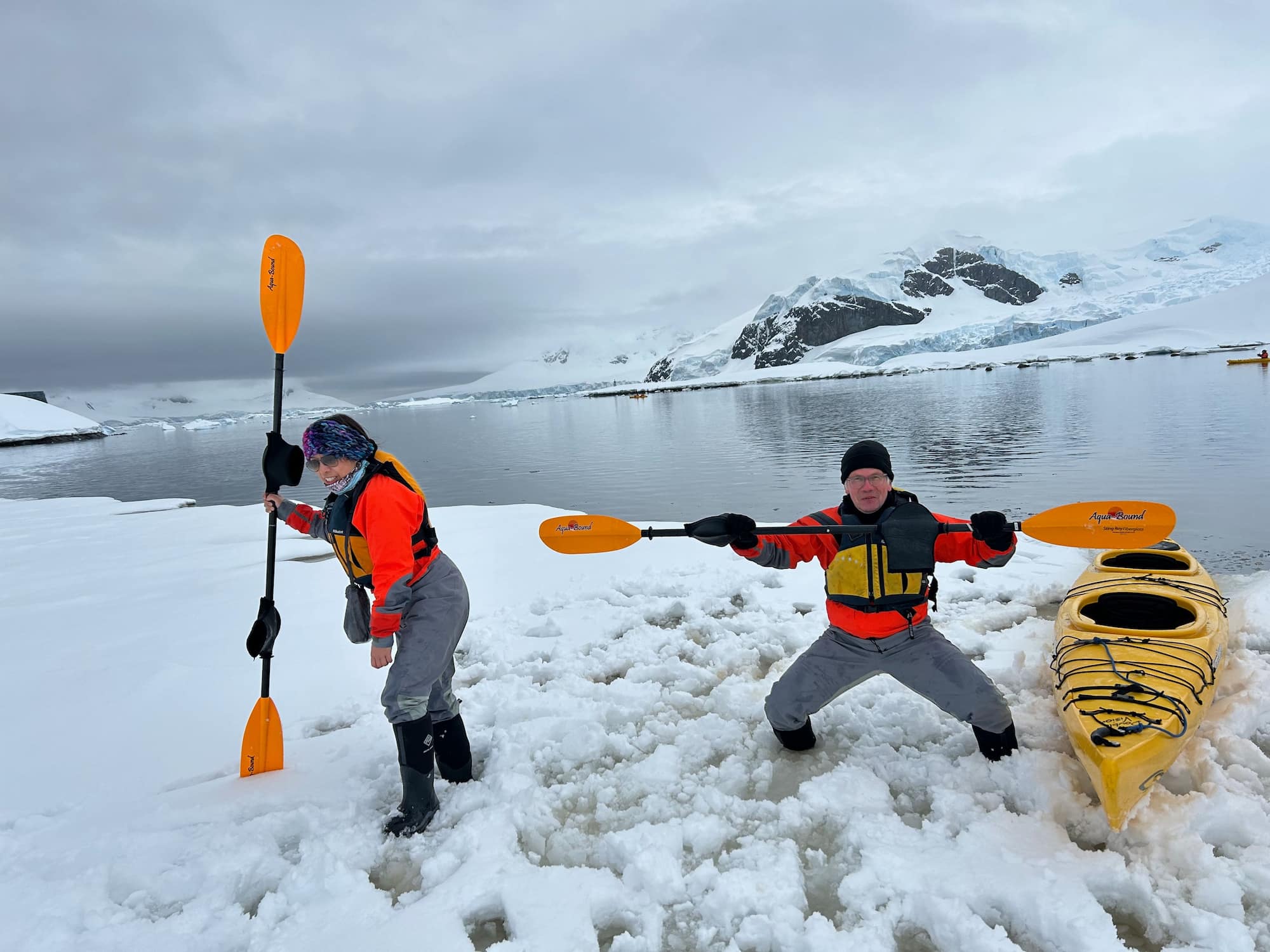
The Antarctic Peninsula, one of the most extraordinary playgrounds on earth, reachable from the USA in just a few days with the right planning.
How to Get to Antarctica from the USA
The majority of Antarctic expedition depart from Ushuaia, Argentina, a small, wonderfully dramatic port city at the very tip of Patagonia, just 620 miles (1,000 km) from the Antarctic Peninsula.
The world's great expedition operators, from Hurtigruten to Quark, and Ponant, all embark their Antarctic voyages here, and with good reason. It's as close to the ice as you can get by road.
For US travelers, the journey runs something like this:
-
Fly from a major US hub (New York, Miami, Dallas, Atlanta, or Los Angeles) to Buenos Aires, Argentina
-
Overnight in Buenos Aires, usually one night (though we'd always suggest at least two or three if you can manage it)
-
Catch a domestic flight south to Ushuaia (approx. 3.5 hours) and spend at least one night there
-
Board your expedition ship and sail for Antarctica
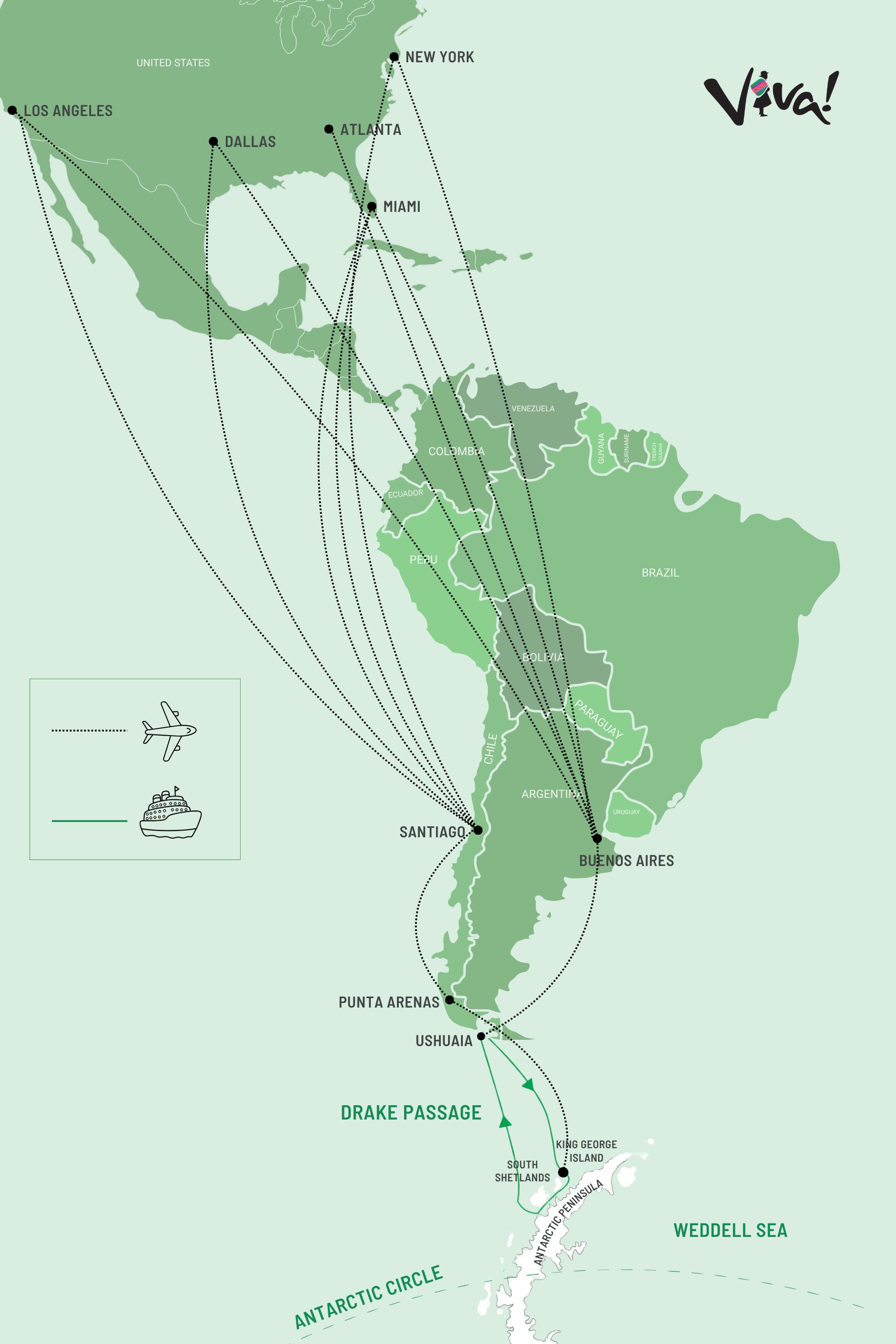
A map showing how to get to Antarctica from the USA.
Some expedition packages include the Buenos Aires to Ushuaia leg, others ask you to arrange this separately.
Viva top tip: The more nights you can allow in Buenos Aires or Ushuaia, the better. This is a trip of a lifetime, and the ship will not wait if you're delayed by a missed flight or bad weather — so do build in a few buffer days before embarkation. The good news is you'll also have time to explore two fantastic cities while you're at it!
Ushuaia: The Gateway to Antarctica
Ushuaia isn't just a transit stop and we'd strongly urge you not to treat it as one. Dramatically wedged between the Beagle Channel and the Martial Mountains, this "end of the world" city has excellent restaurants, a fascinating maritime museum, and trails that twist into the surrounding Tierra del Fuego National Park. It also has a chocolate-making heritage that you’ll definitely need to investigate. For a proper guide to making the most of your time there, we've got Ushuaia covered.
Arrive a couple of days early, explore the town and the surrounding highlights and let the expectation build. You're about to sail to one of the most remote places on earth. That deserves a proper send-off.
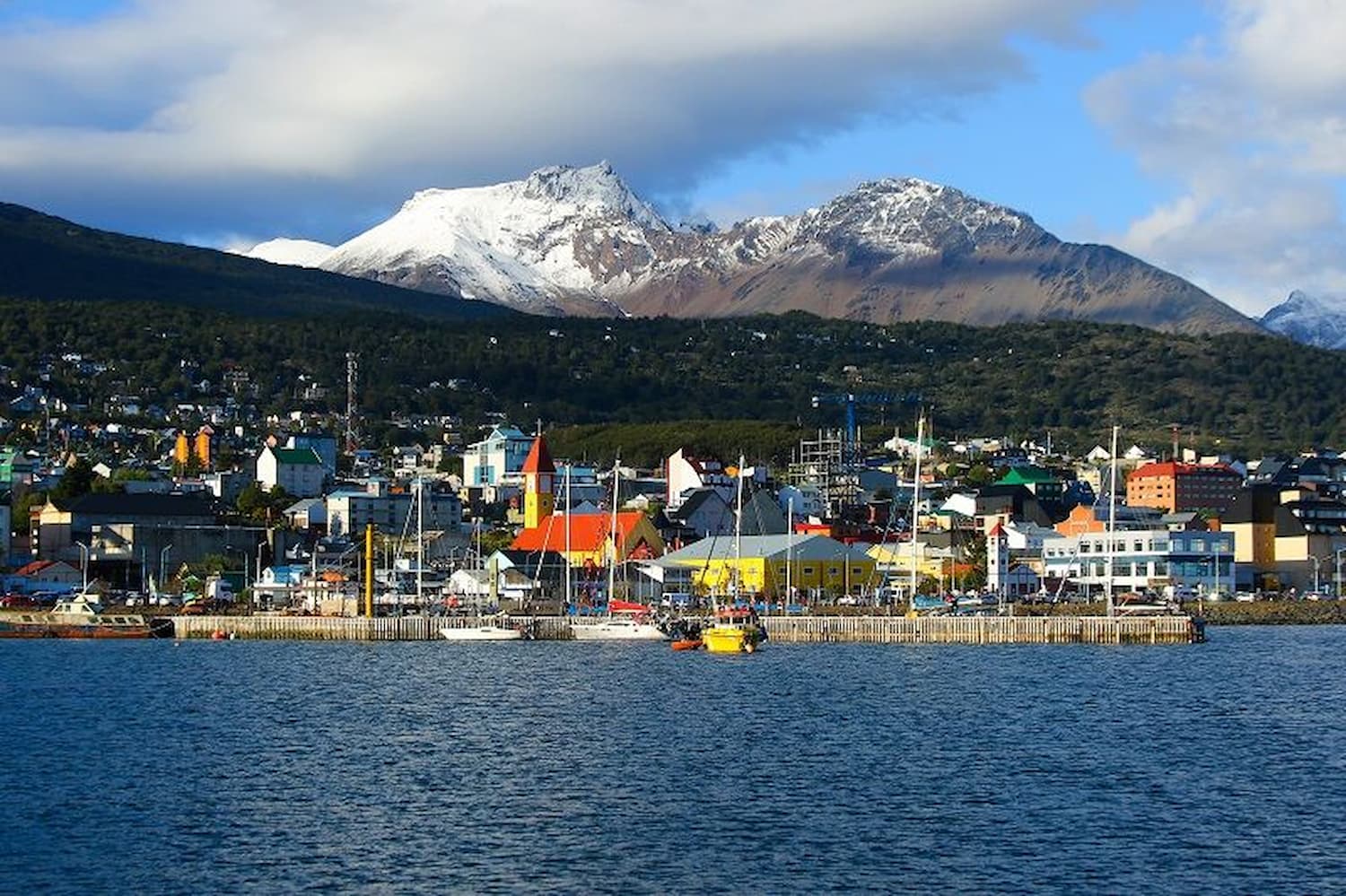
Ushuaia, Argentina, the world's most southerly city and the main embarkation point for Antarctic cruises. Arriving a day or two early is highly recommended.
Most cruises depart Ushuaia in the late afternoon, sailing through the scenic Beagle Channel before heading south into open water. Within two days, you will have crossed the Drake Passage and arrived at the Antarctic Peninsula. Ask anyone who's done it: the Drake has a way of making the ice feel earned.
Getting from the USA to Ushuaia: Your Flight Options
The good news is that the USA is very well connected to Buenos Aires. Several major airlines fly direct from US hubs to Buenos Aires, which means the first leg of your Antarctic adventure is the easy part:
-
American Airlines: Direct from New York JFK (~11 hrs), Miami MIA (~9 hrs), and Dallas DFW (~10.5 hrs)
-
Delta Airlines: Direct from Atlanta ATL (~10 hrs)
-
Aerolíneas Argentinas: Direct from New York JFK and Miami MIA
-
LATAM Airlines: US connections via Lima or Santiago
Once in Buenos Aires, Aerolíneas Argentinas, JetSMART, and Flybondi operate multiple daily flights south to Ushuaia (USH), taking approximately 3.5 hours.

Buenos Aires, Argentina's captivating capital, is the main connection hub for US travelers en route to Antarctica. Most expedition packages include at least one night here.
Round-trip airfares from major US hubs to Buenos Aires typically range from USD $850 to USD $1,500, depending on the season and how far in advance you book. International flights are best secured at least 6 months before departure for the Antarctica season. The domestic Buenos Aires–Ushuaia leg usually costs anywhere from USD $200 to $400 return, depending on how far in advance you book.
Since there's no direct commercial flight from the USA to Ushuaia, everyone connects through Buenos Aires. And if you needed extra encouragement to linger, it's a wonderful city to pass through.
The Fly-Cruise Option: Skip the Drake Passage
Short on time, get seasick easily, or just keen to maximize every hour on the continent? The fly-cruise option is a brilliant alternative to the classic sea crossing, and it's become increasingly popular with our US clients.
Charter flights depart from Punta Arenas, Chile, and land at King George Island, which lies 56 miles (90 km) north of the Antarctic mainland. The flight takes around two hours. From there, you board your expedition ship by Zodiac and immediately begin exploring Antarctica.
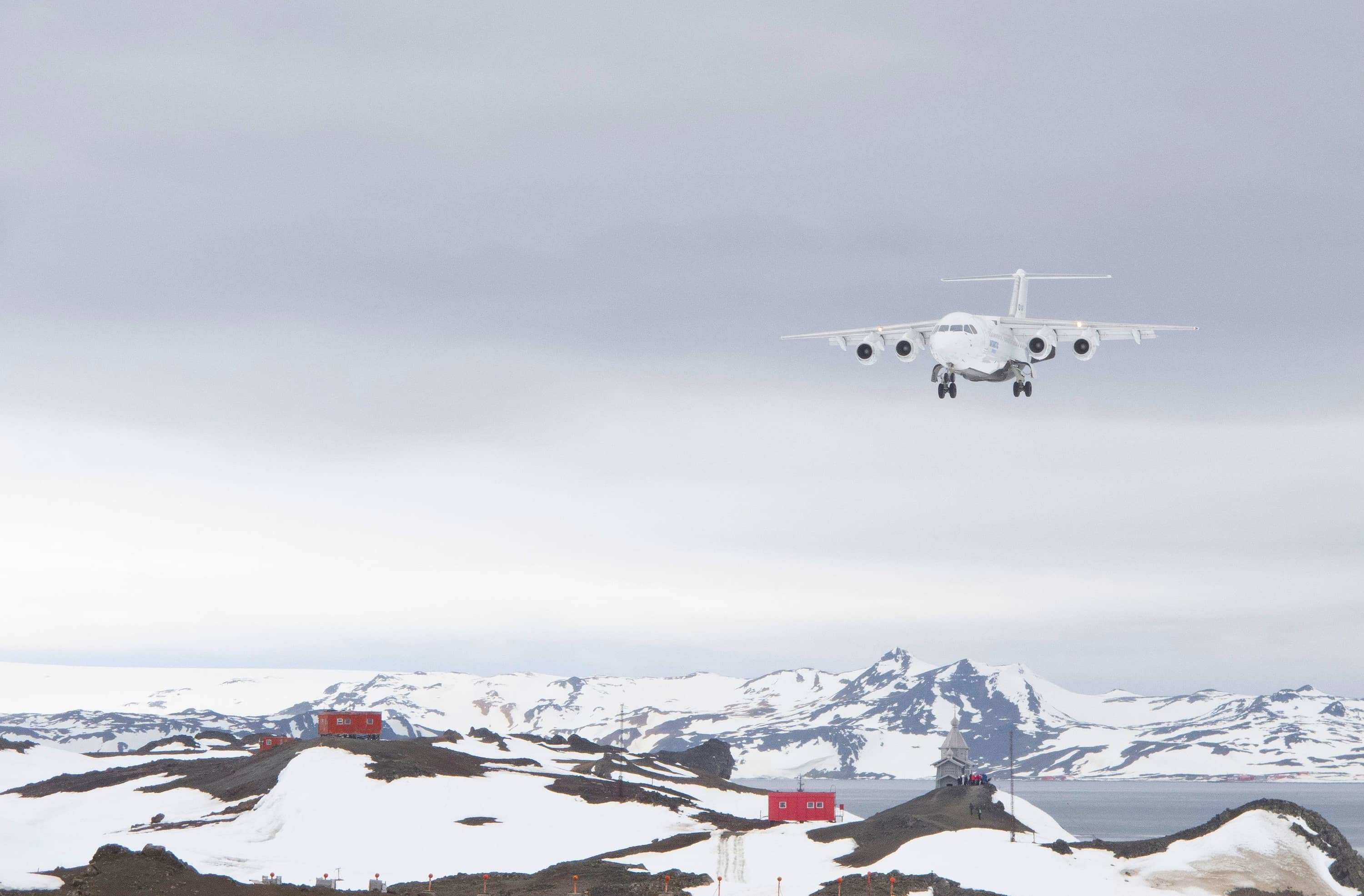
Fly+Cruise expeditions means you’ll skip no two-day traverse of the Drake Package. Just board your plane and join your ship straight away in Antarctica.
Getting to Punta Arenas from the USA means flying to Santiago, Chile first (direct from New York JFK, Miami MIA, Dallas DFW, and Los Angeles LAX with LATAM and American Airlines), then a short domestic connection south. It adds one travel day, but gets you to your ship surprisingly quickly.
As a general rule, fly-cruise itineraries often cost more than classic cruise options, given the specialist aircraft and highly experienced polar pilots involved. Mind you, the difference varies widely depending on the ship, cabin category, departure date, and how early you book. These tours also tend to be shorter, typically running 8 to 10 days versus 10 to 14 for a classic voyage.
One thing to plan for: Antarctic weather occasionally delays these flights by a day or two, so we always recommend building a little buffer into your schedule and buying flexible tickets. Trust us on this one.
How Long Does It Take to Get to Antarctica?
The total travel time from the USA to Antarctica depends on your route, but neither option is as daunting as it might first appear. Here's how the two main paths compare:
|
Route
|
Approximate Travel Time
|
Notes
|
|
Classic cruise (sail via Drake)
|
4–6 days (US departure to first landing)
|
Overnight flight to BA, connection to Ushuaia, 2-day Drake crossing
|
|
Fly-cruise (fly Drake)
|
3–4 days (US departure to ship)
|
Flight to Santiago, connection to Punta Arenas, 2-hour charter flight
|
Once aboard, you'll typically spend five to seven days exploring the Antarctic Peninsula, landing by Zodiac twice daily (weather permitting) at sites that most humans will never see. It's a long way to travel so every minute counts.
How Much Does an Antarctica Cruise Cost from the USA?
Antarctica expedition cruises amount to a considerable investment, and for most travelers who make the trip, an exceptional one. The most accessible classic routes, departing Ushuaia and visiting the Antarctic Peninsula over 10 to 11 days, start from around USD $7,000-$10,000 per person.
Mid-range expeditions on more comfortable ships, like our Classic Antarctica Voyage, typically range from USD $10,000 to $18,000.
Luxury options, with balcony suites, more personalized attention from expedition staff, and activities like kayaking and ice camping often included in the price, can reach USD $25,000 to $50,000 per person. We know that's a wide range, and we're very happy to help you find the right fit.
Beyond the cruise itself, here's what to factor into your total budget:
-
Round-trip flights from a US hub to Buenos Aires: USD $850–$1,500
-
Buenos Aires to Ushuaia domestic flights: approx. USD $400 (unless included in your cruise package)
-
Pre- and post-cruise accommodation in Buenos Aires or Ushuaia: USD $100–$300 per night
-
Optional expedition activities (kayaking, camping on the ice, snowshoeing): USD $350–$2,000 extra, depending on the package
-
Tips for expedition team and ship crew: USD $150–$250 per person, per voyage (voluntary but standard practice)
The best way to secure a good deal is to book 6 to 12 months in advance, when early-bird discounts of 10–30% are available. Last-minute deals are rare in Antarctica: popular ships sell out months ahead of the season, and the nicest cabins go first. Browse Viva Expeditions' current Antarctica cruise specials and read our cost guide for the latest pricing throughout all budget levels.
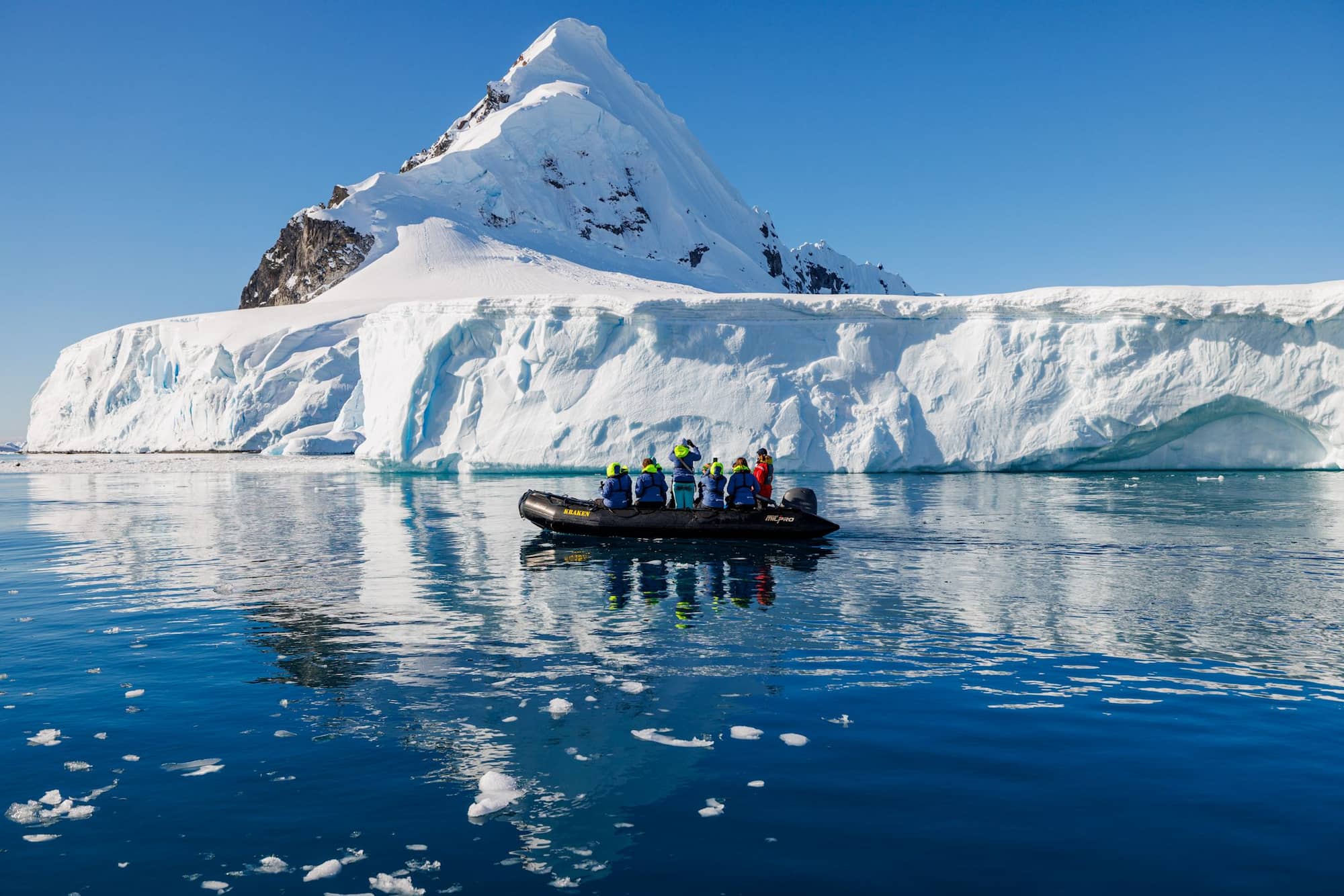
Zodiac cruising among penguins and icebergs is one of the great highlights of any Antarctica expedition. Most cruise packages include Zodiac rides and shore landings as standard.
What to Plan for When Booking an Antarctica Expedition
An Antarctic expedition cruise is unlike anything else in travel, and the planning process has a few things worth knowing in advance. Here's what we always walk our US clients through before they confirm their booking:
Book early and choose your ship carefully
Not all Antarctic ships are created equal, and the difference matters more than you might expect. Antarctic tourism is carefully managed under strict environmental guidelines dictated by IAATO (International Association of Antarctica Tour Operators). In practice, no more than 100 passengers may be ashore at a landing site at one time, and ships carrying more than 500 passengers are not permitted to make landings at all. This is one reason smaller expedition ships usually offer a more immersive experience.
At Viva Expeditions, we specialize in small-ship expedition cruises: vessels with fewer than 200 passengers that can nose into narrower fjords, reach more remote landing sites, and deliver closer encounters with the ice and wildlife. On the ground, that distinction alone can make a huge difference to how you experience the White Continent.
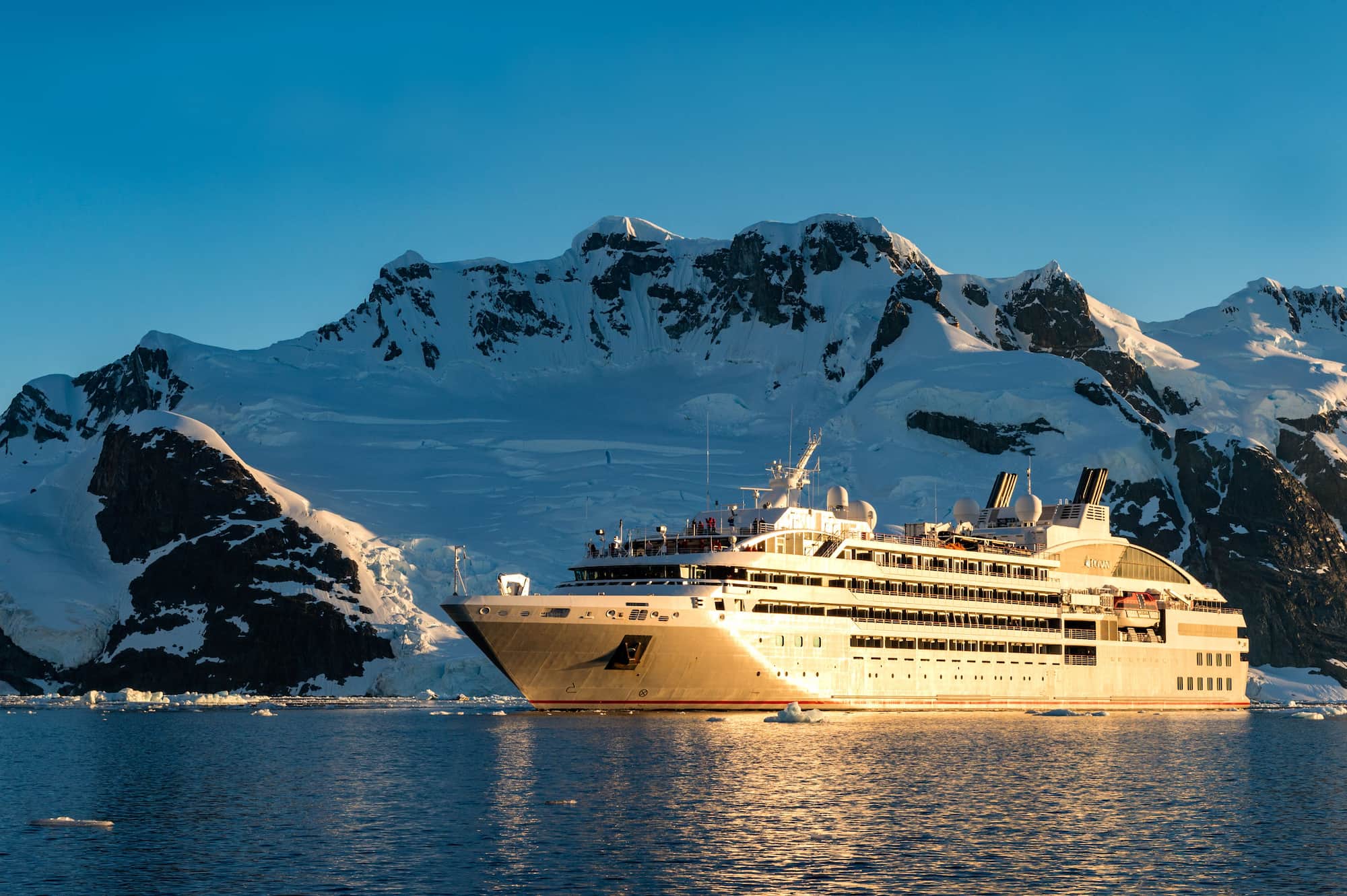
There are few sights quite like your expedition ship waiting at anchor in Antarctic waters.
Build buffer days into your itinerary
Antarctic weather is wonderfully wild and entirely unpredictable, which is part of its charm and also its occasional inconvenience. Flights can be delayed, and return crossings of the Drake Passage sometimes run a little long. We always recommend against tight onward connections after your cruise. At least one buffer day in Ushuaia or Buenos Aires before your flight home is not optional, it's just sensible.
Gear and packing
Most expedition ship operators provide waterproof rubber boots and a polar parka for shore excursions, so you might not need to buy a parka before you leave - always best to double-check when booking. For a full rundown of what to bring, see our Antarctica packing guide. You'll want thermal base layers, waterproof outer layers, good gloves, and a warm hat.
If you are flying BA to Ushuaia with an airline like Aerolineas, your check in luggage will be limited to 33lbs (15kg ) with the option to pay for more at check in, so do bear this in mind.
And if you're taking a fly-cruise, there's typically a 44 lb (20 kg) luggage limit for the charter flight to King George Island, so traveling light is a must.
Visas and entry
US citizens don’t need a tourist visa for short stays in either Argentina or Chile, but passport rules can vary, so it is best to check current official entry requirements for both countries before travel. Your passport should also have enough validity to cover your trip and any onward connections. No visa is required for Antarctica itself either; your expedition operator handles the necessary IAATO permit.
Travel insurance
Antarctica is not the place to discover your insurance has a "remote wilderness" exclusion clause. Comprehensive cover that includes medical evacuation from a polar region is compulsory, and no operator will let you board without it. Standard travel policies often fall short here, so read the fine print carefully before you confirm your booking.
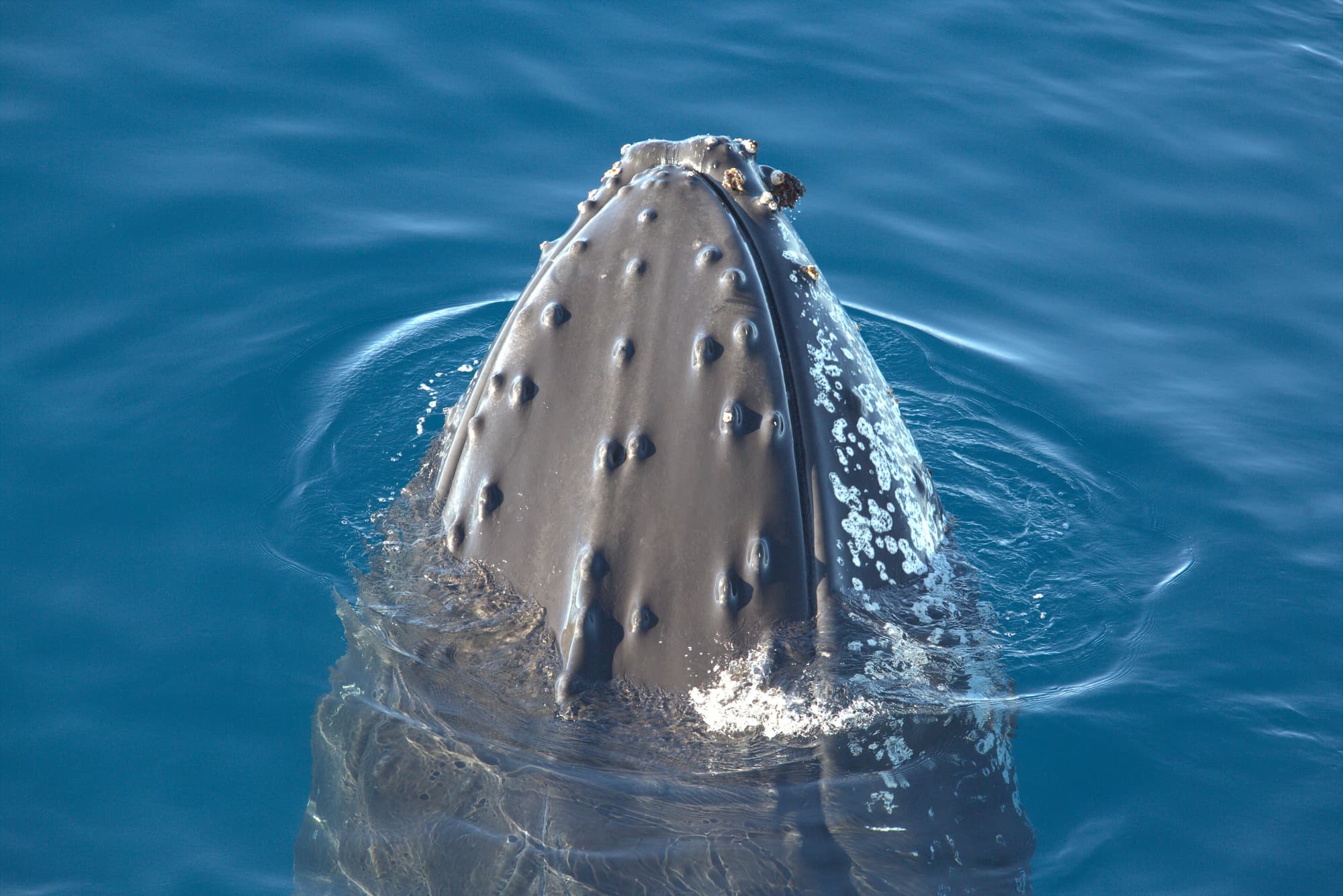
Humpback whales are a frequent and thrilling sight on Antarctic expedition cruises. February and March are the peak months for whale watching.
Best Time to Visit Antarctica: A Month-by-Month Guide
The Antarctic tourist season runs from late October to late March, the austral summer, when increasing daylight and retreating sea ice make the continent accessible by expedition ship. Outside of this window, Antarctica is locked in darkness and extreme cold, and inaccessible to visitors.
Antarctica in November and Antarctica in February are almost two different places. The best time to visit really depends on what you're after. Penguins at their most chaotic? Whales everywhere you look? Pristine snowscapes and golden light? Here's how each month plays out:
November: Early Season (Best for Icebergs & Photographers)
November is the season opener, and it is spectacular in its own particular way. Snow cover is at its most pristine, and icebergs are at their most colossal before the summer sun starts working on them. The low-angled light creates extraordinary conditions for photography, with golden-hour tones lasting for hours. Penguin mating season is in full swing, with birds squabbling noisily over nesting pebbles in scenes of wonderful bedlam. Prices for expedition cruises are generally lower than in the peak months, making November a very smart choice if you're a keen photographer or keeping an eye on the budget.
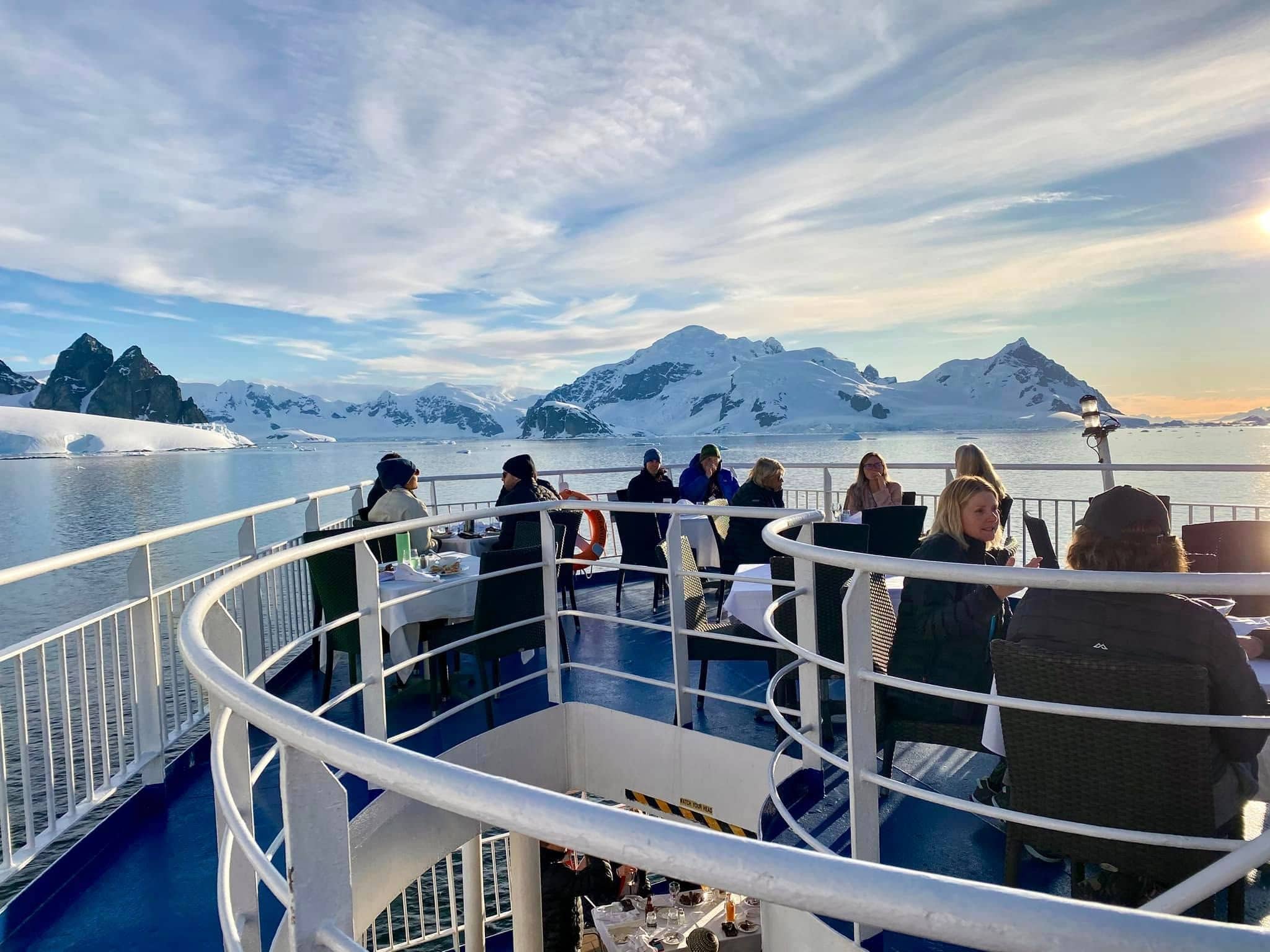
The early and late season delivers some of the most breathtaking sunrise and sunset colors of the year, when the sun skims the horizon for hours rather than minutes.
December: Peak Season (Best for Chicks, Warmth & Midnight Sun)
December is widely regarded as one of the finest months to be in Antarctica. Close to 24 hours of daylight, temperatures creeping above freezing on the Peninsula, and the first penguin chicks hatching just before Christmas. Orcas are actively hunting in the diminishing sea ice, and humpback whales are beginning their southward migration. It's also the most popular and most expensive time to travel, so if you have your heart set on December, book early and don't hesitate.
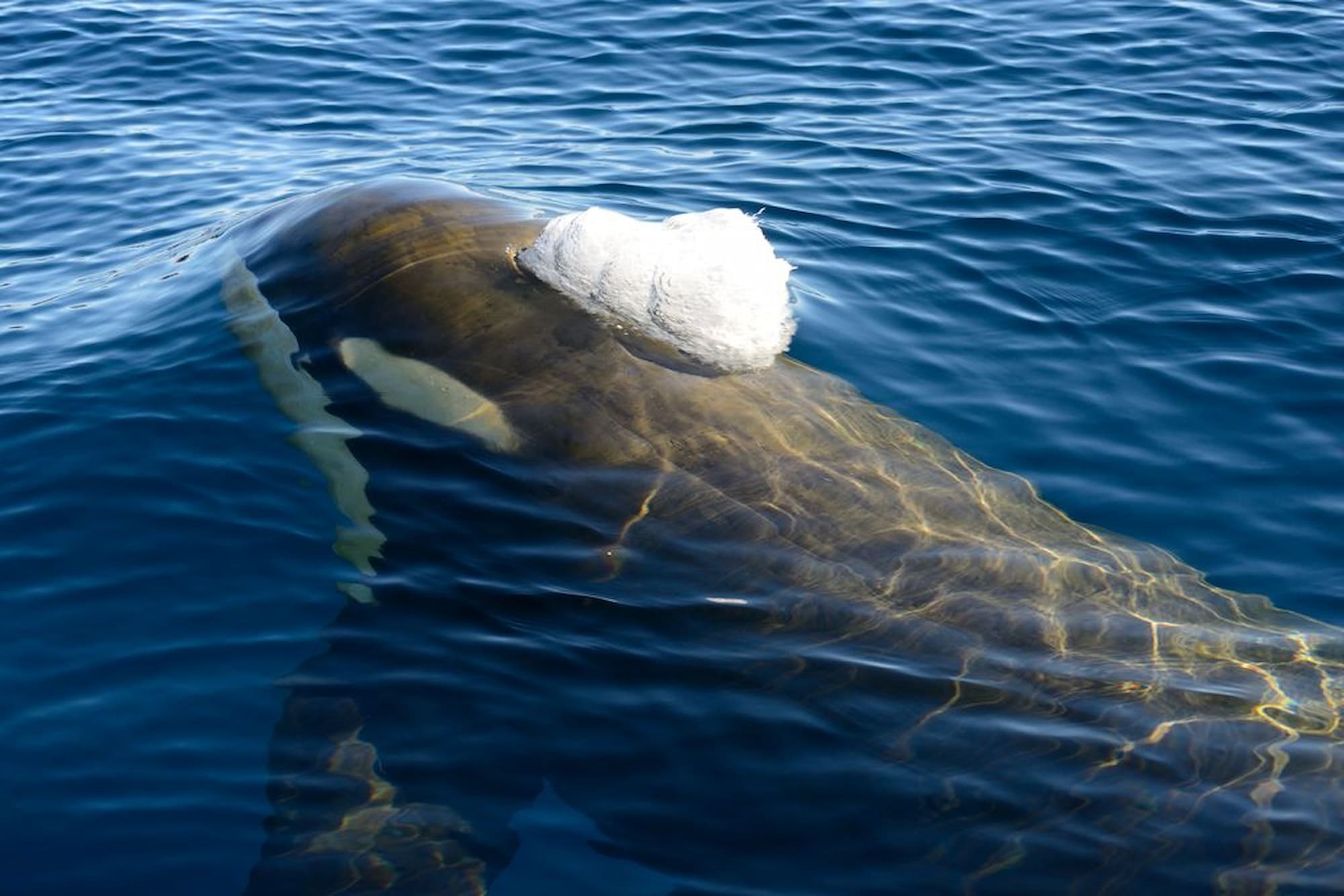
Gliding through Antarctica’s wild waters—December offers the best orca sightings.
January: High Season (The Sweet Spot)
January is Antarctica's warmest month, with temperatures on the Peninsula sometimes reaching 50°F (10°C), warm enough to stand on deck in a fleece and simply stare. Penguin chicks are delightfully fluffy and wonderfully unsteady on their feet. Nearly 24 hours of daylight means more time for Zodiac cruising, hiking, and wildlife watching. Sea ice breaks up further east, opening rare access to the Ross Sea and the historic huts of Scott and Shackleton. Expect higher prices and more ships in January, offset by the most reliably excellent conditions of the season.
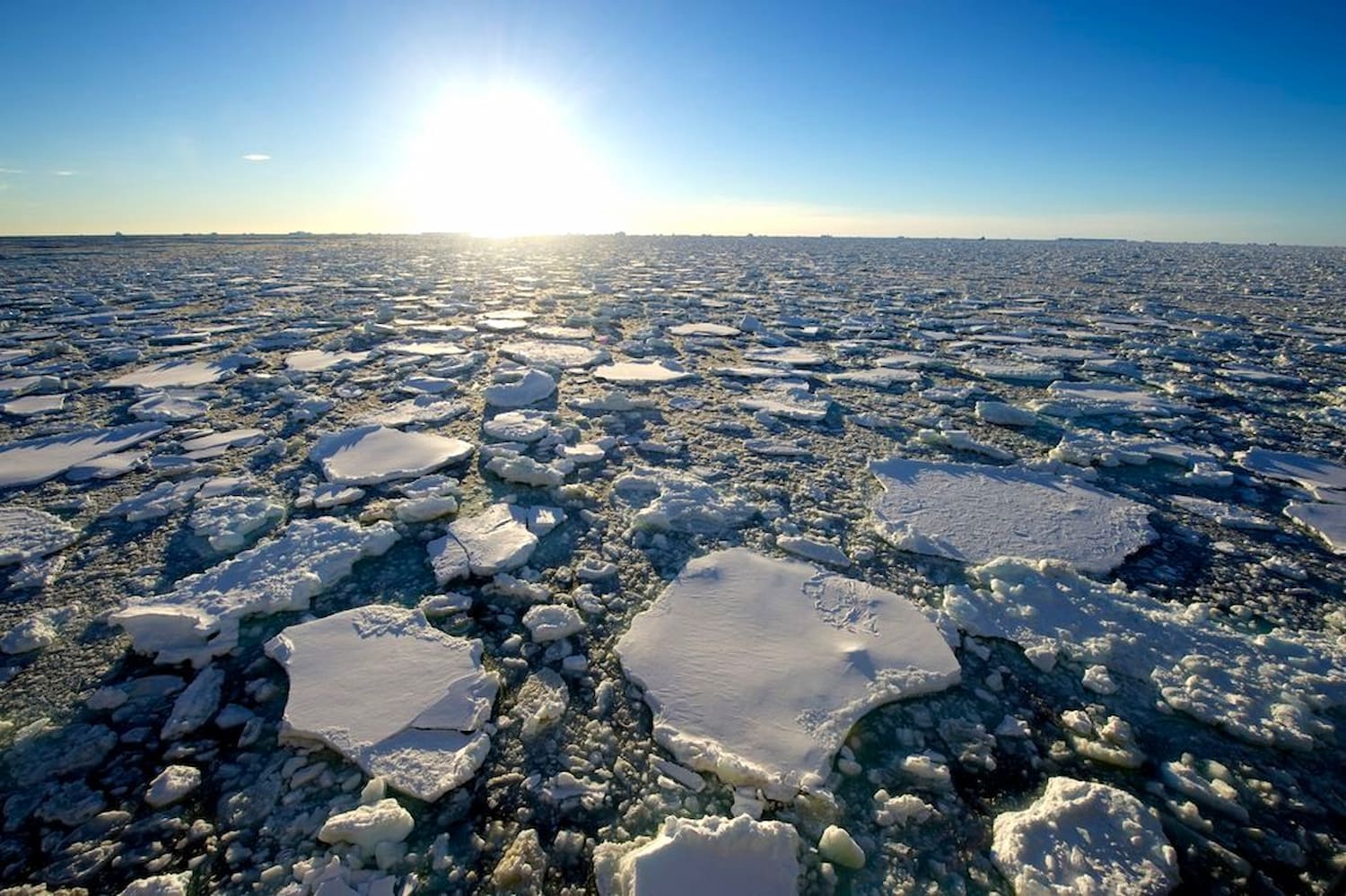
Warm season brings a unique moment to see vast ice sheets cracking and breaking in the Antarctic waters.
February: Late Season (Best for Whale Watching)
February is the prime month for whale watching, and it's pretty astonishing. Humpbacks, minke, orcas, and other baleen species have settled into summer feeding routines and spend far more time at the surface, providing extraordinary viewing from Zodiacs and ship decks alike. Penguin chicks are growing fast, and the rookeries are loud and captivating. Sea ice is at its annual minimum, opening up the widest range of destinations, including the Antarctic Circle and the Weddell Sea. And while days shorten slightly toward the month's end, sunset light begins to return in golden, painterly tones. February is, we think, highly underrated.
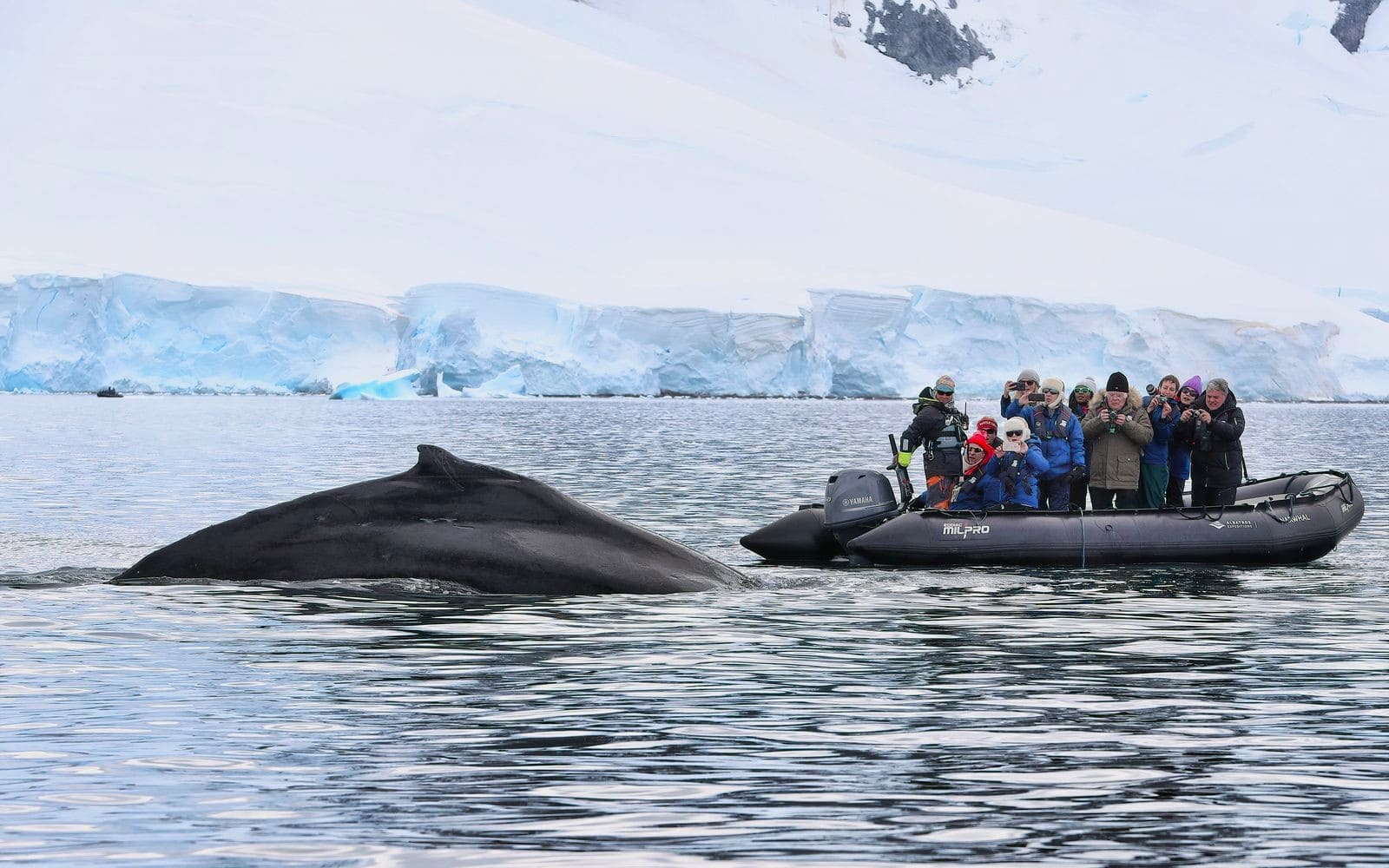
For marine life enthusiasts, this is the best season to visit. February marks the peak of whale watching, offering the best chances for sightings.
March: End of Season (Best for Deals & Solitude)
March is a wonderful time in Antarctica to see penguin chicks taking their first swims in shallow pools. At this stage, they’re naturally curious and often approach onlookers with little hesitation.
|
Month
|
Temp (Peninsula)
|
Wildlife Highlights
|
Best For
|
|
Nov
|
Around 30°F
|
Penguins nesting, seabirds
|
Icebergs, photography, lower prices
|
|
Dec
|
Around 34–39°F
|
Chicks hatching, orcas, early whales
|
Longest days, festive travel
|
|
Jan
|
Up to 50°F
|
Fluffy penguin chicks, peak wildlife
|
Best all-round conditions, Ross Sea access
|
|
Feb
|
Around 34–39°F
|
Peak whale watching, chicks fledging
|
Whales, Antarctic Circle, Weddell Sea
|
|
Mar
|
Near 32°F
|
Whale watching, quieter rookeries
|
Deals, solitude, golden-hour light
|
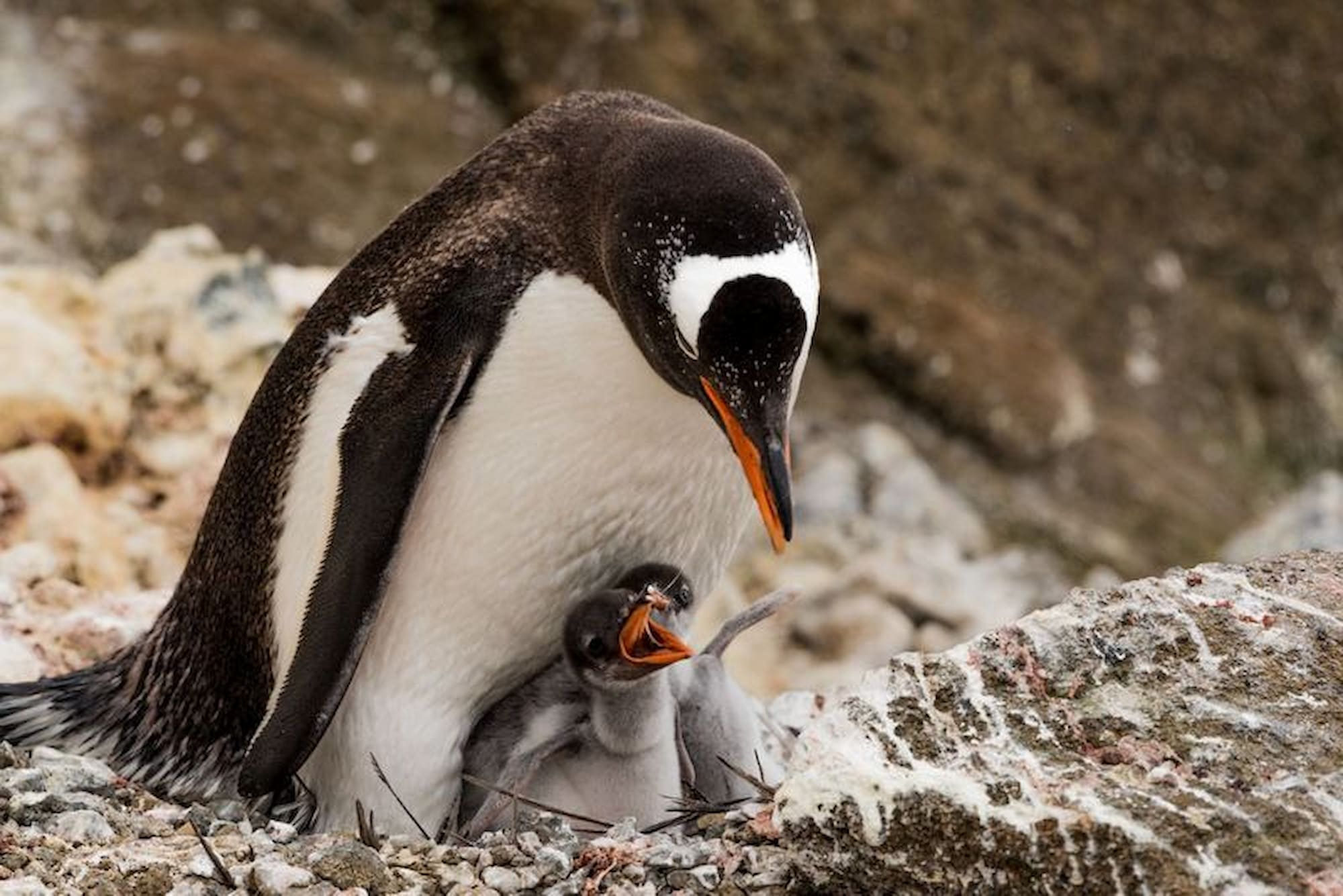
Gentoo penguin chicks at their most endearingly fluffy, a classic sight during January and February on an Antarctic Peninsula expedition cruise.
When Should US Travelers Book Their Antarctica Trip?
Our strong advice: book 6 to 12 months in advance (or more!) The most popular cabins, ships, and departure dates sell out early, and early-booking discounts of 10 to 30% are typically available during this window. If you're pairing your Antarctic expedition with a Patagonia tour before or after (something we'd always encourage), lock in your flights and land arrangements as soon as your cruise is confirmed. International flights to Buenos Aires for the November to February season are best secured at least 6 months in advance.
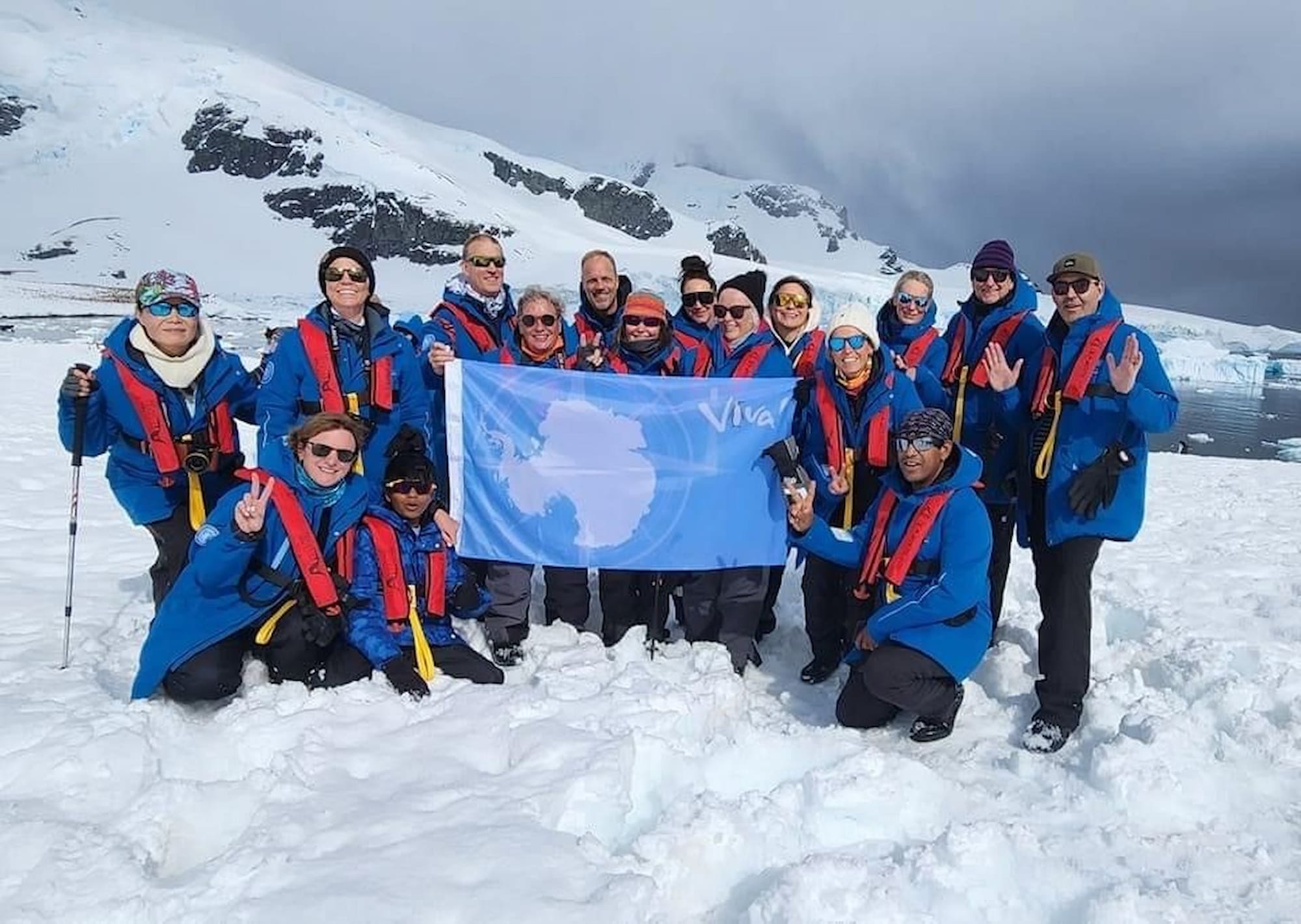
This is your sign to tick Antarctica off your bucket list, and Viva will be more than happy to help make it happen—Talk to us!
Browse Viva Expedition's current range of Antarctica cruises, including classic Peninsula routes, luxury options, fly-cruise departures, South Georgia and Falklands expeditions , and the legendary Antarctic Complete voyage. Or simply reach out. We're always happy to talk through the options, without any pressure.
Frequently Asked Questions
Do I need any special experience to go to Antarctica?
None at all. Antarctic expedition cruises are designed for curious travelers, not polar explorers. You don't need to be particularly fit, adventurous, or cold-tolerant, though the latter certainly helps. But trust that your expedition team will handle everything; you just have to show up and soak it all in.
Is the Drake Passage as bad as people say?
Sometimes. It can be glassy calm, in which case seasoned sailors will tell you it's practically a disappointment. It can also be genuinely rough, in which case you'll understand why it has the reputation it does. Most crossings land somewhere in between. Seasickness tablets are worth packing regardless. Learn more from a seasoned Antarctic traveller - Tara’s Top Tips for Dealing with Seasickness.
Will I actually get off the ship and onto Antarctica?
Yes, and often, as long as you are on an expedition-style vessel. Most expeditions include two Zodiac landings per day, weather permitting. You'll be walking among penguins, standing on the ice, and wondering why you didn't do this sooner. Larger cruise liners with more than 500 passengers, however, cannot make landings in Antarctica.
How cold is it, really?
On the Antarctic Peninsula in high season (January), temperatures can reach 50°F (10°C). It's more "cool fall day in the Northeast rather than "snow-blizzard survival situation." Dress in layers, and you'll be fine.
Is Antarctica worth the cost?
We're biased, but yes. Travelers who've been tend to describe it as the trip that made everything else feel slightly ordinary by comparison. Make of that what you will.
Ready to Plan Your Antarctica Trip from the USA?
There’s nowhere on earth like Antarctica, and an expedition cruise to the end of the world is a once-in-a-lifetime experience.
At Viva Expeditions, we’ve spent years matching travelers with the right Antarctic voyages, and we'd love to do the same for you. Whatever stage of planning you're at, we're here to help you figure out how to get to Antarctica in a way that suits your budget, timeline, and travel style. Simply get in touch and let our Destination Specialists help you find the right fit. We'll take it from here.
Laura Pattara
Laura Pattara has spent more than a decade writing about polar cruising at Viva Expeditions. While she has not yet set foot on the southern ice herself, she has mastered the art of turning expert accounts and field notes into guides that feel like the next best thing. Laura has a soft spot for penguins, perfectly packed duffel bags, and a well-earned cocktail in a wild place.
|