Galapagos Explorer | Eastern Islands 8 days
From Baltra Island to Baltra Island

Tour Overview

Experience a once-in-a-lifetime journey through the eastern Galapagos Islands aboard the luxurious &Beyond Galapagos Explorer. This expertly curated expedition reveals the untouched beauty and extraordinary wildlife of one of the world’s most remarkable natural sanctuaries.

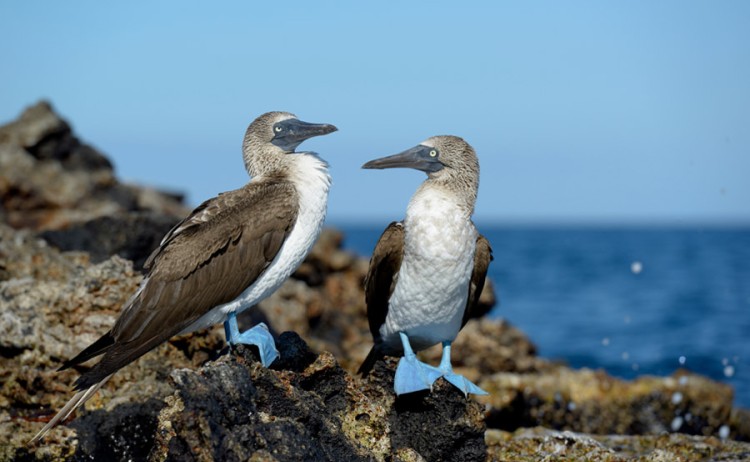
Encounter blue-footed boobies on North Seymour, hike the volcanic landscapes of San Cristóbal, witness waved albatrosses on Española, and walk alongside land iguanas on Floreana. Snorkel crystal-clear waters with sea lions, penguins, and vibrant marine life, and meet the iconic Galapagos tortoises in the highlands of Santa Cruz.

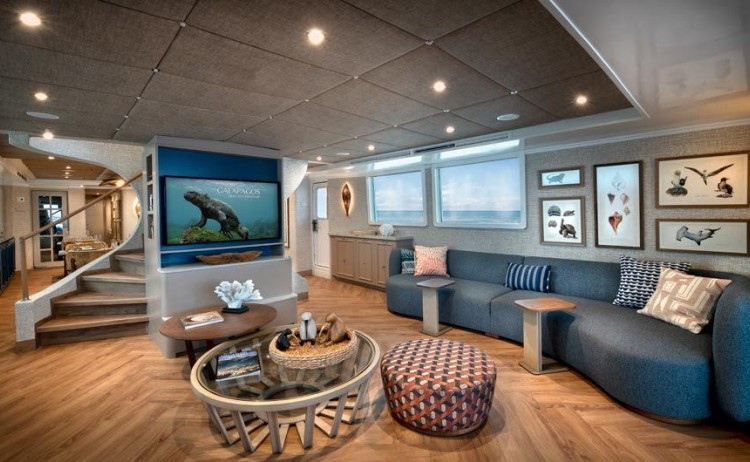
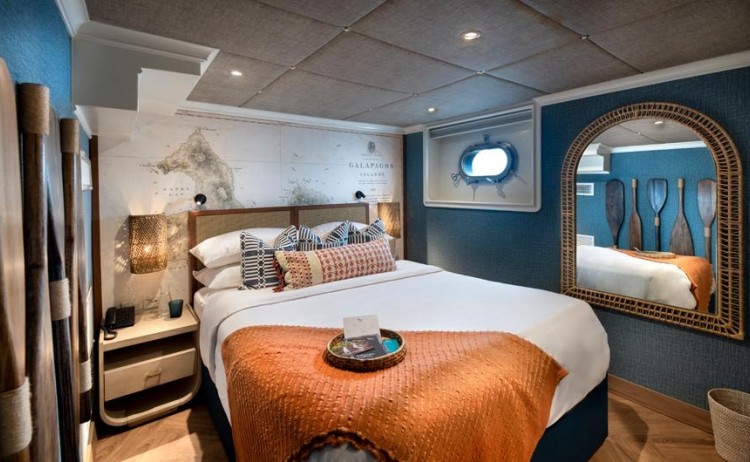
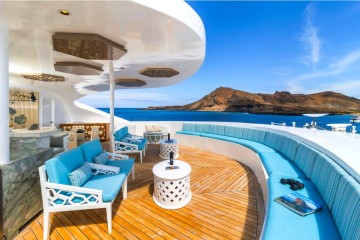
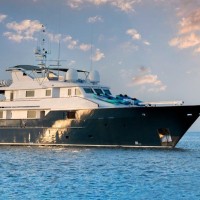
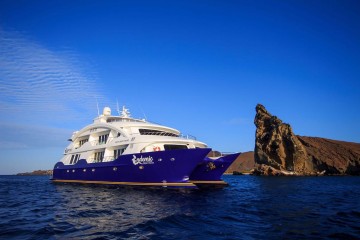
Designed for just 12 guests, the Galapagos Explorer offers an intimate, purpose-driven voyage with four light-filled decks, ocean-facing cabins, and seamless service. Choose from two 7-night itineraries exploring either the eastern or western islands—each offering distinct wildlife encounters and landscapes. (Ask us about the western islands itinerary).

Explore the Galapagos as few ever will—up close, unhurried, and unforgettable.

Viva's Best Bits...

The &Beyond Galapagos Explorer offers the perfect fusion of luxury and adventure, inviting just 12 guests to explore the breathtaking Galapagos Islands.

Spot the blue-footed boobies of North Seymour, marvel at waved albatross courtship rituals on Española (seasonal), and hike alongside land iguanas on Floreana and visit the giant tortoises of Santa Cruz.

Experience a wide variety of activities, including swimming, scenic shore walks and hikes, kayaking,panga boat rides, as well as snorkelling.
Tour Itinerary

Day 1
Baltra

Upon arrival at Seymour Airport on Baltra Island, you will be warmly welcomed and transferred to the Galapagos Explorer.

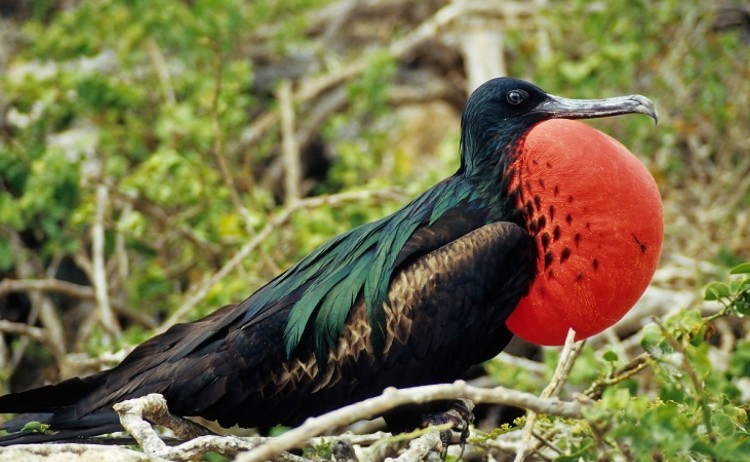
Begin your adventure traversing North Seymour on foot. The flat, sandy trail along the coast offers wonderful wildlife and bird viewing opportunities. This is the only island with two species of frigatebirds and the best place to watch the male’s bizarre mating display. While walking around, keep an eye on the colourful land iguanas, lava lizards, and marine iguanas that are known to walk between your legs.

Day 2
San Cristóbal Island

This morning, take an uneven uphill hike to Pitt Point, where you'll discover a cluster of eroded volcanoes sparsely dotted with unique vegetation. On your walk, look out for the San Cristóbal mockingbird and lava lizard, both endemic to this area. Pitt Point is also the only breeding site for all three booby species – the blue-footed, red-footed and Nazca booby. Those who prefer not to hike can enjoy incredible birdwatching aboard a panga boat. Weather permitting, there is also the opportunity to swim and snorkel with various tropical fish and sea lThe iconic Kicker rock rises 152 m (500 ft) from the ocean and is formed from the remnants of a vertical tuff cone eroded by the sea. Sailing around the natural monument showcases the islet’s dramatic cliffs and low bushes which make for ideal nesting sites for frigatebirds, Nazca boobies and tropicbirds. A picture-perfect moment you’ll remember for years to come.

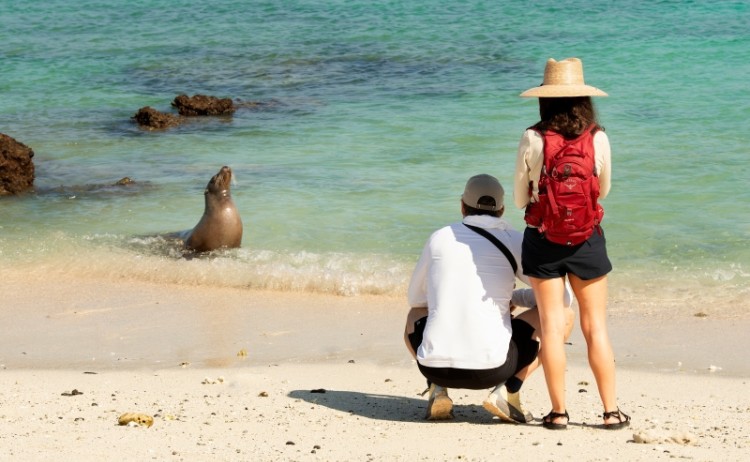
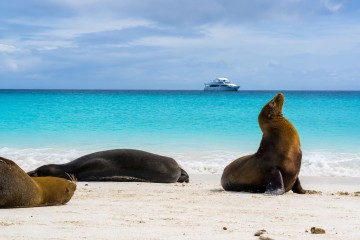
Later, visit Lobos Island, a small flat islet located 10 km (6.2 mi) northeast of Puerto Baquerizo Moreno, a panga boat ride along the coastline offers ample opportunity to observe nesting blue-footed boobies, frigatebirds, pelicans and large colonies of sea lion. Weather permitting, it’s also possible to swim and snorkel with the curious sea lions. An experience not easily forgotten; sea lions are often spotted during the summer months (from December to May) when they take to the water to escape the heat. While these playful creatures may swim very close, it’s best not to try to touch them.

Day 3
Española: Gardner Bay Española: Suarez Point

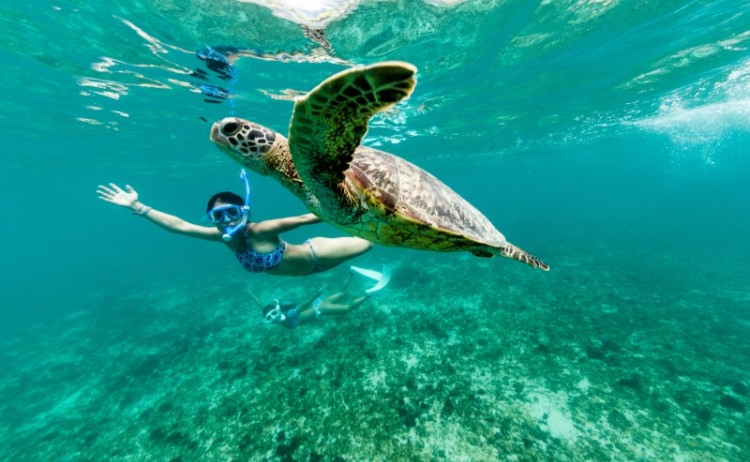
This morning visit Gardner Bay and bask in the sunshine on pristine sandy white beaches observing large bird colonies, sea lion and Española lava lizards or discover the vibrant underwater world swimming with sea turtles, pufferfish, and Galapagos grunts. This is one of the rare beaches in the Galapagos where guests do not need to be accompanied by a guide at all times.

Gardner Bay also offers exceptional kayaking, where, weather permitting, you can spot sea birds soaring amidst the cliffs and sea turtles swimming on the ocean’s surface.

This afternoon you will visit Suarez Point; a rocky land offering one of the most beautiful walks in the Galapagos, with plenty of close-up opportunities to encounter the island’s diverse wildlife. Cross paths with marine iguanas, sea lions and swallow-tailed gulls and carefully walk through the albatrosses’ nesting colonies. Española is the sole breeding site for the entire world population of waved albatross, numbering around 12,000 pairs. This species has attained a critical endangered status, prompting ongoing vigilance through regular population monitoring.

Weather permitting, keep an eye out for the large blowhole which is known to spray 15 – 23 m (50 – 75 ft) of ocean water into the air depending on the surf intensity.

Day 4
Floreana: Cormorant Point Floreana: Post Office Bay

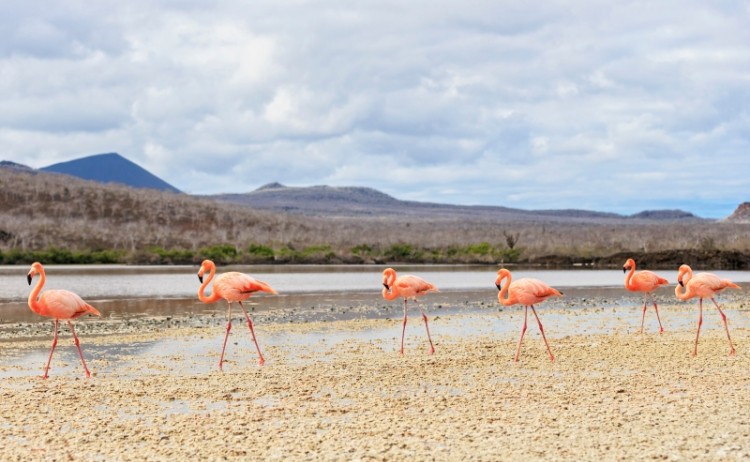
Cormorant Point, located between two volcanic giants lies one of the largest lagoons in the Galapagos, a haven for the American flamingo. With only 350 known pairs left in the Galapagos, this is the one of the best places to see these vibrant creatures, also known as the pinkest flamingo on earth. In addition, the island hosts a high percentage of endemic plant species. Its two distinct beaches, the Green Beach (due to the olivine crystals in the sand) and Flour Sand Beach (which is made up of fine sandy white coral), make for an interesting sight as well. Flour Sand Beach is also a known breeding site for green sea turtles (from December to May). Other inhabitants to look for are Floreana lava lizards, finches and flycatchers.

Champion Island: Here lives one of the most endangered species in the Galapagos, the Floreana mockingbird which can only be seen on a panga boat ride. This is also one of the most beautiful snorkelling sites in the islands, with crystal-clear water visibility boasting large schools of Salemas, king angelfish, yellow tailed surgeonfish, Galapagos grunts, whitetip sharks, eagle rays and stingrays.

In the afternoon, visit Post Office Bay, where in the 18th century, whalers placed a wooden barrel on Floreana Island to serve as an unofficial mailbox for passing mariners. Known as Post Office Bay today, the tradition continues as travellers leave addressed postcards in the barrel and sort through left mail to deliver at home. Once you have delivered your post card, enjoy a stroll along the pristine shoreline before taking a dip in the ocean. This is also a fantastic area to kayak owing to the sheltered bay and large number of wildlife that can be seen along the coastline.

Day 5
Santa Cruz Island

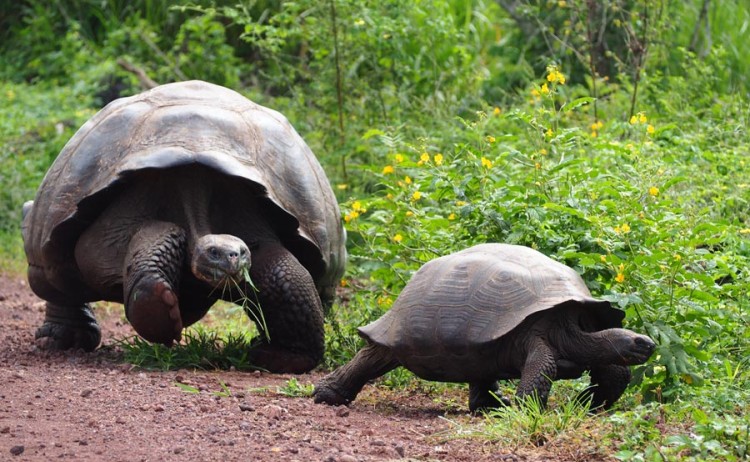
After a 30-minute bus ride, you’ll arrive at El Chato, a private ecological reserve, to see giant tortoises roaming freely. Next, stroll through the Highland’s lush forests, where numerous bird species, including various finch varieties, can be spotted. If there’s enough time, you’ll explore ‘Los Gemelos’ (Twin Craters), two collapsed calderas surrounded by a distinctive scalesia forest – a highlight of the highlands.

This afternoon, see conservation in action at the Charles Darwin research station, an active breeding site for giant tortoises. It’s thanks to these noble efforts that this species has escaped extinction. Strolling through the park not only showcases the various tortoises, including the saddleback tortoise, but also the land iguanas that are bred and nurtured at the centre. After this, use your free time to explore the town, experiencing the local culture firsthand. This is also the perfect opportunity to relax on board the Galapagos Explorer, enjoying the hot tub and al fresco sundeck.

Day 6
Dragon Hill Pinnacle Rock

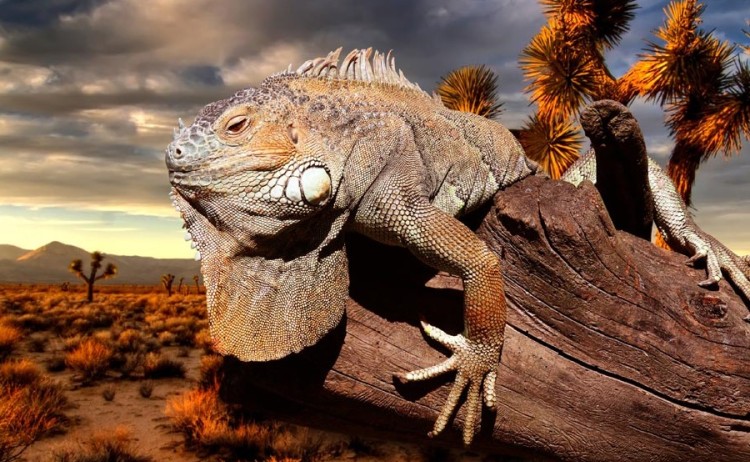
Dragon Hill is a rocky, low-lying hill, aptly named after the iguanas and home to an impressive population of Galapagos land iguana. These miniature dragons roam around the sun-scorched, boulder-strewn island, enjoying the fruits and flowers of their favourite food, the prickly pear. A walking trail guides you through the beautiful endemic vegetation, including palo santo tree, letter leaf tree and Galapagos cotton. Along the way, keep an eye out for finches, yellow warblers and flycatchers.

This afternoon, 375 steps will lead you to the summit of an extinct volcano, boasting some of the best views in the Galapagos. Definitely worth all the hard work! Afterwards, take a panga boat ride along the coast in search of the Galapagos penguin, which exclusively breeds on this island. Pinnacle Rock beach is also ideal for snorkelling where you can swim with parrotfish, Sergeant majors, starfish, stingrays, whitetip sharks and, if you’re lucky, even the Galapagos penguin.

Day 7
Genovesa Island

Today you will explore the only northern island of the archipelago open to guests – also one of the most beautiful islands in the Galapagos. The 14 km2 island of Genovesa is the tip of a submerged shield volcano that rises 76 m (249 ft) above sea level. Its central crater is filled with salt water while ocean erosion over time created the Darwin Bay on its southern slope. Here you’ll find 70,000 pairs of nesting red-footed boobies – the largest colony on earth. Along the walking trail, look out for swallow-tailed gulls, the only nocturnal gull species in the world, and be careful not to step on their eggs. Other notable fauna and flora include sea lions, the yellow-crowned night heron, and the lava morning glory plant. Darwin Bay is also the only place to catch a glimpse of the sharp-beaked ground finch.

Weather permitting, this is also an excellent spot to explore the ocean. Dive below the surface to see schools of tropical fish, fur seals or hammerhead sharks; kayak along the cliffs to watch birds nesting or ride along glassy waters in a panga boat to observe lava herons, brown pelicans and red-billed tropicbirds.

While Genovesa doesn’t have too many land animals, it’s a paradise for sea birds. A steep but short climb leads you onto a flat, dried lava field where you can spot colonies of red-footed boobies, Nazca boobies, great frigatebirds and wedge-rumped storm petrels that nest under the rocks. This is also your best chance to spot the shy, short-eared owl – a truly wonderful sighting.

Day 8
Depart Galapagos Islands Baltra

Today is your last day exploring the Galapagos Islands. Your final sail takes you around Daphne Major, an extinct volcanic tuff cone. Nazca boobies, red-billed tropicbirds, and blue-footed boobies can be found nesting here. Daphne Major is also the primary site of Peter and Rosemary Grant’s iconic 40-year study of evolution in Darwin’s finches that demonstrates evolution occurring over short periods of time. Nearly all of the finches on the island are banded for observation.

Thereafter, it is time to wave a fond farewell to the Galapagos Explorer as you head to Seymour Airport on Baltra Island for your flight onward.

What’s Included

Accommodation
  • Included Copy 20 Accommodation on board
  • Included Copy 31 Cabin upgrades available
Food
  • Included Copy 20 All meals during the cruise
  • Included Copy 20 Water, juices, coffee, tea & soft drink
  • Included Copy 20 House wines & local spirits
Fees & Services
  • Included Copy 20 VIP Lounge at Seymour Airport
  • Included Copy 20 All excursions as per the itinerary*
  • Included Copy 20 Area map with Star Birds checklist
  • Included Copy 20 Exclusive use of one pair of SWAROVSKI OPTIK binoculars
  • Included Copy 20 English-Speaking Naturalist guide with a 1:6 guide to guest ratio
  • Included Copy 20 Free Internet (via Starlink)
  • Included Copy 20 Kayak & Paddle board equipment
  • Included Copy 7 International Flights, Gratuities, Visa and travel insurance and other personal expenses
  • Included Copy 7 USD$200 per person Galapagos National Park Entrance Fee & USD$20 per person Transit Control Card
  • Included Copy 31 Add on a land based tour of Ecuador.
Transportation
&Beyond Galapagos Explorer

&Beyond Galapagos Explorer

12 Passengers

Activities

  • Included Bird watching - Nazca & Blue footed booby, flightless cormorant, Galapagos hawk and many more
  • Included Photography opportunities: Capture close-up shots of marine iguanas at Espinoza Point.
  • Included Swimming and snorkelling in the amazing waters of the Galapagos!
  • Included Trek Through Lava Fields to the Summit of Bartolome Island
  • Included Explore a Giant Tortoise Reserve and the Charles Darwin Research Station
  • Included Kayaking and stand up paddle boarding
  • Included Make the most out of your time on a luxury cruise with a 1:6 guide to guest ratio
Tap here for dates & prices
Duration

8 days

Price from

$10,950 USD

Per person, sharing

Based on twin share cabin

Departs Mondays