Love Rare Wildlife? Welcome to the Sub-Antarctic Islands!
The sub-Antarctic islands are wild, wind-lashed, and wonderful. Scattered far south of New Zealand, this group of protected islands is home to wildlife found nowhere else on earth. From vast king penguin colonies to fields of flowering mega herbs and albatrosses soaring above sea cliffs, every day on a sub-Antarctic islands cruise feels like stepping into a nature documentary.
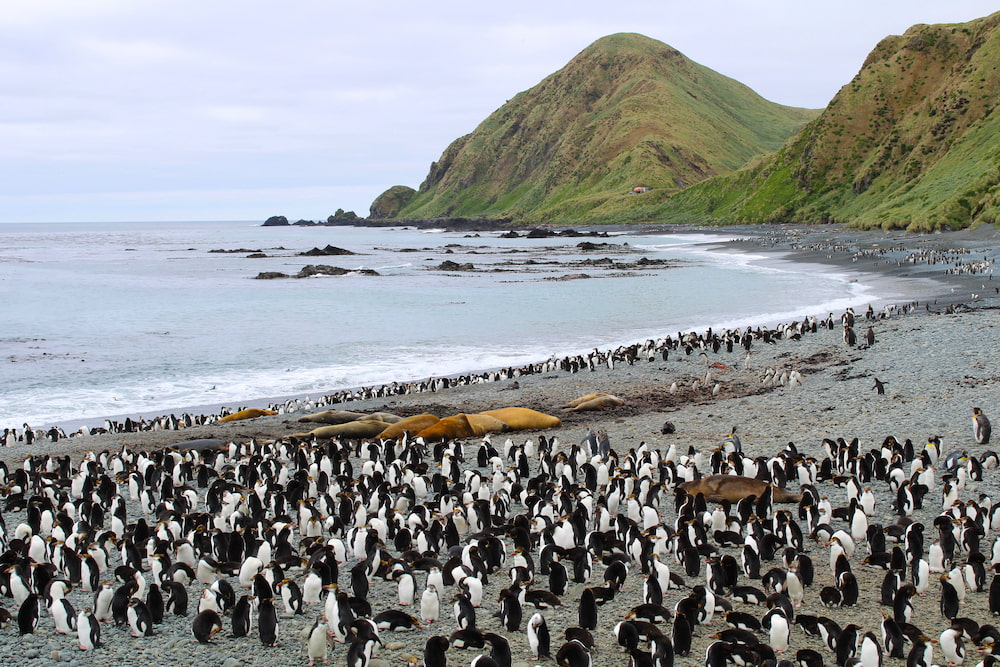
You won’t find hotels, roads, or shops out here, just rugged landscapes and some of the most carefully protected ecosystems in the Southern Ocean.
The only way to experience this exquisite part of the world? A sub-Antarctic expedition cruise aboard a specially equipped small ship!
Here’s everything you need to know about exploring the islands south of New Zealand, including highlights from Viva’s Pia Knarston, who has experienced this rare corner of the planet firsthand.
Click the links below to skip through the article:
Where Are the Sub-Antarctic Islands?
What to Expect on a Sub-Antarctic Islands Cruise
1. Snares Islands (New Zealand)
2. Bounty Islands (New Zealand)
3. Antipodes Islands (New Zealand)
4. Auckland Islands (New Zealand)
5. Campbell Island (New Zealand)
6. Macquarie Island (Australia)
Why Travel to the Sub-Antarctic Islands?
Sub-Antarctic Islands FAQs
When Should You Visit the Sub-Antarctic Islands?
How to Visit the Sub-Antarctic Islands
Where Are the Sub-Antarctic Islands?
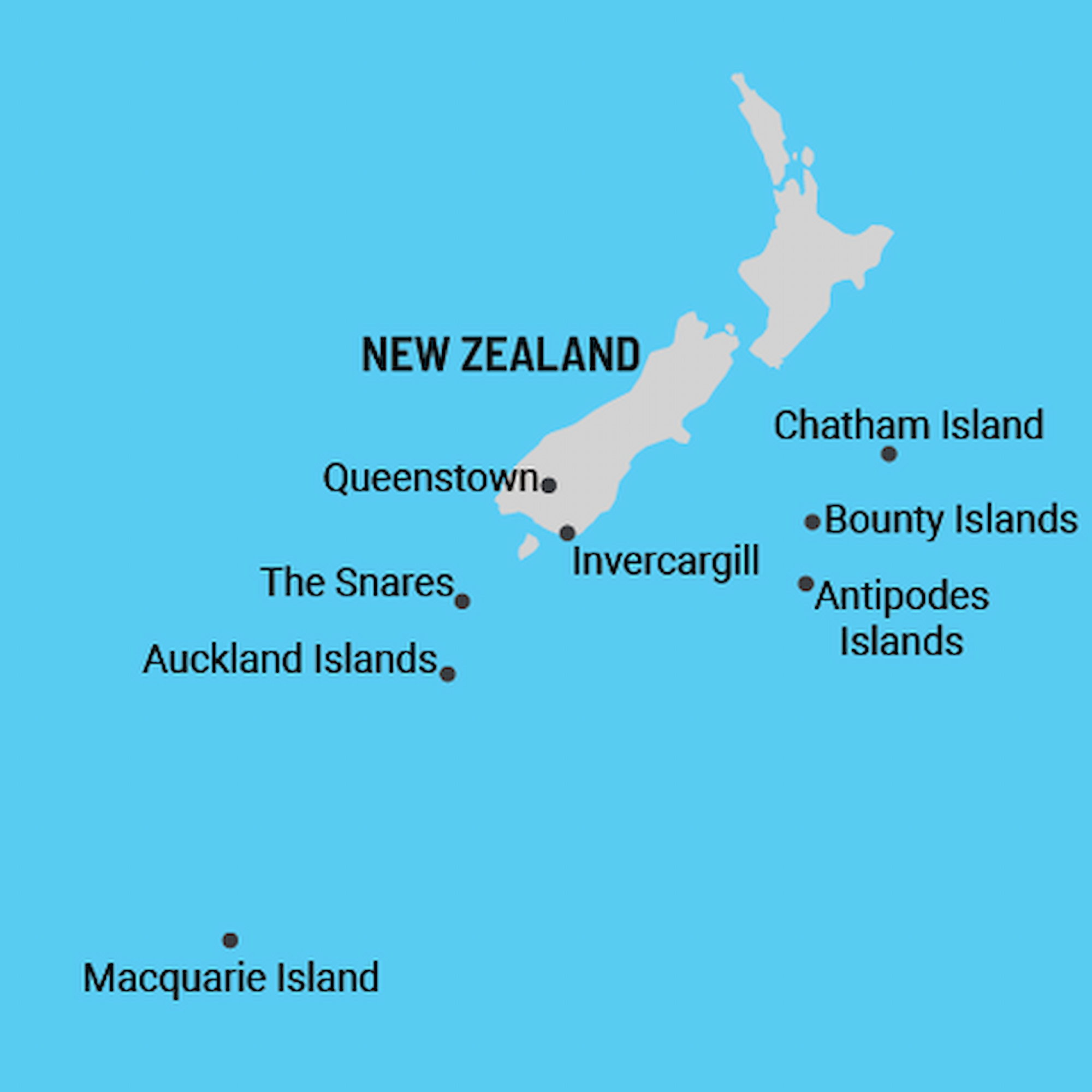
There are six main island groups in this region: five belong to New Zealand—the Snares, Bounty Islands, Antipodes Islands, Auckland Islands, and Campbell Island—and one, Macquarie Island, belongs to Australia. Together, these islands south of New Zealand form one of the most biologically important regions in the Southern Ocean.
Many of these remote islands were first charted in the late 1700s and early 1800s, often by accident. The Snares were sighted in 1791 by crews aboard the HMS Discovery and Chatham, while the Bounty Islands were named after the HMS Bounty just months before its infamous mutiny. Macquarie Island was officially discovered by sealers in 1810, though whispers of an earlier Polynesian shipwreck still linger. And the Antipodes Islands? They earned their name for lying nearly opposite London on the globe.
Once the realm of sealers and shipwrecks, these islands are sanctuaries for rare seabirds, penguins, and marine mammals nowadays. They are strictly protected, visited only by scientists and a lucky few on small expedition ships.
Often dubbed the Galápagos of the South, the Sub-Antarctic islands are the perfect playground for immersive expedition cruises.
Here's where you'll find them.
What to Expect on a Sub-Antarctic Islands Cruise
1. Snares Islands (New Zealand)
The Snares are among the most untouched islands on earth, spared the ecological damage that affected many others during the sealing and whaling days. While you can't land here, Zodiac cruises bring you up close to the cliffs and the incredible wildlife that call them home.
These forested islands host the rare Snares penguin—as Pia spotted on her cruise—along with millions of sooty shearwaters, Salvin's mollymawks, and native fur seals. The islands also support unique plant life, including oversized "mega herbs" that bloom through summer.
“The Zodiac ride was pretty wild. There were birds everywhere, flying right past us, and it was raining hard, so photos were out. But we saw plenty of Snares penguins perched along the rocks above us, which made the whole approach exhilarating!”
- Pia, Viva's Destination Specialist
> Check our expedition cruises to the Snares
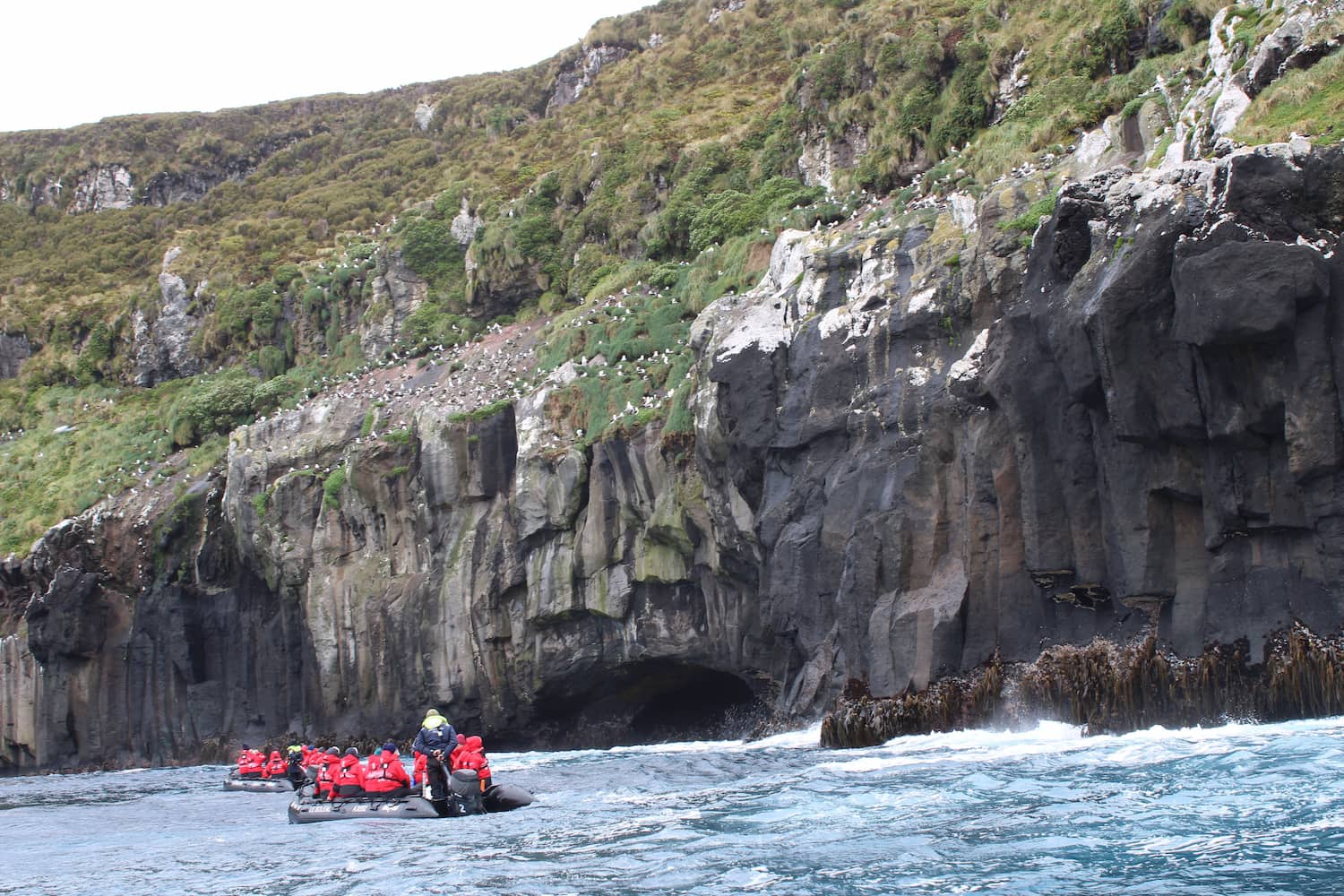
Zodiac cruising the Snares—one of the last truly untouched island ecosystems on our planet.
2. Bounty Islands (New Zealand)
The Bounty Islands are a sensory overload like few others, many visitors attesting that one tends to smell and hear the islands before they even come into view. The barks of seals and the calls of thousands of seabirds is the islands’ unmistakable ‘calling card’. And it’s no wonder, given almost every rock surface is crowded with New Zealand fur seals and nesting birds.
The Bounties are home to the world's largest breeding colony of fur seals and hefty populations of Salvin's mollymawks and penguins. The landscape here is stark but dramatic, definitely more lunar than tropical. For wildlife lovers, it's pure magic. The Bounties are among the few Sub-Antarctic islands you can’t set foot on, but you can get super close to the action (and the smell!) by inflatable boats.
> Explore the Bounties on Viva’s Birding Down Under Expedition Cruise
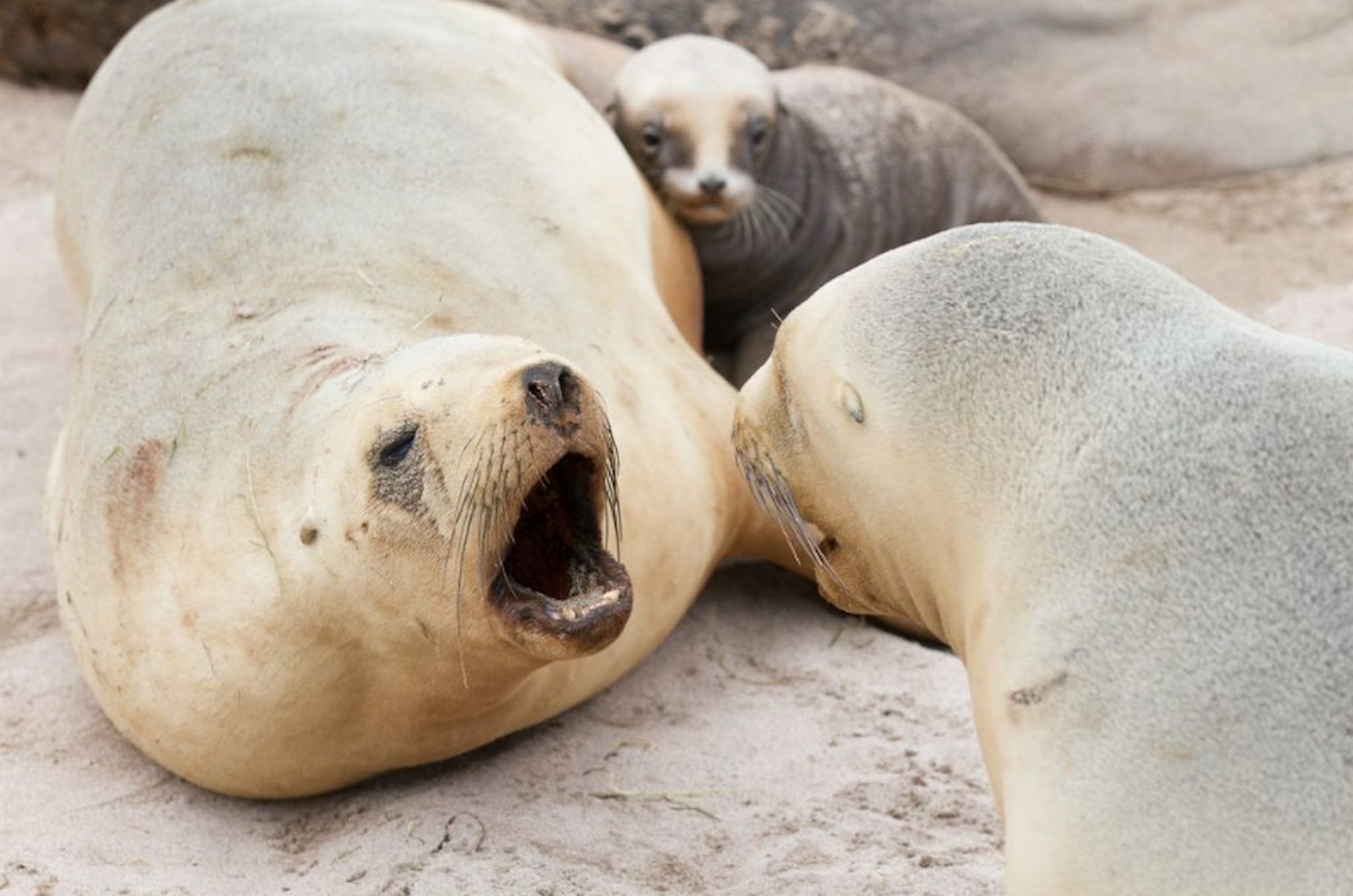
New Zealand fur seals and seabirds jostling for space—Bounty Islands in peak breeding season. No need to get closer!
3. Antipodes Islands (New Zealand)
The Antipodes feel as remote as it gets. With their tussock-covered hills and volcanic outcrops, these islands are one of the least-visited in the entire region. They’re best known for their strange and rare birdlife, including the meat-eating Antipodes parakeet and the endemic Antipodes snipe.
Zodiac cruising is the only way to explore these shores, but that’s more than enough to spot seabirds, penguins, and possibly even orcas offshore.
When Pia visited, fog wrapped the islands so tightly that they were invisible at first. The Zodiac outings became the focus of the day, and suddenly a massive rocky island emerged out of the mist, its steep cliffs rising straight from the sea. From the water, she saw large numbers of erect-crested penguins along the rocks, as well as dramatic sea caves and strikingly clear water around the boats.
> See which cruises include a stop at the Antipodes
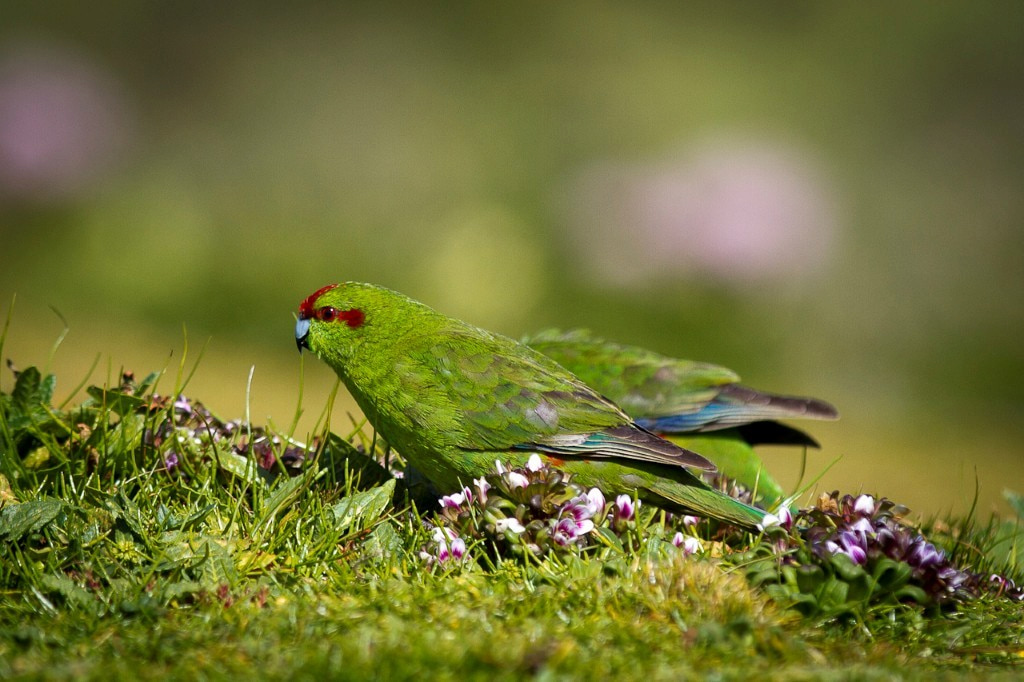
Antipodes Islands are a haven for rare carnivorous parrots and nesting seabirds.
4. Auckland Islands (New Zealand)
Volcanic and rugged, the Auckland Islands are the largest and most diverse of New Zealand’s sub-Antarctic groups. They are teeming with endemic species, including the Auckland Island teal, snipe, shag, and tomtit, as well as the world’s rarest sea lion, the aptly named New Zealand sea lion.
The most commonly visited spots are Auckland Island and nearby Enderby Island, where a boardwalk trail leads you through lush Rata forest to the most dramatic coastal cliffs.
Enderby Island stood out for Pia because of just how many New Zealand sea lions were gathered around Sandy Bay. Landing was tricky, with big bulls and curious younger males spread across the beach, but the expedition team handled it calmly, using umbrellas to keep everyone at a safe distance.
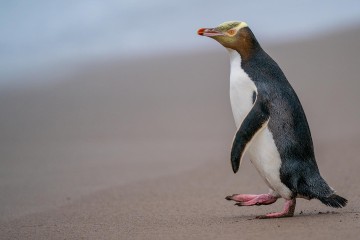
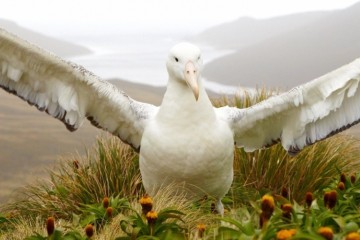
Once ashore, there was plenty to take in, from sea lions underfoot to nesting birds overhead. The island is also one of the few places you might spot the endangered hoiho, or yellow-eyed penguin. Walking across the island, Pia saw fields of mega herbs, wandering albatrosses nesting nearby, and birds circling overhead throughout the walk.
Aside from having time on land, Pia also joined a Zodiac cruise along the coast, passing impressive rock formations and spotting the rare Auckland Island teal from the water.
> Visit Auckland and Enderby Islands on our Galapagos of the South Cruise
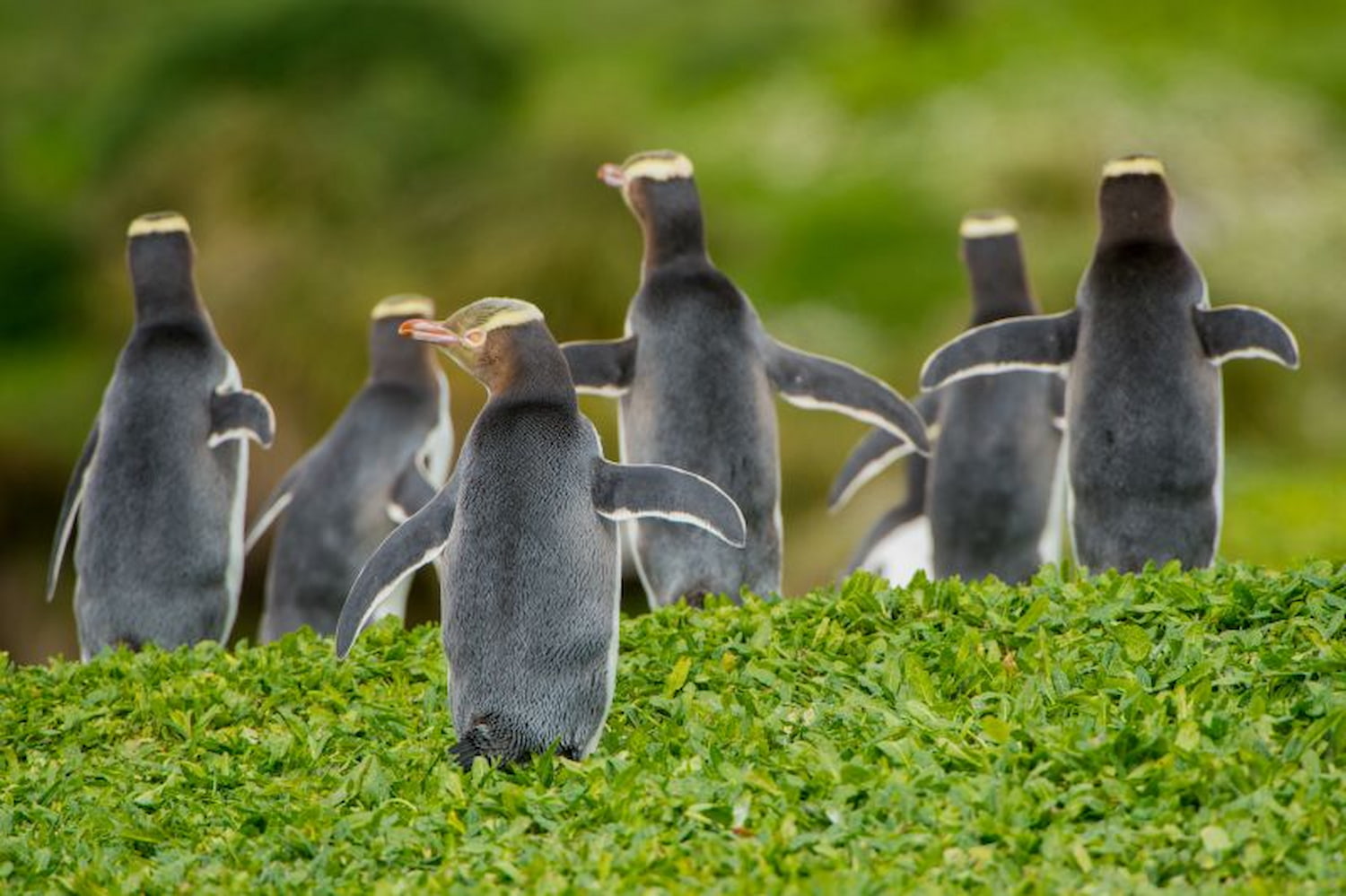
The cliffs of Enderby Island are home to rare sea lions, penguins, and sweeping views.
5. Campbell Islands (New Zealand)
Campbell Island is also among the islands where you can actually set foot and hike—a true sub-Antarctic highlight. This former farming island is now completely uninhabited and flourishing with native species. It's most famous for its extraordinary Campbell albatrosses, towering cliffs, and fields of mega herbs.
“We had a great day with thousands of Campbell Island albatrosses," says Pia. "They were just everywhere—undoubtedly one of the best wildlife sightings of the whole trip."
Hiking trails here lead past flowering wild celery, giant Anisotome and Pleurophyllum, and nesting seabirds galore.
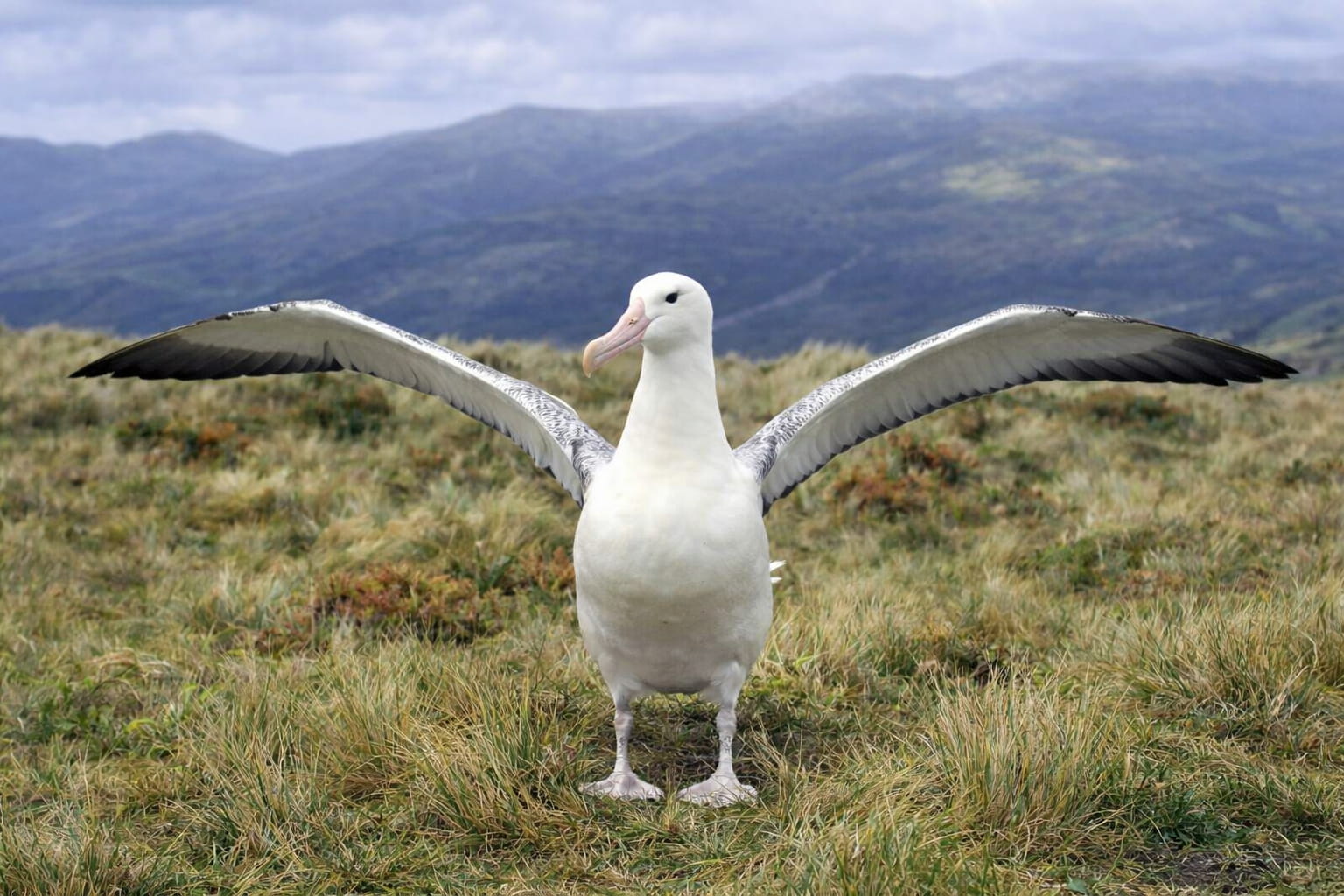
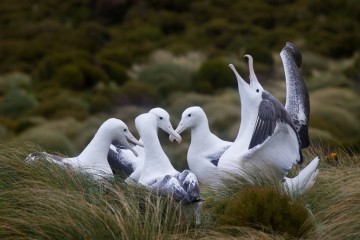
Campbell Island’s jaw-dropping slopes are prime nesting ground for albatrosses and home to spectacular wildflowers.
6. Macquire Island (Australia)
Macquarie is the prized crown jewel of any sub-Antarctic islands cruise and one of the most biodiverse wildlife sites in the Southern Ocean. It’s one of the few places on earth where rocks from deep beneath the ocean floor—part of our planet’s mantle—have been pushed up above sea level. Yet because this happened in a volcanic region, the resulting fertile land has made it irresistible to birds, seals, and other wildlife.
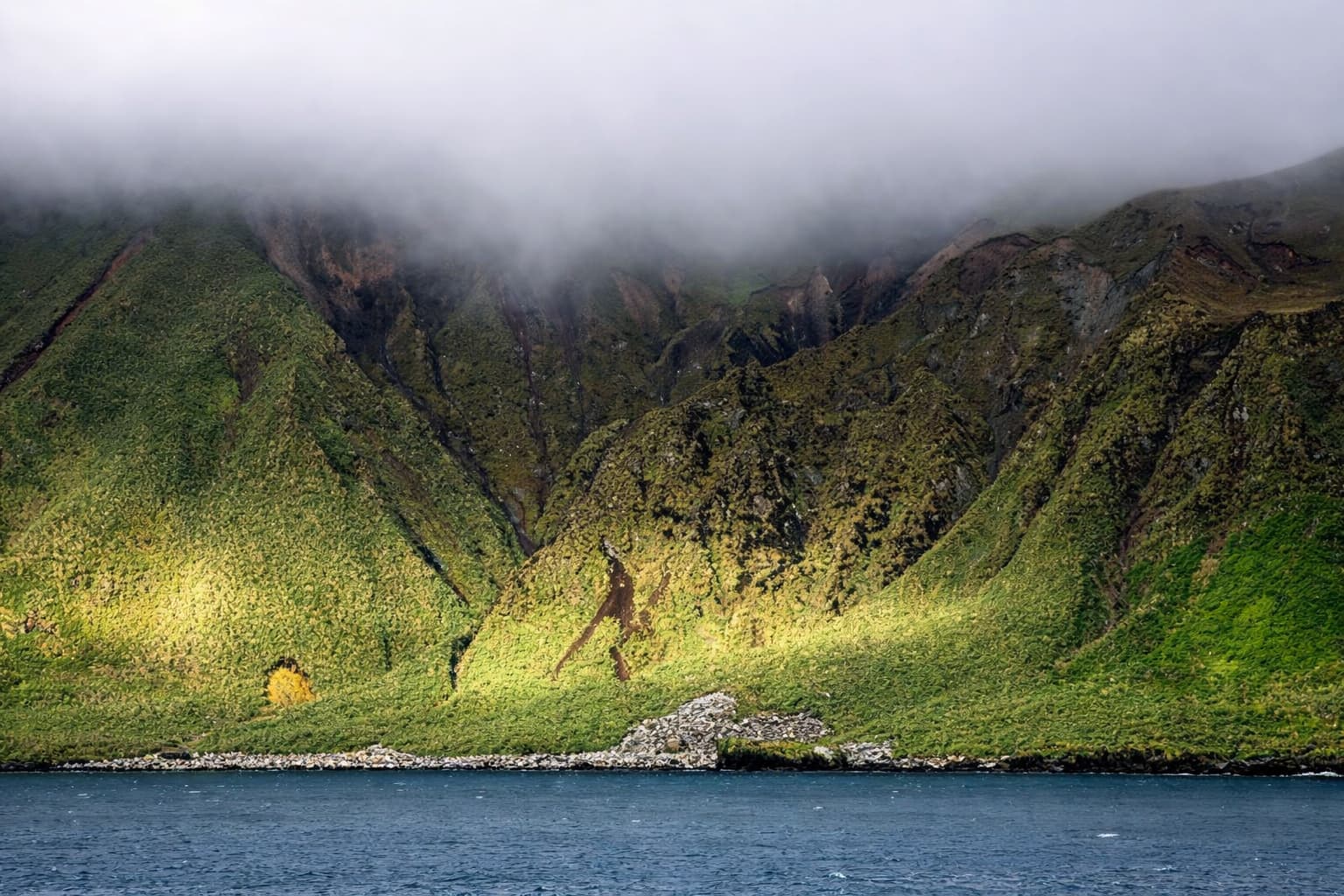
Jagged coastlines, rolling tussock, and black volcanic rock make Macquarie Island one of the most dramatic landscapes in the Southern Ocean.
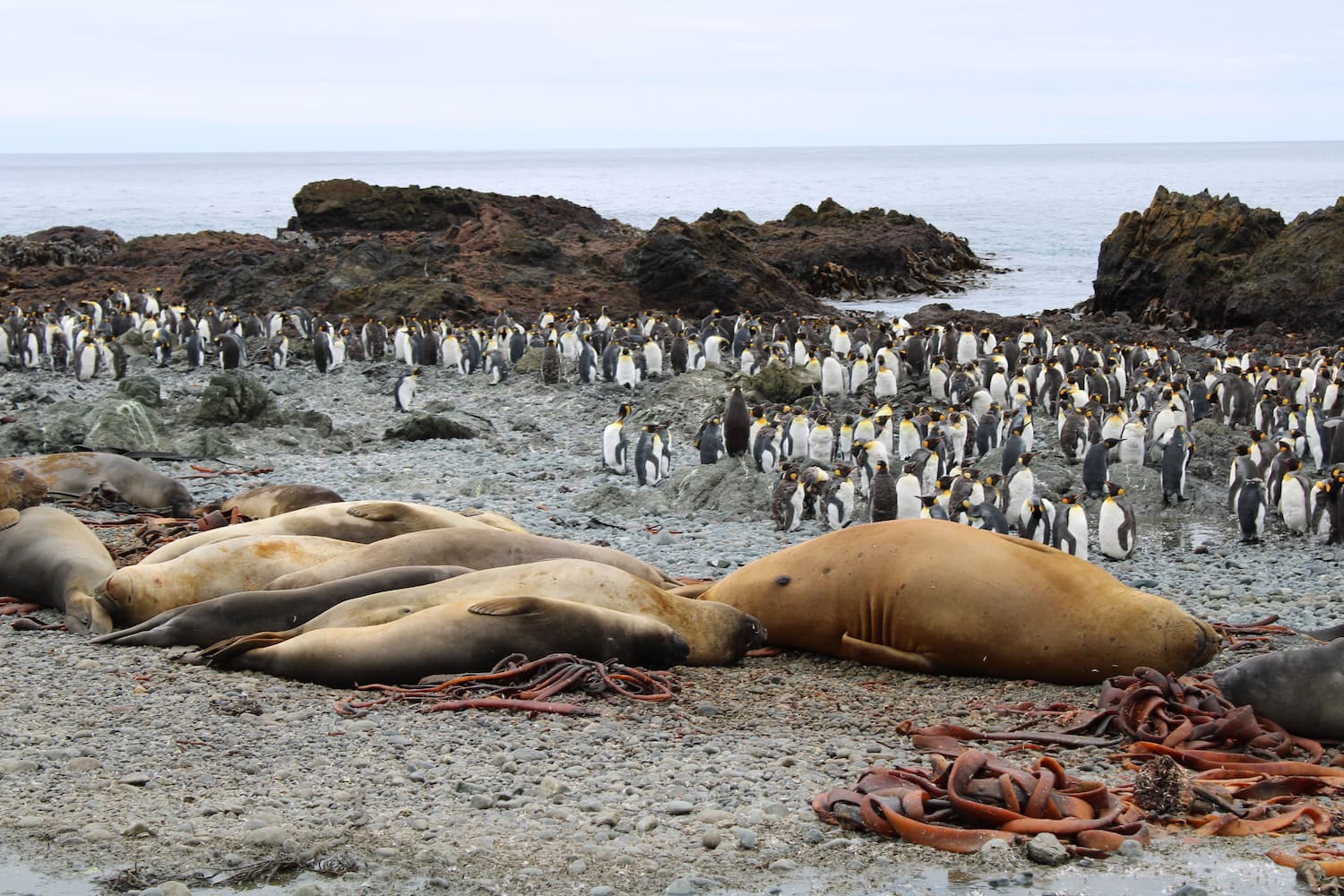
“What an extraordinary, gob-smacking place,” Pia said. She spent two days on Macquarie Island, including time at Sandy Bay, where king, royal, and gentoo penguins were present in huge numbers. The king penguins stood out immediately, both for their size and the sheer scale of the colony. Many penguins were in moult, lying low along the beach as they waited it out.
Elephant seals added another layer to the experience. With the dominant beach masters gone, younger seals sprawled across the sand instead, lazy, noisy, and unmistakably smelly. Pia loved every minute on “Macca,” as the locals call it, describing it as an animal lover’s paradise.
Macquarie Island is home to the world’s entire royal penguin population, all of which breeds here each summer, alongside vast elephant seal colonies and several albatross species. This abundance marks a remarkable recovery, considering seals and penguins were almost hunted to extinction just over a century ago.”.
> Visit Macquarie on dedicated Antarctica cruises
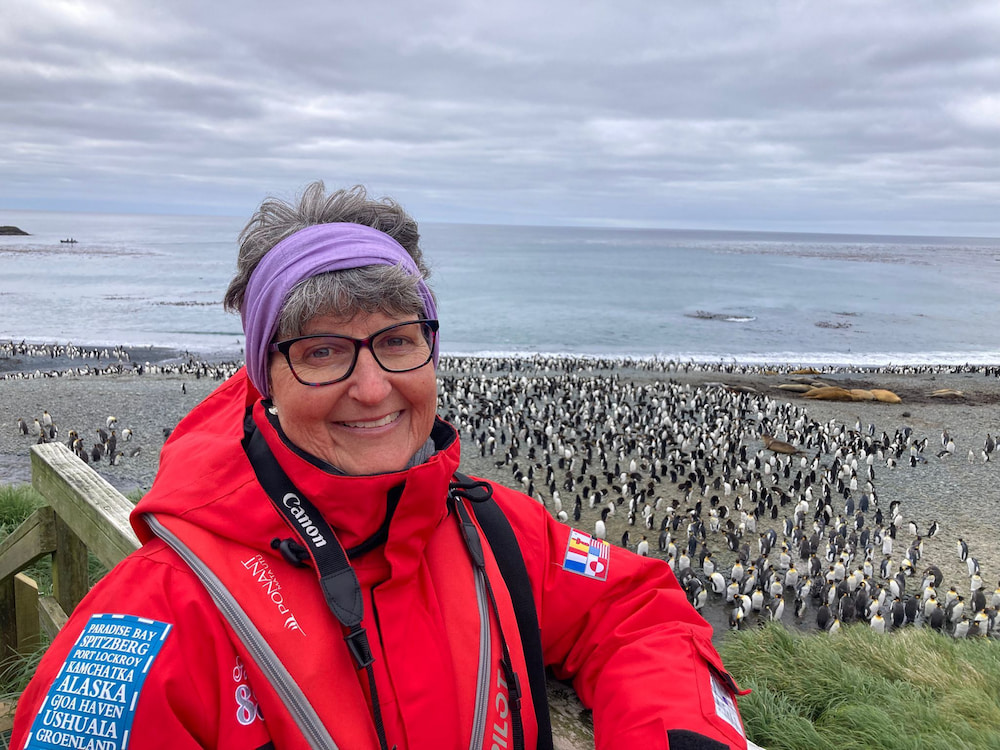
Pia and friends on Macquarie Island
Did You Know?
King penguins and royal penguins both breed on Macquarie Island—but they’re not the same species. King penguins are tall and elegant with orange neck patches, while royal penguins are smaller, crested, and only nest on Macquarie. That makes this island the only place on earth where you can see royal penguins during breeding season.
Why Travel to the Sub-Antarctic Islands?
If you’ve already been to Antarctica, this is the next step. If you haven’t, it’s a less extreme but equally awe-inspiring alternative. These islands south of New Zealand offer world-class wildlife encounters, unforgettable landscapes, and the chance to experience one of the most untouched ecosystems left on the planet. All the islands are UNESCO-listed, due to their exceptional nature, especially the diversity and abundance of wildlife species.
And because they’re only accessible by small expedition ship, they remain well off the tourist trail. Visitor numbers are tightly capped at around 1,500 people per summer, which keeps visits rare, carefully managed, and focused on wildlife protection rather than mass tourism.
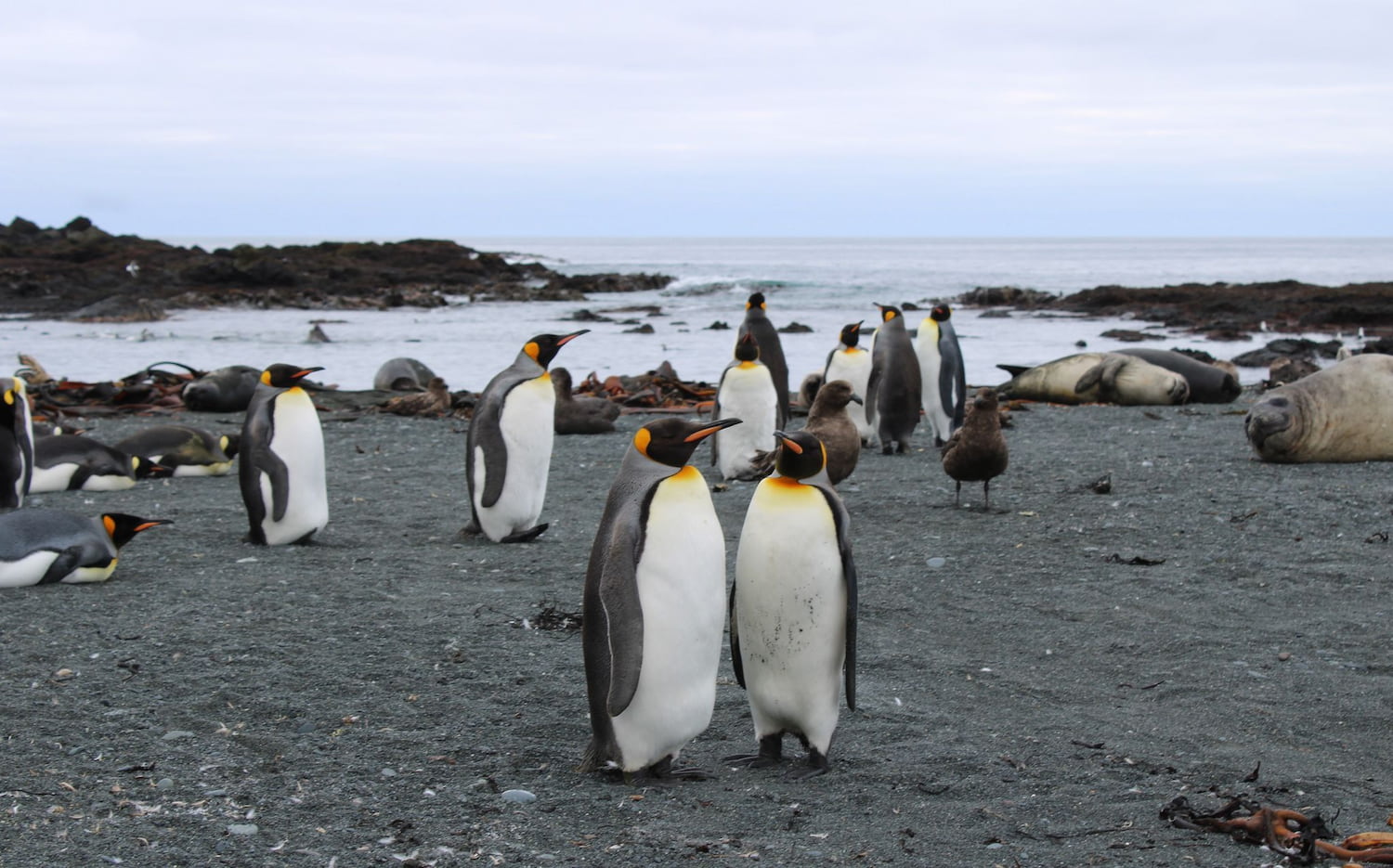
This is nature at its wildest—no crowds, no ports, just you, your shipmates, and the wonders of the Southern Ocean.
Sub-Antarctic Islands FAQs
When Should You Visit the Sub-Antarctic Islands?
The Sub-Antarctic Islands can only be visited during the Southern Hemisphere’s summer, from November to March, when conditions allow expedition ships to operate safely. In practice, most voyages run in November, December, and January, as many vessels spend the later part of the season in Antarctica instead.
This short window also happens to be the most active time on the islands. Seabirds are nesting, penguins are breeding or moulting, and the colonies are at their busiest. Some Ross Sea cruises also include stops at the main Sub-Antarctic Islands, offering another way to reach the region during the Antarctic season.
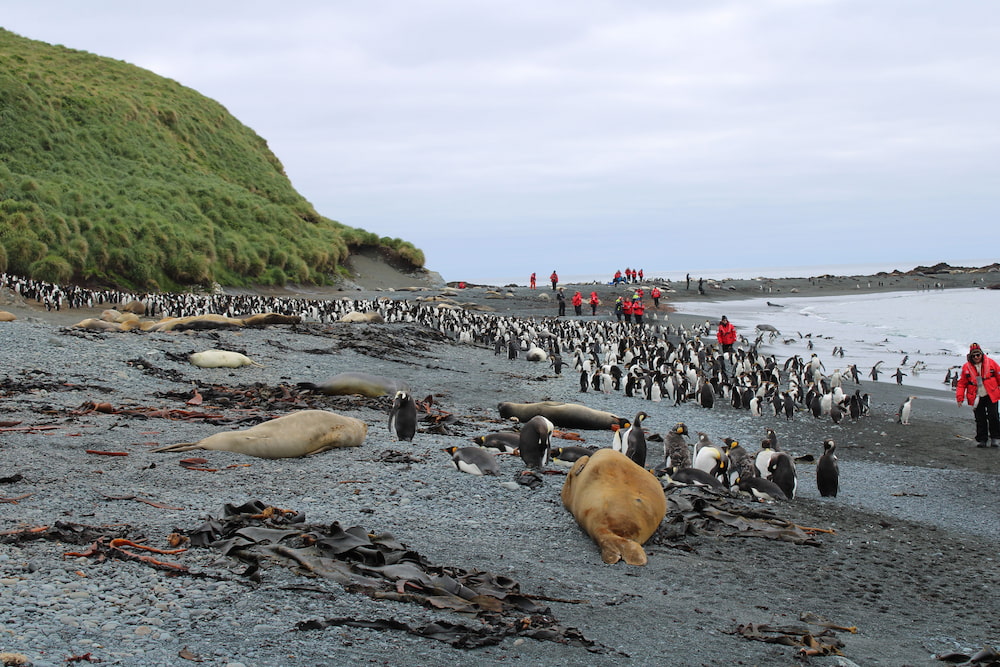
There’s something incredibly special about visiting islands only accessible a couple of months a year.
How to Visit the Sub-Antarctic Islands
These islands are strictly protected and only accessible by ship, with permits granted to a handful of approved expedition operators. On Viva’s 15-day voyage aboard Le Soleal you’ll visit multiple islands, head off on Zodiac excursions, enjoy onboard lectures, and explore with expert naturalist guides. See our full review of the ship and trip here for a peek at cabins, food, and what each day feels like.
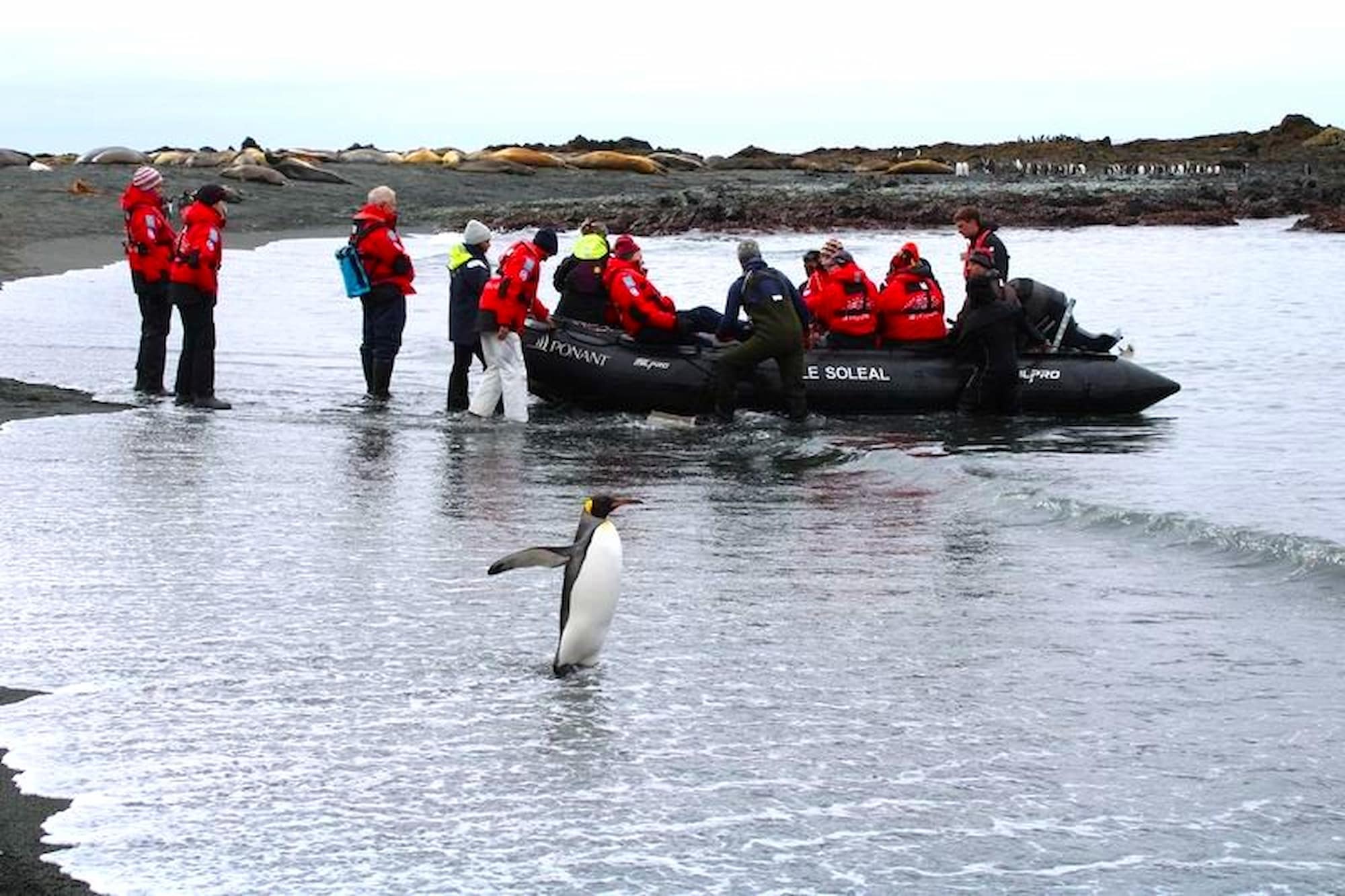
The only way to reach these pristine islands is on an expedition cruise, equipped with Zodiacs for excursions—small vessels, big adventure.
“Even though we were on a ship, it felt like we were the only people in that part of the ocean. It’s humbling to be in a place where nature is completely in charge.”
– Pia, Viva's Destination Specialist.
Ready to Cruise the Sub-Antarctic Islands?
Join a sub-Antarctic islands cruise with Viva and travel with confidence, curiosity, and a touch of luxury. Our team has been there, we’ve tested the ships, and we’re ready to help you choose the right itinerary and season for the experience you want.
Check out our full selection of Sub-Antarctic and Antarctica cruises.
Or CONTACT US to talk to one of our Destination Specialists.
Laura Pattara
Laura Pattara has spent more than a decade writing about polar cruising at Viva Expeditions. While she has not yet set foot on the southern ice herself, she has mastered the art of turning expert accounts and field notes into guides that feel like the next best thing. Laura has a soft spot for penguins, perfectly packed duffel bags, and a well-earned cocktail in a wild place.
|