So, you’re thinking about your first African safari. Now what?
Hi, I’m Tanya Gurtin, Africa Product Manager at Viva Expeditions. I’ve been on safari in multiple African countries, and I have also helped hundreds of clients head off on theirs, most of them first-timers. I know exactly what’s running through your mind right now, and I'm here to help.
Below are my safari tips for first-timers, plus what to pack, what to wear in the bush and a few small truths about your safari holiday that nobody thinks to mention until you are already out there.
Oh...Should I have packed that from home? So good to know that now I’m in TANZANIA.
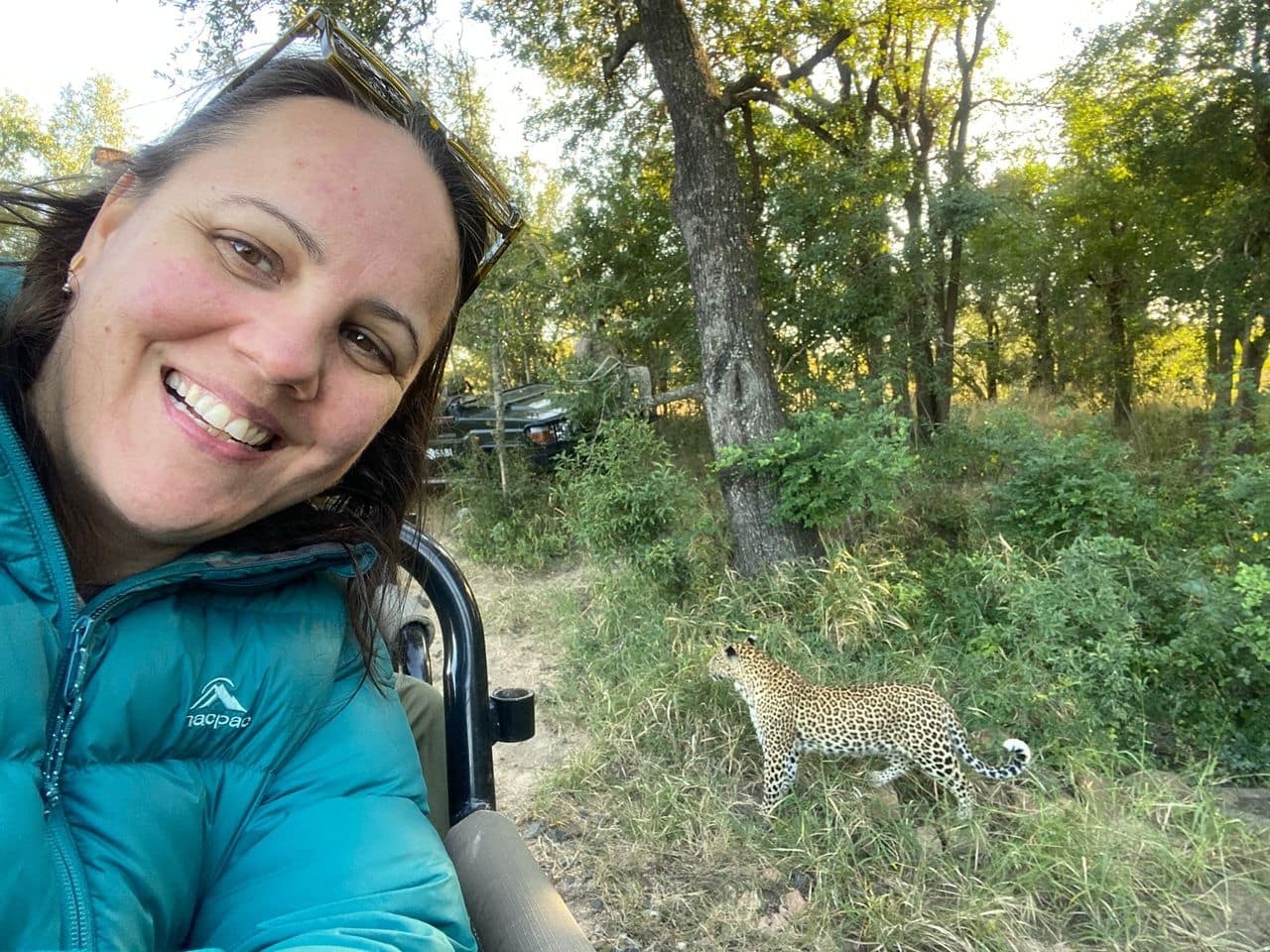
Why African safaris? Because who wouldn’t want the chance to take a selfie with a leopard!
Here’s what we'll cover in this guide.
Why you should not worry too much
What to wear on safari
Sun, dust and bug essentials
Safari gear that earns its place in your luggage
The sensible stuff you should not skip
What NOT to pack for your first African safari
What nobody tells you about your first safari
A few practical extras worth knowing about
Ready to plan your first African safari?
Why you should not worry too much
Most first-time clients come to me with the same edgy energy: they are half-thrilled, half-worried, and convinced they will turn up to the lodge wearing the wrong thing or doing all the wrong things. Some have spent years dreaming of seeing a leopard in the wild. Others are doing it because their partner has always wanted to go, so they are tagging along. Either way, the questions are pretty similar: What do I wear? What if it’s too hot? What if I see a snake? Where am I even going?!
I get it. Africa can feel like such a far-off concept until you actually visit. The lodges are remote, often in places you've never heard of, with names you can't pronounce on your first try. Then there are the bush plane connections to factor in, plus the puzzle of which reserve, which season, and which corner of which country gives you the best chance of seeing the wildlife you've come all this way for. It can feel overwhelming if you're used to itineraries that run like clockwork.
This is why we always suggest planning your first safari with a specialist travel agency. At Viva Expeditions, we've spent years matching clients to the right camps, the right countries, and the right time of year for what they want to see, so you don't have to second-guess any of it. You turn up, your guide takes over, and the rest is between you and the bush.
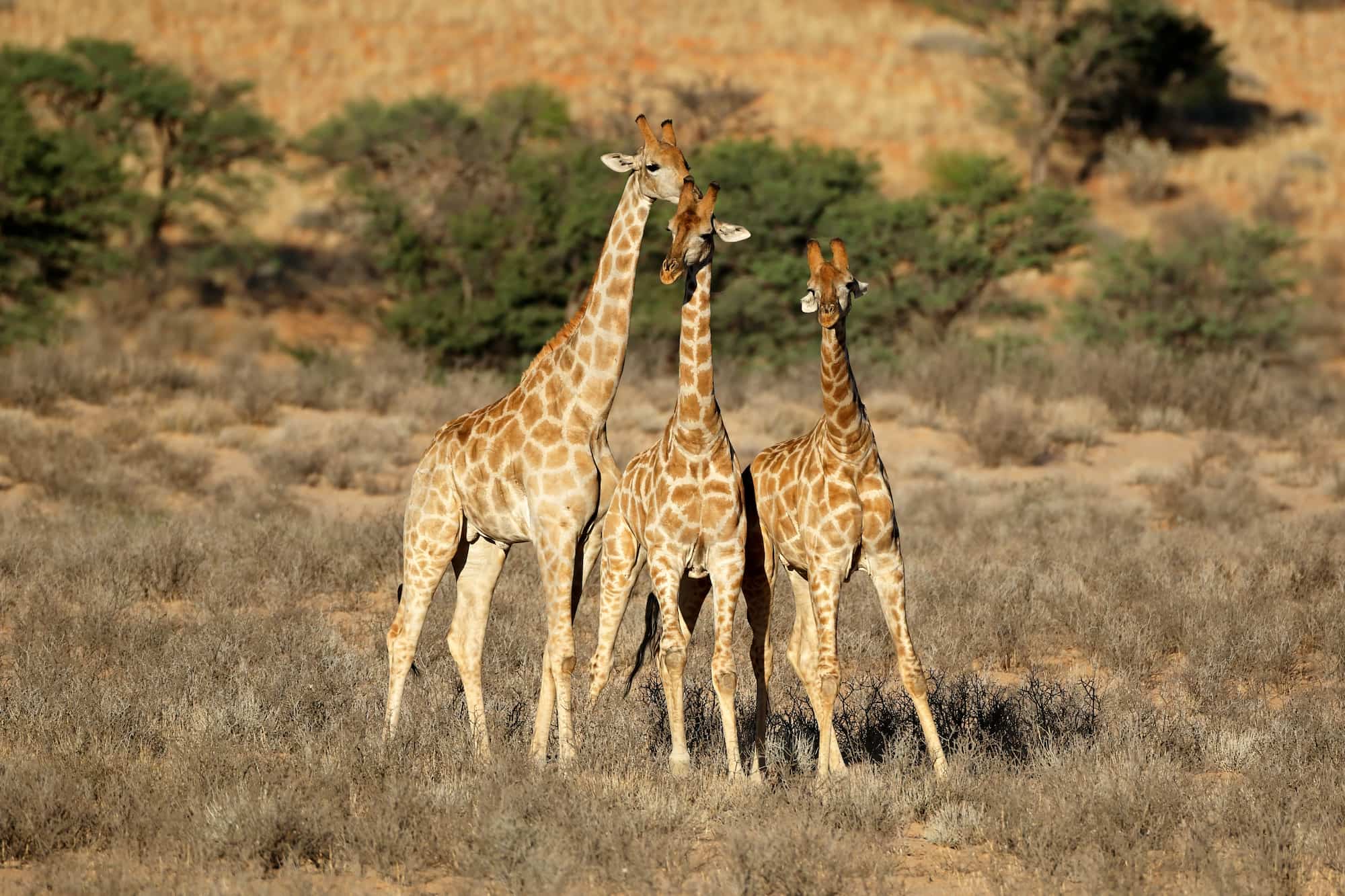
There’s no need to worry on an African safari, because you’re not the one driving! Nothing for you to do but sit back and enjoy the spectacle.
Let’s get a few things out of the way to ease your worries.
What to wear on safari
Since the wardrobe question is the one I get asked most often, let’s start there. The short answer is “comfortable and neutral in colour, with plenty of layers”. The longer answer follows.
Stick to neutral colours
Neutral shades such as khaki, olive, beige, and muted greens are your friends on safari. The point is to blend into the bush rather than stand out from it, both for your own benefit on walking safaris and for basic respect toward the wildlife.
A few specifics to avoid:
-
Bright colours (which can disturb and distract animals at close range)
-
White (which will not be white for long once the African red dust gets involved)
-
Camouflage prints (they are restricted or banned in a few countries)
-
Dark blue and black (in tsetse fly country, as these colours attract them, and you really do not want that)
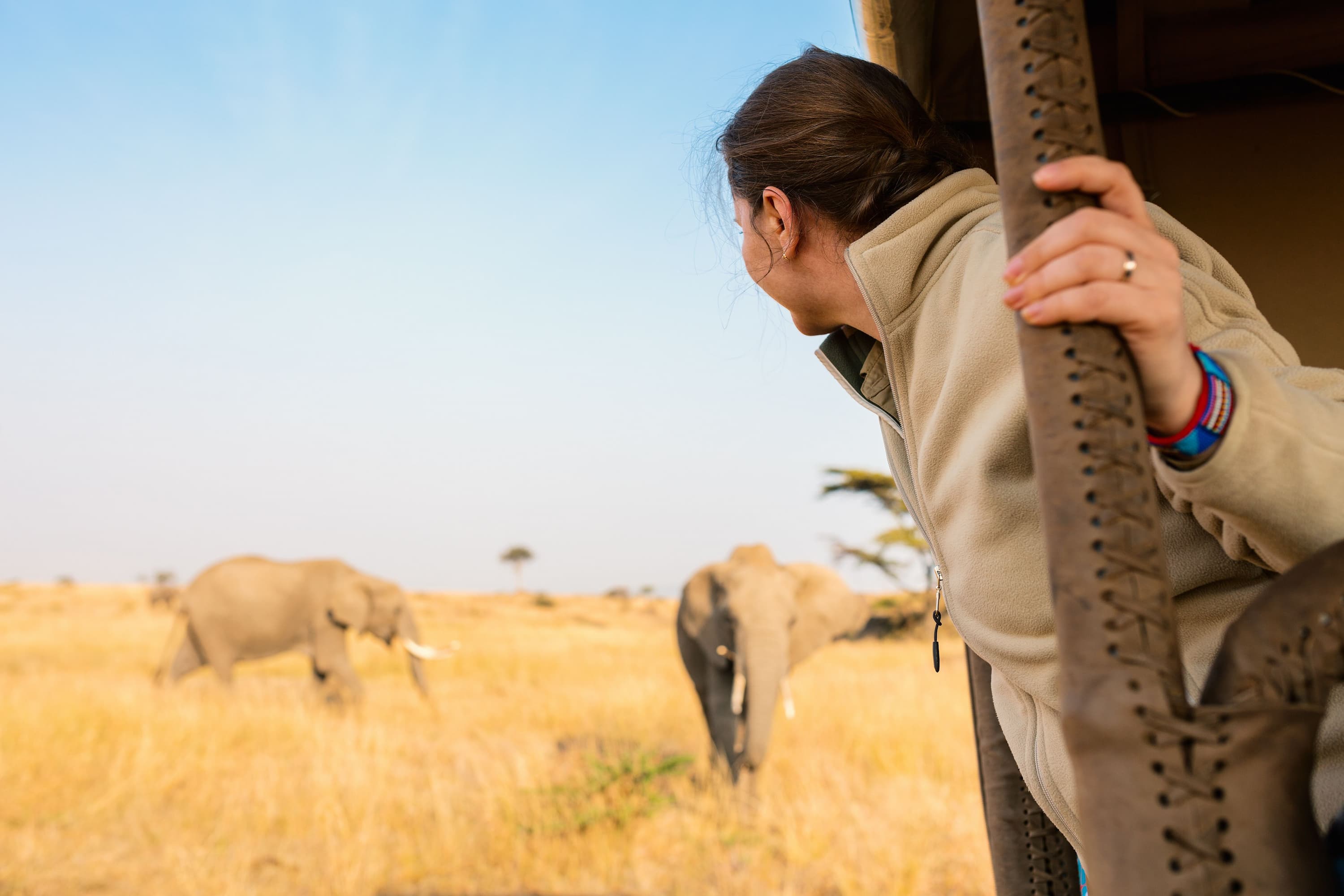
The basic credo of what to wear on safari is: you want to blend in the bush, not headline Coachella. Save the bright outfit for sundowners at the lodge.
Layers, and lots of them
Safari days follow a predictable temperature pattern that blindsides almost every first-timer. Pre-dawn game drives can be properly cold, but by 10am you’ll be peeling off layers as fast as you can manage. Midday warms up enough that you’ll want a cool drink in the shade. Come sunset, though, you’ll be reaching for that fleece again.
My recommended layering kit:
-
A very warm jacket in winter (May – August); I even like to pack a beanie and gloves for that pre-sunrise freeze
-
A light fleece or down gilet (vest) the rest of the year
-
A windbreaker or light waterproof jacket
-
Long-sleeved shirts in lightweight fabric
-
T-shirts and a couple of pairs of long trousers
-
A cosy scarf or buff for early-morning game drives (it doubles up beautifully for sunset photos)
A sports bra is a very good idea
This one is for our female readership. Game drives are bumpy affairs. Vehicles bounce, ruts catch you by surprise, and tracking the Big Five regularly involves going off-piste in ways your “suspension” may not appreciate. A well-fitting sports bra makes all of that more comfortable, especially if you are, how do I say this...blessed by the bra-fitter's gods. Amen.
Closed walking shoes are best
Open sandals are not your friend on safari. Between the dust, the pesky thorns, the heat and the occasional bush pee stop (otherwise known as a lav-a-tree), sandals will struggle, and so will your feet. A pair of comfortable trail shoes or light walking boots will see you through every excursion. Although, by all means, pack the sandals for time around the lodge pool.
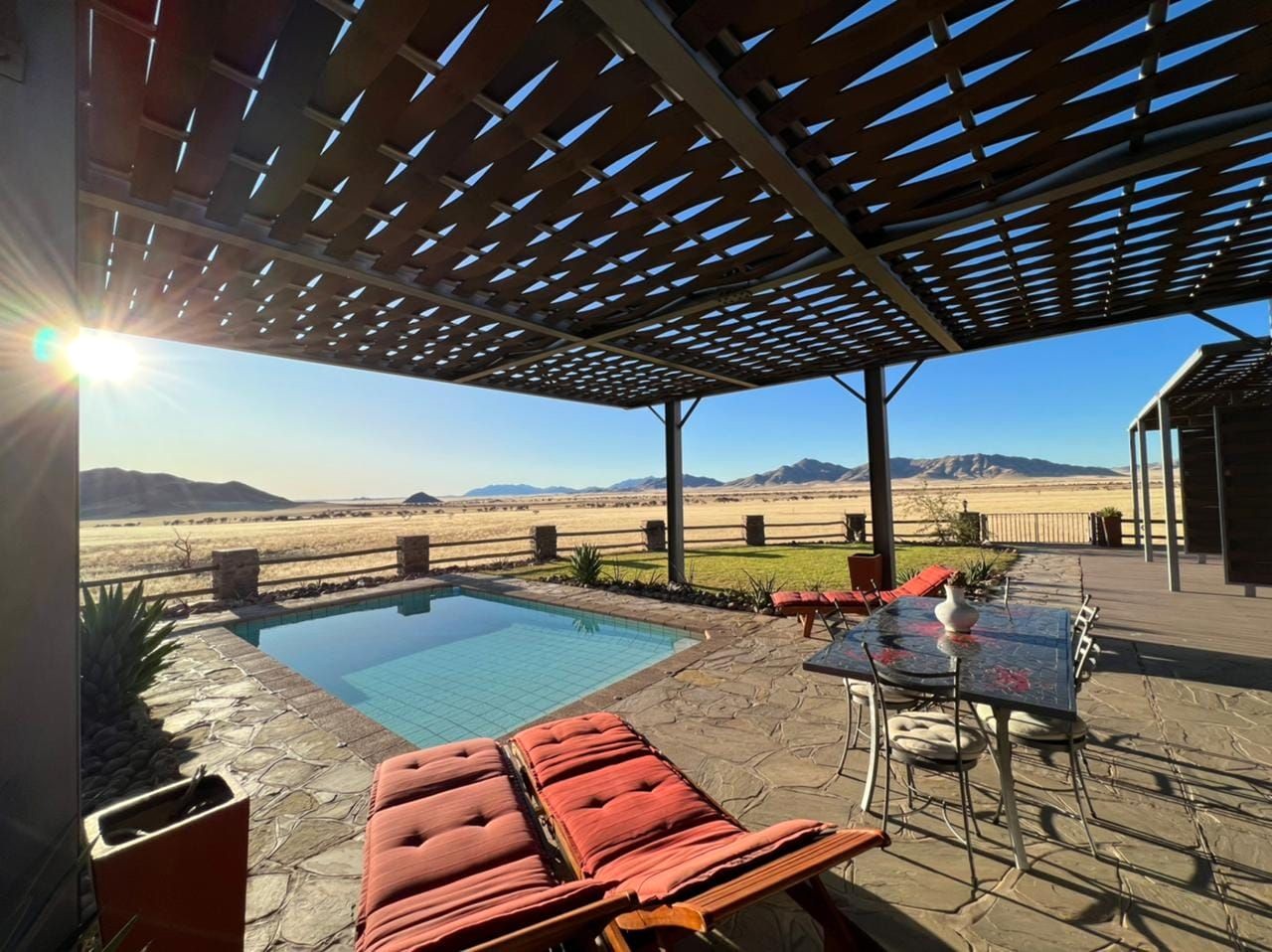
The rough savannah ground calls for sturdy walking shoes, but you can pack a pair of sandals for lodge-time.
Sun, dust and bug essentials
These are the items that protect you from the harsh elements on a safari holiday in Africa.
Hat and sunglasses
You will be spending a lot of time squinting at the horizon, pretending you can see the lion your guide just pointed out. It’s ok, we all do this. To ensure you can actually spot the wildlife at a distance, I recommend a wide-brimmed hat and polarised sunglasses. Oh, and don't forget a strap or cord for your hat! Open safari vehicles plus African wind equals one easily departed sunhat.
Sunscreen
The sun in Africa is legendary, for all the wrong reasons. I recommend wearing an SPF 30 sunscreen every day, even if it’s overcast. Apply some before your morning game drive, then again at lunch and after a dip in the pool in the afternoon. Choosing a reef-safe product is a sensible option if you’re planning a beach extension tour afterwards.
(Here are some brilliant safari and beach combo options)
Insect repellent
If you think the sun is brutal, wait ‘till you meet the insects. Pack a DEET-based repellent for the bush and apply it generously, as if you were glazing a pastry. Top up before every excursion, especially around dawn and dusk when the mosquitoes are most active. Many camps will have repellent on hand, but bringing your favourite brand means you are not stuck with whatever they happen to stock. If you are travelling to a malaria area, have a chat to your travel doctor about prophylaxis as well.
Safari gear that earns its place in your luggage
A couple of special items can make the difference between a good safari and a fantastic one. These two are a must, in my book.
Binoculars
If you take one piece of advice from this entire article, let it be this: bring binoculars. They are the difference between “I reckon that’s just a rock” and “THAT IS A LEOPARD.” A compact 8x42 pair is the sweet spot for safari: enough magnification to see detail yet not so heavy that you stop bringing them on game drives.
A small tip from years of practise: hold your binoculars up to your phone camera lens to take surprisingly good close-up wildlife photos. It takes a few attempts to get the alignment right, but it works brilliantly when you don’t have a long zoom lens with you.
Power bank and spare batteries
Lions love appearing just as your camera battery hits 2%. Sod’s law of safari! A decent power bank, plus a spare camera battery if you are using a proper camera, will save your bacon. Most safari vehicles now have charging points, but not all of them, so do not assume.
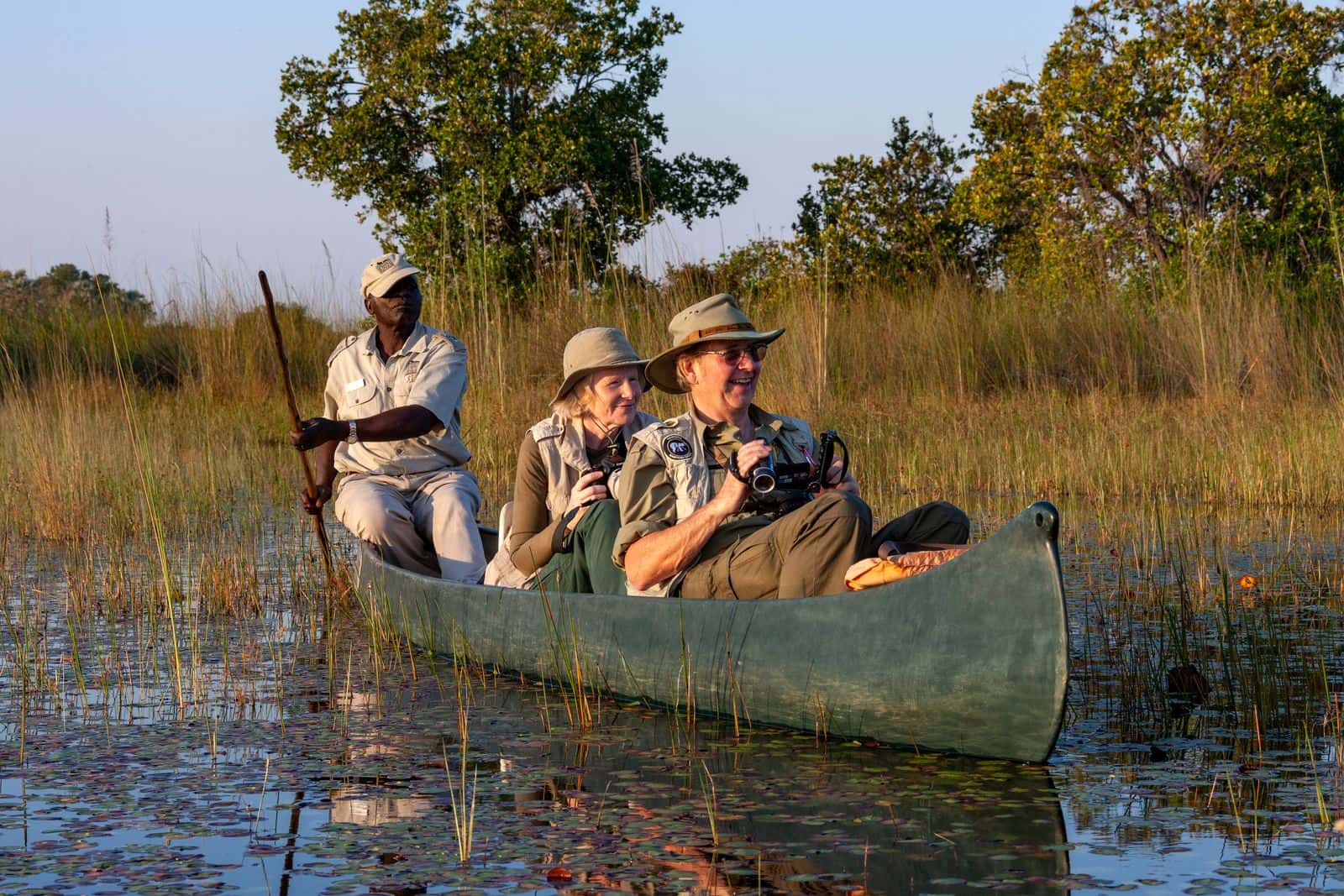
Like magic, a good pair of binoculars can turn a distant smudge into a leopard. Worth their weight every time.
The sensible stuff you should not skip
Personal medication
Depending on where you opt to safari, the nearest chemist might be a bush plane ride and three elephant crossings away, so take everything you think you might need. If you are on prescription medication, bring more than you need in case of travel delays, and always keep it in your hand luggage. A small first-aid kit with antihistamines, anti-diarrhoea tablets, paracetamol, band-aids and rehydration sachets should be the first thing you pack in your bag.
A sense of humour
The one piece of kit nobody puts on a safari packing list, but I think it might just be the most important. Because newsflash: animals sleep hidden in bushes, sometimes for hours at a stretch, dust will get into places you did not know you had, you will get windblown and a bit sunburnt despite the sunscreen, and your hair will give up by day two. From what I’ve experienced, safari goers with a flexible attitude always have the best safaris. The bush rewards people who can roll with whatever the day delivers, be that a flat tyre on the way back to camp or a leopard sighting that runs you late for dinner.
Go on, have a laugh (and a cocktail), you’re on safari!
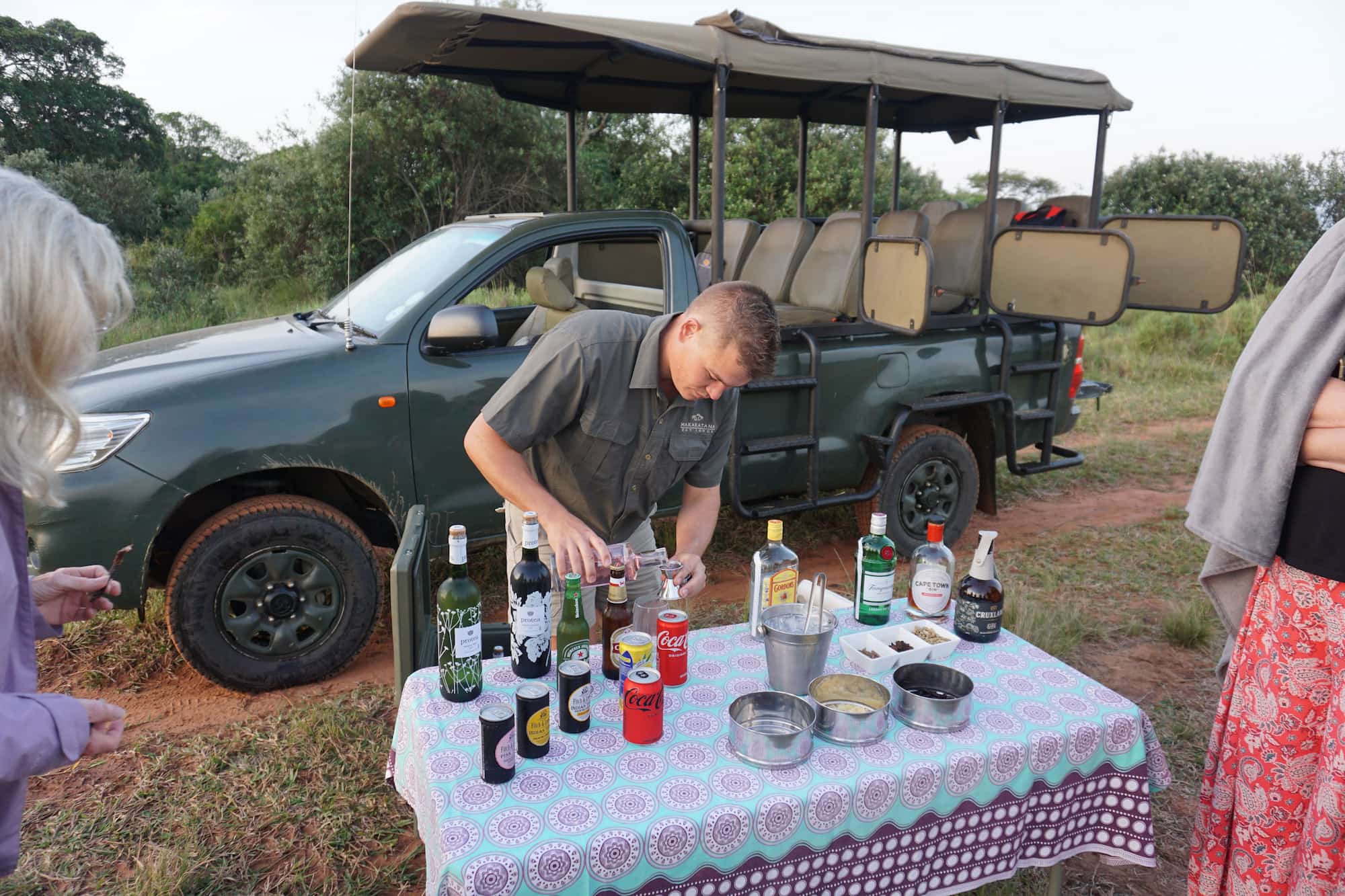
“A day on safari in Africa is better than a day spent anywhere else” It’s not a proverb but it should be.
What NOT to pack for your first African safari
What you should leave at home is almost as important as what you bring. The most common offenders to leave behind:
-
White trousers: we have established this; they will not survive.
-
High heels of any kind: neither the bush nor the wooden lodge walkways were built for them.
-
Hair dryers and straighteners: these have been known to blow fuses at camps and then you’re nobody’s favorite guest. Plenty of camps have hairdryers, anyway, but they’re low-wattage and can be used safely. Or just pack an extra hat and bandana and forget about your hair for a few days.
-
A rigid daily schedule: the wildlife has not read your itinerary, and even if it could, it probably would not care.
-
An overpacked suitcase: small bush planes have luggage limits, often around 15kg (33lbs). Pack light.
-
Camouflage clothing: banned, restricted and even risky to wear in many African countries, including Zimbabwe, Zambia and Botswana.
-
Strong perfume: it repels the animals you want to see but attracts the isnects you don’t want to see.
-
Disposable plastic bags: banned in Kenya, Rwanda, Tanzania and a growing list of other countries.
What nobody tells you about your first safari
Now for the stuff you will not find in any glossy brochure. These are the small surprises that are part of what make your first safari holiday so very unforgettable.
The early wakes-ups are worth it. Always.
When the wake-up call comes at 5am, you will briefly question every life choice that led you here. Why did you pay good money to be cold and tired in the dark? Then sunrise happens, and you are there, hot drink in hand, with a golden hue spilling across the savannah and the sounds of animals waking up all around you. It’s a unique kind of African magic that you will only experience in the very early morning. Don’t ever miss it.
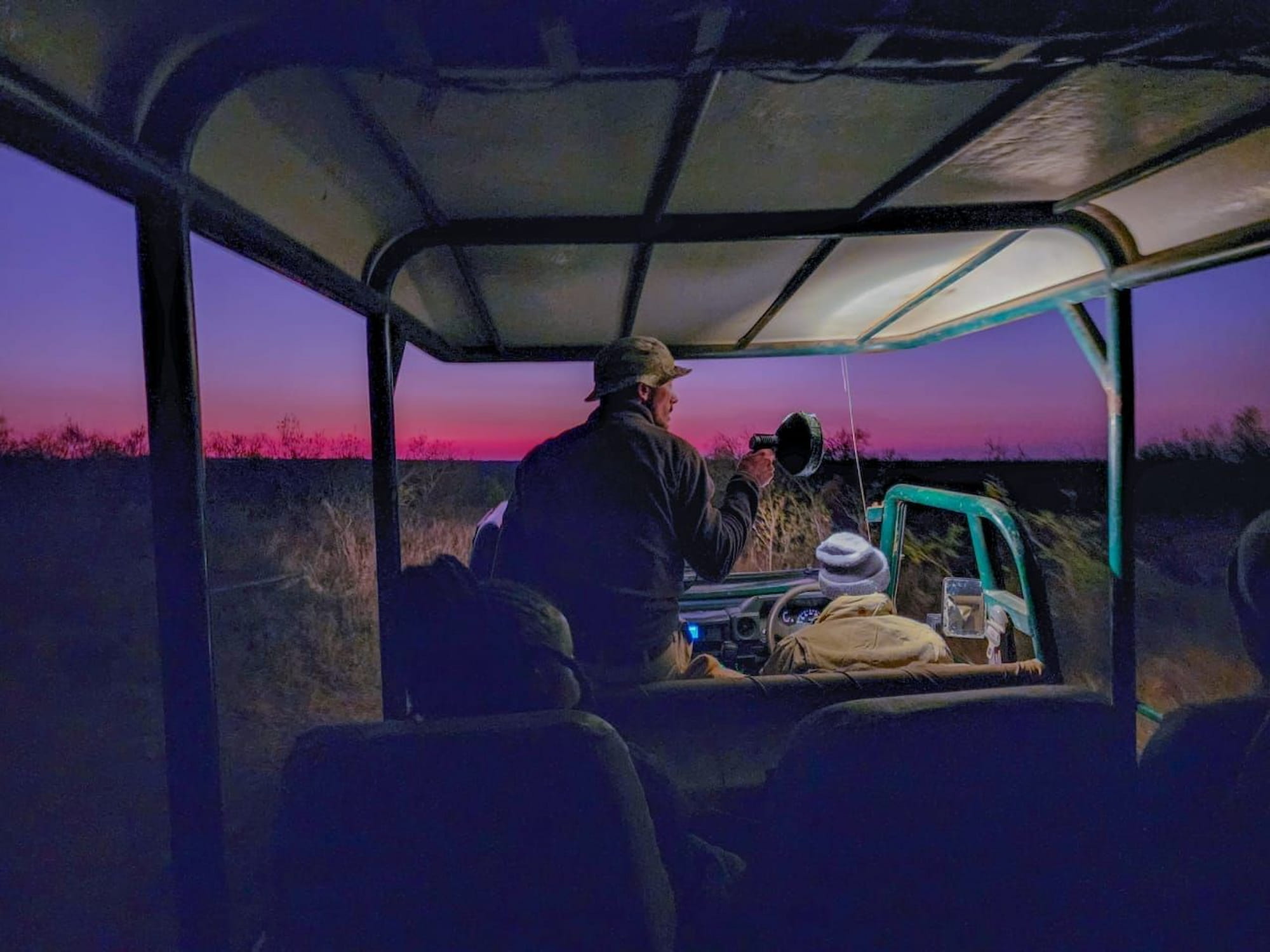
Early morning starts will soon become your favourite part of the day.
Your camera will get a workout
You will take 487 photos on your first safari, and roughly 400 of them will be of:
-
A lion sleeping
-
An elephant’s behind walking away from you
-
A very distant giraffe hidden behind long grass
-
A bird that you swear was right there a second ago
The remaining few will be awesome but you will end up loving ALL of them anyway. Remember that even professional wildlife photographers come back with mostly outtakes and must spend weeks, if not months, in a safari park to take that one good shot you saw on National Geographic. Welcome the ratio; it’ll be a jaw-dropping experience, photo or not.
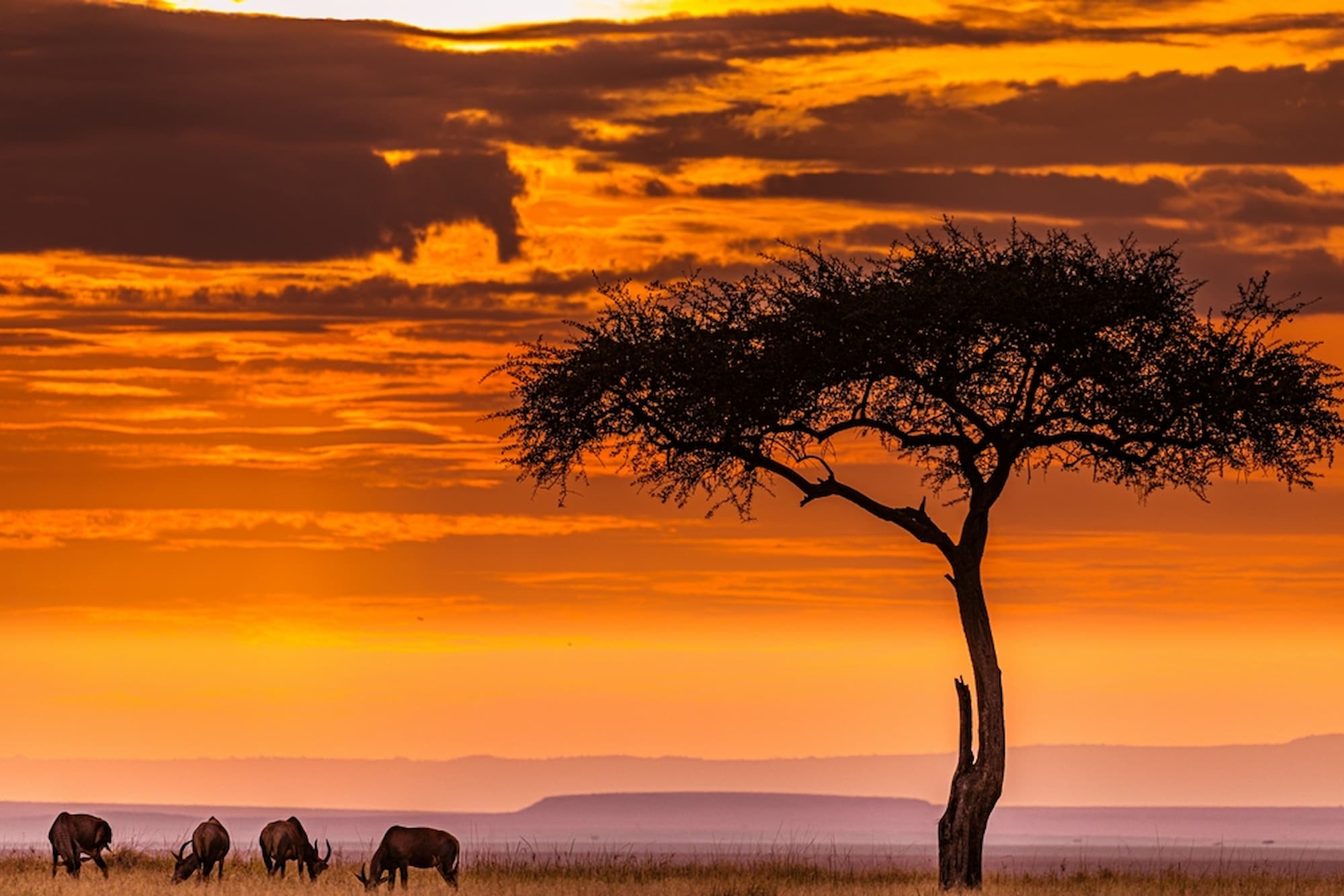
The most photogenic part of any African safari? The sunsets.
Yes, that buffalo really is judging you
Buffalo always look mildly annoyed. About what, no one really knows. They are not impressed by you, your vehicle, your sunglasses or any of your accessories. Take it with grace; these guys are hard to impress.
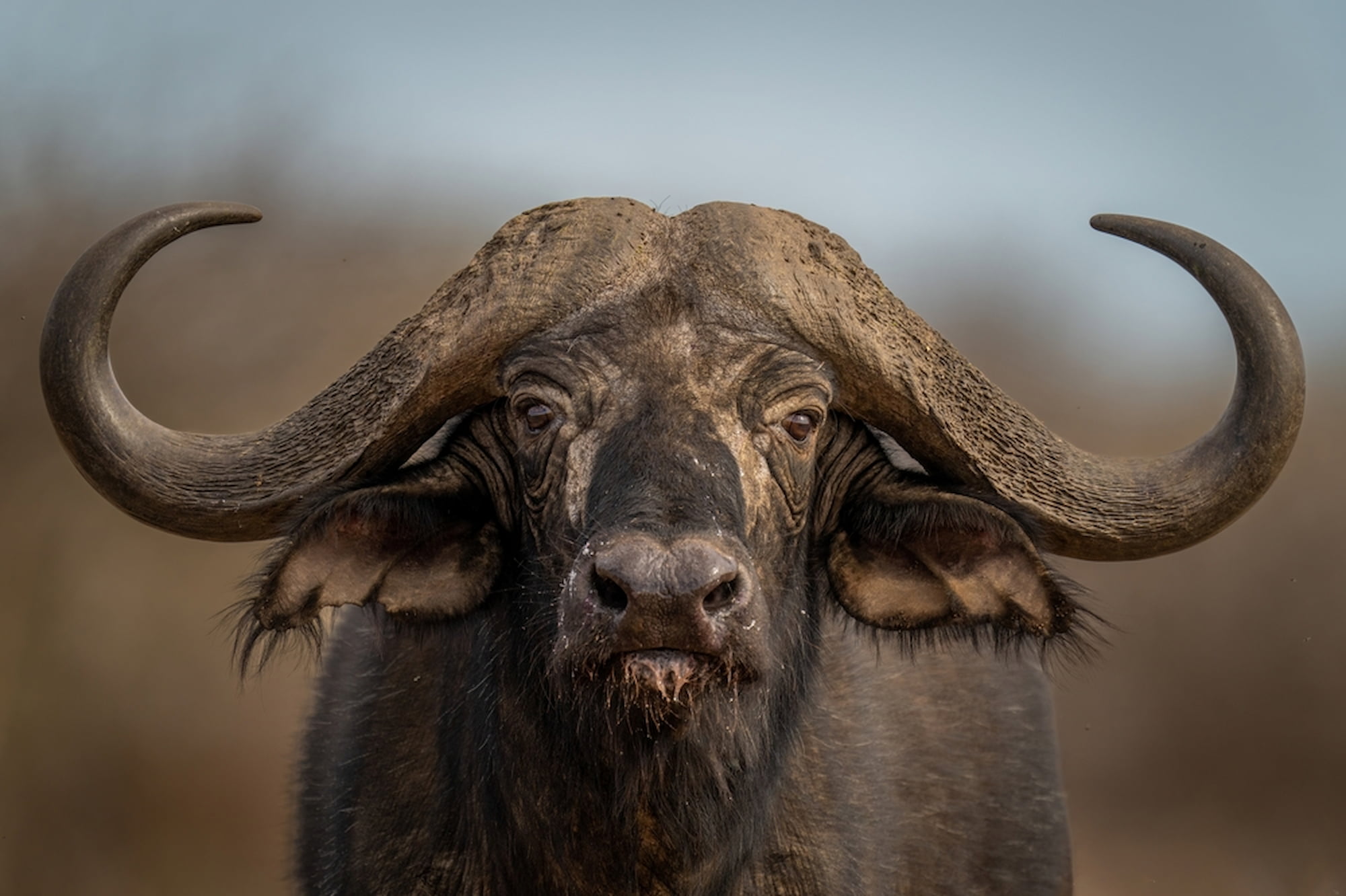
A buffalo’s entire schtick is evaluating and judging its surroundings for threats. That includes you.
You'll become an amateur wildlife expert
First day: “Is that some kind of deer?”
Third day: “Oh, that’s an Aepyceros melampus, sub-adult male, family Bovidae, of course.”
Your guide will teach you to read the bush in ways you didn’t know were possible. By the end of the trip, you’ll be calling out alarm calls, reading hoof prints and suggesting where the leopard might be hiding. You will probably be wrong about half of these guesses, but that’s all part of the fun.
Warthogs are comedic gold
Everyone wants to see lions and leopards, but without fail, these cool guys always steal the show. They run with their tails straight up like little aerials, as if late for an extremely important meeting, and never fail to elicit a laugh.
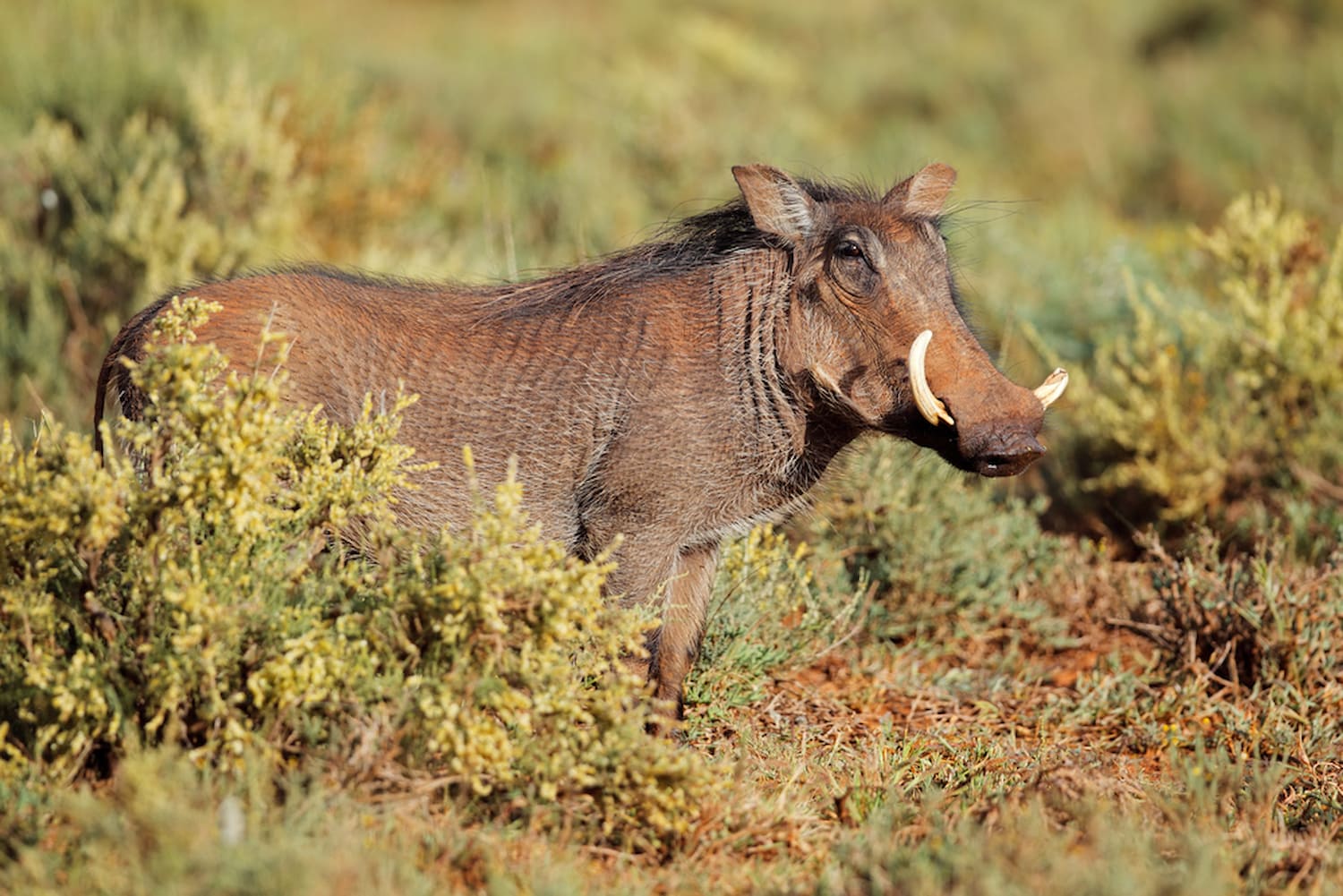
Warthogs, the most entertaining underdogs on African safaris.
Birds are cooler than you think
Unless you are an avid bird-spotter, you will probably start your safari ignoring the birds, scanning the long grass for cats and the riverbanks for elephants. By day four, you will be whispering excitedly about lilac-breasted rollers and, by day six, you will be flicking through your guide’s bird book over breakfast. It happens to all of us at some point (and the lilac-breasted rollers really are rather spectacular).
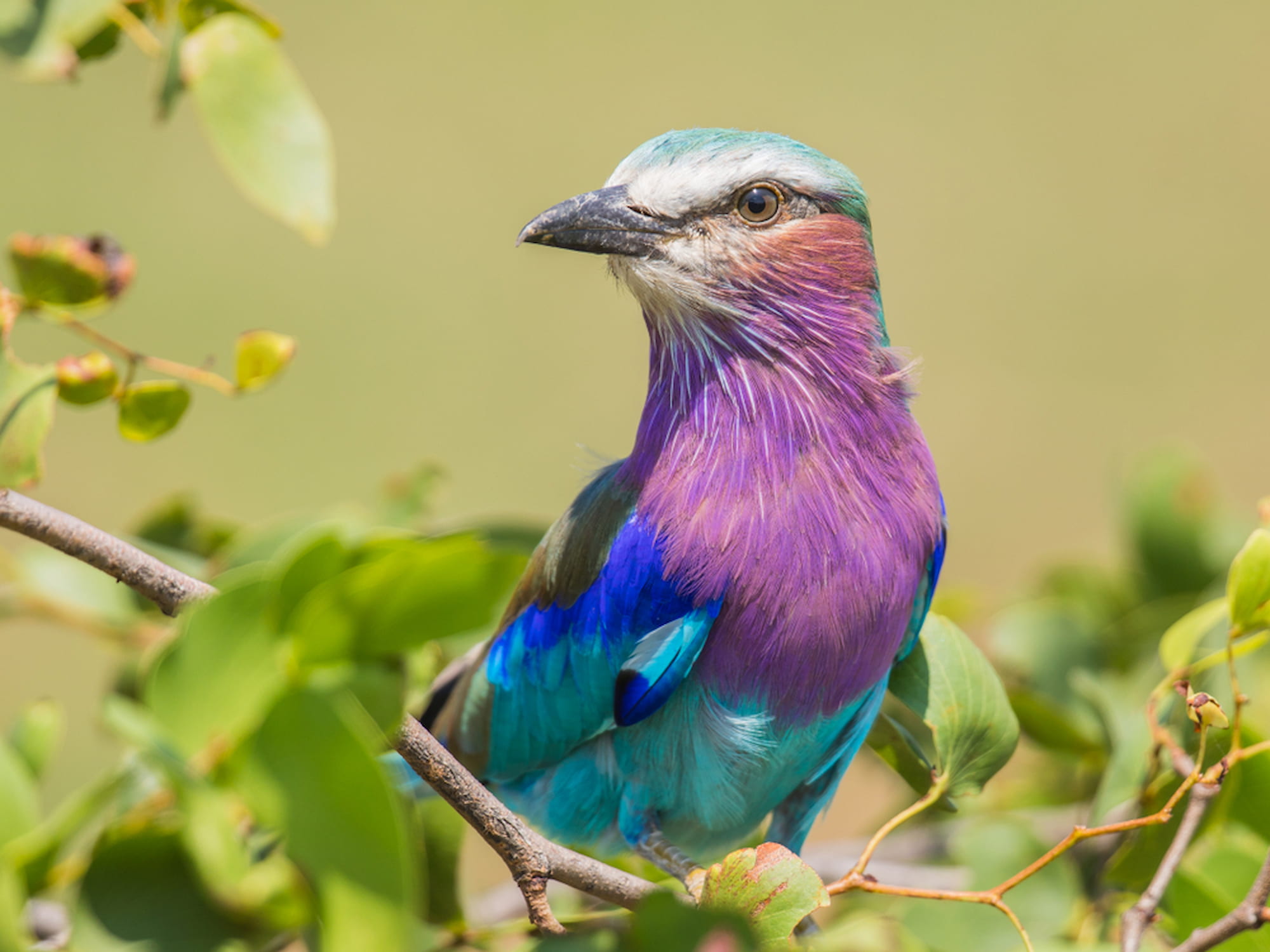
The lilac-breasted roller. Patron saint of converted bird-watchers everywhere.
A few practical extras worth knowing about
A handful of bits that come up in pretty much every pre-trip conversation:
-
Soft-sided luggage is essential for bush plane transfers. Hard suitcases simply will not fit in the hold.
-
Same-day laundry comes standard at most camps and is often free, so no need to pack a clean outfit for every day of the trip.
-
Bring cash in small US dollar denominations for tips and small purchases at remote camps.
-
A buff or shemagh works wonders for keeping dust out of your face on dry-season game drives.
-
A small daypack for game drives keeps your camera, water bottle and snacks within easy reach.
-
Travel insurance with medical evacuation cover is not something you want to compromise on. Get the best cover possible: it’s hardly ever needed but it’ll give you peace of mind. We’ll happily recommend companies depending on where you’re travelling from.
Here’s something else no one ever warns you about: your first safari will probably ruin you for normal holidays, and I mean this in the best way possible. Once you have watched a leopard pad past your vehicle at three metres or seen an elephant herd cross the river at sunset, the notion of sitting on a beach for a week starts to feel a touch underwhelming.
Ready to plan your first African safari?
At Viva Expeditions, we know African safari planning inside out. We will work through it all with you: which country you should head to, which camps you should stay in, the timing that suits the wildlife you most want to see, and a pace that fits how you like to travel. Perhaps you are dreaming of the Great Migration in Tanzania, trekking to see mountain gorillas in Uganda, a walking safari in Zambia, or a classic Big Five trip in South Africa. Our specialists are ready to talk you through all the options.
Browse our Africa tours for inspiration or get in touch, and we will build something around exactly what you are after.
We look forward to helping you turn your first time on safari into the very best holiday you have ever taken.