Signature South America Circle From Buenos Aires


Tour Overview
Discover the best of South America on this carefully curated 15-day adventure, weaving together the region’s most iconic landscapes, cultures, and culinary traditions.
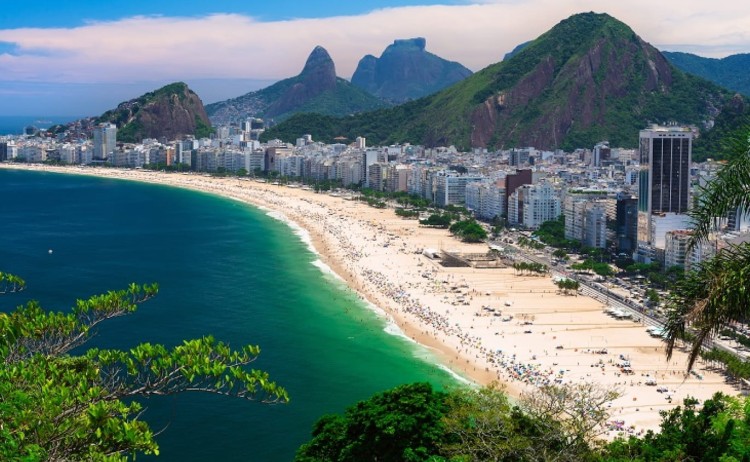
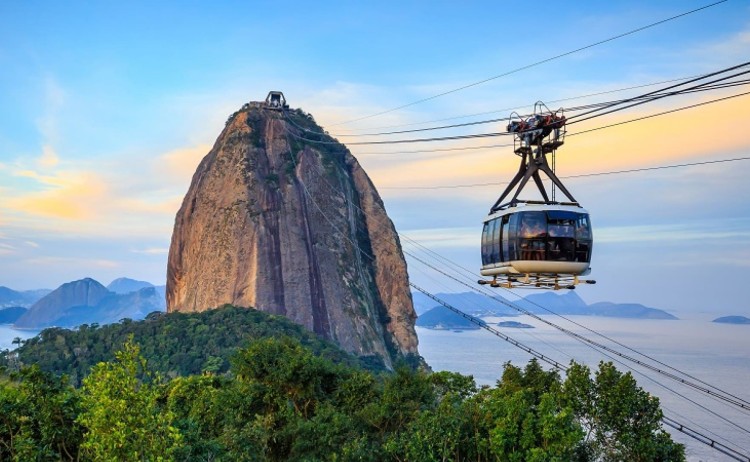
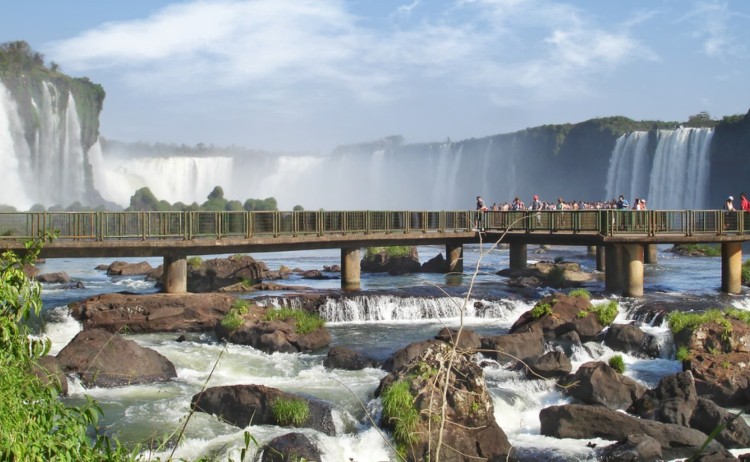
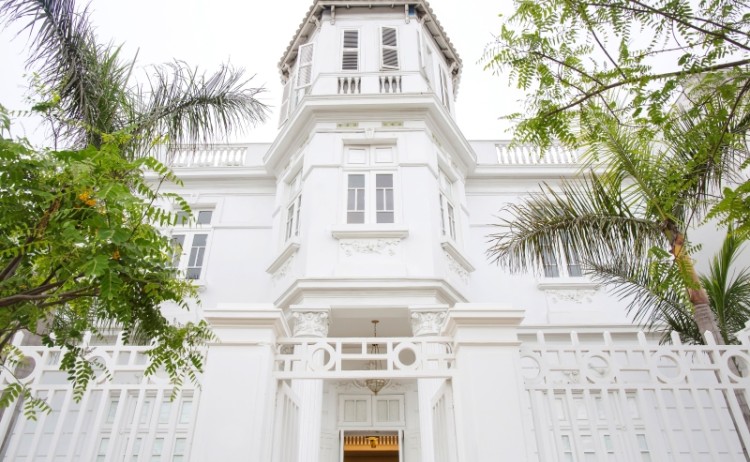
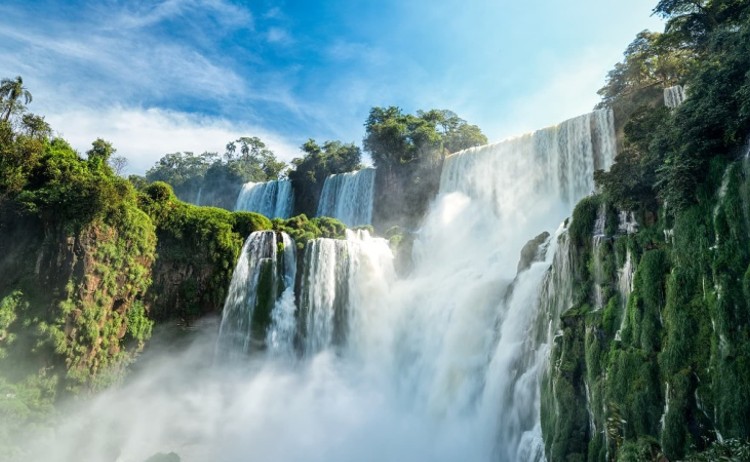
Begin in Buenos Aires, Argentina’s elegant capital, exploring its European-inspired architecture, stylish neighbourhoods, and vibrant food scene. Continue to the awe-inspiring Iguazu Falls, where hundreds of cascading waterfalls stretch across the border of Argentina and Brazil, before soaking up the natural beauty of Rio de Janeiro, with its famous landmarks including Christ the Redeemer and Sugarloaf Mountain.
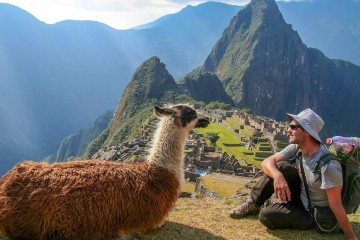
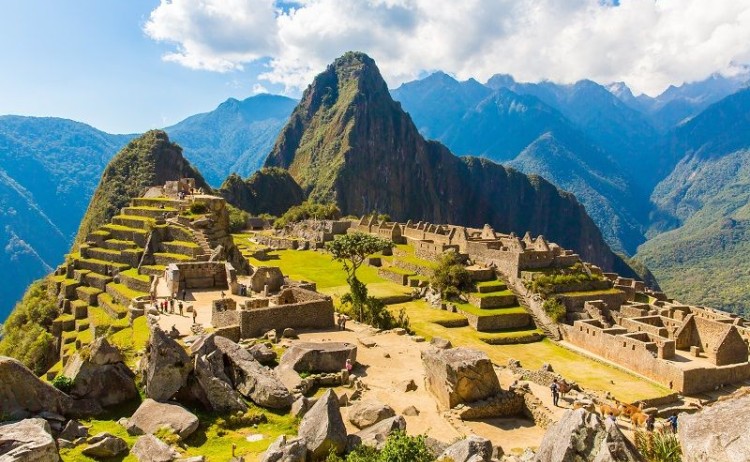
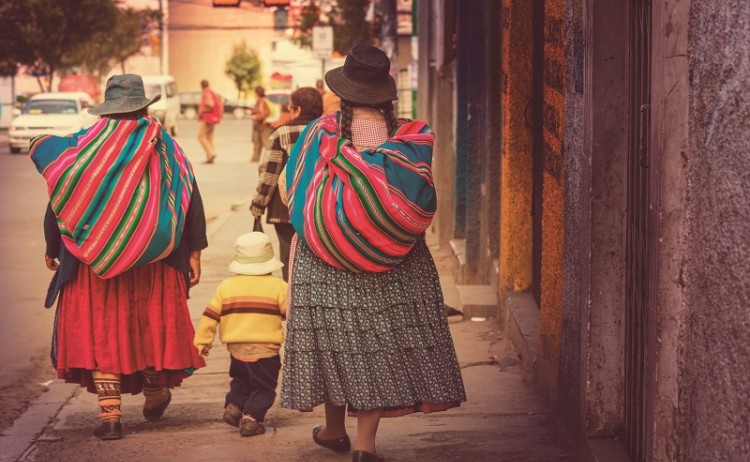
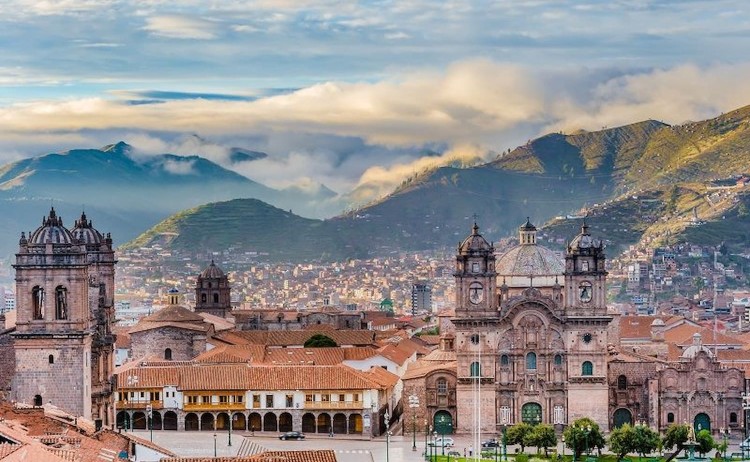
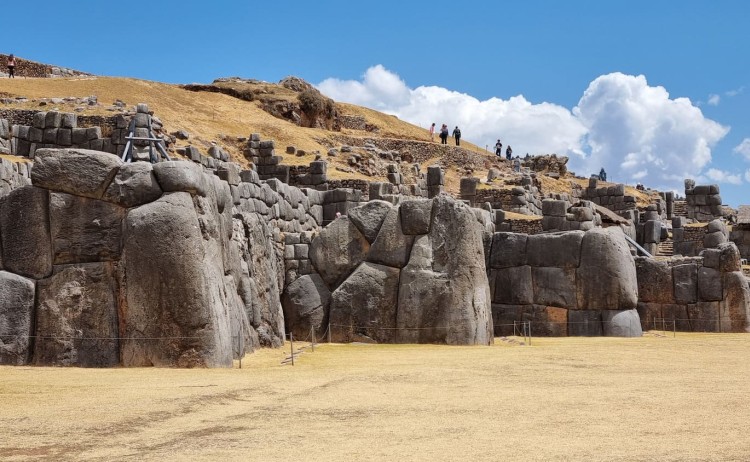
Travel on to Lima, Peru’s dynamic culinary capital, then journey into the Sacred Valley to acclimatise while discovering traditional Andean culture, colourful markets, and remarkable Incan sites such as Pisac and Ollantaytambo. Experience the unforgettable highlight of Machu Picchu, before continuing to Cusco, the historic heart of the Incan Empire, where you’ll explore its rich heritage, lively markets, and exceptional dining.
This immersive journey is more than a collection of destinations—it’s a celebration of South America’s spirit, from the rhythm of its cities and the richness of its cuisines to the power of its landscapes and the legacy of its ancient cultures.
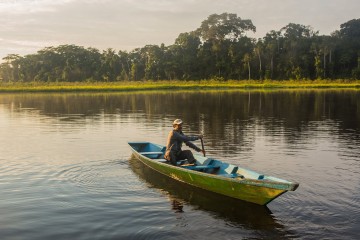
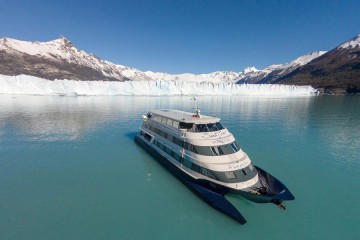
More time? Why not add on a trip to the Amazon, or perhaps to see Perito Moreno Glacier?
Note: this itinerary is designed around the Auckland - Buenos Aires flight schedule. Departs Monday & Thursdays (if using direct flight Auckland to Buenos Aires). Daily if non direct flights. If you are flying from elsewhere in the world, let us know as we can customise this itinerary to suit your schedule.
Video Highlights
Viva's Best Bits...
Enjoy a guided tour of Lima’s culinary and historical highlights. Begin at a bustling market to sample fresh local fruits, then take a scenic stroll through the historic downtown, tasting iconic Peruvian bites along the way.
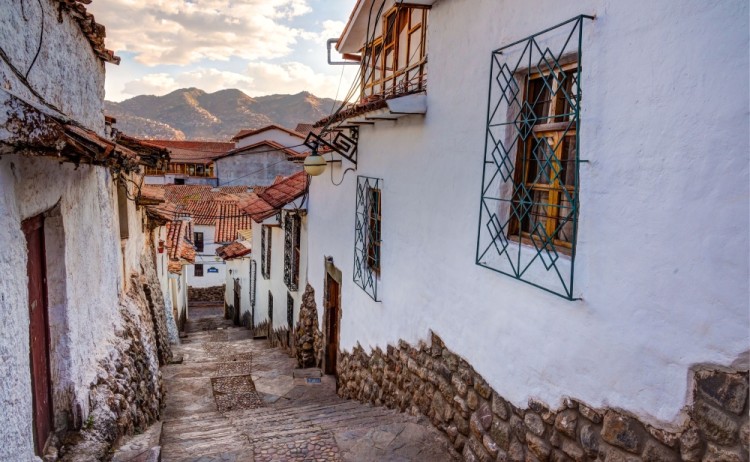
Wander the cobblestone streets of Cusco, the ancient Inca capital. Discover vibrant markets, historic monuments, and stunning Inca and colonial architecture in this UNESCO World Heritage city, full of history and charm at every turn.
Experience a privately guided tour to Machu Picchu, the iconic 15th-century Inca citadel perched 2,430 meters above the Sacred Valley. Though world-famous today, it wasn’t brought to global attention until 1911 by historian Hiram Bingham.