Four Arctic Islands | Ocean Albatros

Tour Overview
Join a remarkable journey exploring four wild Arctic islands: Svalbard, Jan Mayen, Greenland, and Iceland.
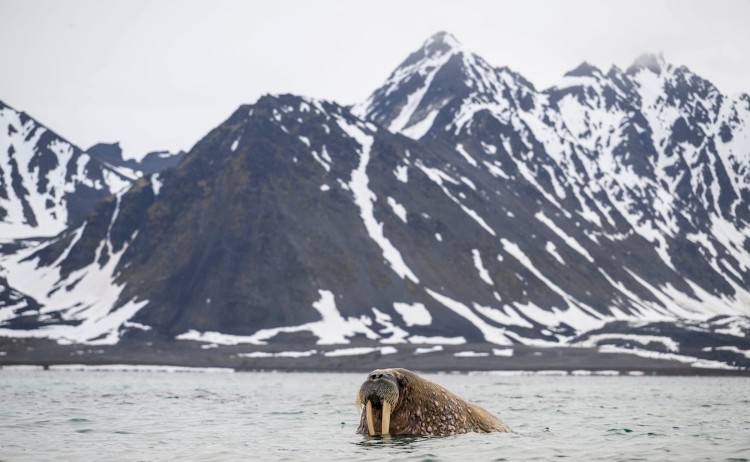
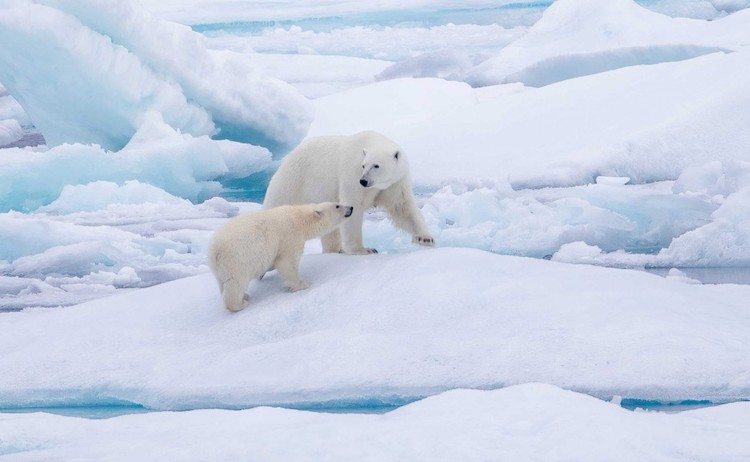
Your journey begins in Longyearbyen, the vibrant gateway to Svalbard. Explore this high-Arctic archipelago renowned for its dramatic landscapes and remarkable wildlife—walrus, reindeer, puffins, and the iconic polar bear.
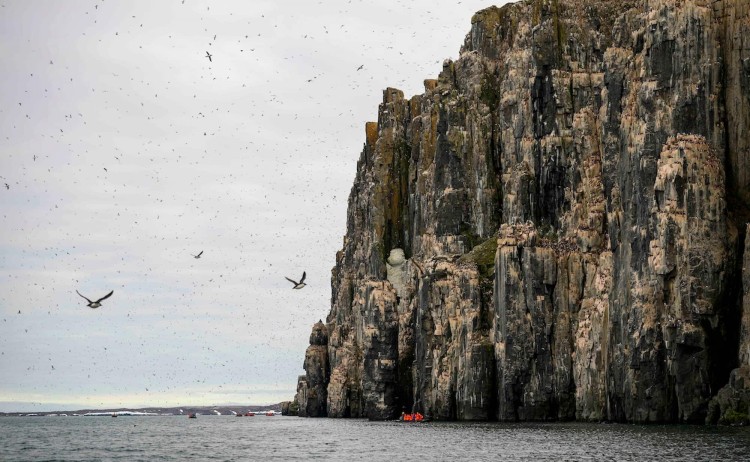
From Svalbard, sail south to the mysterious island of Jan Mayen, crowned by Mount Beerenberg, the world’s northernmost active volcano. Towering above black volcanic cliffs, seabirds fill the skies of this isolated and rarely visited outpost at the edge of the Arctic.
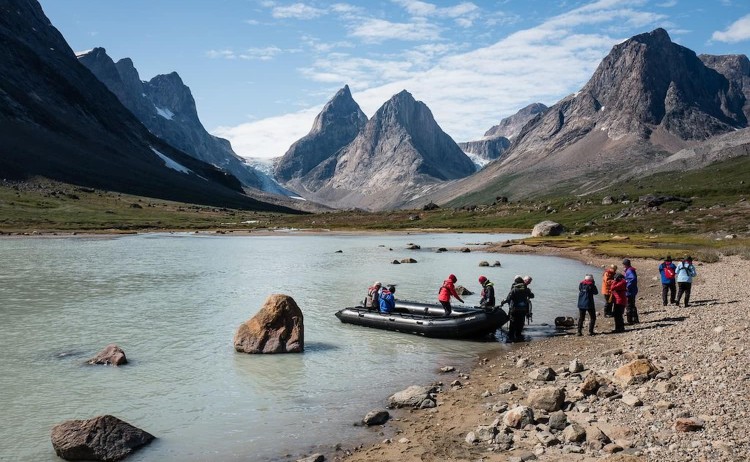
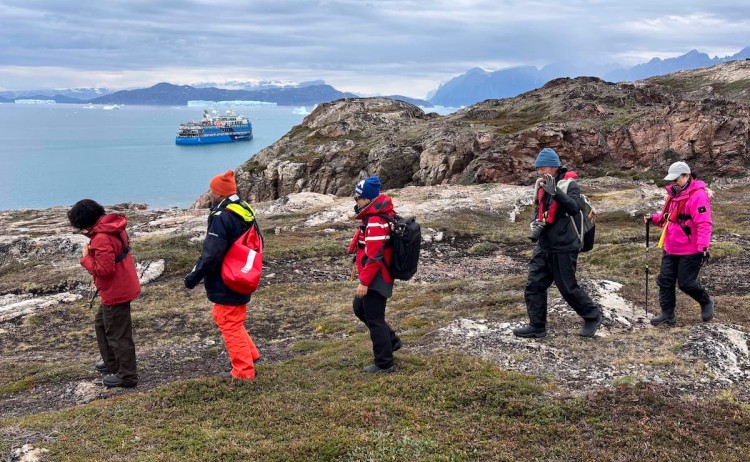
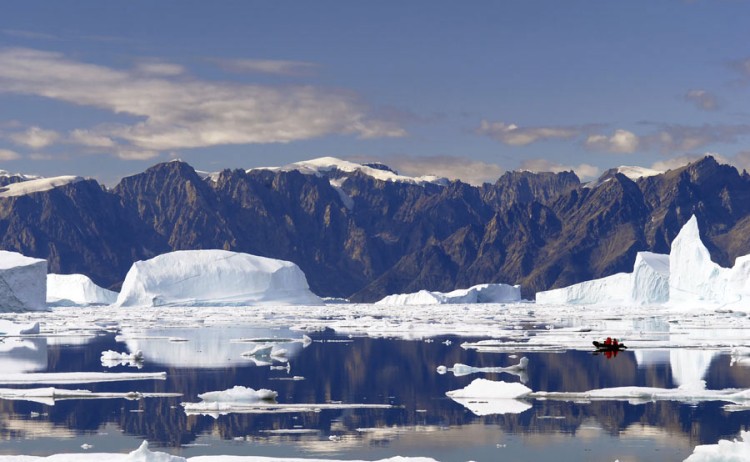
Aboard the ice-class Ocean Albatros, continue toward East Greenland, the largest island on Earth. Its remote, icebound coastline offers pristine fjords and the perfect habitat for polar bears, belugas, and other ice-dependent wildlife.
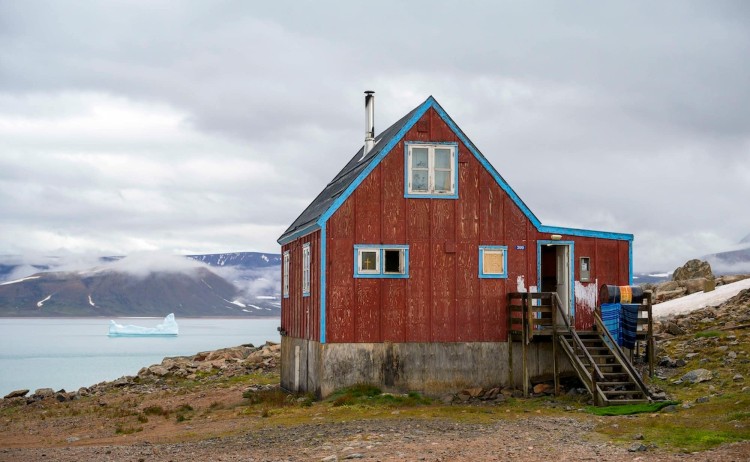
Step ashore in Ittoqqortoormiit, a small town rich in tradition and community spirit. Visit the local museum and church, and meet residents who proudly share their culture, often dressed in colorful traditional clothing—an authentic window into Greenlandic life.
The journey concludes in Reykjavík, Iceland after crossing the Denmark Strait, where modern Nordic culture meets volcanic landscapes. Explore landmarks like Hallgrímskirkja, browse unique museums, and savor Iceland’s celebrated cuisine.
An unforgettable Arctic journey that brings together the history, knowledge, and fun of four extraordinary Arctic islands.
Viva's Best Bits...
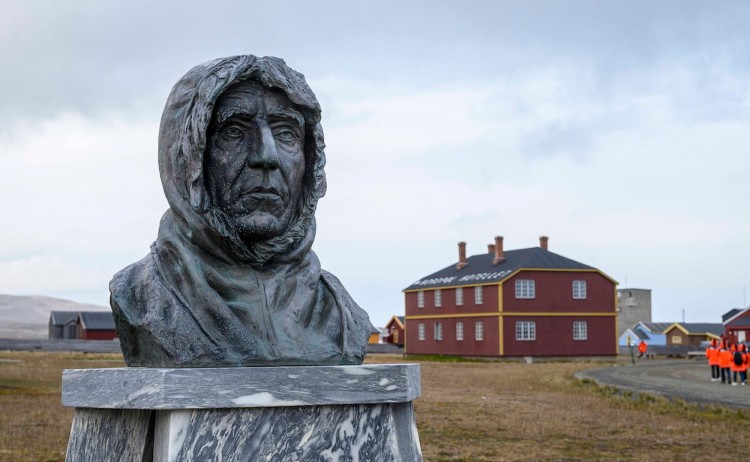
Journey to Ny-Ålesund, where the Arctic’s icy frontier meets human curiosity. This remote settlement is home to scientific stations and was once the base for iconic explorers like Nansen and Amundsen.
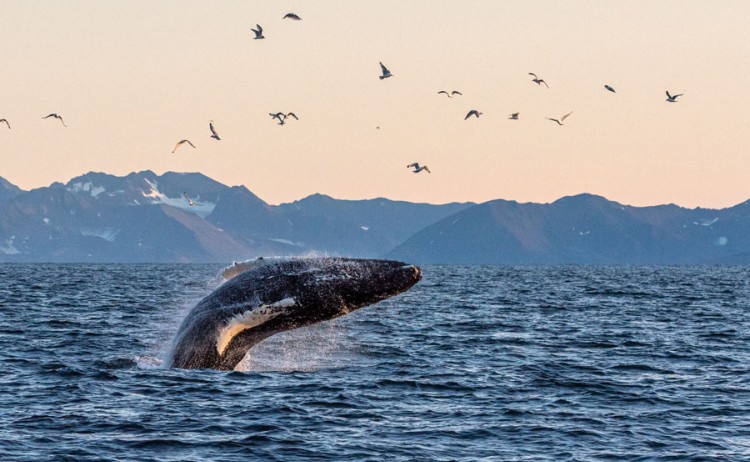
Get ready for an incredible journey through Arctic wildlife, with opportunities to spot whales, walruses, a rich variety of seabirds, and the iconic polar bear—an experience few will ever witness.
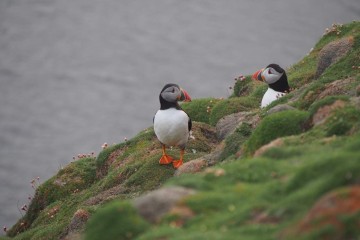
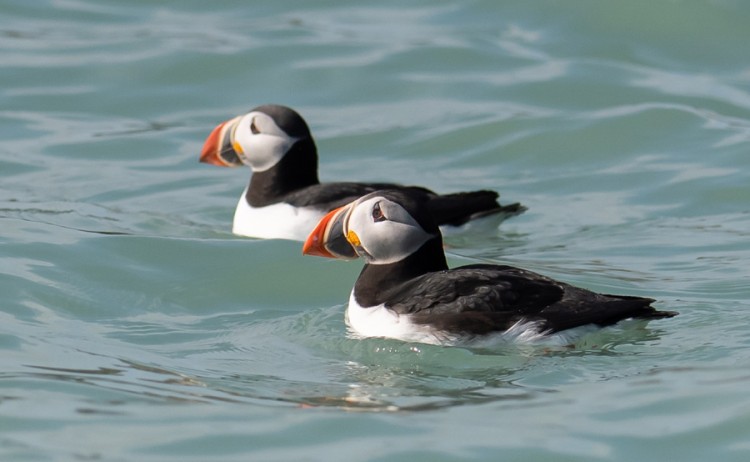
Meet the puffins, whose colorful beaks and charming waddle have earned them the nickname 'clowns of the sea.' In Iceland, you can see them alongside other seabirds in some of the largest colonies in the world.